
Western Australia is the largest state in Australia but comprises just 10% of the population. Just 2.5 million people live here of which 2 million are in Perth, the capital city, alone. That makes the massive outback here empty, vast and magnificent.
Although not as oft visited as other states due to its isolation, I can highly recommend spending time exploring this stunning state. Fly into Perth, the most isolated city in the world - the next closest major city is Adelaide, more than 2,000km away! - and, after spending some time exploring the city, grab yourself a rental campervan or car and hit the road.
→ Check out my complete guide to visiting Perth!
There are two main roadtrip options to do from Perth through Western Australia: heading north up to Exmouth or even further to Karijini National Park or heading south to Esperance via Margaret River. I've done both and am here to give you all the best tips of what to do along the way.
→ Check out my complete guide to roadtripping down the west coast from Perth to Esperance!
We're currently living full-time in our campervan, a 2018 Mercedes Sprinter, and exploring Australia, with a plan of "driving the lap" (completing the entire perimeter of the country). I first visited Australia in 2019, following the classic backpacker route, mostly visiting big cities, staying in hostels and traveling by public transport. This time, with the freedom of our campervan, we're trying to hit the lesser known spots and go slower.
The route from Perth to Exmouth is about 1,250km, passing stunning national parks, pristine beaches, fantastic wildlife, beautiful sunsets and the chance to snorkel some of the best coral reefs in the world. I have done this roadtrip twice now; once in 2019 as a backpacker on a guided tour and then again in 2026 with my partner in our campervan, giving us the freedom to go slower and stop wherever and whenever we wanted to.
This is a complete guide in geographical order from Perth to Exmouth. You can then head back down to Perth (as I did in 2019) or carry on to Karijini National Park (as we did in 2026).
I first roadtripped from Perth to Exmouth in February 2019 on a solo backpacking trip and returned with my partner in our campervan in April 2026 and updated the original post with all the new things we did. This post was first published on 4 February 2019; last updated 10 April 2026.
Every single spot (and more) that I mention in all my blog posts about Australia can be found in my Australia | Ultimate Map!
This is a digital map featuring hundreds of my favourite restaurants, campgrounds, accommodations, shops, photo spots, museums, beaches, lakes, animal spots, bridges, viewpoints, hikes and SO much more in Australia, including its three external territories.
Each pin includes exact locations, images, detailed information, the ability to open and save the spot in your Google Maps and a link to my relevant blog post to read more.
COMING SOON → Buy the Australia | Ultimate Map!
Below is some useful information for preparing for your roadtrip from Perth to Exmouth. In all cases, please be sure to check with the relevant local authorities for the latest and accurate information.
Language: The official language of Australia is English.
Currency: The currency used in Australia is the Australian dollar, denoted as AUD $. I use a Wise account when I travel which allows me to have a single, free account with multiple currencies. I only have to pay once to convert my money in the app and then I can pay in AUD $!
→ Check the latest currency conversion between AUD $ and your local currency.
Data: Before you arrive, I recommend purchasing an eSim on your phone so that you can access data the moment you land. eSims are much more convenient as it means you don't have to put a separate physical Sim into your phone. AirAlo offers great deals for eSims of various data sizes and time lengths with Optus.
→ Load an international eSim on your phone with AirAlo.
If you are visiting Australia long term, you might wish to put a physical Sim in your phone as AirAlo is geared more towards short term visitors on holiday. This way you can access a local phone plan. There are three main mobile phone network providers in Australia: Telstra, Optus and Vodafone. Telstra has the best coverage across the country whereas Optus and Vodafone are good within cities. I recommend Telstra as it means you have the best coverage while you travel around the country, especially in rural areas.
We travel with a Starlink in our campervan which enables us to have unlimited WiFi wherever we are, even in places without coverage.
Visa: All passport holders except New Zealand require a visa to visit Australia. All arrivals must fill out an Australian arrival card before landing.
→ Check which visa you need for Australia.
Time of year to visit: Australia can be visited all year-round. The northwest of the country has a cyclone season between November and April so the best time to visit is April to September for clear waters, dry humidity and best of all, it's peak whale shark season.
Length of stay: A roadtrip from Perth to Esperance is about 1,250km, depending on how many stops you choose to make along the way, and then double it if you head back to Perth afterwards. I'd recommend at least two weeks to do it properly.
Normally, in my other blog posts, I write different sections: where to stay, where to eat and what to do. As I'm covering more than 1,250km in this blog post, I've decided to arrange the entire guide in geographical order from Perth to Exmouth so you can read step-by-step about where to go, what to do, where to eat and suggestions for where to stay along the way.
The first time I roadtripped from Perth to Exmouth, I didn't have my own wheels and so I joined in with an eight-day group tour that hit most of the highlights I wanted to see - in fact, the itinerary was so good we followed much of it on our second visit! In 2019, I traveled with Red Earth Safaris, a locally-owned company that only operates this tour; they're experts!
When we returned in 2026, we had our own campervan. Your own wheels are definitely the best way to experience the west coast as it gives you the ultimate freedom of going as fast or as slow as you like.
→ Rent a campervan in Perth with Apollo, Camplify, Indie or Juicy.
The best way to find camping spots is to use an app. We use Wikicamps Australia, a cheap app that has every single amenity listed (both free and paid) that you might need on the road. This includes things like where to fill up fresh water, where to dump grey water, where to empty toilets, where to stay, gas stations, information points and also has suggestions for things to do as you go.
→ Download the Wikicamps Australia app.
If you have a car without camping options, there are accommodation options in the towns and cities along the way.
Perth
Perth is the most isolated city in the world, situated all the way on the far western coast of Australia. The next closest major city is Adelaide, more than 2,000km away. It's the fourth-largest city in Australia (after Melbourne, Sydney and Brisbane) and the capital of Western Australia.
As there is so much to see, eat, do and explore in Perth, I've written a comprehensive guide to the city for all your planning and inspiration needs.

Yanchep National Park
From Perth, Yanchep National Park is just 40 minutes north.
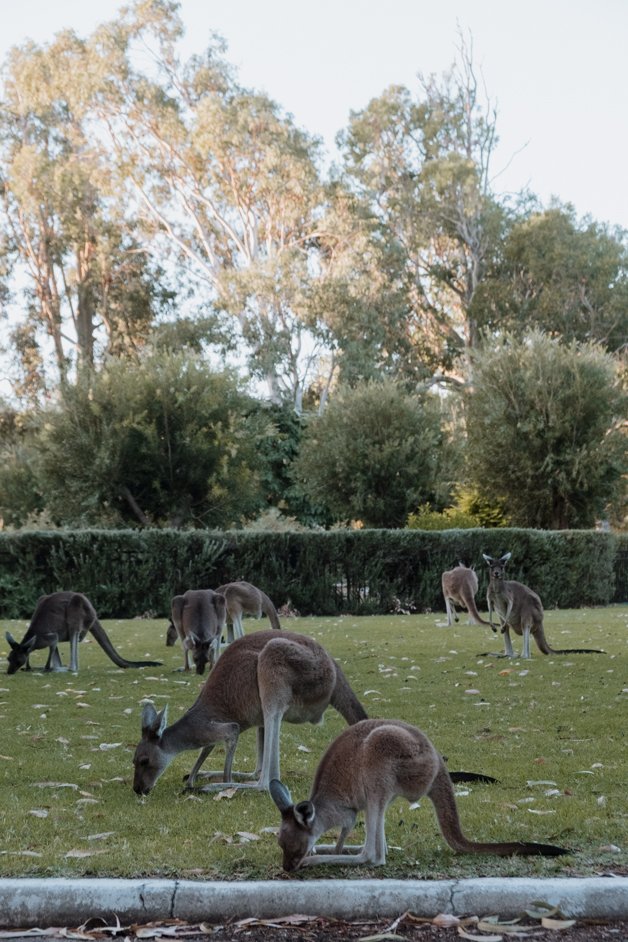
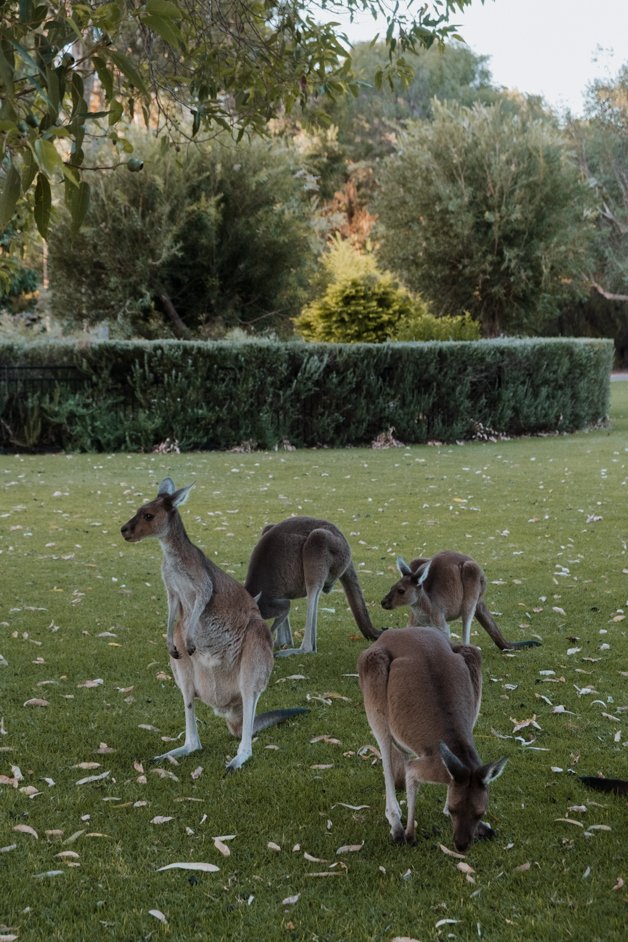
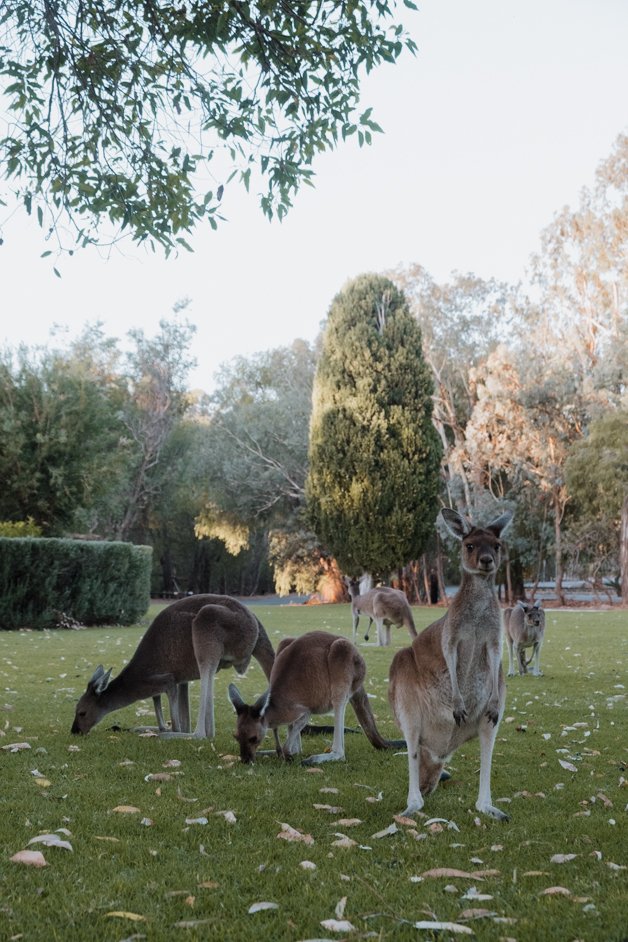
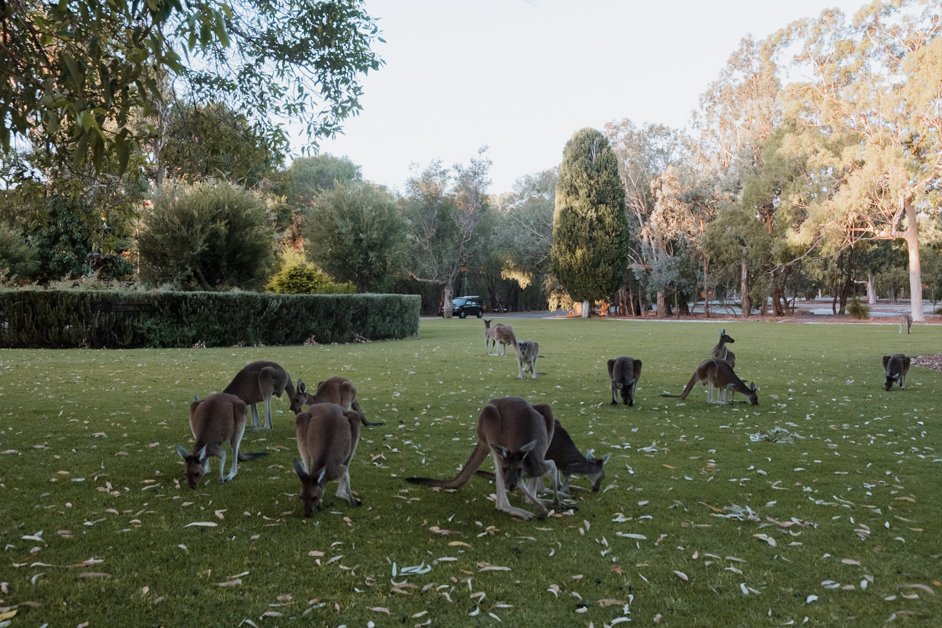
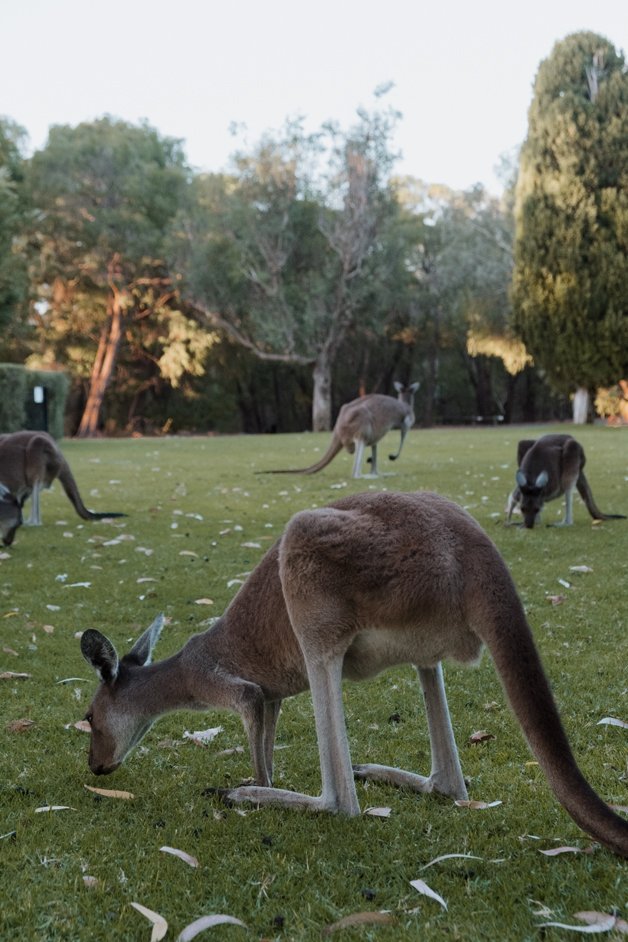
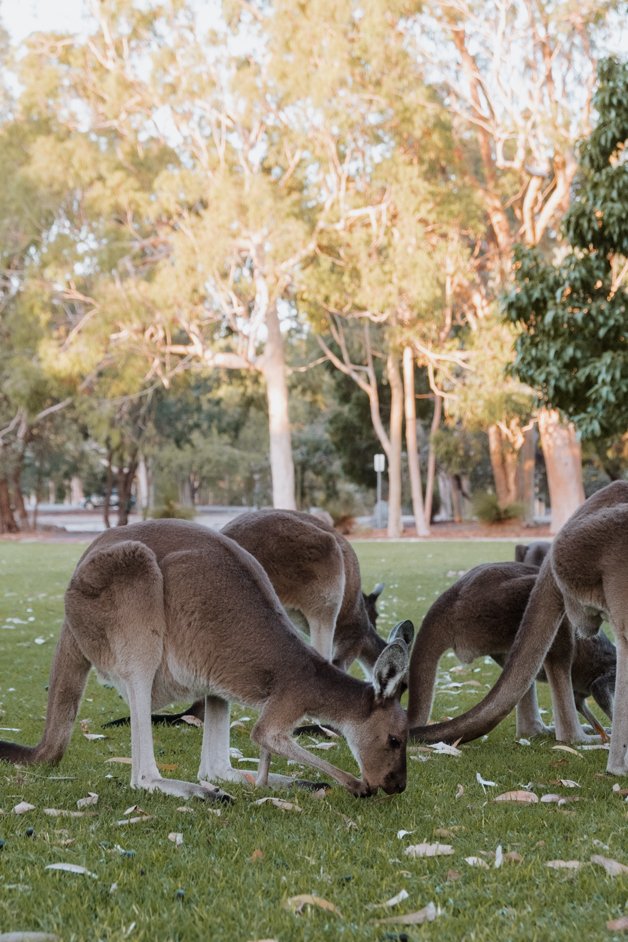
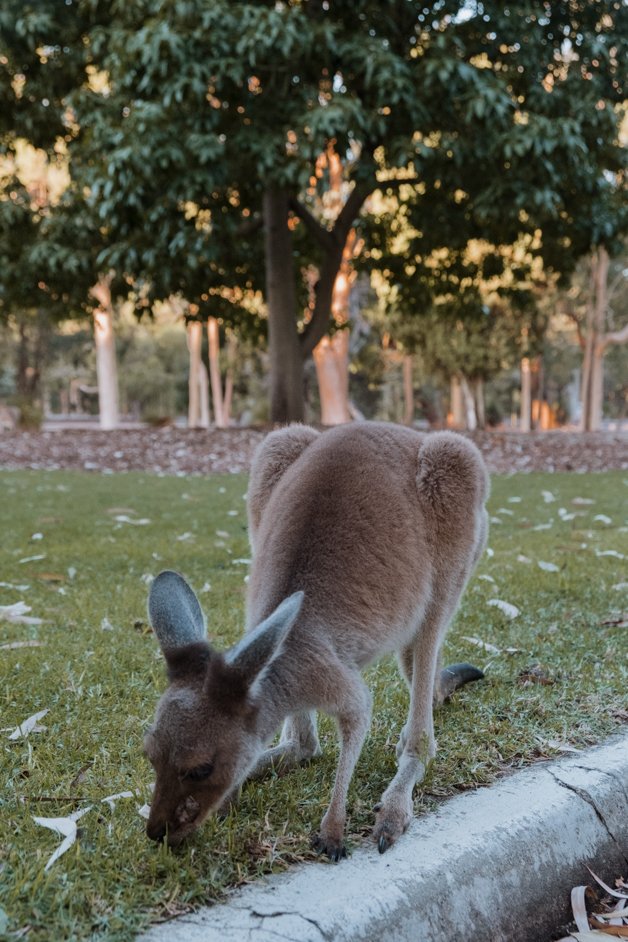
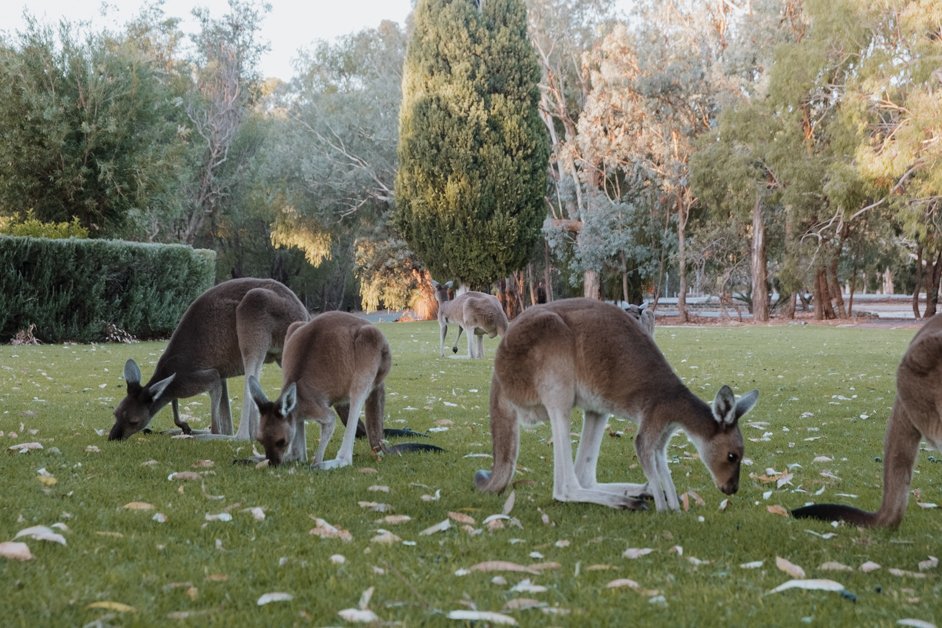
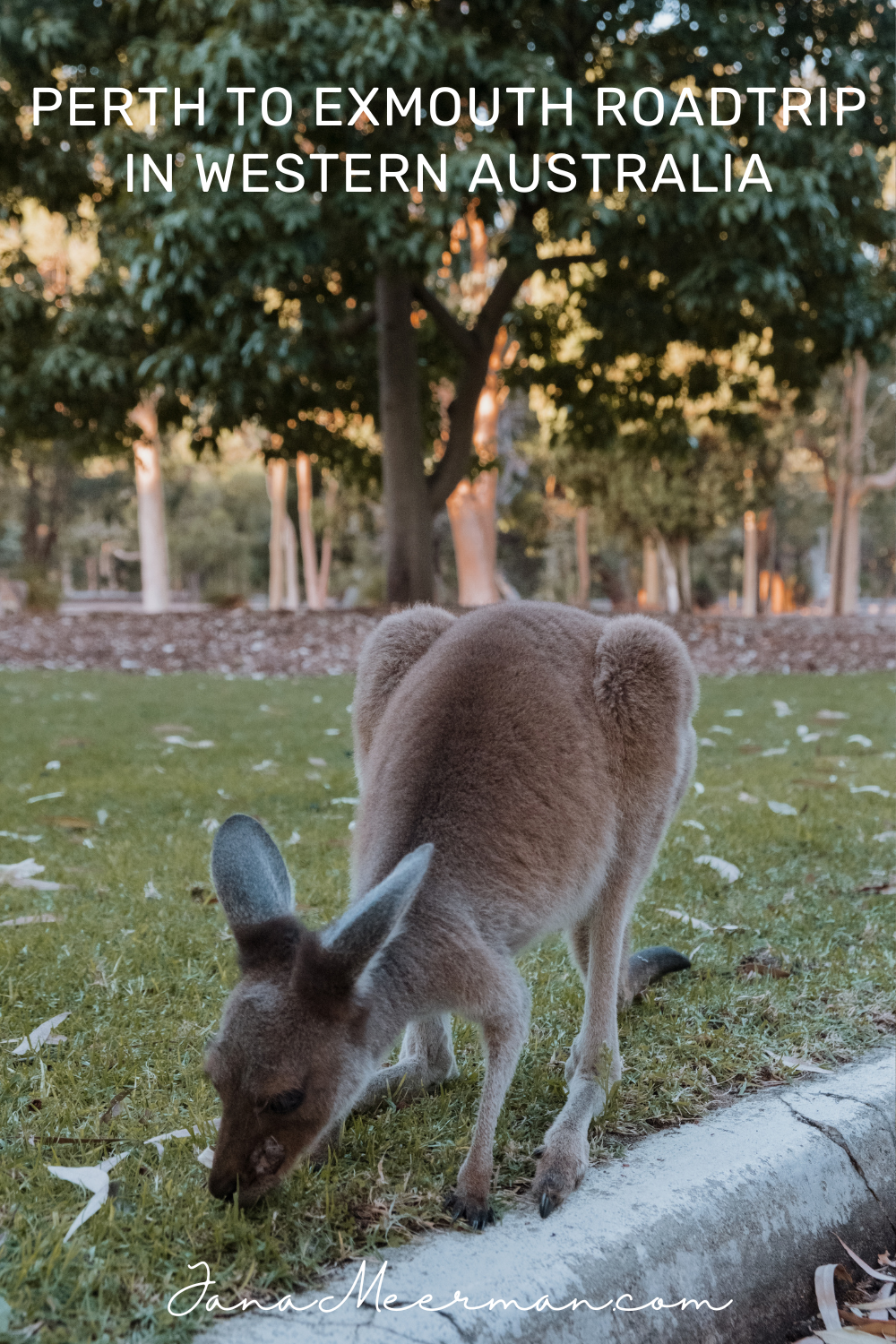
Here you can spot herds of wild kangaroos roaming freely through the park and say hello to the koalas in the sanctuary, most often found snoozing up in the eucalyptus trees. If you have more time, explore some of the nearly 600 documented caves or nine walking tracks through the woods and around the lake.
→ Check out the reel I made about spotting kangaroos in Yanchep National Park!
→ Check the current entry fees to visit Yanchep National Park.
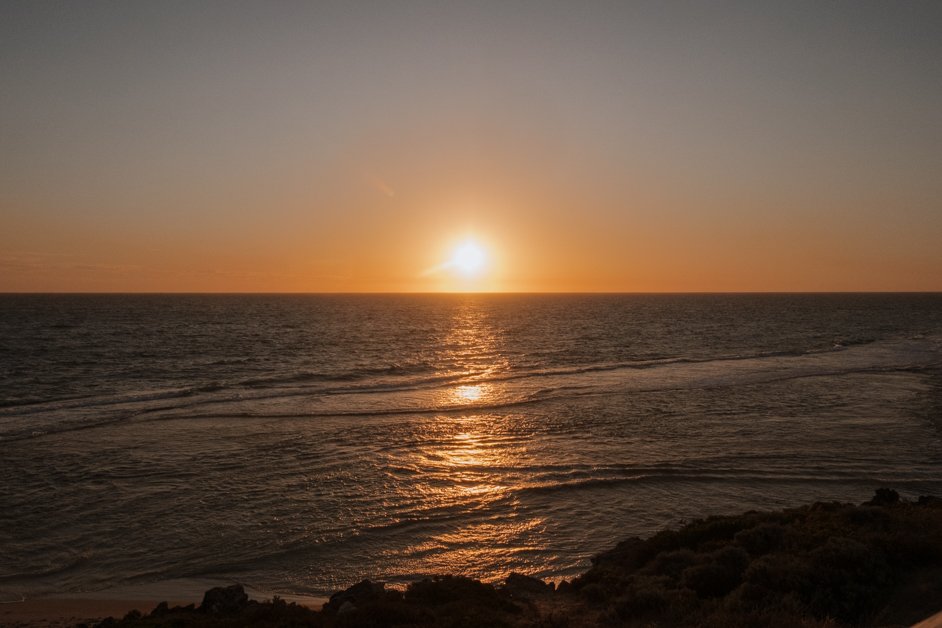
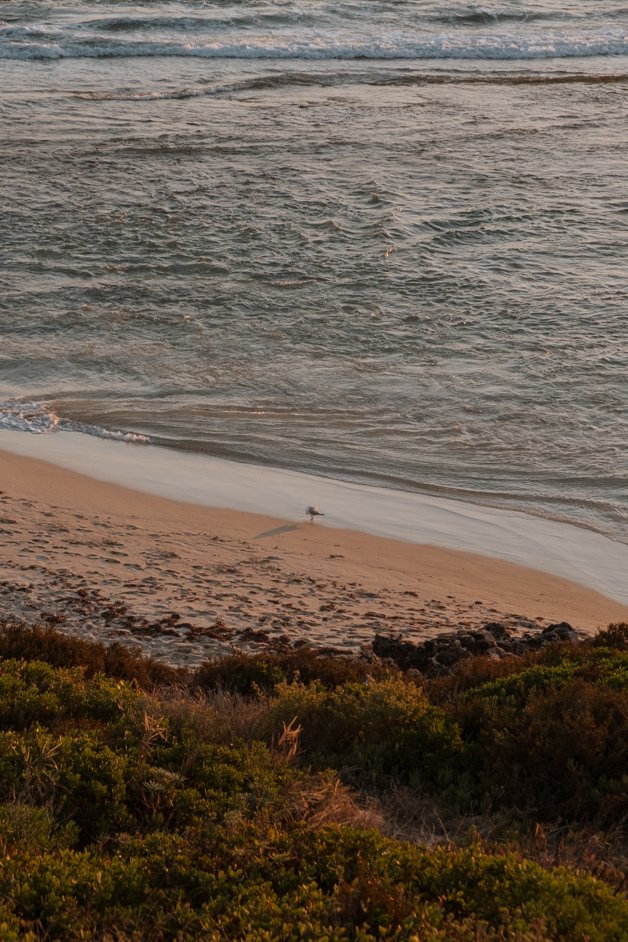
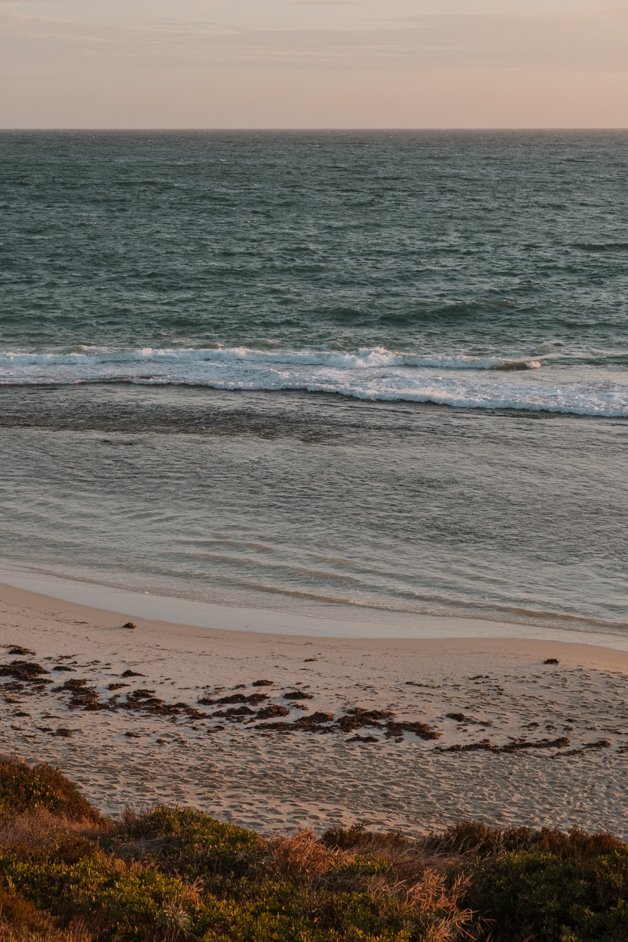
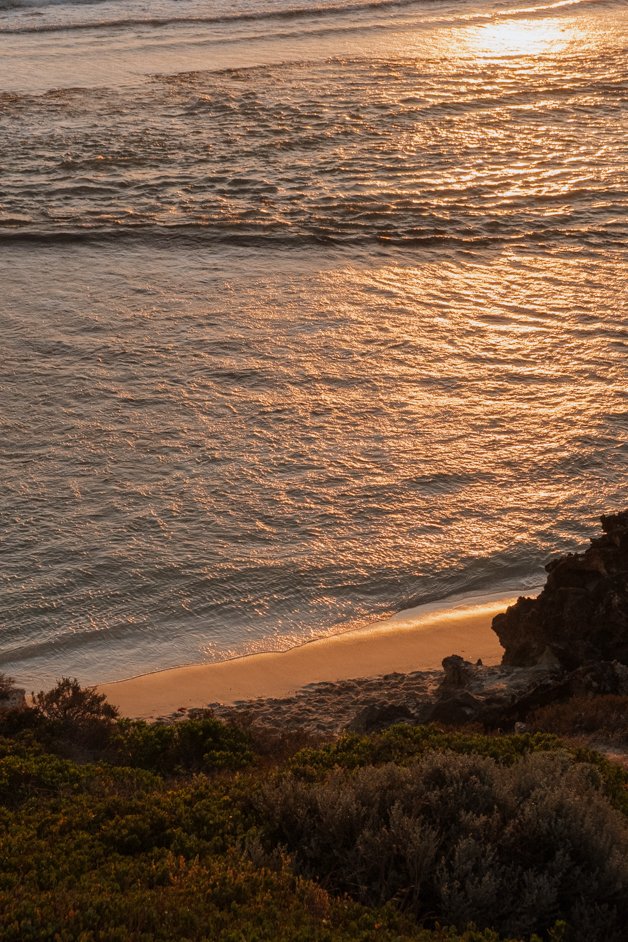
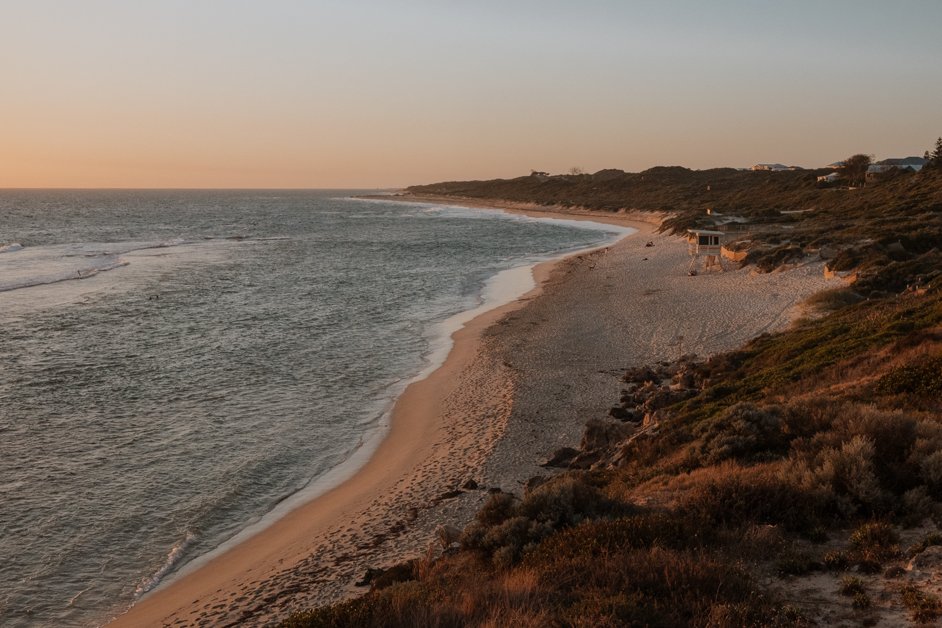
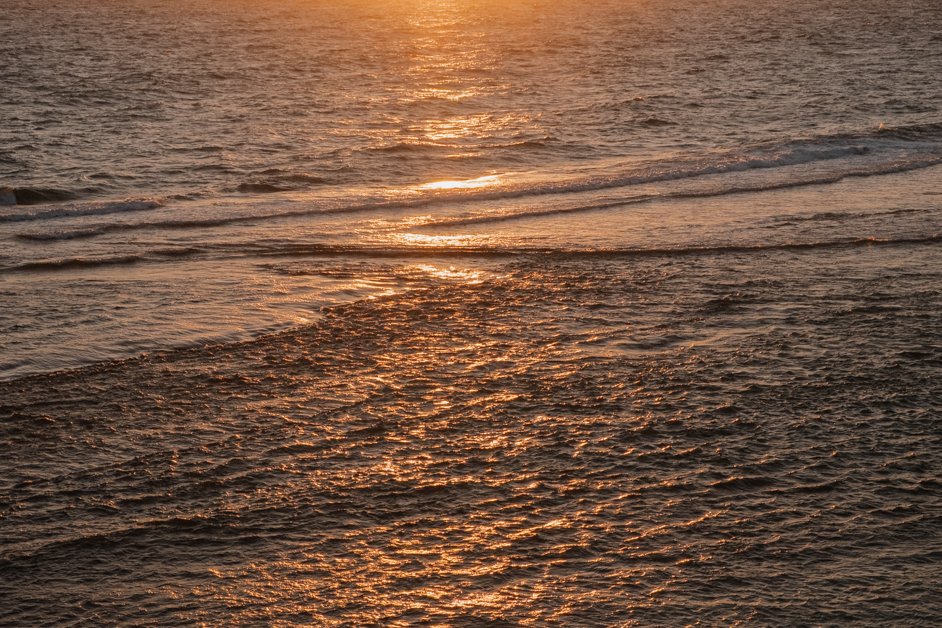
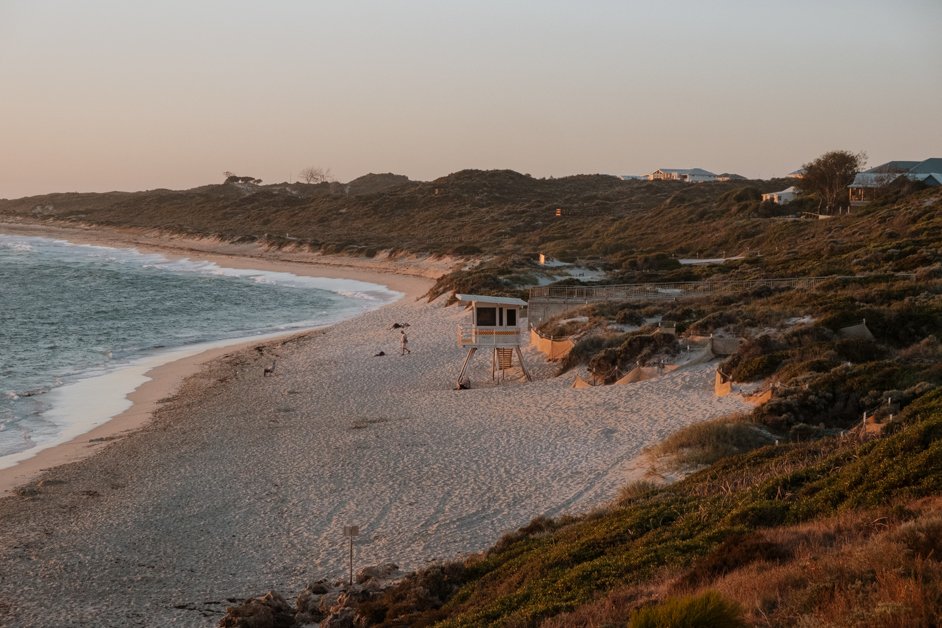
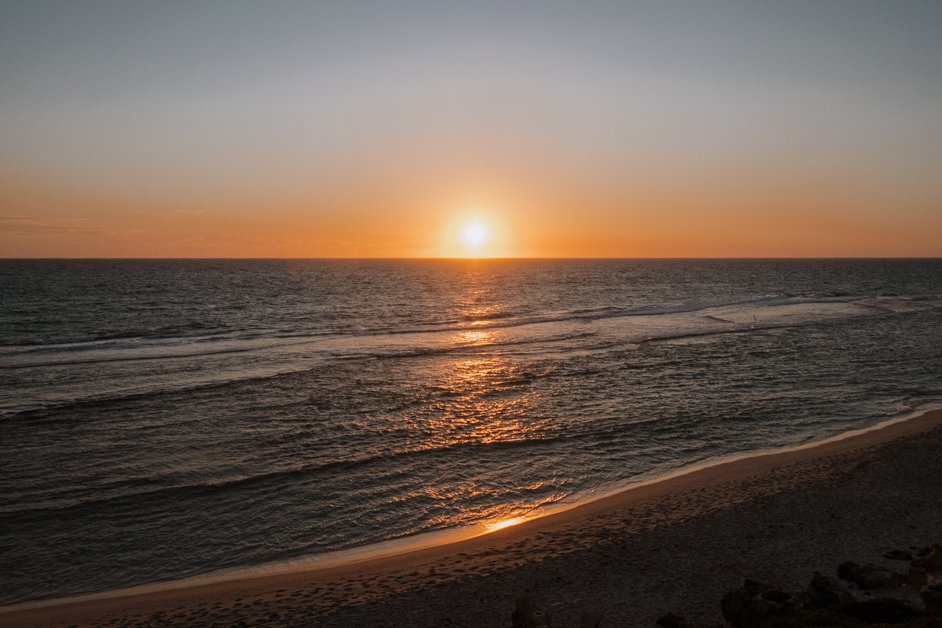
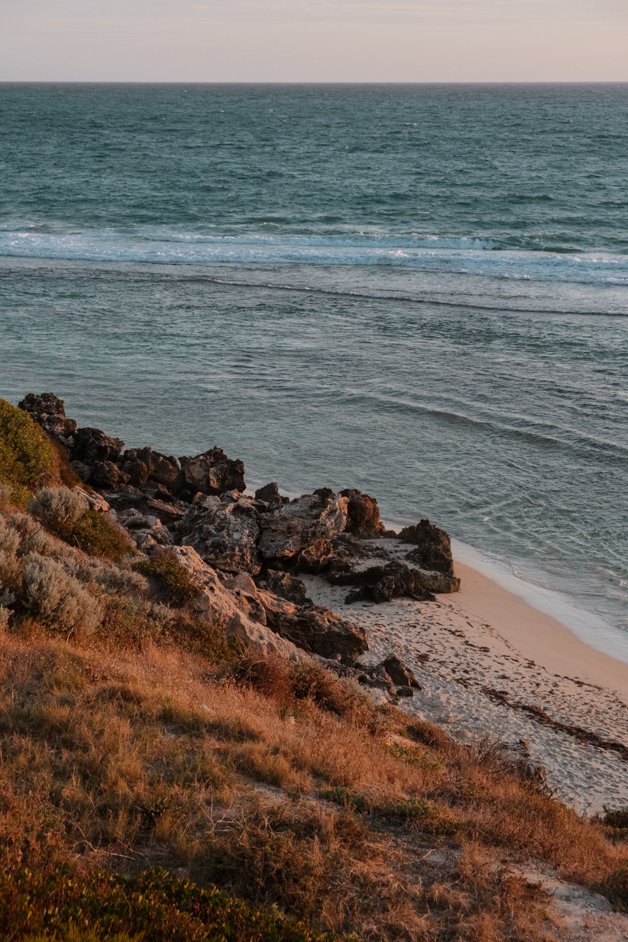
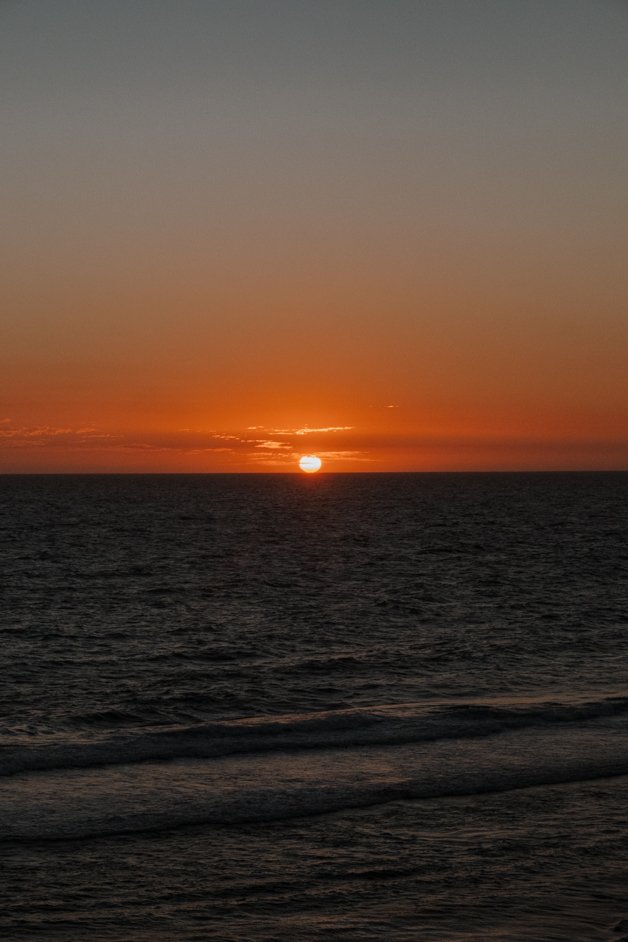
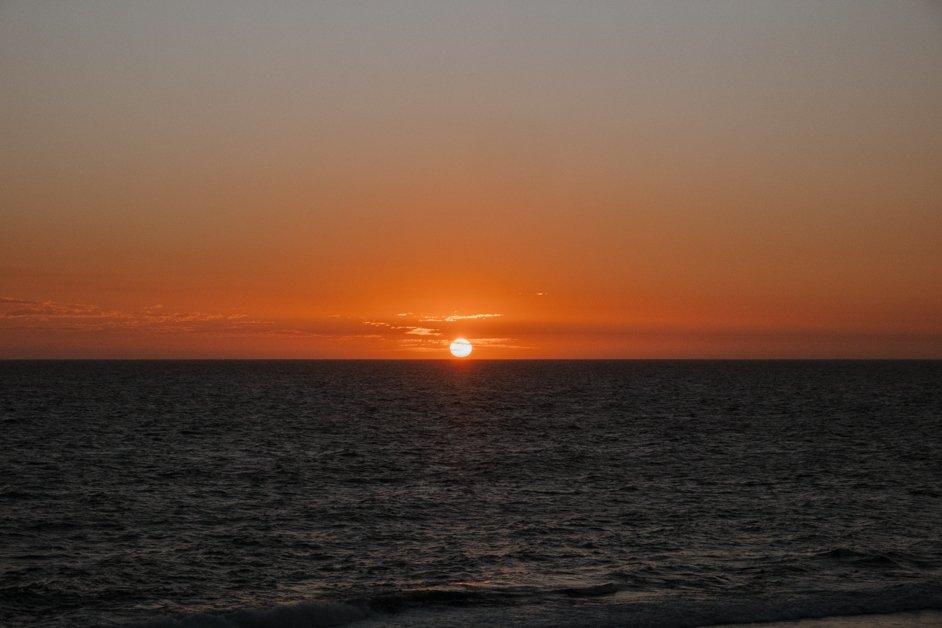
Finish your day with sunset over Yanchep Lagoon, a beautiful sandy beach just west of the national park.
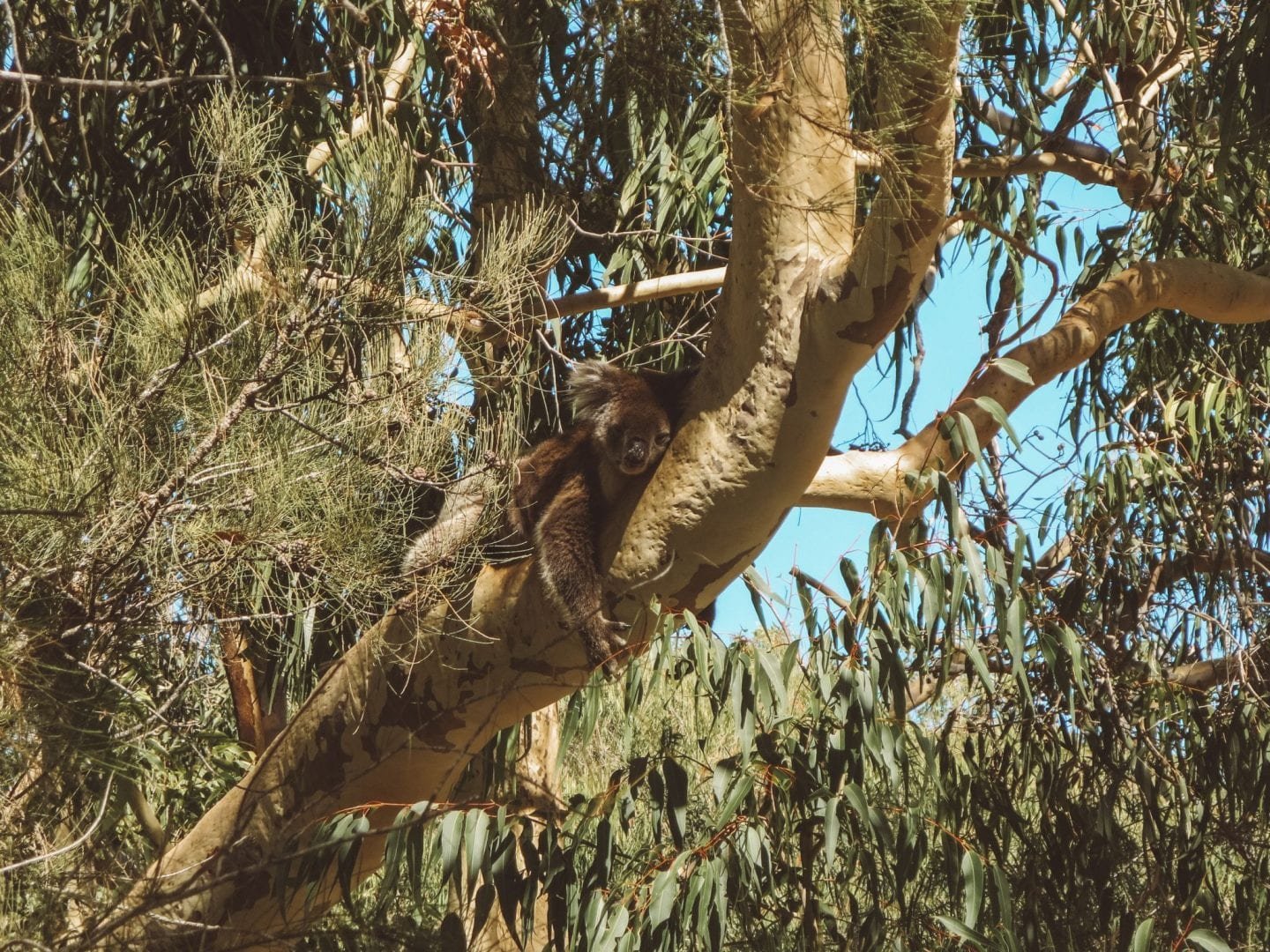
Spotting koalas in 2019
Lancelin Sand Dunes
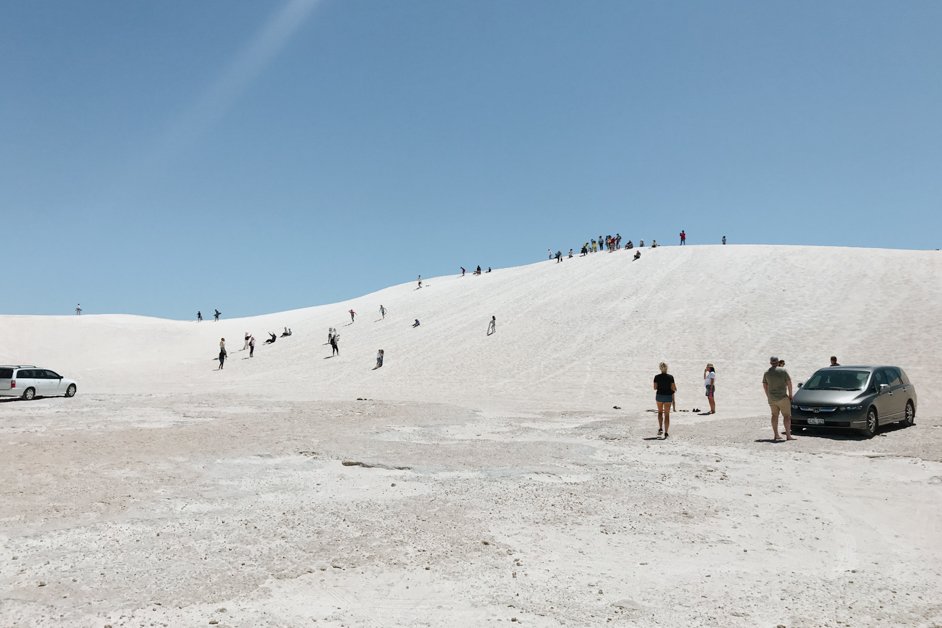
From Yanchep National Park, Lancelin Sand Dunes is just under two hours north.
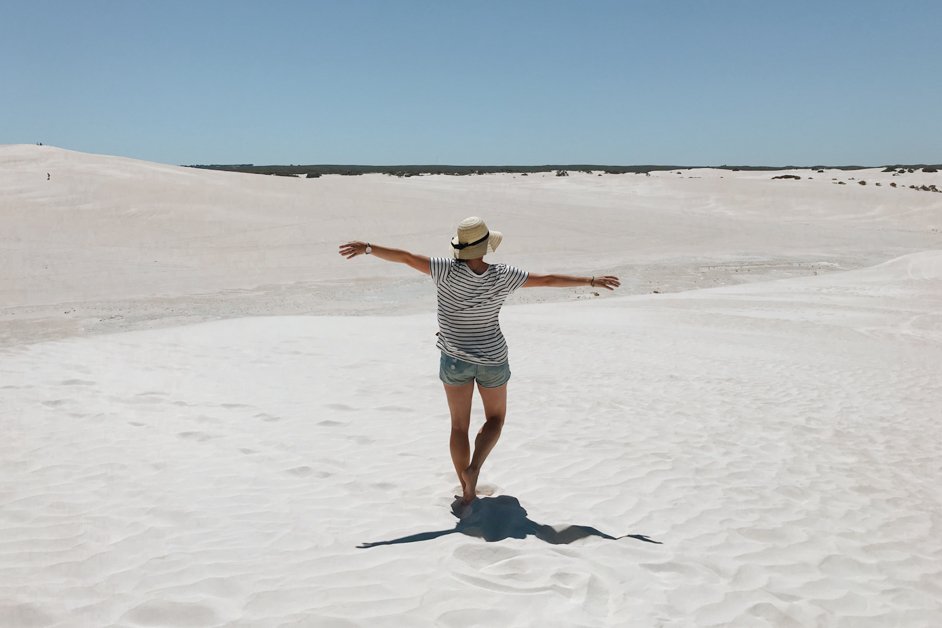
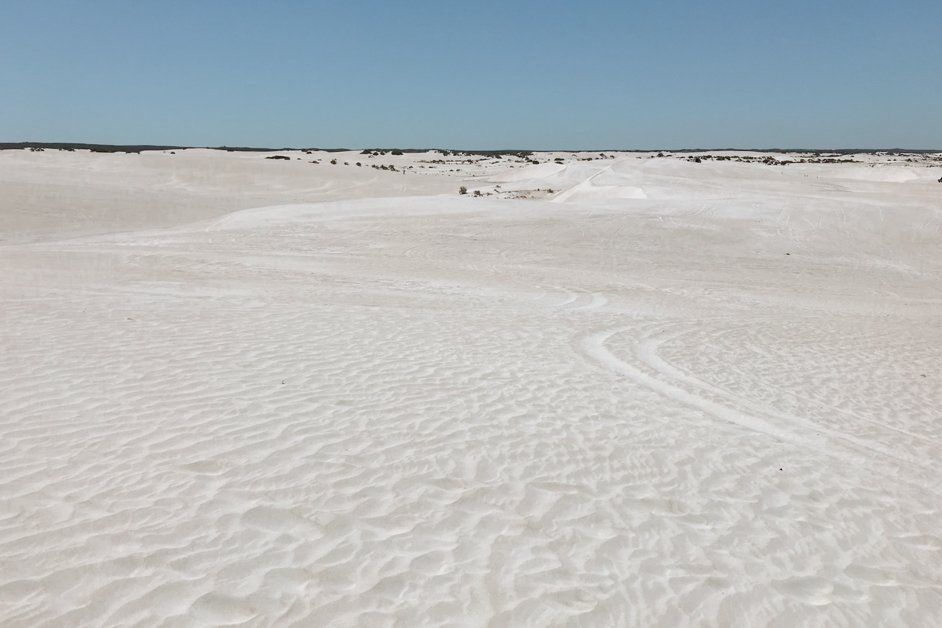
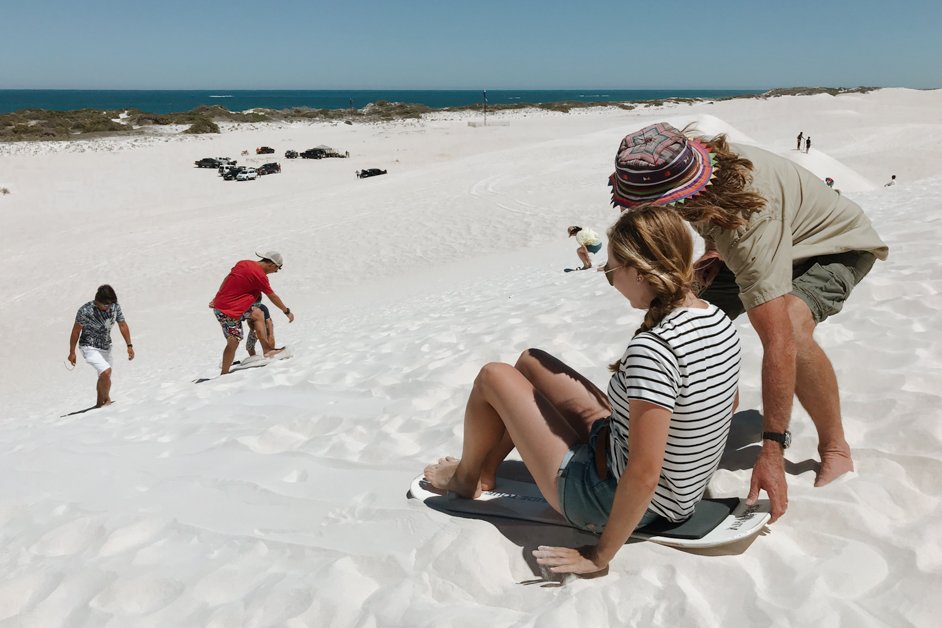
Here you can spot the massive hills of pure white sand which were left behind from when this land was all covered in ocean. It's now famous for sand-boarding where you ride a board down the sandhills! If you have a 4x4 car, you can also drive on the sand.
Sandboarding and entry to the dunes is free; you can rent sandboards on site for a small fee.
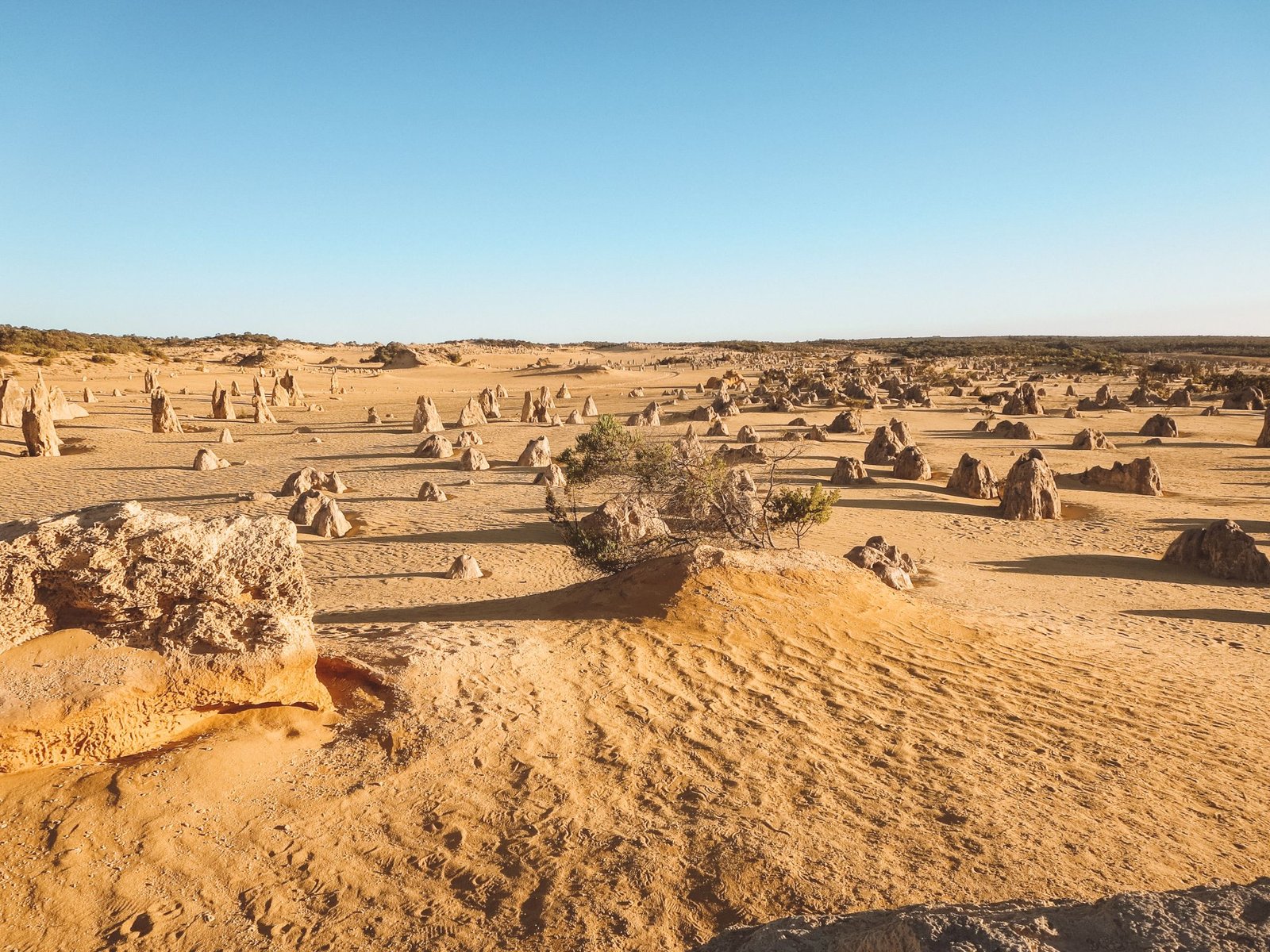
Pinnacles at Nambung National Park
From Lancelin Sand Dunes, Nambung National Park is just under two hours north.
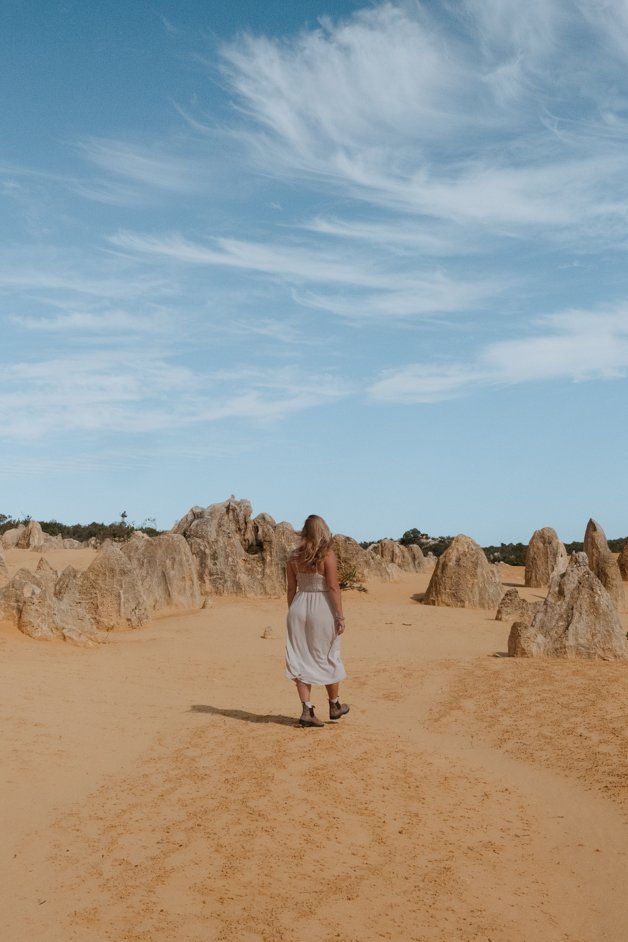
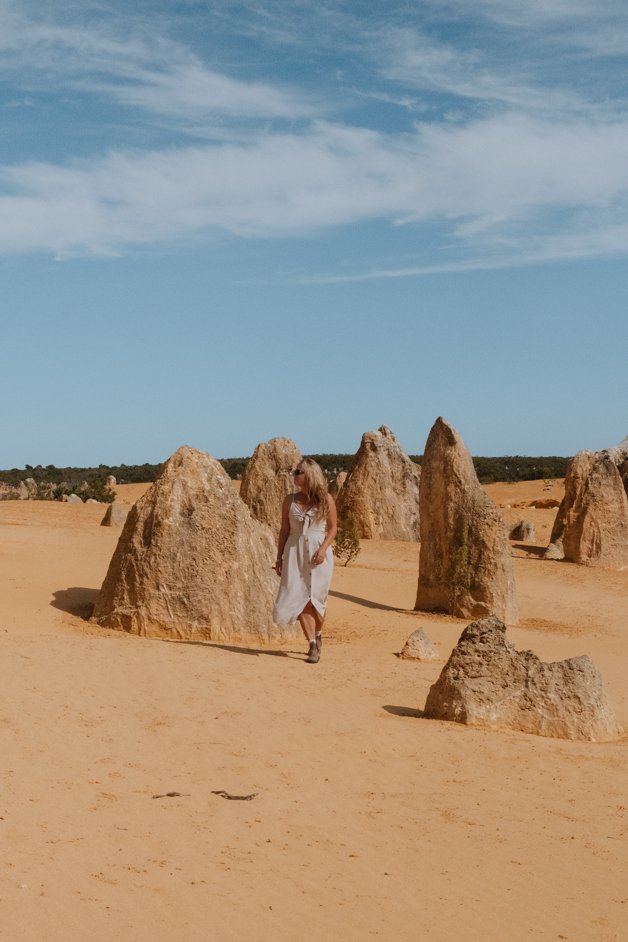
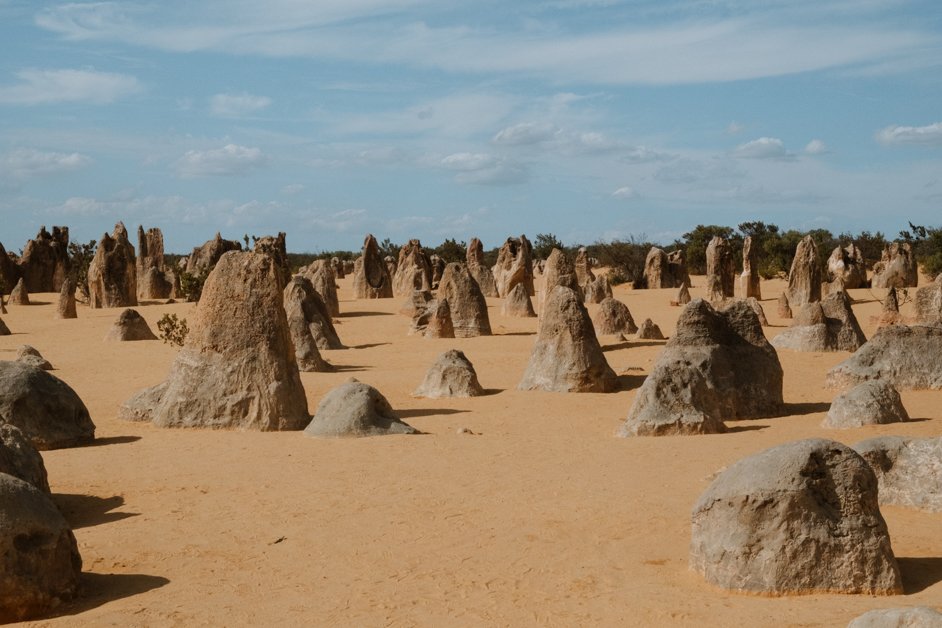
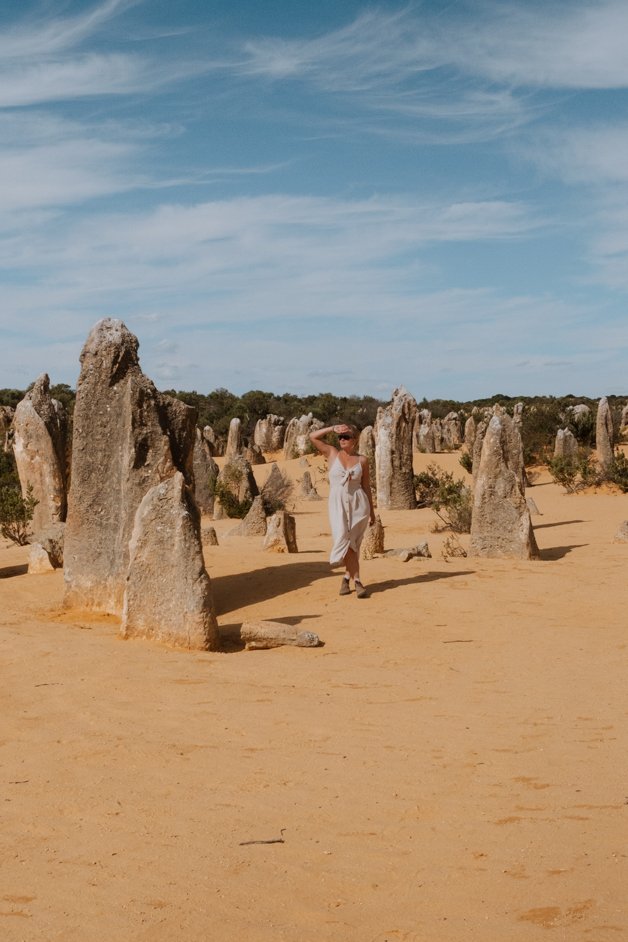
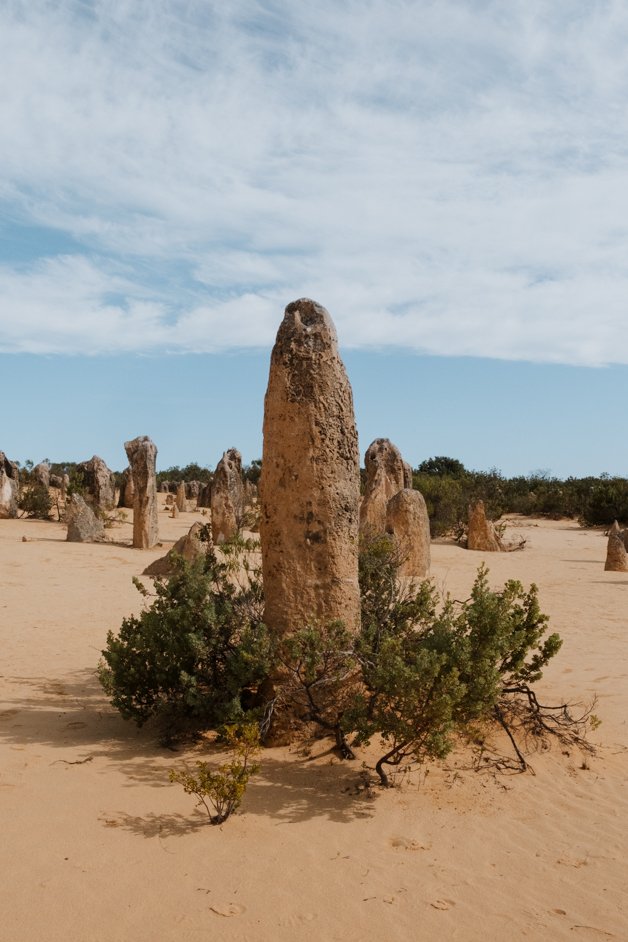
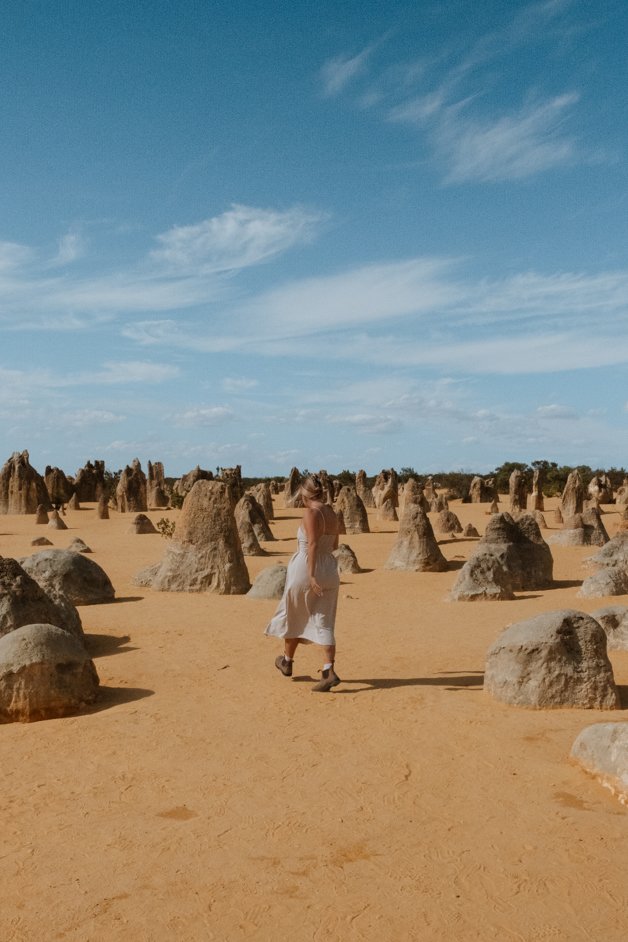
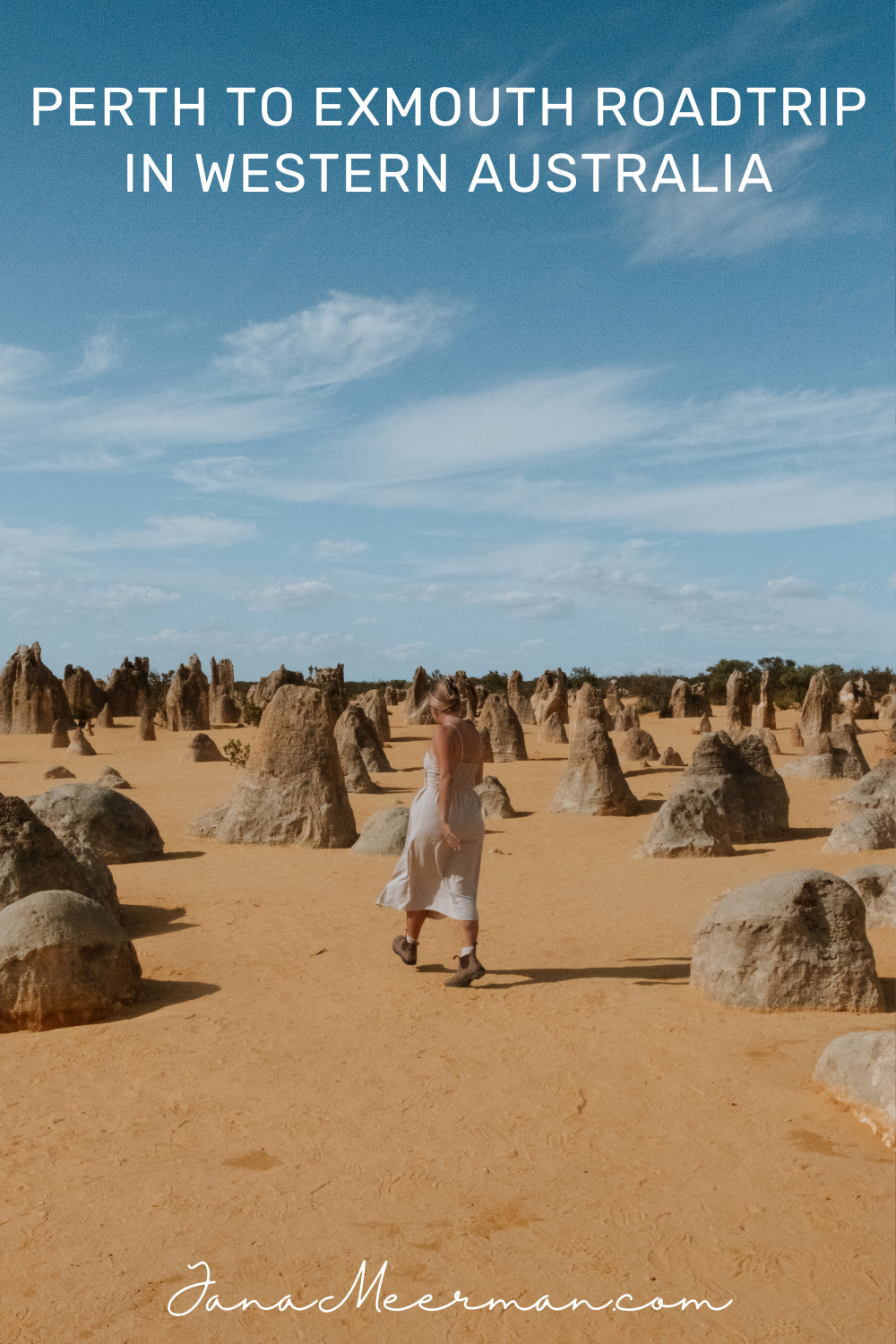
The Pinnacles at Nambung National Park are truly incredible. It's like stepping foot on Mars. Solidified castings of lime and sand wrapped around the forest that used to stand here creating an otherworldly experience.
You can self-drive on the compact sand (even with a normal car or campervan!) on the 4km route through the Pinnacles or go for a 1.6km hike. You're allowed to stop wherever you want to take photos. Please don't touch or stand on the Pinnacles; they're fragile and we want to preserve them!
→ Check the current entry fees to visit Nambung National Park.

Our tour bus in the Pinnacles in 2019

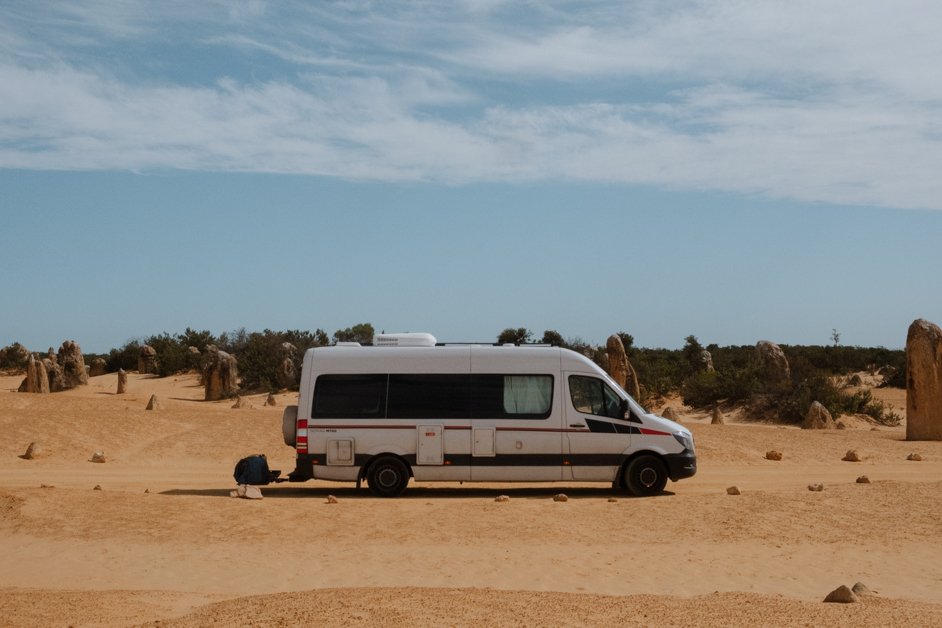
And our campervan in 2026!
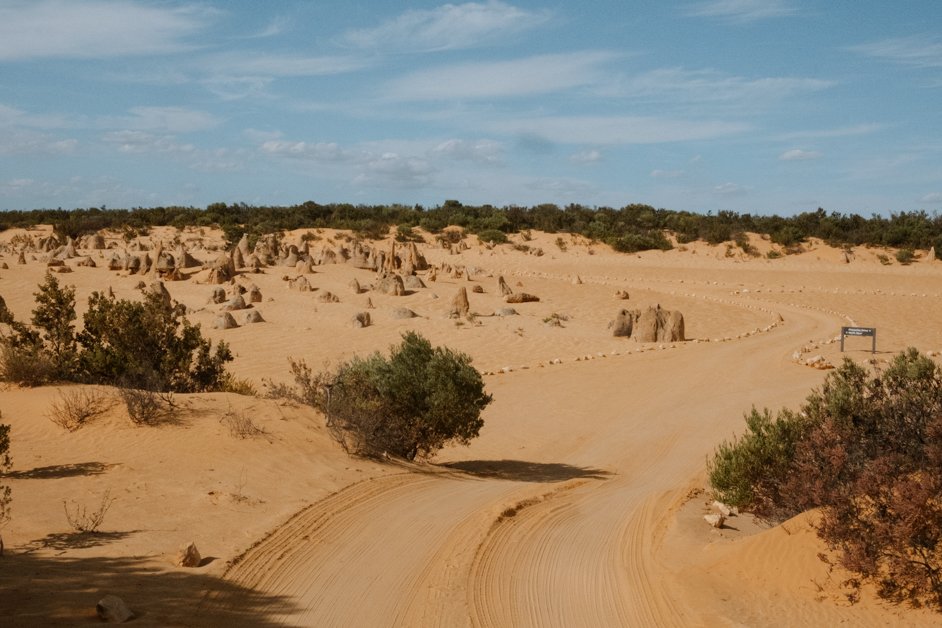
Driving in Nambung National Park
Cervantes
From Nambung National Park, Cervantes is just half an hour north.
In 2019, we spent our first night on the group tour here. It's a small town home to just a few shops and restaurants plus the stunning Thirsty Point Beach.
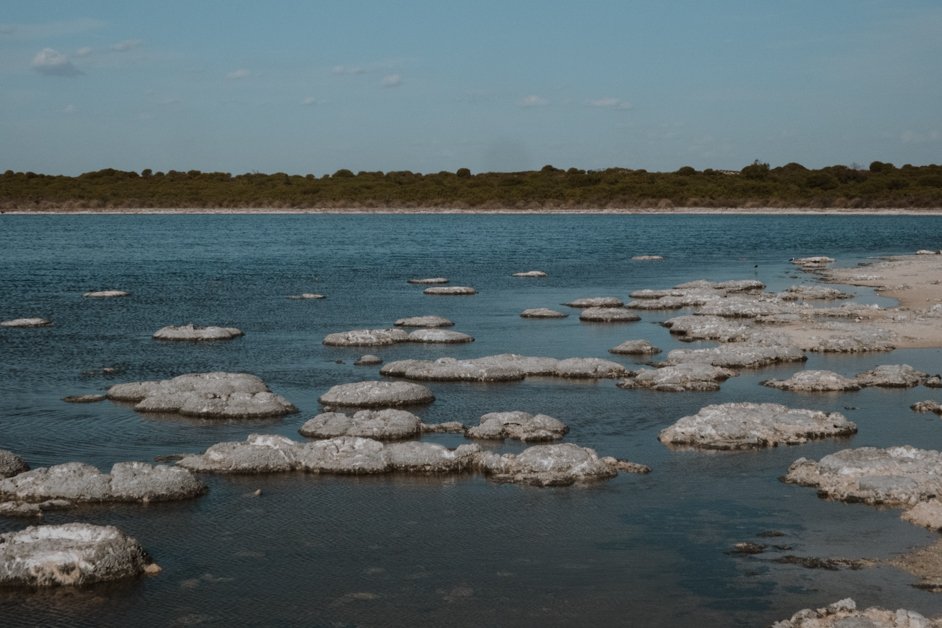
We returned in 2026 to visit Lake Thetis, a salt lake near Cervantes with double the salinity of the ocean. It is most famously home to stromatolites, the world's oldest living life forms. The bacteria that create these rock-looking organisms dates back a whopping 3.5 billion years (just a billion years younger than Earth itself!). The ones in this lake are fantastic specimens, considered to be about 2,000-3,500 years old. Stromatolites are made of algae bound within sedimentary particles. They contributed the first oxygen to our atmosphere.
Please don't touch the fragile stromatolites or enter the lake; they take 100 years to grow just 5cm!
→ You can also see stromatolites near Perth in Lake Clifton.
The last 1.3km of the road to Lake Thetis is unsealed but totally fine for all cars (we managed in our campervan!).

Thirsty Point Beach
Lake Thetis
Sandy Cape Beach
From Cervantes, Sandy Cape Beach is just half an hour north.
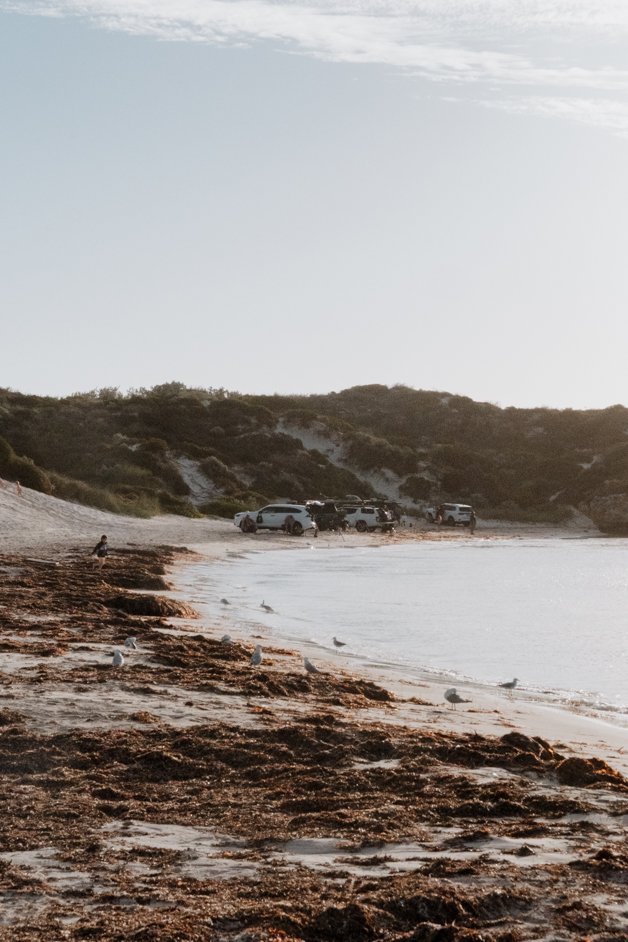
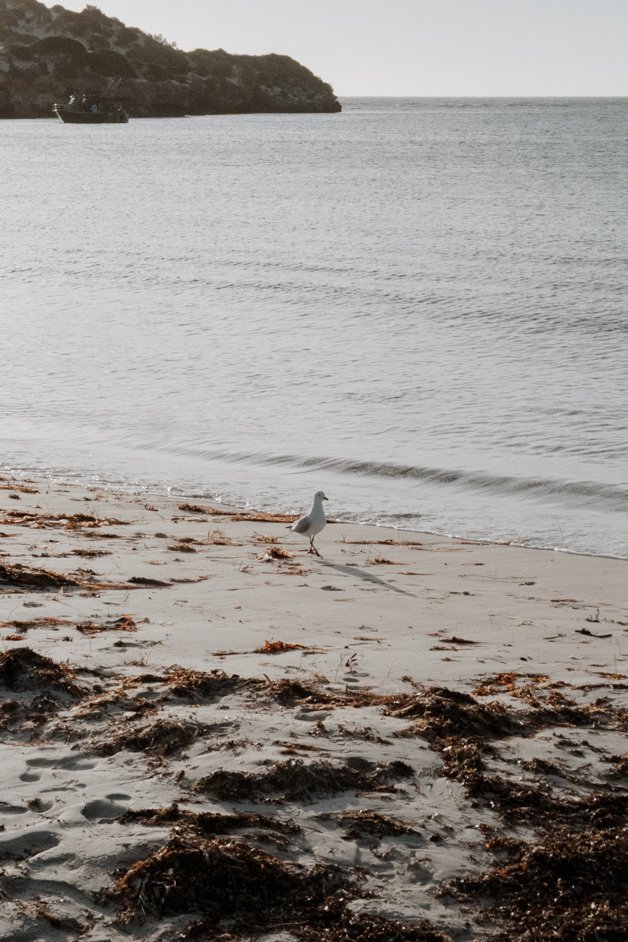
Sandy Cape Beach is in Jurien Bay, a peaceful, sheltered beach. You can also drive on the beach here.
There's a very popular campsite here if you book in advance and then you can stay next to the beach! We didn't plan ahead so simply came for sunset before carrying on to our free camp in Geraldton for the night.
Greenough Wildlife Park
From Sandy Cape Beach, Greenough Wildlife Park is two hours north.
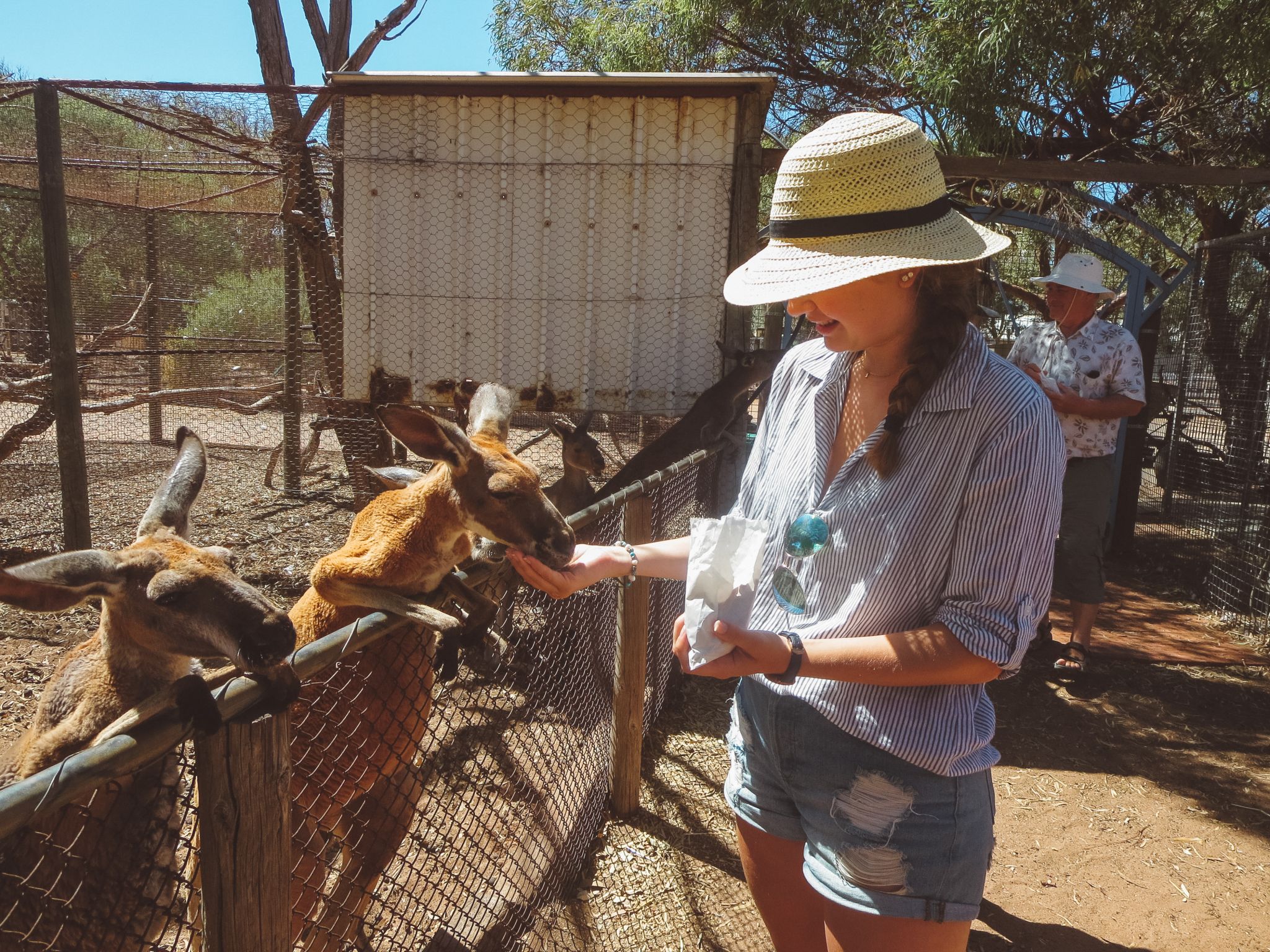
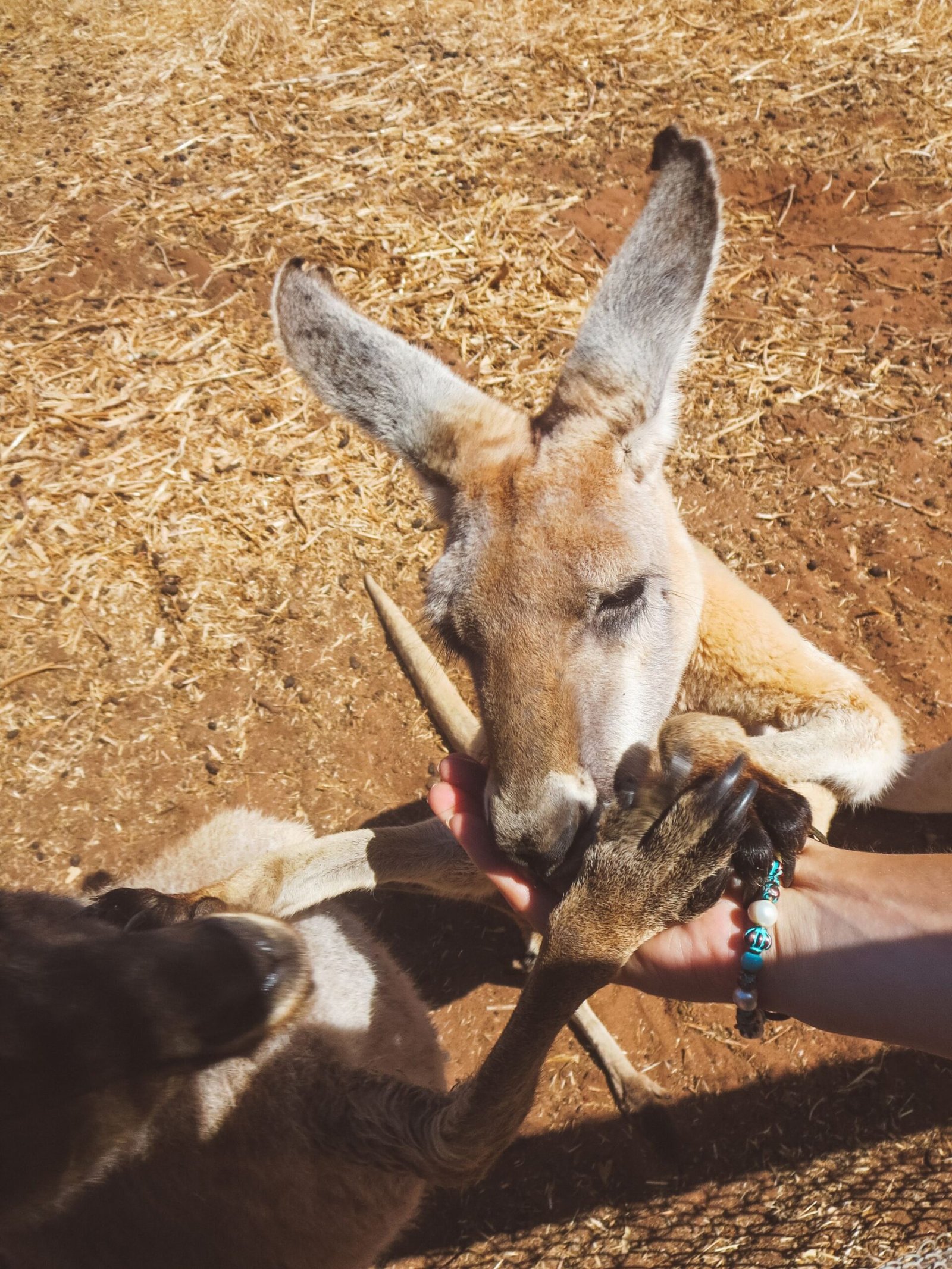
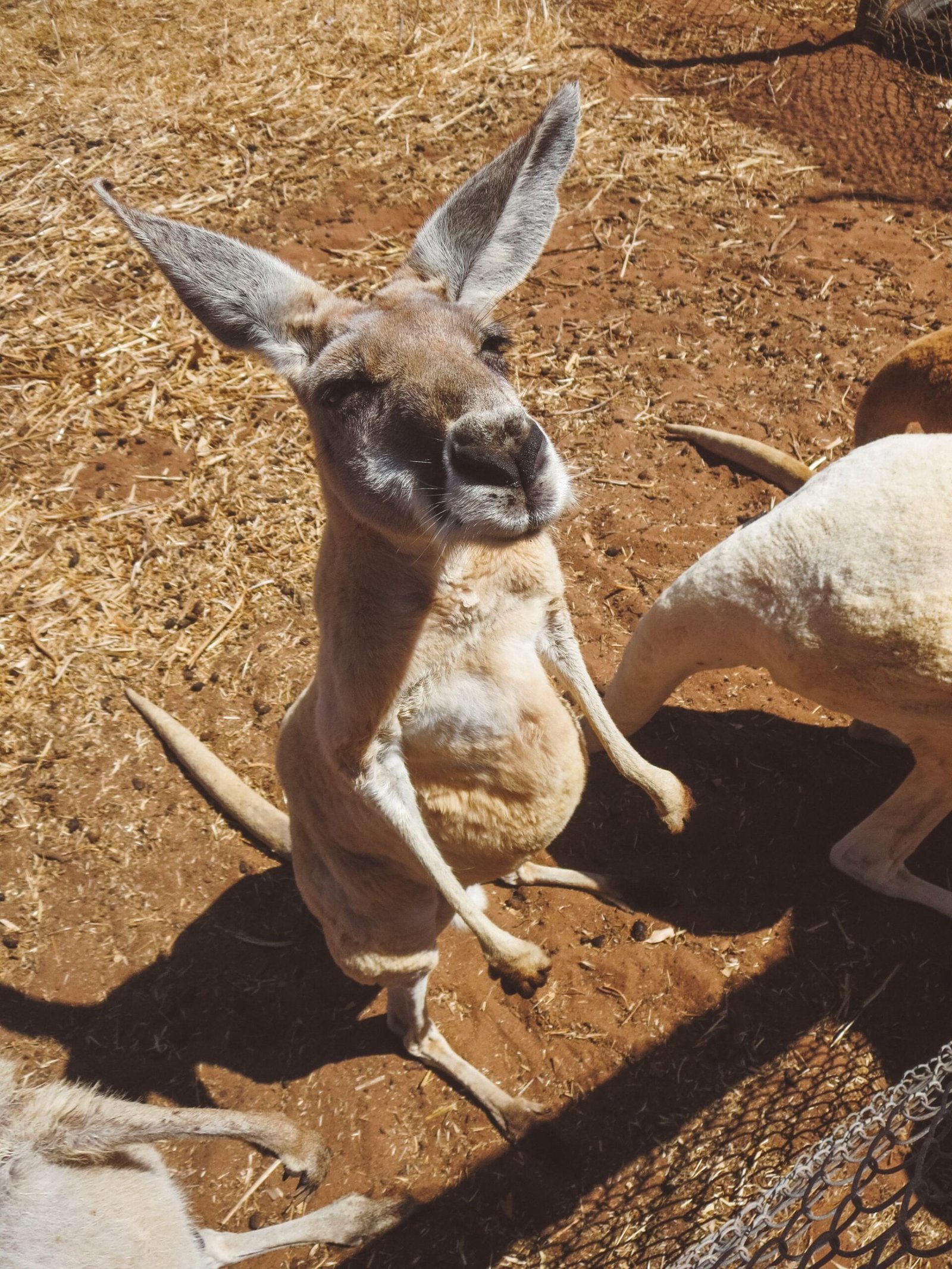
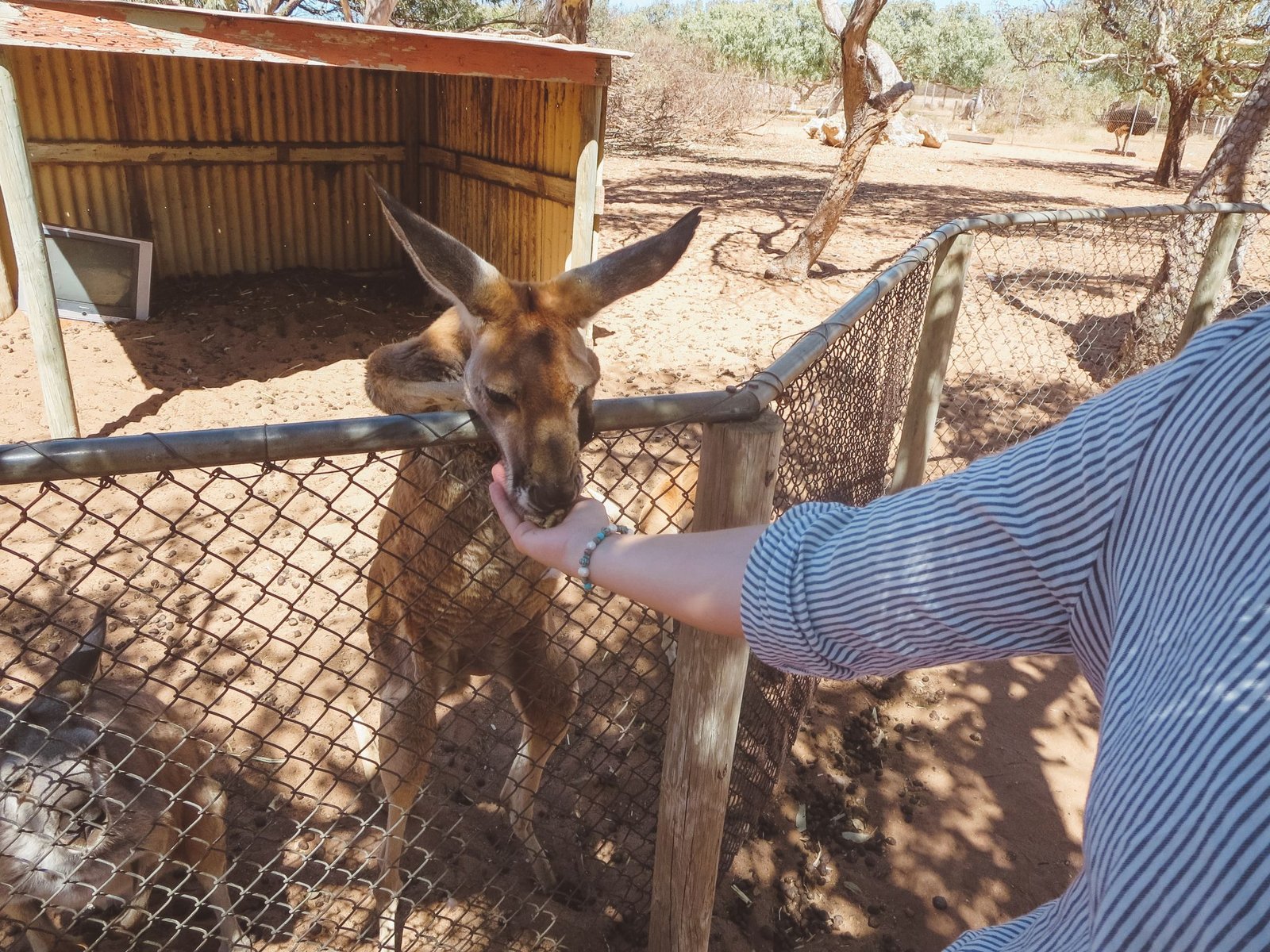
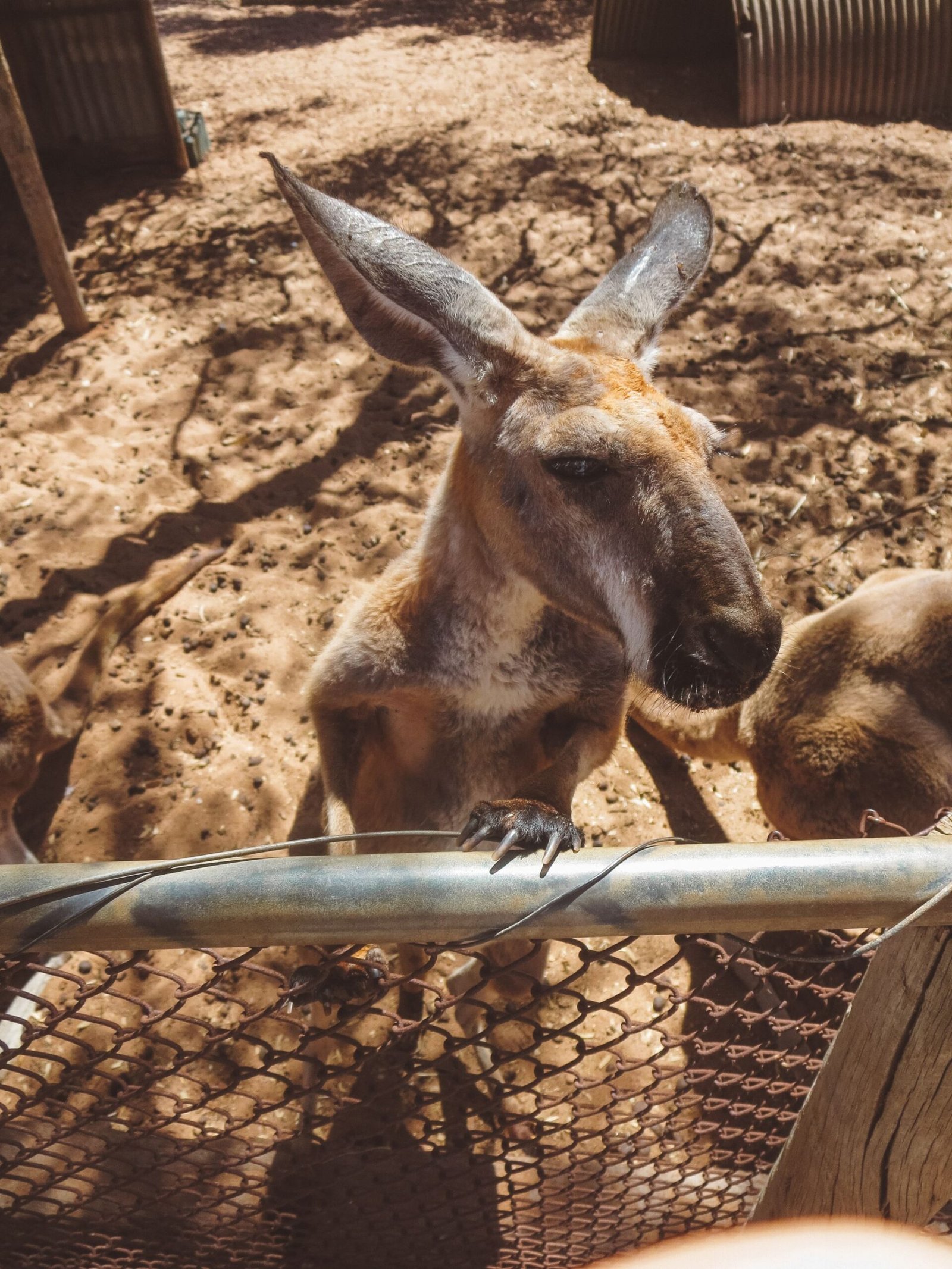
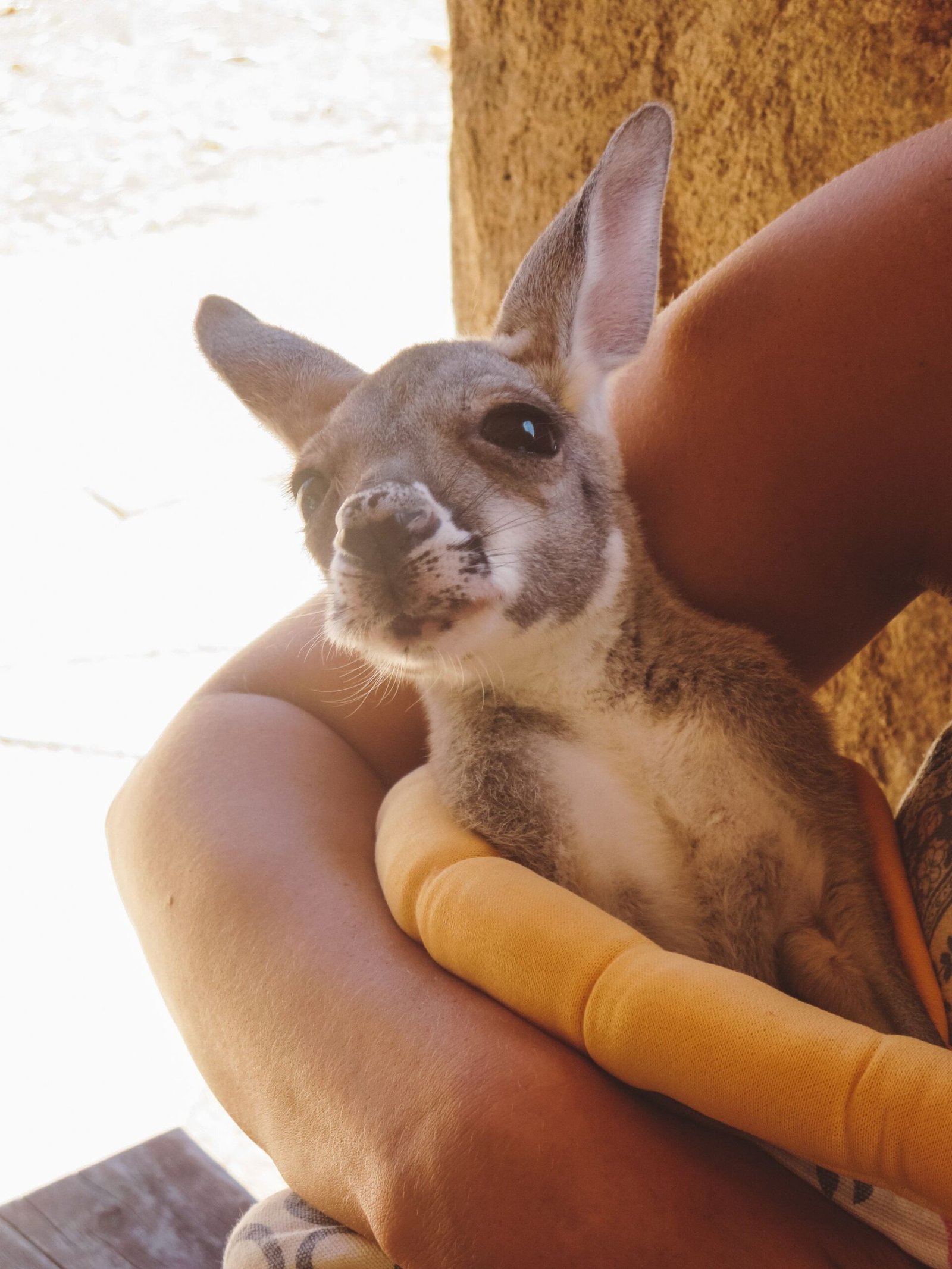
In 2019, my guided tour stopped in at Greenough Wildlife & Bird Park, a completely non-profit rescue centre run by two lovely women. They don't receive government funding to do their work but do what they can to care for all the beautiful creatures. We got to feed all the rescue animals (except the crocodile!); my favourites were of course the kangaroos.
→ You can also feed rescued animals in Denmark and Port Lincoln.

Geraldton
From Greenough Wildlife Park, Geraldton is just 20 minutes north.
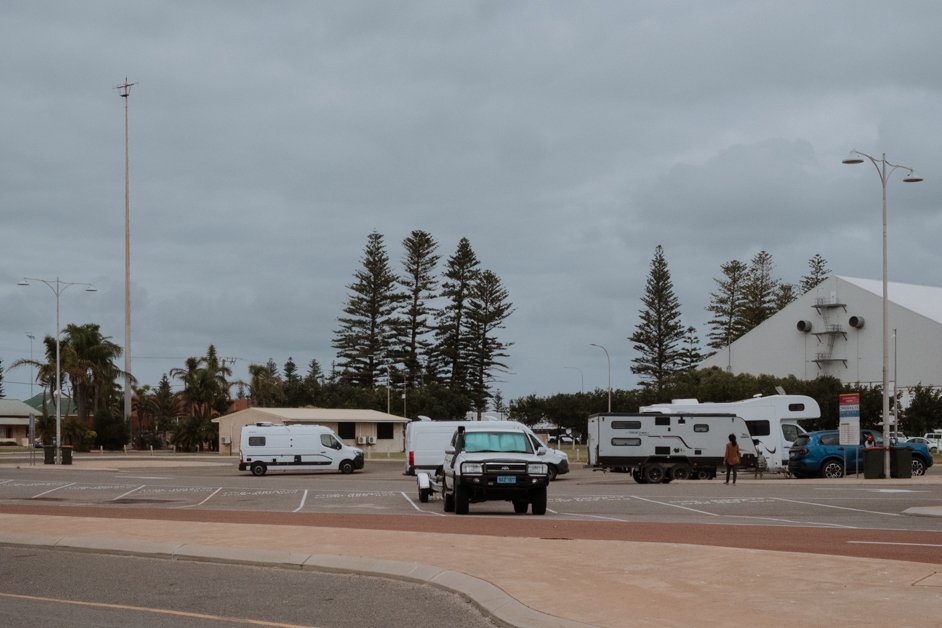
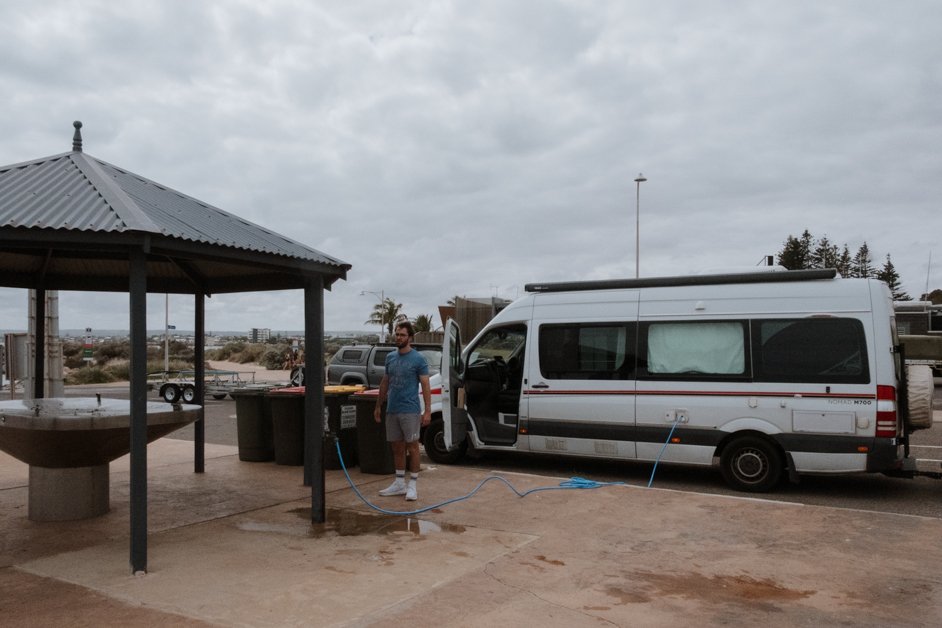
We stayed at the free camp here on Francis Street, which we found using Wikicamps Australia, a cheap app that has every single amenity listed (both free and paid) that you might need on the road. This includes things like where to fill up fresh water, where to dump grey water, where to empty toilets, where to stay, gas stations, information points and also has suggestions for things to do as you go.
The free camp also offers a dump point, fresh water and bins. You must be self-contained to stay here with your own toilet.
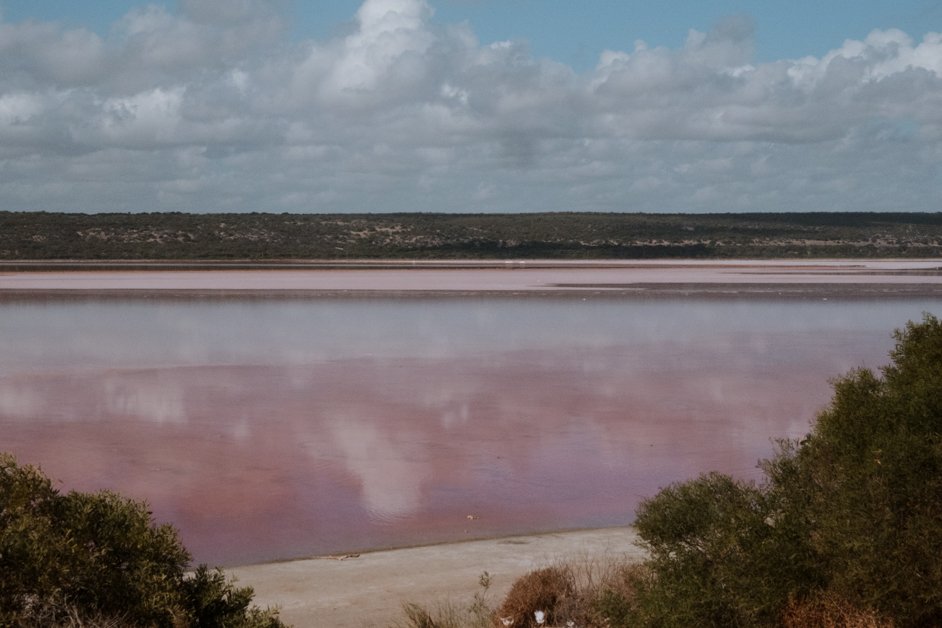
Hutt Lagoon
From Geraldton, Hutt Lagoon is about an hour and a half north.
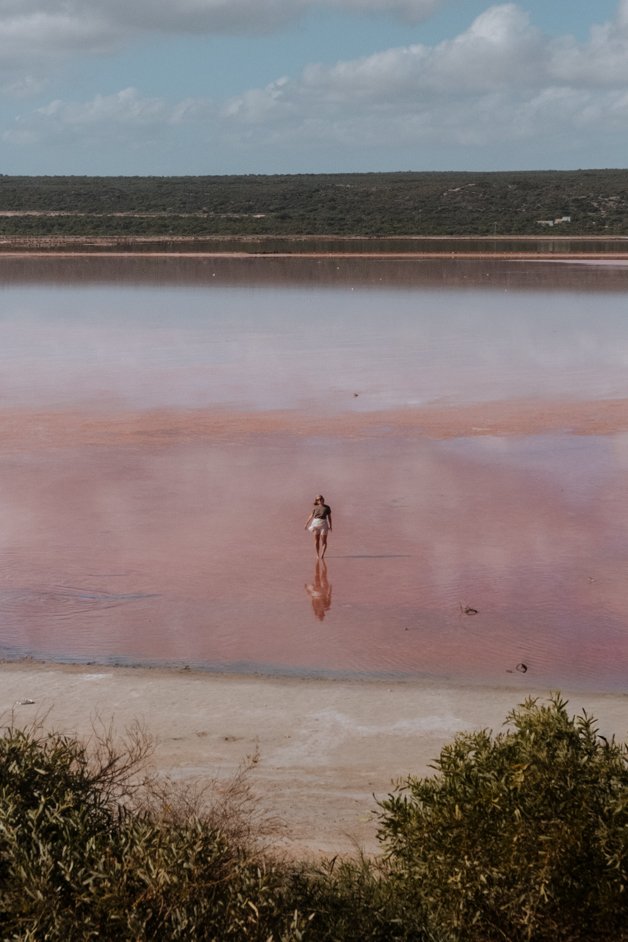
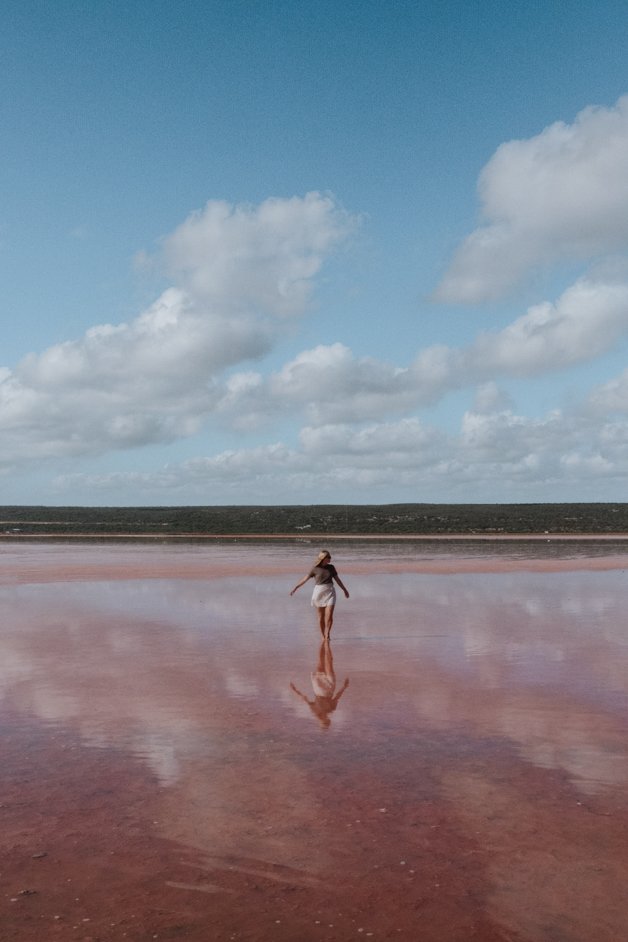
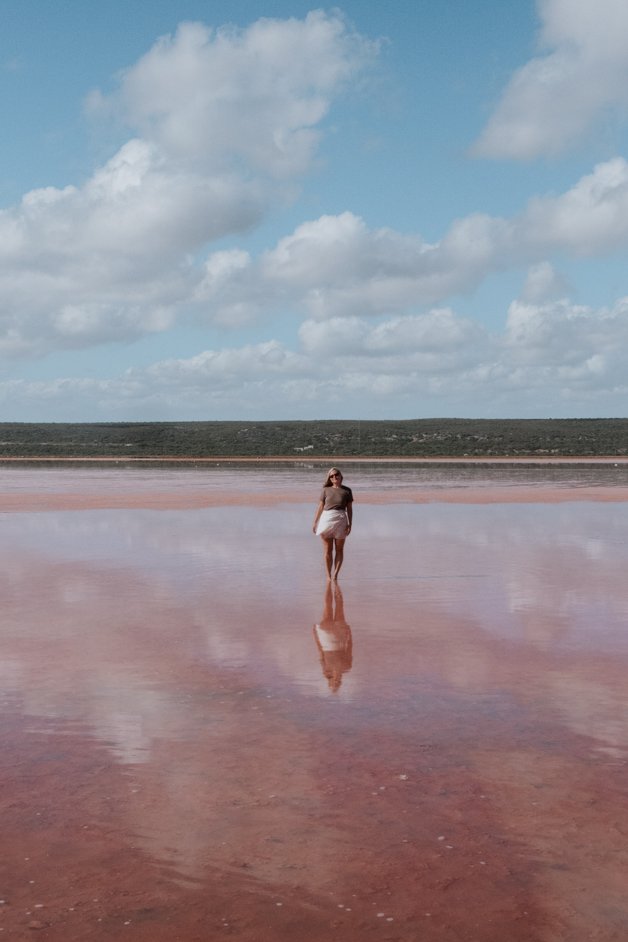
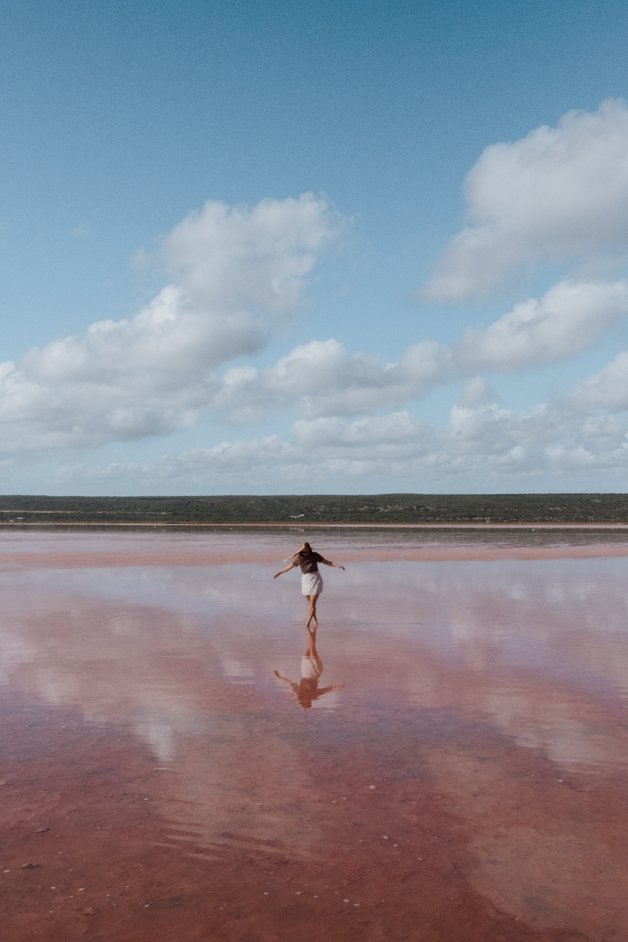
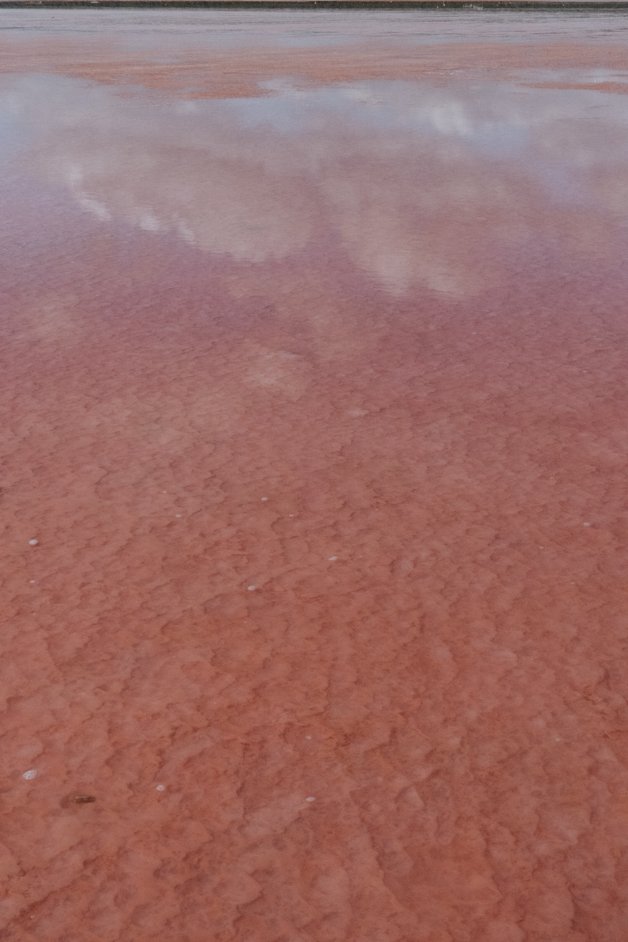
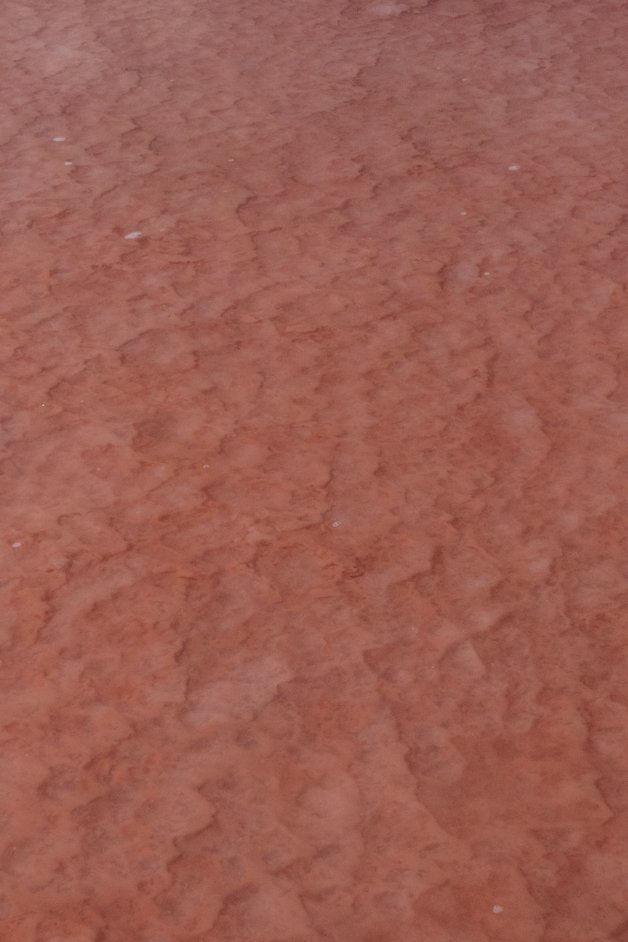
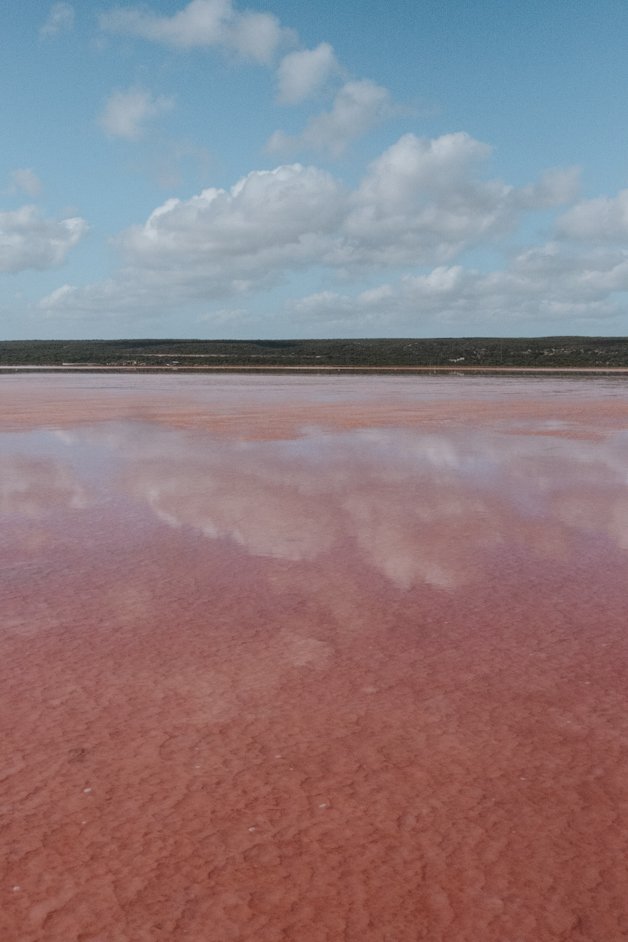
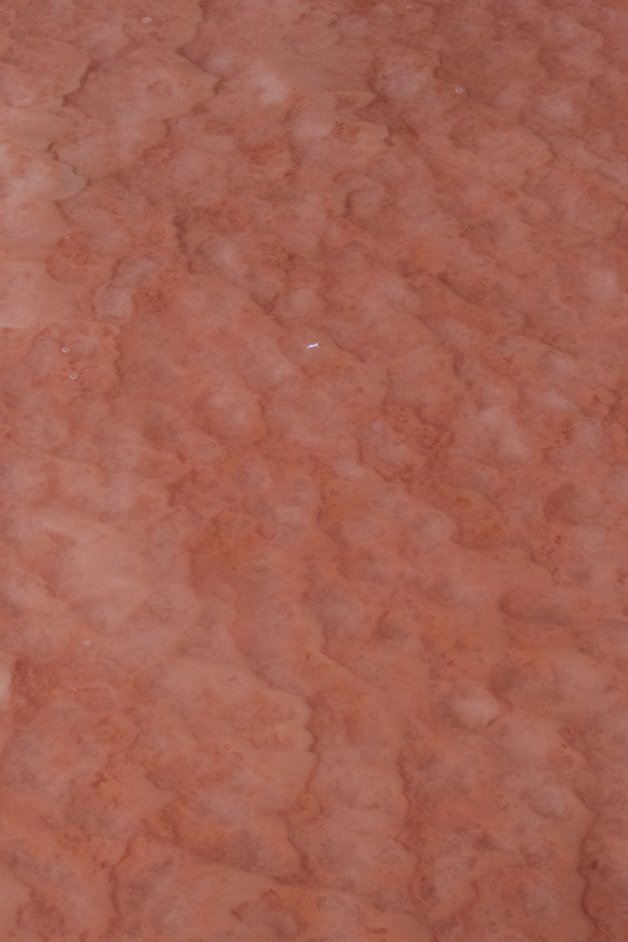
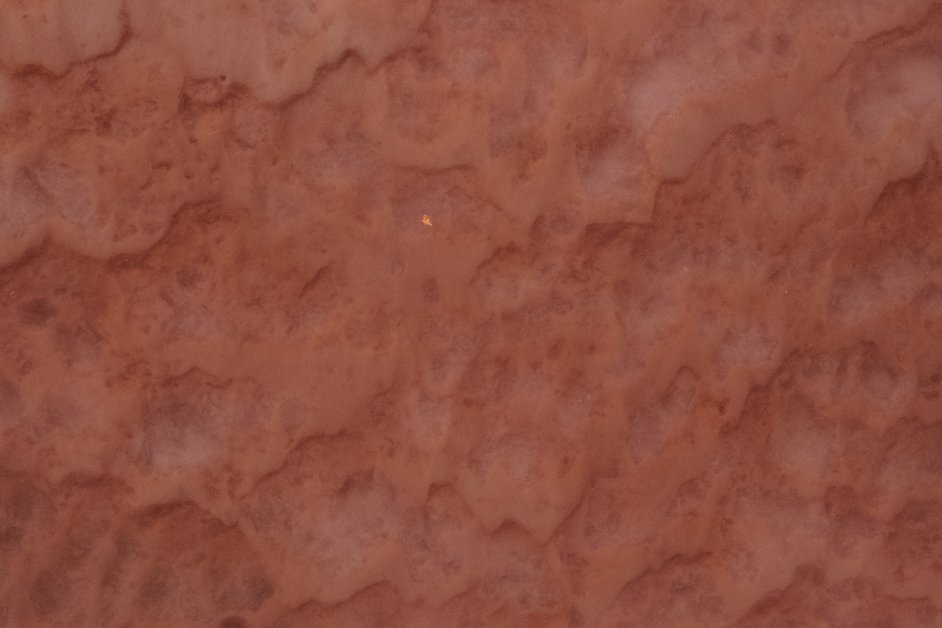
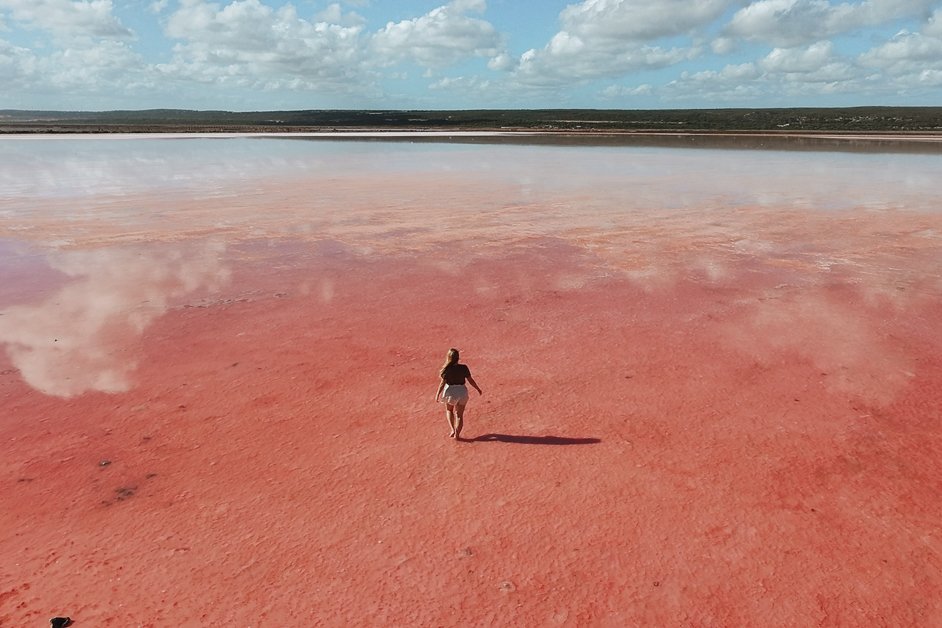
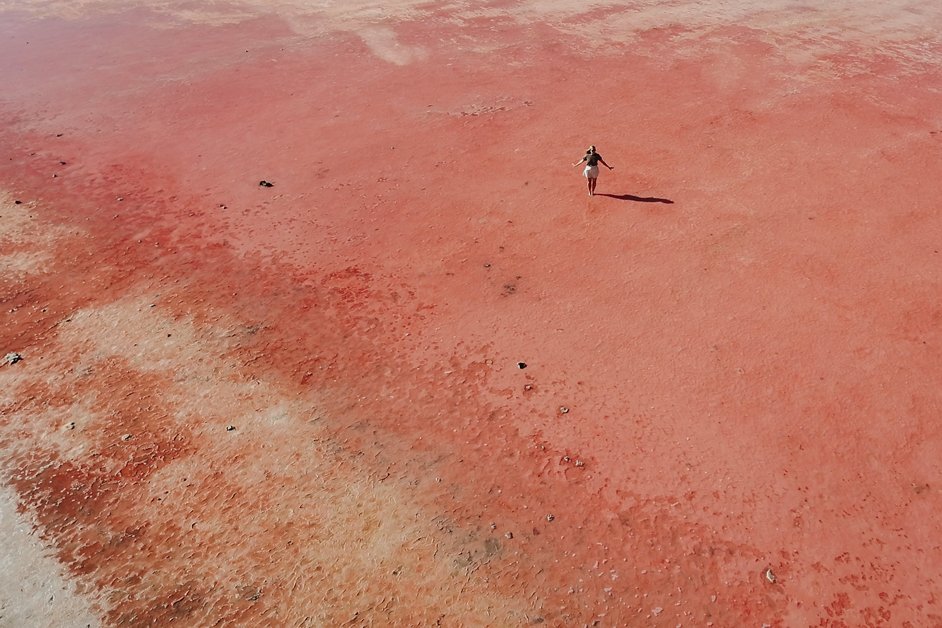
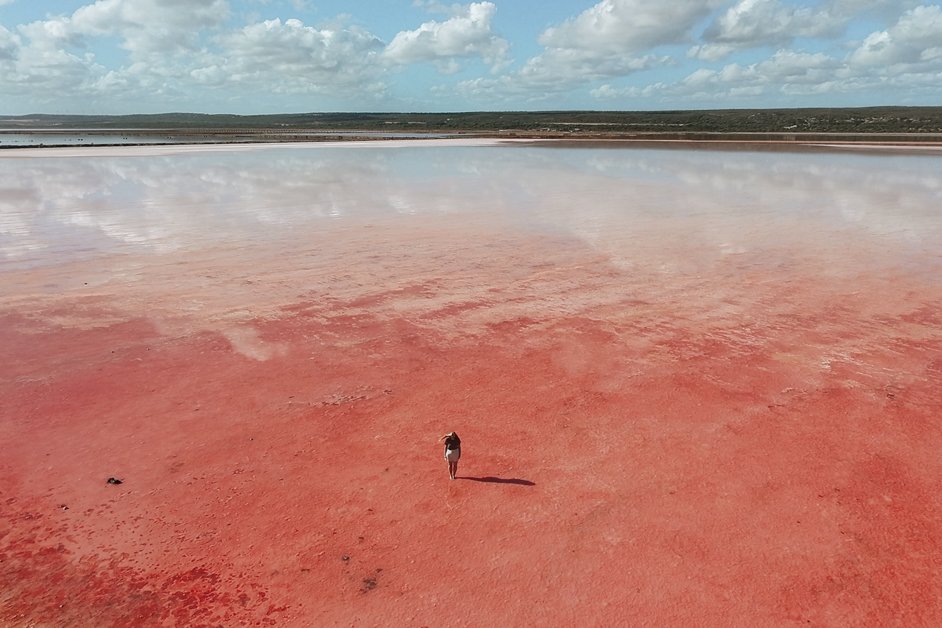
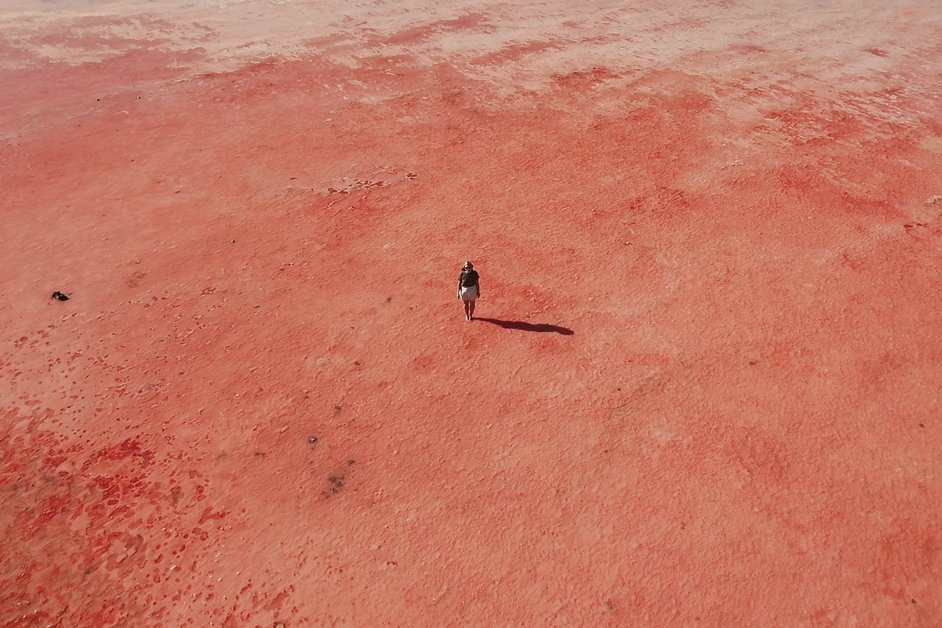
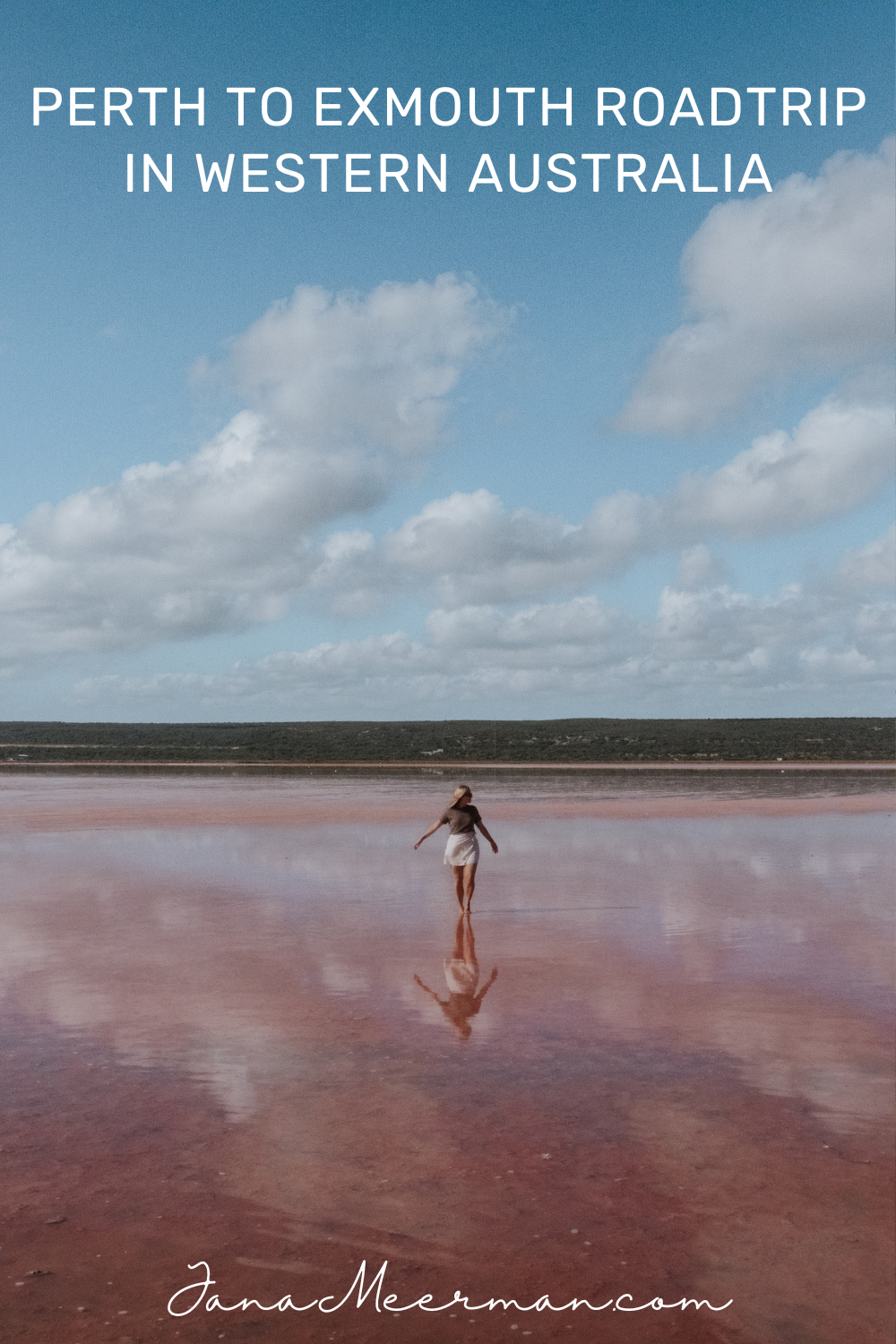
Hutt Lagoon is one of Australia's most famous pink salt lakes. It's quite surreal just how pink the lake is! Hutt Lagoon is so pink because of the algae within it, Dunaliella salina. When exposed to sunlight (which is most of the time, given its location!), the algae produces beta-carotene (the same chemical you find in carrots) which is quite reddish in colour. Combine this with the white salt of the lake and you get a vibrant pink result!
You are free to walk on the lake which is surprisingly warm. The salt crystals crunch underneath your feet as you go.

In 2019
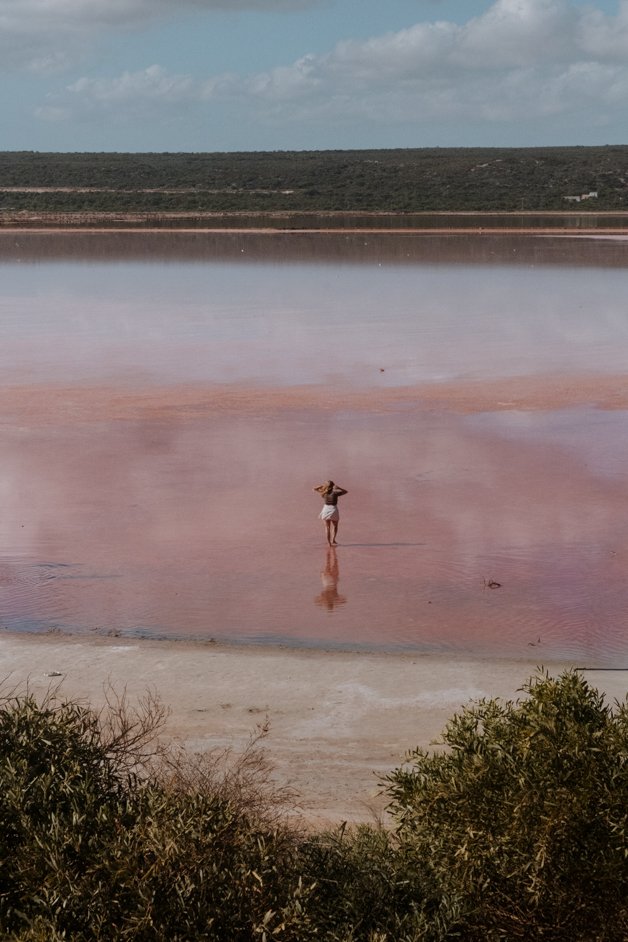
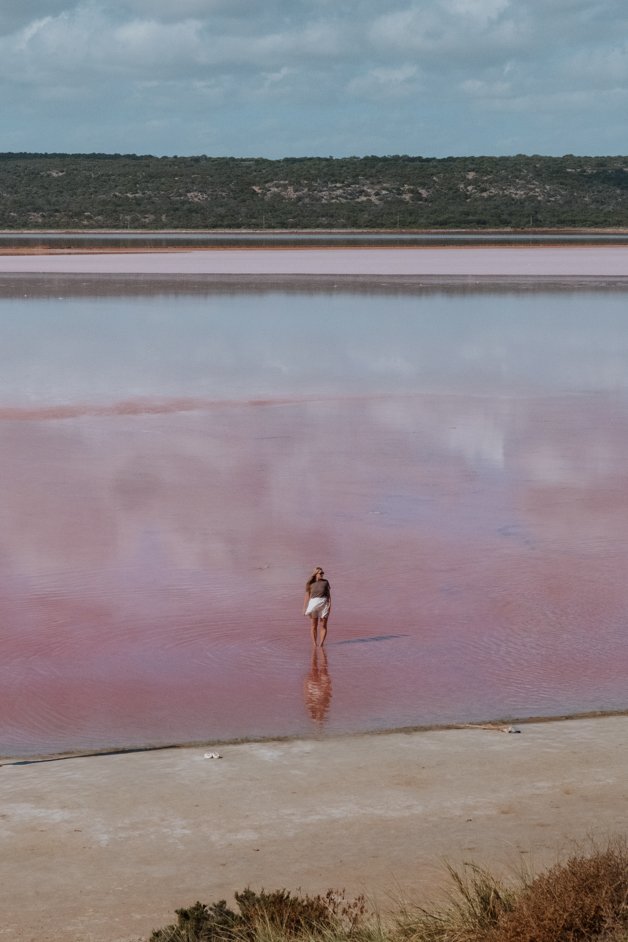
From our drone
Kalbarri Coastal Cliffs
From Hutt Lagoon, Kalbarri is about half an hour north.
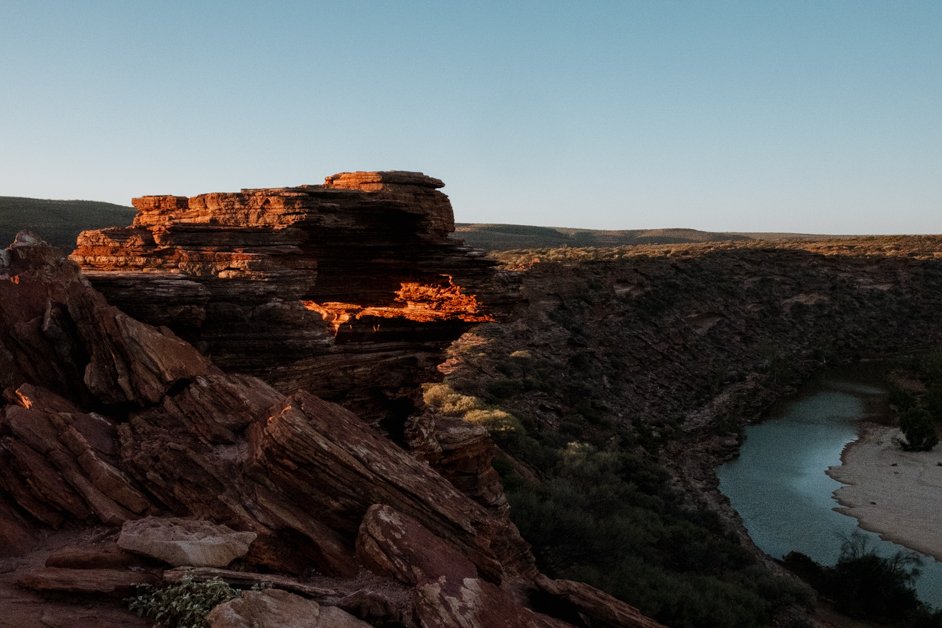
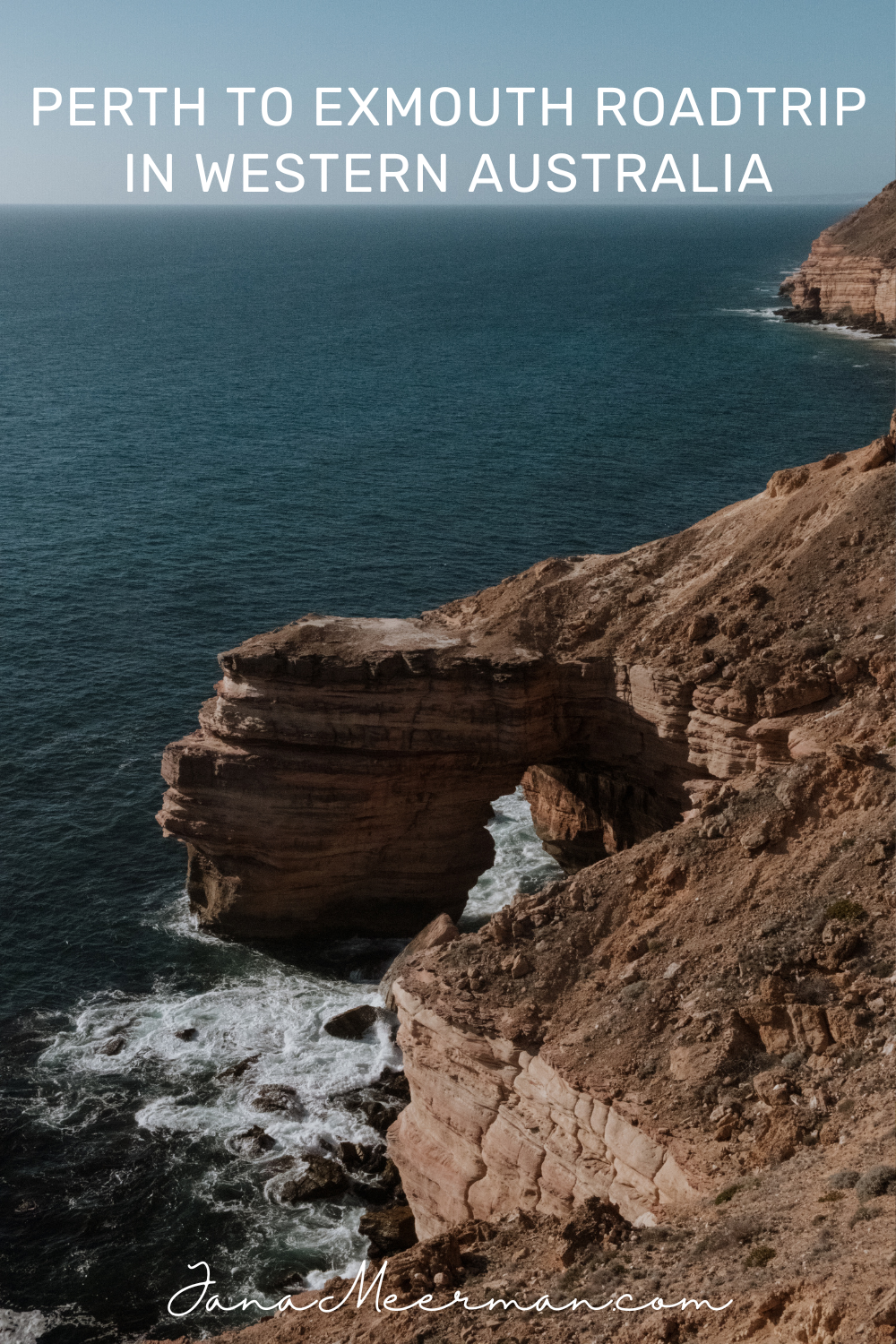
Just before you reach Kalbarri National Park, there are stunning coastal cliffs. In both 2019 and 2026, I walked along part of the trail connecting the cliffs spotting where wind and water have exposed the sandstone resulting in natural bridges and apostle-like structures jutting out of the ocean.
The three viewpoints I've been to are Natural Bridge, Island Rock Lookout and Red Bluff Lookout. All three are fairly close to each other with their own parking lots. They're all connected by the coastal path if you'd like to walk between them.

Natural Bridge in 2019
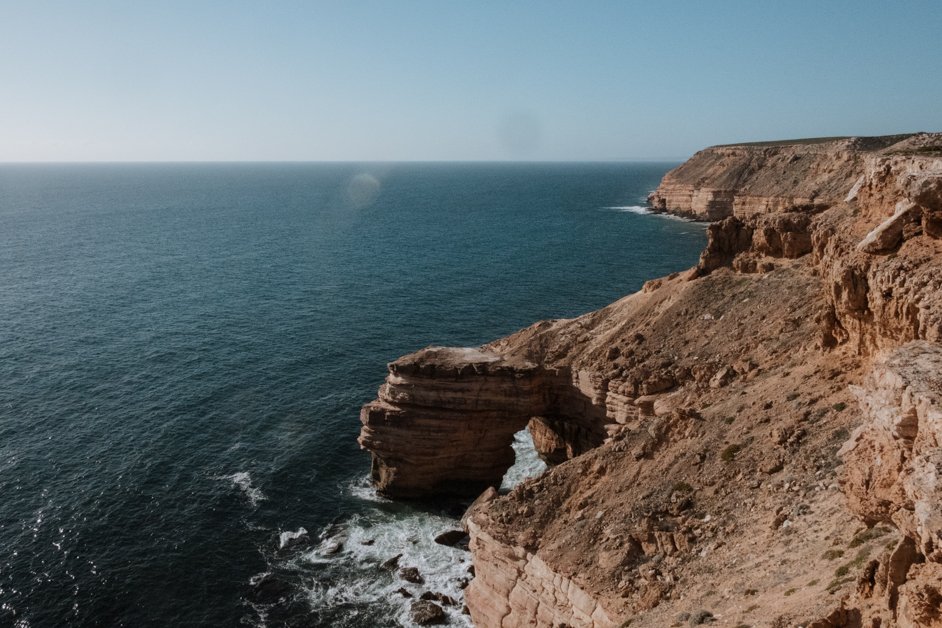
Natural Bridge in 2026
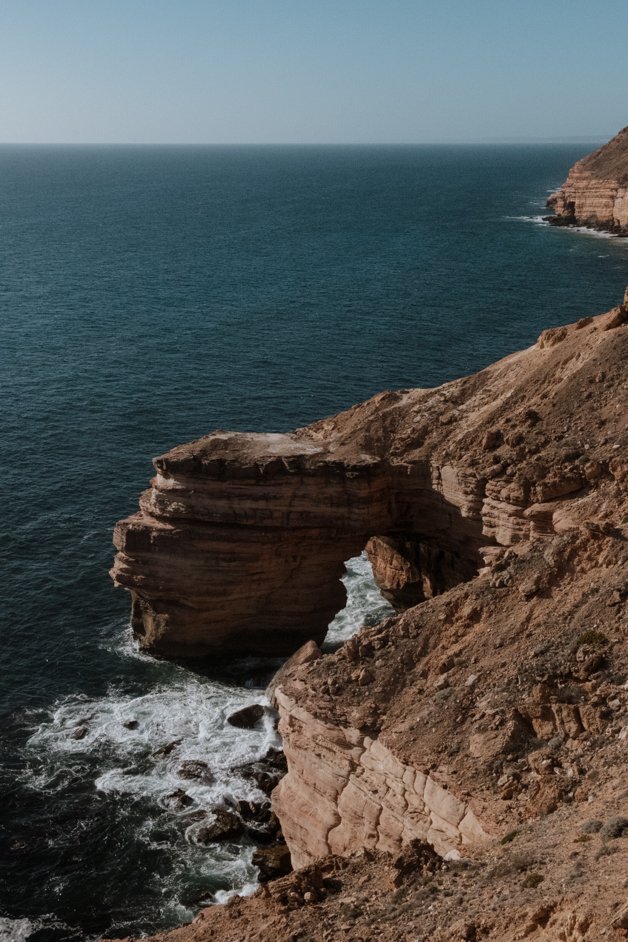
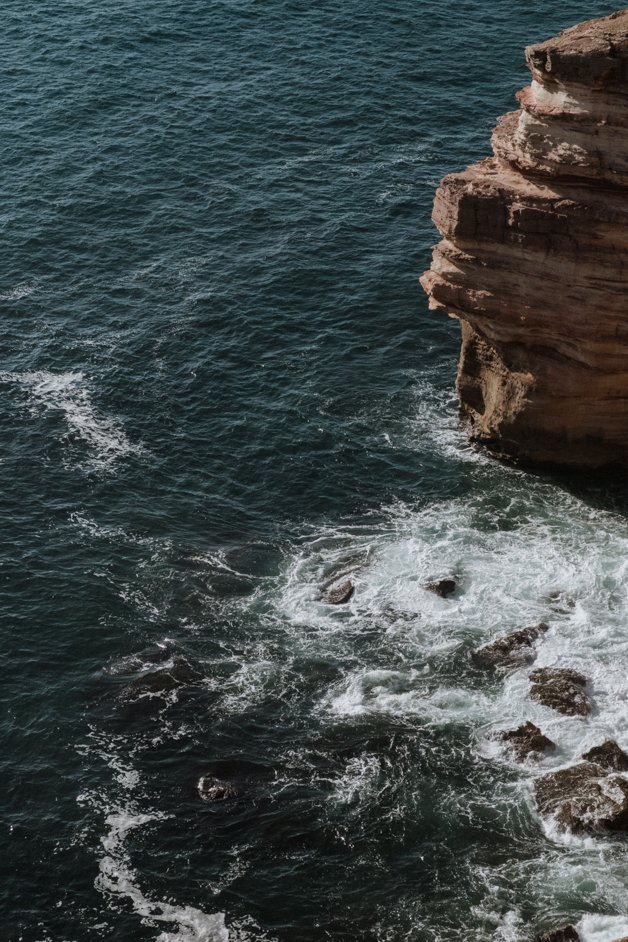
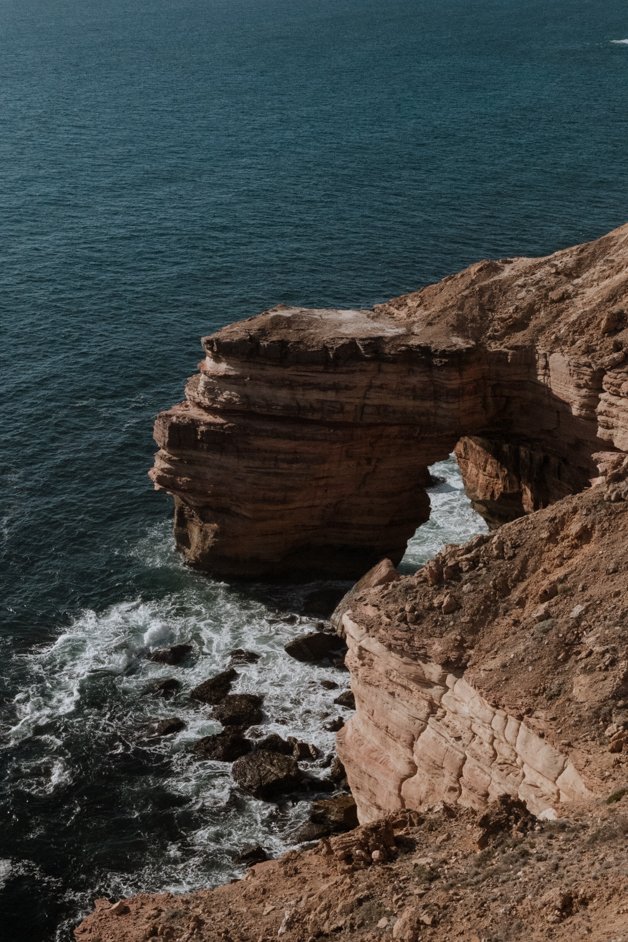
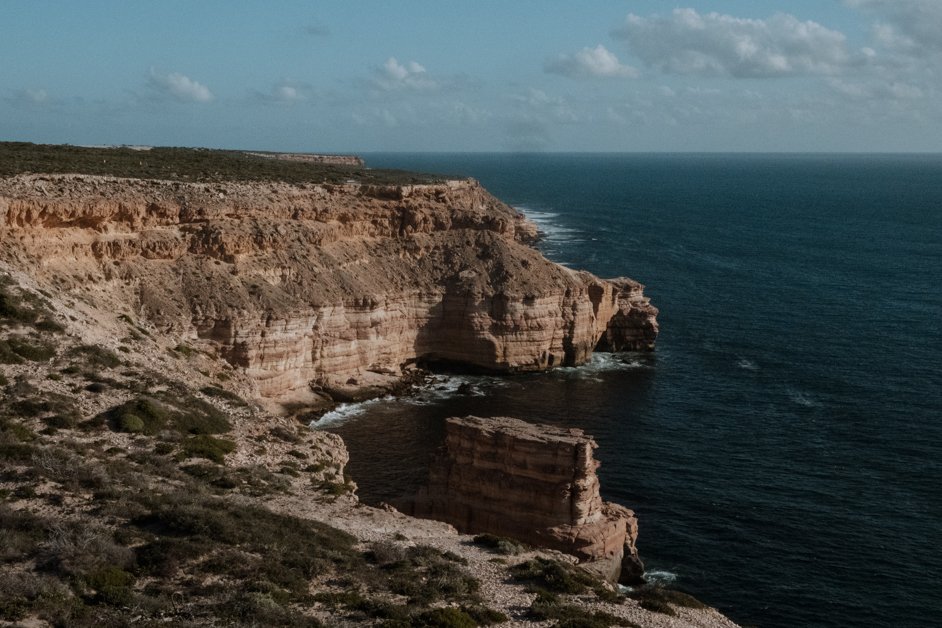
Island Rock Lookout
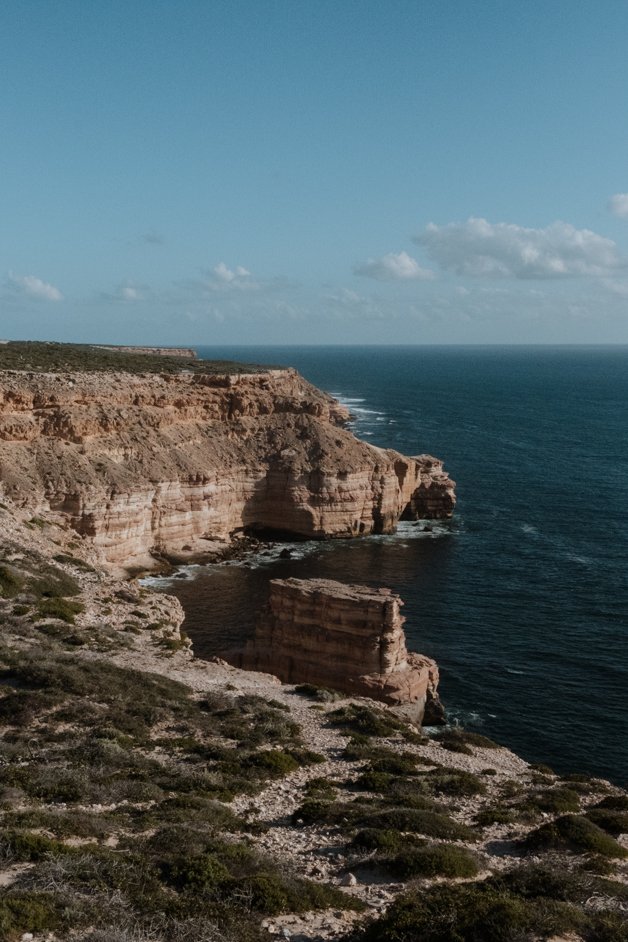
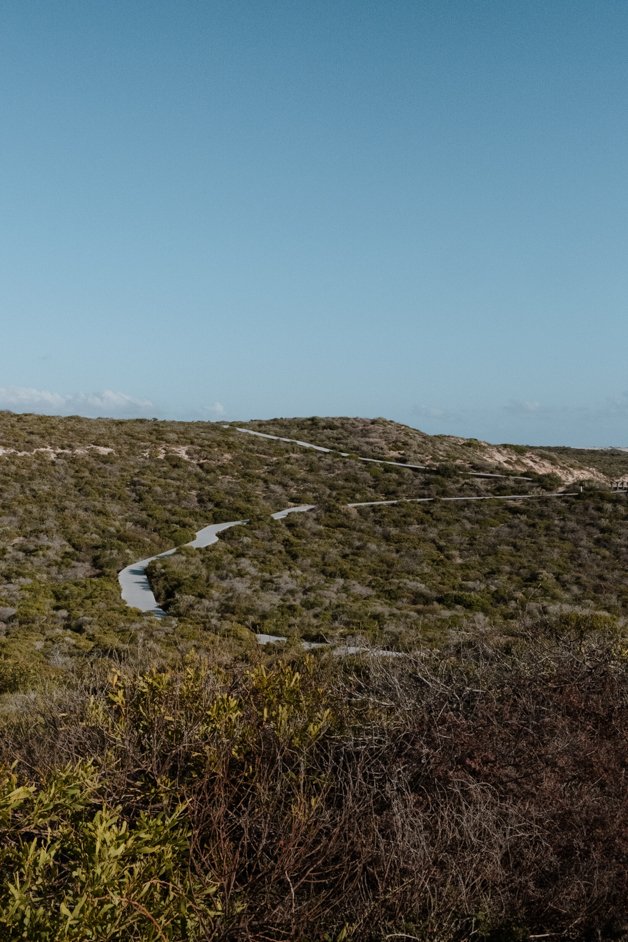

Red Bluff Lookout in 2019
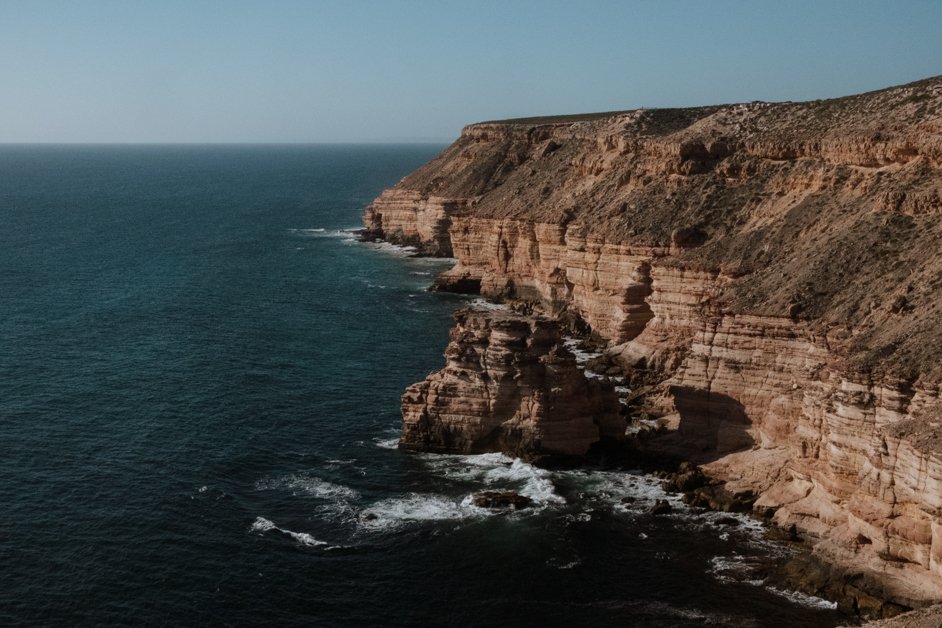
Red Bluff Lookout in 2026
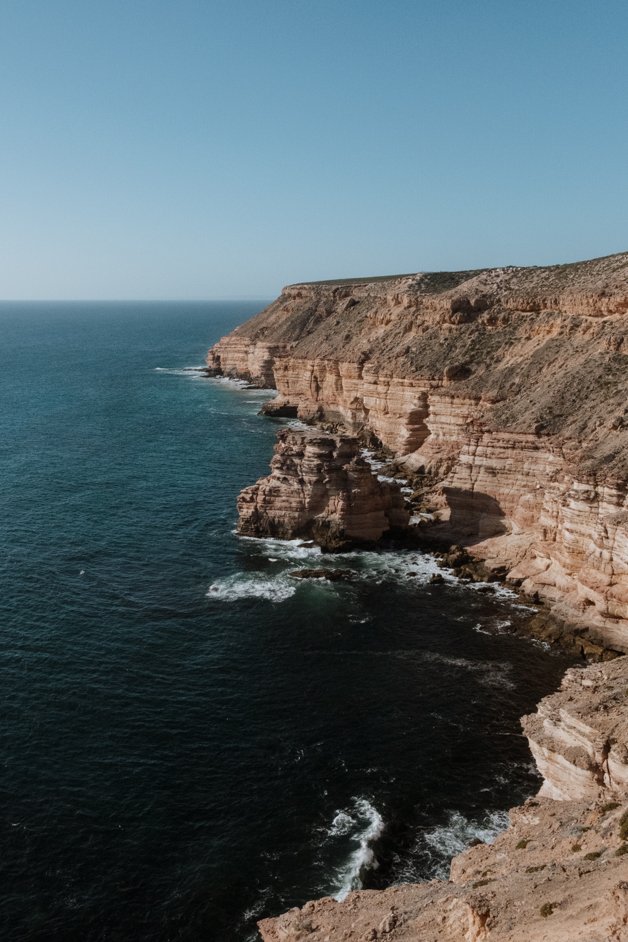
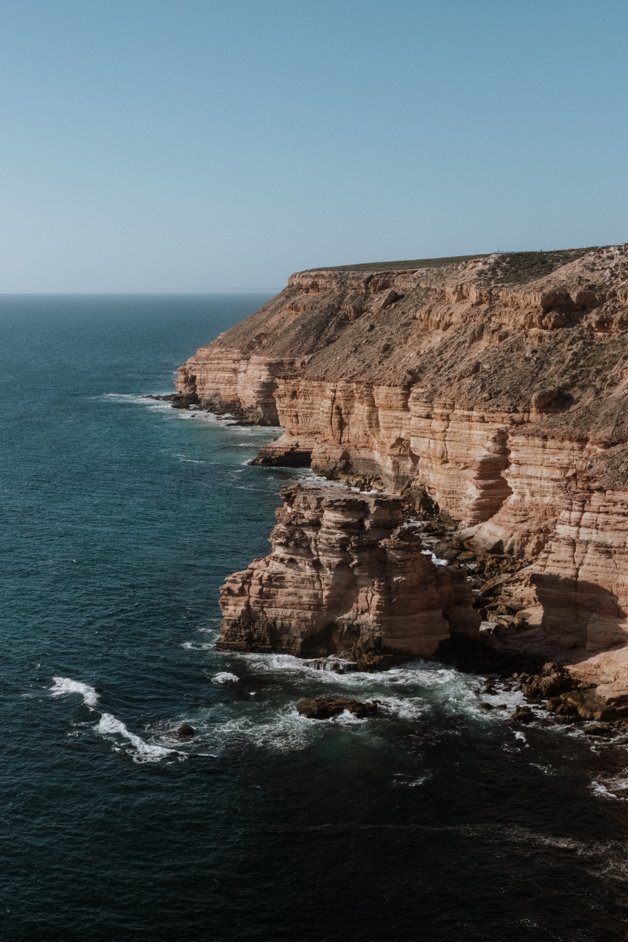
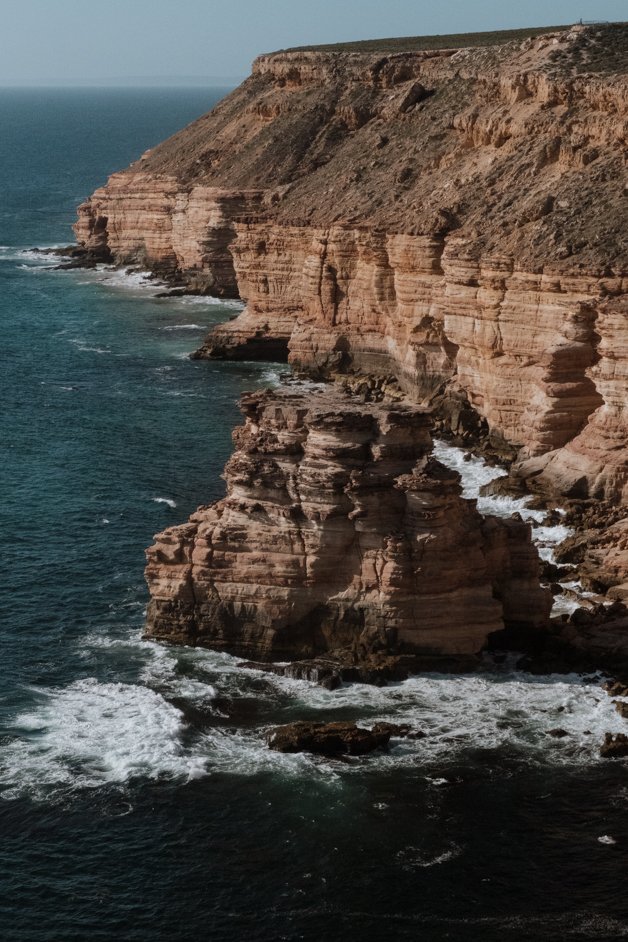
Kalbarri Skywalk
From the coastal cliffs, Kalbarri Skywalk is about half an hour northeast.
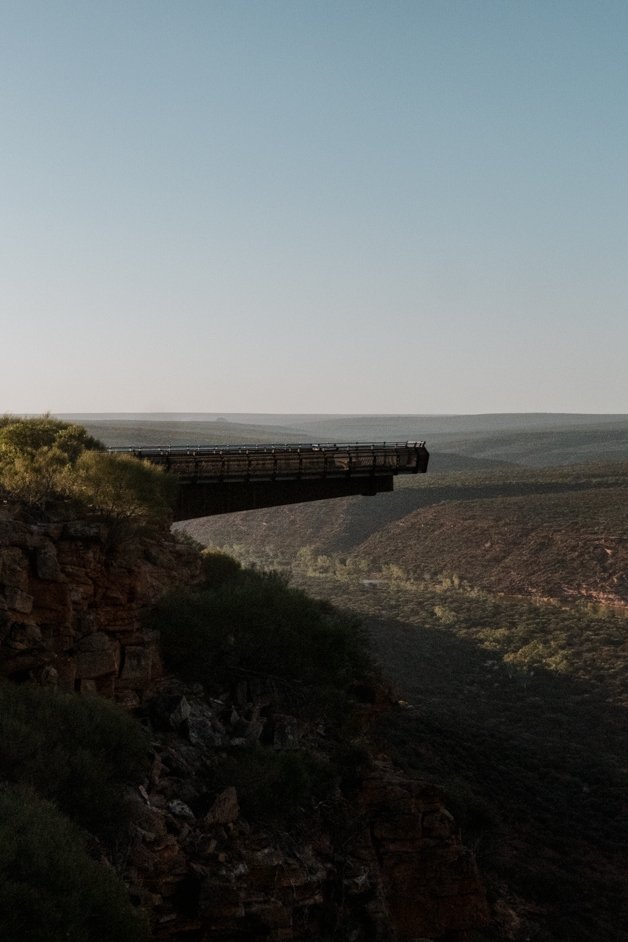
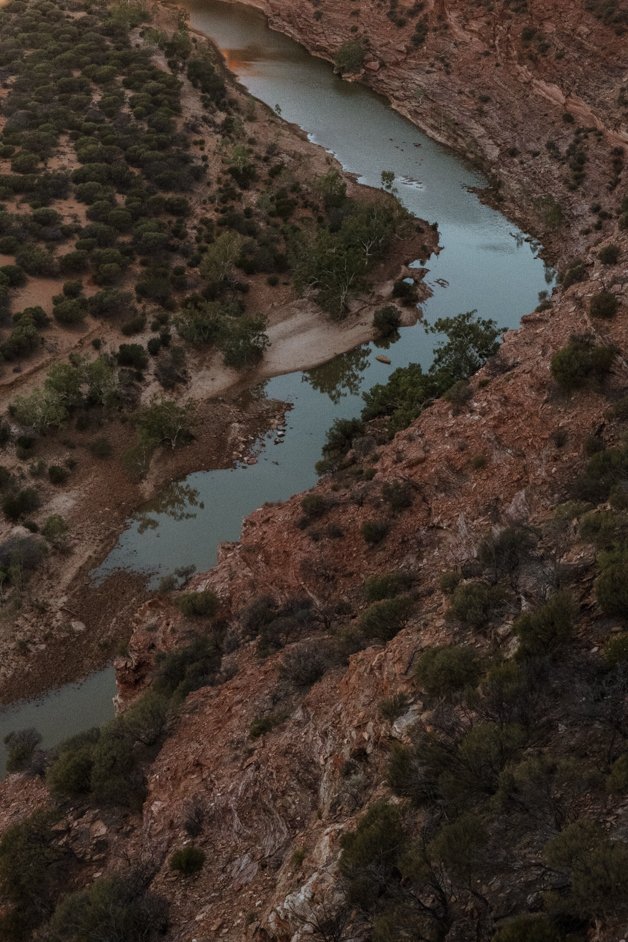
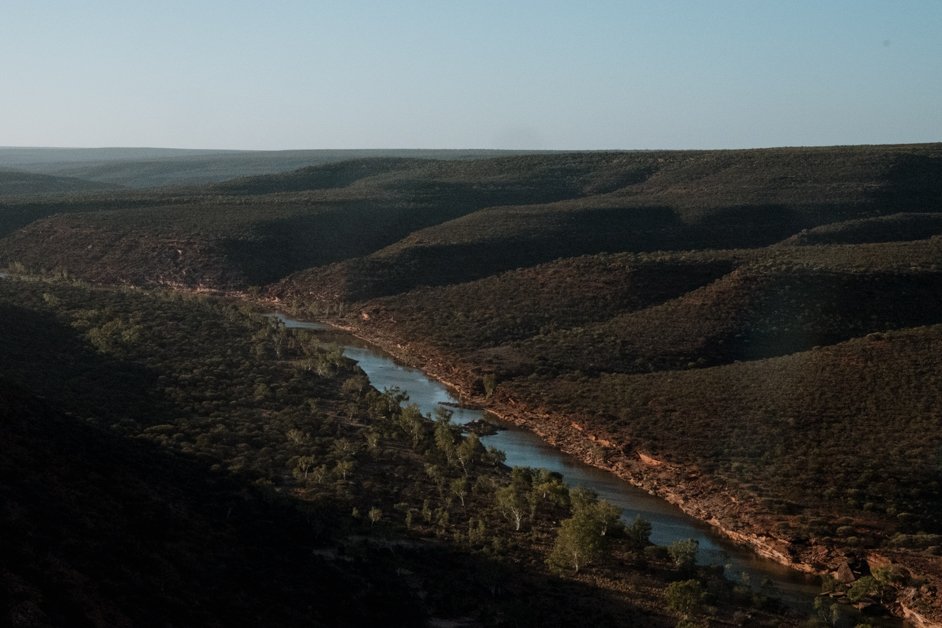
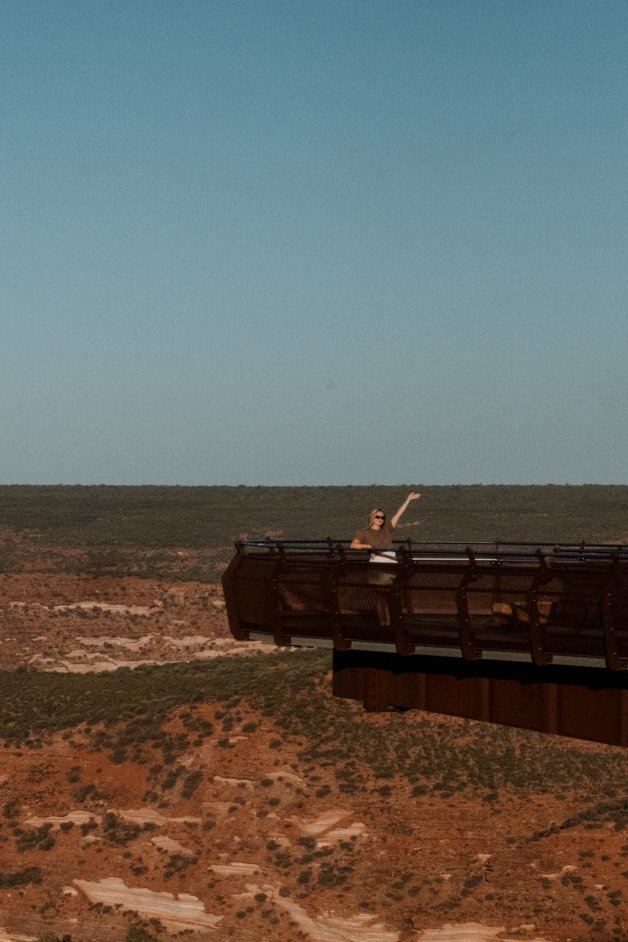
The Kalbarri Skywalk is in Kalbarri National Park, a gorgeous national park covering almost 500,000 acres. Standing 100 metres above Murchison River Gorge, the Kalbarri Skywalk has two amazing viewing platforms to walk out onto.
The Kalbarri Skywalk is in Kalbarri National Park so incurs an AUD $17 day pass fee (or you can visit if you hold a WA annual national park pass).
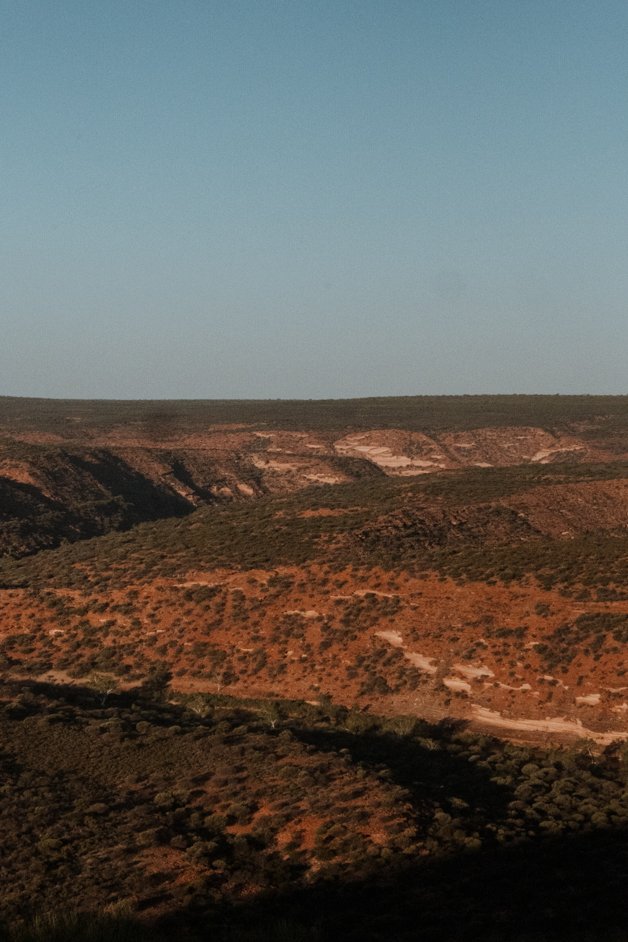
Nature's Window
From the Kalbarri Skywalk, Nature's Window is just a few minutes away.
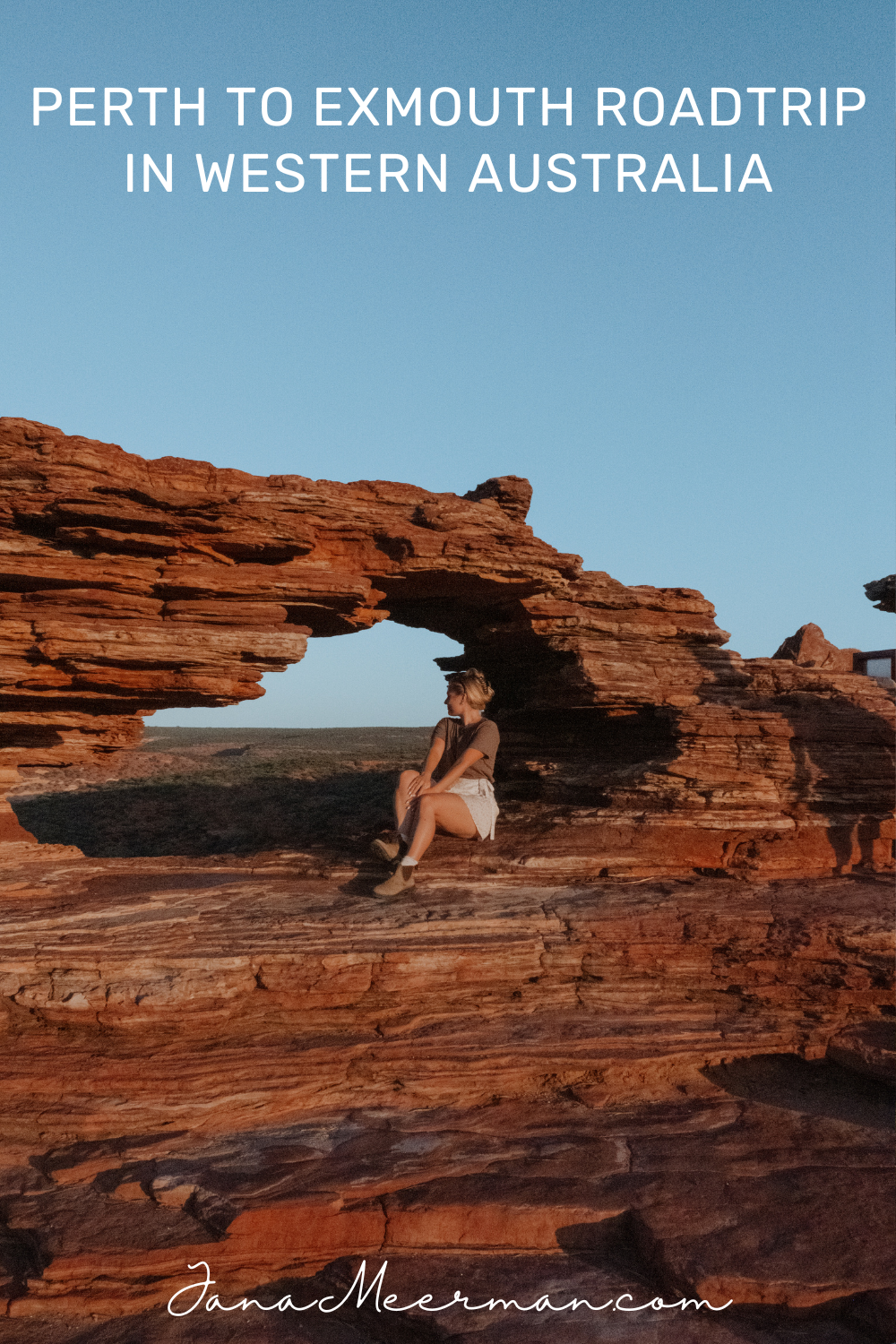
Nature's Window is perhaps one of the most famous spots in Kalbarri National Park. Formed from layers of Tumblagooda sandstone, it creates a perfect window to look down over the Murchison River.
It's just 500 metres from the parking lot. Most of the trail is very easy and there are some natural sandstone steps to carefully tread down to the Window at the very end.
Nature's Window is in Kalbarri National Park so incurs an AUD $17 day pass fee (or you can visit if you hold a WA annual national park pass).

Nature's Window in 2019

The view from Nature's Window
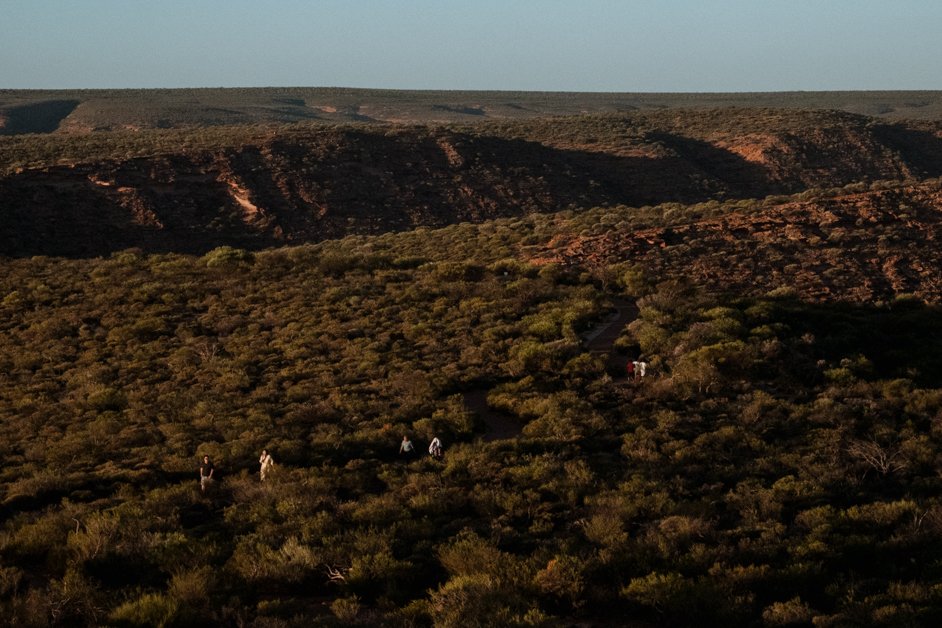
Walking to Nature's Window in 2026
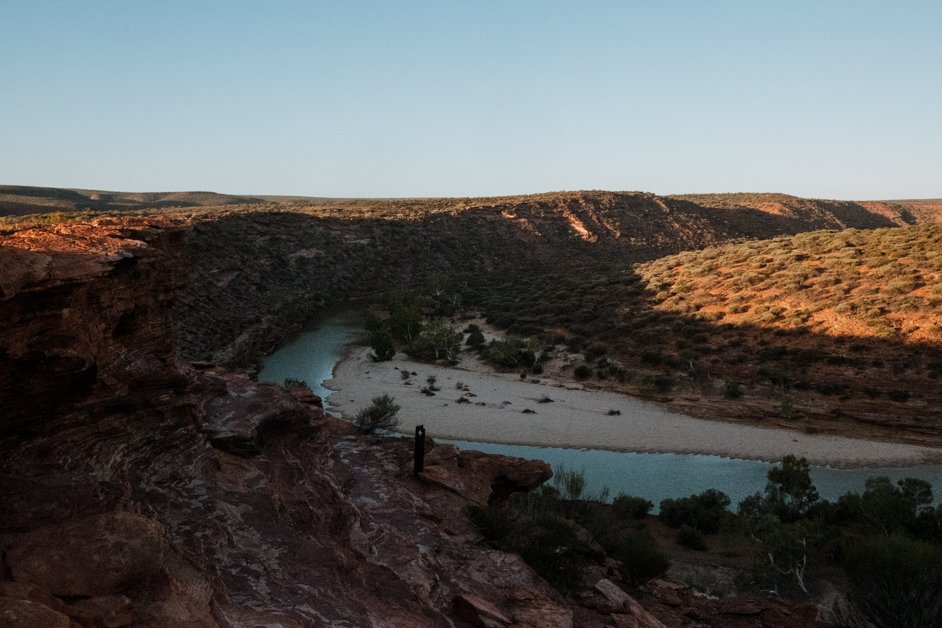
Looking down over the Murchison River
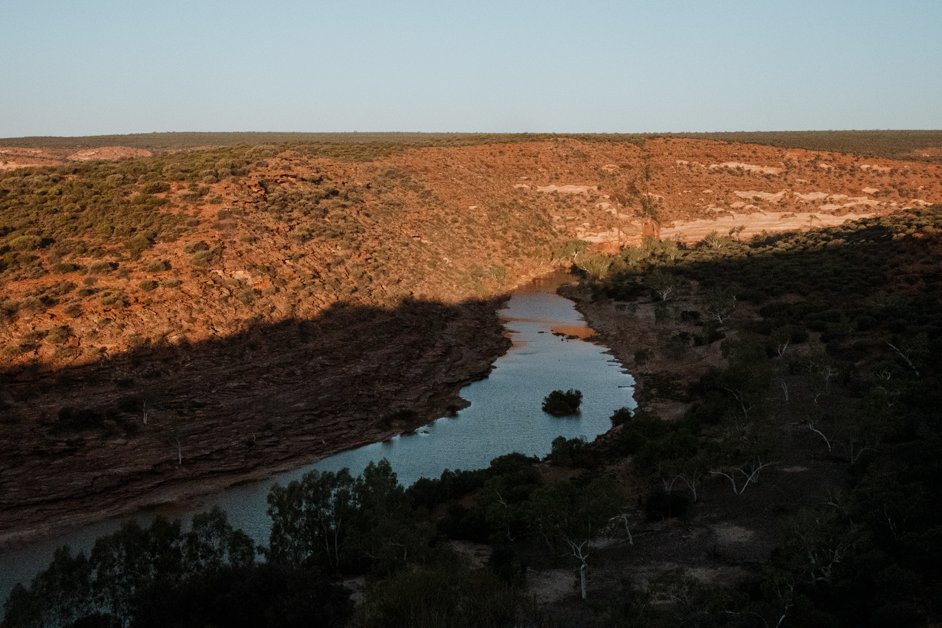
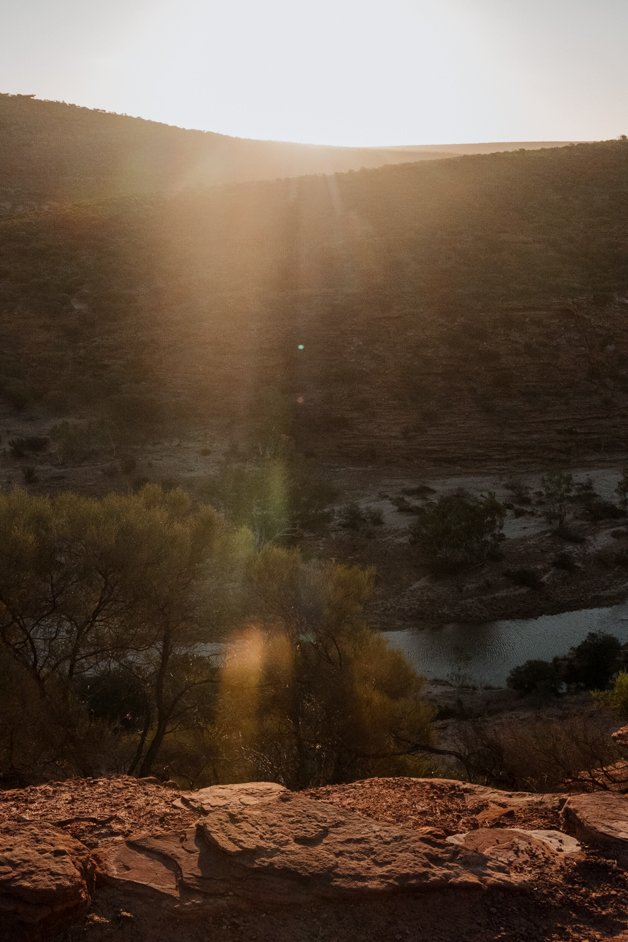
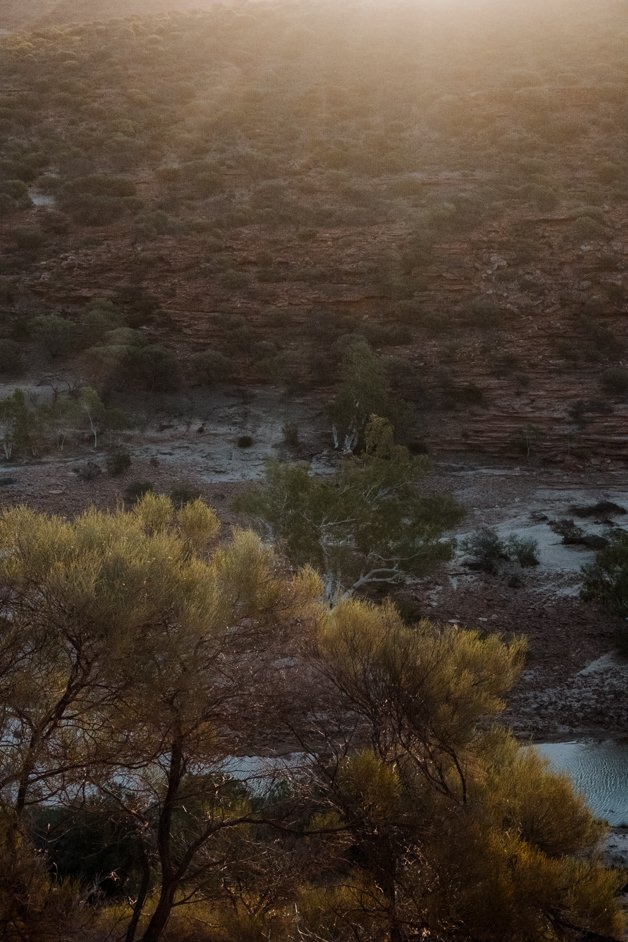
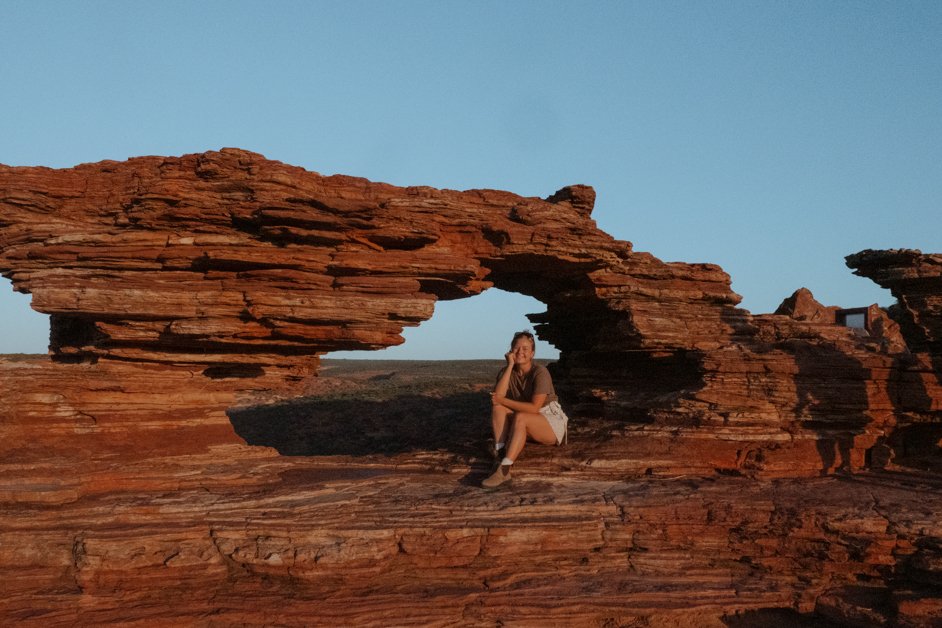
Nature's Window in 2026
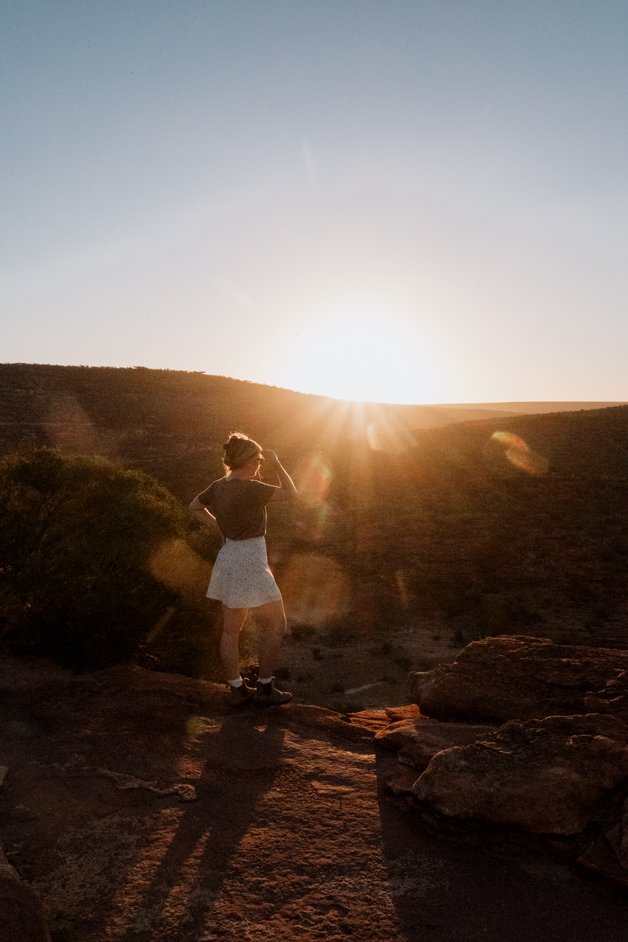
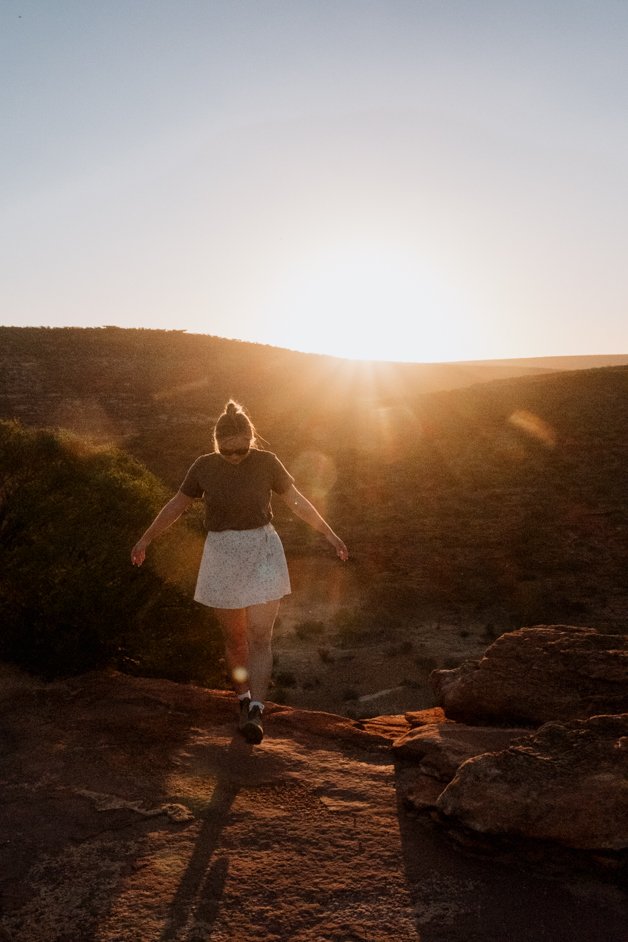
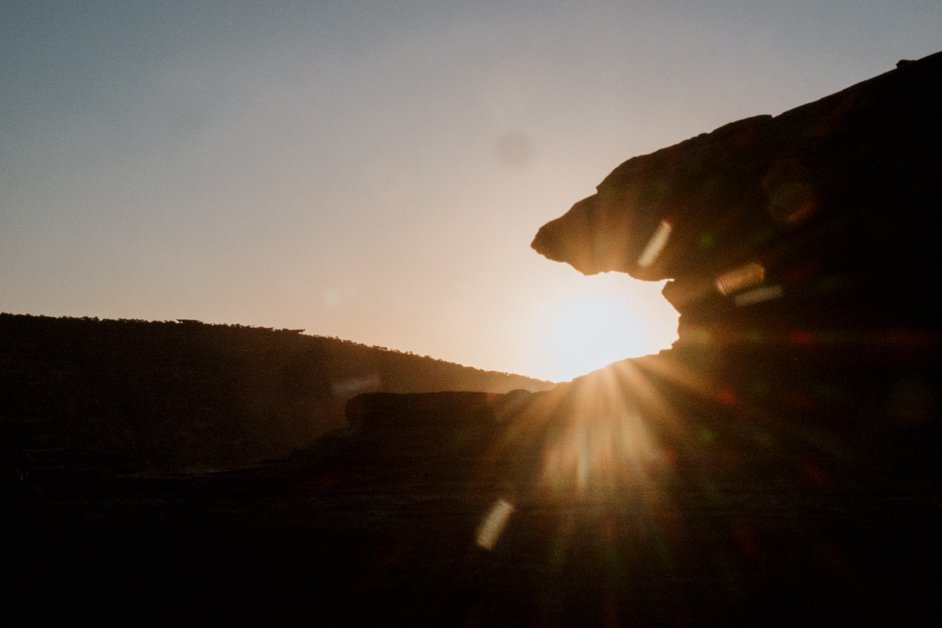
Z Bend
From Nature's Window, the Z Bend is about 15 minutes south.
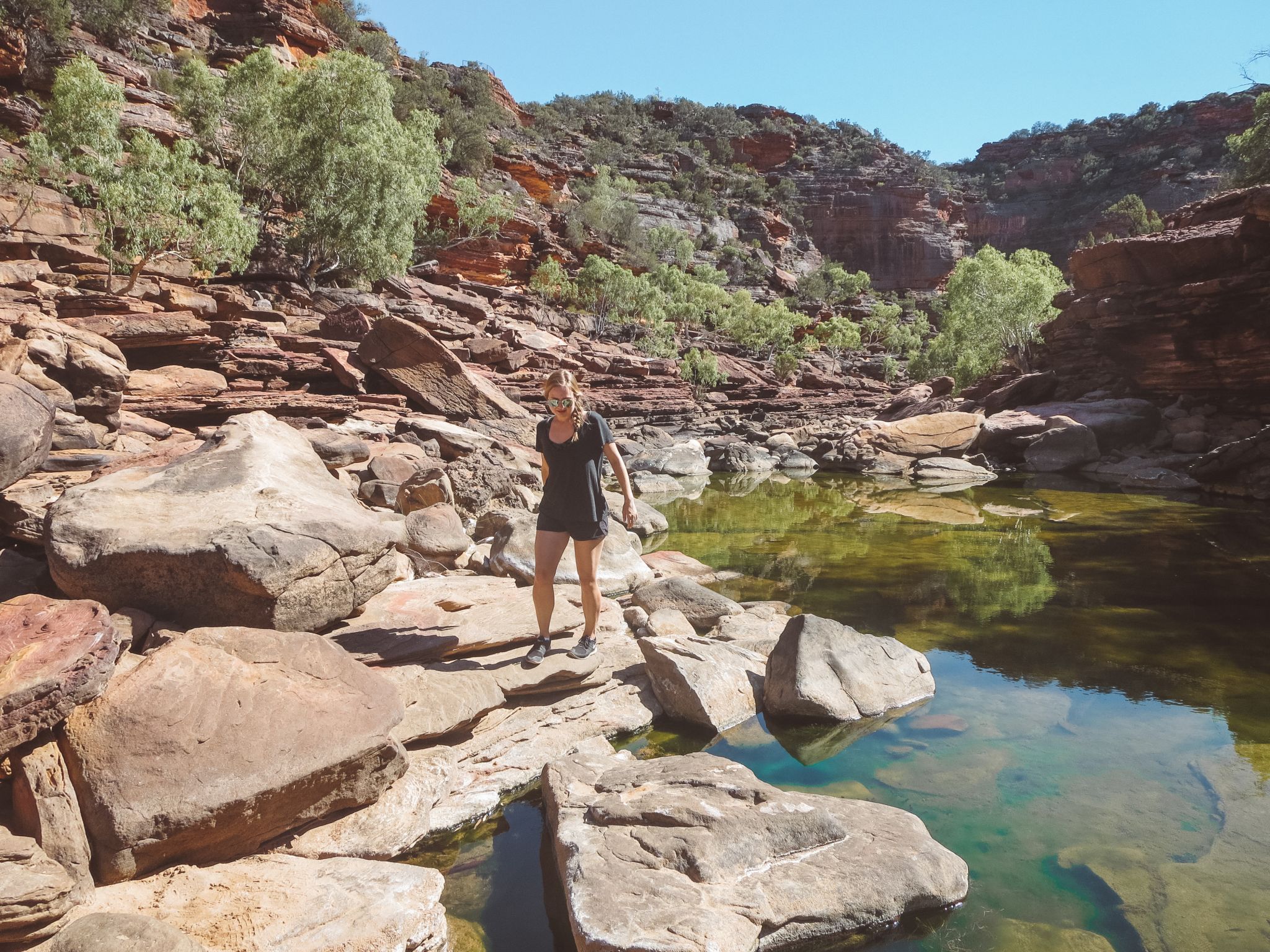
I did this stunning hike through the Murchison River gorge in 2019 as part of my west coast tour. We started hiking at 6:30am because it can get so hot inside the park.
From the parking lot, there are two options. You can either walk 600 metres to the lookout looking down over the gorge; this is a relatively easy, short hike. Alternatively, you can take on the 3km loop river trail down into the gorge. It's so beautiful but it is a challenging hike and requires a solid level of fitness. Bring plenty of water!
Z Bend is in Kalbarri National Park so incurs an AUD $17 day pass fee (or you can visit if you hold a WA annual national park pass).


Nerren Nerren Rest Stop
From the Z Bend, Nerren Nerren Rest Stop is about two hours north.
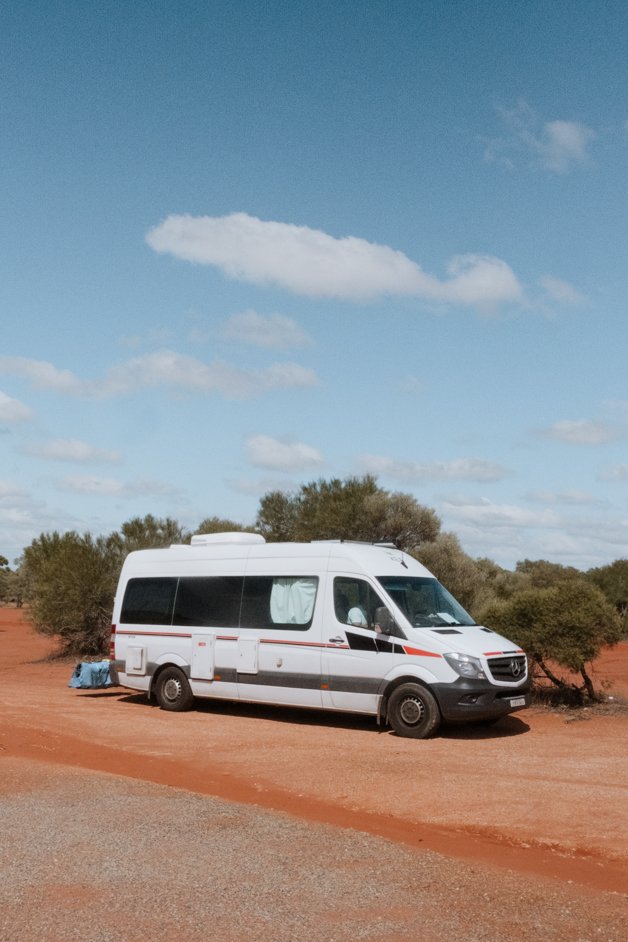
We stayed at the free camp here on the North West Coastal Highway, which we found using Wikicamps Australia, a cheap app that has every single amenity listed (both free and paid) that you might need on the road. This includes things like where to fill up fresh water, where to dump grey water, where to empty toilets, where to stay, gas stations, information points and also has suggestions for things to do as you go.
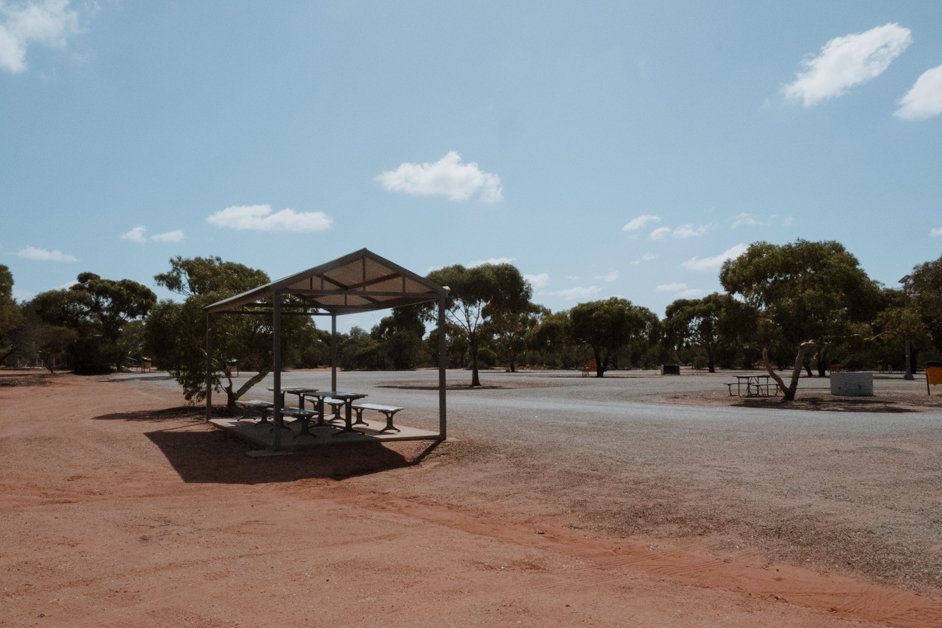
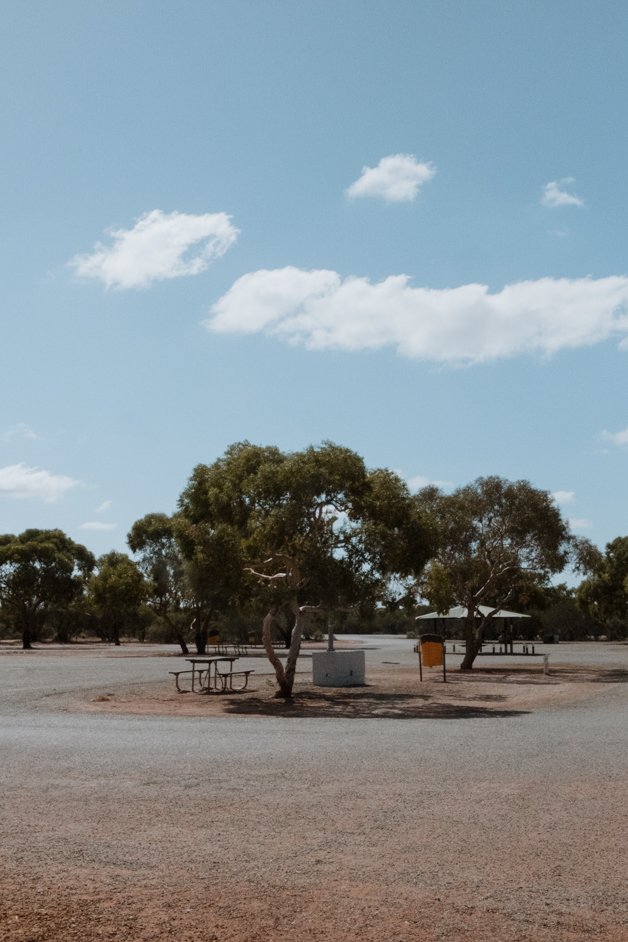
This was a wonderful free camp on our roadtrip along the west coast with a massive asphalt area surrounded by dirt camping spots. There was a dump point, long drop toilets and covered picnic tables.
Hamelin Pool Stromatolites
From Nerren Nerren Rest Stop, Hamelin Pool is about an hour and a half north.
One of the main reasons why Shark Bay is named a UNESCO World Heritage Site is because it protects the incredible stromatolite population here, one of the two largest left in the world (the other being in the Bahamas). Stromatolites are the oldest living creatures in the world with their organisms tracing back 3.5 billion years. If they had never begun producing oxygen, no other life would have formed. It's a humbling experience to visit them.
NOTE: Hamelin Pool is currently closed and has been since 2021. It is unclear when they plan to reopen the site!


Shell Beach
From Hamelin Pool, Shell Beach is about 45 minutes northwest.
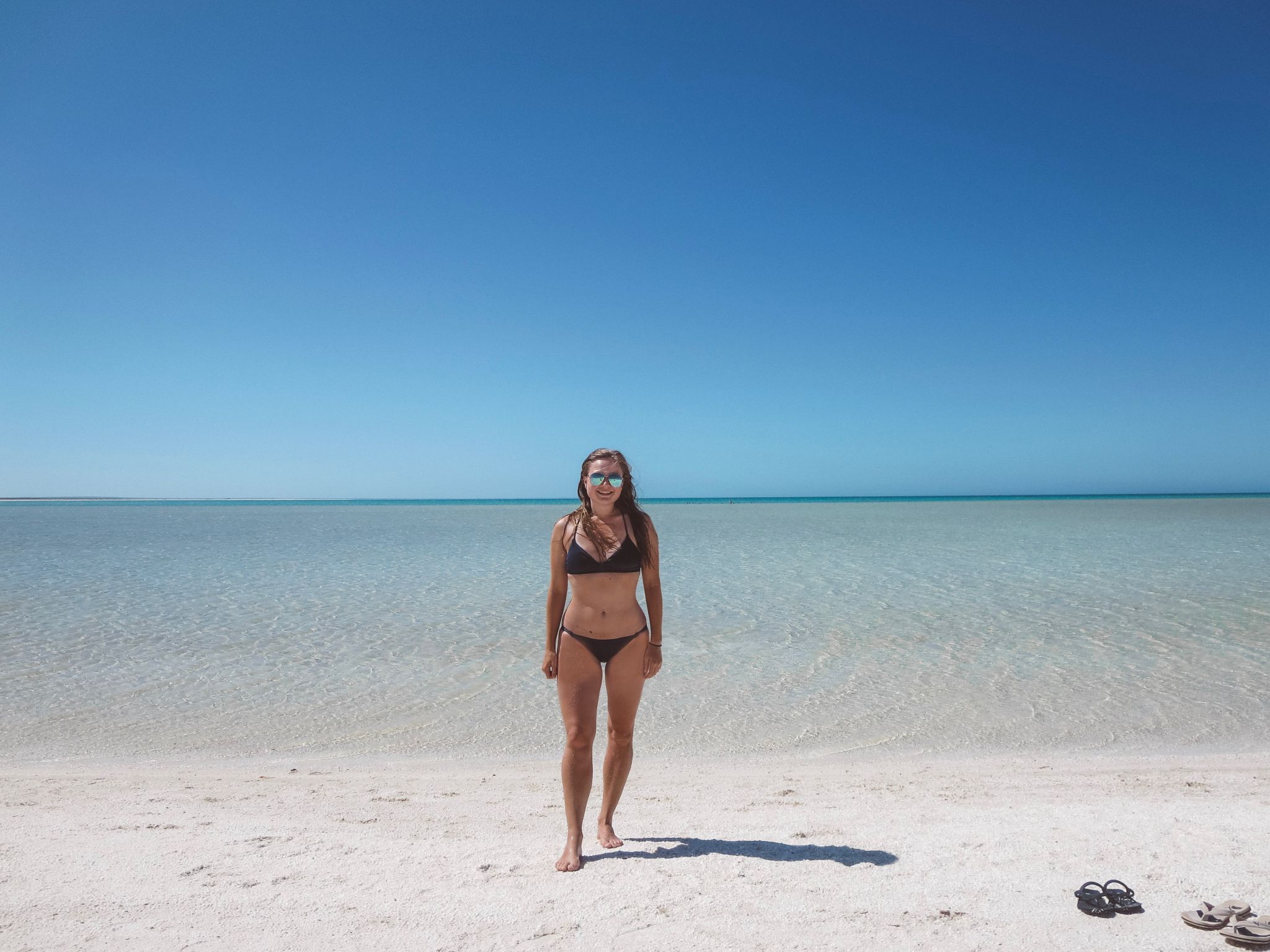
Located in Shark Bay, Shell Beach was one of the stops we made on our 2019 group trip and truly it is one of Australia's most spectacular beaches. Over 60 km of pure white cockle shells make up this stunning beach instead of sand. The water is so salty and warm that you can just float along in it!


Monkey Mia
From Shell Beach, Monkey Mia is about 45 minutes north.
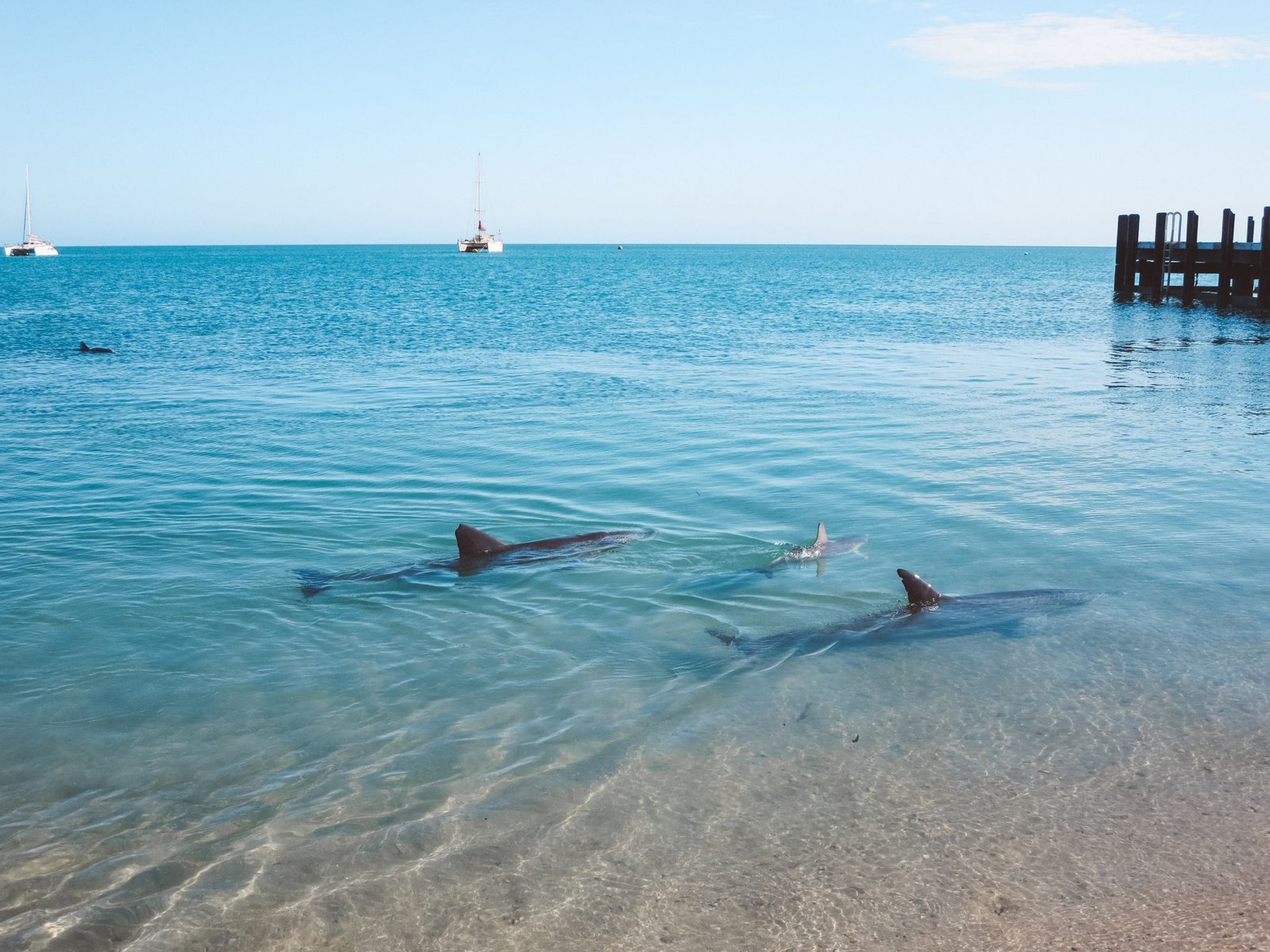
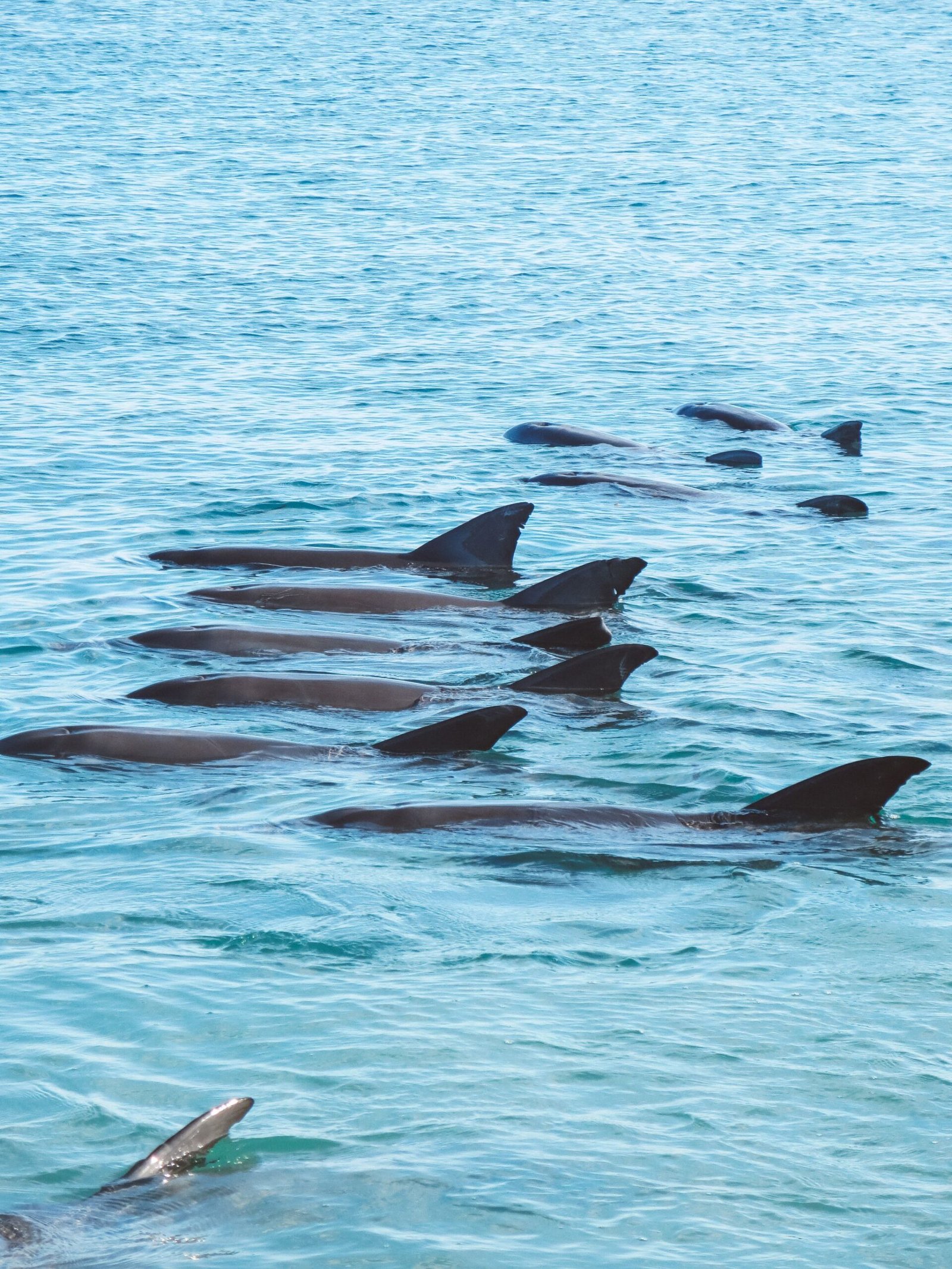
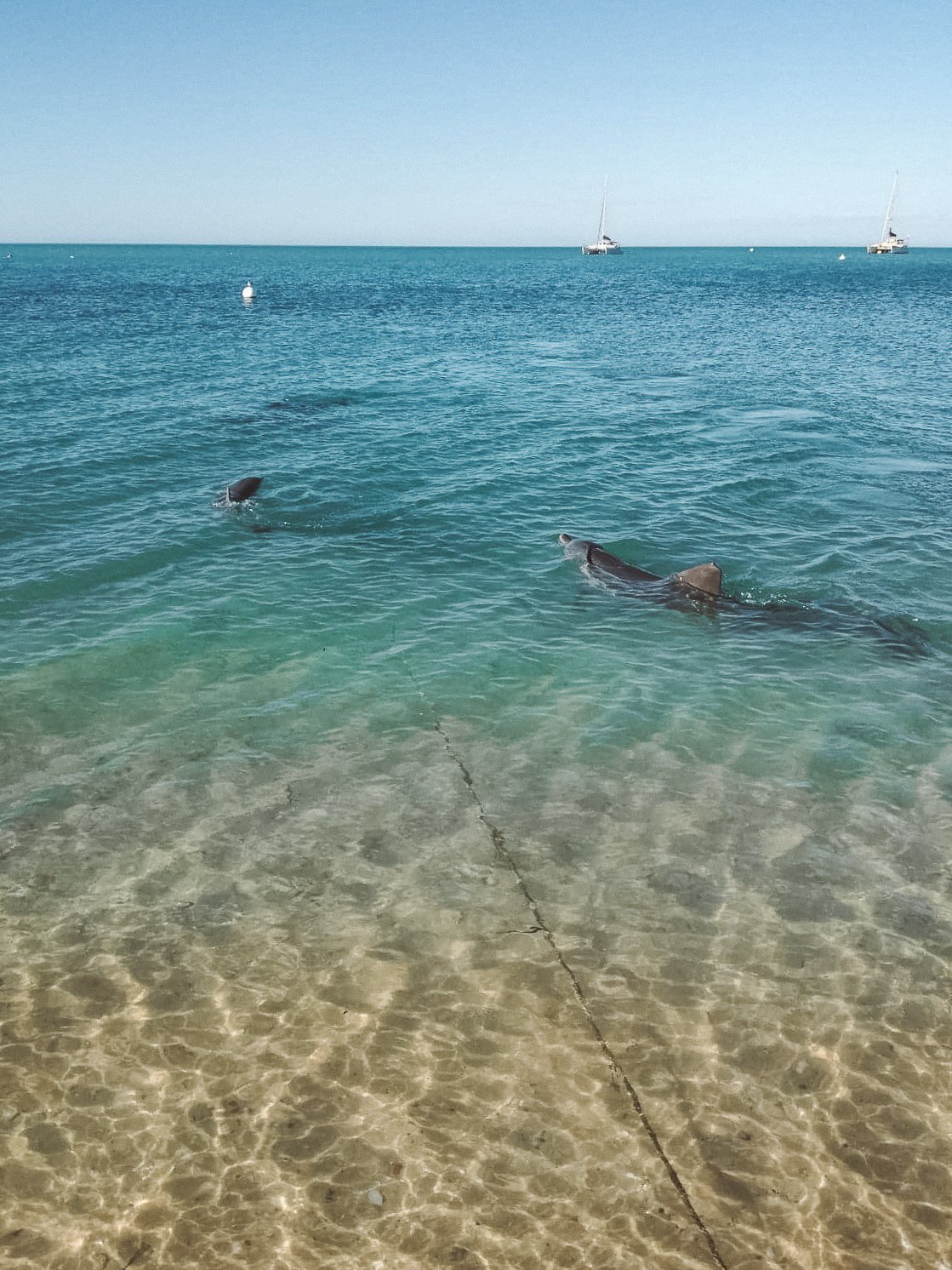
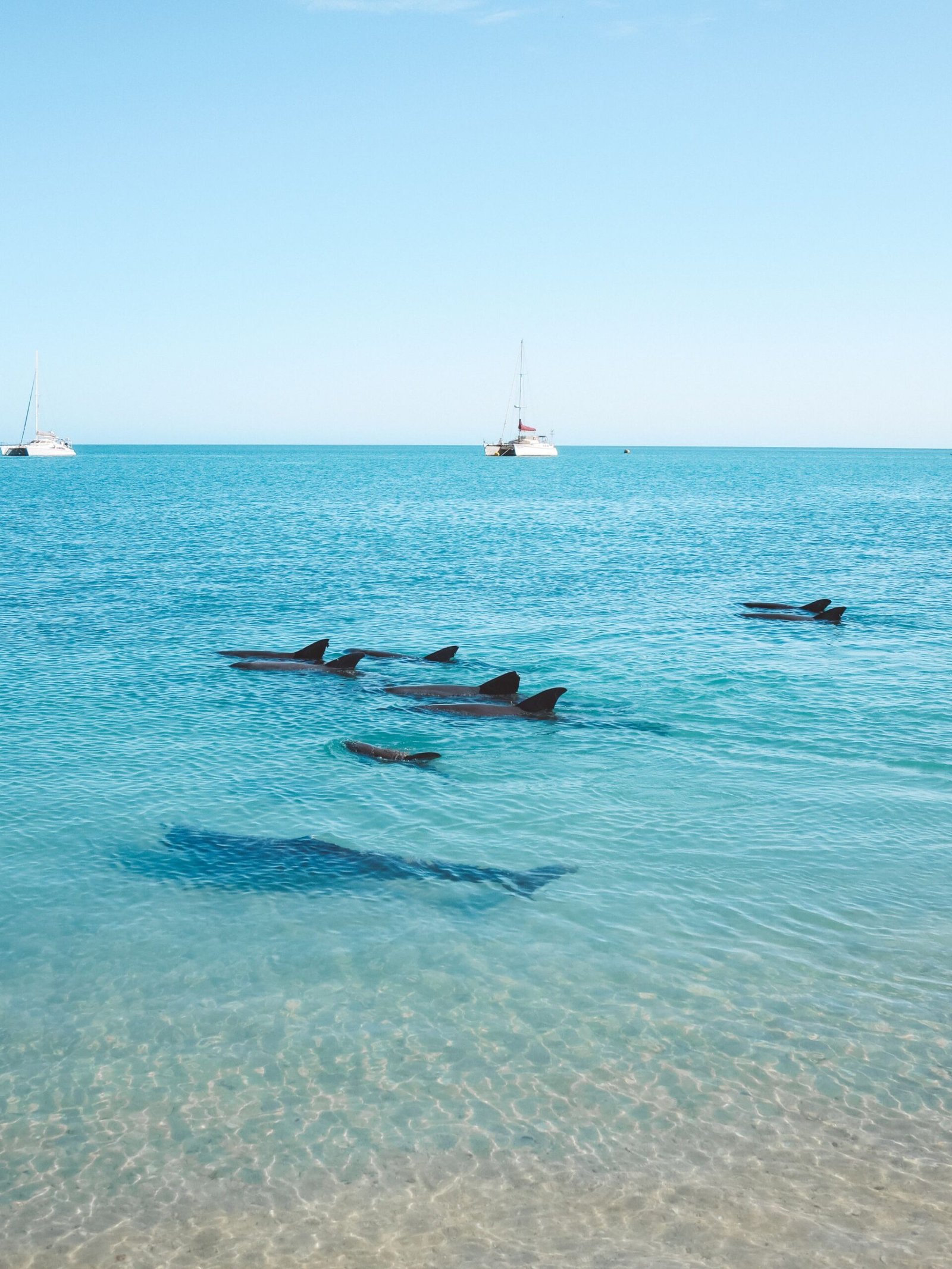
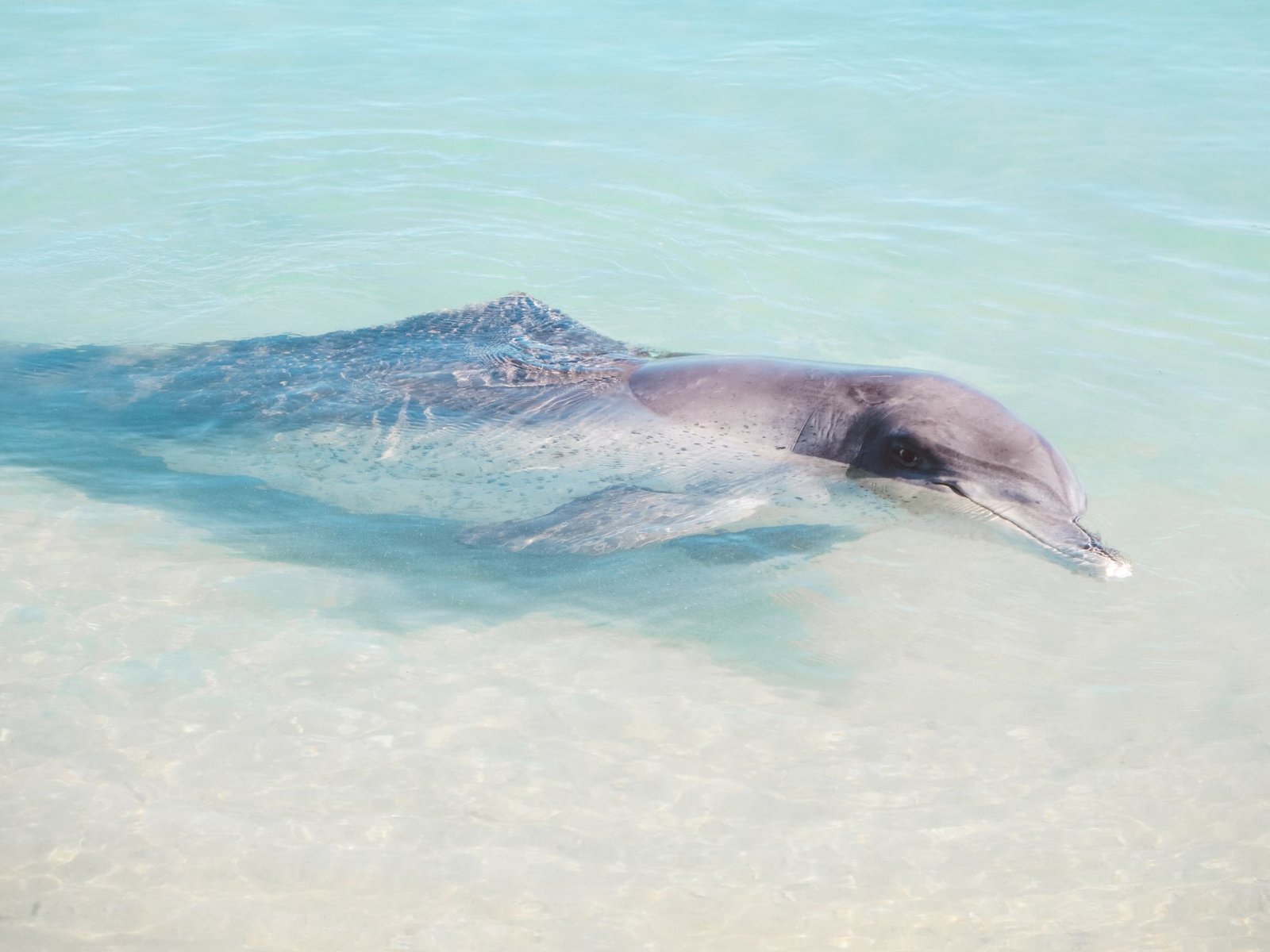
In 2019, we visited the dolphins at Monkey Mia. The dolphins are wild but come all the way up to the beach because they are fed every morning. I had mixed feelings about the experience; they say that only a few dolphins are fed each day and they receive less than 10% of what they would normally eat in a day so therefore are still encouraged to hunt, but it did feel a bit exploitative. Please make your own informed decision here!
→ Check out the current entry fees to visit Monkey Mia Conservation Park.


Wooramel Lookout
From Monkey Mia, Wooramel Lookout is just over two hours east.
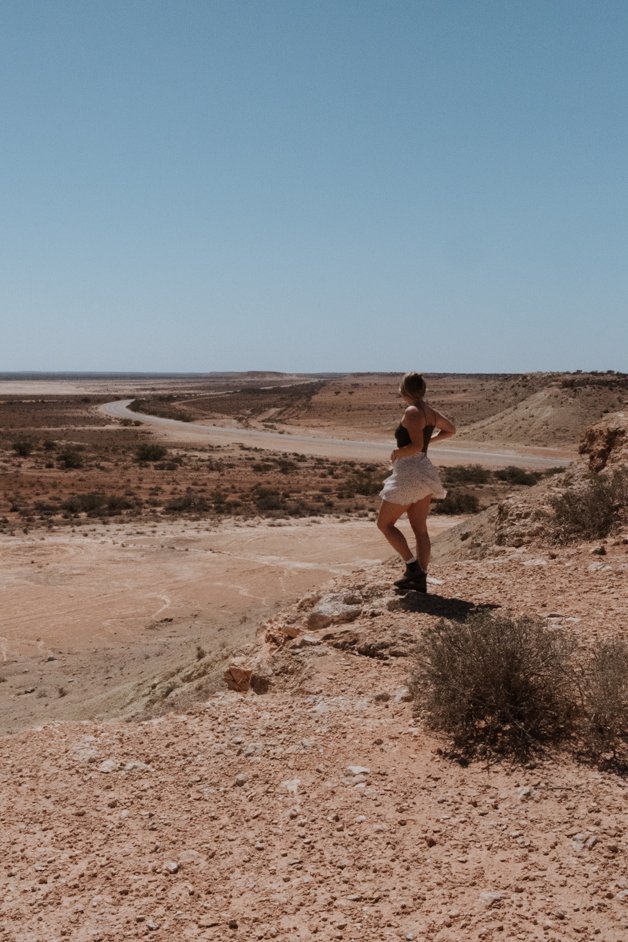
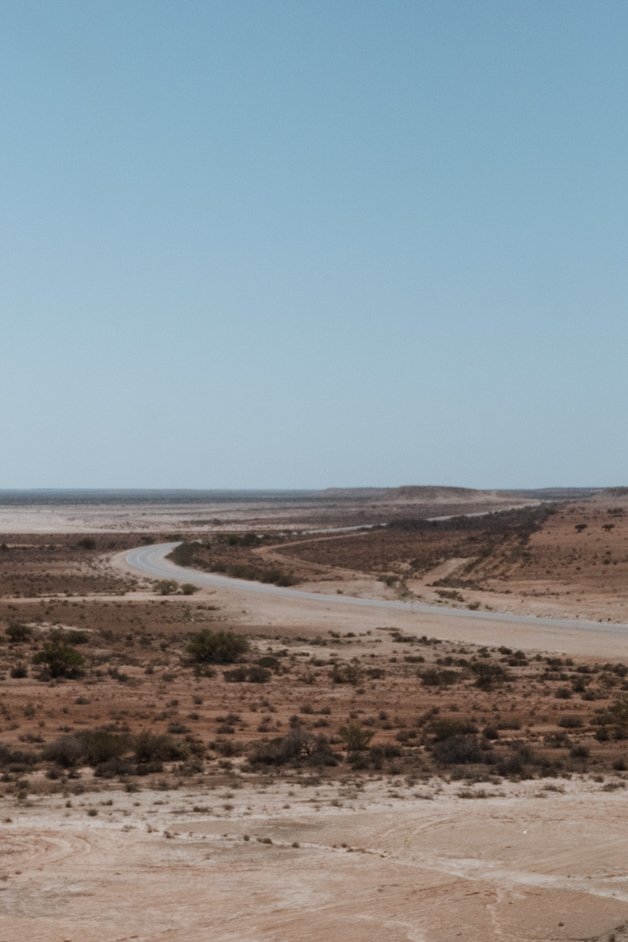
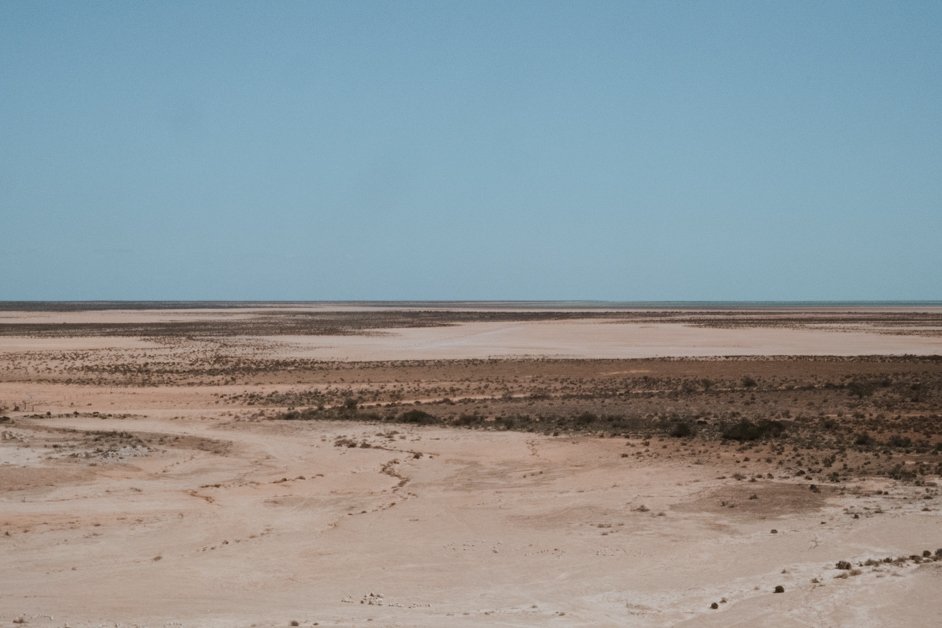
The Wooramel Lookout (also known as Gladstone Scenic Lookout) is just a nice place to make a quick stop to stretch your legs at as you leave Shark Bay and continue to drive north on the North West Coastal Highway. It's a scenic lookout overlooking Shark Bay on top of a flat mesa with wild air and views for miles.
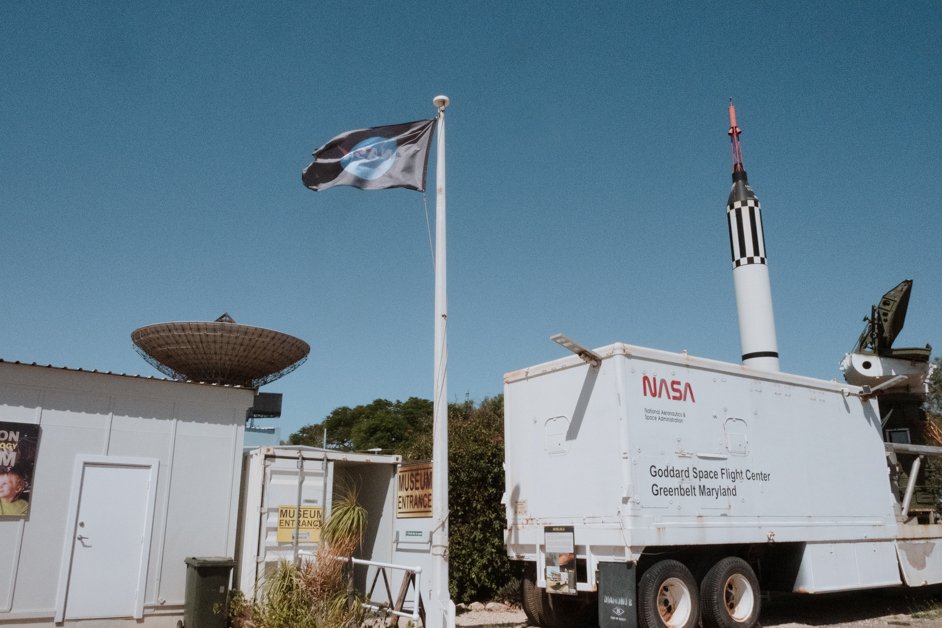
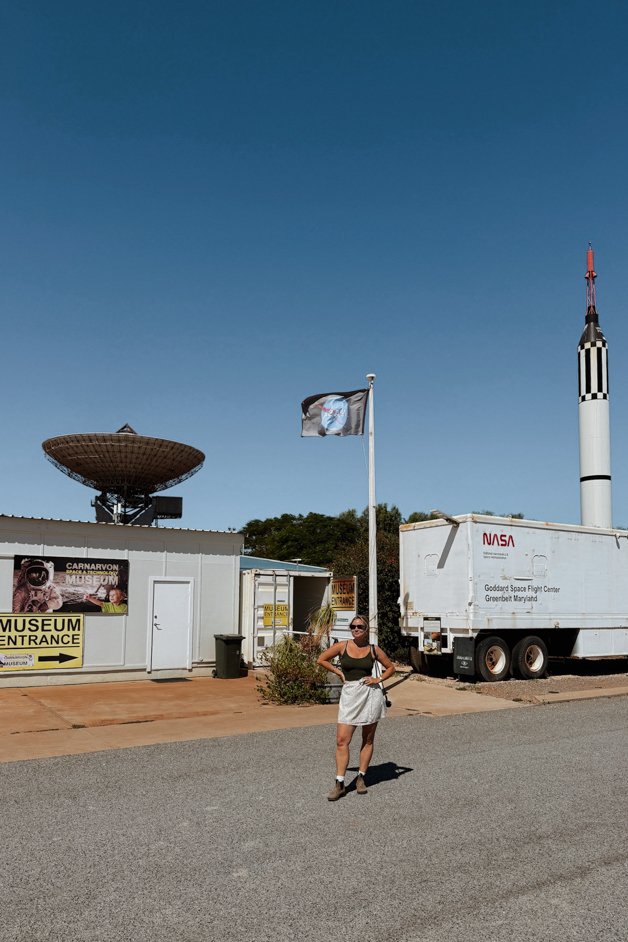
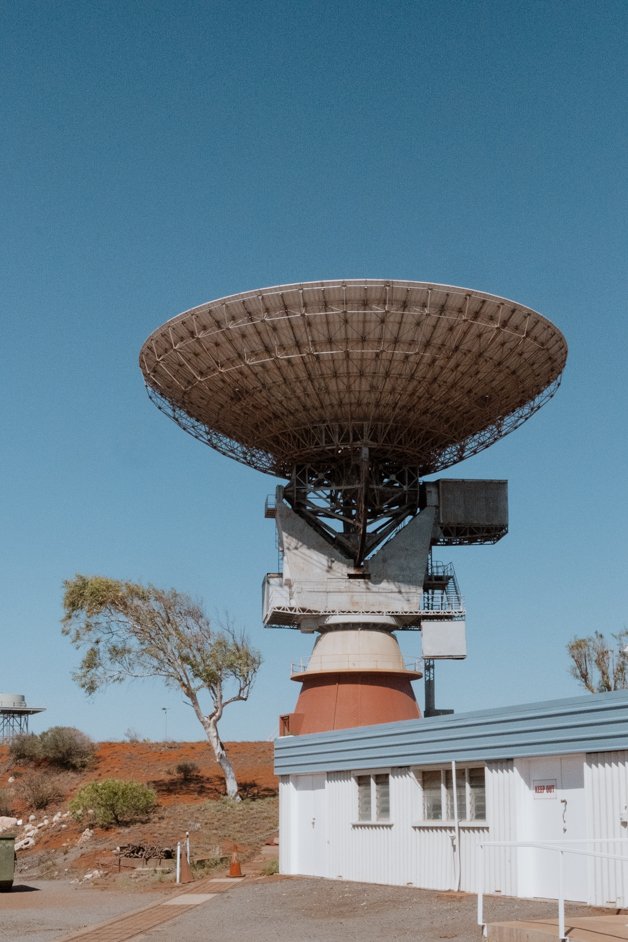
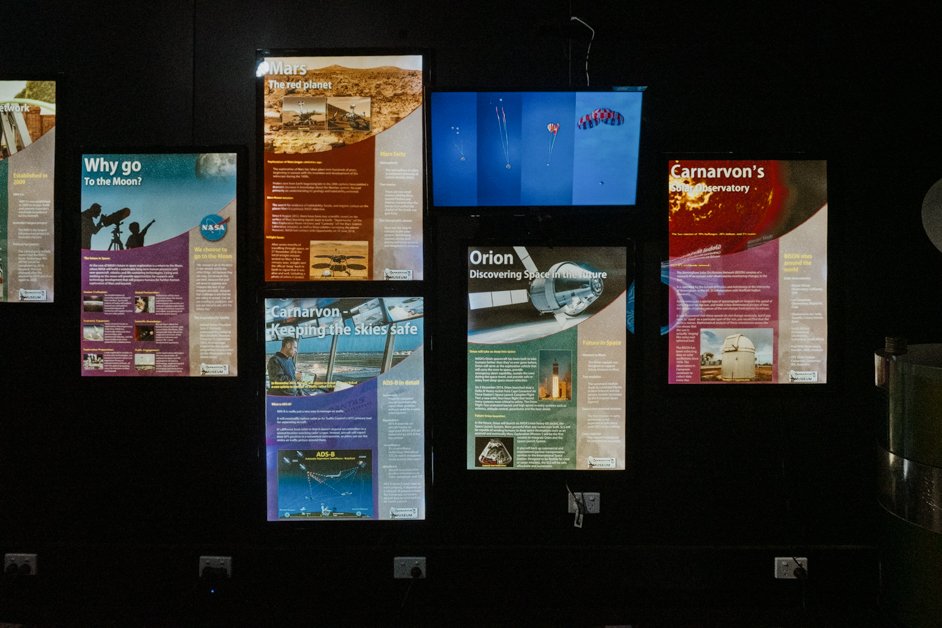
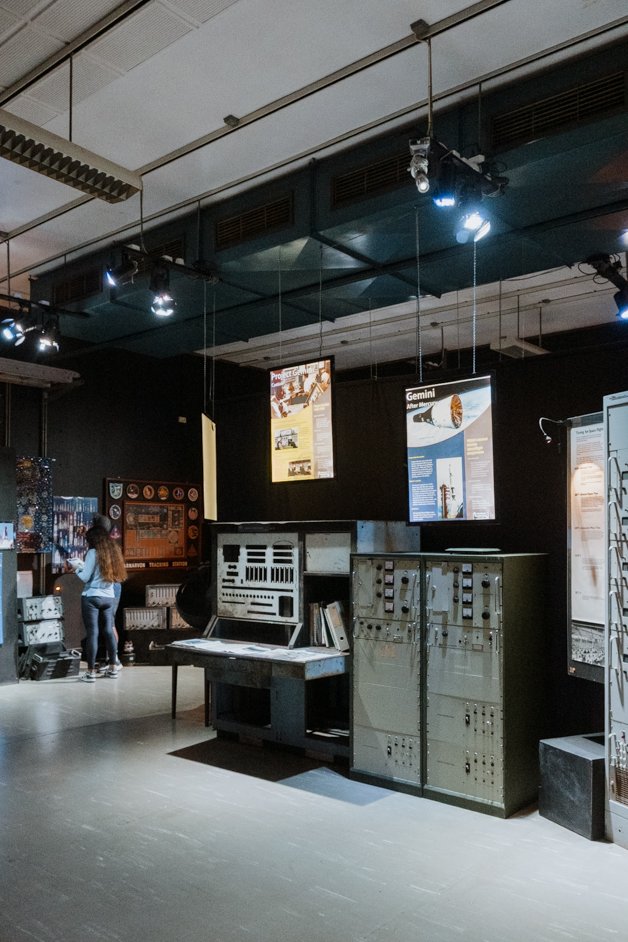
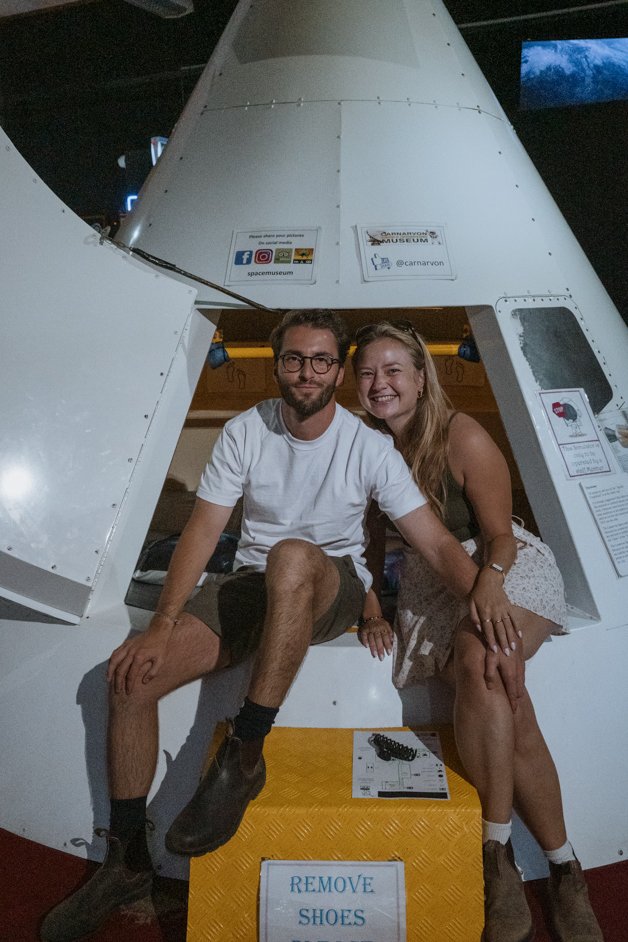
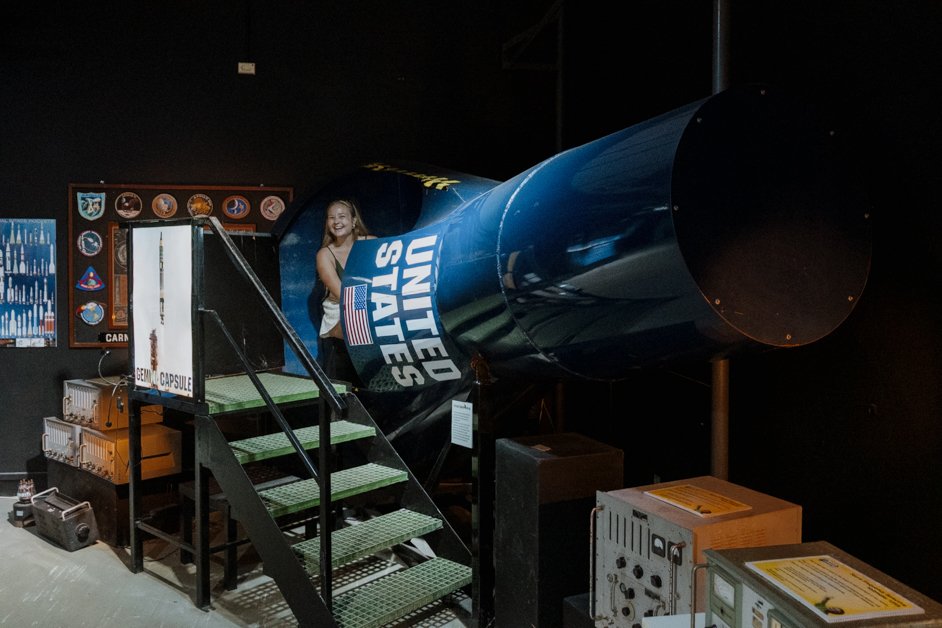
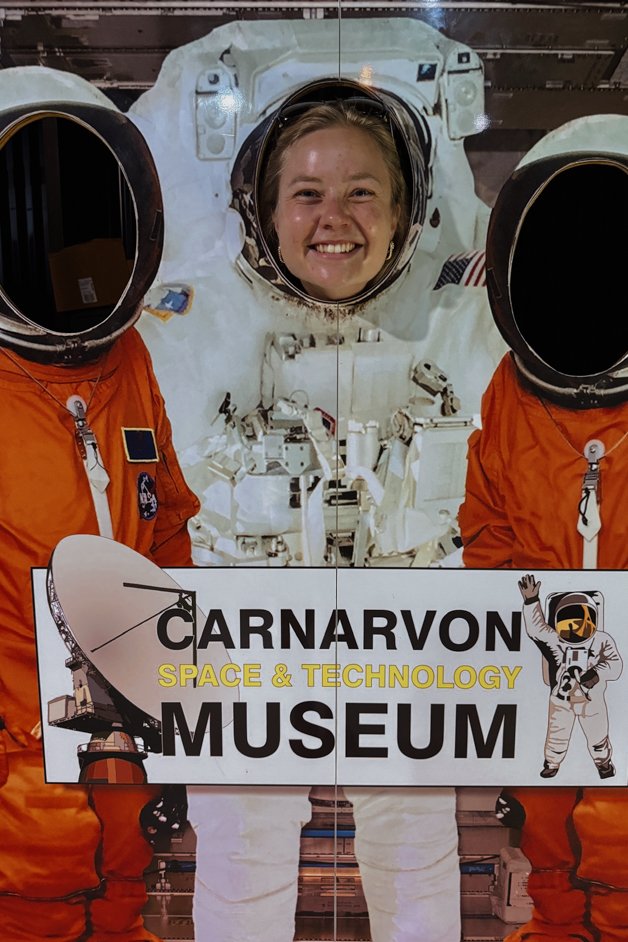
Carnarvon Space and Technology Museum
From Wooramel Lookout, Carnarvon Space and Technology Museum is an hour and a half north.
We just so happened to visit Carnarvon Space and Technology Museum during the exact 10-day window that the Artemis II mission was on their way around the moon, the first time in 54 years that humans were headed back to the moon.
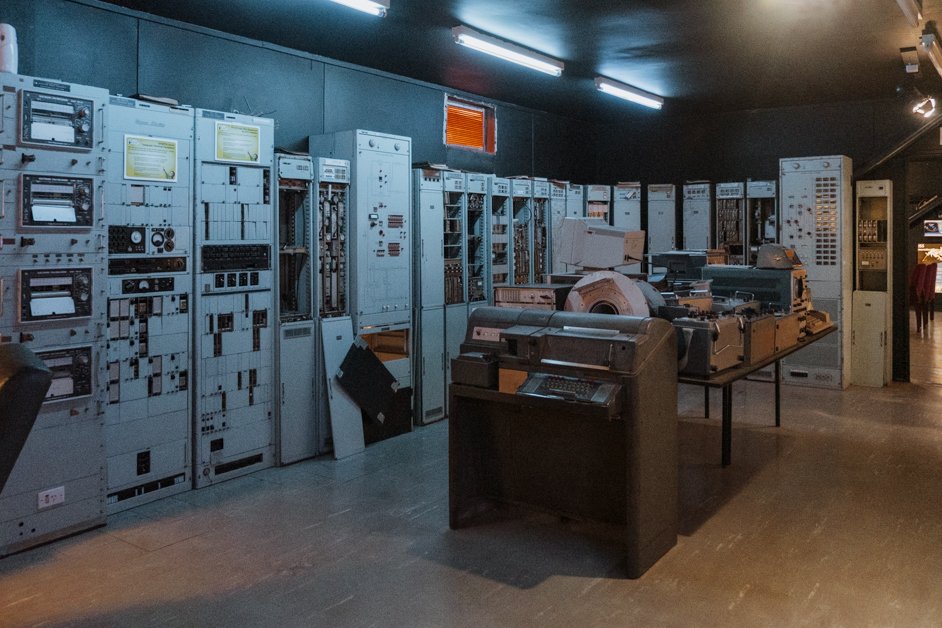
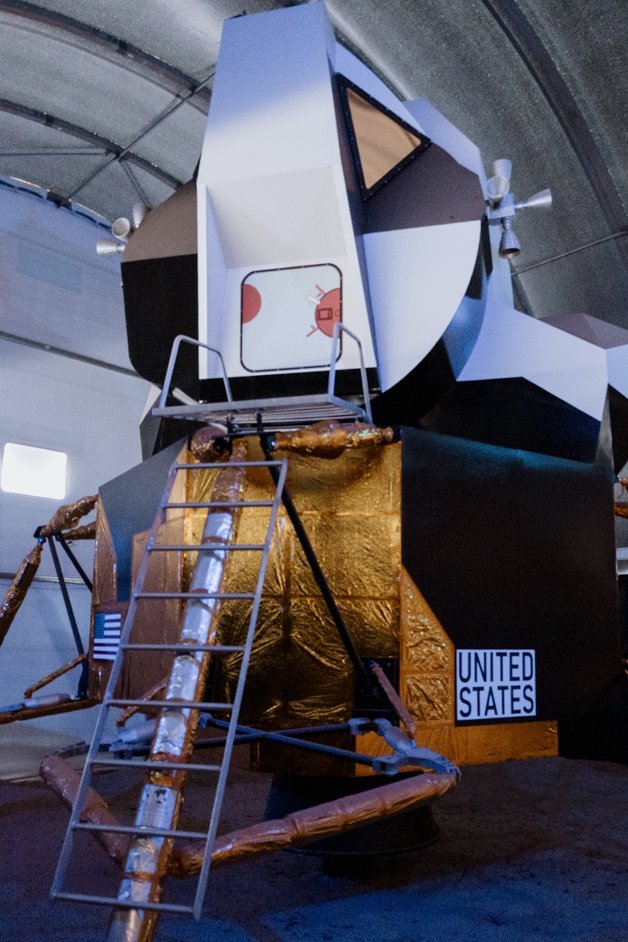
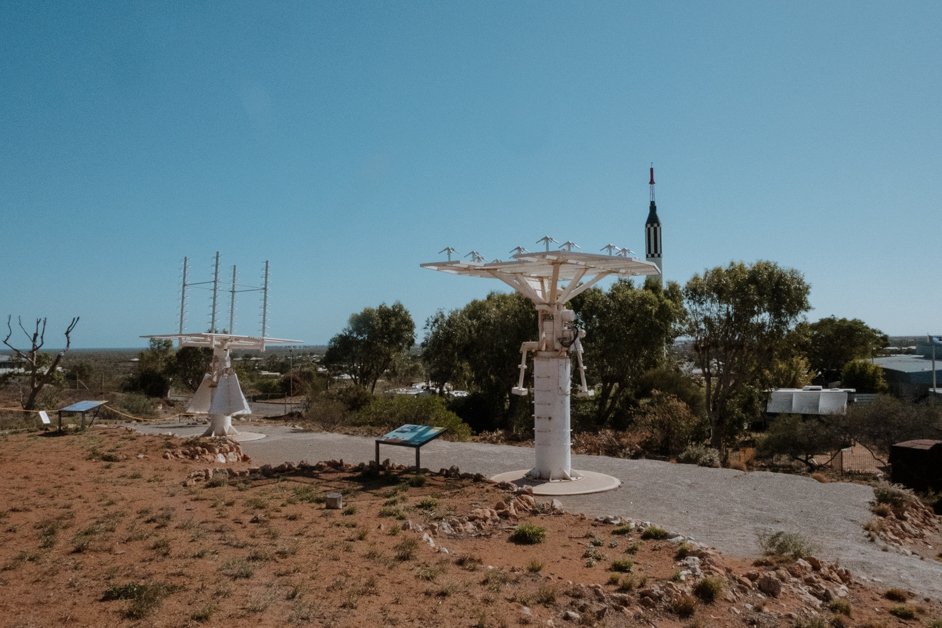
Carnarvon is so special in space history as one of the key tracking stations for Apollo 11, the first mission to the moon, and the other Gemini and Apollo missions. When built, Carnarvon was the largest tracking station outside mainland USA with the most accurate radar system in the southern hemisphere. Carnarvon was responsible for giving NASA spacecraft the final 'go-ahead' to lift off and enter space!
Run entirely by volunteers, you can see the original control rooms and all the computers, plus a life size model of a lunar lander. Best of all, a life size replica of the control capsule in which astronauts sat to go to the moon in 1969.
→ Check out the reel I made of the control capsule replica at Carnarvon Space and Technology Museum!
Minilya
From Carnarvon Space and Technology Museum, Minilya is an hour and a half north.
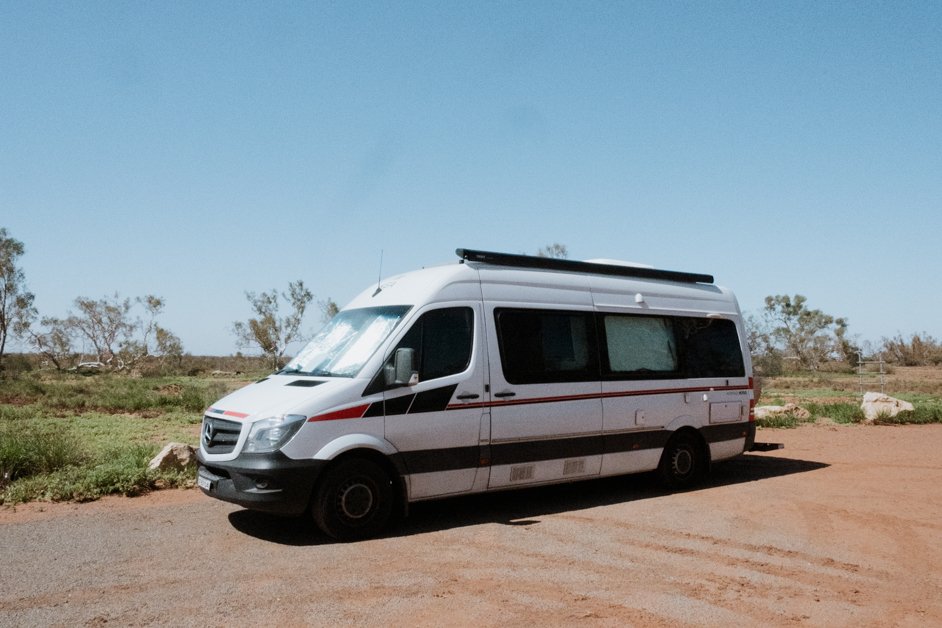
We stayed at the free rest area here on the North West Coastal Highway, which we found using Wikicamps Australia, a cheap app that has every single amenity listed (both free and paid) that you might need on the road. This includes things like where to fill up fresh water, where to dump grey water, where to empty toilets, where to stay, gas stations, information points and also has suggestions for things to do as you go.
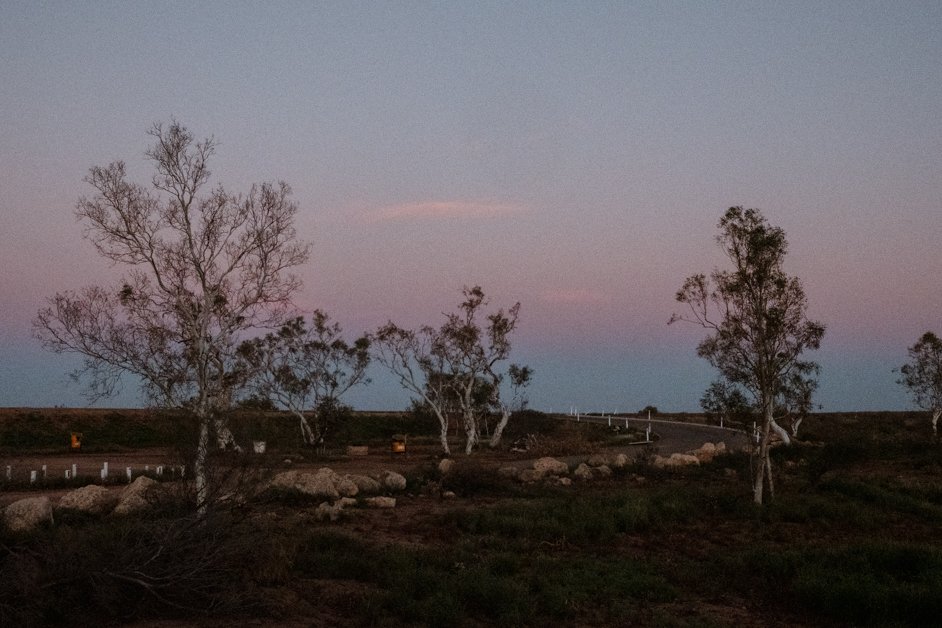
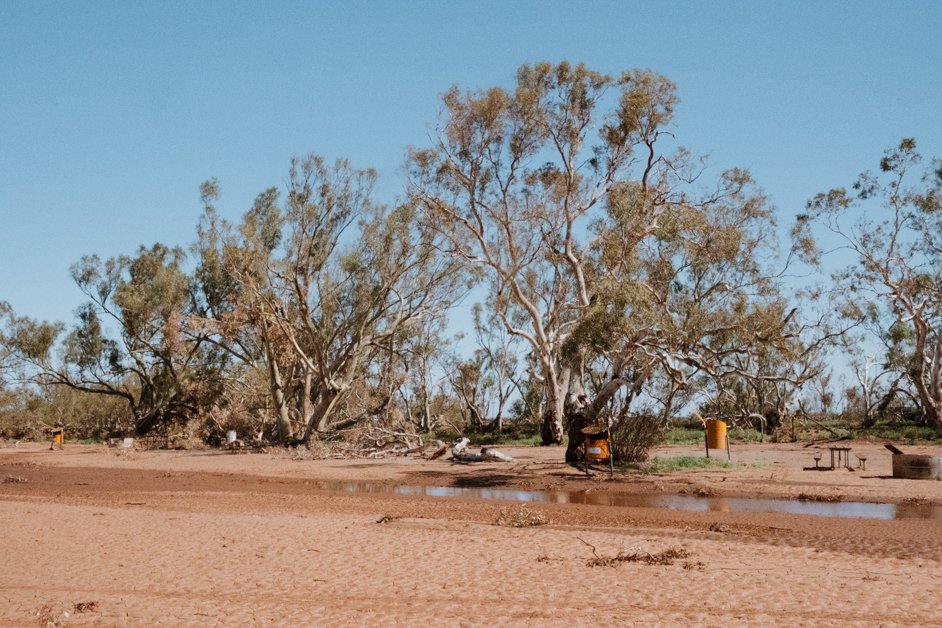
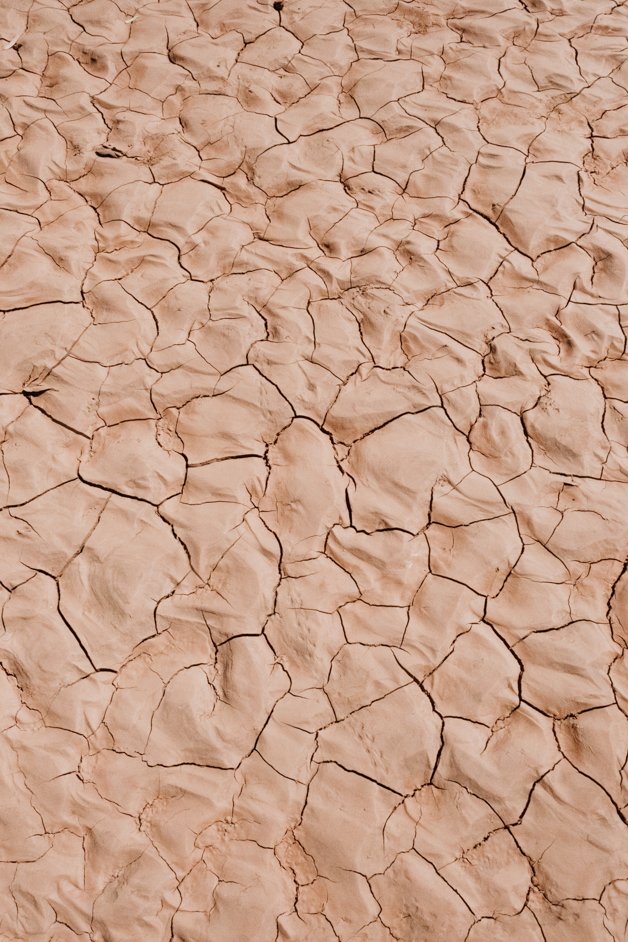
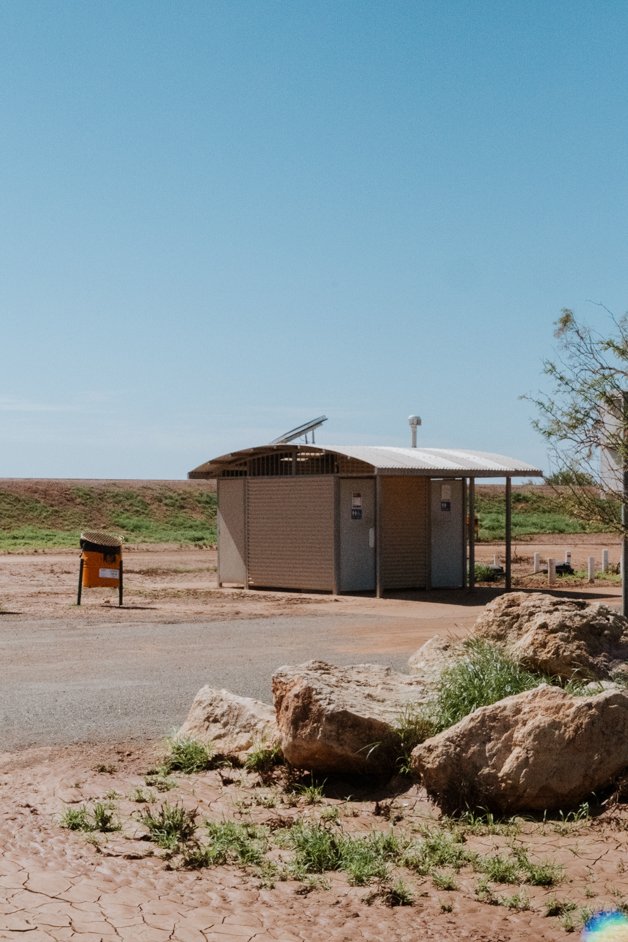
This was a wonderful free camp on our roadtrip along the west coast. It was a bit washed out post-cyclone when we stayed there in early 2026 but still accessible, quiet and lovely. There was a dump point and long drop toilets.
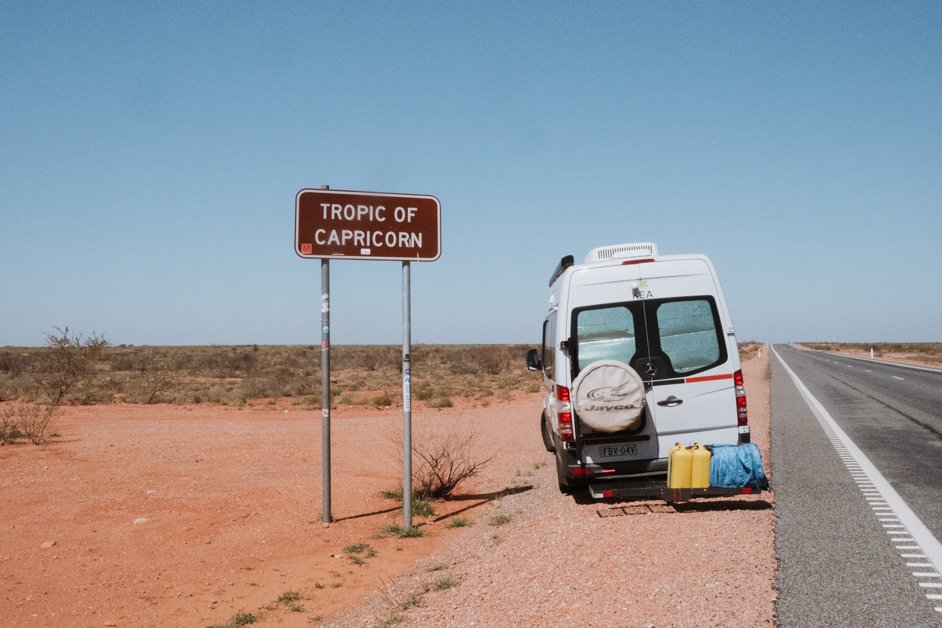
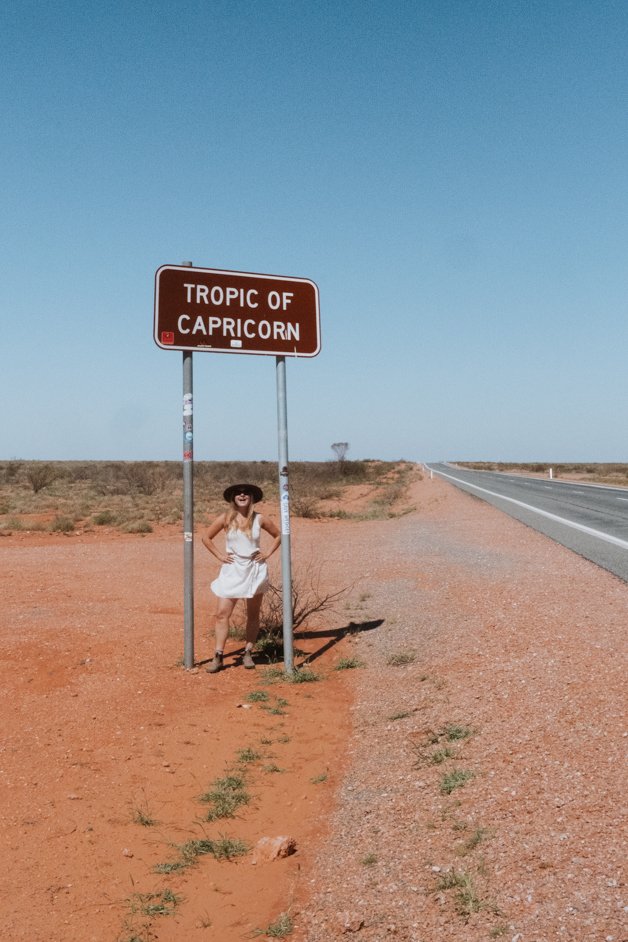
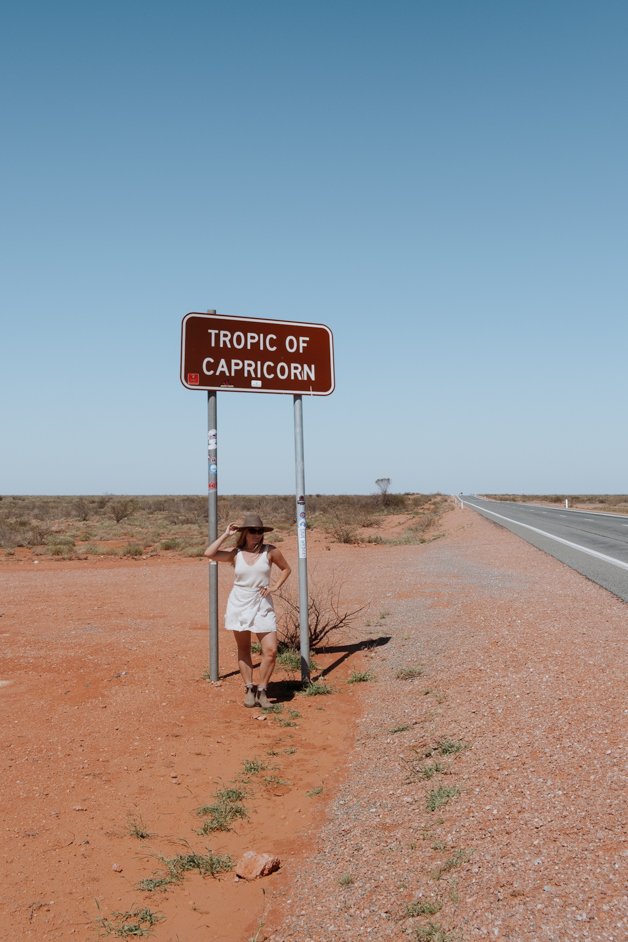
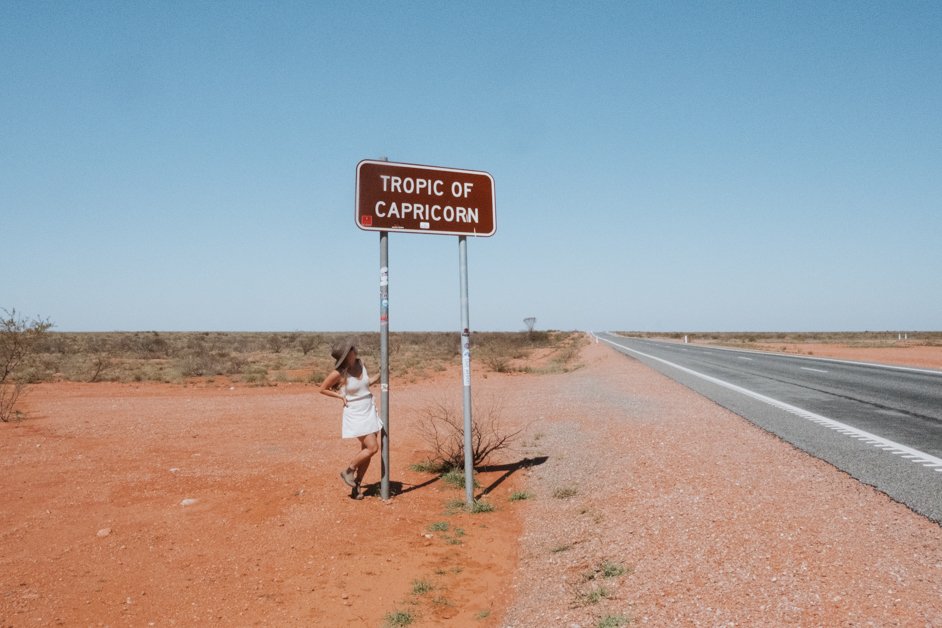
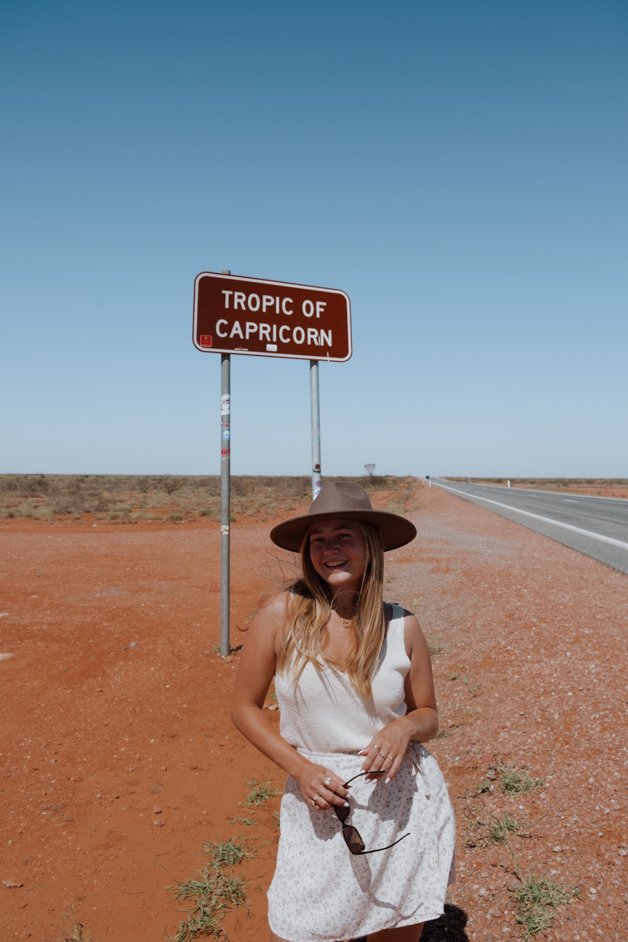
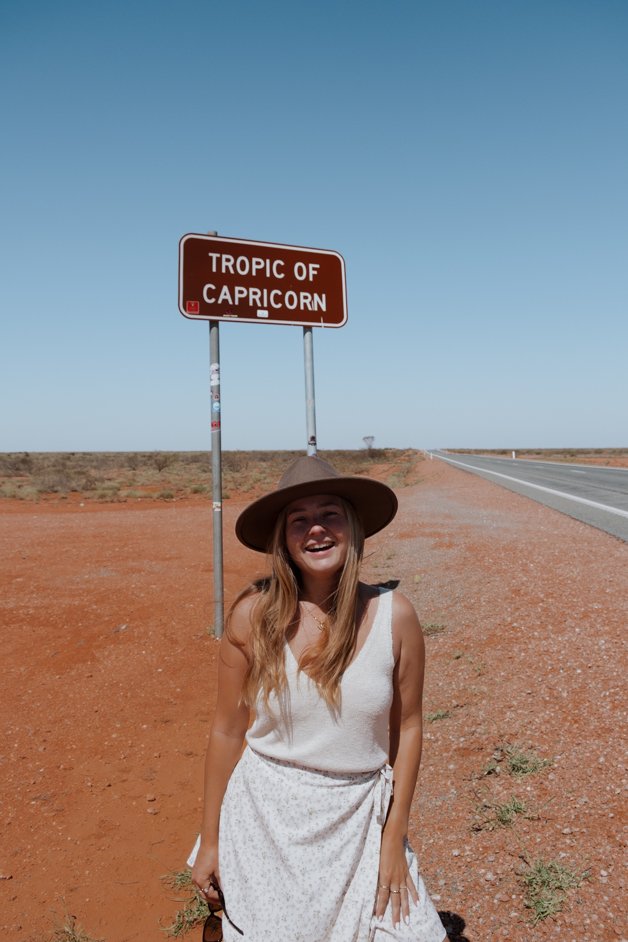
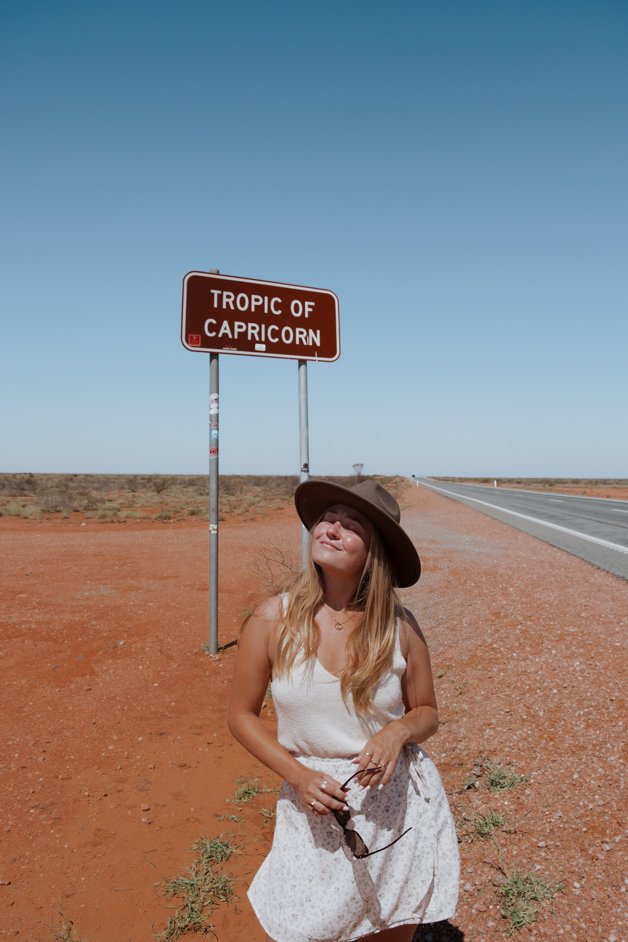
Tropic of Capricorn
From Minilya, the Tropic of Capricorn is half an hour north.
We only ended up driving this route because the direct road to Coral Bay, our next destination, was closed off due to damages from the cyclone that came through in early January 2026.
Along the North West Coastal Highway a sign marks the Tropic of Capricorn, officially halfway between the South Pole and the Equator. It's a fun stop to stretch your legs at and snap a photo of the sign.
Coral Bay
From Minilya, Coral Bay is an hour north.
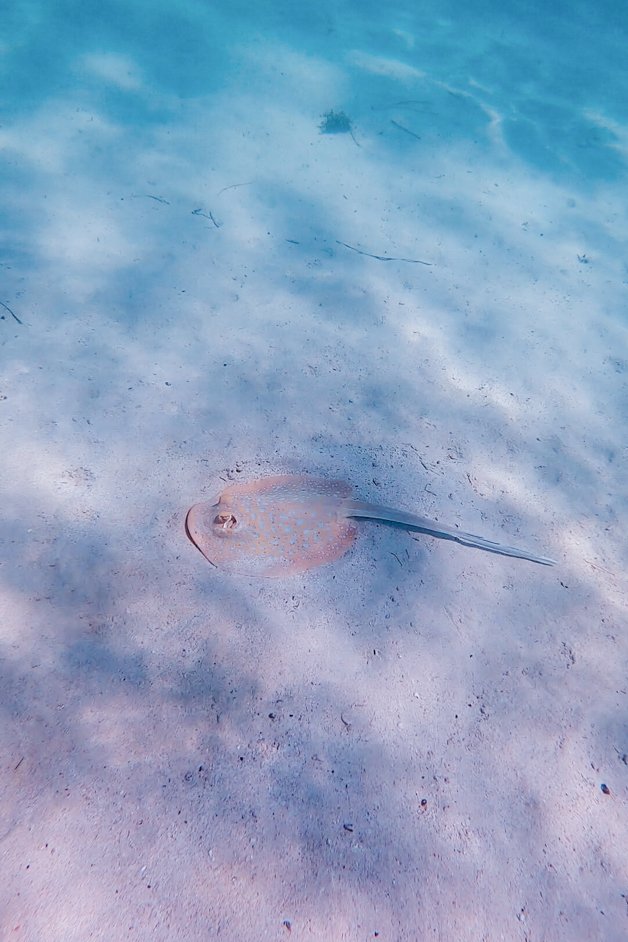
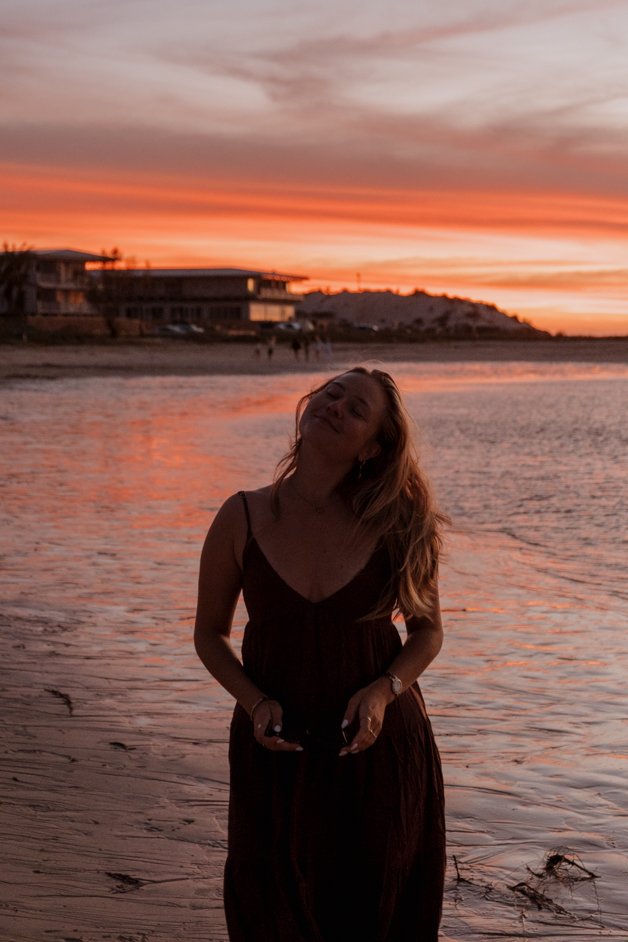
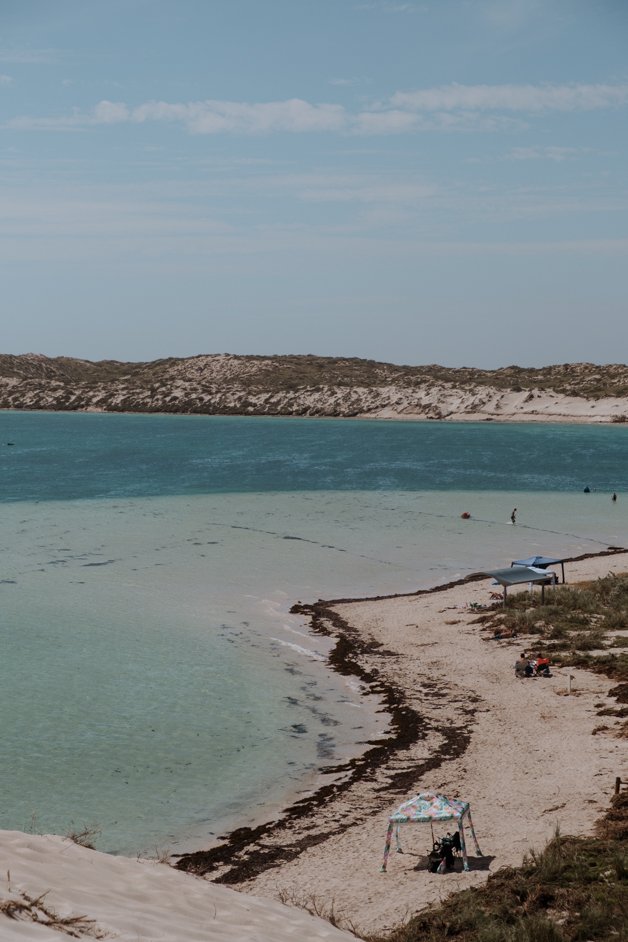
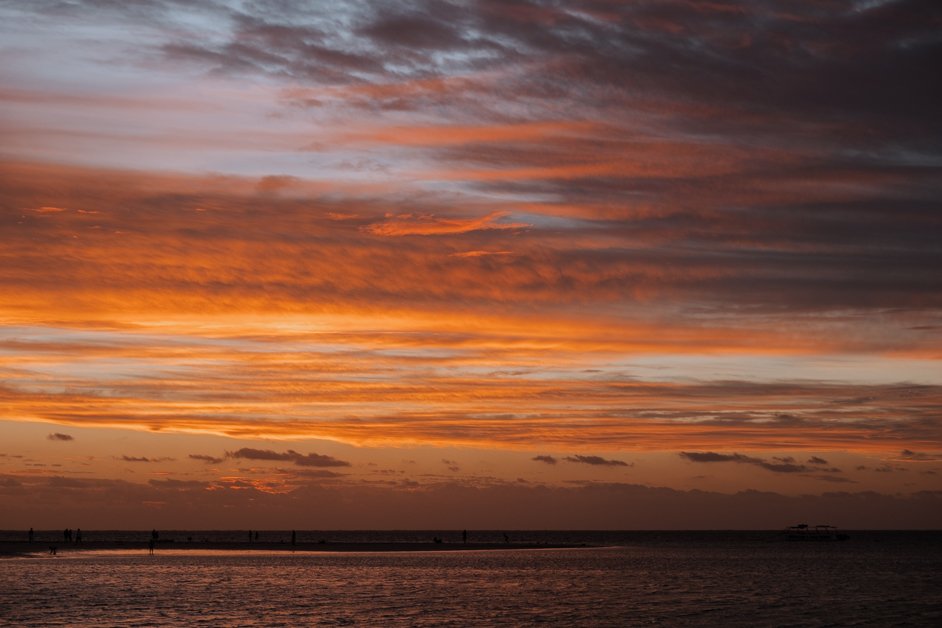
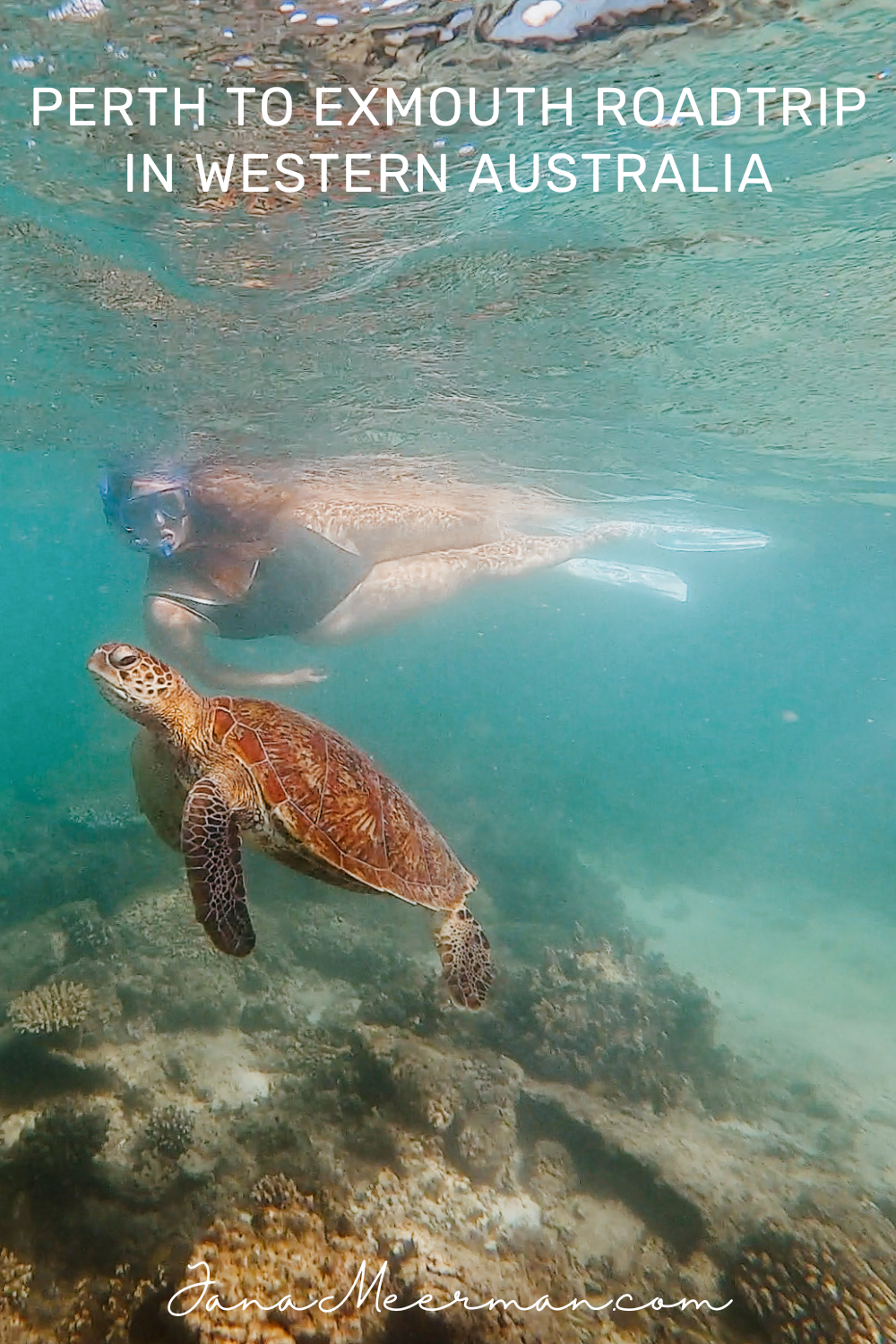
I visited Coral Bay in both 2019 and again with my partner in 2026. It's one of my favourite parts of the west coast. Coral Bay is a super small holiday town nestled on the Exmouth peninsula with just a few places to stay and eat. You come here for the beaches; Coral Bay is world-renowned for the chance to spot manta rays. They can be seen year-round with peak viewings usually between April and October.
I've written a separate guide with how to get to Coral Bay, how to get around, where to stay and all the best things to do!
Exmouth
From Coral Bay, Exmouth is an hour and a half north.
Exmouth is the furthest north spot to go on a west coast roadtrip - in 2019 it was our final stop before we spent two days driving back to Perth.
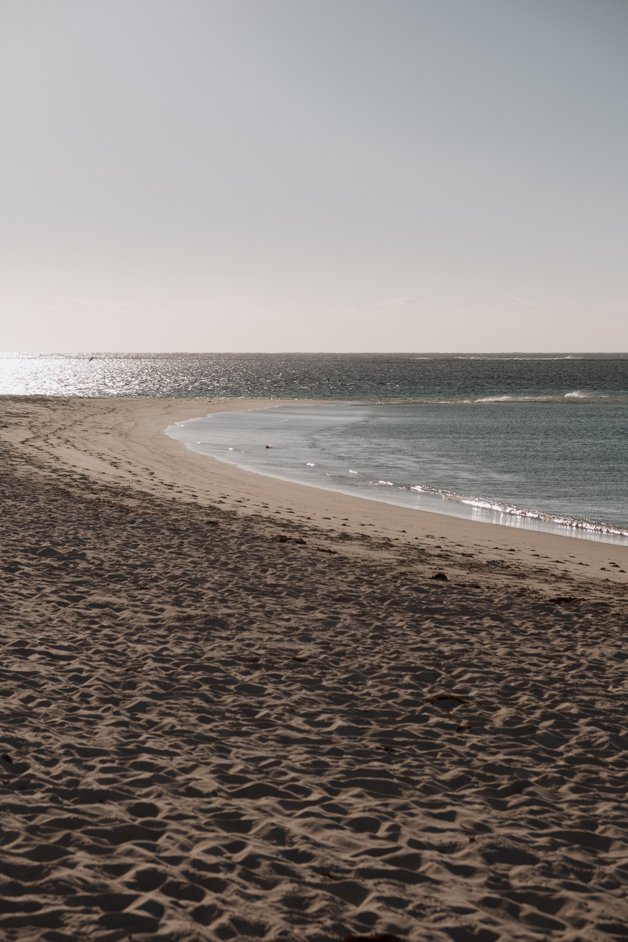
Because I have seen and done so much on the North West Cape where Exmouth is located in both 2019 and 2026, I've written a separate guide with how to get there, how to get around, where to eat, where to stay and all the best things to do!
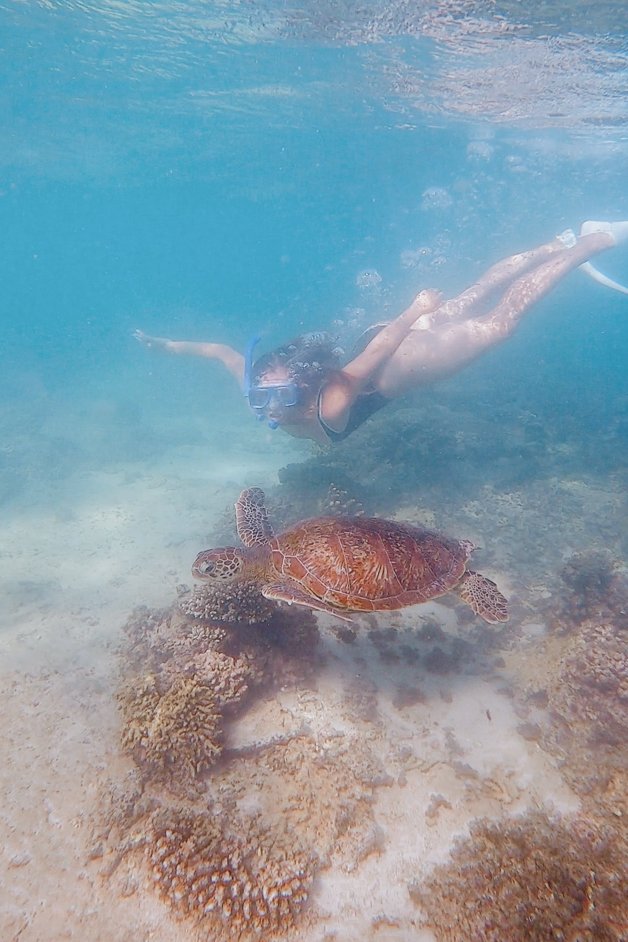
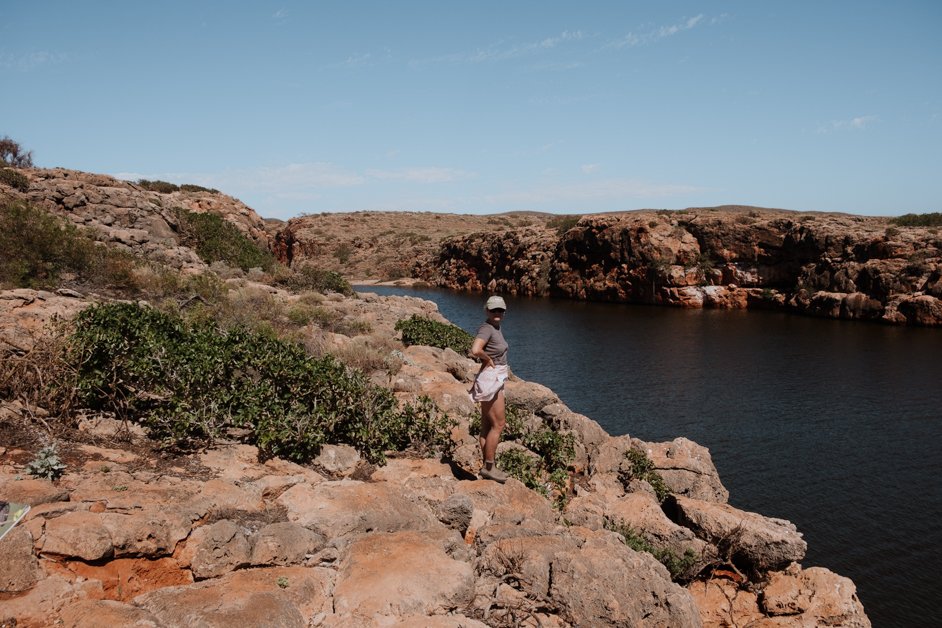
BOOK AN EXPERIENCE IN WESTERN AUSTRALIA!
PIN THIS POST TO REFER BACK TO LATER!
GET READY TO TRAVEL!
— Book tours and experiences - with GetYourGuide
— Get all the gear you need for your trip - with Amazon (North America)
— Get all the gear you need for your trip - with Amazon (Europe)
— Find a place to stay - with Booking.com
— Choose a hostel to stay at - with Hostelworld
— Purchase global travel insurance - with World Nomads
— Load an international eSim on your phone - with AirAlo
— Start your own travel blog - with Hostinger
— Join the GetYourGuide Travel Creator Community - with GetYourGuide
Discover more from Jana Meerman
Subscribe to get the latest posts sent to your email.

Hi! I’m Jana, a Dutch-German-British-Canadian with a dream of seeing every country in the world. I am a storyteller, photographer and adventurer passionate about documenting and sharing my travels.



Lovely to see such beautiful places still exist.
Author
I honestly saw more kangaroos than cars…pure magic.
Breathtakingly beautiful.
Oooo. This is one excursion that is right up my alley. Love it!
Author
Every day better than the last, I can tell you that!!