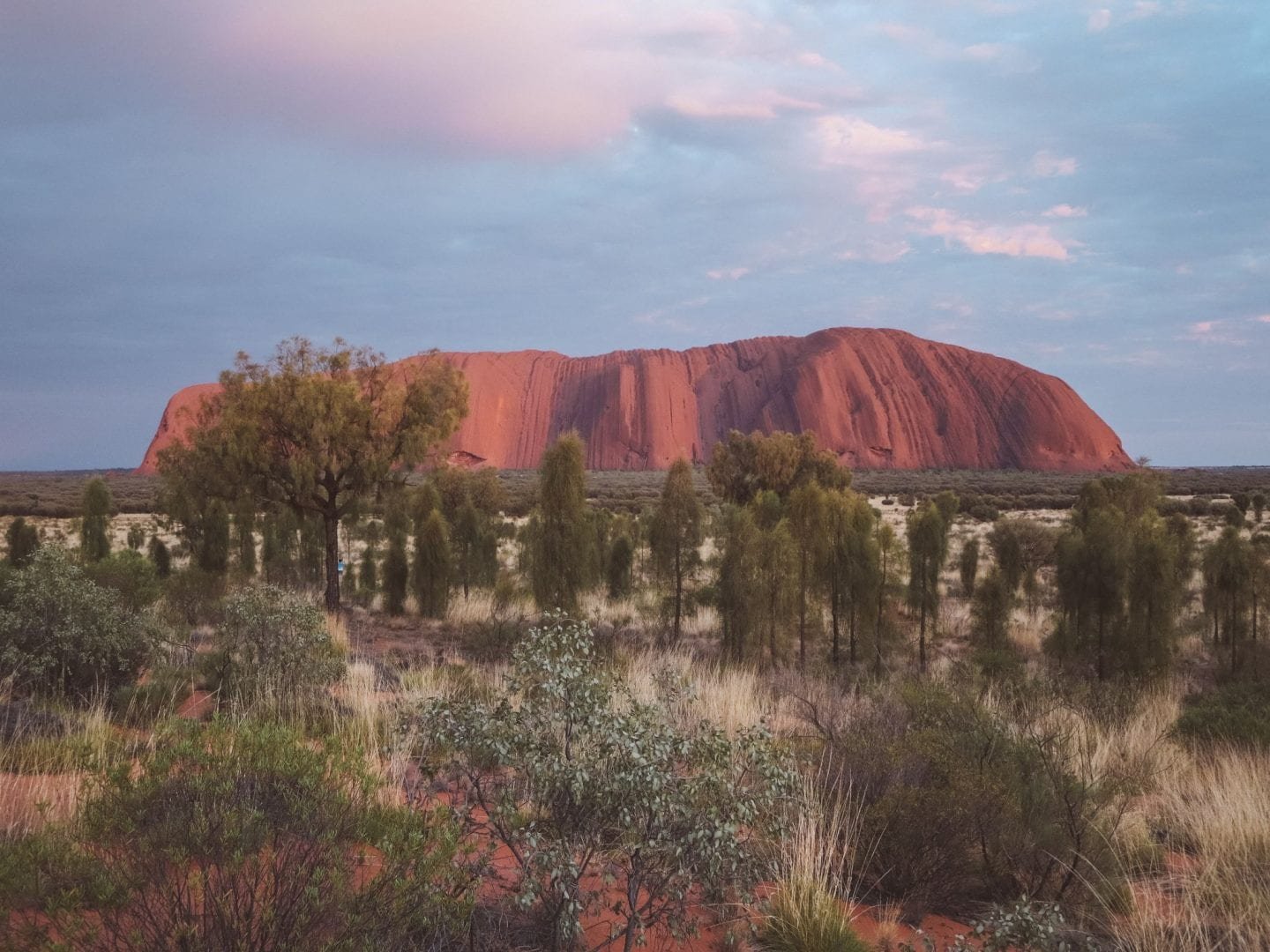
Uluru-Kata Tjuta National Park is one of the most famous national parks in all of Australia in the heart of the Northern Territory. It protects the massive Uluru, a giant red sandstone rock, the largest monolith in the entire world, weighing approximately four million tonnes, as well as the nearby rocks of Kata Tjuta.
We're currently living full-time in our campervan, a 2018 Mercedes Sprinter, and exploring Australia, with a plan of "driving the lap" (completing the entire perimeter of the country). I first visited Australia in 2019, following the classic backpacker route, mostly visiting big cities, staying in hostels and traveling by public transport. This time, with the freedom of our campervan, we're trying to hit the lesser known spots and go slower.
For over 30,000 years, the Aṉangu people lived on this land, long before any Europeans arrived.
The first Europeans to see Kata Tjuta were led by explorer Ernest Giles in 1872 who named the largest dome of the group Mount Olga after Queen Olga of Württemberg. The first Europeans to see Uluru were led by explorer William Gosse the year after in 1873 naming it Ayers Rock after then-Chief Secretary of South Australia, Sir Henry Ayers. Tourism took off in the late 1940s with the construction of a dirt road to the area.
Ayers Rock National Park was established in 1950 with guided camping tours led by Len Tuit of Alice Springs starting in 1955. Kata Tjuta was added to the existing national park in 1958, the same year permanent accommodation and an airstrip were established to support increased tourism. The deeds to the national park were returned from the government to the traditional Aboriginal owners in 1985 after a long campaign under the Aboriginal Land Rights Act of 1976. The park was then leased back to Parks Australia on a 99-year lease to enable joint management alongside the Aṉangu. Uluru-Kata Tjuta National Park became a UNESCO World Heritage Site in 1987.
→ Read the full history of Uluru-Kata Tjuta National Park.
I first visited Uluru-Kata Tjuta National Park in February 2019 on a solo backpacking trip and returned with my partner in our campervan in April and May 2026 and updated the original post with all the new things we did. This post was first published on 7 January 2019; last updated 1 May 2026.
Every single spot (and more) that I mention in all my blog posts about Australia can be found in my Australia | Ultimate Map!
This is a digital map featuring hundreds of my favourite restaurants, campgrounds, accommodations, shops, photo spots, museums, beaches, lakes, animal spots, bridges, viewpoints, hikes and SO much more in Australia, including its three external territories.
Each pin includes exact locations, images, detailed information, the ability to open and save the spot in your Google Maps and a link to my relevant blog post to read more.
COMING SOON → Buy the Australia | Ultimate Map!
Below is some useful information for preparing for your trip to Uluṟu-Kata Tjuṯa National Park. In all cases, please be sure to check with the relevant local authorities for the latest and accurate information.
Language: The official language of Australia is English. In Uluṟu-Kata Tjuṯa National Park, the traditional language of the Anangu people is Pitjantjatjara.
→ Learn more about the language of the Anangu people.
Currency: The currency used in Australia is the Australian dollar, denoted as AUD $. I use a Wise account when I travel which allows me to have a single, free account with multiple currencies. I only have to pay once to convert my money in the app and then I can pay in AUD $!
→ Check the latest currency conversion between AUD $ and your local currency.
Data: Before you arrive, I recommend purchasing an eSim on your phone so that you can access data the moment you land. eSims are much more convenient as it means you don't have to put a separate physical Sim into your phone. AirAlo offers great deals for eSims of various data sizes and time lengths with Optus.
→ Load an international eSim on your phone with AirAlo.
If you are visiting Australia long term, you might wish to put a physical Sim in your phone as AirAlo is geared more towards short term visitors on holiday. This way you can access a local phone plan. There are three main mobile phone network providers in Australia: Telstra, Optus and Vodafone. Telstra has the best coverage across the country whereas Optus and Vodafone are good within cities. I recommend Telstra as it means you have the best coverage while you travel around the country, especially in rural areas.
We travel with a Starlink in our campervan which enables us to have unlimited WiFi wherever we are, even in places without coverage.
Visa: All passport holders except New Zealand require a visa to visit Australia. All arrivals must fill out an Australian arrival card before landing.
→ Check which visa you need for Australia.
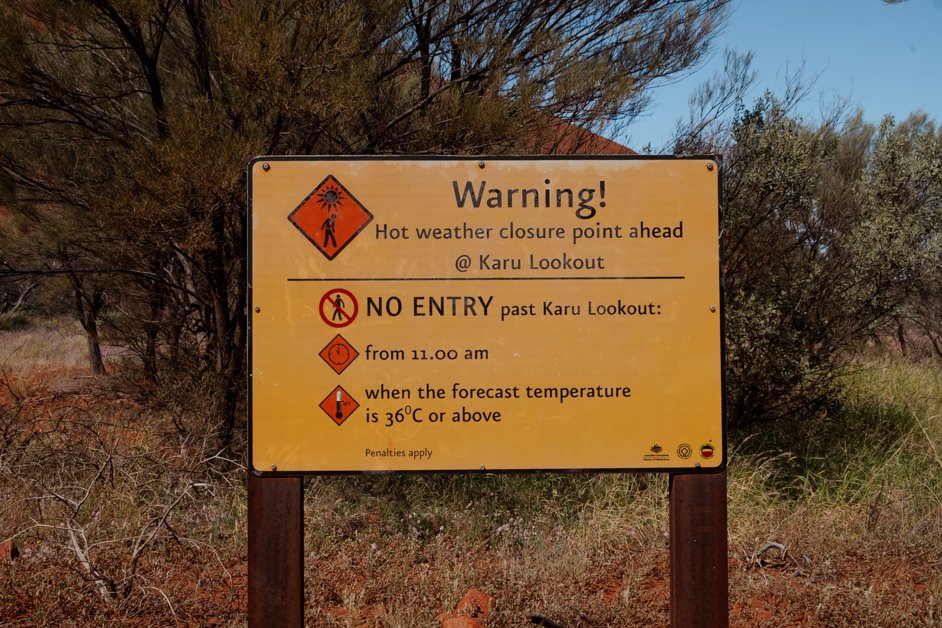
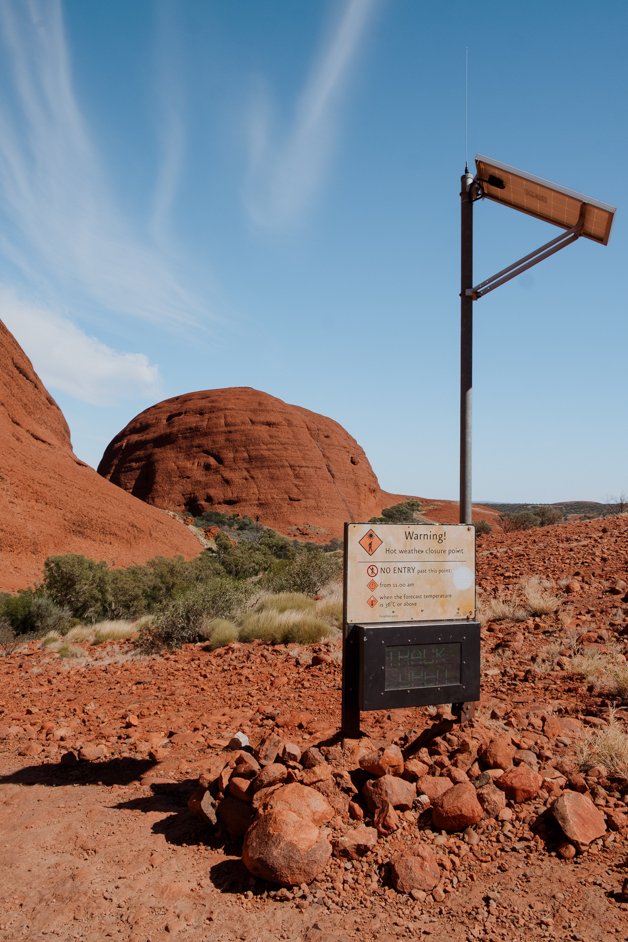
Time of year to visit: Australia can be visited all year-round. Uluṟu-Kata Tjuṯa National Park is in the centre of Australia, in the heart of the Northern Territory and can get very hot during the summer; if it's too hot (over 36°C), some hikes are closed for safety. I recommend visiting between April and October for pleasant, sunny days.
Length of stay: Across both my visits in 2019 and 2026, I spent just under a week exploring the national park. I would recommend three to four days to properly explore Uluṟu-Kata Tjuṯa National Park as there is plenty of hiking, exploring and learning to do.
By flight: Uluṟu-Kata Tjuṯa National Park is serviced by its own airport, Ayers Rock Airport. You can fly directly to the national park from Sydney, Cairns, Melbourne and Brisbane. The airport is just a ten-minute drive north of Yulara, the small town next to the national park where all the accommodations and restaurants are located.
→ Rent a car at Ayers Rock Airport.
If you don't plan to drive during your time in Uluṟu-Kata Tjuṯa National Park (how I did it when I first visited in 2019), then you can simply hop on one of the AATKings Resort Shuttles which runs regular free transfers between the airport and Yulara where all the accommodations are located. The price is included in your accommodation and the shuttles do not need to be pre-booked, simply hop on the next available one.
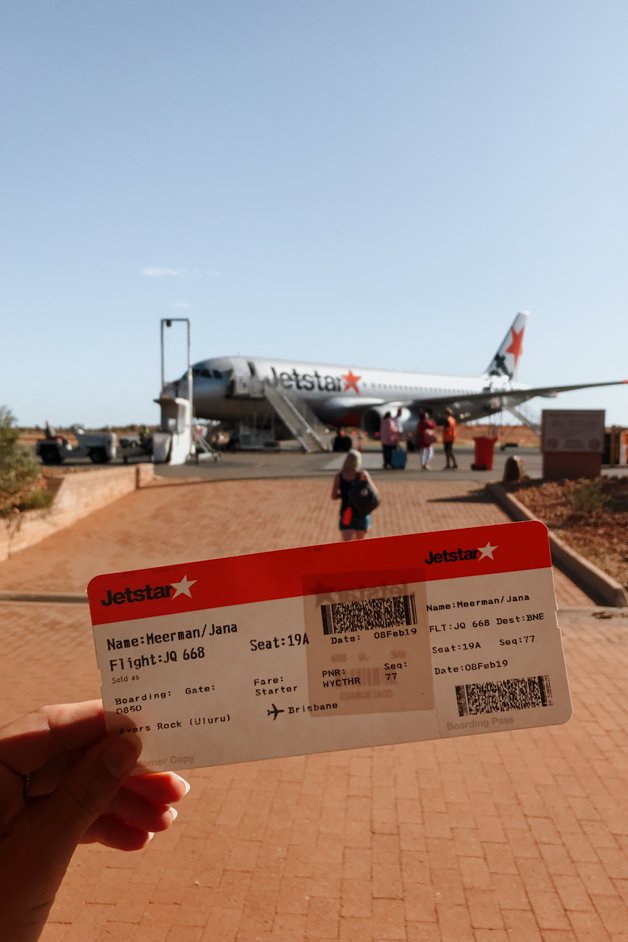
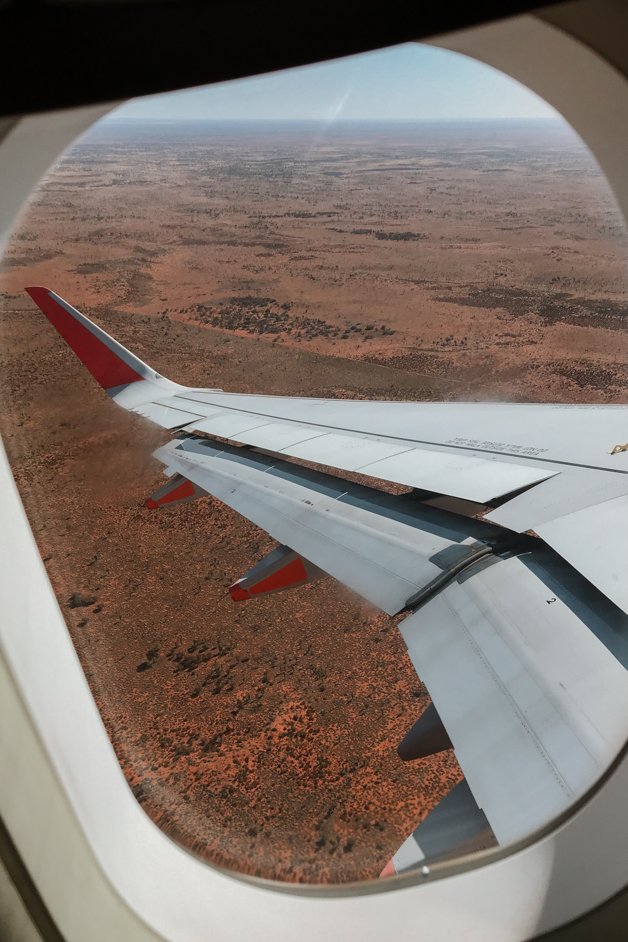
There is also a larger regional airport in nearby Alice Springs, the gateway town to both this national park as well as Tjoritja / West MacDonnell National Park. Alice Springs Airport connects nationally across Australia to Adelaide, Brisbane, Darwin, Melbourne, Sydney and Tennant Creek.
→ Rent a car at Alice Springs Airport.
If you are in Alice Springs already (which is also where the closest Greyhound coach stop is) and don't want to drive the five hours out to Uluṟu-Kata Tjuṯa National Park, enjoy a comfortable coach journey instead.
By car: If you're driving around the country as we are in our campervan, then the easiest way to get to Uluṟu-Kata Tjuṯa National Park is with your own wheels. This gives you the freedom to explore the national park at your own pace, stopping whenever and wherever you like.
→ Rent a campervan in Alice Springs with Apollo, Camplify or Indie.
By guided tour: There are a number of day and multi-day trips to Uluṟu-Kata Tjuṯa National Park from Alice Springs, some also in combination with Tjoritja / West MacDonnell National Park.
→ Book a guided day or multi-day tour of Uluṟu-Kata Tjuṯa National Park from Alice Springs!
The closest town to Uluṟu-Kata Tjuṯa National Park is Yulara, just outside the park boundaries. All accommodations and restaurants are located here so it will be your base during your visit.
By car: Of course, the easiest way to explore is with your own wheels. We are traveling around the entire country in our campervan for a year and it gives so much freedom to get around. All the roads in Uluṟu-Kata Tjuṯa National Park are paved and suitable for any type of vehicle.
→ If you don't have your own car, you can rent one at Ayers Rock Airport or in Alice Springs.
By shuttle: A free shuttle bus drives the 20-minute loop around Yulara stopping at all six accommodations along the way as well as Town Square where the art galleries, boutique shops and IGA Supermarket are. The shuttle runs between 5:30am-12:30am daily.
By hop-on, hop-off bus: The most convenient way of exploring the park without your own vehicle is to use the hop-on, hop-off bus which takes you between Yulara and all the main attractions at both Uluru or Kata Tjuta including sunset spots, sunrise spots and the best hikes. 1-, 2- or 3-day passes are available for the bus, depending on how many days you're in the park.
→ Book your day pass for the hop-on, hop-off bus.
By guided tour: If you don't have a vehicle or want to get more out of your time in the park beyond what the hop-on, hop-off bus offers, there are loads of guided tours available to explore Uluṟu-Kata Tjuṯa National Park including guided walks, nighttime astronomy tours, camping trips, guided bus tours, helicopter rides, Segway tours, sunrise walks with breakfast, Aboriginal experiences and bike tours.
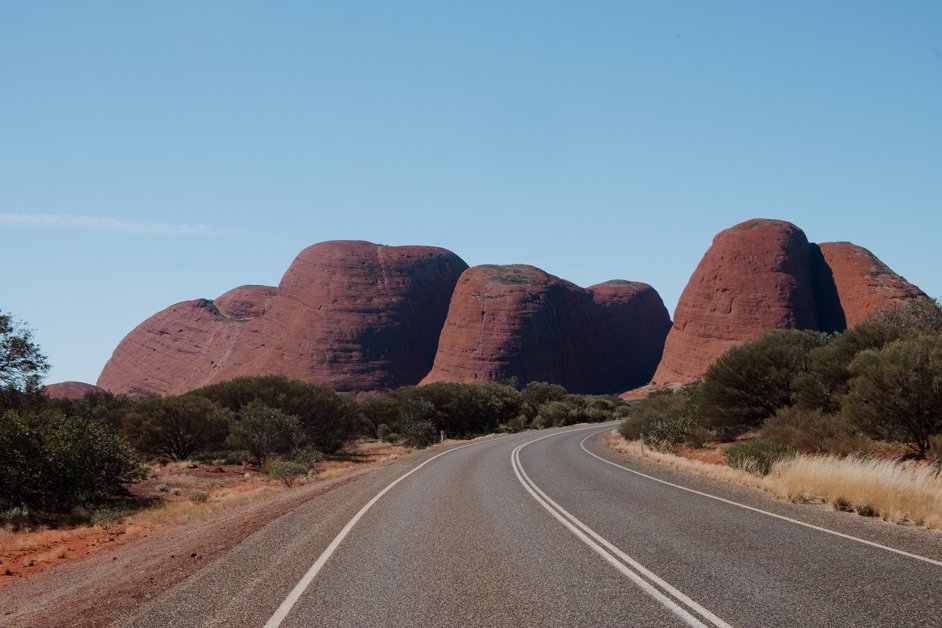
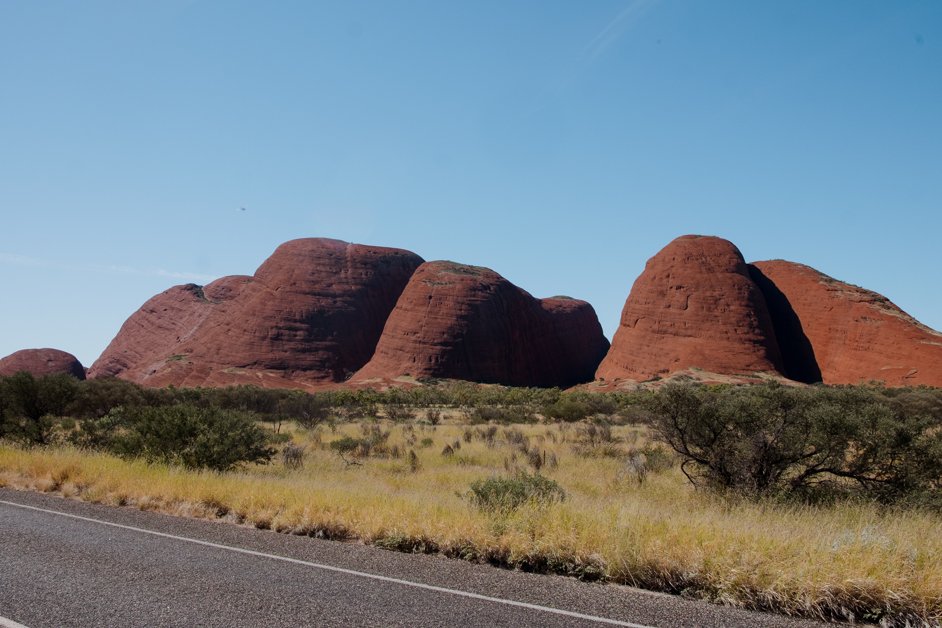
Ayers Rock Resort: All the paid accommodations of Uluru-Kata Tjuta National Park are located in Yulara, the town just north of the park gates, all part of the Ayers Rock Resort. There are seven different kind of accommodations to choose from, depending on your budget and style:
- Sails in the Desert - 5-star luxury, resort-style
- Desert Gardens Hotel - 4.5-star luxury hotel with gardens
- Emu Walk Apartments - self-contained 1- or 2-bedroom apartments
- The Lost Camel - contemporary boutique hotel
- Outback Hotel - casual hotel
- Outback Lodge - backpacker accommodations (I stayed here in 2019!)
- Ayers Rock Campground - powered and unpowered campsites for tents and campervans
→ Book your accommodation through Ayers Rock Resort.
Ultra-luxury accommodation: There is one ultra-luxury accommodation available at Longitude 131 also in Yulara but not part of Ayers Rock Resort. Starting at AUD $4,500 per night for a glamping tent or starting at AUD $9,000 per night for a glass pavilion, you'll have your own private view of Uluru. Minimum two night stay.
Free camping: As with the rest of Australia, the Northern Territory permits freedom camping on designated sites. These sites can vary greatly; some offer a variety of facilities such as toilets, trash bins, picnic tables, outdoor cooking stations and others have none of this and might simply be a pull-out on the side of the road.
The best way to find legal freedom camping spots is to use an app. We use Wikicamps Australia, a cheap app that has every single amenity listed (both free and paid) that you might need on the road. This includes things like where to fill up fresh water, where to dump grey water, where to empty toilets, where to stay, gas stations, information points and also has suggestions for things to do as you go.
→ Download the Wikicamps Australia app.
When we returned in our campervan in 2026 during our lap of Australia, we found two free campsites on either side of the national park. There is no free camping within the boundaries of Uluru-Kata Tjuta National Park. Both of the free campsites we found have no amenities so you must be fully self-contained to stay there.
20 minutes east of Yulara there is the Sandy View Rest Area with a view of Uluru on the horizon. It's located on the side of the road from Alice Springs but given how little traffic there is at night out here, it was surprisingly quiet!
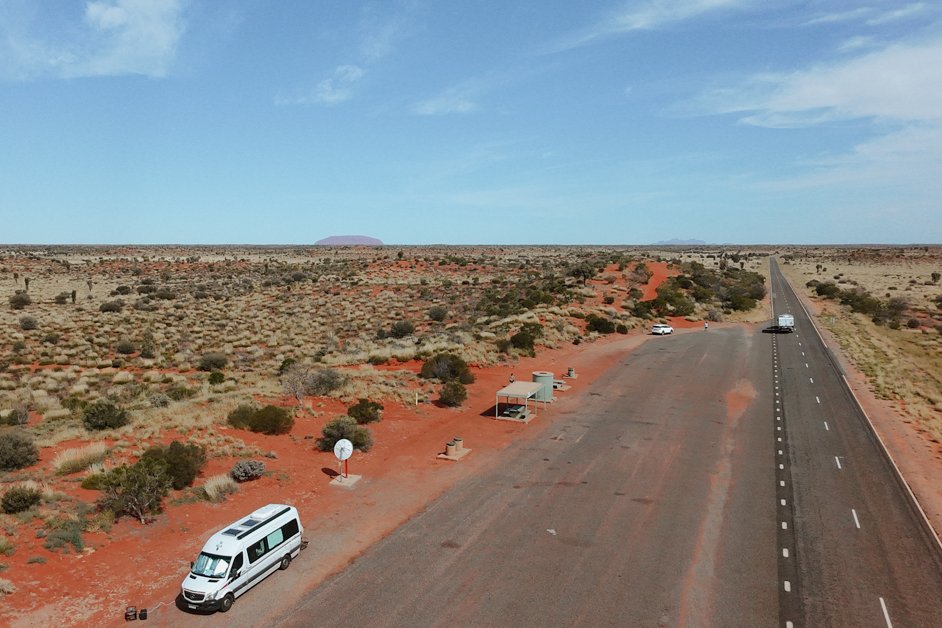
Sandy View Rest Area
The other free campsite is on the other side of the national park and ideal for exploring the Kata Tjuṯa side. Russell's Gravel Pit is literally what the name says, just a gravel pit on the side of Tjukaruru Road with zero amenities. We were the only people the night we stayed there and it was completely silent with an amazing view of the national park. It's just five minutes from the park border.
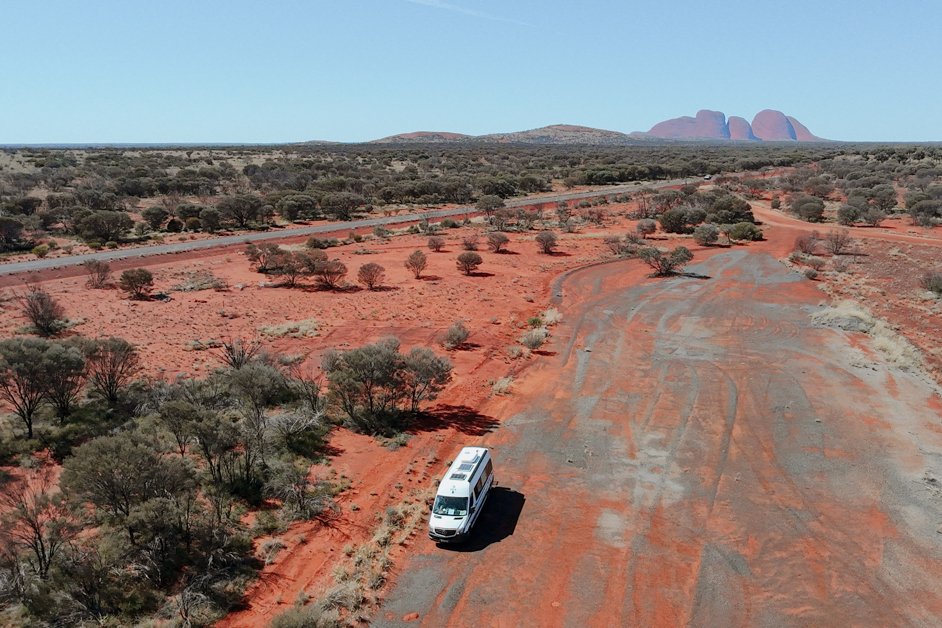
Russell's Gravel Pit
In 2019 when I visited, I was on a solo backpacking trip and so took advantage of the kitchen in my hostel and the local IGA Supermarket in Yulara.
When we came back in 2026, we tried out two restaurants in Yulara, all part of the Ayers Rock Resort.
→ Check out all the dining options in Yulara.
We had dinner at Mangata Bistro & Bar, a big restaurant with Australian classics on the menu located behind the Desert Gardens Hotel. I appreciated that they had gluten-free and vegetarian options on the menu, something I wasn't expecting in the outback!
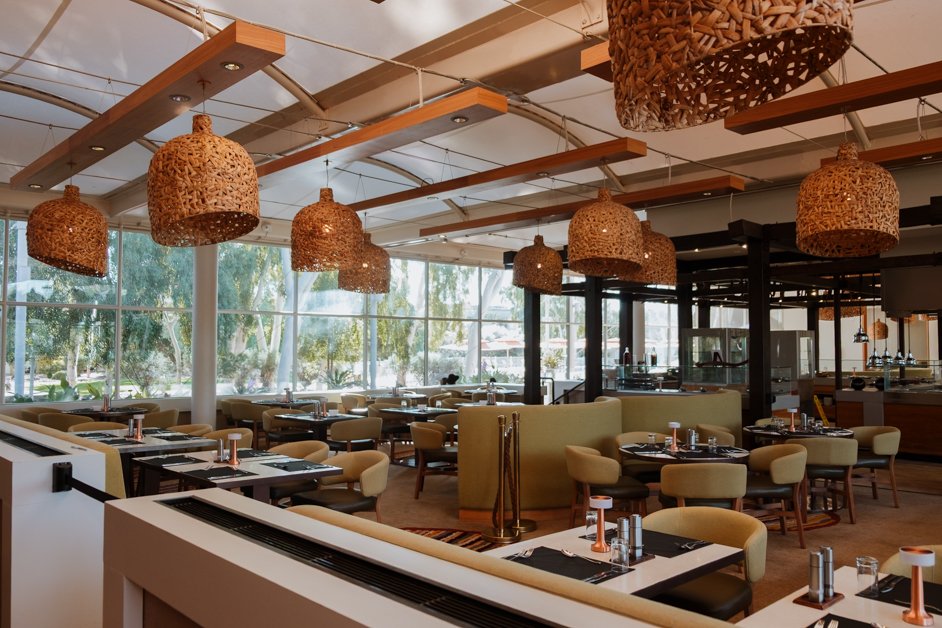
We had lunch at Waḻpa Lobby Bar in the lobby of Sails in the Desert. We really liked the airy, rustic interior and while the price tag was high for what you get (but as to be expected in remote areas), the food - mostly sandwiches, salads, burgers and noodles - was yummy and the drinks were delicious.

Mangata Bistro & Bar

Waḻpa Lobby Bar
Uluru-Kata Tjuta National Park is one of the most famous national parks in all of Australia in the heart of the Northern Territory. There are two parts to the national park: Uluru, the giant red sandstone rock, the largest monolith in the entire world, as well as the nearby rocks of Kata Tjuta.
This part of Australia, right in the centre of the country, can get very hot during the summer; if it's too hot (over 36°C), some hikes are closed for safety. I recommend visiting between April and October for pleasant, sunny days.
Entry to Uluru-Kata Tjuta National Park is not included with an NT Annual Parks Visitor Pass and has its own separate entry fees. The smallest pass is a three-day pass which is AUD $38 per person, otherwise you can get an annual pass for AUD $50. Under 18s are free. You can easily buy the pass on arrival at the national park entry station or you can buy it online in advance.
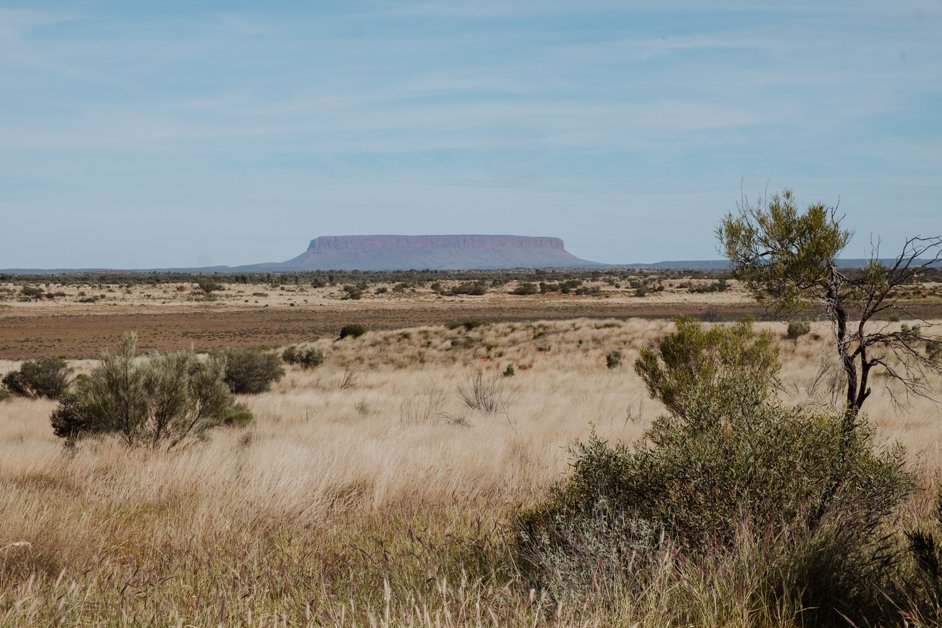
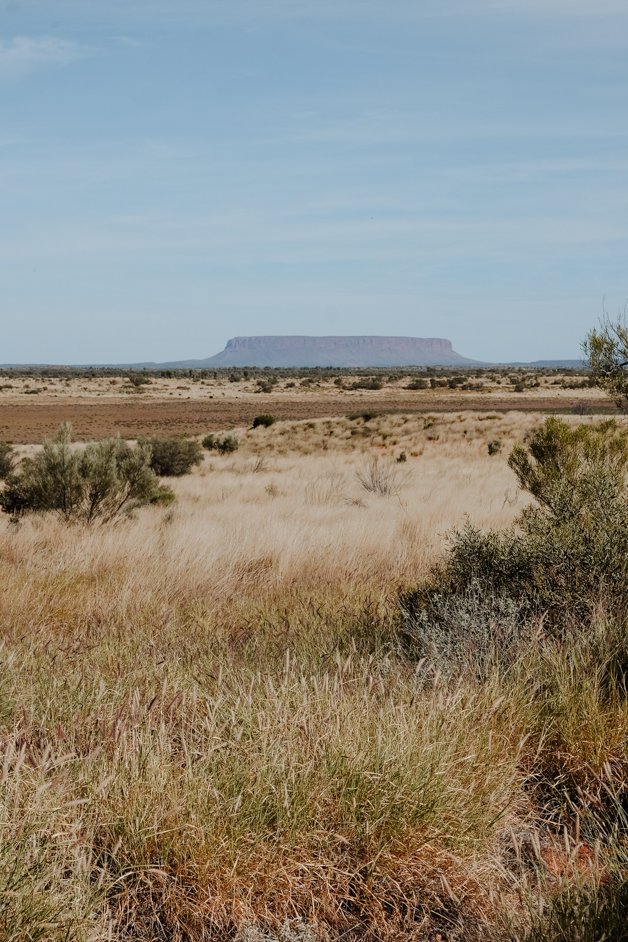
Spot Mount Conner
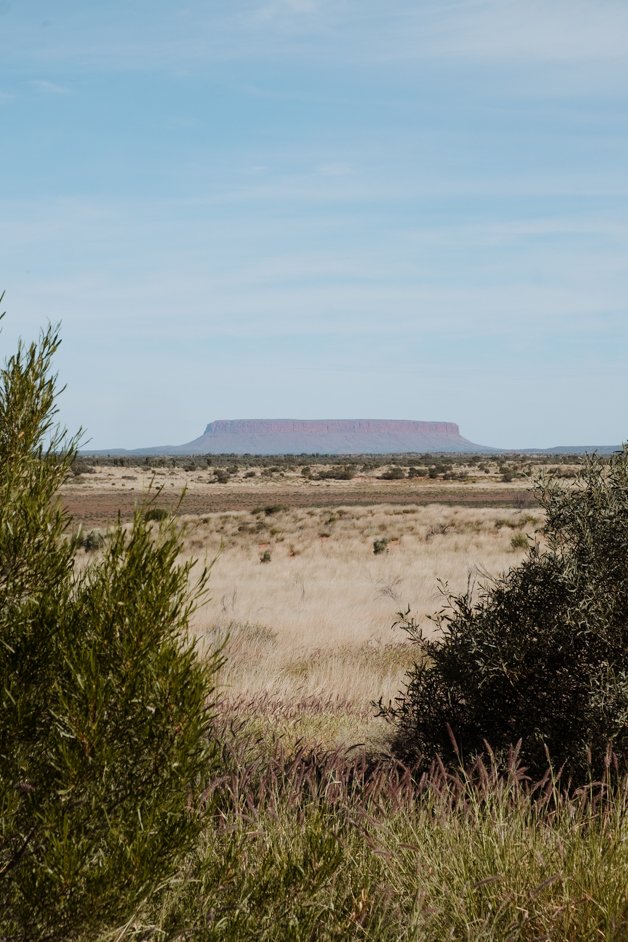
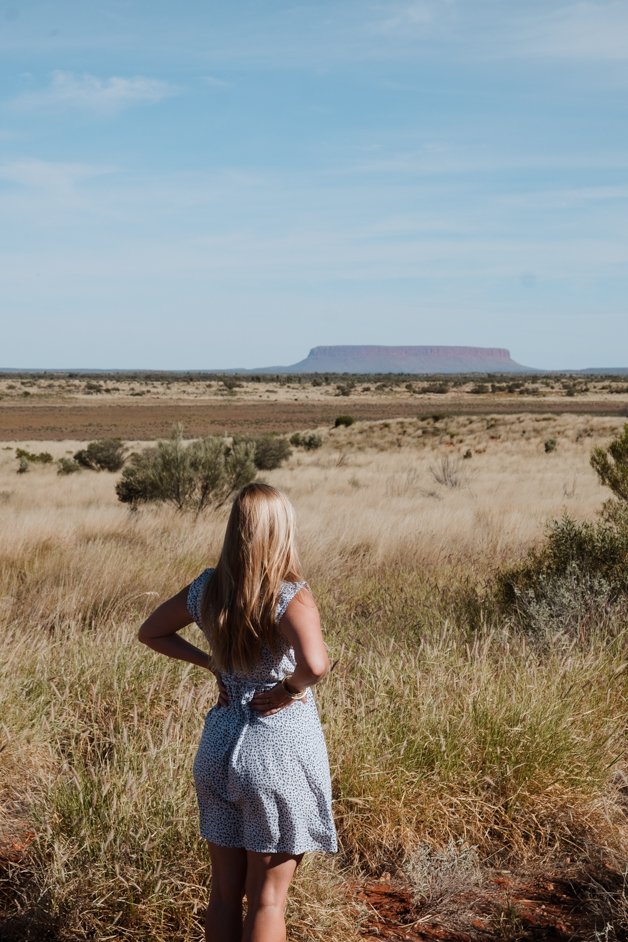
As you're driving towards Uluru-Kata Tjuta National Park from Alice Springs, there is a small pull out on the side of the road from which you can spot Mount Conner, also known as "Fool-uru", because at first glance if you've never been here before, you might mistakenly think it's Uluru!
Mount Conner is a flat-topped mesa known as Artilla to the Aṉangu people and thought to be about 700 million years old. It was named by the explorer William Gosse, the first European to spot Uluru, in 1873 after M. L. Conner, a then-South Australian politician.
Visit the Cultural Centre
Your first stop when you arrive in Uluṟu-Kata Tjuṯa National Park should be a visit to the Cultural Centre where a complete history of the park and Aṉangu culture is exhibited as well as local art for sale. There is also a café (the only place you can buy food in the national park) and gift shop. You can also find rangers to ask any questions about your time in the park or book any guided tours. Photos are not permitted inside out of respect to the Aṉangu.
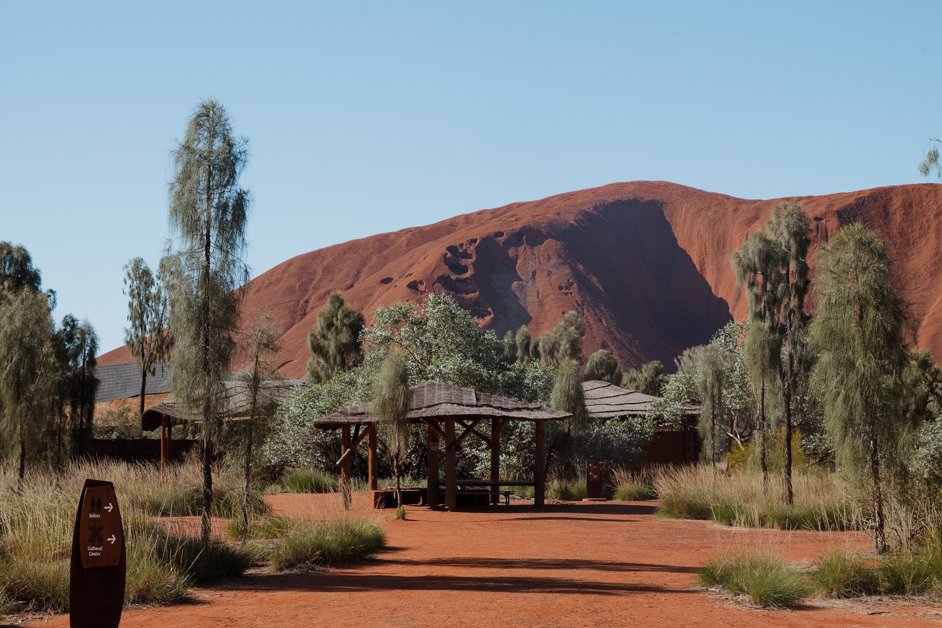
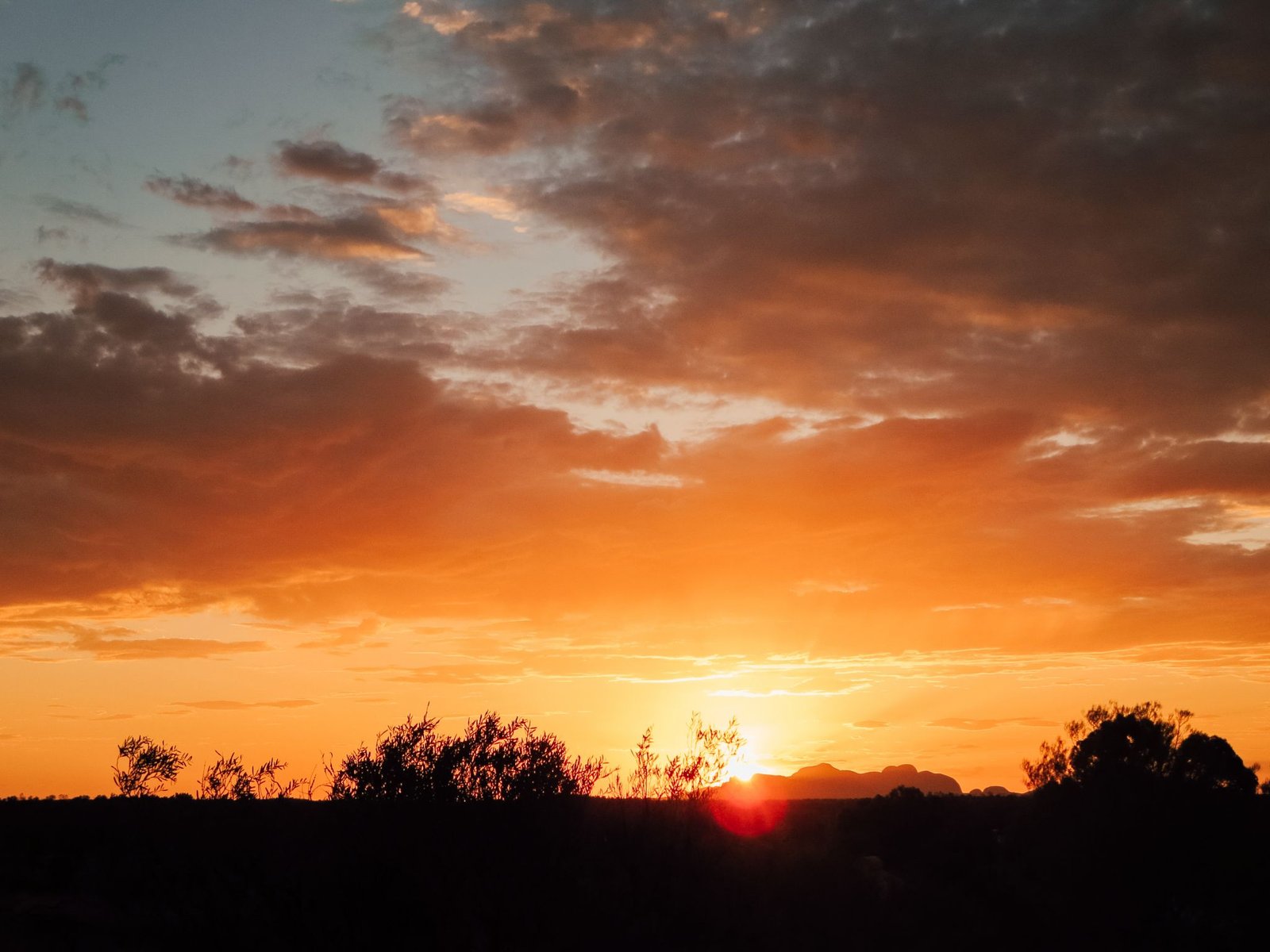
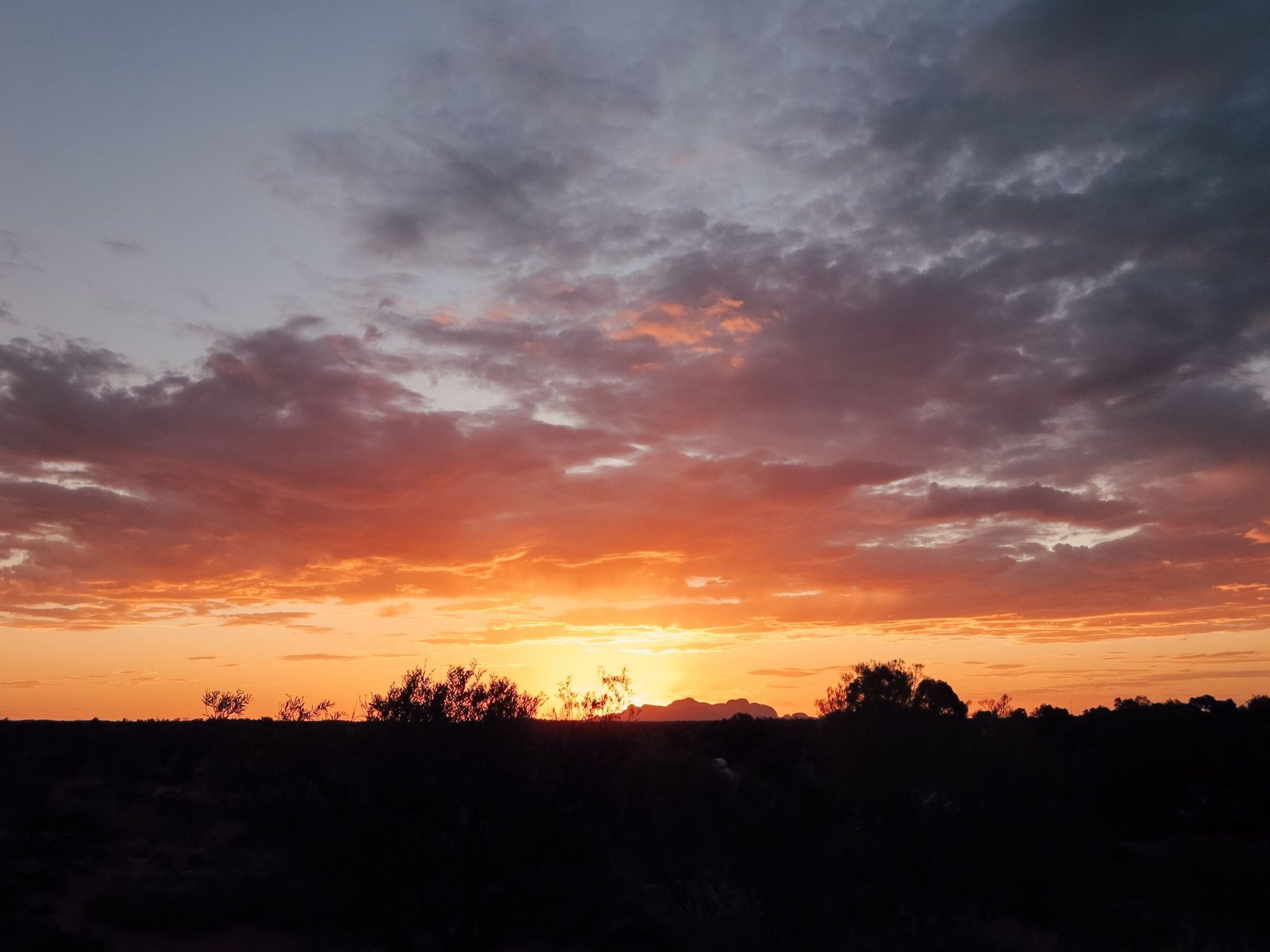
Watch the sunset from Pioneer Lookout
Located right in Yulara, behind the Outback Hotel, there's a beautiful viewpoint looking towards both Uluru and Kata Tjuta which is especially great and sunset. You can walk here from your accommodation.
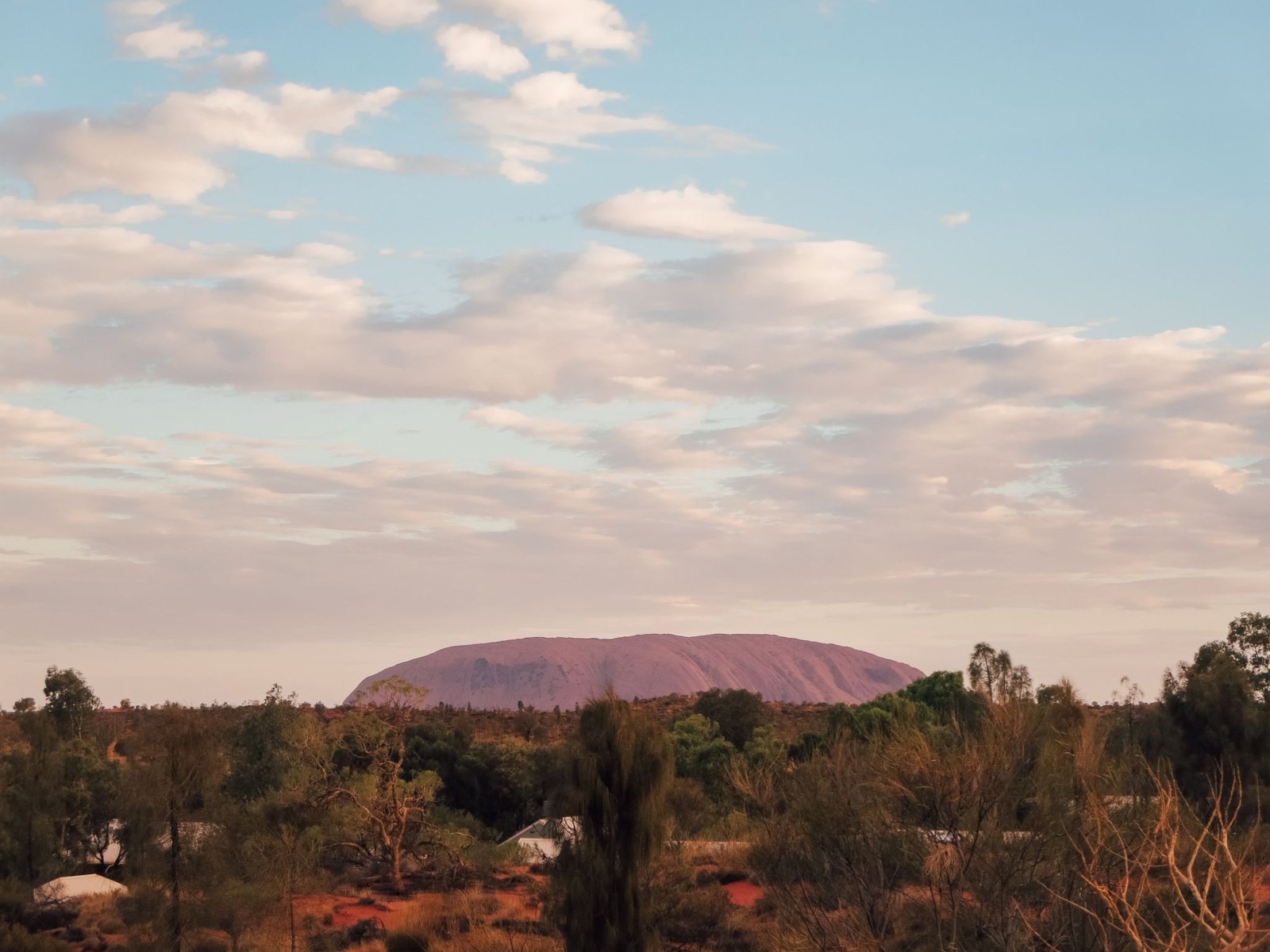
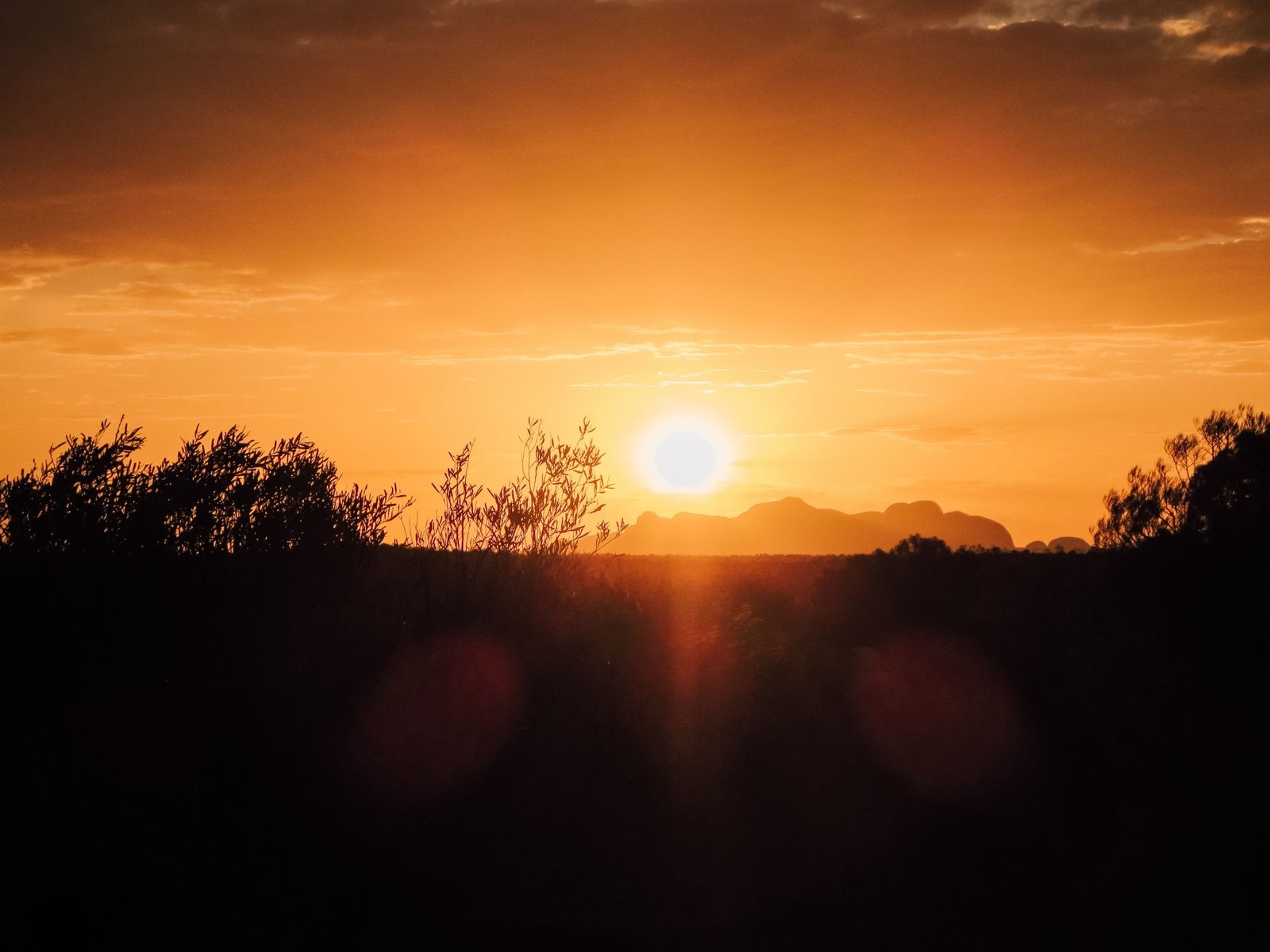
Watch the sunrise over Uluru
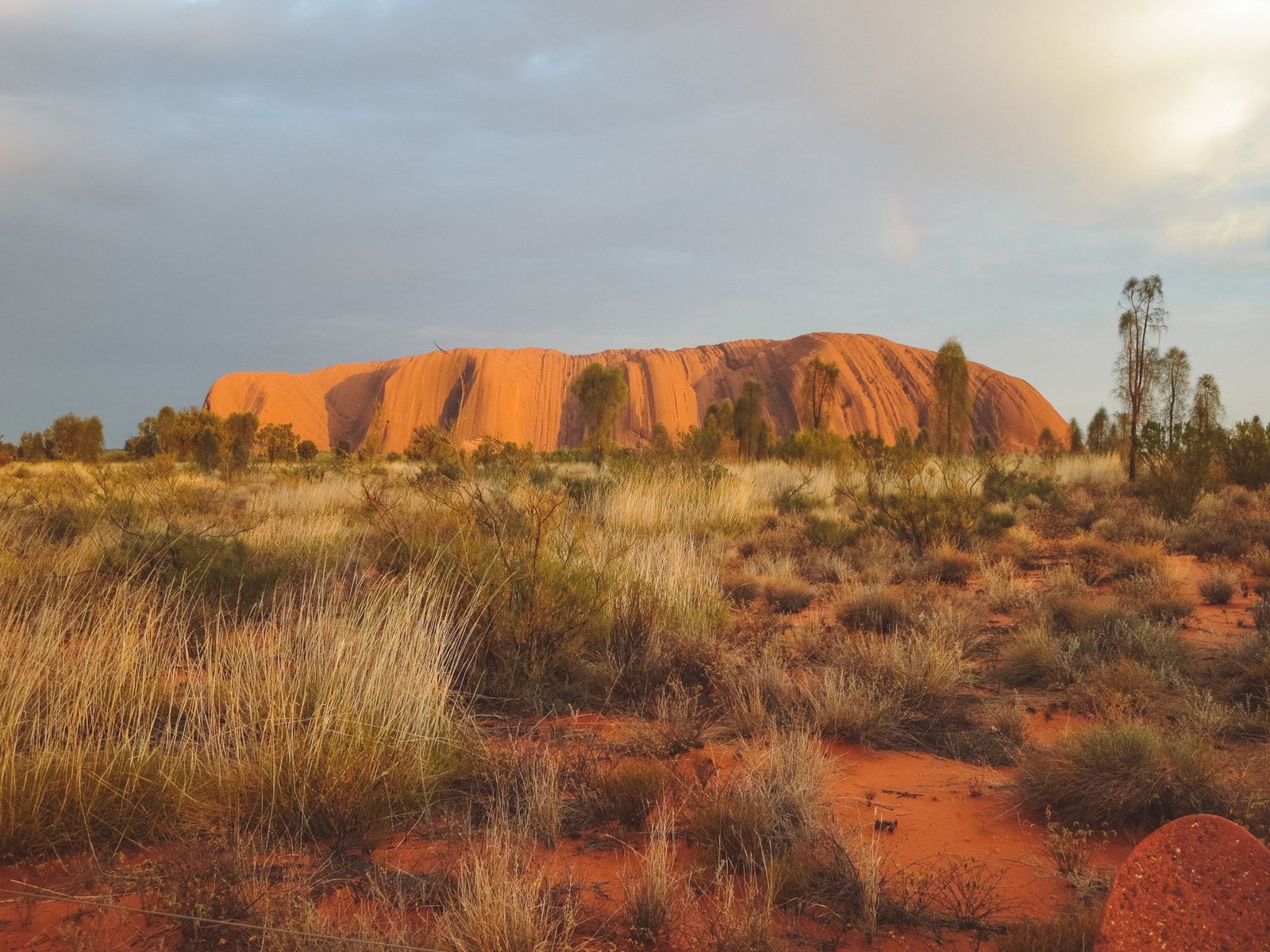
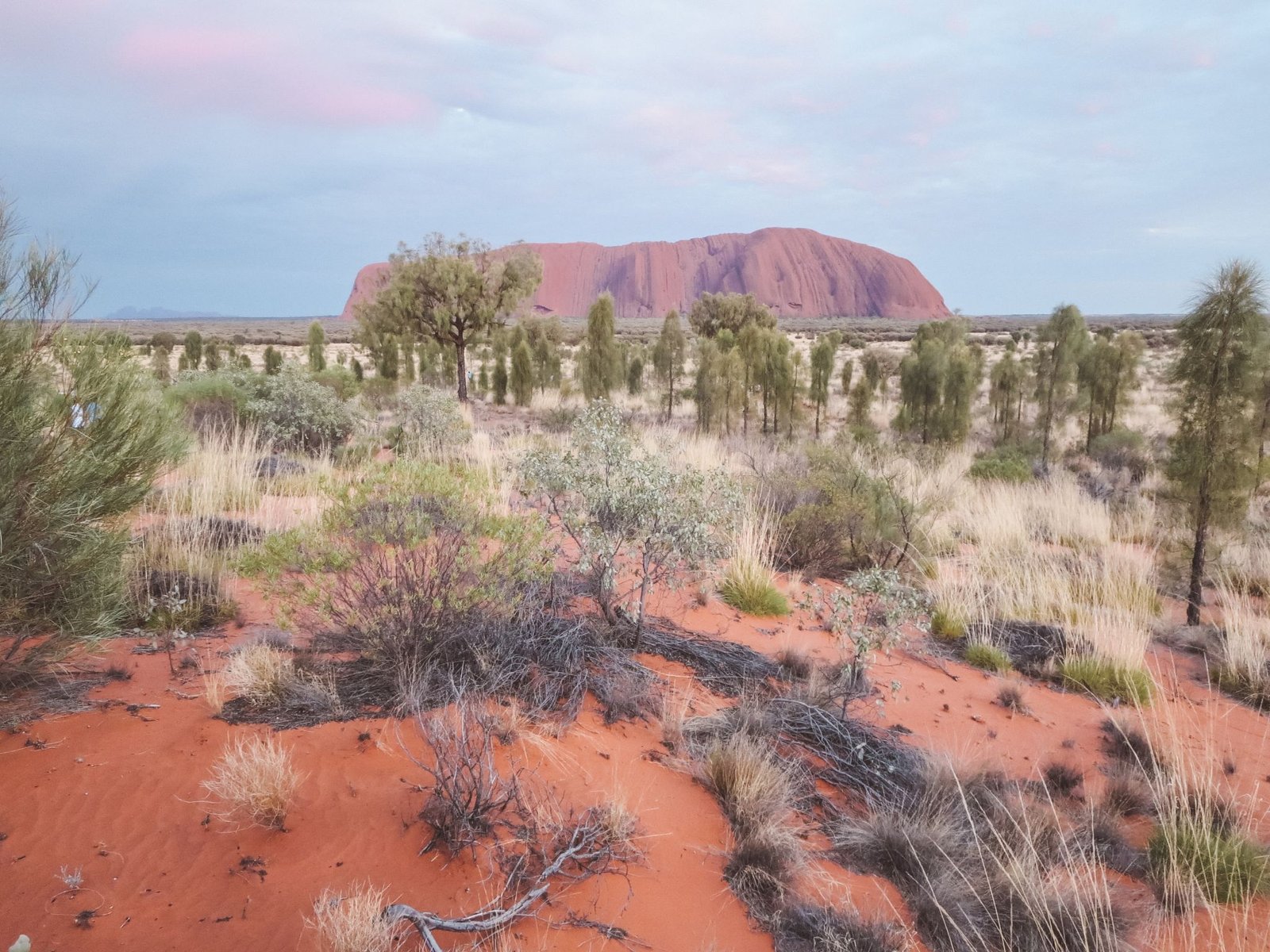
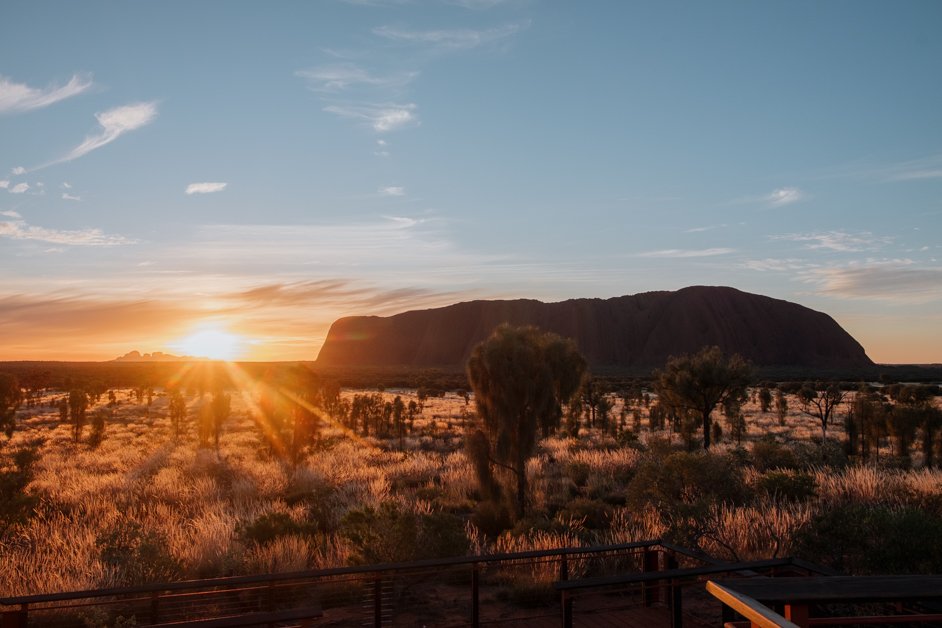
There is an official sunrise viewing platform to the east of Uluru; this is also where the hop-on, hop-off bus will go for sunrise. As the sun rises opposite the giant monolith, you won't see the sun in the same frame as Uluru but rather see the morning light reflecting on it.
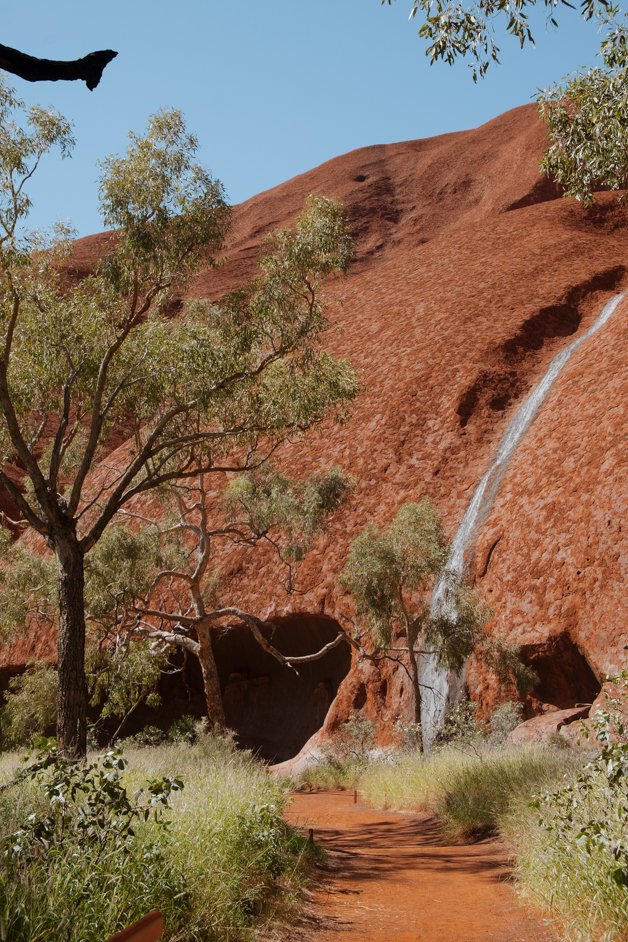
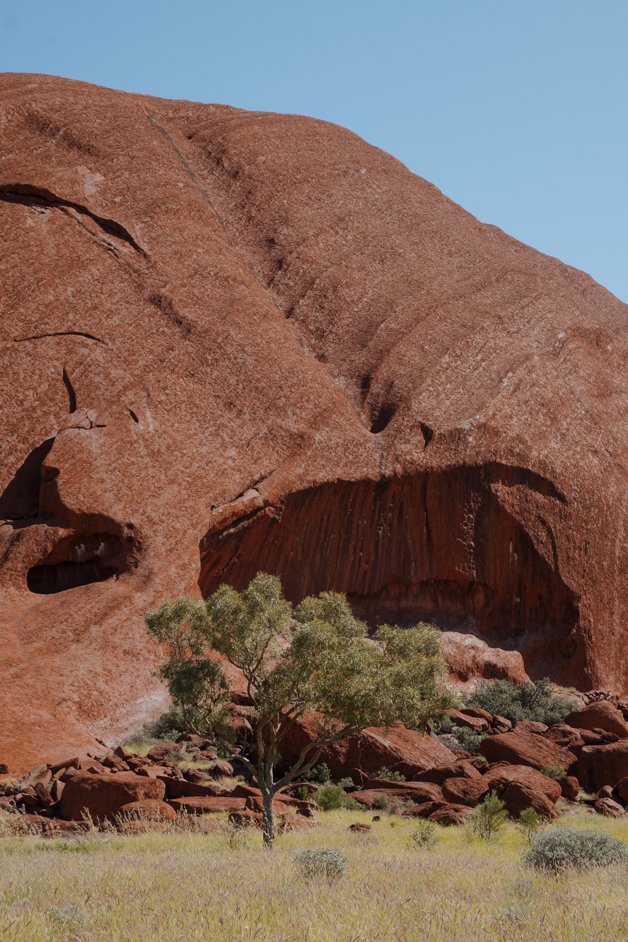
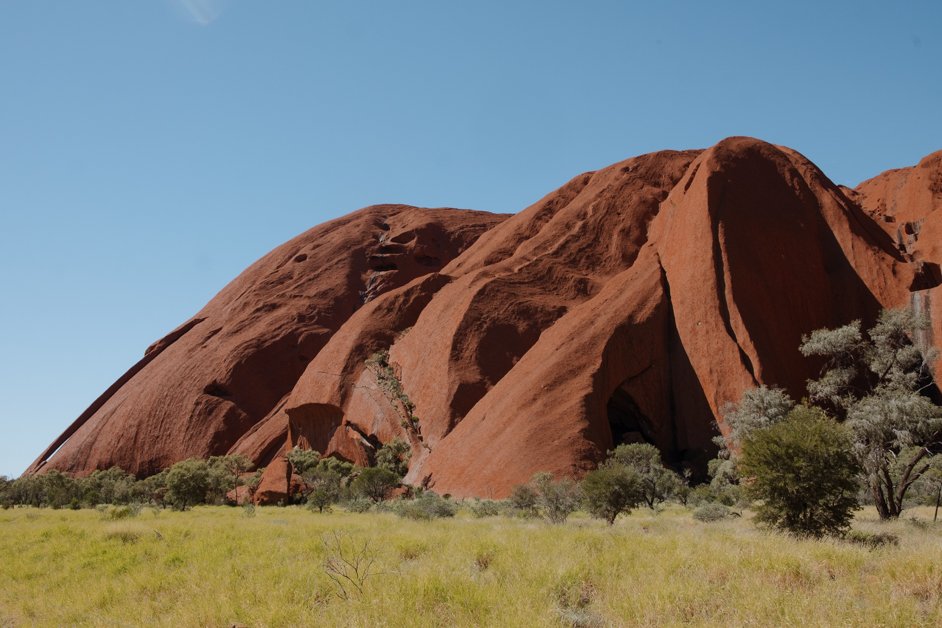
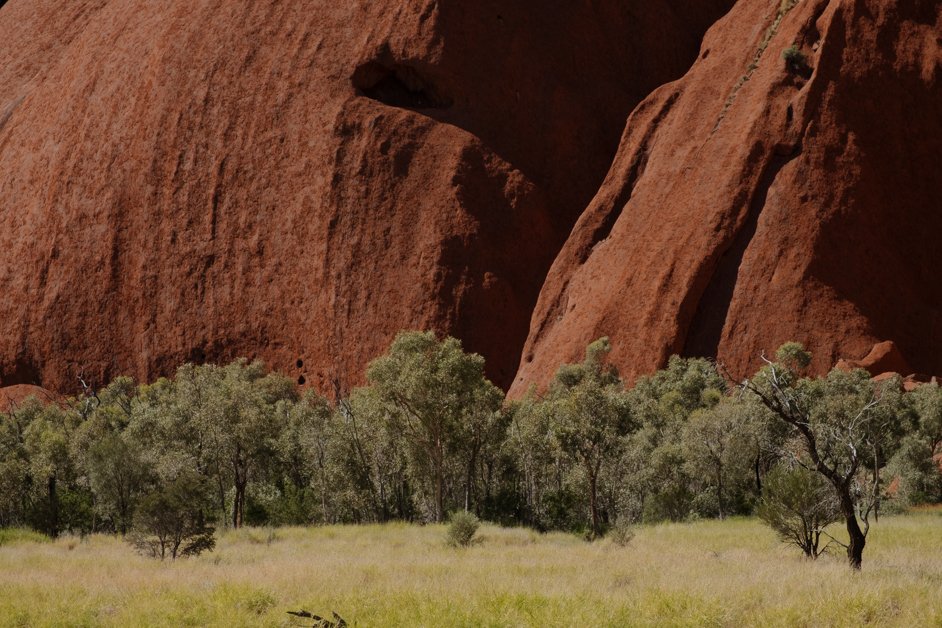
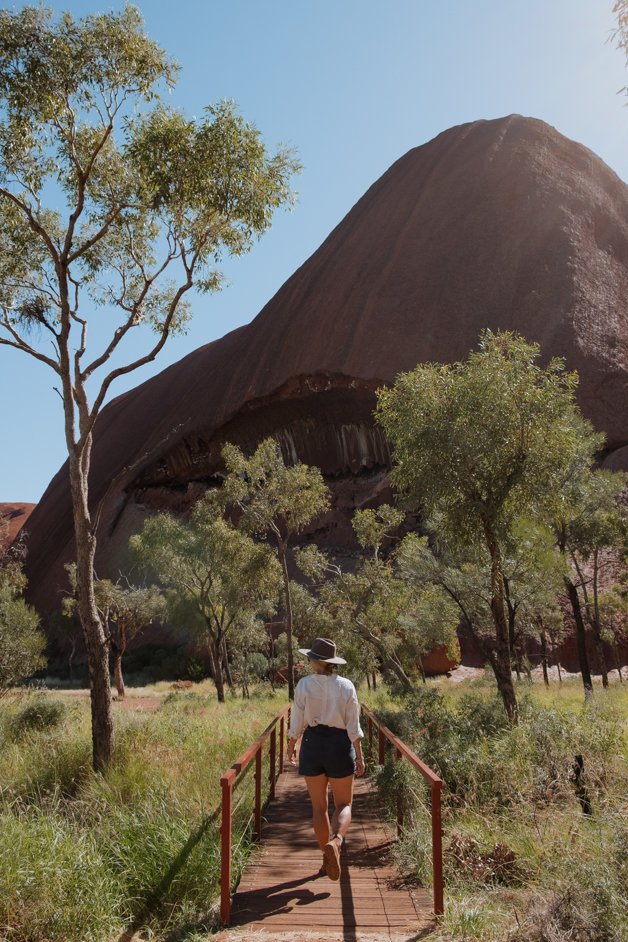
Hike around the base of Uluru
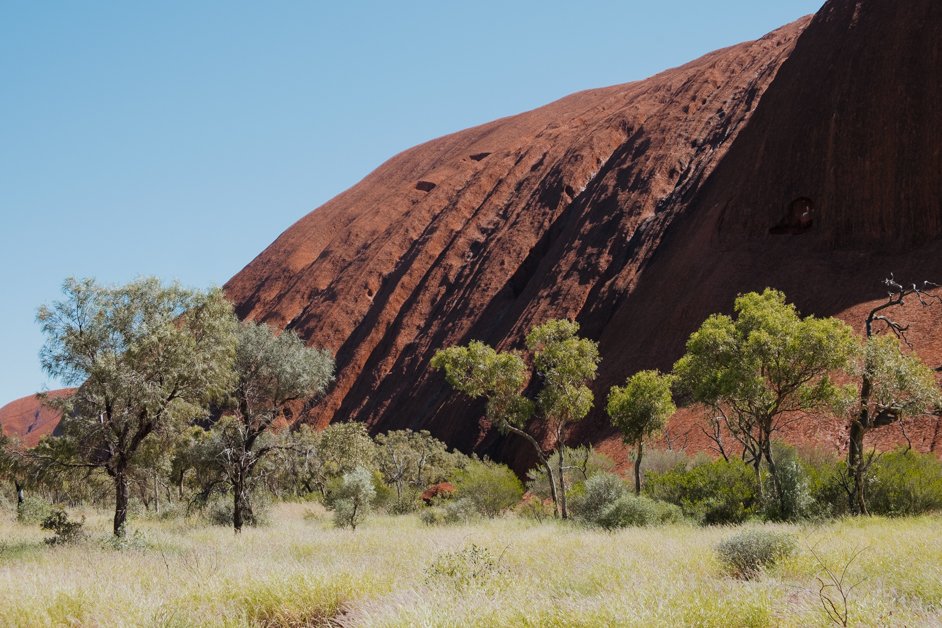
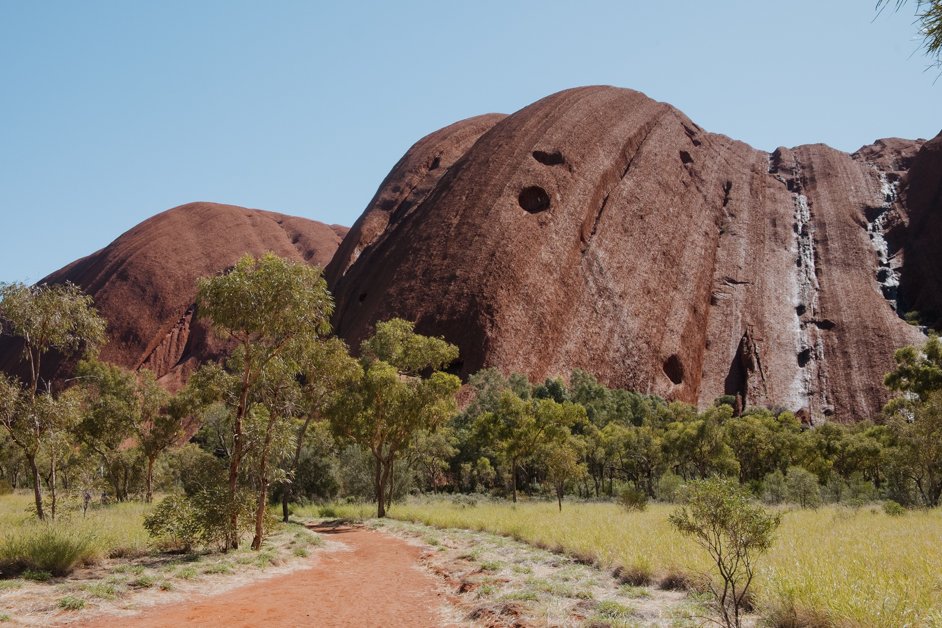
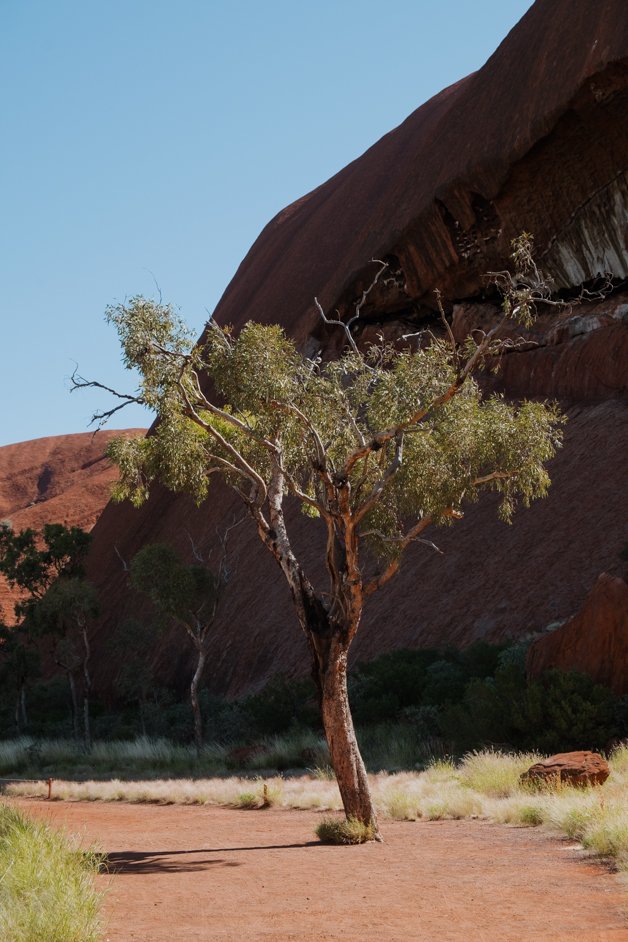
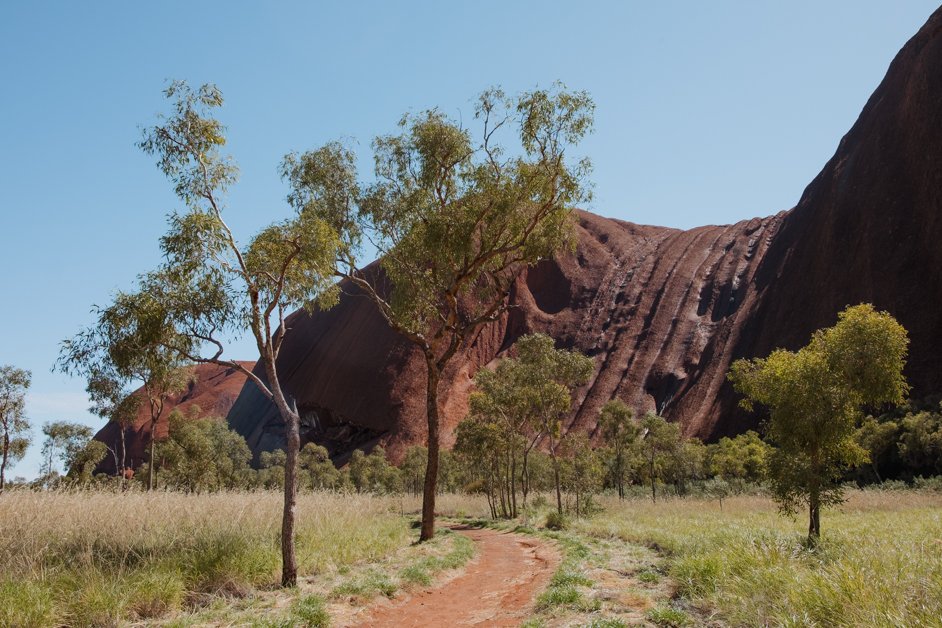
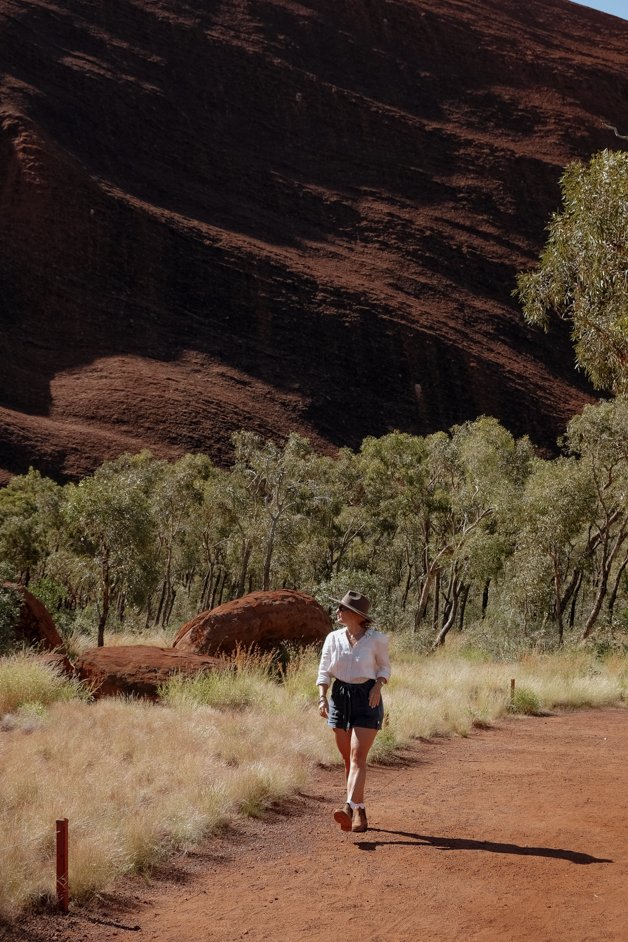
The hike around the base of Uluru is perhaps the most famous trail in Uluru-Kata Tjuta National Park. Uluru is the world's largest monolith, thought to weight about four million tonnes; it's truly massive.
The best way to see it up close is to complete the base walk but please don't touch the rock as it is very sacred to the traditional Aboriginal owners. You used to be able to climb Uluru but this was banned in late 2019.
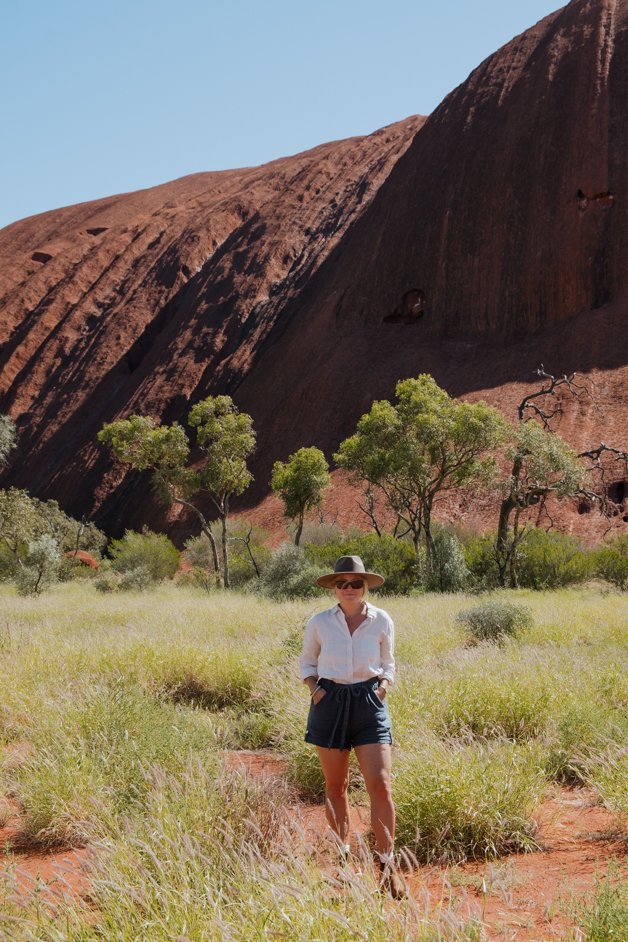
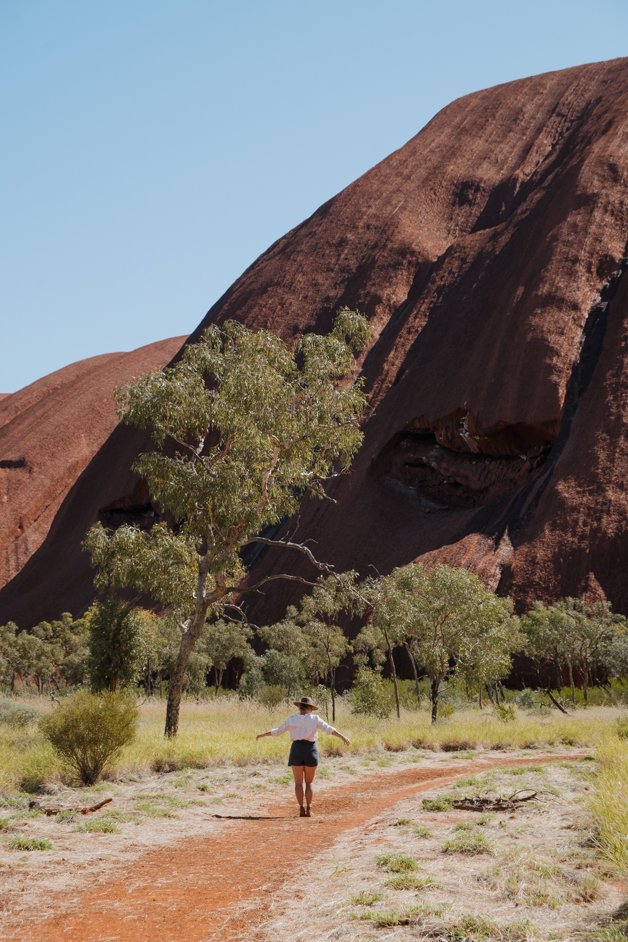
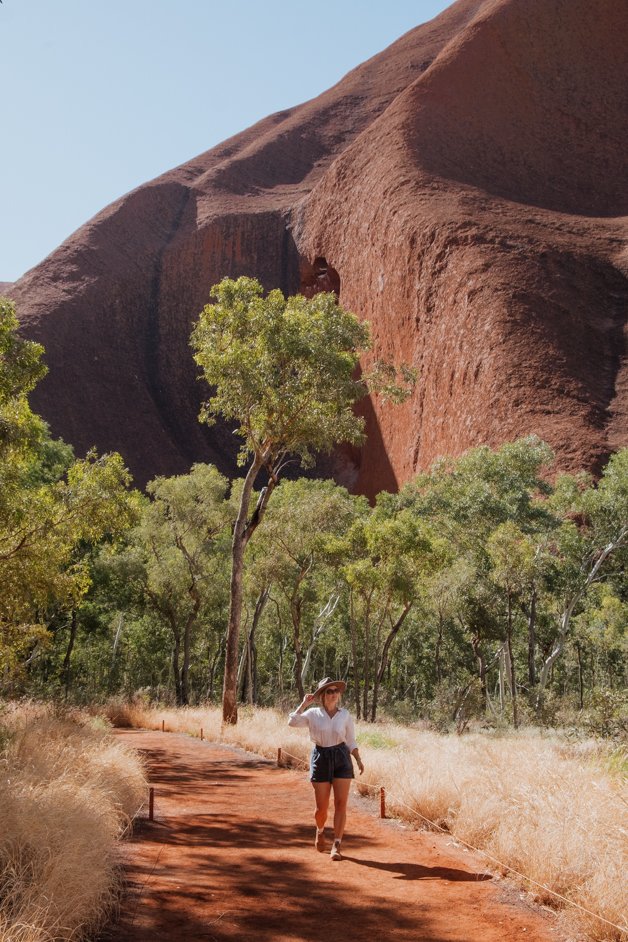
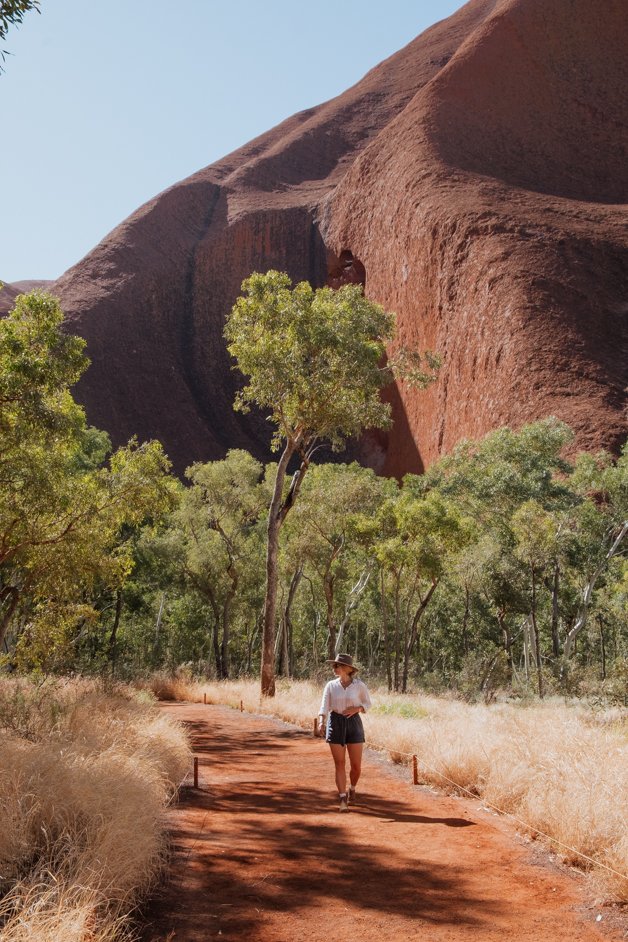
The base walk is very easy and completely flat, stretching the entire 10.5km around Uluru. Even though it's just one rock, it will take about three hours to hike around! There is hardly any shade on the trail so on hot days, be sure to start early in the morning.
You can start the hike from any of the parking lots located around Uluru; I recommend starting at Mala Carpark (where the hop-on, hop-off bus also drops you off). There are also guided tours available of the Uluru Base Walk bookable at the Cultural Centre.

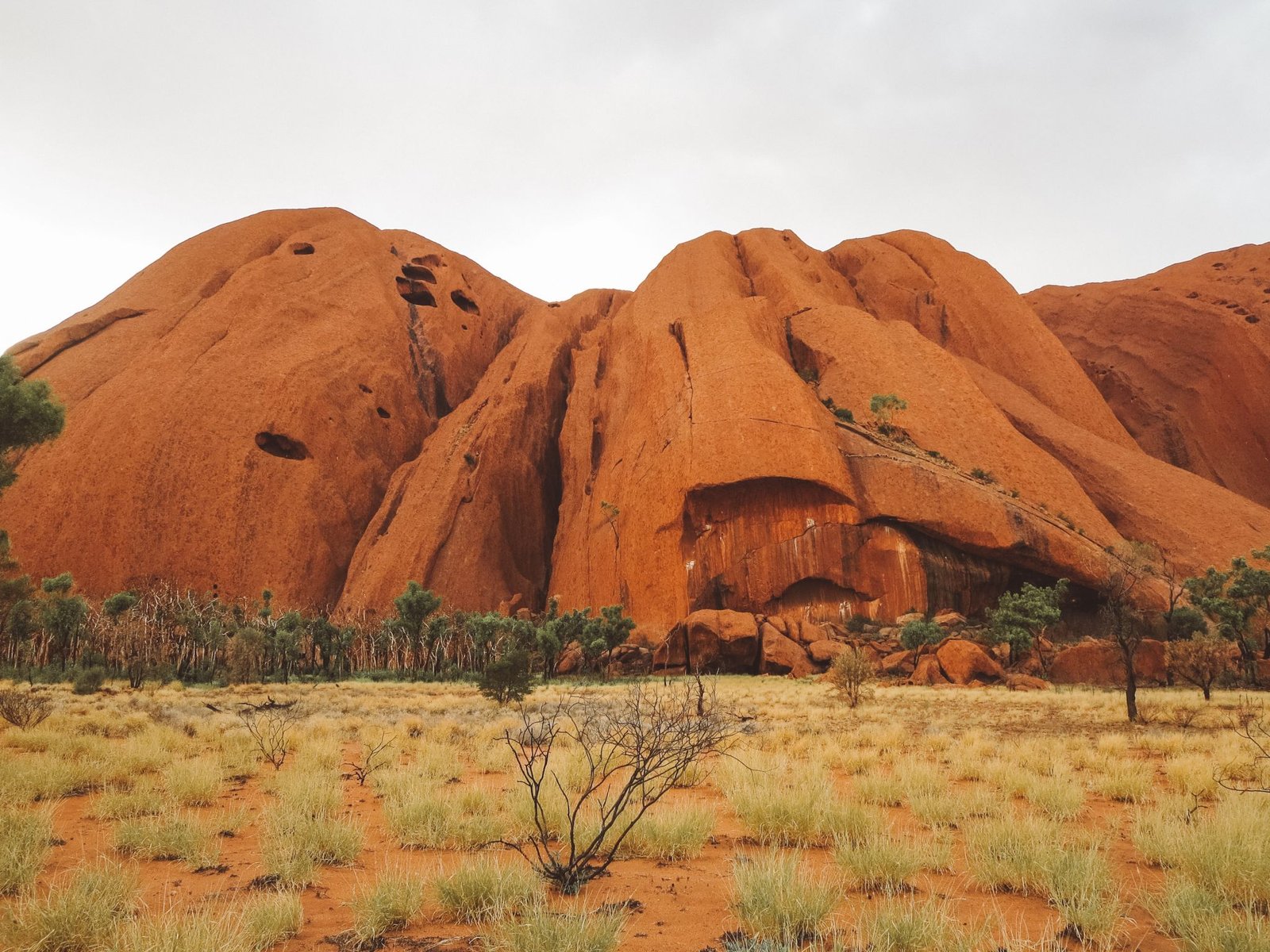
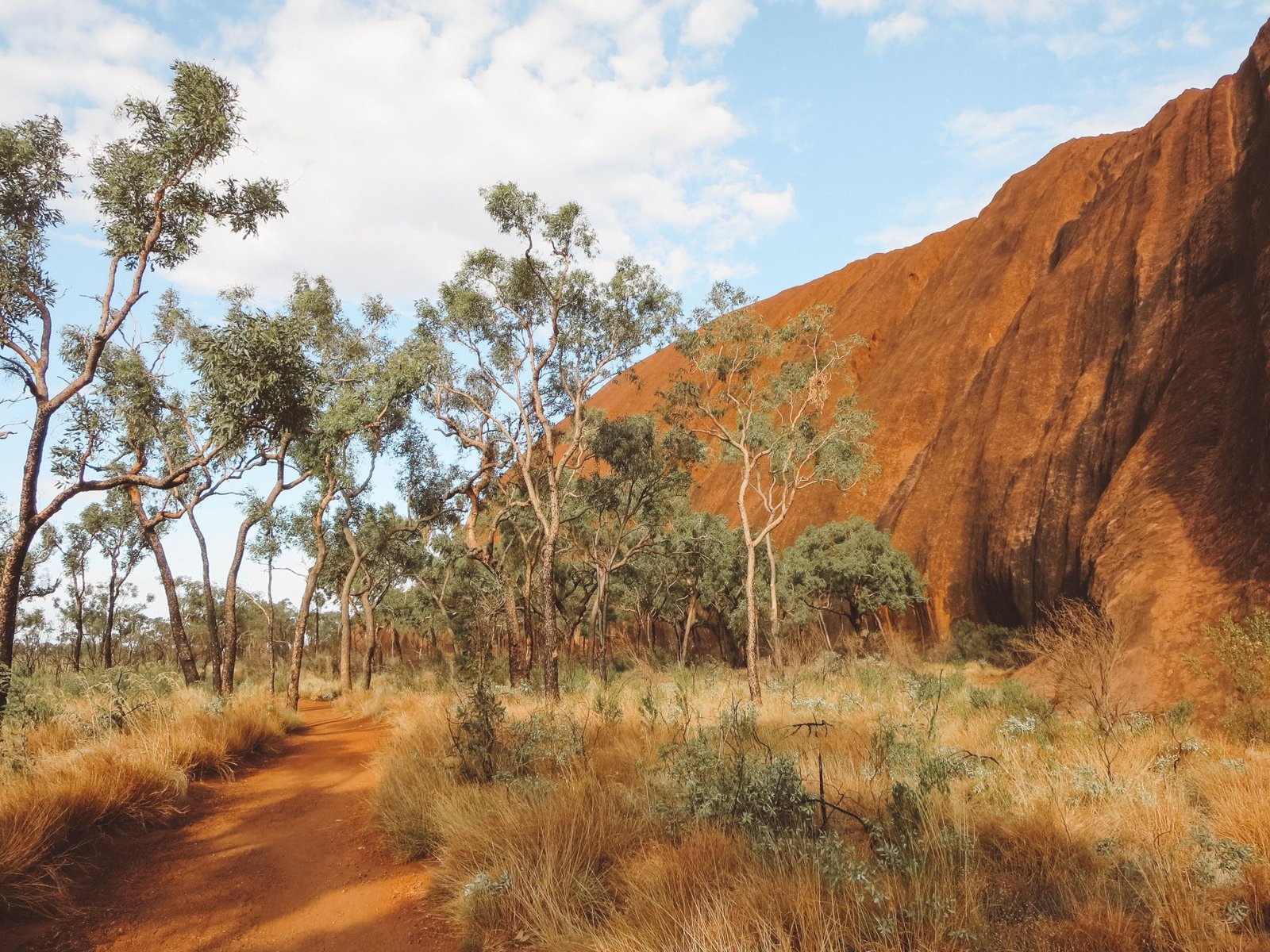
Hiking the base in 2019
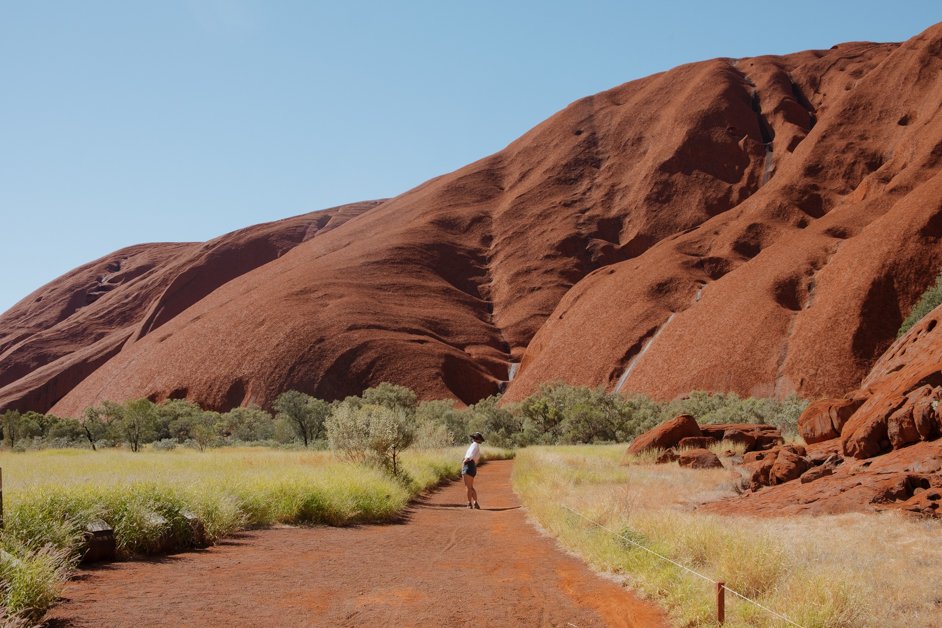
Hiking the base in 2026
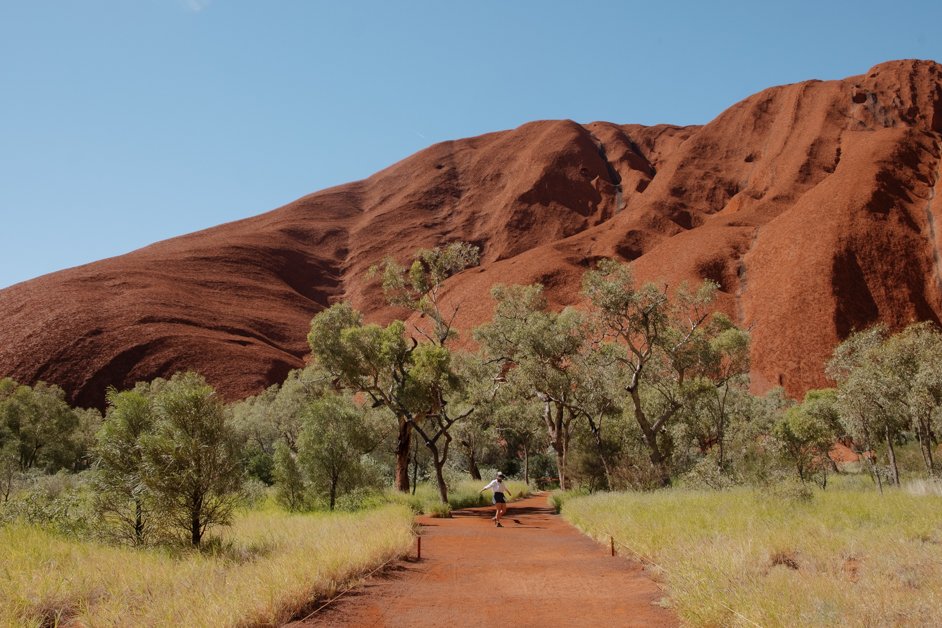
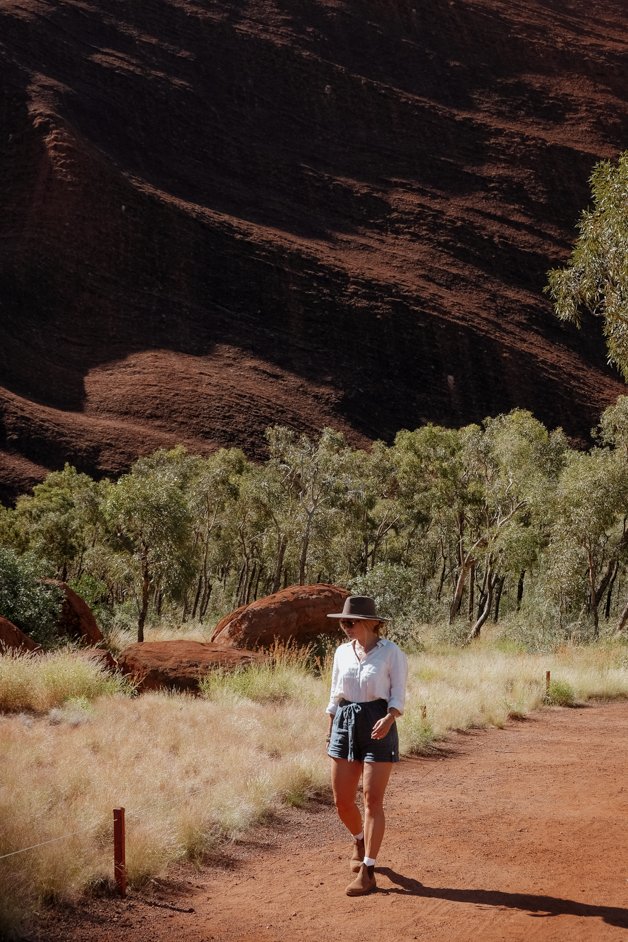
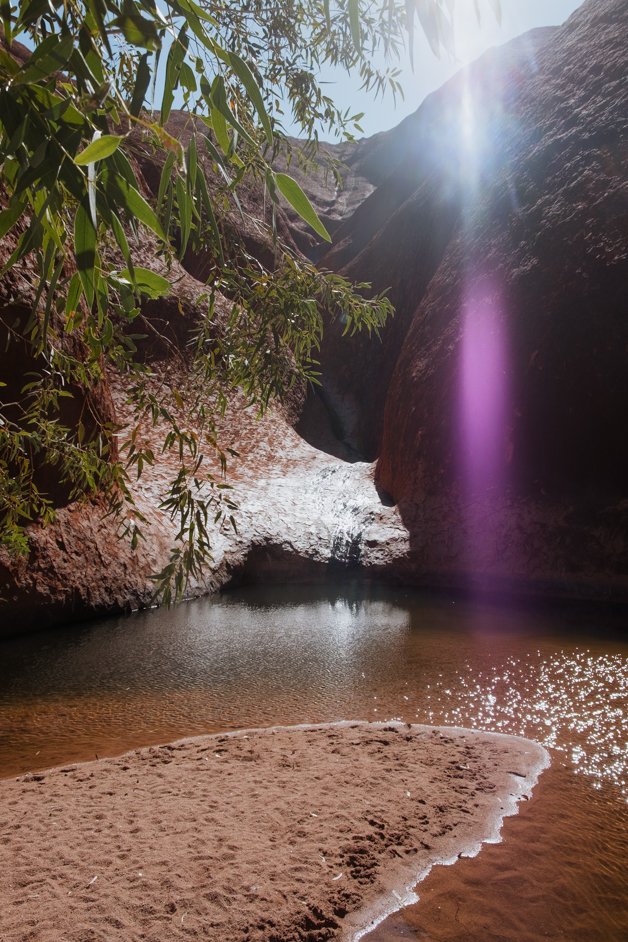
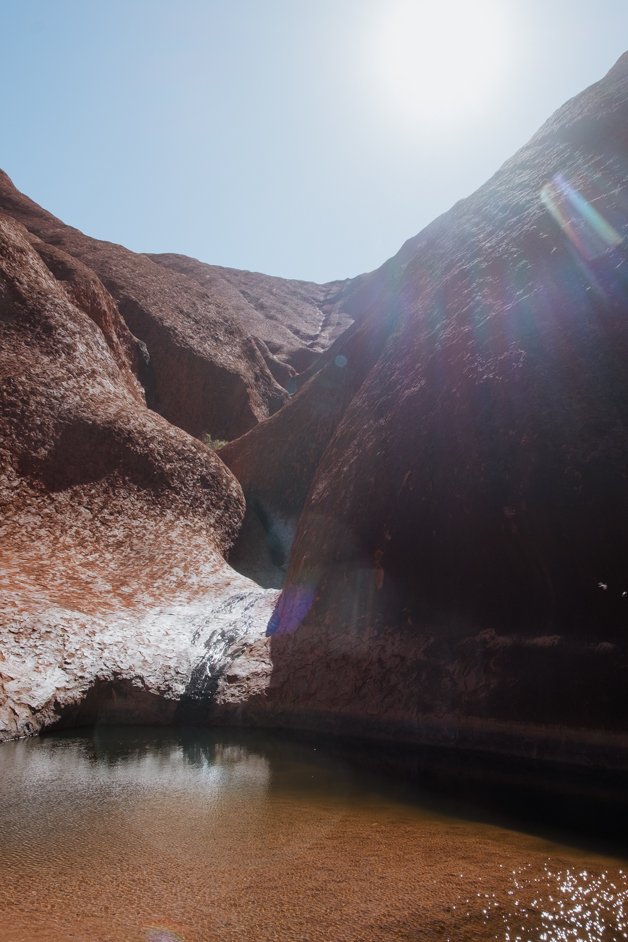
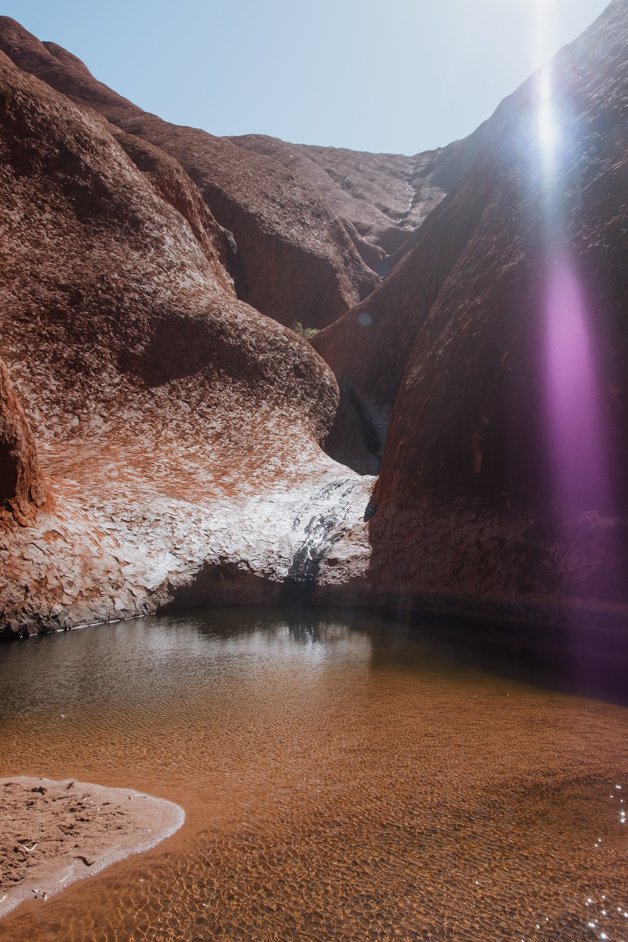
See the Muṯitjulu Waterhole
Along the base hike around Uluru Base, there is a small trail leading along the Kuniya Walk towards the Muṯitjulu Waterhole, a permanent waterhole nestled into the rocks of Uluru, scared to the Aṉangu people. You cannot swim here but it is a peaceful, short walk and a great alternative to hiking the full base walk.
Watch the sunset over Uluru
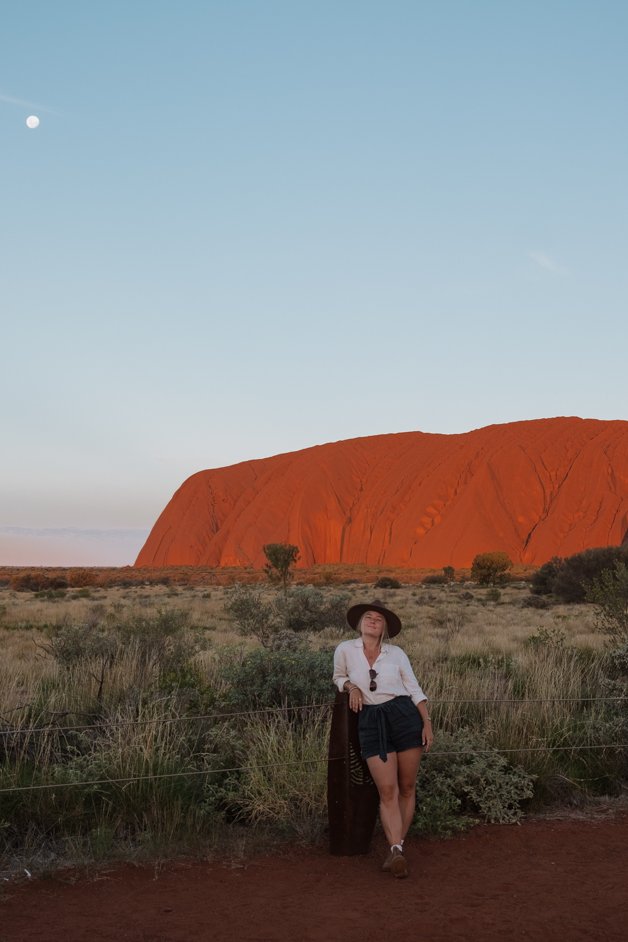
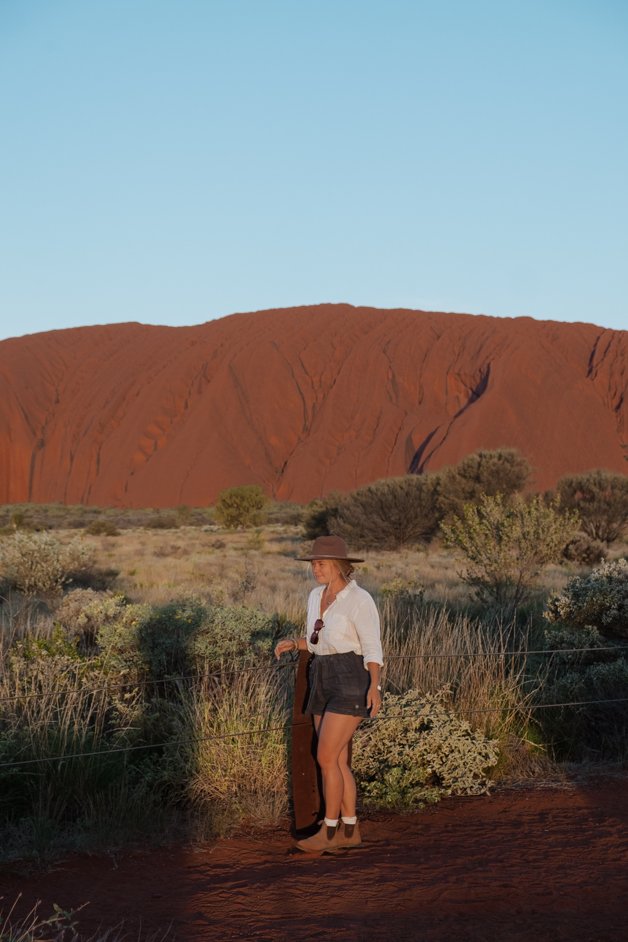
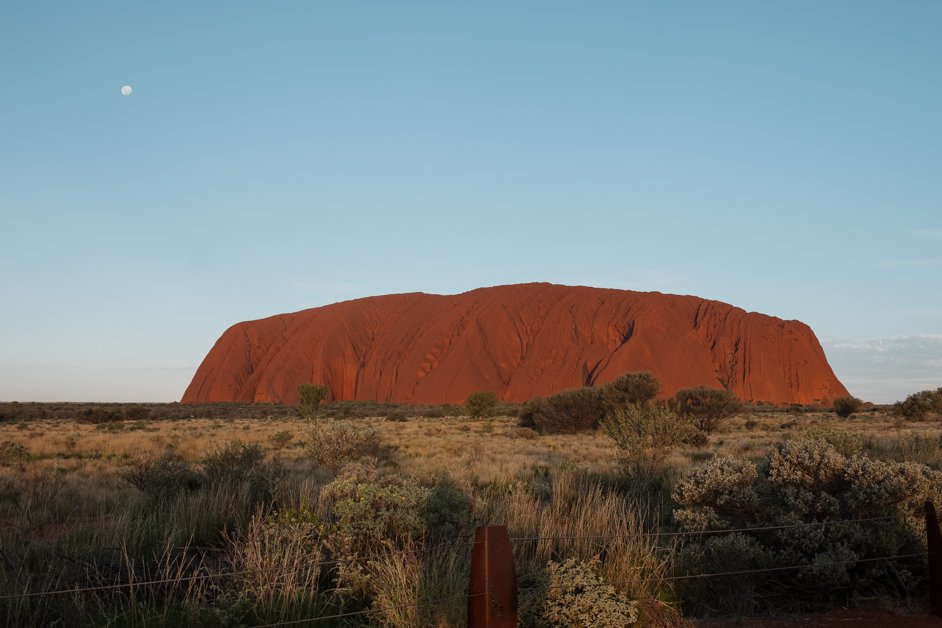
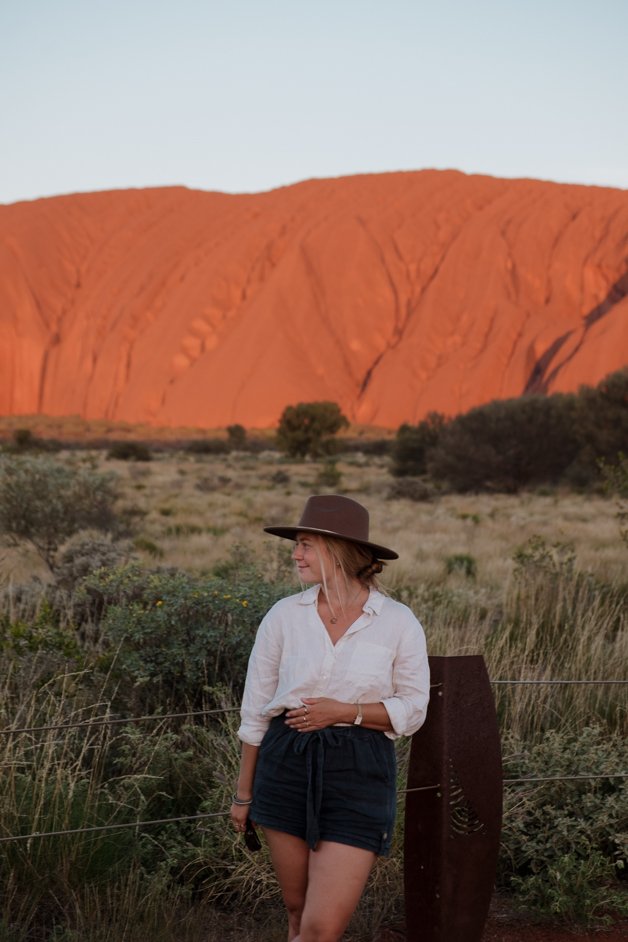
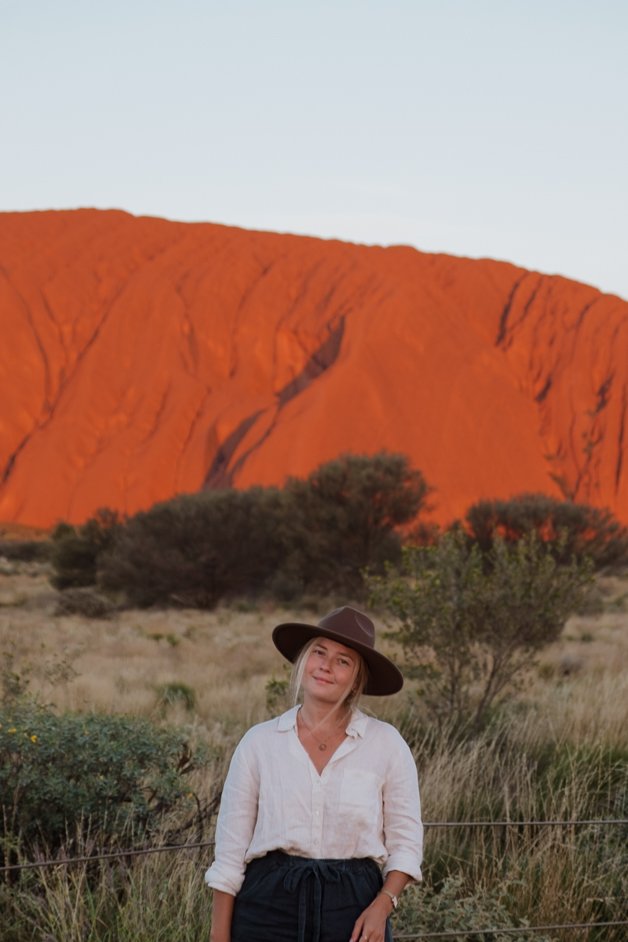
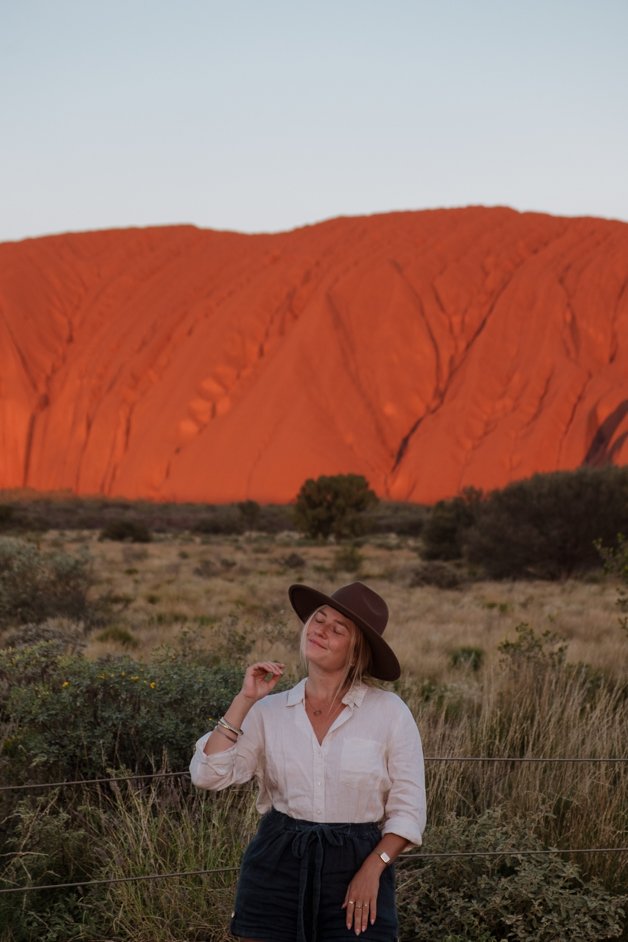
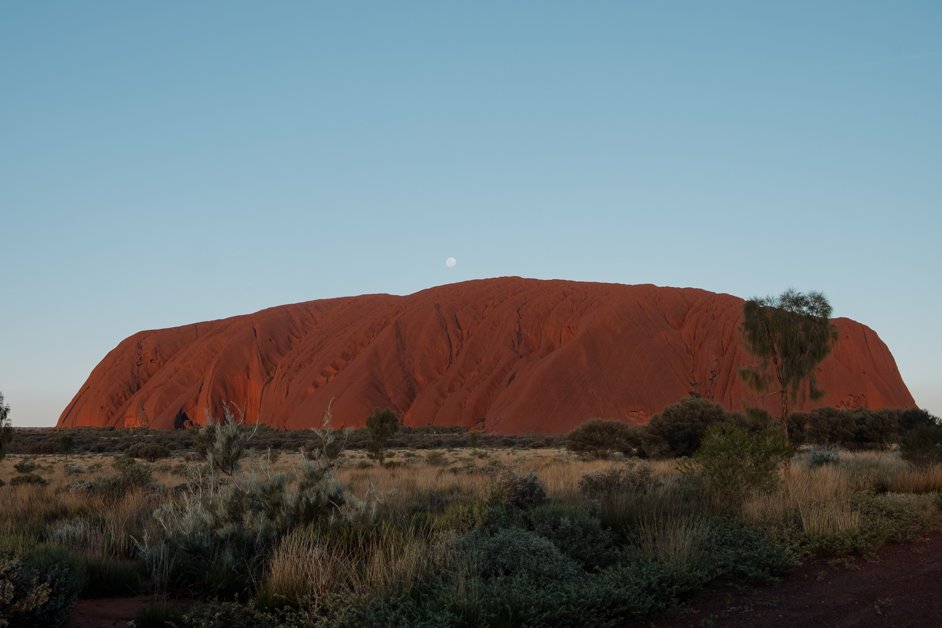
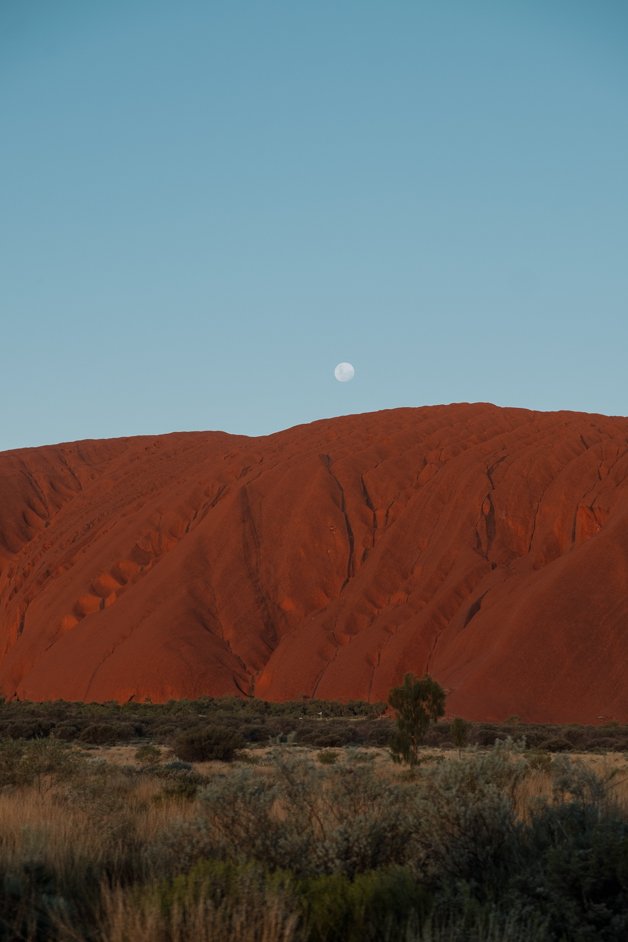
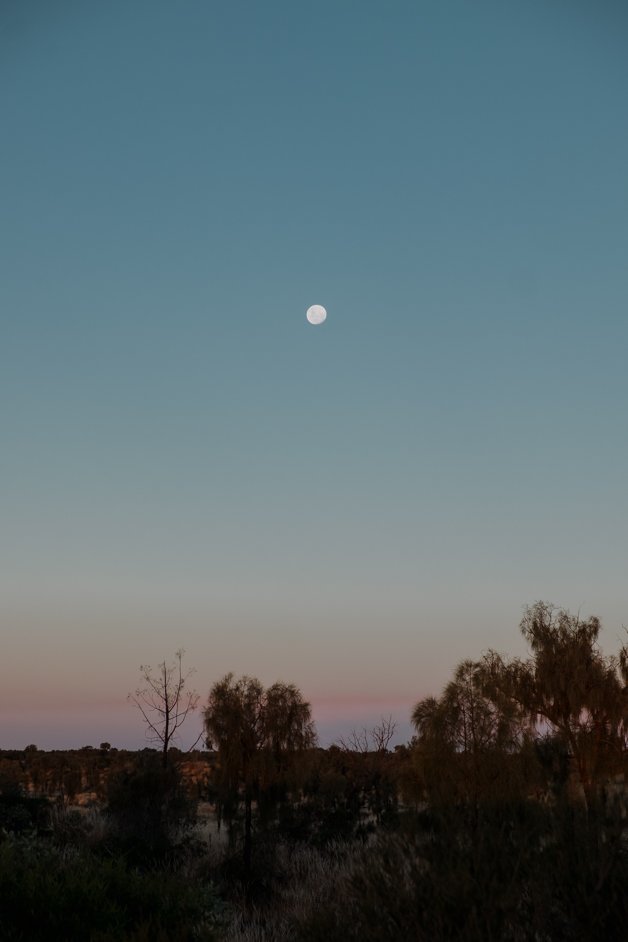
There is an official Car Sunset Viewing Area where you can park your car and watch the golden glow over Uluru. The sun actually sets behind you though so you won't see the sun itself but rather you'll get to see the entire monolith aglow in orange sunset tones and the moon popping out behind the rock.
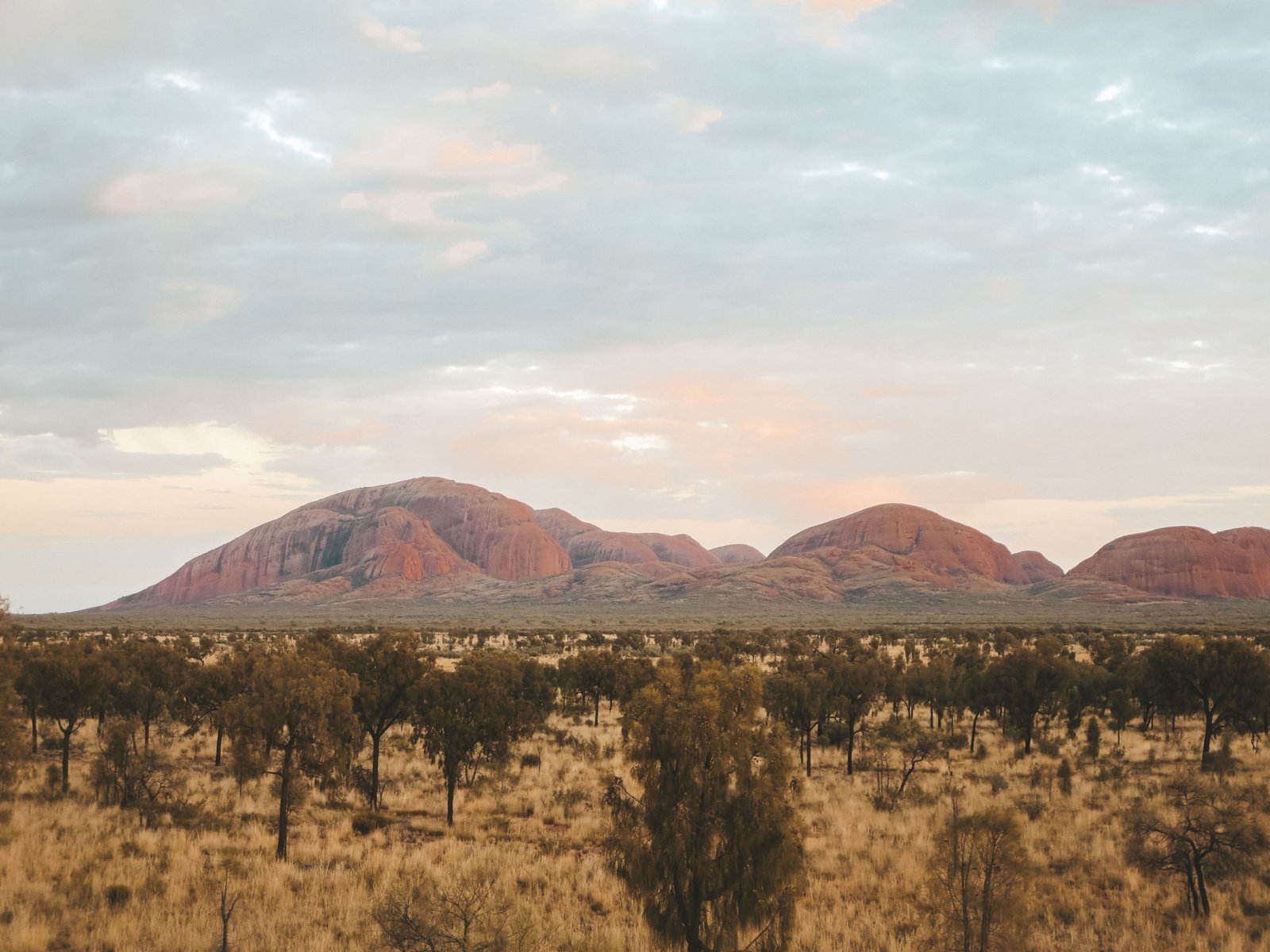
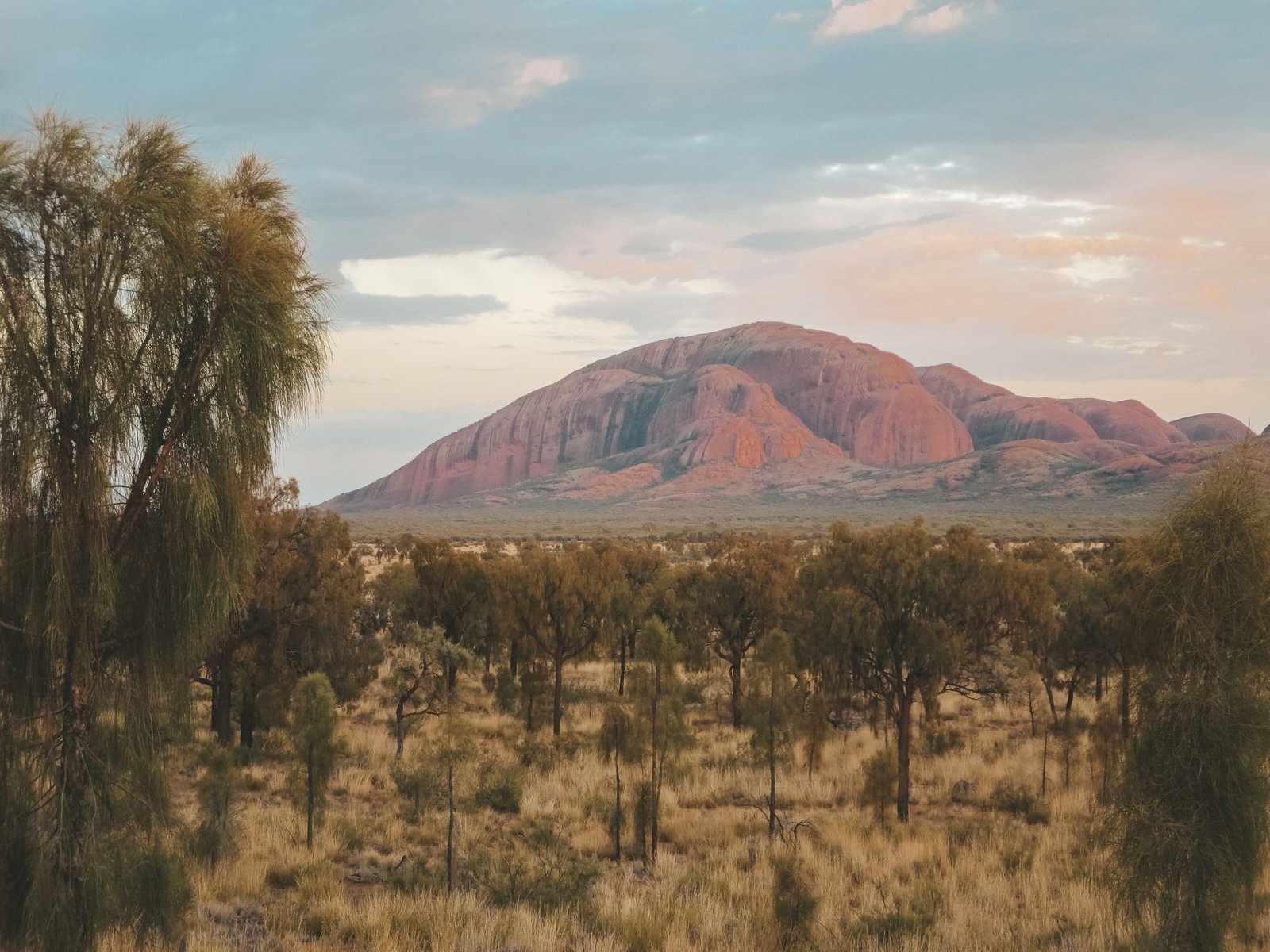
Watch the sunrise at Kata Tjuta
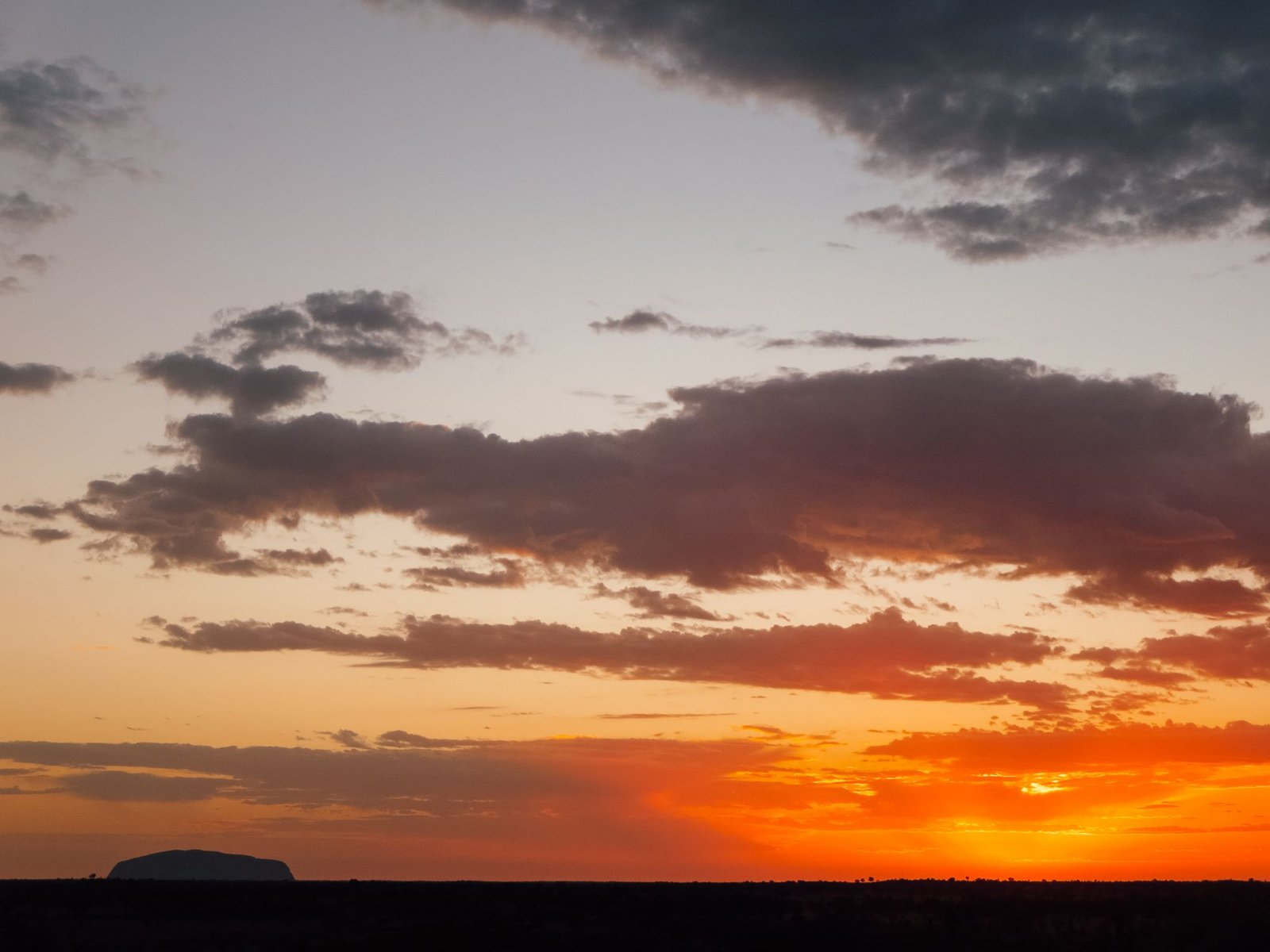
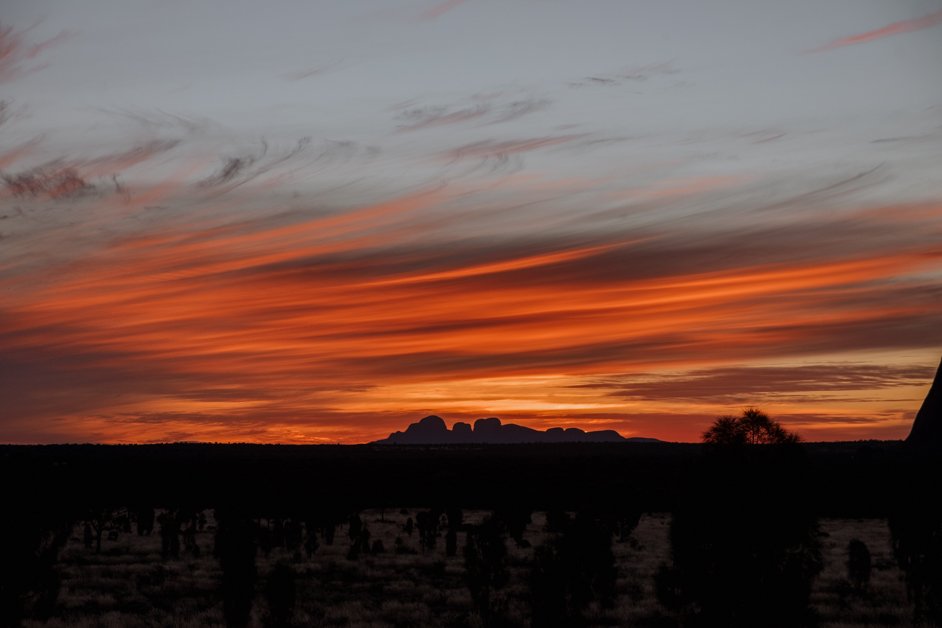
Get up super early to head to the viewing platform at Kata Tjuta by car or the hop-on, hop-off bus and witness the sun rising above the horizon behind Uluru with the pink light grazing the domes of Kata Tjuta.

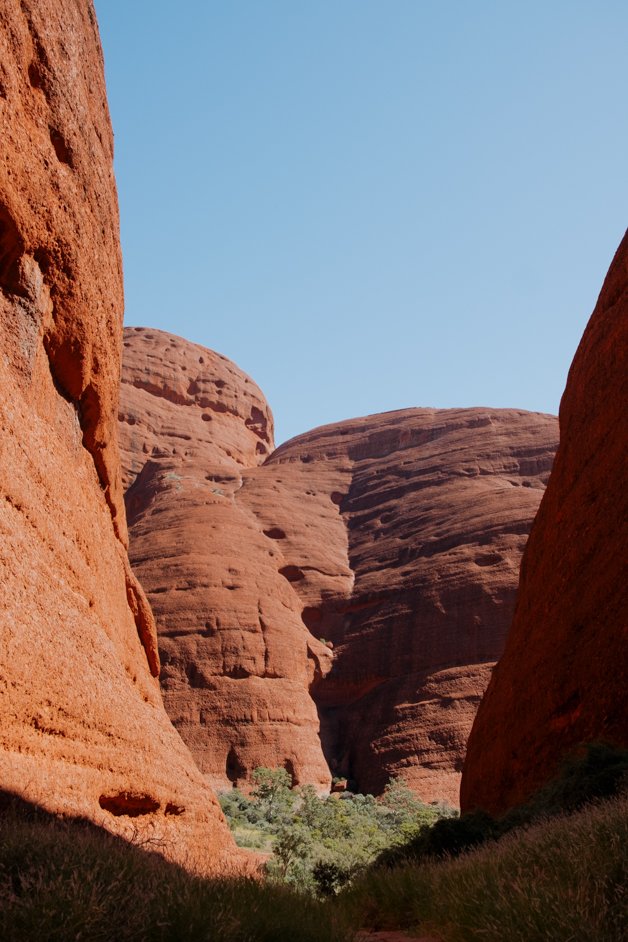
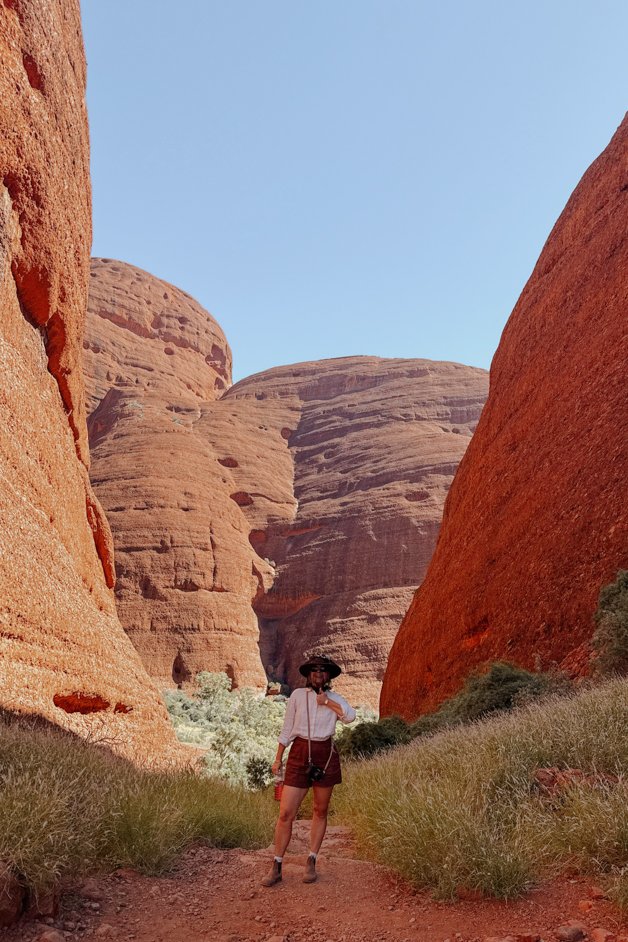
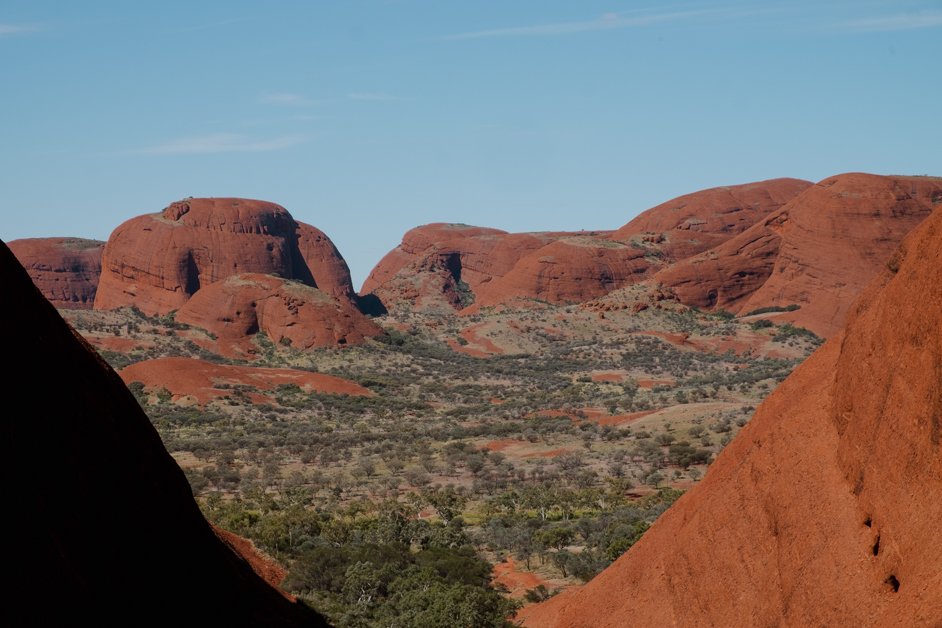
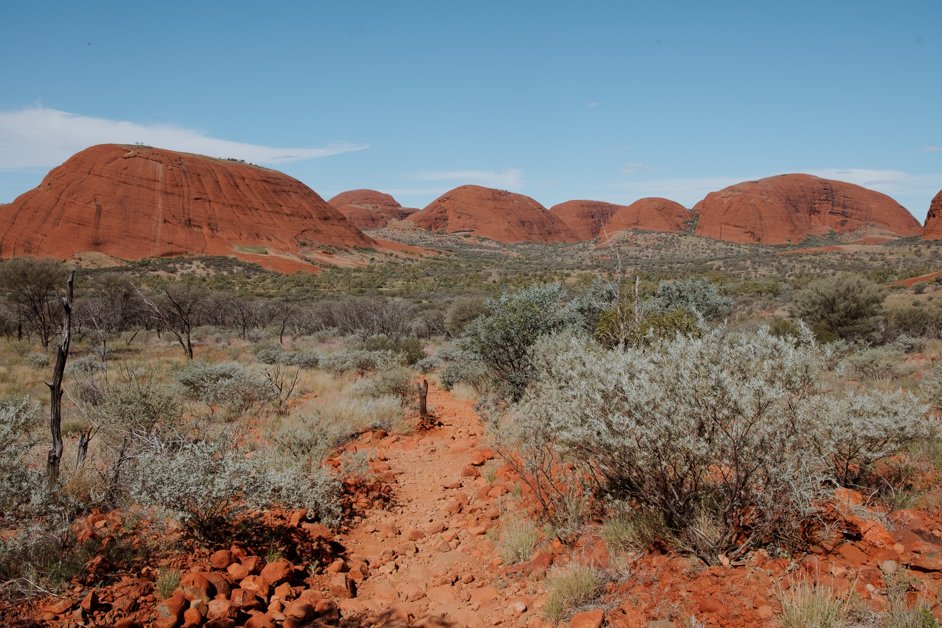
Hike the Valley of the Winds at Kata Tjuta
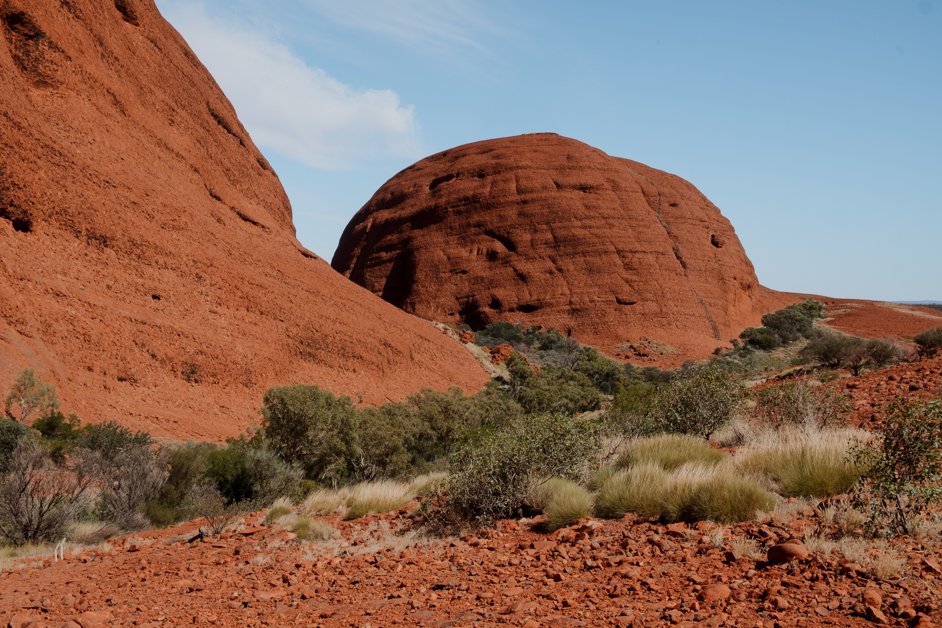
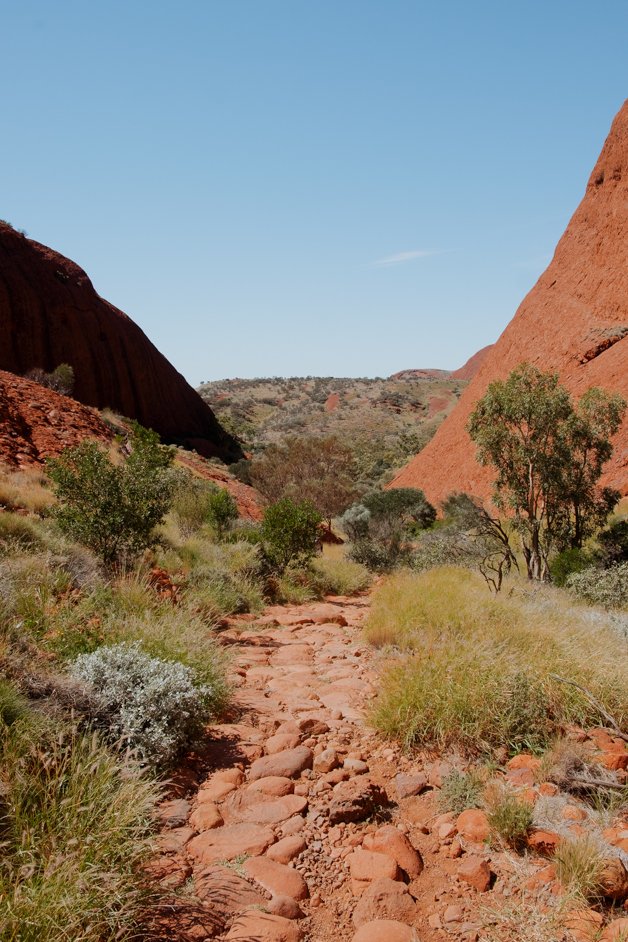
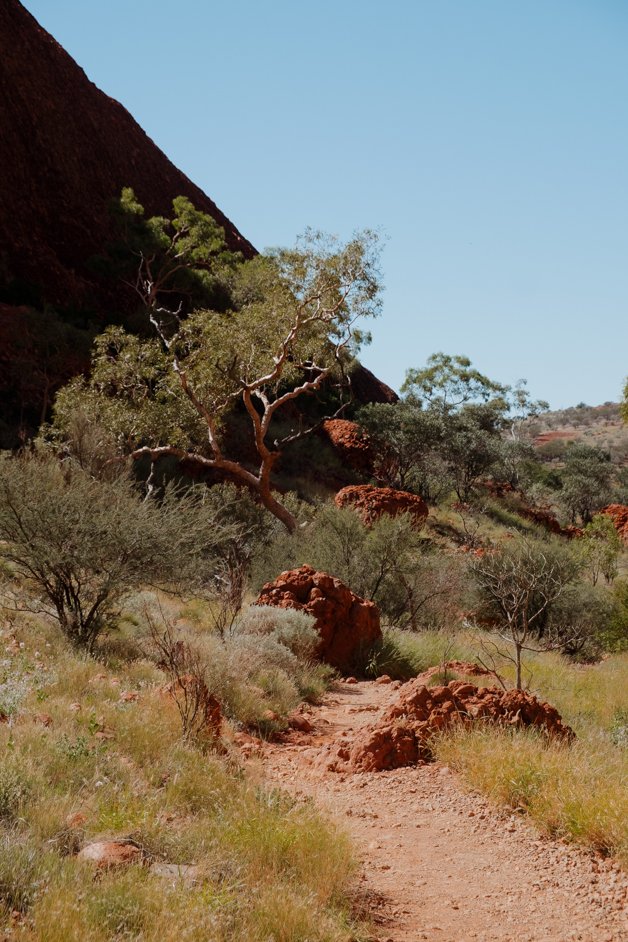
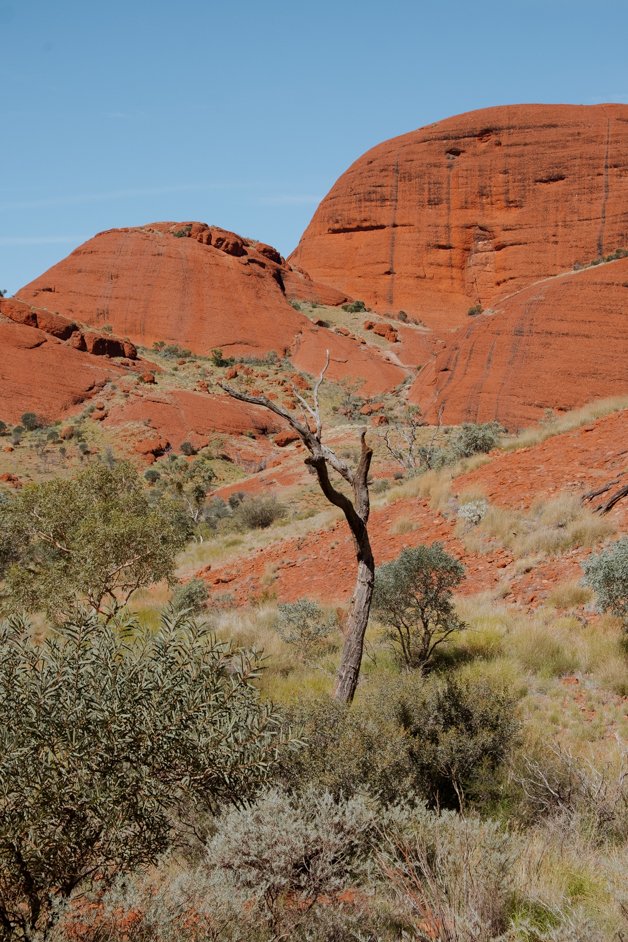
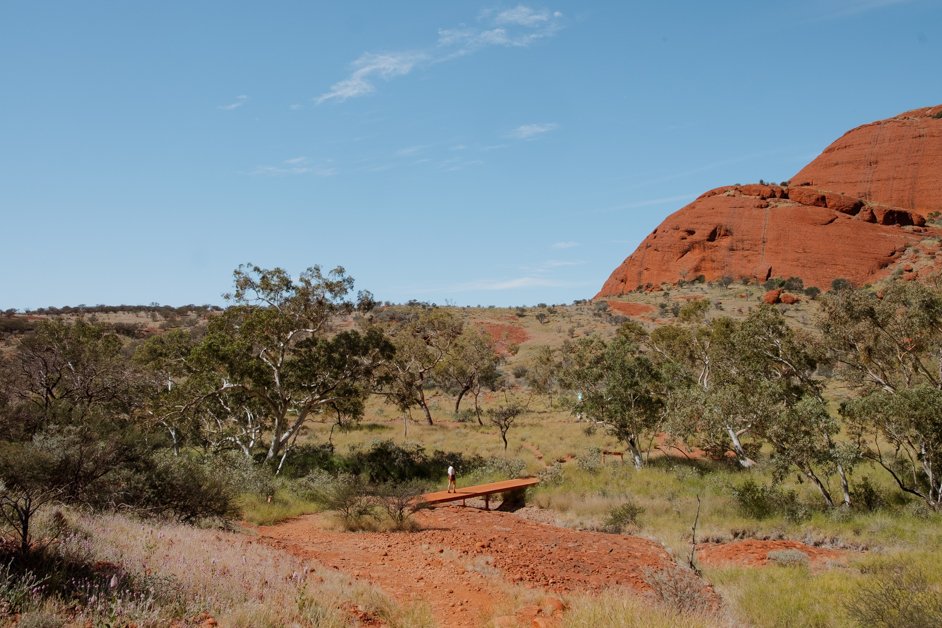
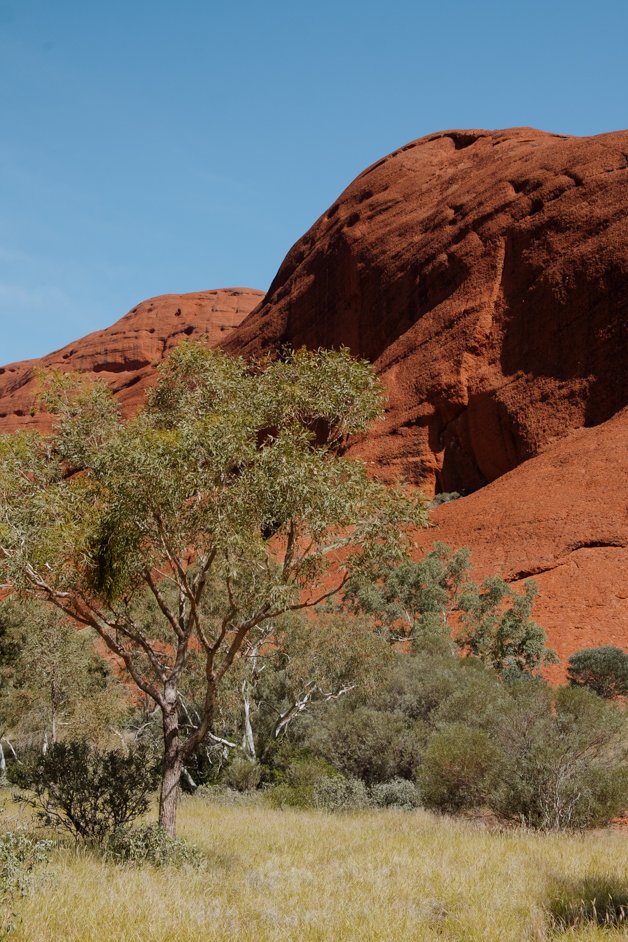
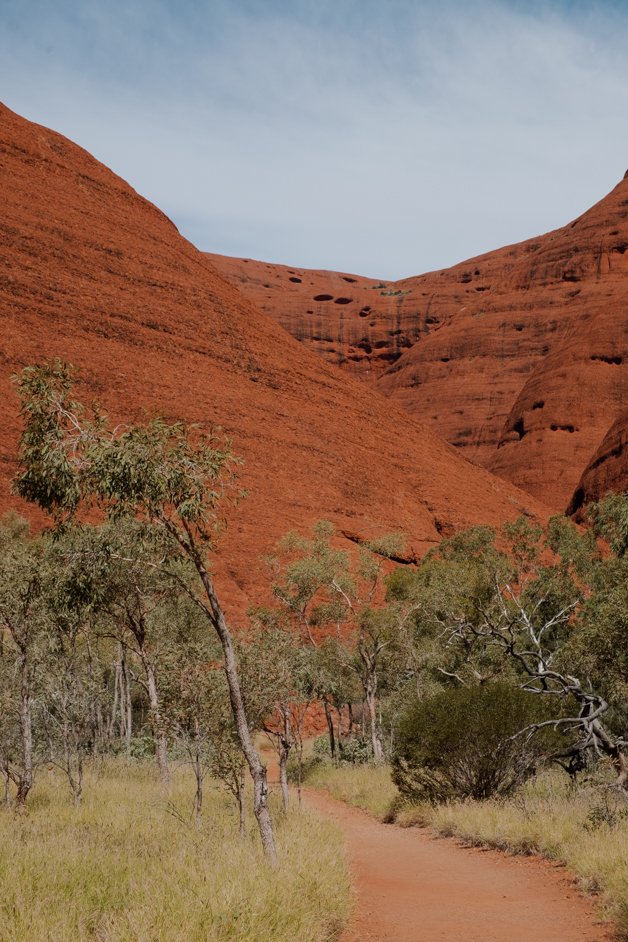
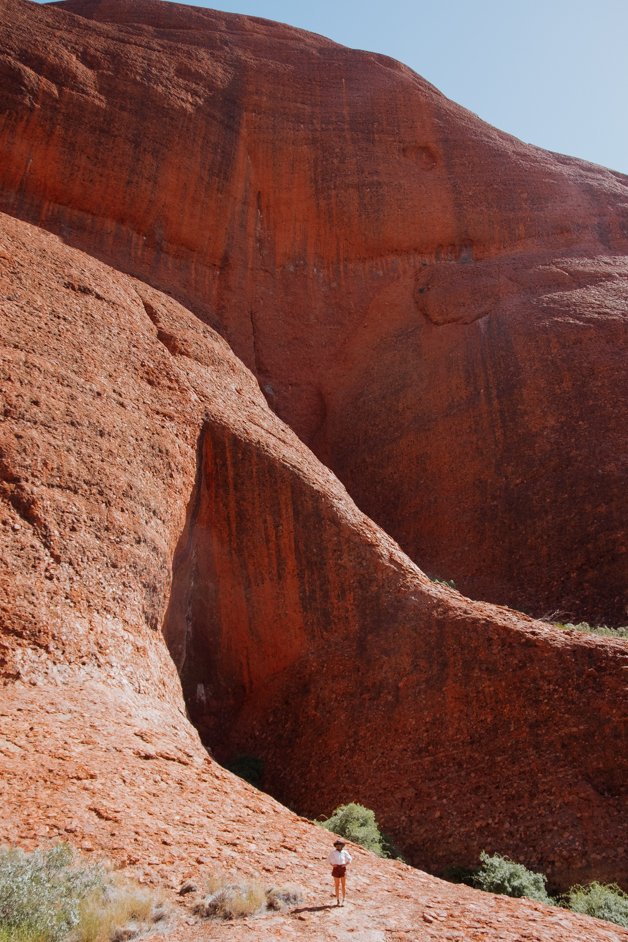
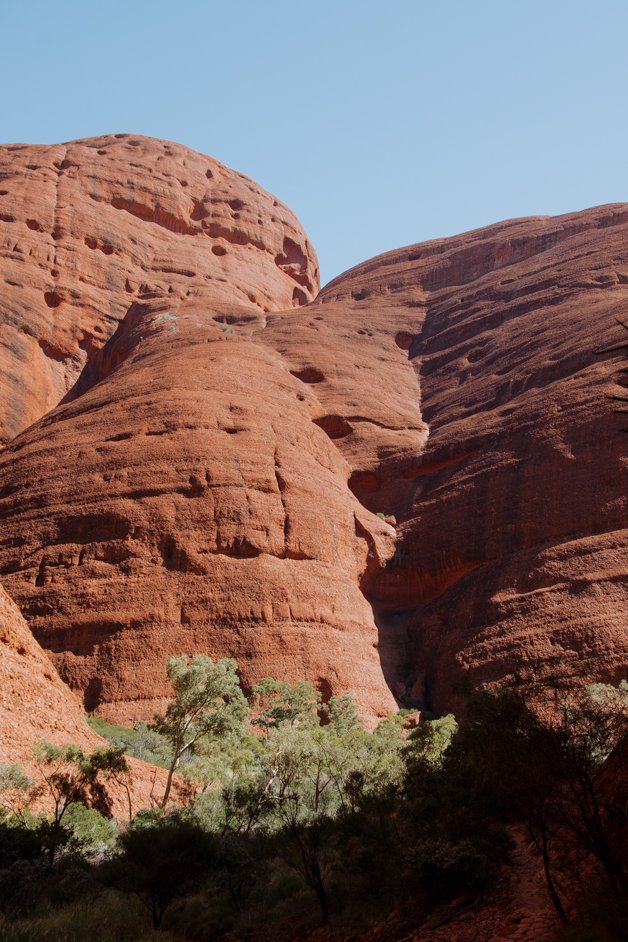
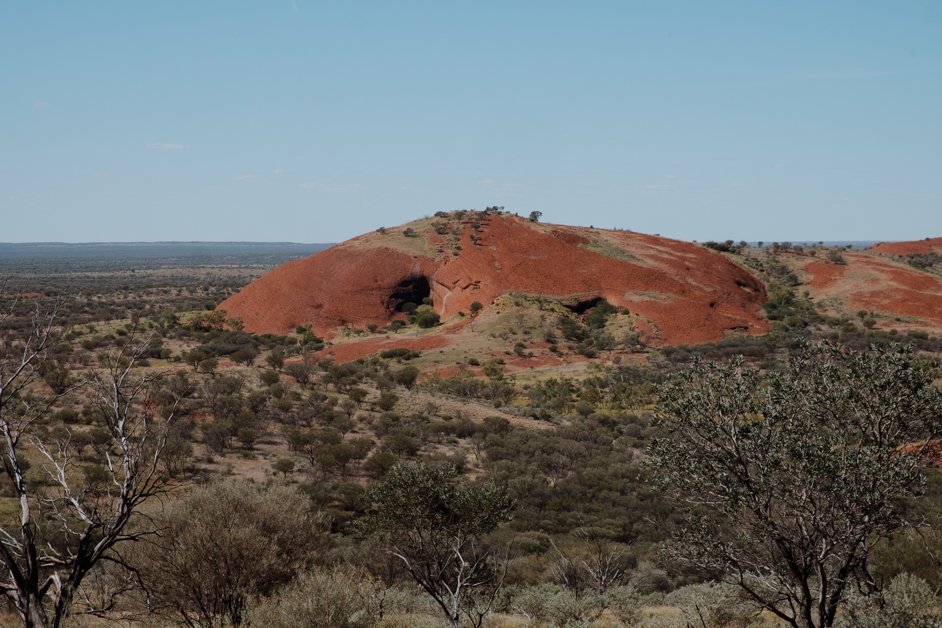
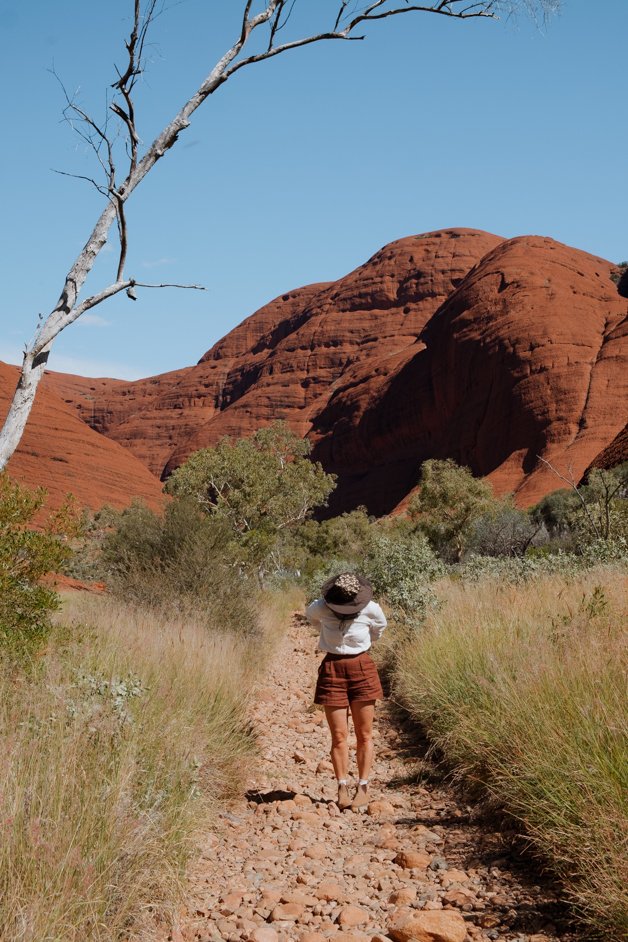
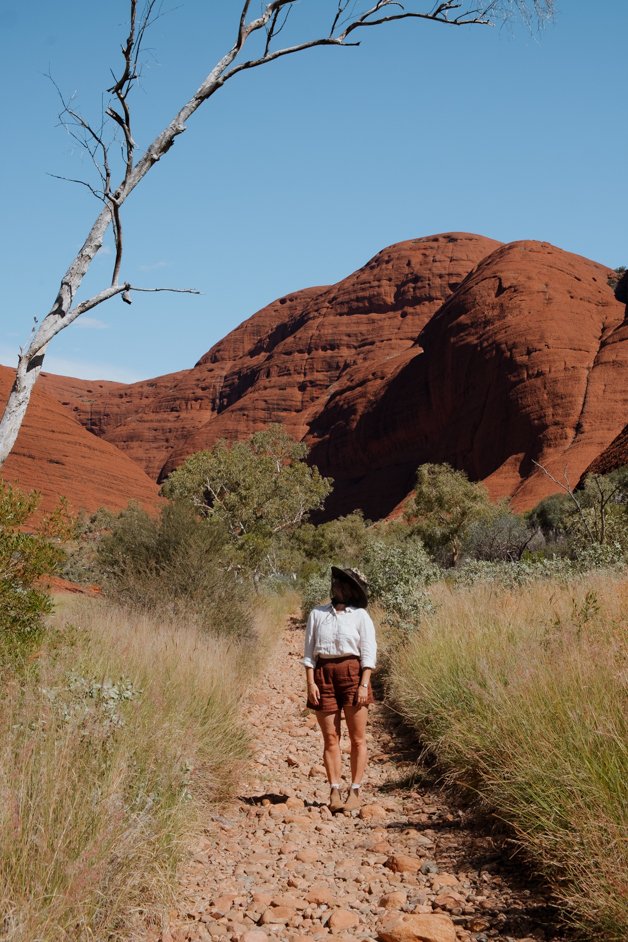
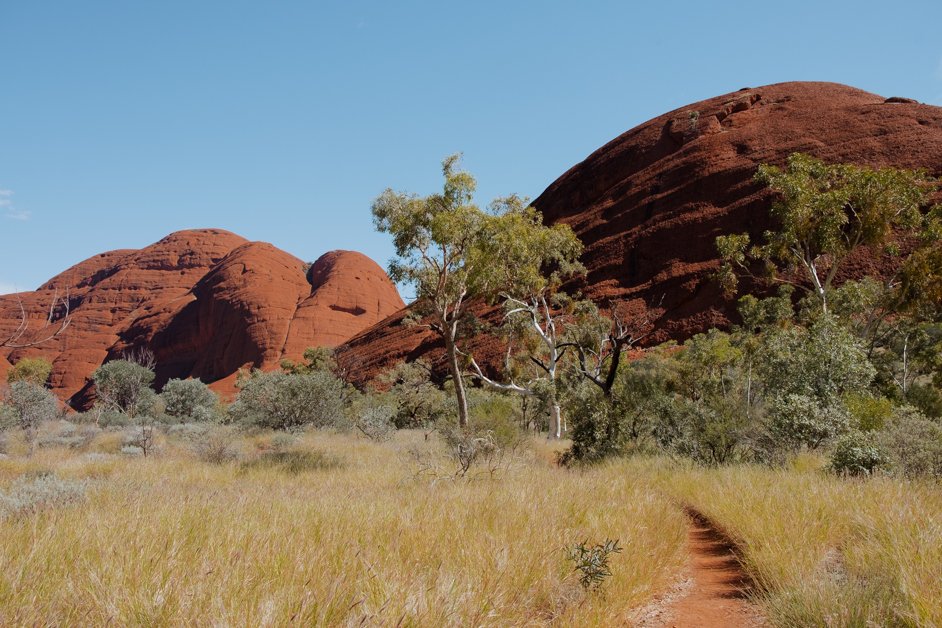
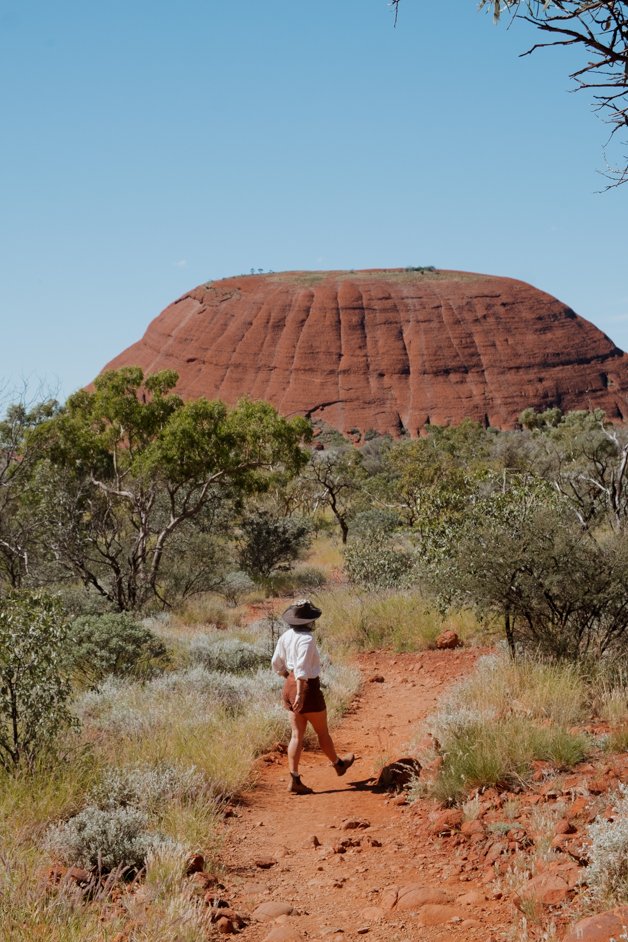
The Valley of the Winds is the best hike to do at Kata Tjuta looping through all the iconic domes, some of which are even taller than Uluru! The hike is about 8km and will take between two and three hours to complete.
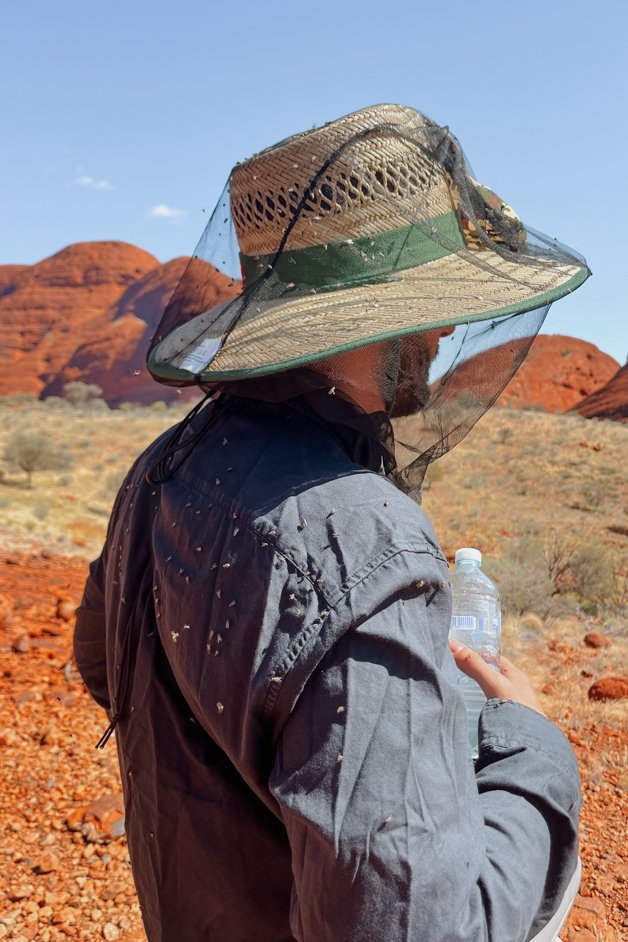
If it is over 36ºC, the trail will be closed from 11am so plan accordingly and start hiking early. Bring plenty of water and wear a hat as there is hardly any shade on this trail and a fly net.
→ Check out my exact route on Strava!
→ Check out my reel about the flies while hiking Valley of the Winds!
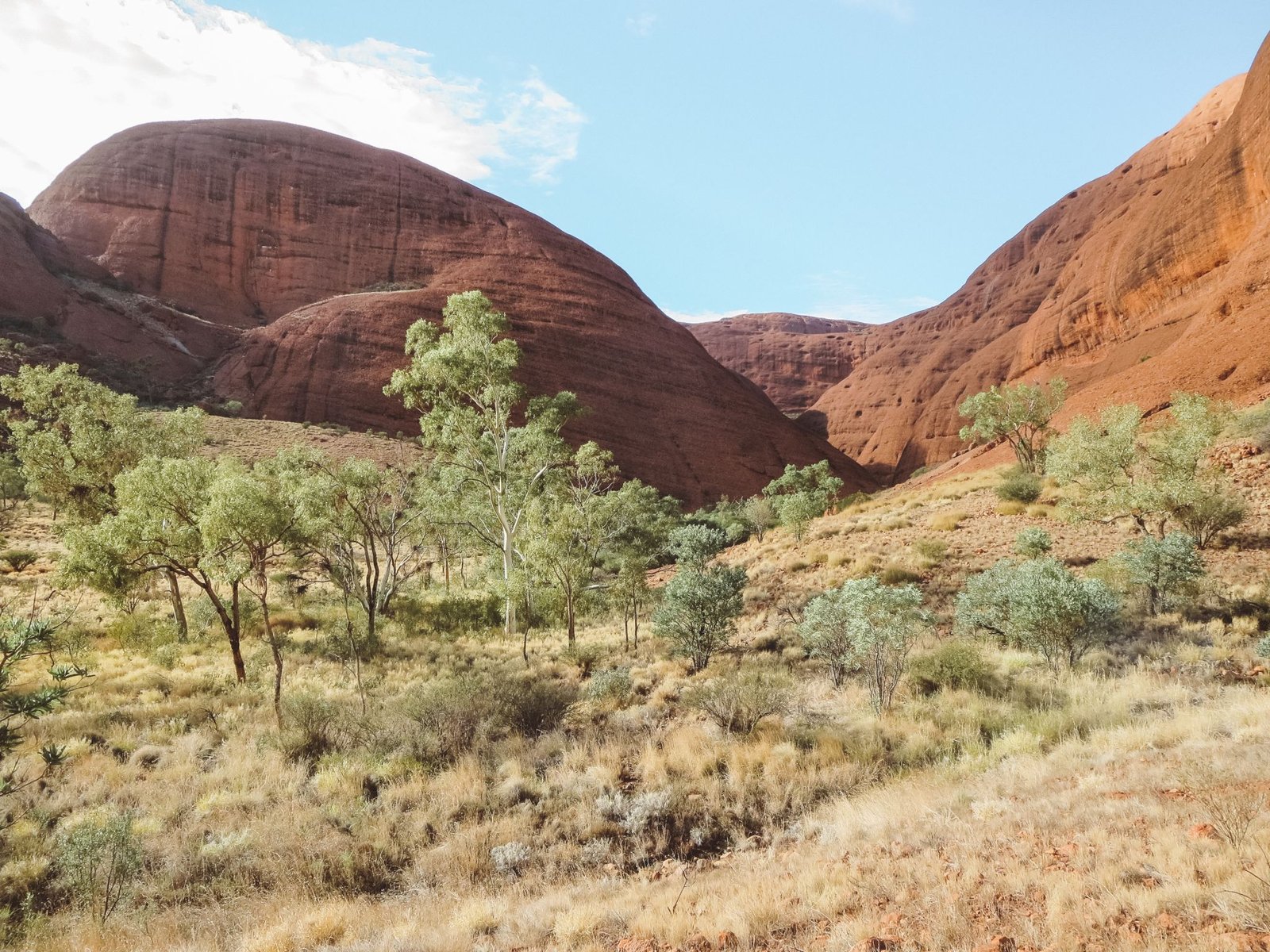
Valley of the Winds in 2019
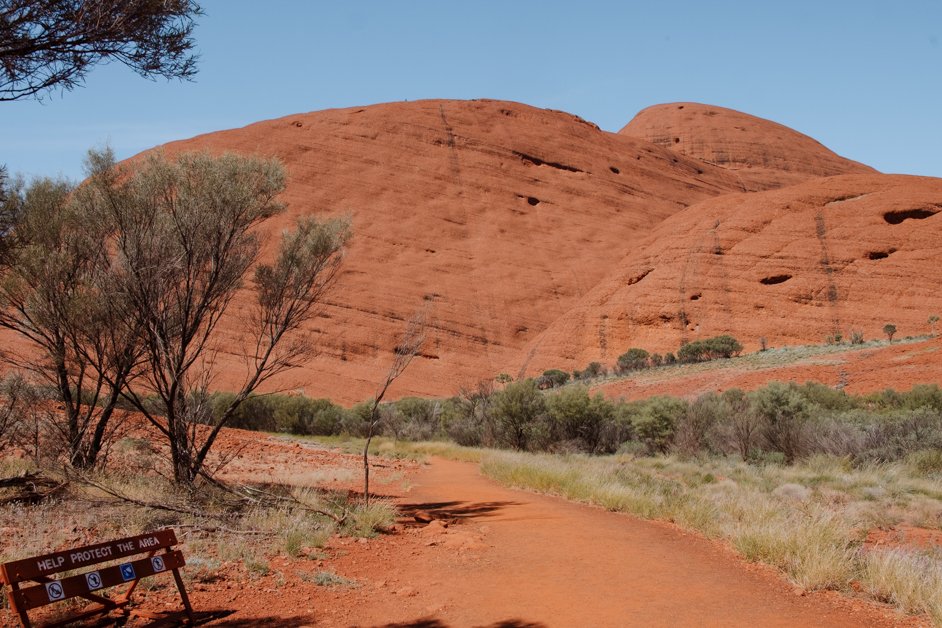
Hiking Valley of the Winds in 2026
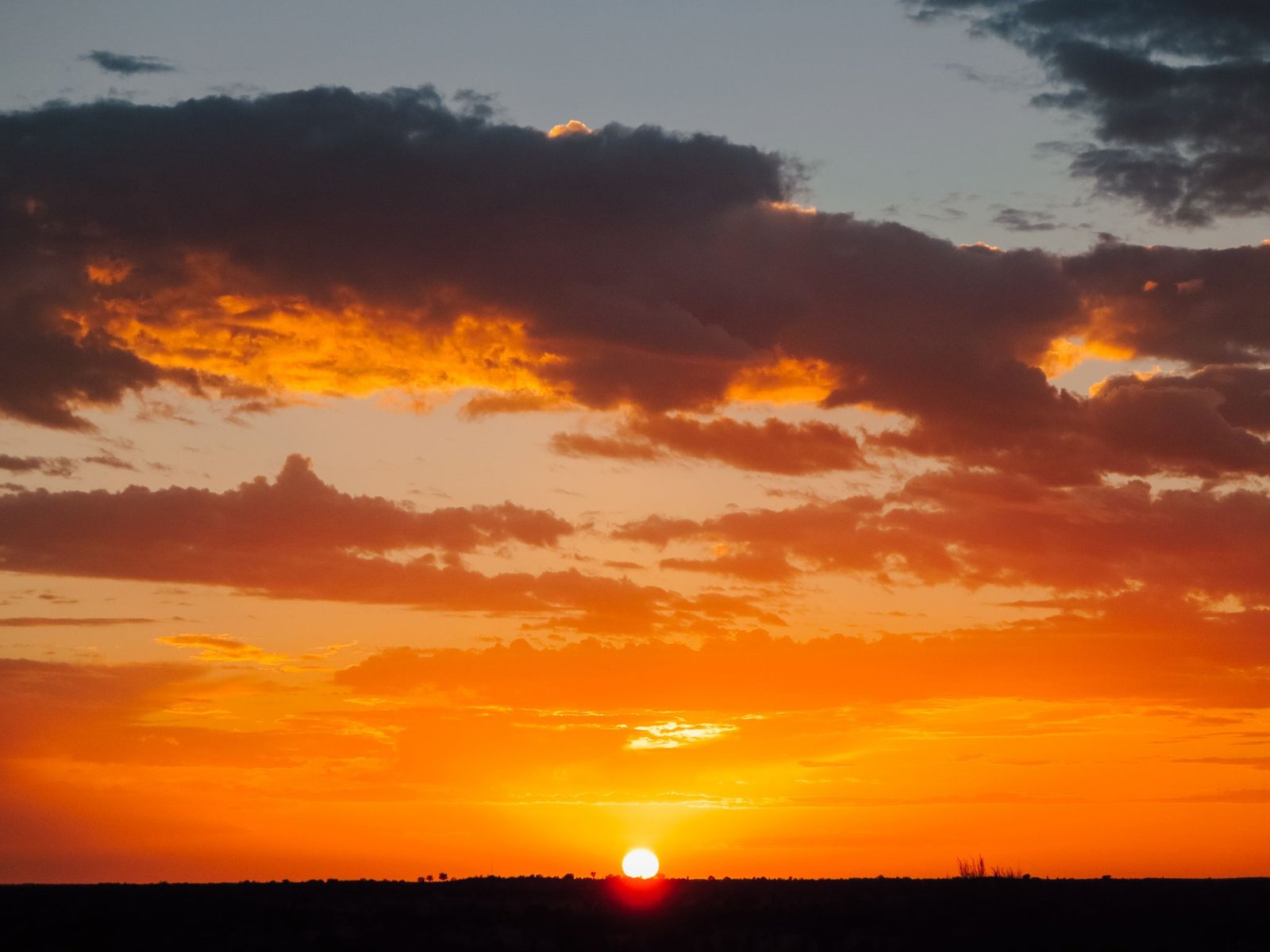
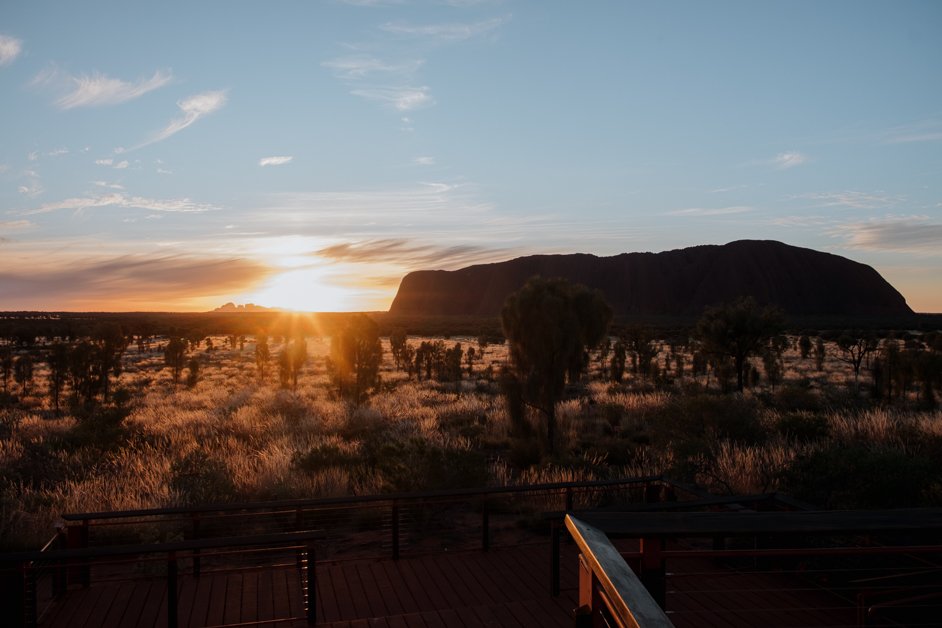
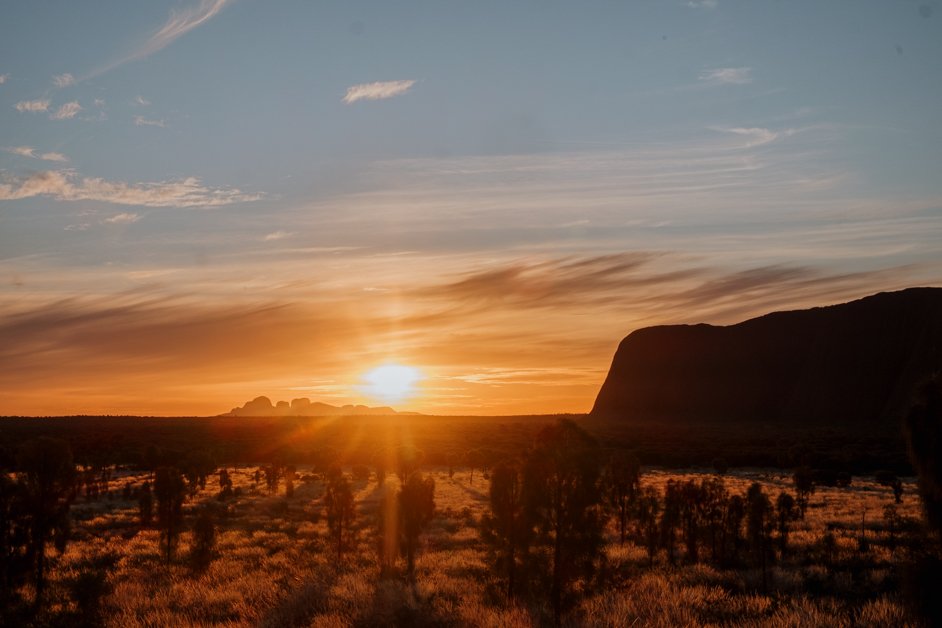
Watch the sunset over Uluṟu
The official sunrise viewing platform to the east of Uluṟu is actually my favourite place to watch the sunset because you'll get to see both Uluṟu and Kata Tjuṯa with the sun setting behind them, lighting the sky up in the most beautiful, vibrant colours.
BOOK AN EXPERIENCE IN ULUṞU-KATA TJUṮA NATIONAL PARK!
PIN THIS POST TO REFER BACK TO LATER!
GET READY TO TRAVEL!
— Book tours and experiences - with GetYourGuide
— Get all the gear you need for your trip - with Amazon (North America)
— Get all the gear you need for your trip - with Amazon (Europe)
— Find a place to stay - with Booking.com
— Choose a hostel to stay at - with Hostelworld
— Purchase global travel insurance - with World Nomads
— Load an international eSim on your phone - with AirAlo
— Start your own travel blog - with Hostinger
— Join the GetYourGuide Travel Creator Community - with GetYourGuide
Discover more from Jana Meerman
Subscribe to get the latest posts sent to your email.

Hi! I’m Jana, a Dutch-German-British-Canadian with a dream of seeing every country in the world. I am a storyteller, photographer and adventurer passionate about documenting and sharing my travels.