On my mission to visit and share every country and territory in the world (a total standing at 269), I sometimes end up booking trips to visit some of the world's most remote places and undertaking serious bucket-list worthy adventures.
We are basing ourselves in Australia for a year, traveling around the country in a campervan. Given it's the biggest country in Oceania, it's also the perfect opportunity to visit some of the many islands surrounding it across the Indian and South Pacific Oceans.
I spent six weeks backpacking around Australia back in 2019, one of my first solo adventures and my first on a one-way ticket. During my two years I would end up living down under, mostly based out of New Zealand, I also visited Fiji, Vanuatu, New Caledonia and Samoa, scratching the surface of these fascinating island nations dotting great expanses of open ocean.
When mapping out the rough corners of our year-ish down under, planning to land in Sydney at the beginning of October, we realized we'd have enough time to cross the country to Perth to fly to Christmas Island for a very special event in the animal world, the red crab migration.
For everything else you need to know about Christmas Island - how to get there, how to get around, things to do, where to stay and what else to do aside from seeing the red crabs - I've written a complete guide.
COMING SOON! → My complete guide to visiting Christmas Island!
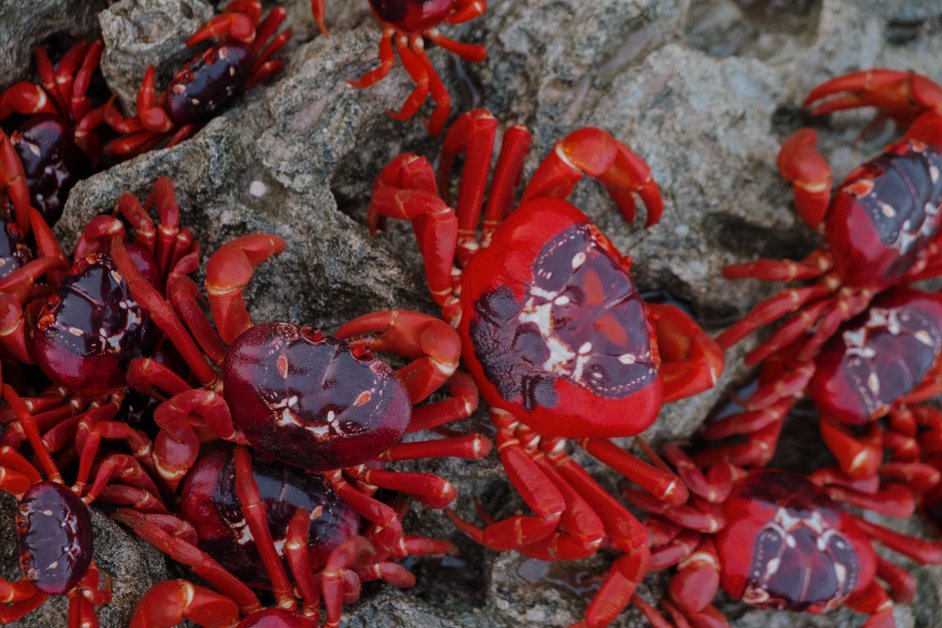
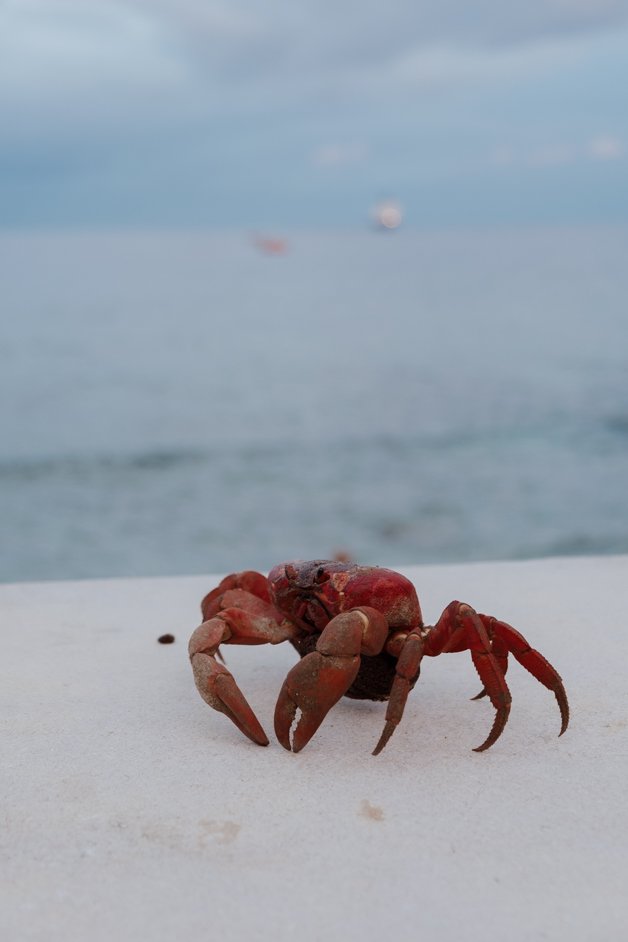
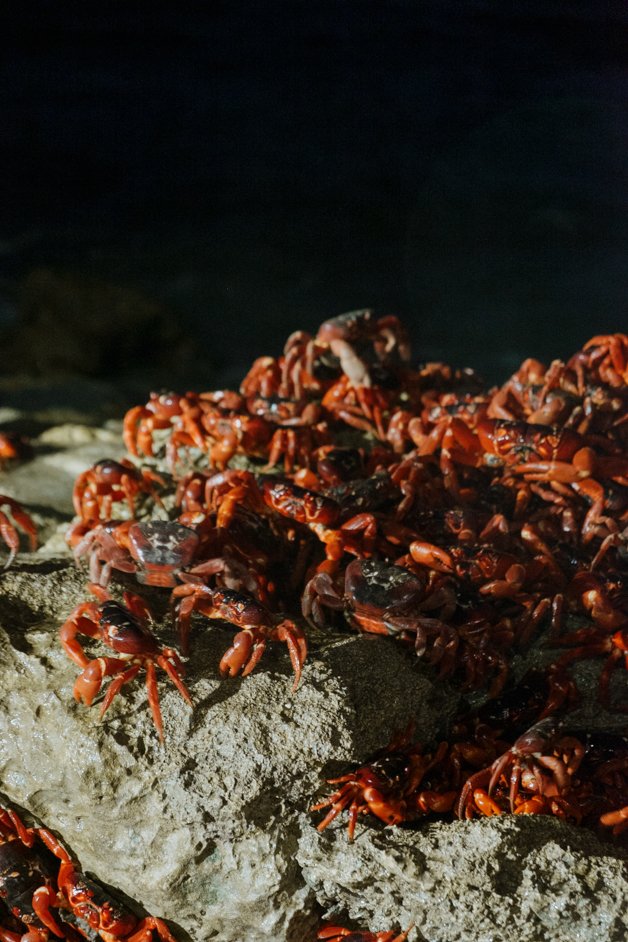
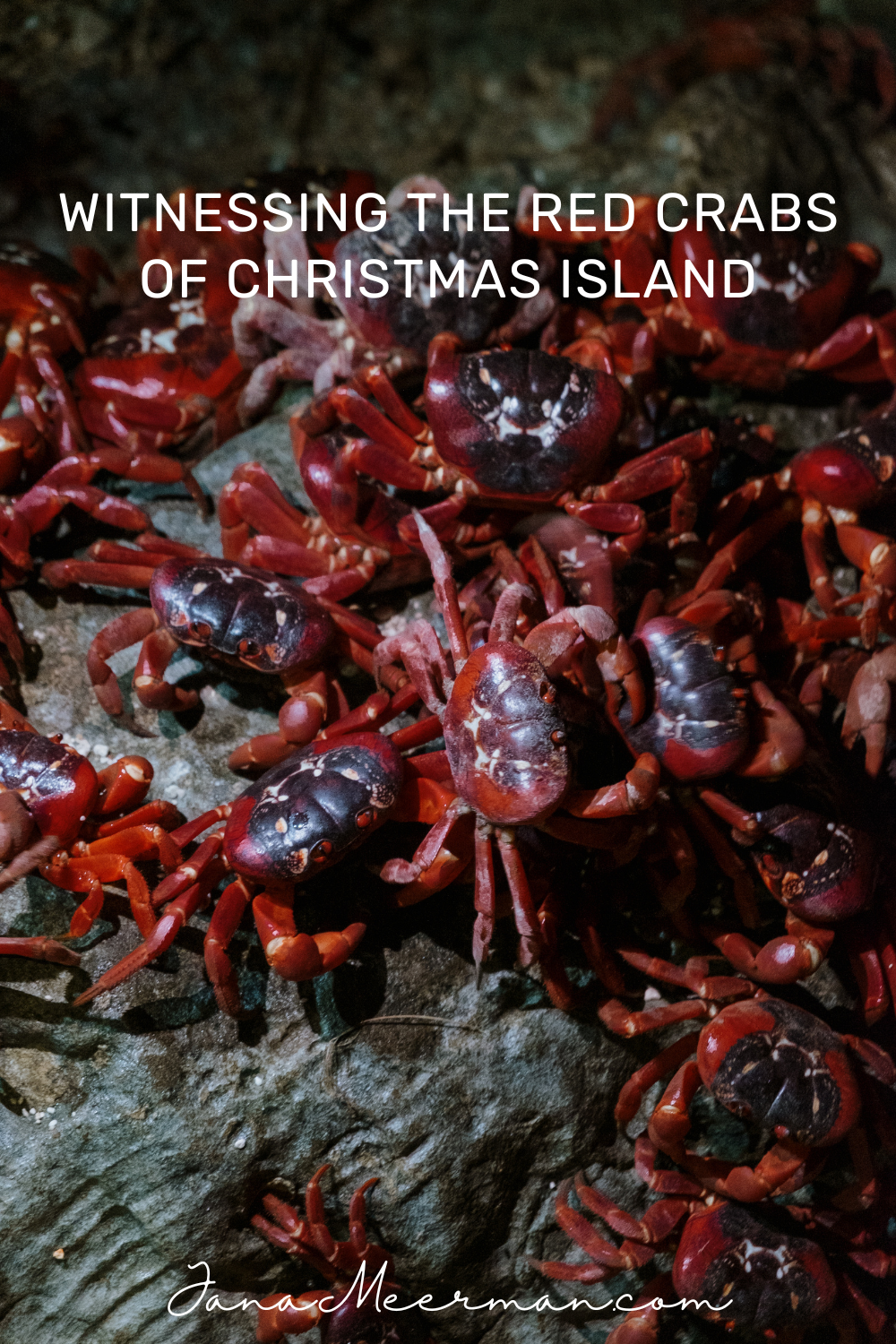
Christmas Island is the only place on Earth you'll find the famous bright red crabs. Official counts place the number at around 120 million, but locals estimate it to be at least double that. These hundreds of millions of red crabs live on this tiny island territory of Australia in the middle of the Indian Ocean, which is actually closer to Indonesia.
The red crabs made their way onto the world stage mostly thanks to David Attenborough's notable documentary from his visit in 1988, calling it one of his "all-time greatest television moments."
→ I recreated some scenes of his documentary during our visit to Christmas Island!
Once a year, the red crabs embark on their migration, making their way from their jungle homes down to the coastline to mate and spawn. They cannot swim, being land crabs, but it is in the ocean where their eggs are hatched and their baby crabs spend their first weeks developing.
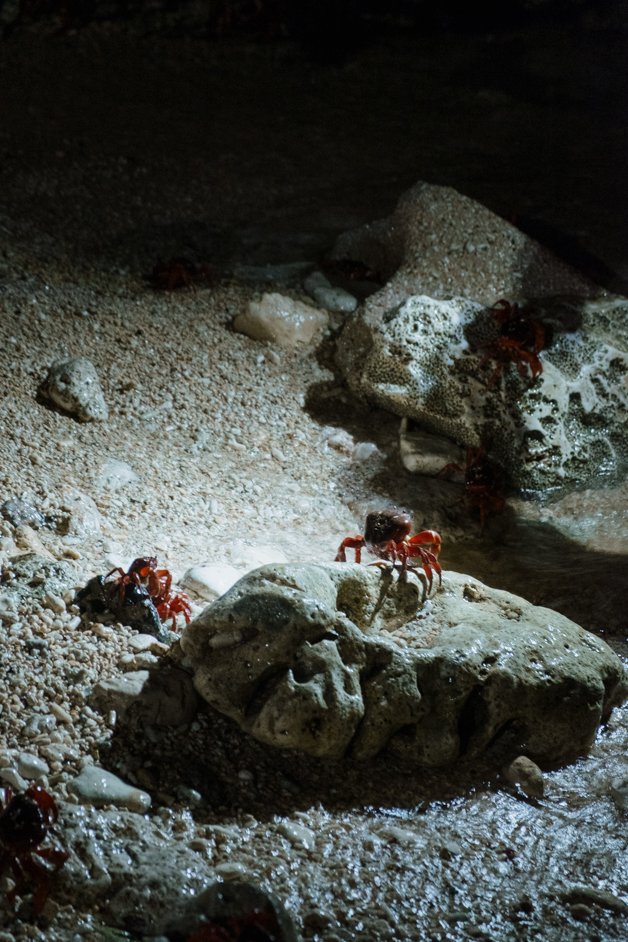
Waiting to give birth
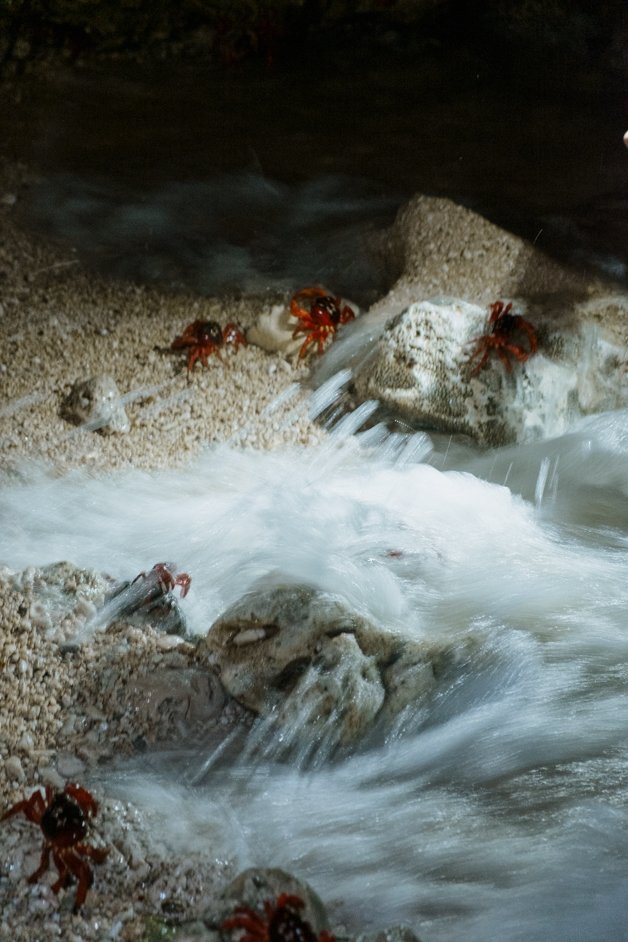
and trying not to drown!
About a month after the spawning date, those who survive the ocean's predators crawl back on land and into the jungle for another year. It's considered one of Earth's most incredible natural phenomenons. The BBC once wrote:
...most spectacular of all are the swarming hoards of red crabs which scuttle to the coast to spawn, generating one of the most awesome events in the animal kingdom.
The migration begins about a month before the spawning date, anywhere from October to January each year. It's determined entirely by the moon; the spawning occurs just before dawn on a receding high-tide during the last lunar quarter. Truly, as the BCC wrote, spectacular.
The Christmas Island tourism office describes the red crab migration as their:
biggest tourist attraction, drawing nature-lovers from all over the world.
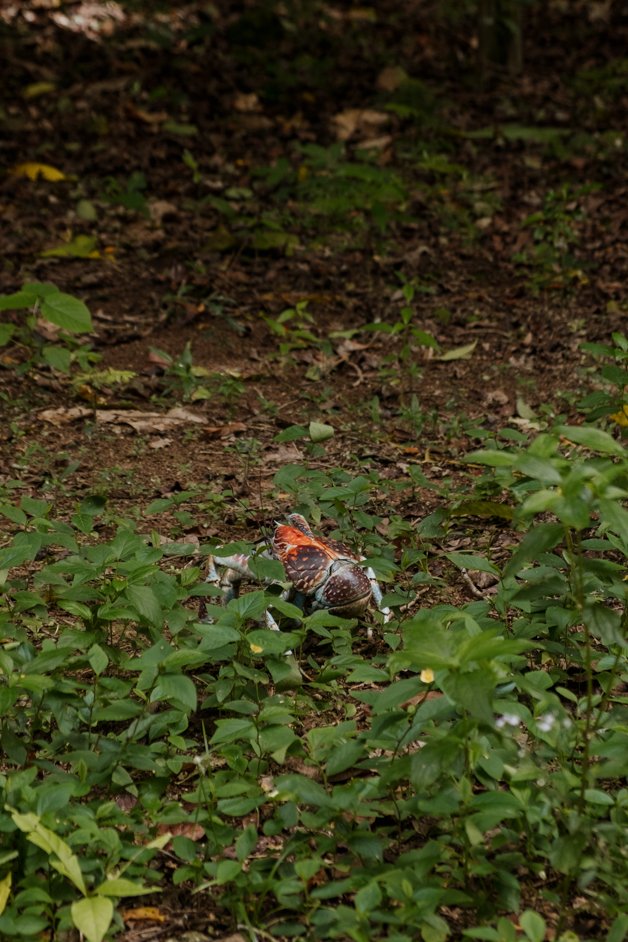
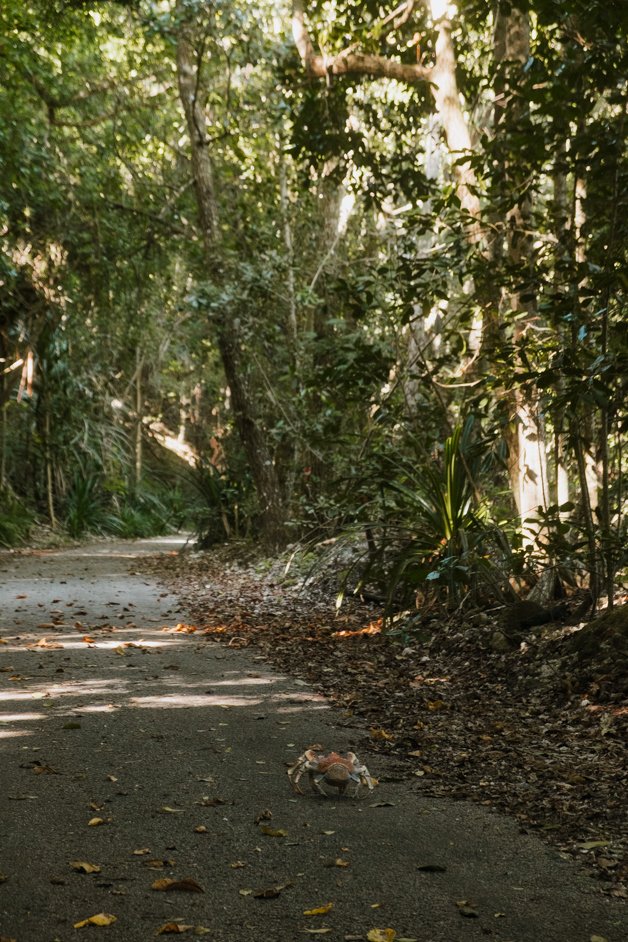
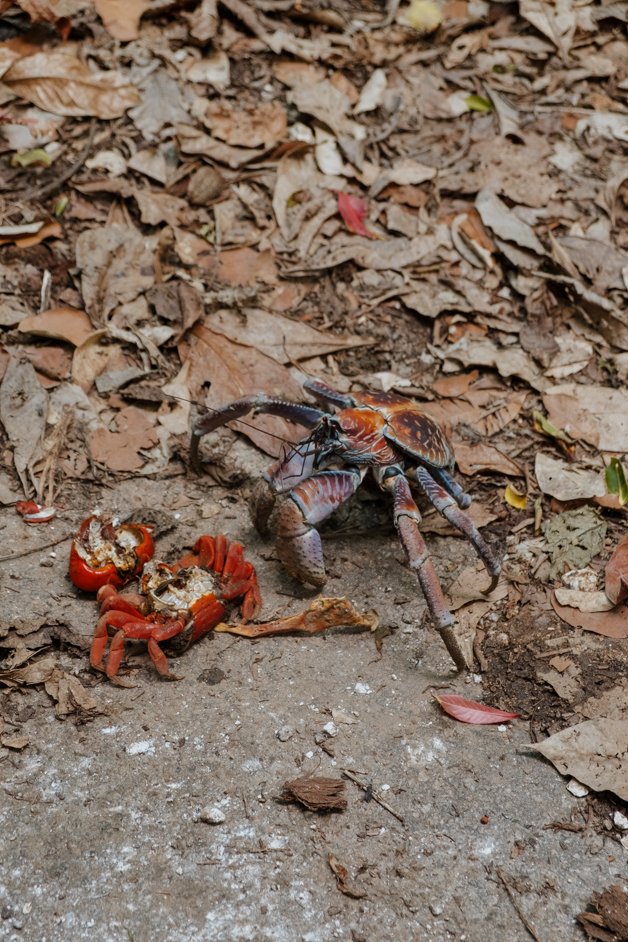
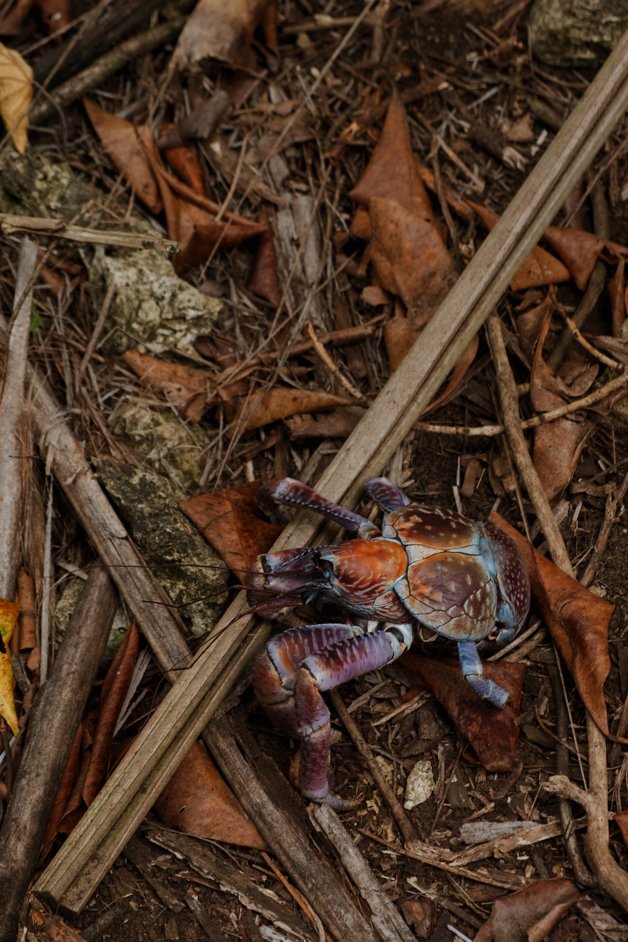
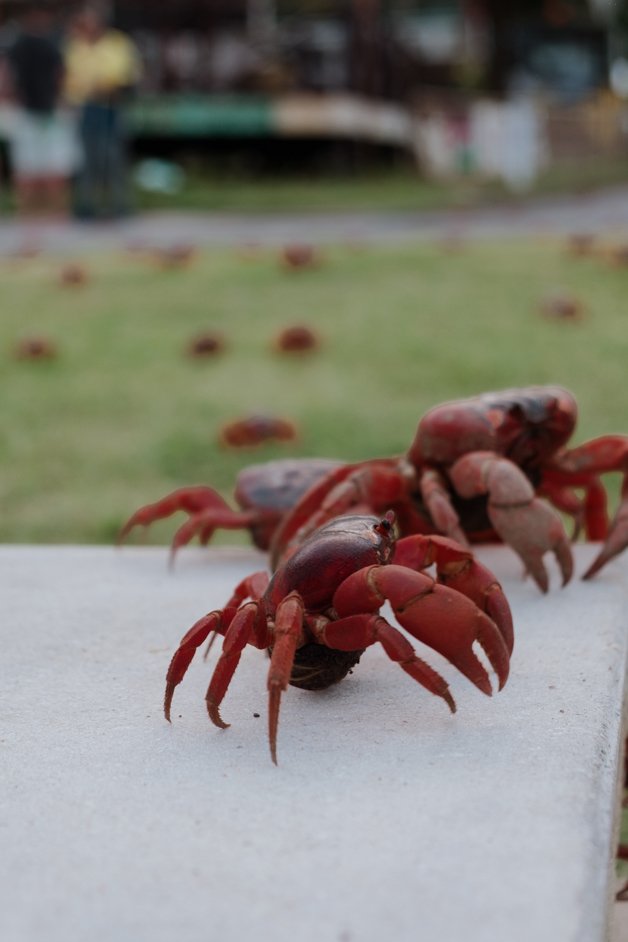
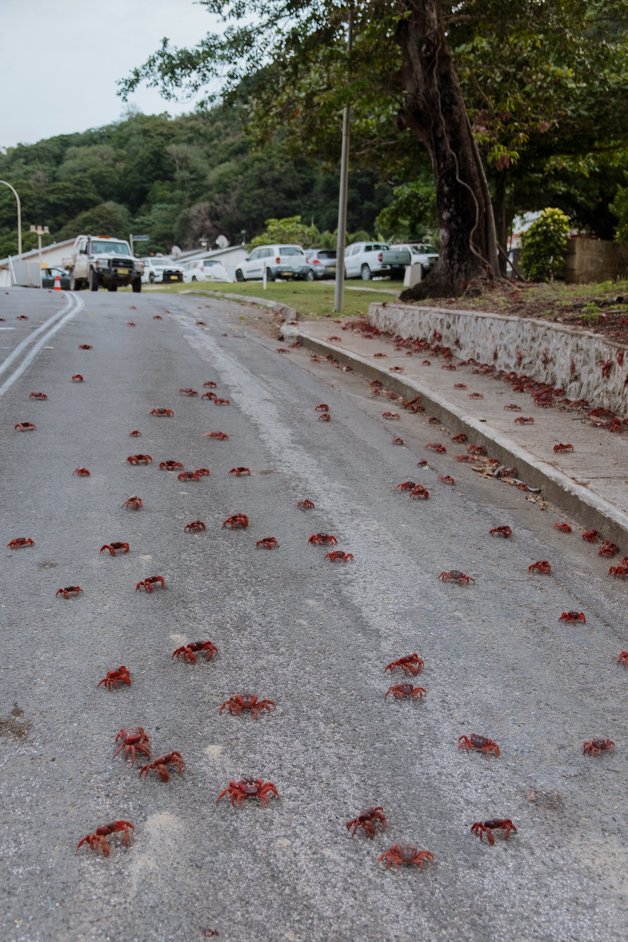
It truly is one of the most incredible wildlife moments I've ever witnessed. Within moments of pulling out of the island's tiny airport parking lot in our rental car, we spotted our first red crab and just moments after that as we continued to drive the unpaved roads across the island, our count was in the thousands. Red crabs scuttling across the road, desperately trying to avoid being squished as they made their way to the coast for spawning.
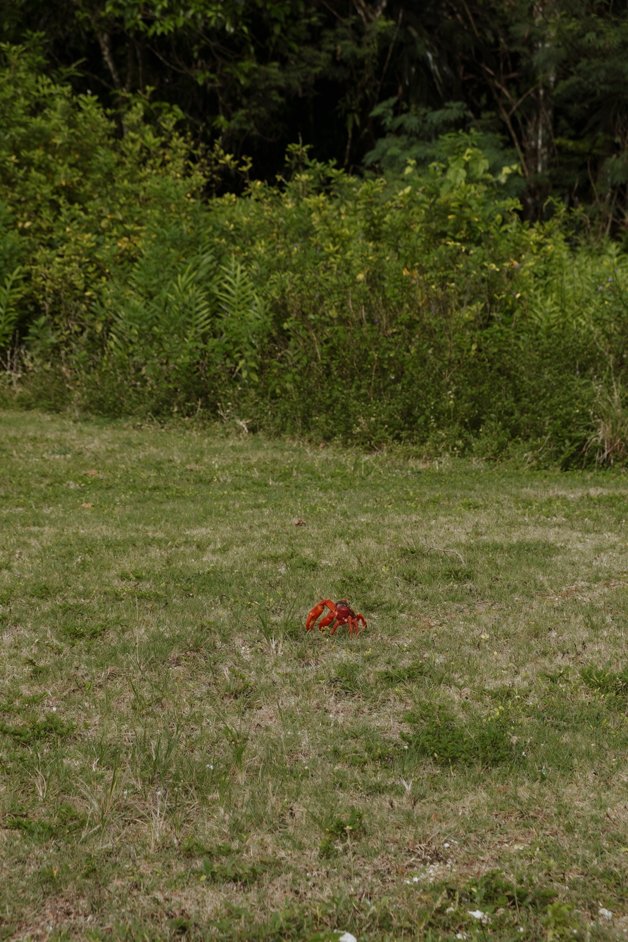
Our first red crab!
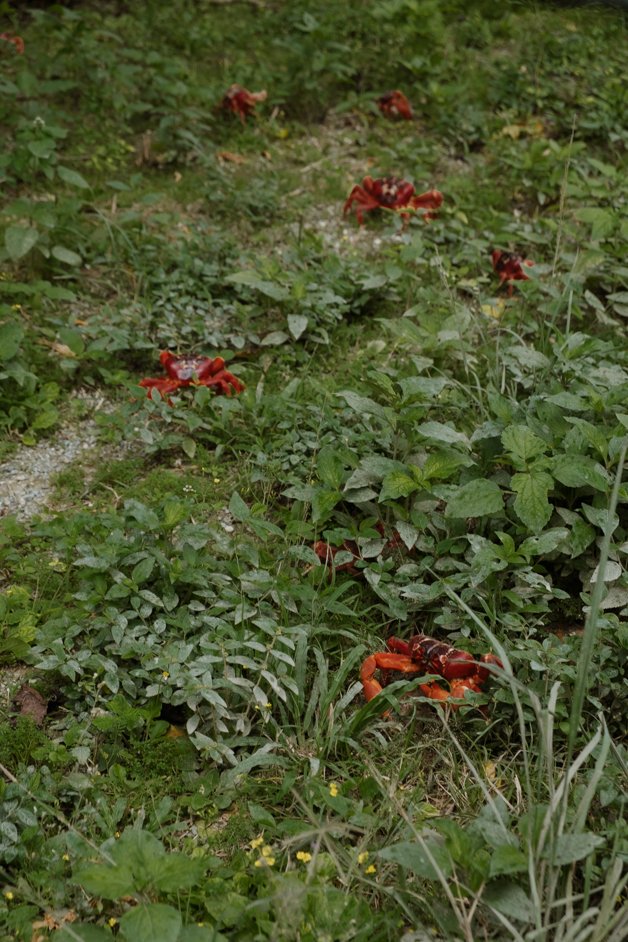
And then many more!
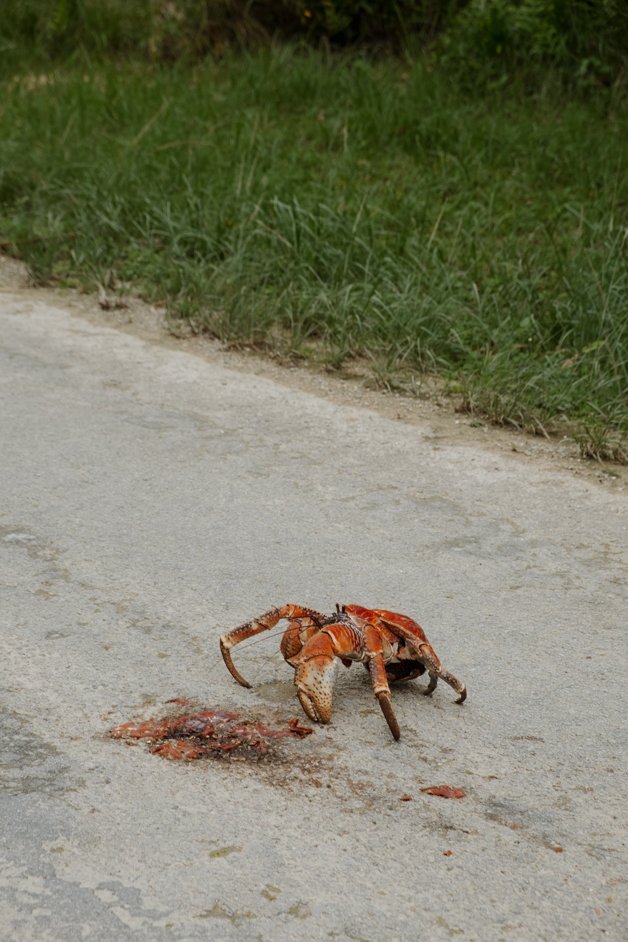
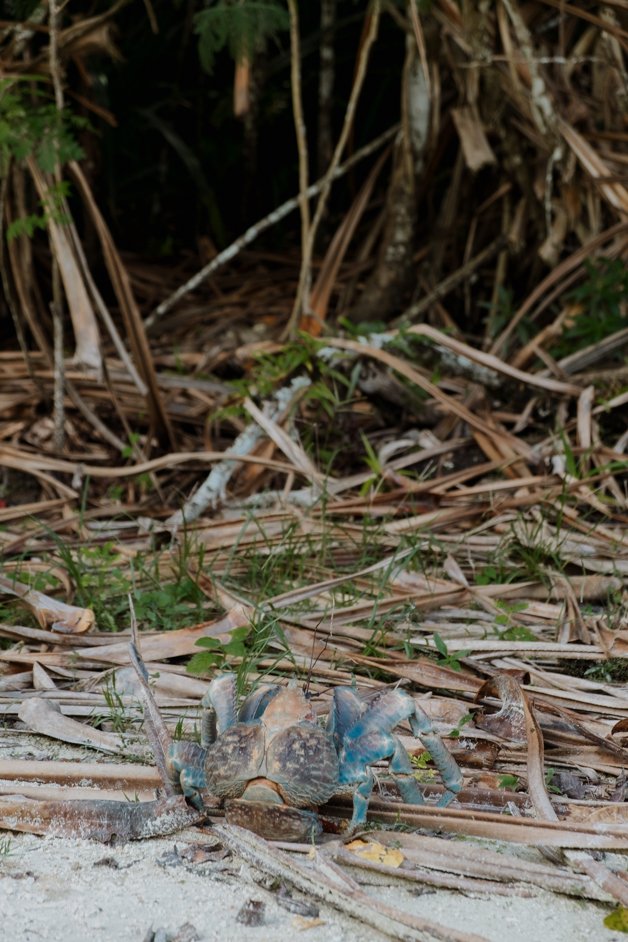
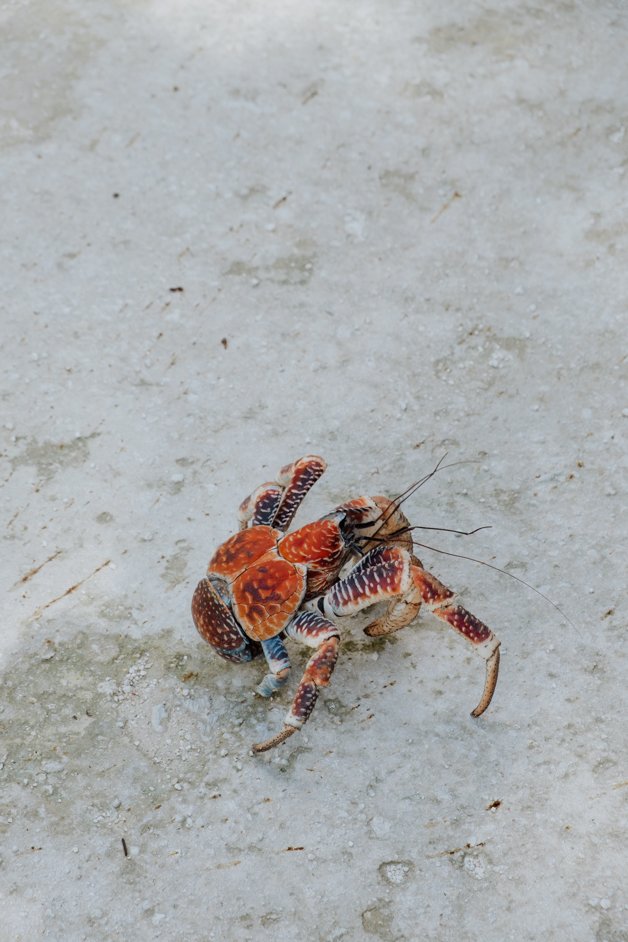
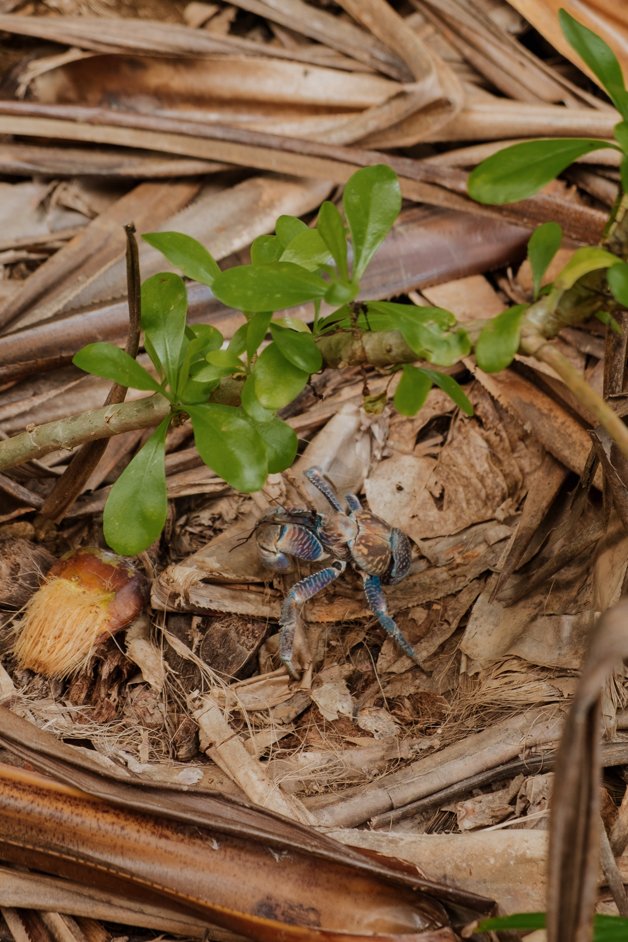
Pulled together from various sources, including Attenborough and Christmas Island tourism, here is my brief summary of how the red crab migration process plays out:
Approximately a month before the spawning, the male red crabs leave their jungle nests and make their way across the island down to the coastline to dig burrows before their mating partners arrive.
Two weeks after that, the females will follow the males down and mate in the burrows. Once the breeding act is complete, the men head back home to the jungles.
It is during this month that many roads close across the island as the millions of red crabs that call this island home embark on their annual migration to the ocean.
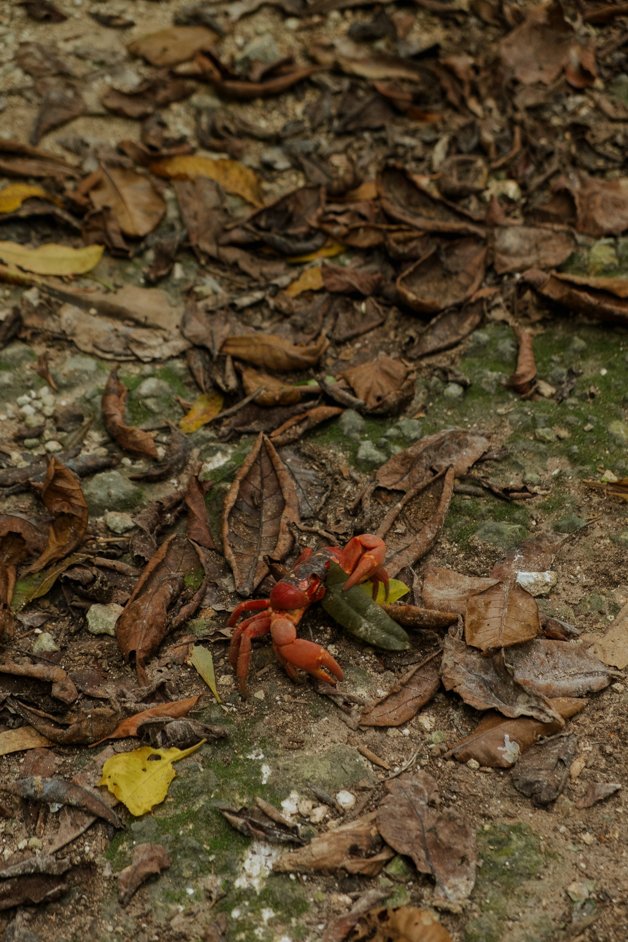
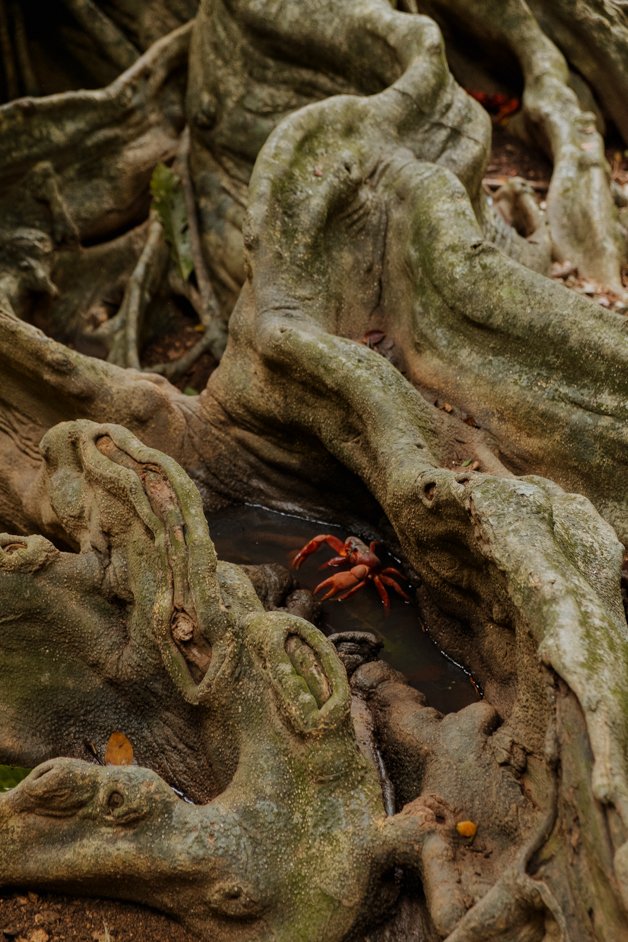
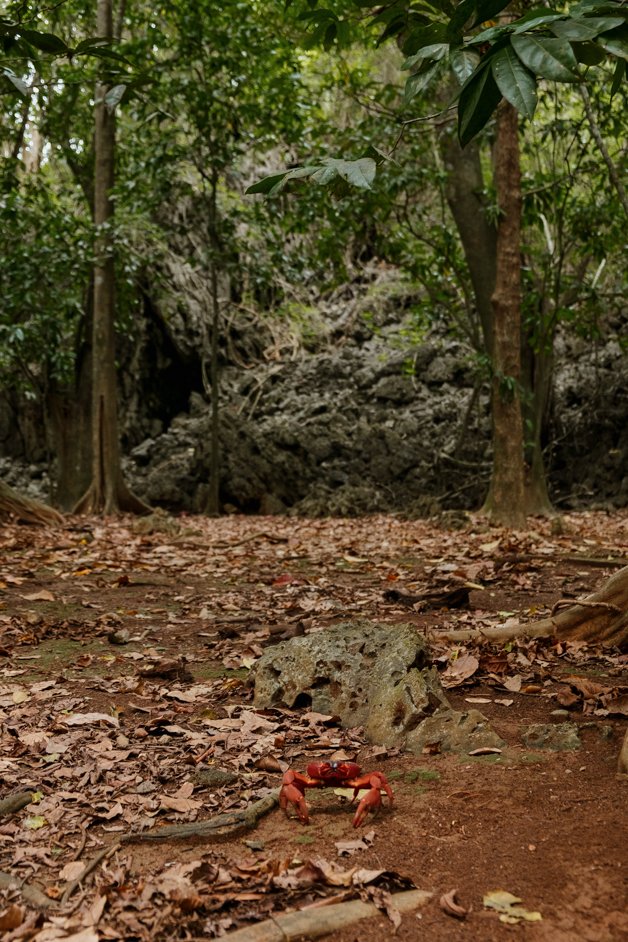
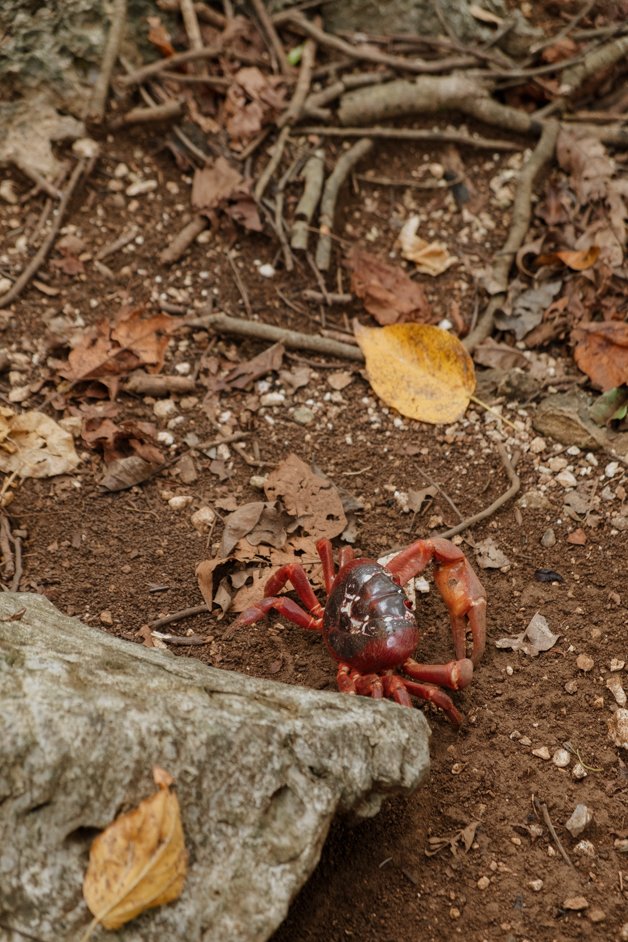
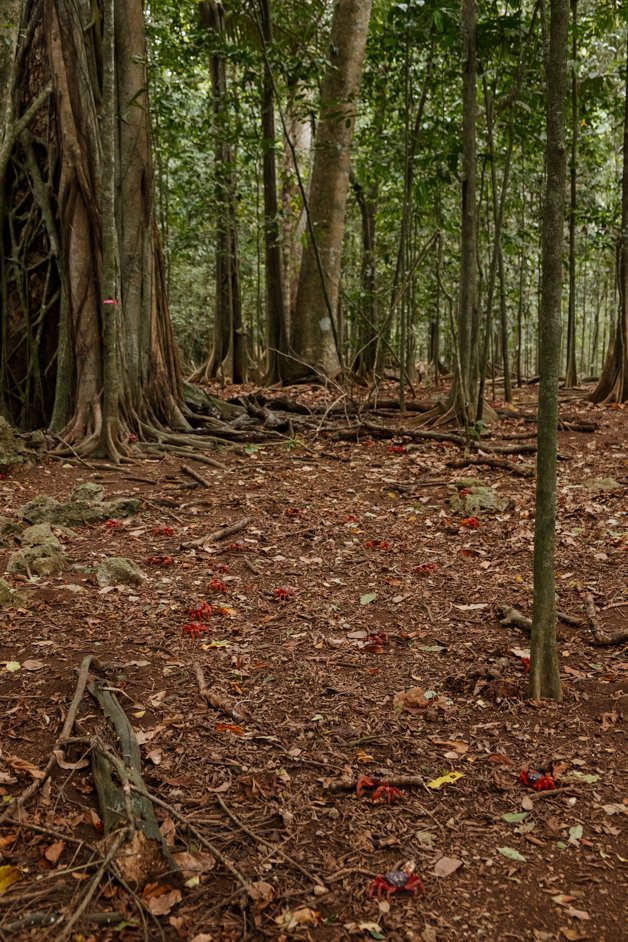
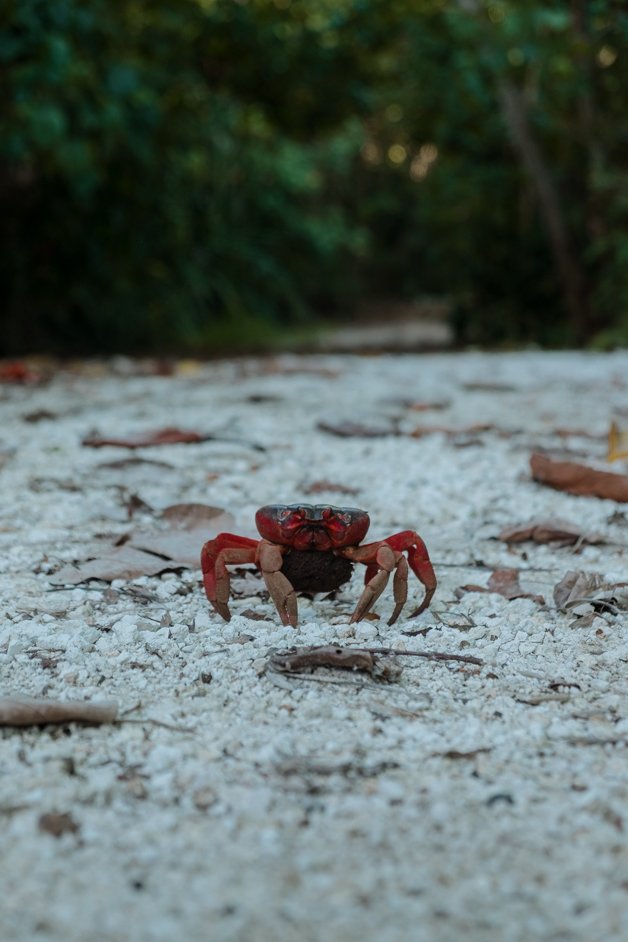
A female on her way to the beach (the brown mass hanging under body is her 100,000 eggs)
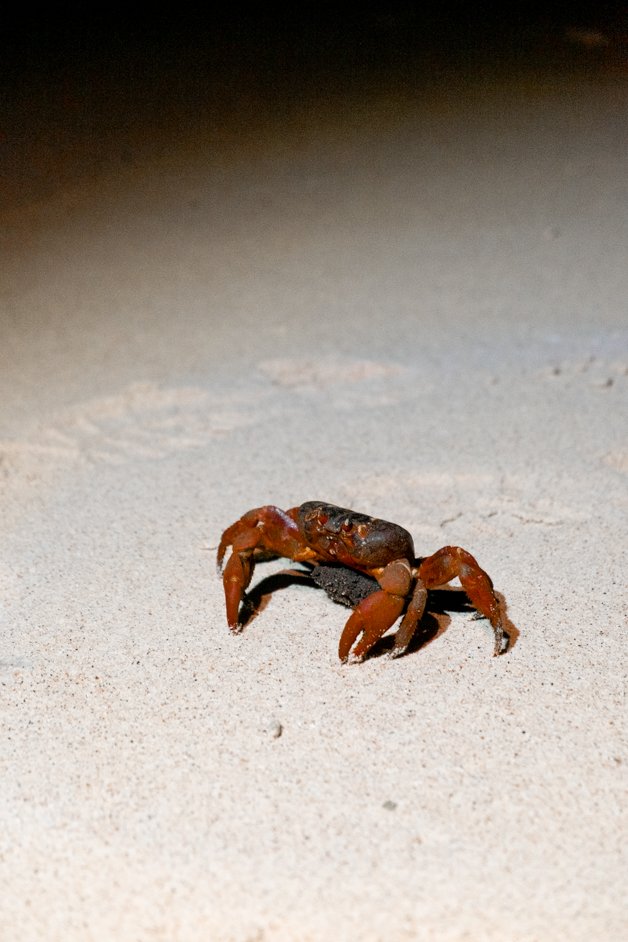
A female at the beach with her eggs
On the night of spawning, when the moon is in its third quarter in November, just before dawn, the females - who, as you now know, cannot swim - will make their way into the ocean and release up to 100,000 eggs each into the receding high tide.
→ This is what it looks like when a female red crab releases her eggs into the tide!
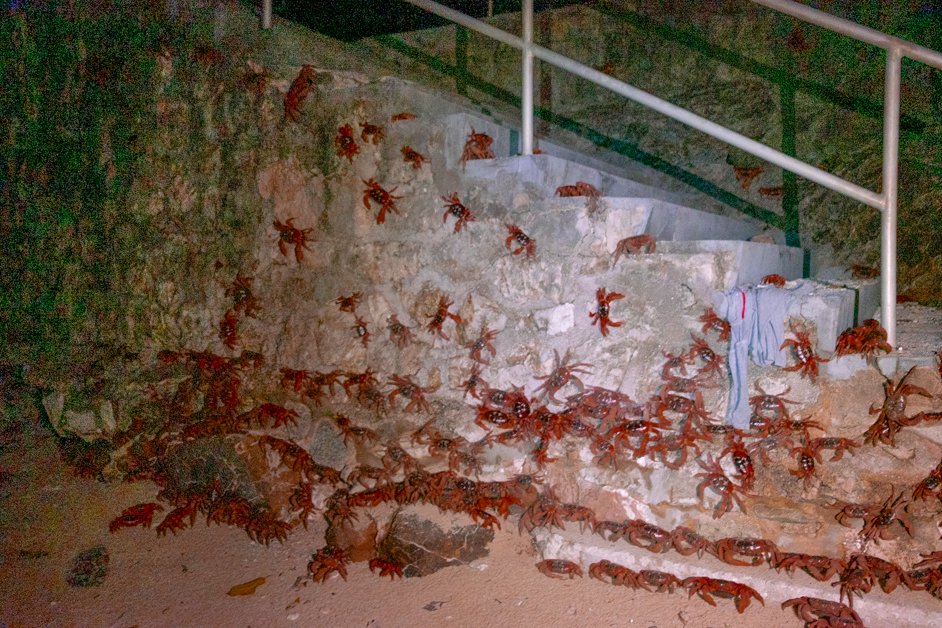
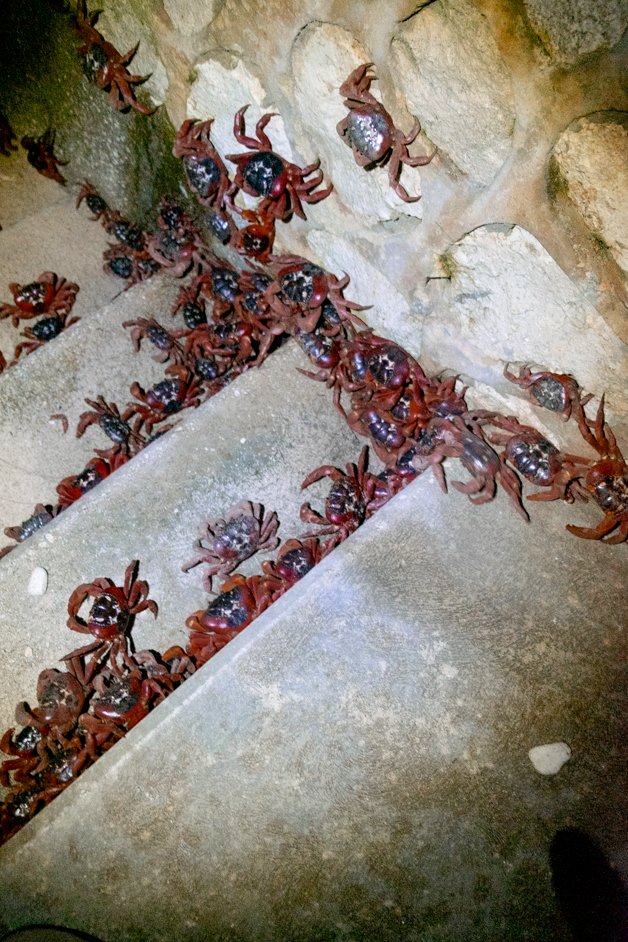
Red crabs will climb down anything to get to the beach!
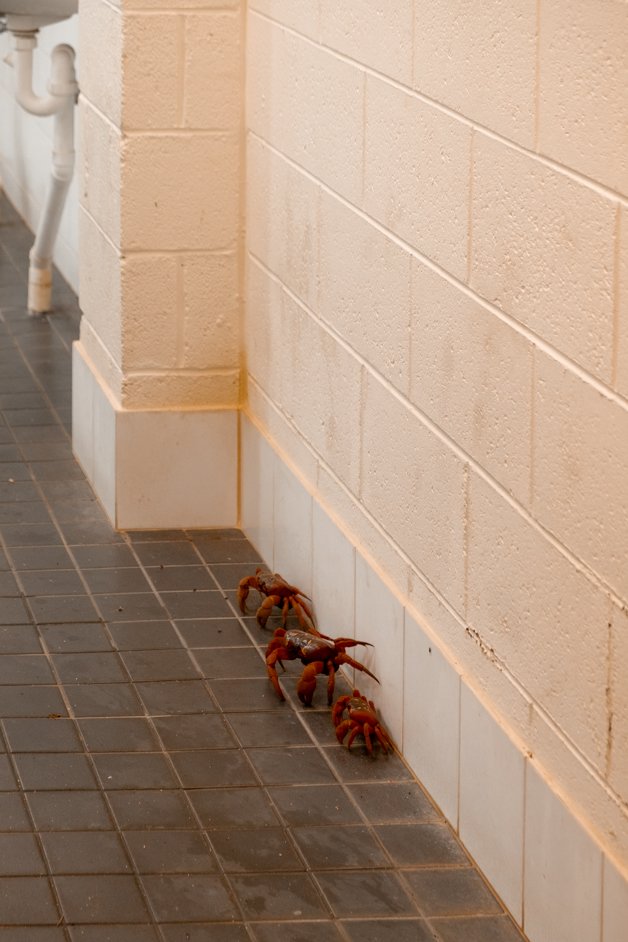
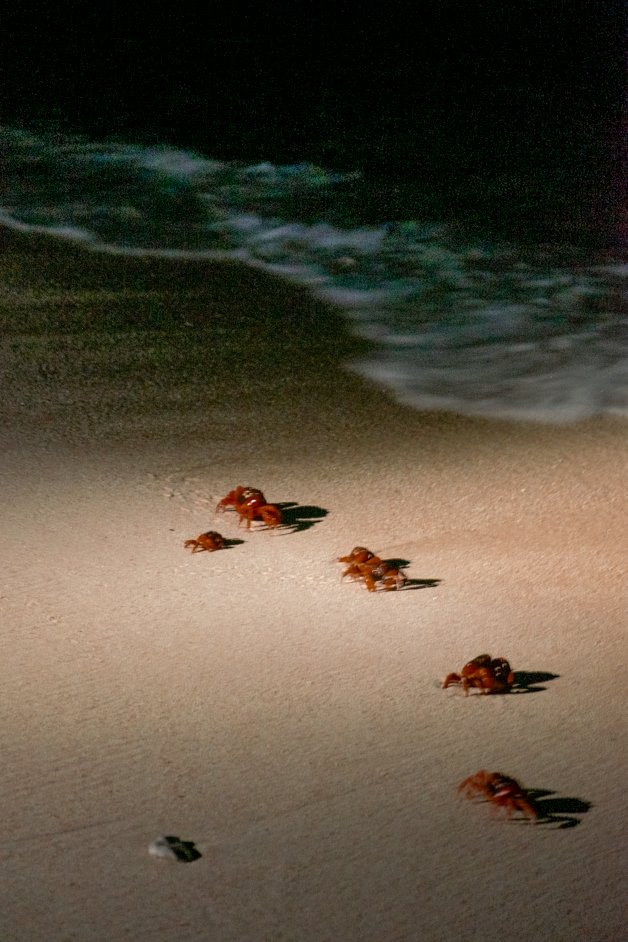
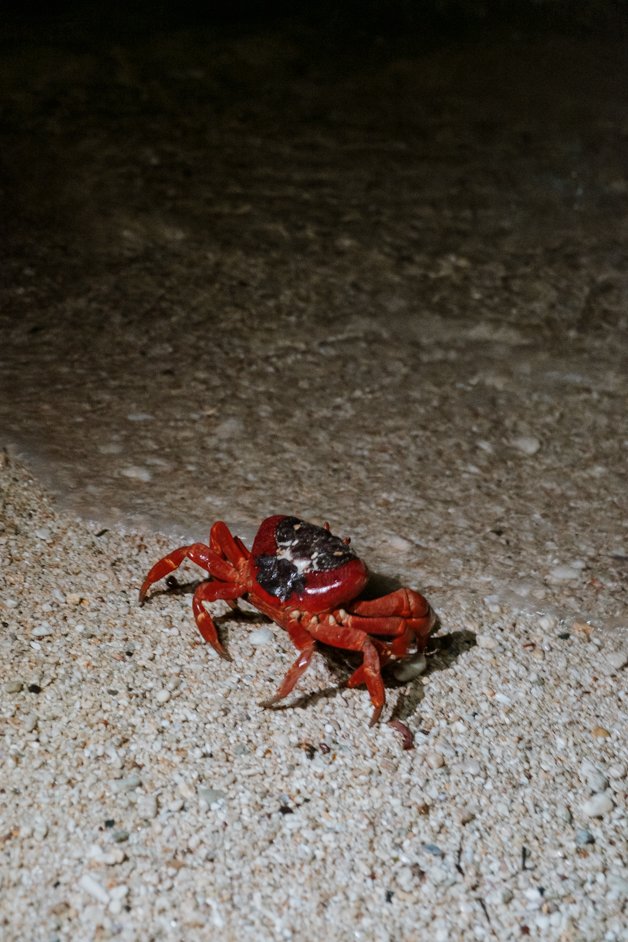
Heading to the edge of the high tide to give birth
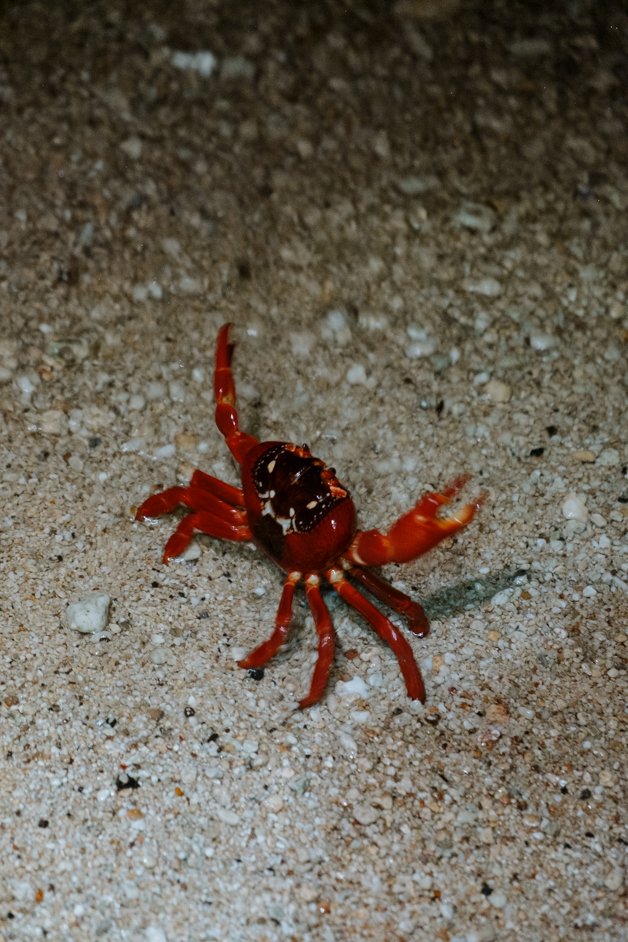
A female shakes off her eggs into the ocean!
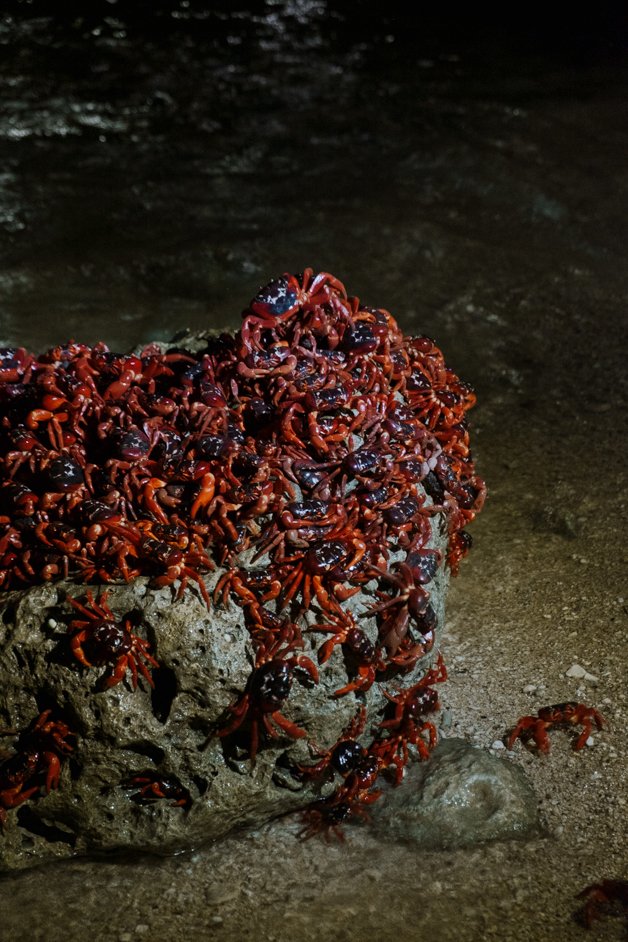
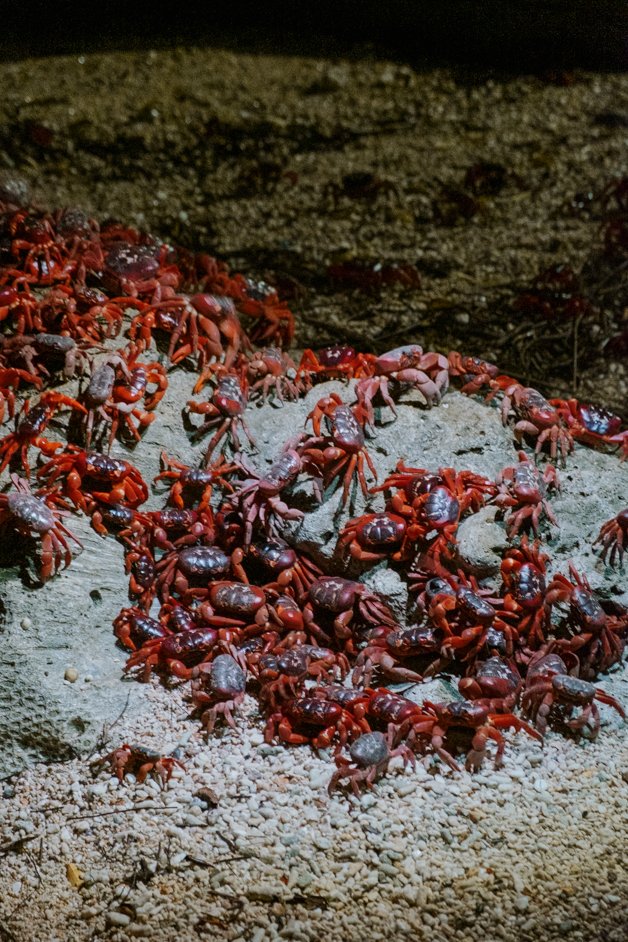
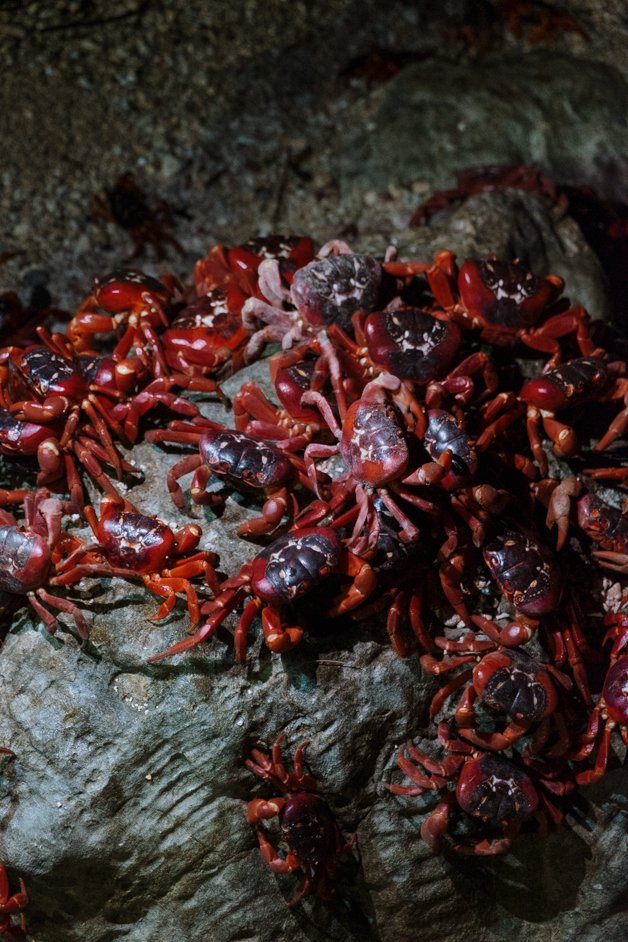
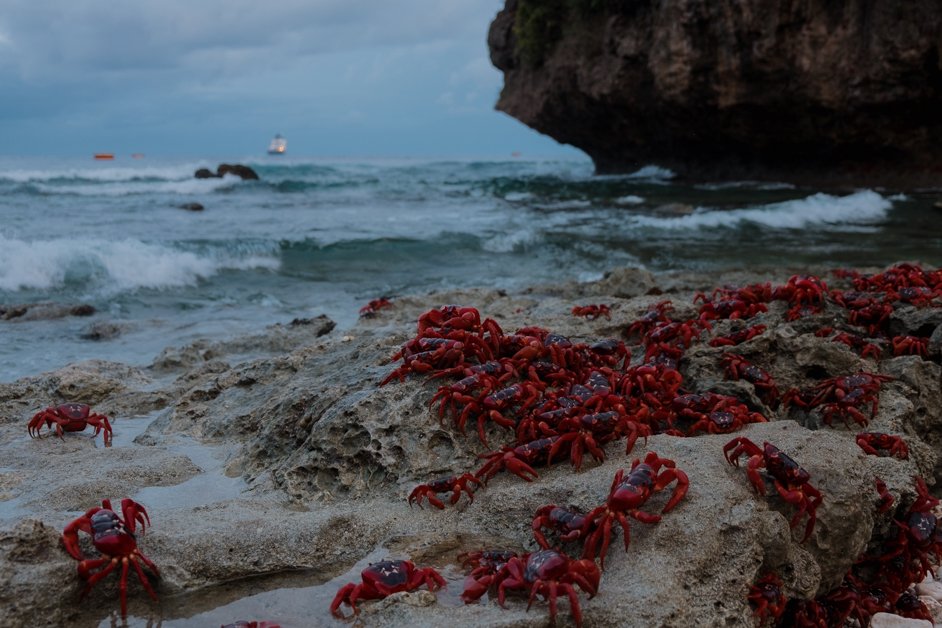
Dawn break, the spawning ends, and they start to head back to the jungle
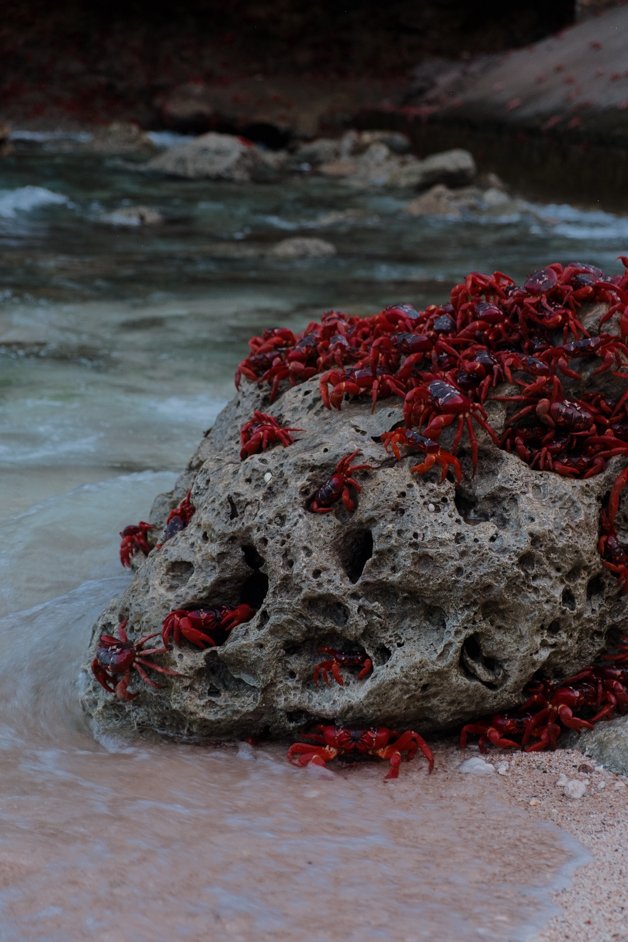
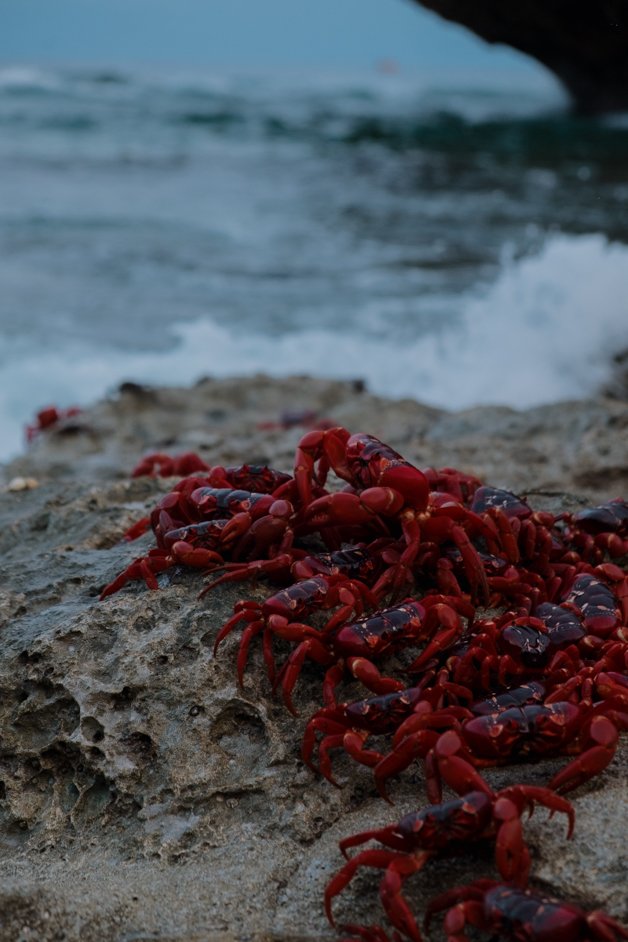
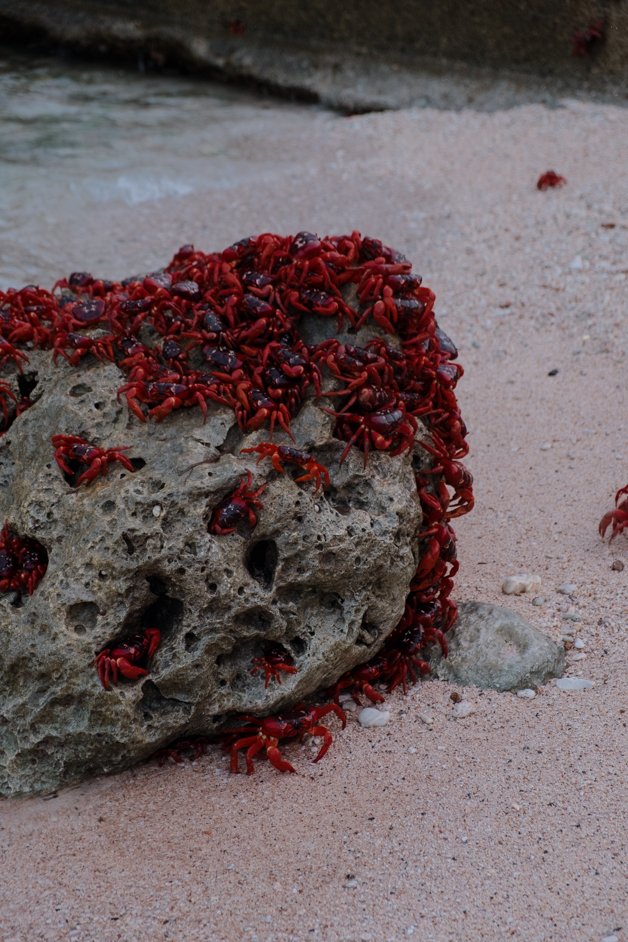
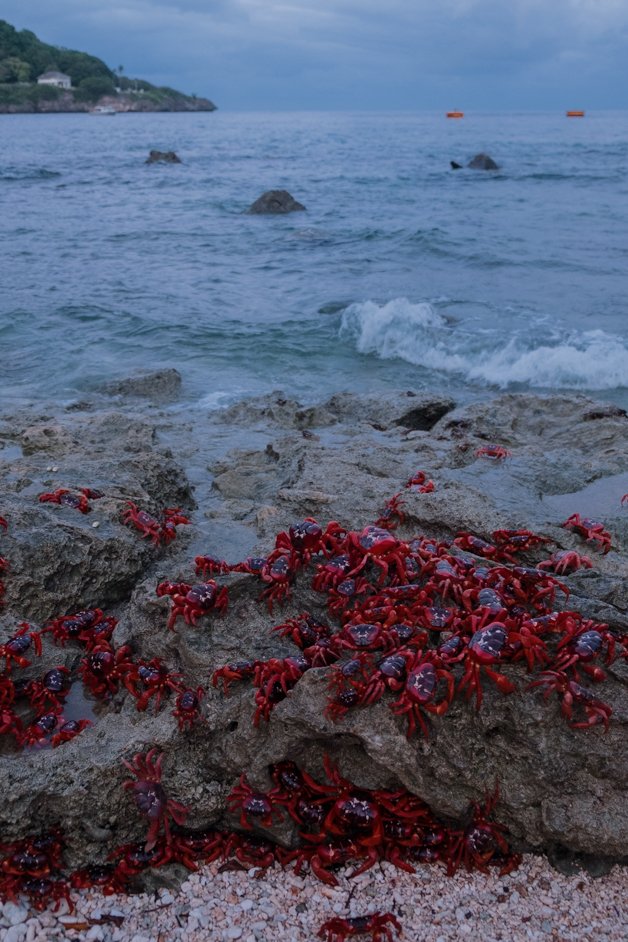
Once they've released their eggs, they will return to their jungle homes, leaving the larvae to fend for themselves.
→ This is what it looks like the morning after as the females head back to the jungle!
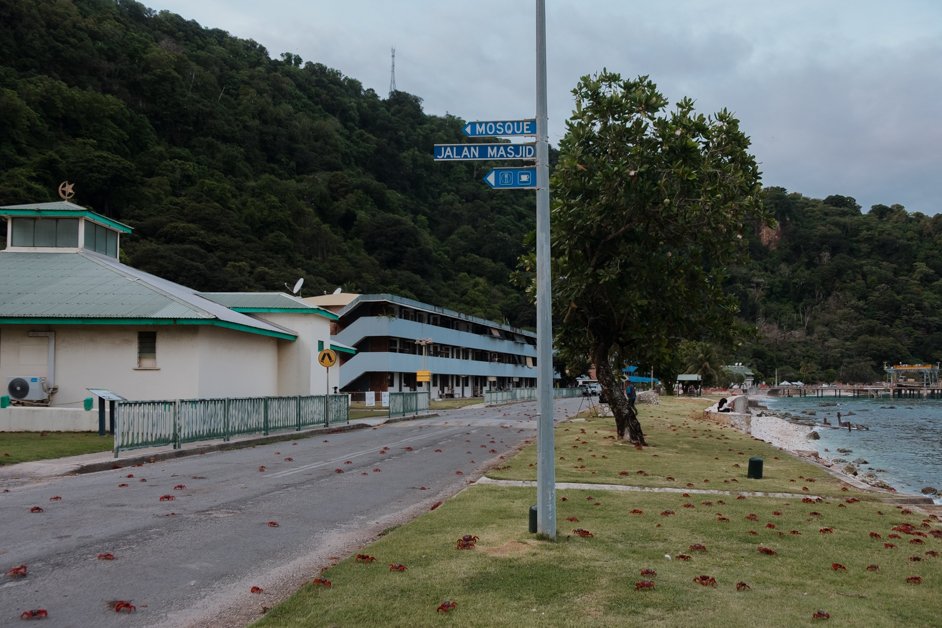
The morning after
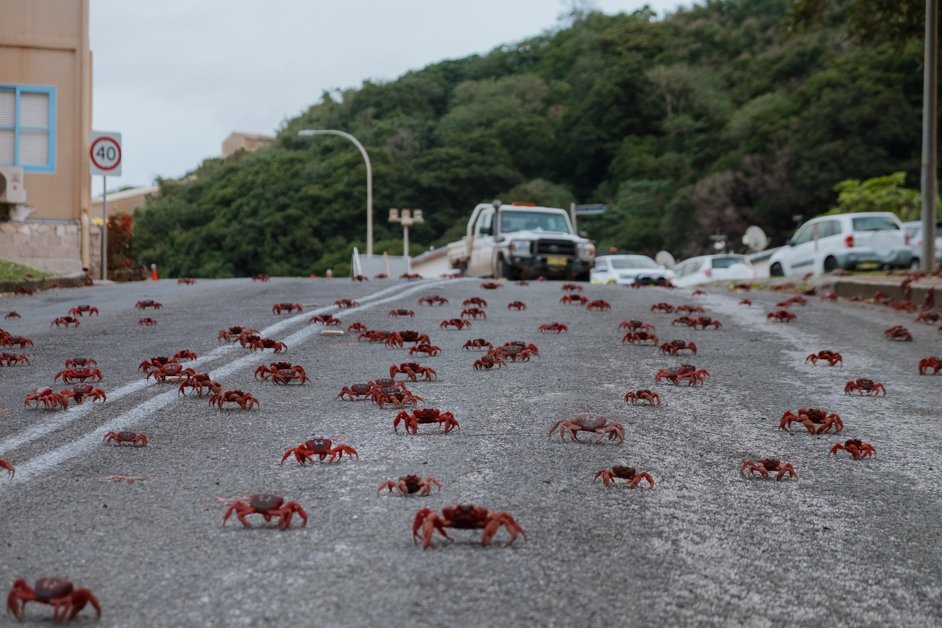
The females returning to the jungle
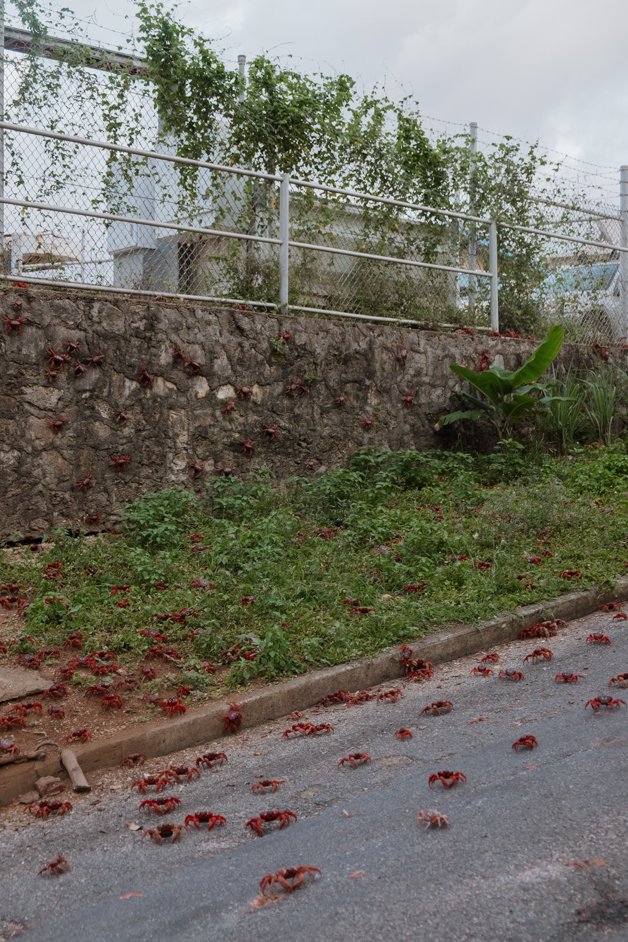
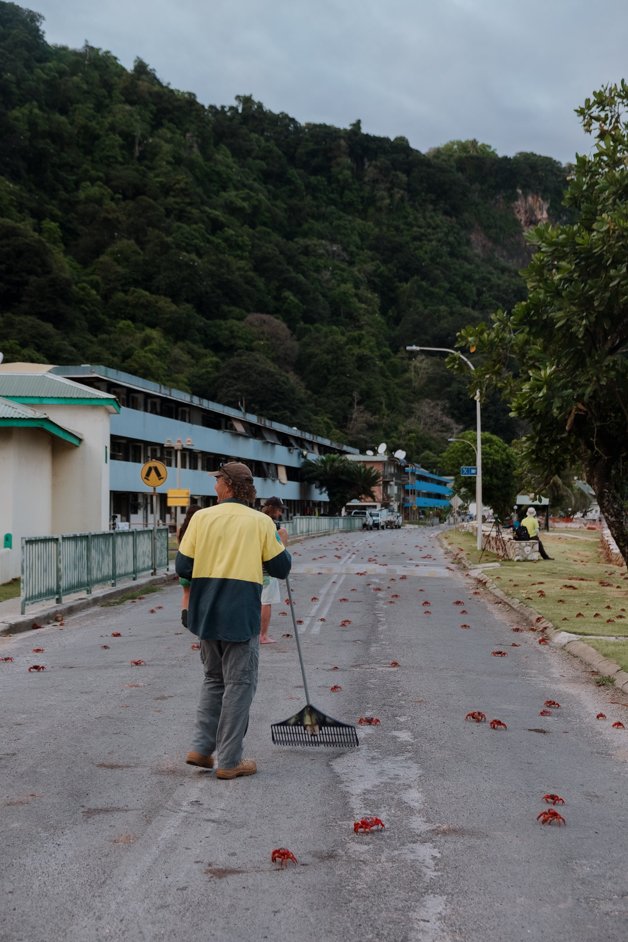
Using a rake to clear the roads
The babies that make it will spend about three weeks developing from larvae into crabs and then they, too, will head back into the jungle. Unfortunately, most babies never make it; the ocean's predators have naturally discovered this annual feast dumped into the ocean for them. Having said that, given that millions of female crabs will lay 100,000 eggs each, even if a small percentage survive, it's plenty.
Babies develop in the jungle for about three years before they join in the migration and spawning process.
The entire migration process therefore takes about two months. You can plan your visit for any moment of the migration - perhaps you want to see the males heading down to the coast; this is when you can get the best photos of the island roads full of red crabs. We visited for the night of the spawning in mid-November to watch the females give birth in the ocean. A couple of weeks later is also special when the island is full of tiny red baby crabs heading back up to the jungle.
We booked our trip about four months in advance. As accommodation spaces are limited and flights only run twice per week from Perth, you do need to plan ahead for a trip to Christmas Island.
The Christmas Island National Park rangers can calculate the expected spawning dates years in advance because the migration is determined by the phase of the moon. Female red crabs will release their eggs just before dawn on a receding high tide during the last quarter of the moon, usually in November. However, because the migration begins with the first rainfall of the wet season, it could occur in October, December or January.
→ Check the possible spawning dates for the red crabs on the Christmas Island website.
For 2025, the expected dates were 15-16 November. We went out on the beach on three nights: 13, 14 and 15 of November.
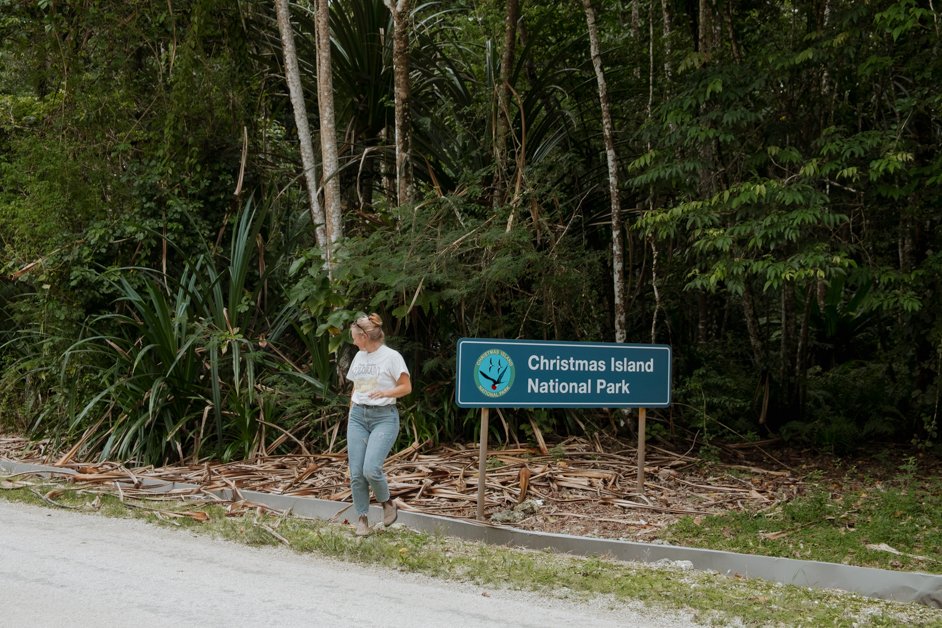
Christmas Island National Park
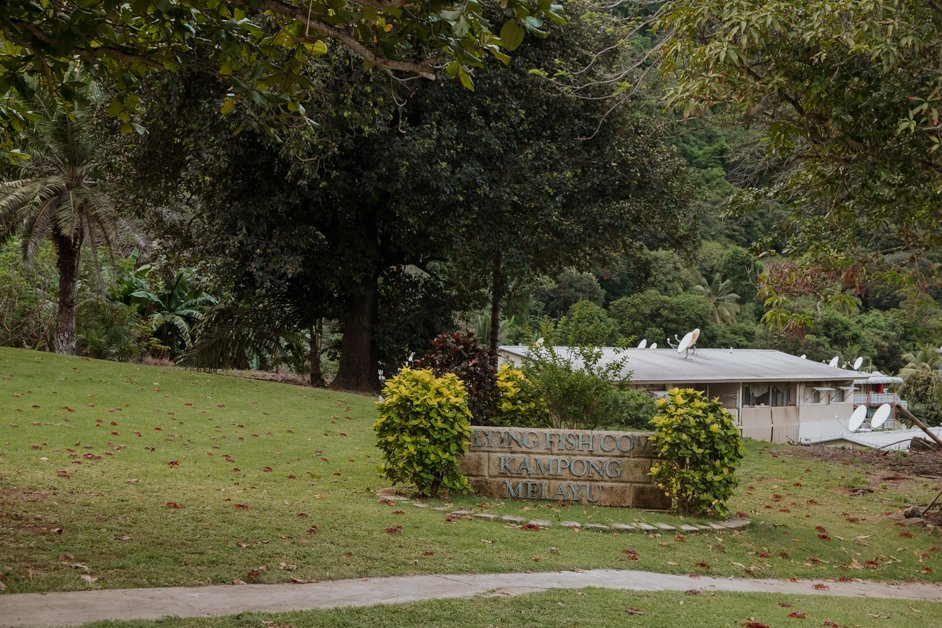
The main place to watch the red crab migration is at Flying Fish Cove in town but you can see crabs spawning at any beach on the island, they just need to be at the ocean.
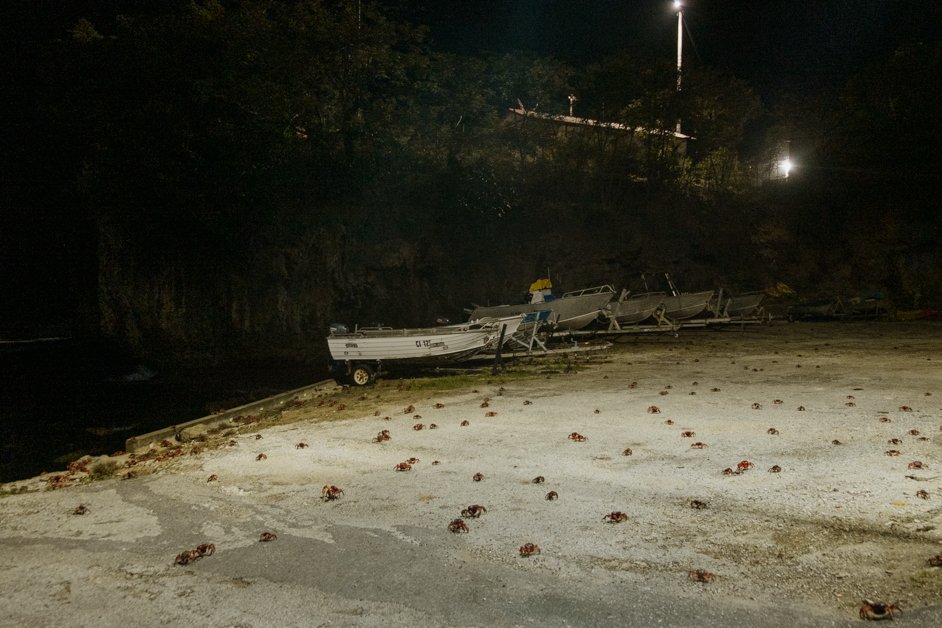
Female red crabs making their way to Flying Fish Cove
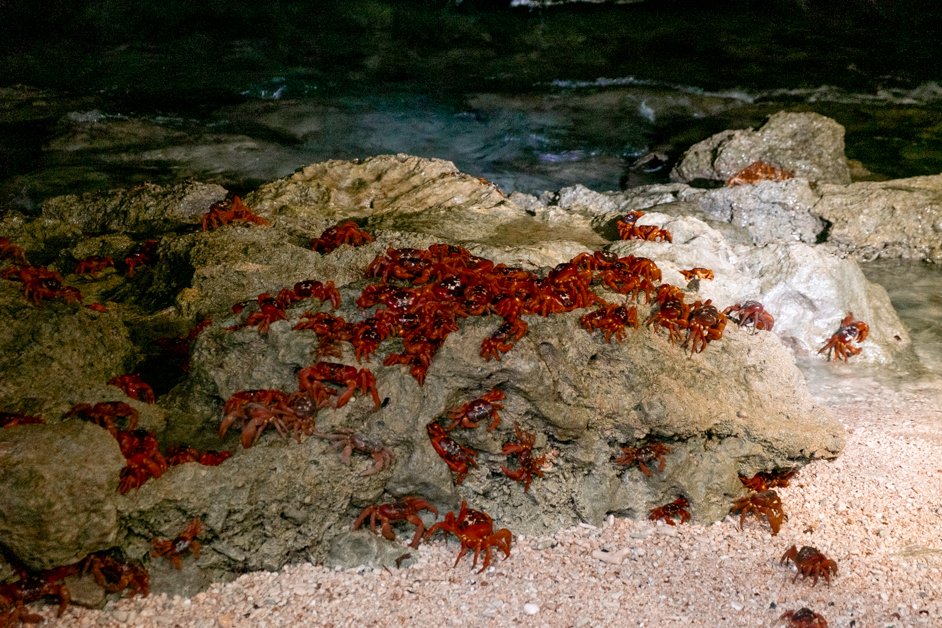
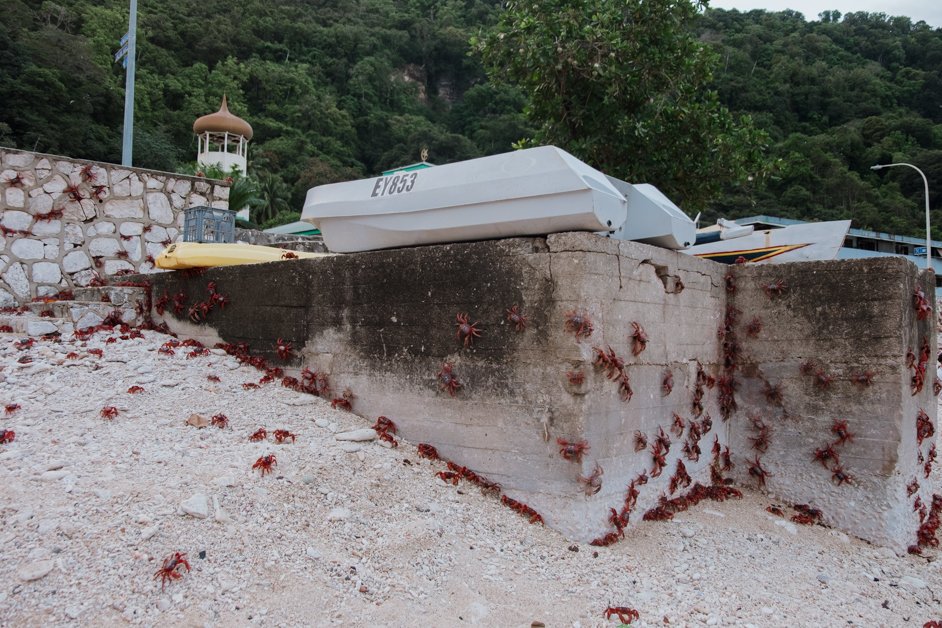
Dawn at Flying Fish Cove
Christmas Island is a rugged, raw wildlife experience. Here are things I recommend you bring to have a great red crab migration experience:
- proper waterproof boots in which to go hiking, protect your toes from the crabs and to stand on the beach during the spawning - we wear Blundstones and love them
- strong headlamps and flashlights for nighttime crab viewing
- thin, breathable clothing - even at night during the spawning, it's muggy as it is wet season when the migration occurs
- a camera that can take good nighttime photos, since that's when you'll see the most crab action
There are other things I would pack such as a snorkel and fins so you can enjoy other activities the island has to offer!
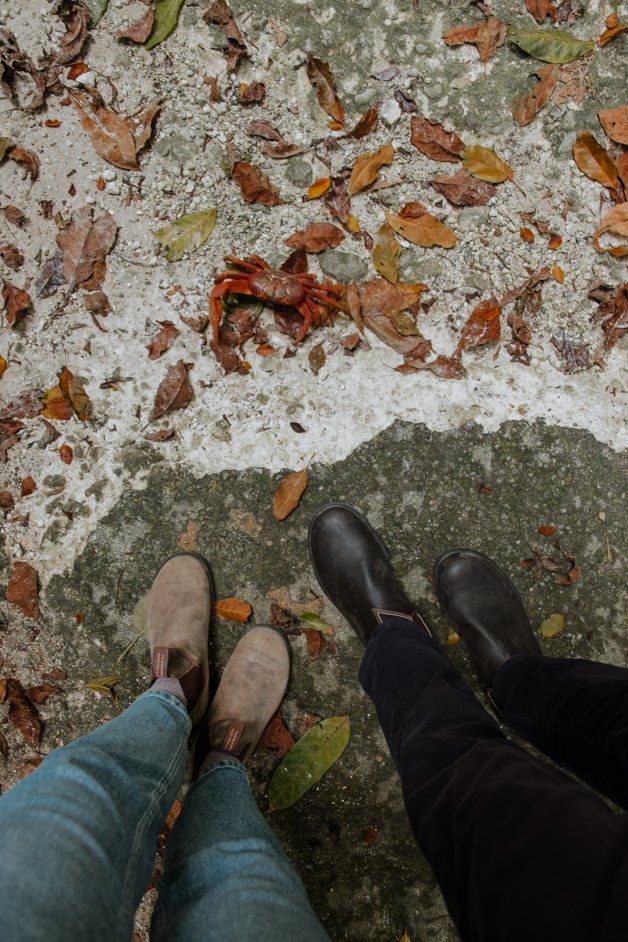
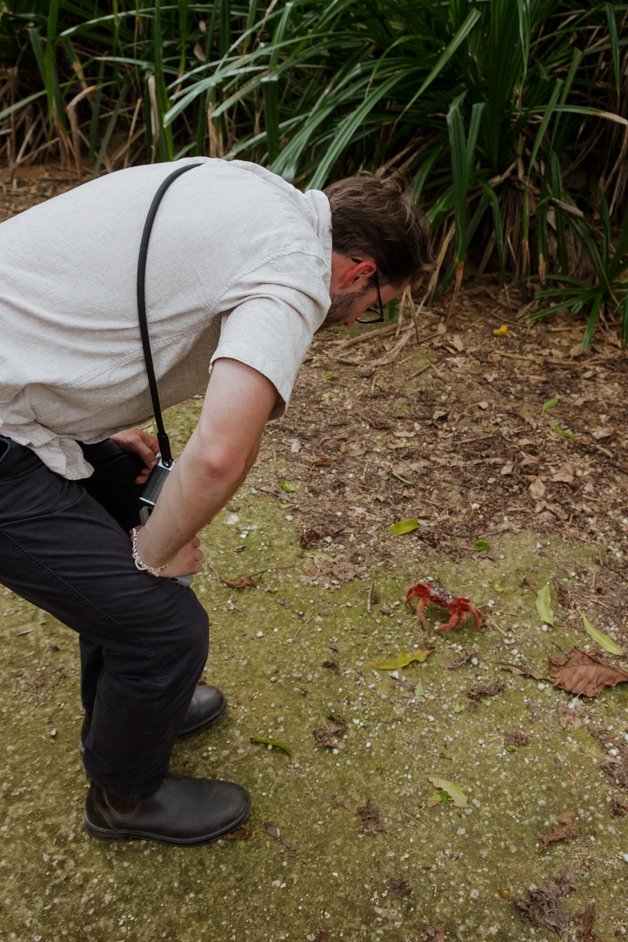
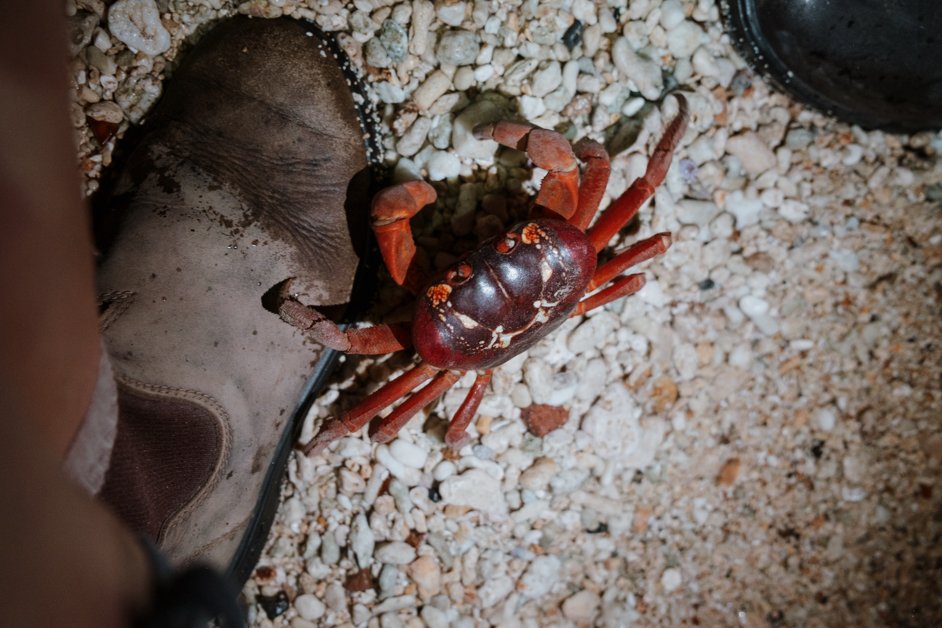
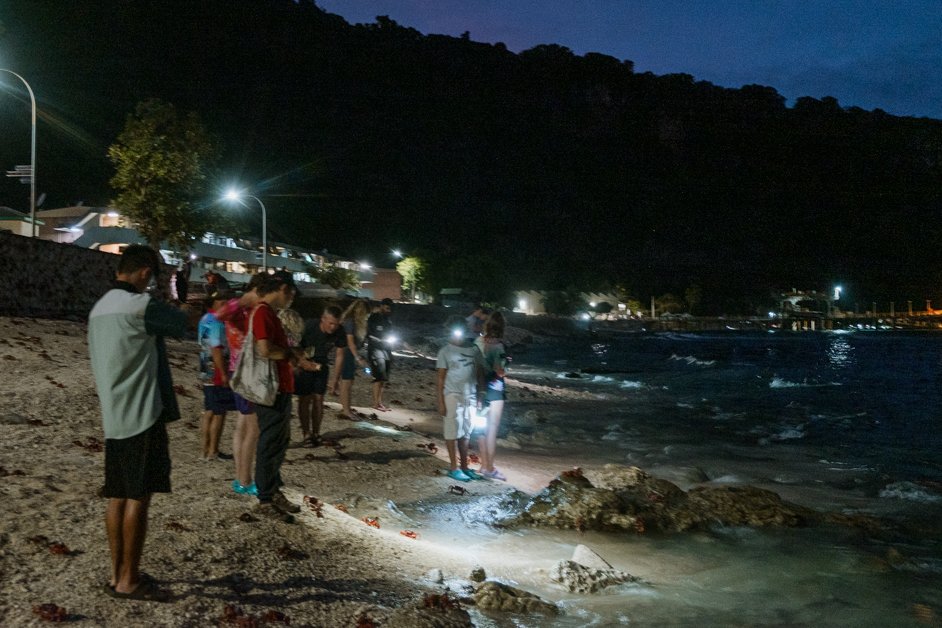
Using flashlights and headlamps to watch the red crabs
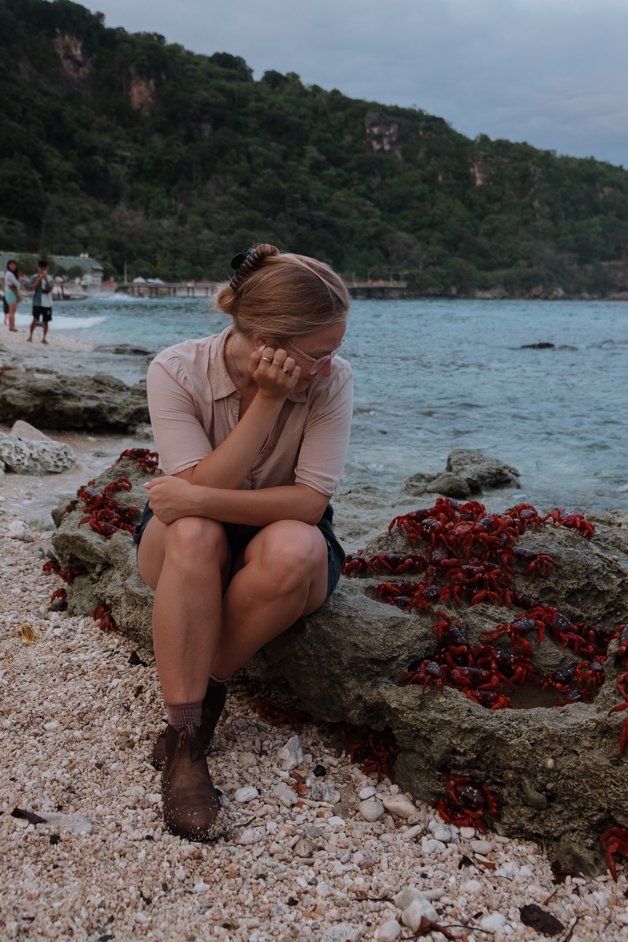
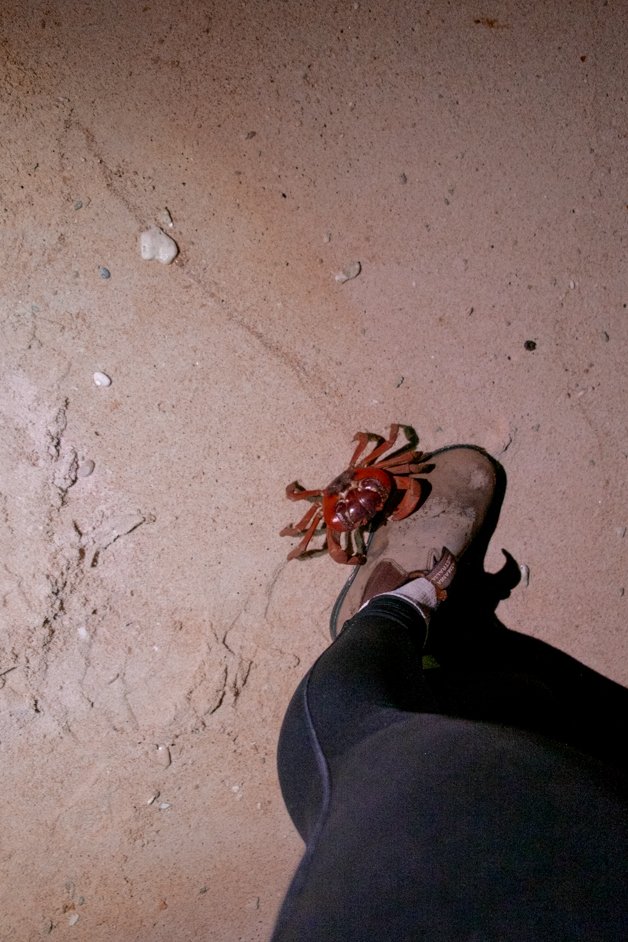
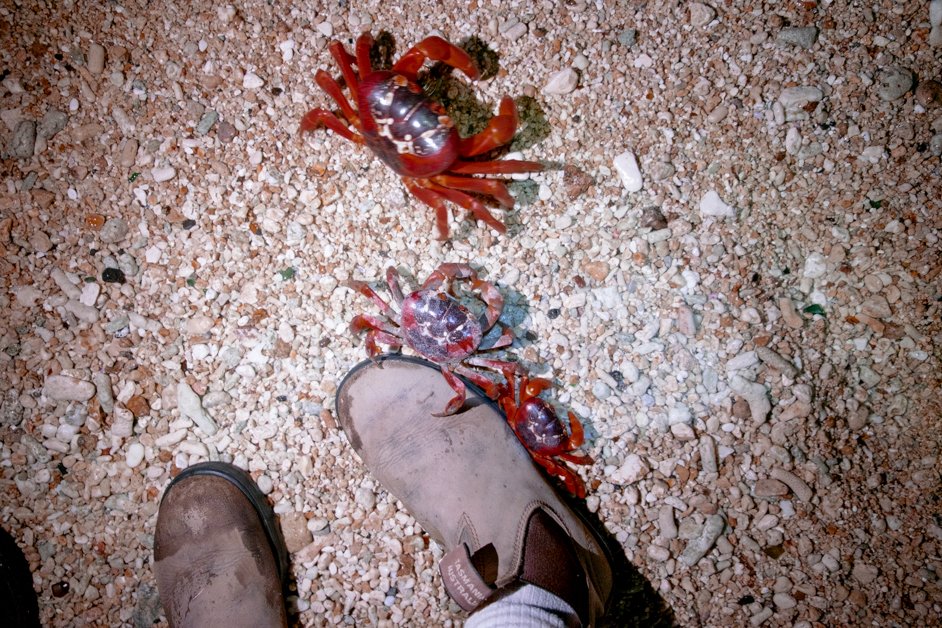
Considering the biological rarity that is the red crab migration, the international media that markets this place as a world-class bucket list destination, Christmas Island tourism proclaiming it to be their biggest attraction, the respect that comes with being named one of Attenborough's greatest moments, the hefty price tag that comes with flying to a tiny island in the middle of an ocean... we expected this to be one of the greatest wildlife experiences of our lives.
We also expected a bit of island roughness. I've been to many islands across most continents and I know that they're hard to reach which makes them hard to service, harder to get supplies and generally more expensive than the mainland. This is all okay.
What we hadn't quite bargained for was the reality of Christmas Island. This is purely my opinion based on having traveled the world including many world-class wildlife destinations. Besides, this is my travel blog, based on my travel experiences and I strive to always be honest in sharing them: the good and the bad.
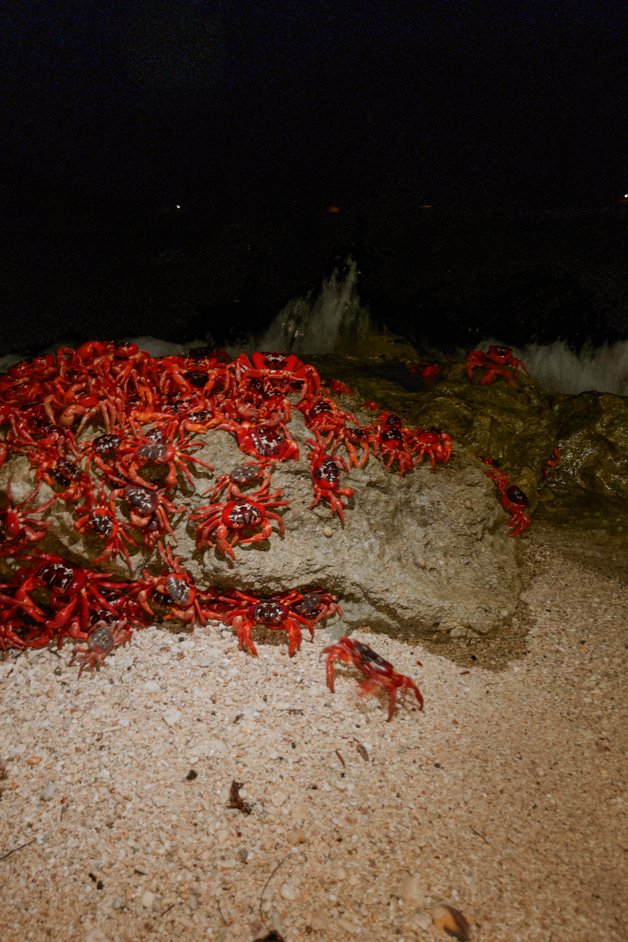
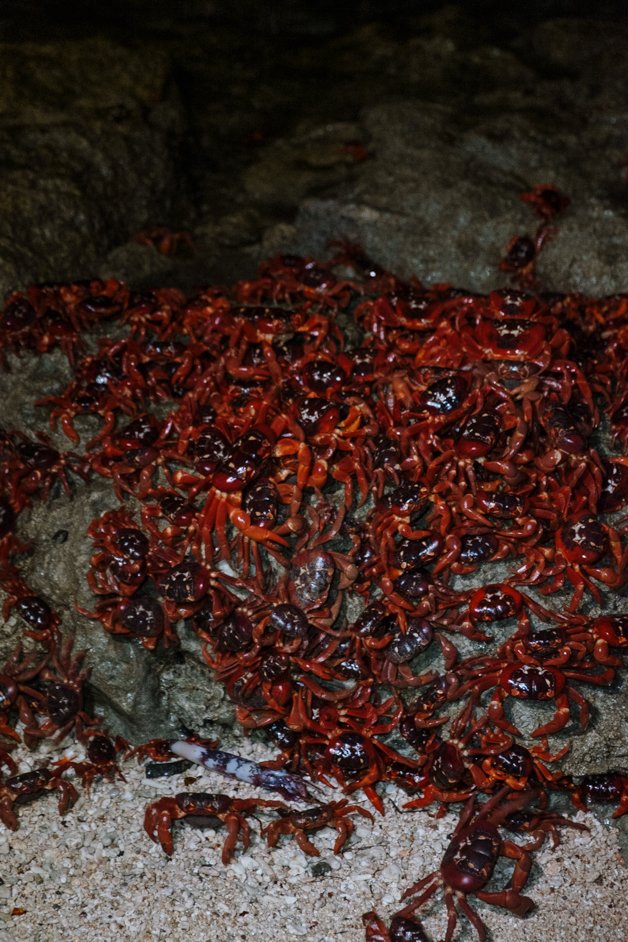
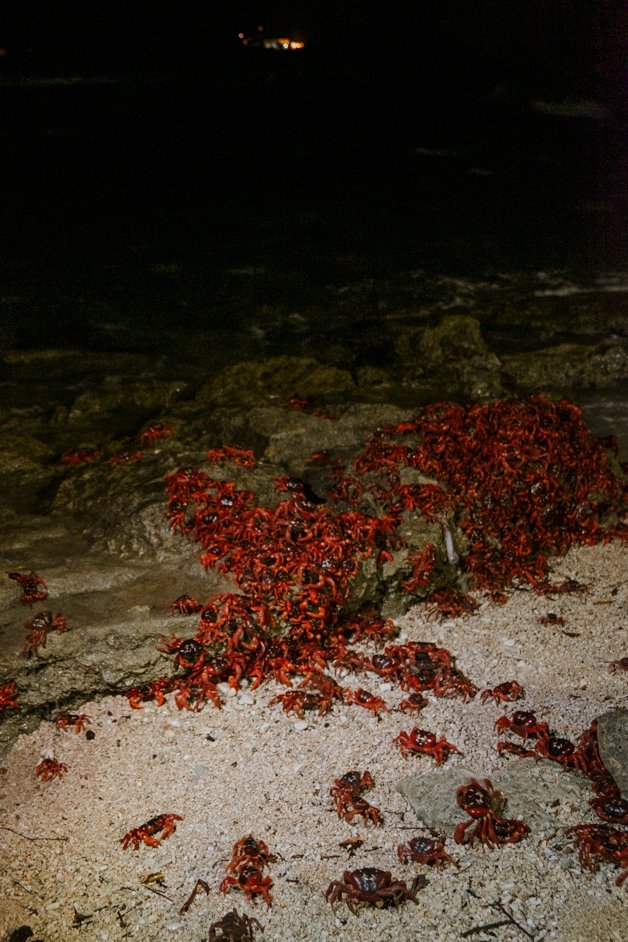
Christmas Island is not a luxury, tropical island holiday. It is a raw, rough wildlife experience. Here are the things I would tell anyone planning a trip there:
The majority of the island roads are unsealed and you can only get around with a 4WD, the only type of car available to rent. Unfortunately, we felt that the cars were not very looked after and smelled of mold, damp and wet feet.
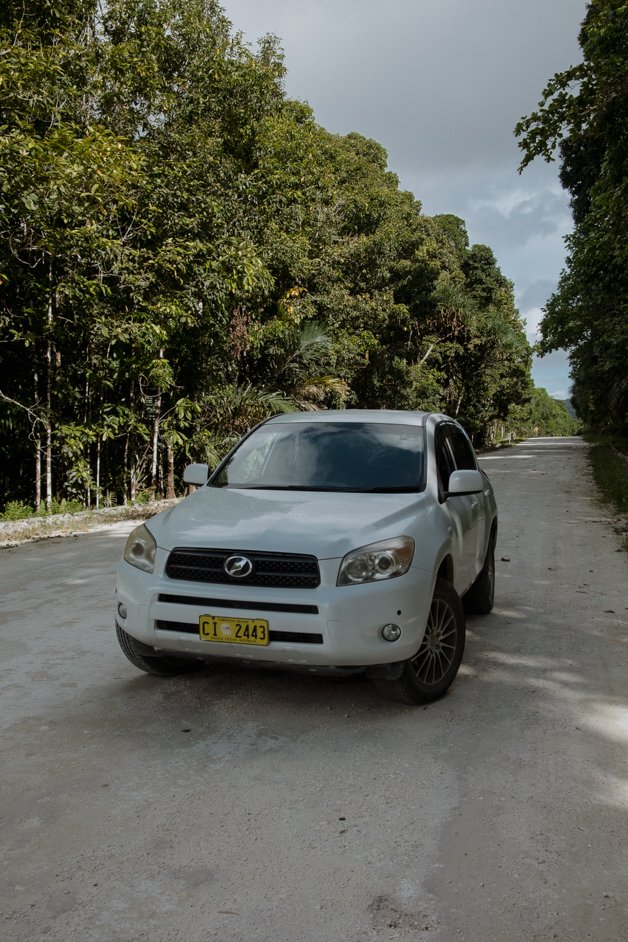
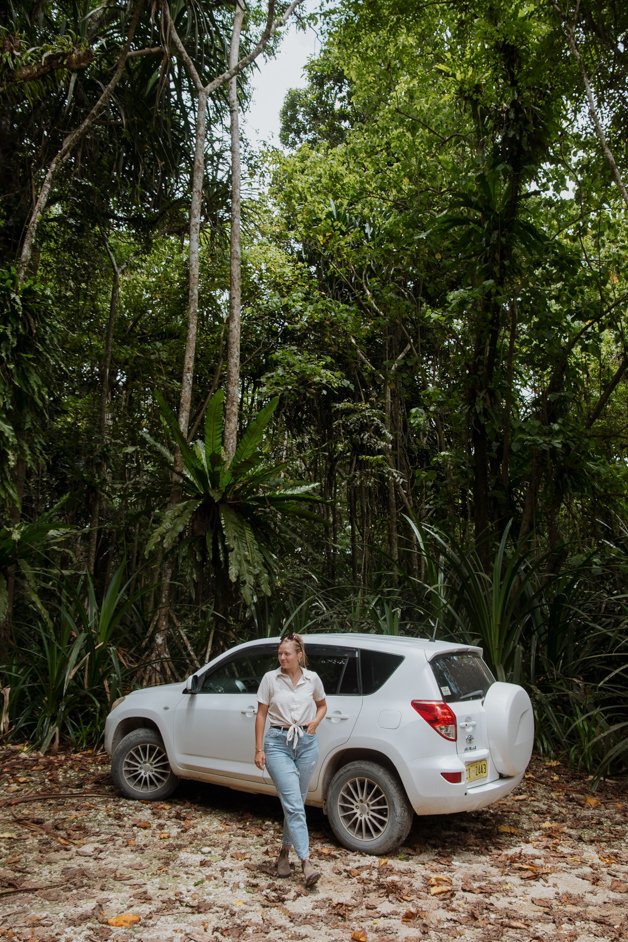
Depending on when you visit, many roads will be closed for the red crabs' trek from the jungle down to the beach. You might not be able to get to various beaches, viewpoints and hikes.
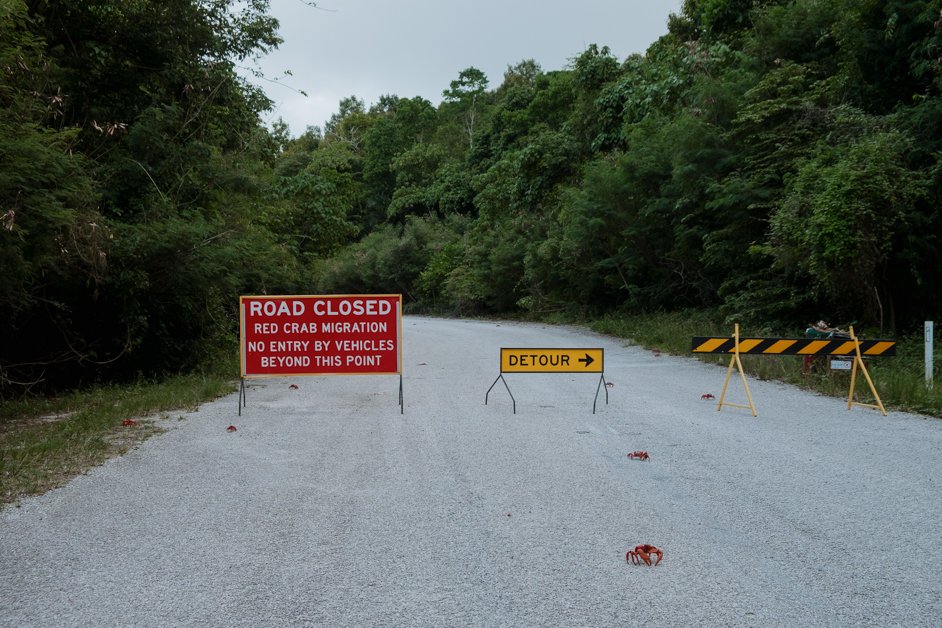
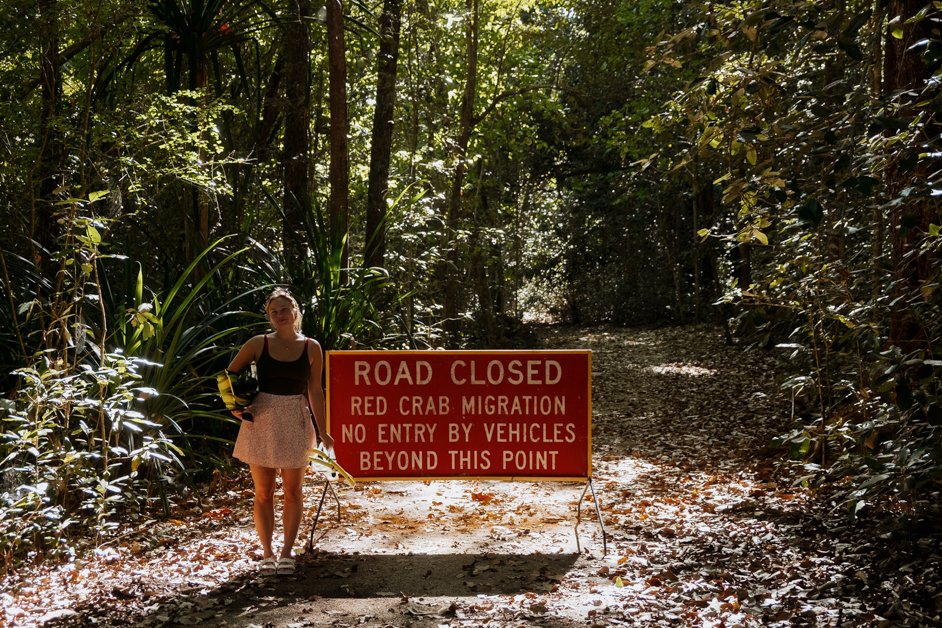
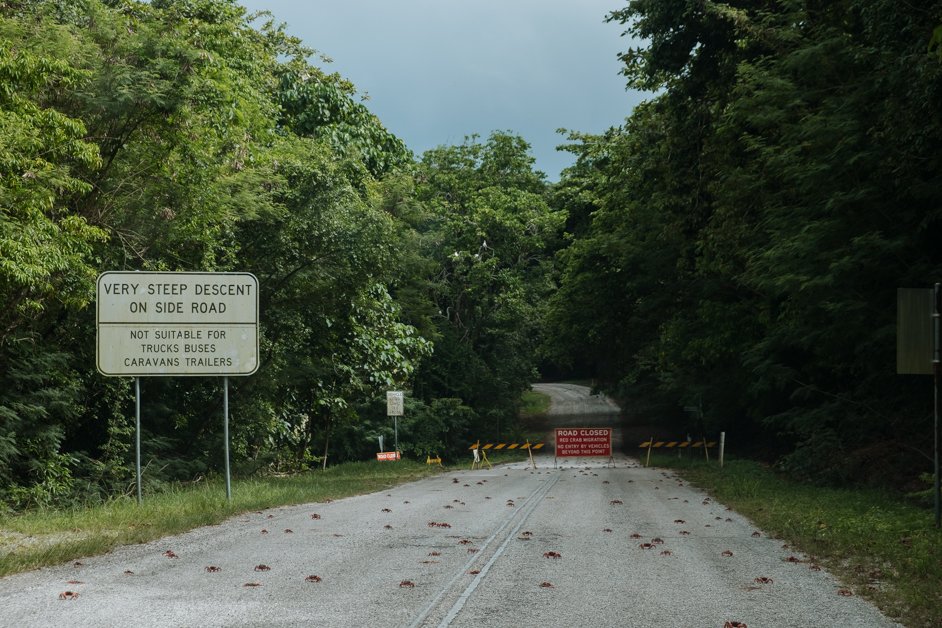
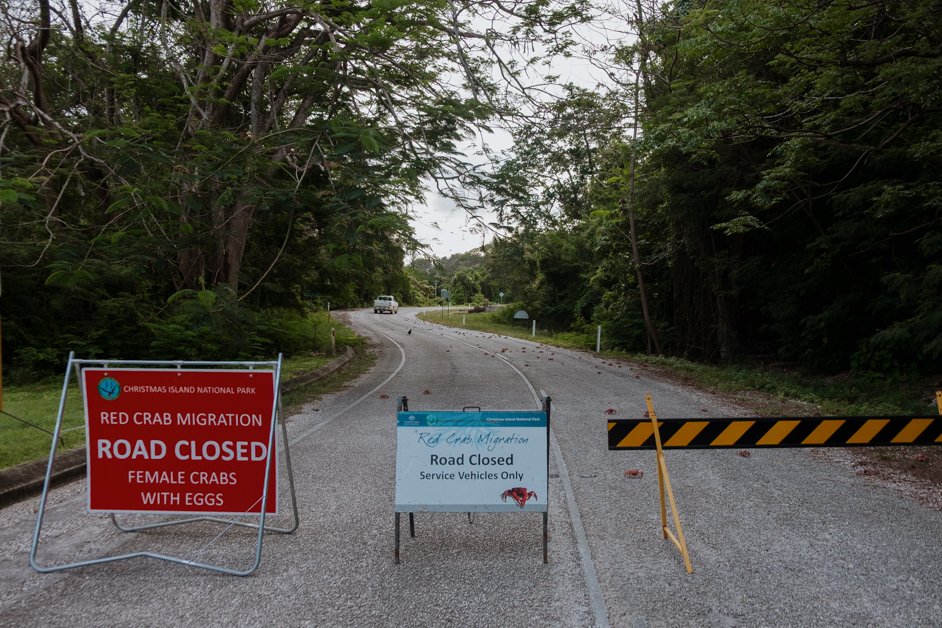
For an island home to one of the world's greatest natural phenomenons, there was no advice, information, preparation or guidance provided about how to do that safely, respectfully and properly. We were handed the rental keys at the airport and off we went. A few signs on the roadside encourage you to slow down and avoid killing any crabs.
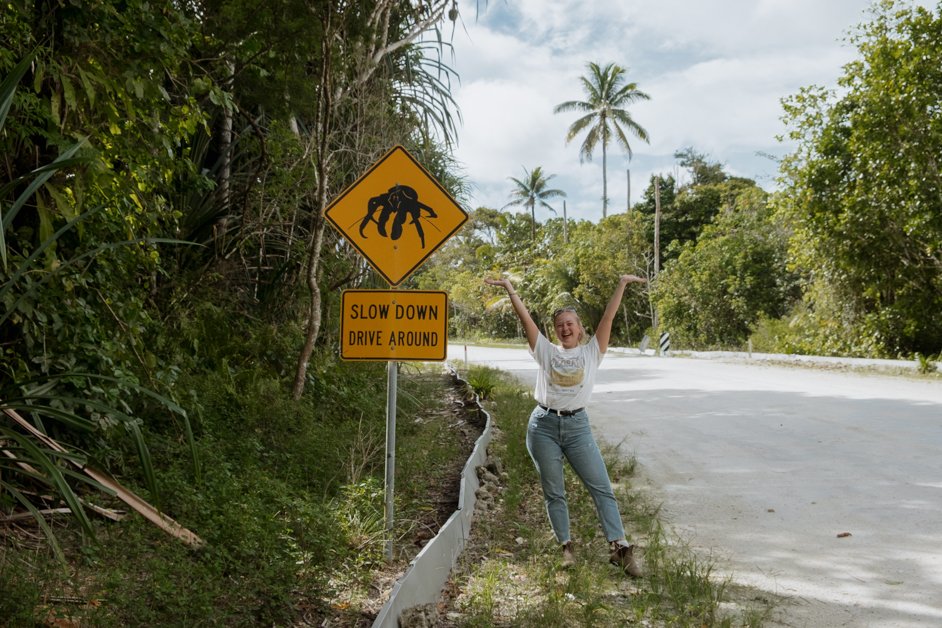
Despite Tobi's best efforts in masterfully navigating the unsealed roads in a lefthand-drive vehicle, it was unavoidable to not drive over a few crabs and we nearly threw up at the sound of their crunch under our tires each time. However, this was nothing compared to witnessing road trains (really long trucks pulling multiple trailers) driving past at full speed crunching loads of them as you're gingerly trying to avoid hitting even one.
The island is very rugged with roads that are not sealed, hiking tracks not maintained or cleared, beaches filled with plastic trash and locals who didn't seem to regard the red crabs as that special.
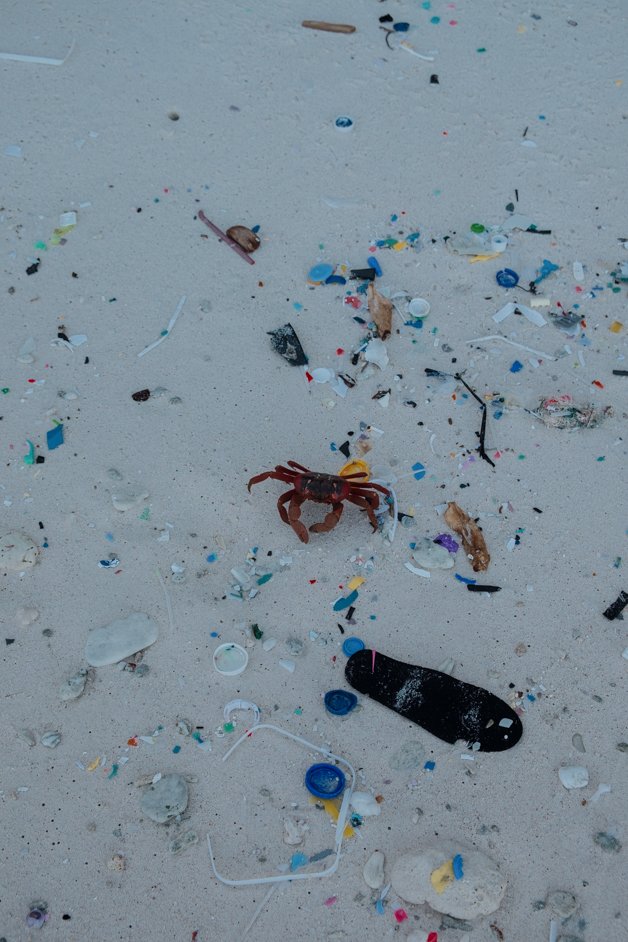
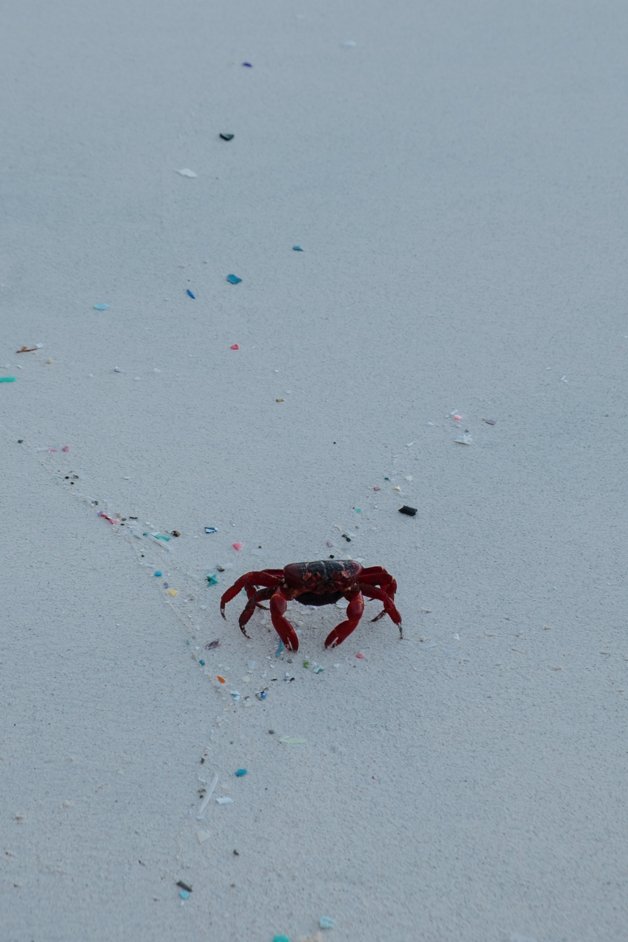
I provided all my feedback in a detailed email to Christmas Island's tourism office which I hope will improve future visitors' experience.
PIN THIS POST TO REFER BACK TO LATER!
GET READY TO TRAVEL!
— Book tours and experiences - with GetYourGuide
— Get all the gear you need for your trip - with Amazon (North America)
— Get all the gear you need for your trip - with Amazon (Europe)
— Find a place to stay - with Booking.com
— Choose a hostel to stay at - with Hostelworld
— Purchase global travel insurance - with World Nomads
— Load an international eSim on your phone - with AirAlo
— Start your own travel blog - with Hostinger
— Join the GetYourGuide Travel Creator Community - with GetYourGuide

Hi! I’m Jana, a Dutch-German-British-Canadian with a dream of seeing every country in the world. I am a storyteller, photographer and adventurer passionate about documenting and sharing my travels.