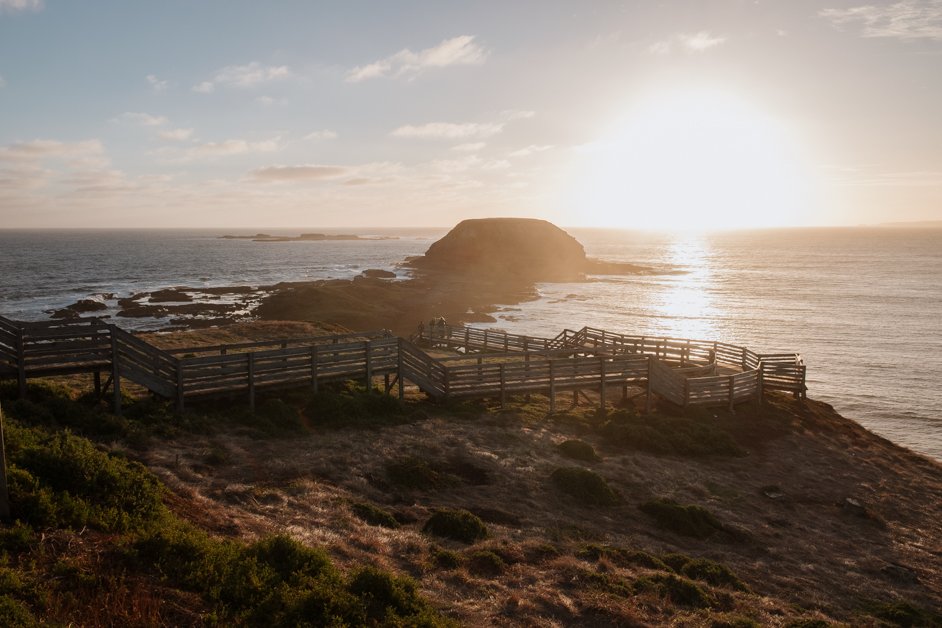
Phillip Island is located just south of Melbourne, connected to the mainland via a bridge. It's most famous for being the home of the largest little blue penguin colony in the world.
We're currently living full-time in our campervan, a 2018 Mercedes Sprinter, and exploring Australia, with a plan of "driving the lap" (completing the entire perimeter of the country). I first visited Australia in 2019, following the classic backpacker route, mostly visiting big cities, staying in hostels and traveling by public transport.
My parents joined us for a few weeks of van life between Sydney and the Great Ocean Road near Melbourne. We visited Phillip Island with them for two days after exploring Tarra-Bulga National Park.
For tens of thousands of years, the Yalluk Bulluk clan of the Bunurong people lived on this island, long before any Europeans arrived, calling it Millowl, coming in the summer months to feast on shellfish, fish and birds.
Europeans began arriving in the early 1800s to participate in the fur seal trade. The first European to visit was George Bass in 1798. The island was leased to the McHaffie brothers in 1842 for sheep grazing but lost most of their land in the late 1860s when it was opened to further settlement, primarily for chicory farms.
The first hotel opened in 1870 and tourism grew after that thanks to the beautiful beaches, the bird watching and the nightly return of the little blue penguins. The first bridge opened in 1940 connecting Phillip Island to the mainland; the current bridge opened in 1969.
Every single spot (and more) that I mention in all my blog posts about Australia can be found in my Australia | Ultimate Map!
This is a digital map featuring hundreds of my favourite restaurants, campgrounds, accommodations, shops, photo spots, museums, beaches, lakes, animal spots, bridges, viewpoints, hikes and SO much more in Australia, including its three external territories.
Each pin includes exact locations, images, detailed information, the ability to open and save the spot in your Google Maps and a link to my relevant blog post to read more.
COMING SOON → Buy the Australia | Ultimate Map!
Below is some useful information for preparing for your trip to Phillip Island. In all cases, please be sure to check with the relevant local authorities for the latest and accurate information.
Language: The official language of Australia is English. On Phillip Island, the traditional language of the Yalluk Bulluk clan of the Bunurong people is Boonwurrung.
→ Learn more about the language of the Yalluk Bulluk clan of the Bunurong people.
Currency: The currency used in Australia is the Australian dollar, denoted as AUD $. I use a Wise account when I travel which allows me to have a single, free account with multiple currencies. I only have to pay once to convert my money in the app and then I can pay in AUD $!
→ Check the latest currency conversion between AUD $ and your local currency.
Data/WiFi: Before you arrive, I recommend purchasing an eSim on your phone so that you can access data the moment you land. eSims are much more convenient as it means you don't have to put a separate physical Sim into your phone. AirAlo offers great deals for eSims of various data sizes and time lengths with Optus.
→ Load an international eSim on your phone with AirAlo.
If you are visiting Australia long term, you might wish to put a physical Sim in your phone as AirAlo is geared more towards short term visitors on holiday. This way you can access a local phone plan. There are three main mobile phone network providers in Australia: Telstra, Optus and Vodafone. Telstra has the best coverage across the country whereas Optus and Vodafone are good within cities. I recommend Telstra as it means you have the best coverage while you travel around the country, especially in rural areas.
We travel with a Starlink in our campervan which enables us to have unlimited WiFi wherever we are, even in places without coverage.
There is free WiFi at the Phillip Island Visitor Centre.
Visa: All passport holders except New Zealand require a visa to visit Australia. All arrivals must fill out an Australian arrival card before landing.
→ Check which visa you need for Australia.
Time of year to visit: Australia can be visited all year-round. Phillip Island is best visited in the summer months from November to March, as it can get quite cold in the winter. However, the little blue penguins can be seen every day, so there isn't really a bad time to visit, just make sure you dress for the weather!
Length of stay: We spent two days exploring Phillip Island which is plenty to do all of the main highlights of the island. You can of course spend more time here relaxing, slowing down, exploring the little hidden beaches and enjoying island life.
By flight: The closest major airport is in Melbourne, a two-hour drive north. Most visitors to Phillip Island will arrive in Melbourne if coming by air.
→ Check out my complete guide to visiting Melbourne!
By car: If you're driving around the country as we are in our campervan, then the easiest way to get to Phillip Island is with your own wheels. Phillip Island has been connected by bridge to the mainland since 1940 (the current bridge opened in 1969) so you can simply drive from San Remo over the Phillip Island Bridge to Newhaven.
→ If you don't have your own car, you can rent one in Melbourne.
You might want to start in Melbourne as your base for renting a campervan to explore Australia.
→ Rent a campervan in Perth with Apollo, Camplify, Indie or Juicy.
By bus: The V/Line connects Melbourne with Phillip Island, stopping in San Remo on the mainland as well as both Newhaven and Cowes, the main towns on the island.
→ Plan your trip to Phillip Island by bus.
By ferry: As it is an island after all, you can also arrive by ferry. The Western Port Ferry connects Stony Point on the Mornington Peninsula (to which you can take the V/Line from Melbourne) with Tankerton on French Island and Cowes on Phillip Island.
→ Plan your trip to Phillip Island by ferry.
By guided tour: There are loads of guided tours to Phillip Island as it is a very popular tourist destination very close to Melbourne. Most of the tours leave from Melbourne as day trips including coach transfers, which is a great option if you don't have your own vehicle and want to go the guided route.
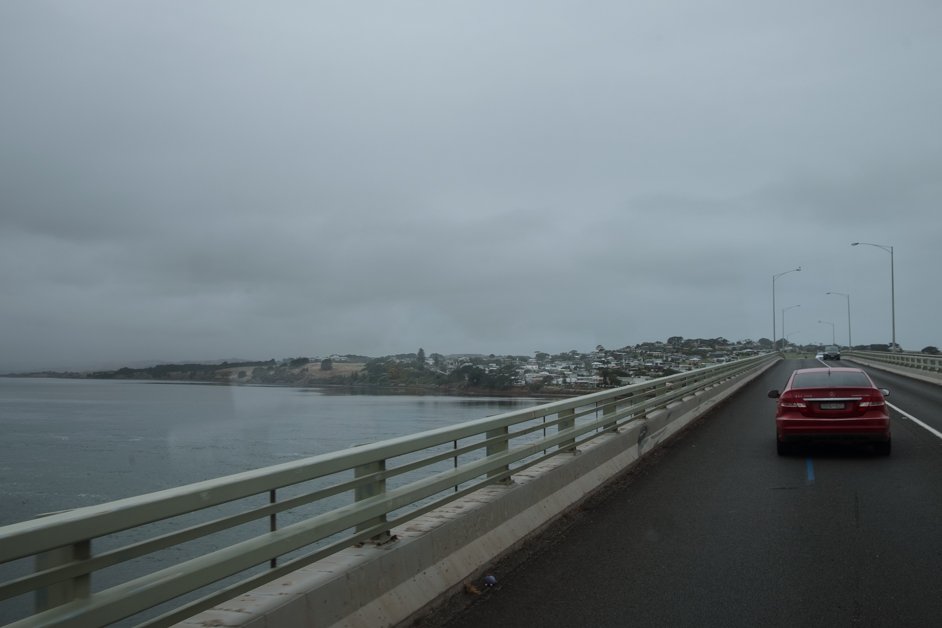
Phillip Island Bridge
On foot: The island itself is about 101km² so getting to the main attractions will require transport. However, if you're exploring the main towns of Cowes and Newhaven, these areas are walkable.
By car: Of course, the easiest way to explore is with your own wheels. We are traveling around the entire country in our campervan for a year and it gives so much freedom to get around. There is a mix of free and paid parking all around the island; the popular Penguin Parade offers free parking on site.
→ If you don't have your own car, you can rent one in Melbourne.
By hop-on hop-off bus: Local Way Tours runs a daily hop-on hop-off bus between 10am and 5pm all around the island which can be a great way to explore without a car.
By bike: Super Cruzer offers e-bike rentals to explore the island with.
By guided tour: There are loads of guided tours on Phillip Island as it is a very popular tourist destination very close to Melbourne. You have the option of doing day tours from Melbourne including coach transfers. If you're already on the island, there are also plenty of cruises, wildlife watching opportunities and other guided tours available from San Remo or Cowes.
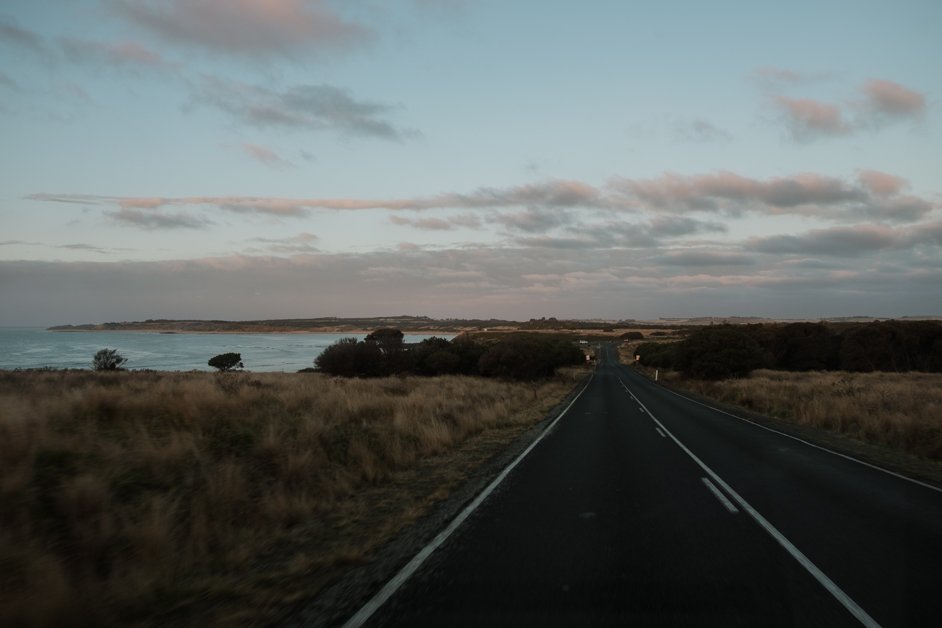
Many people will visit Phillip Island as a day trip from nearby Melbourne, as you can see most of the main attractions in a day. However, if you're looking to spend a bit more time on the island, there are plenty of options.
Hotel: Not traveling by campervan? Driving in a car? Whatever your reason for needing a place to stay, there are some great accommodation options on Phillip Island to suit any budget.
→ Check out all the accommodation options on Phillip Island.
Camping: We are driving "the lap" around Australia, exploring the country in our campervan. The best way to find camping spots is to use an app. We use Wikicamps Australia, a cheap app that has every single amenity listed (both free and paid) that you might need on the road. This includes things like where to fill up fresh water, where to dump grey water, where to empty toilets, where to stay, gas stations, information points and also has suggestions for things to do as you go.
→ Download the Wikicamps Australia app.
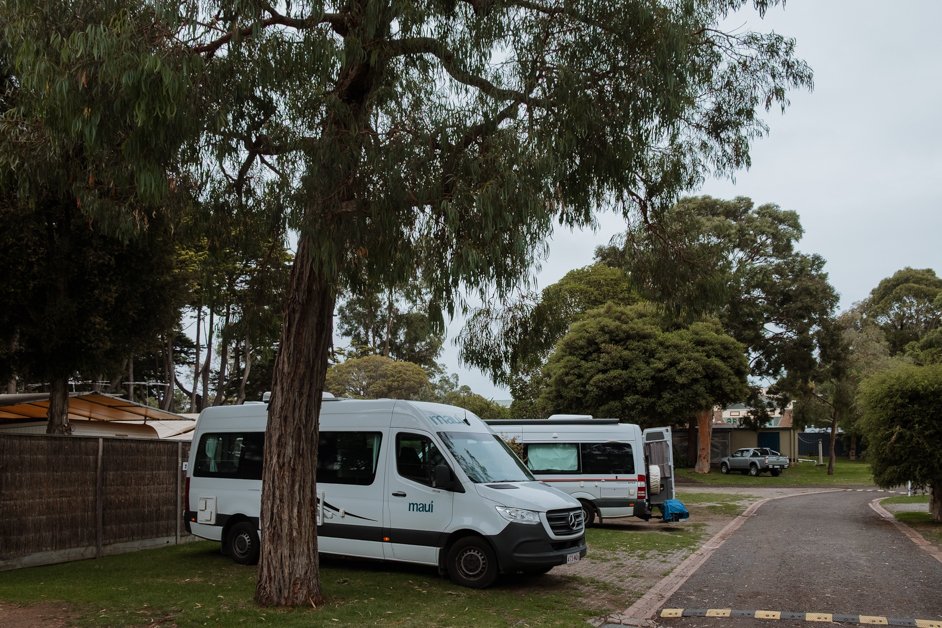
As there is no free camping on Phillip Island, we booked into Anchor Belle Holiday Park for one night. It's operated by G'day Parks and is in a convenient location in the main town of Cowes, a short driving distance to anything you want to see on the island. The receptionist was lovely and the facilities were clean and great. The sites are a bit small and it can get busy, so book in advance.
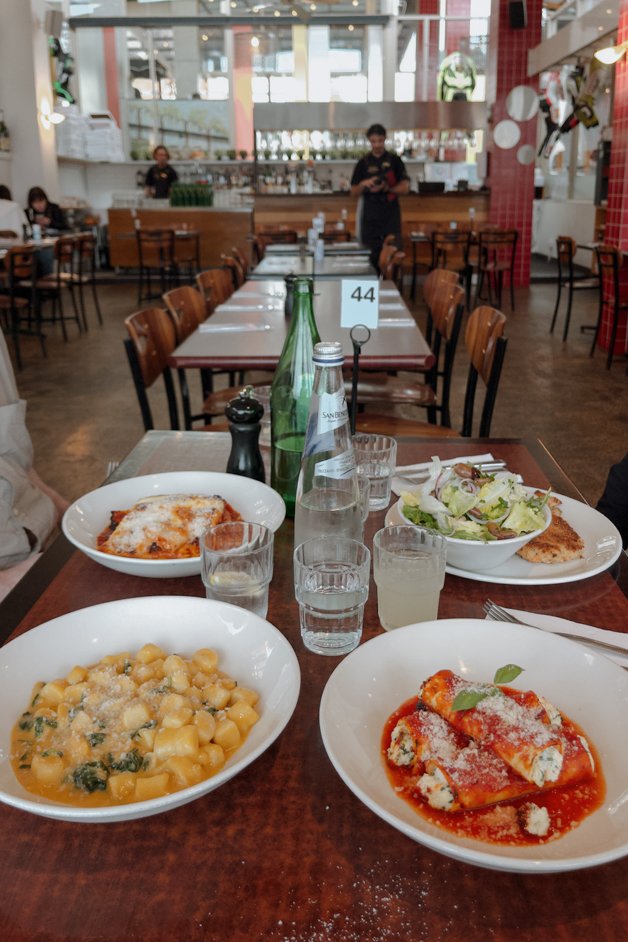
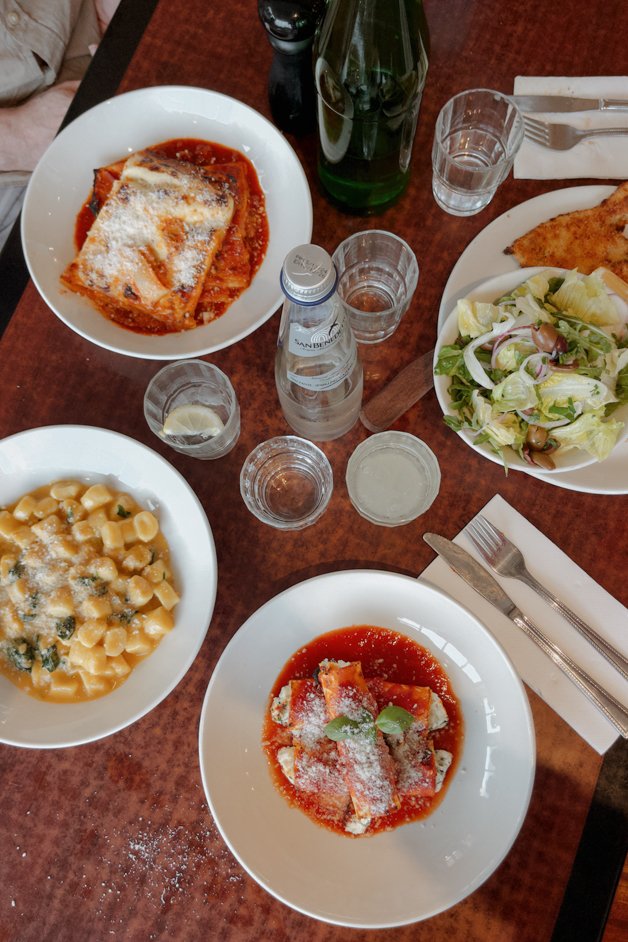
We spent just a night on Phillip Island and so made sure to try the most recommended spot on the island. Pino's Trattoria is a delicious family-owned Italian restaurant, open since 1991, serving up yummy pasta and pizza dishes surrounded by many of the winning racing suits from the MotoGP (Australian Motorcycle Grand Prix) that happened annually on the island until 2026.
I highly recommend the arancini balls, the cannelloni and the pumpkin gnocchi! Go early before you head to the Nobbies for sunset.
The main reason people visit Phillip Island is for its wildlife, especially as it is home to the world's largest little blue penguin colony. I have some honest thoughts on the attractions on Phillip Island which I hope will help you make your own decision on whether or not to visit the island.
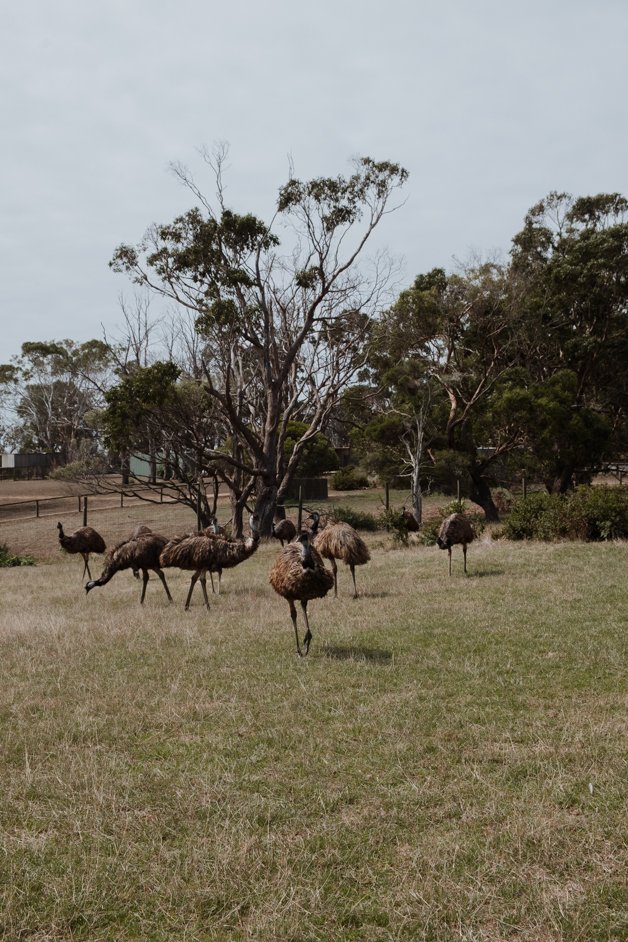
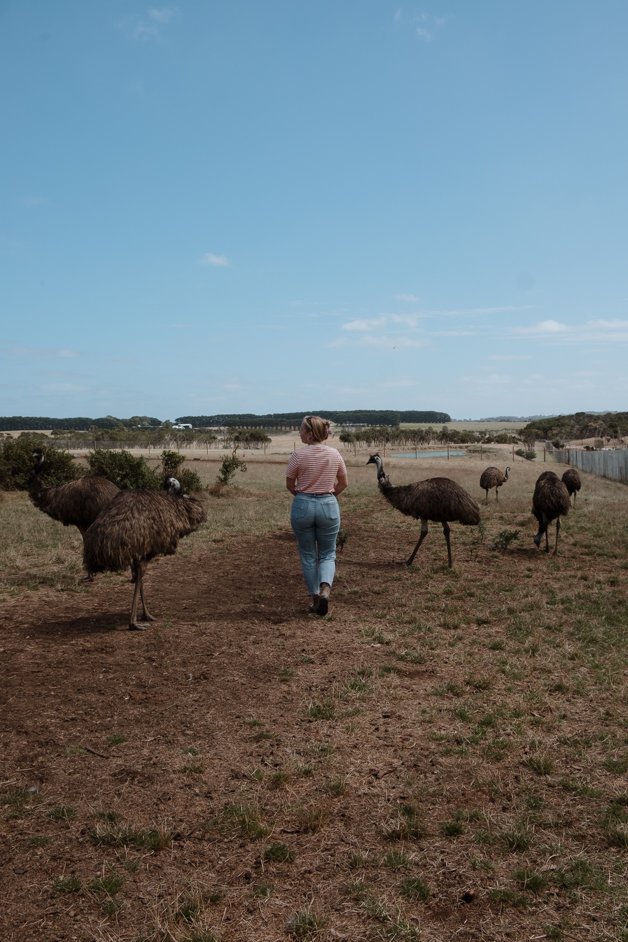
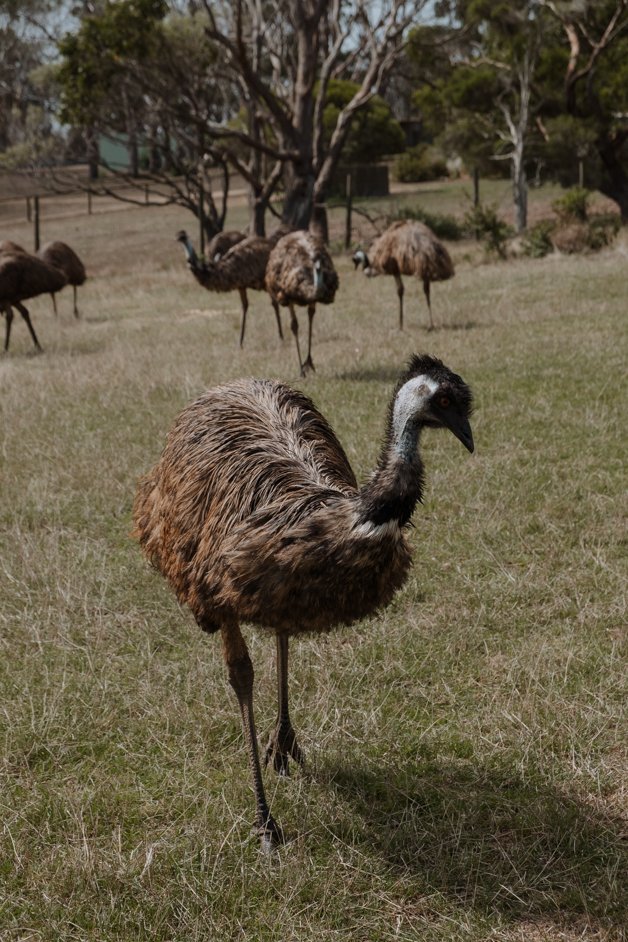
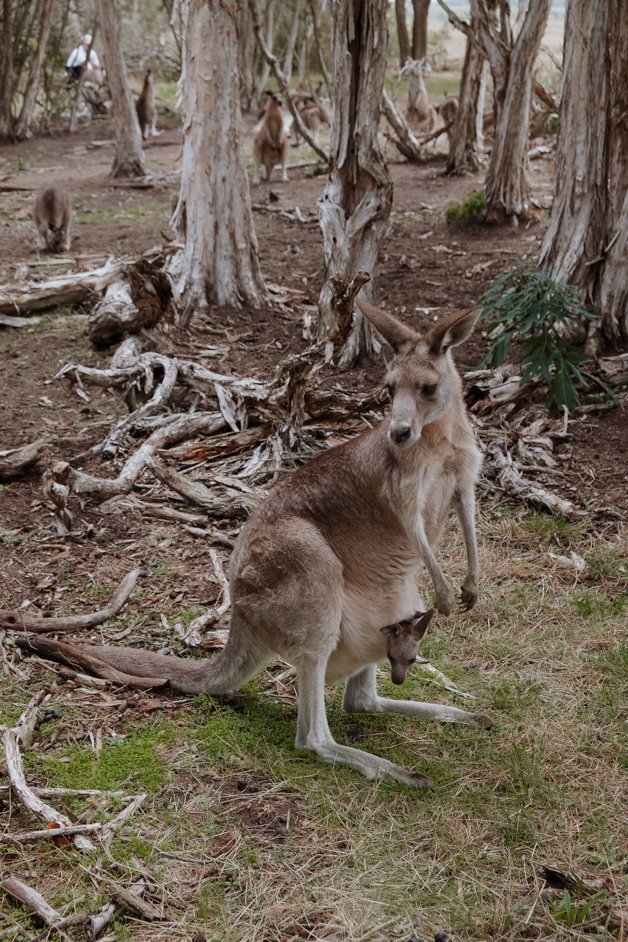
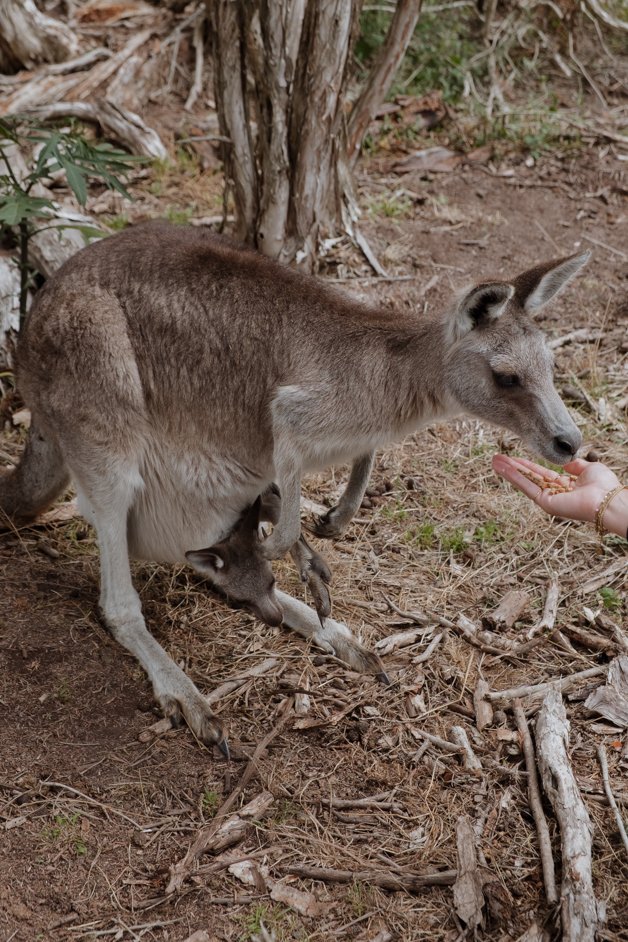
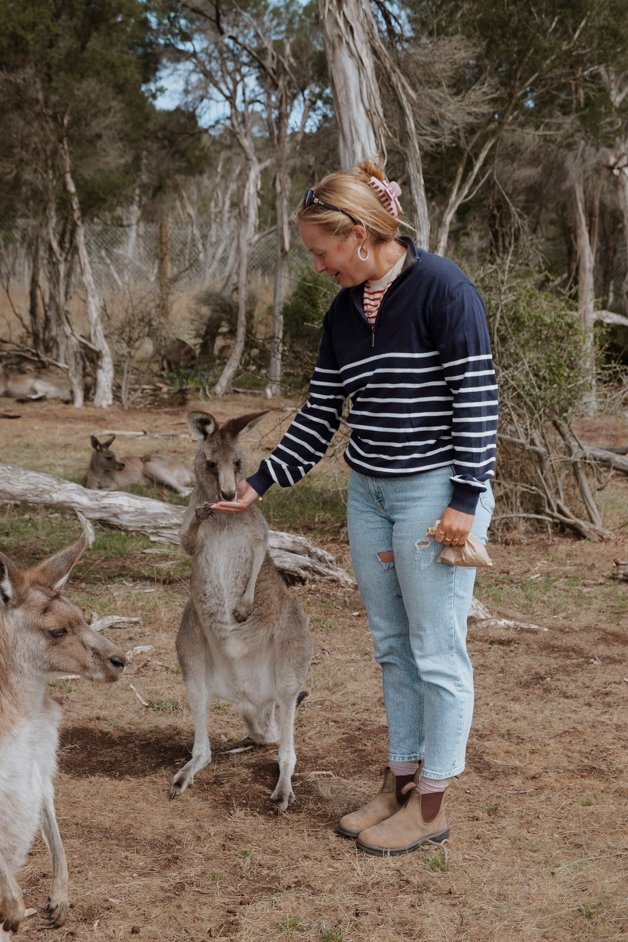
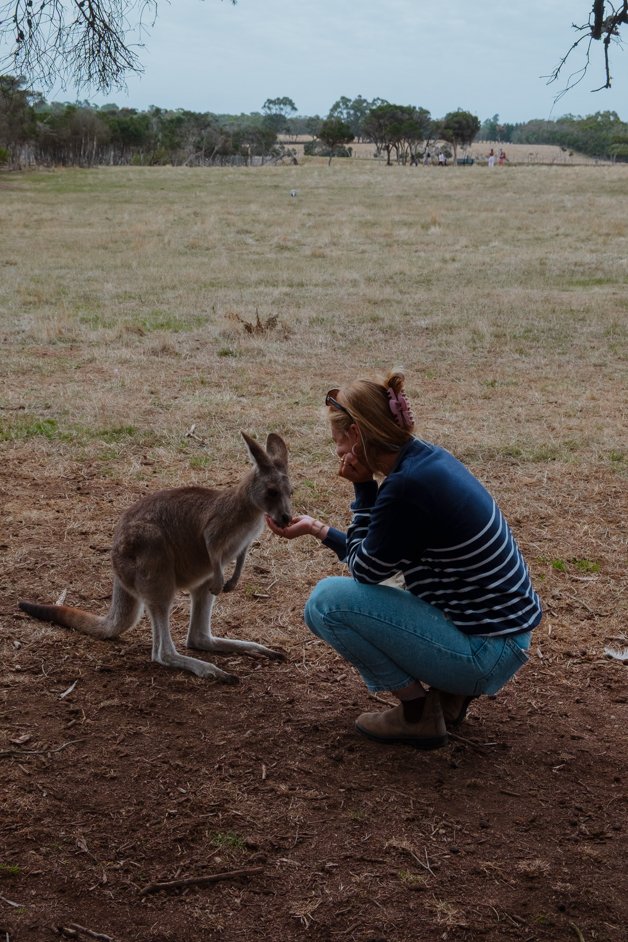
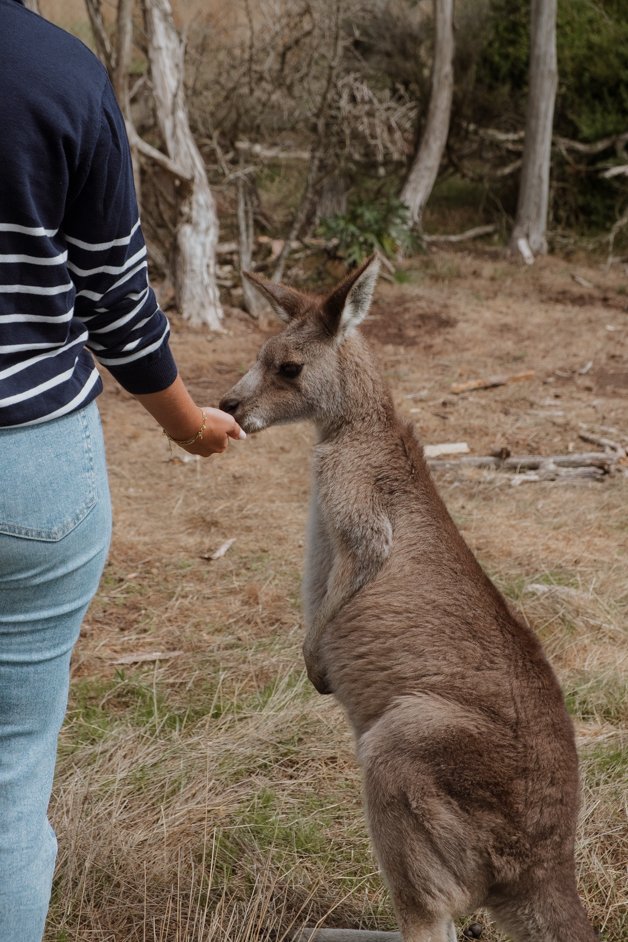
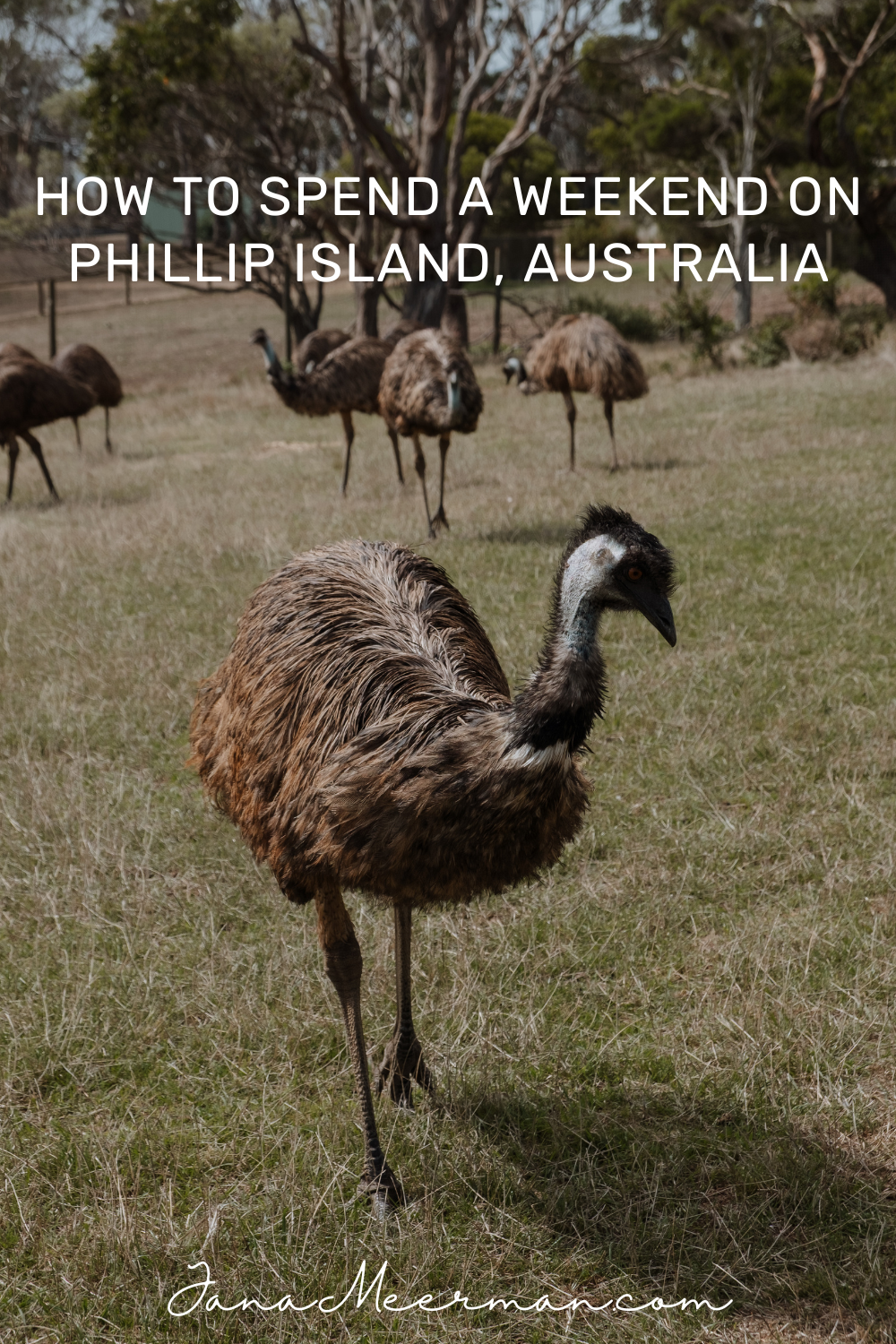
Feed kangaroos and emus at Phillip Island Wildlife Park
After our fantastic experiences feeding kangaroos in Denmark and Port Lincoln, we were so excited to bring my parents to meet their first kangaroos and get to feed them by hand.
→ Check out the reel I made about feeding kangaroos on Phillip Island
While it is always special to hand feed kangaroos and emus, and these ones had a large space to roam around in, the birds on the other hand were kept in rather small, confined cages. The entire park felt admittedly rather neglected and the landscape in desperate need of upkeep.
If you visit, be prepared to expect this. It was still a fun experience nonetheless, but I have to be honest!
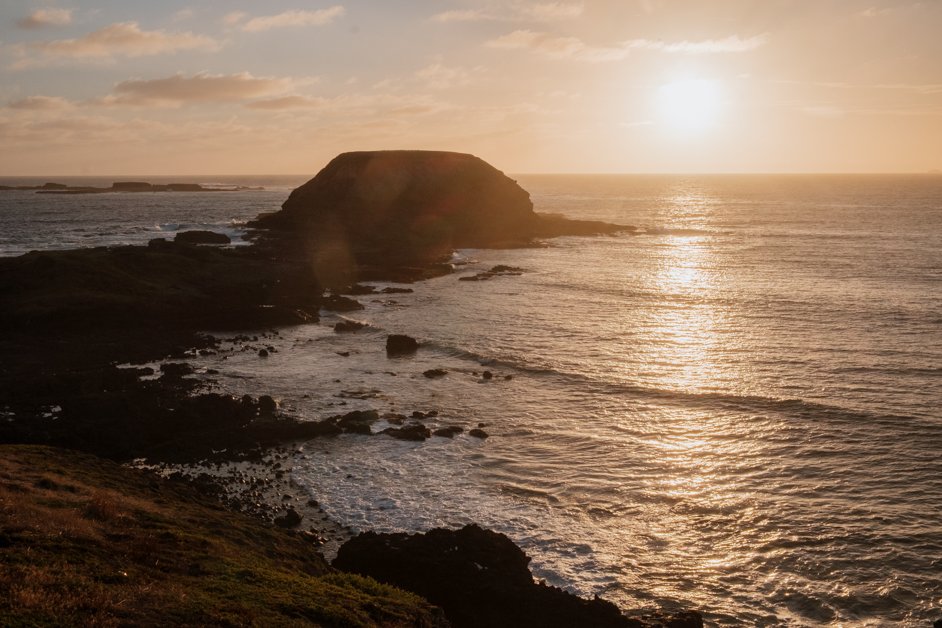
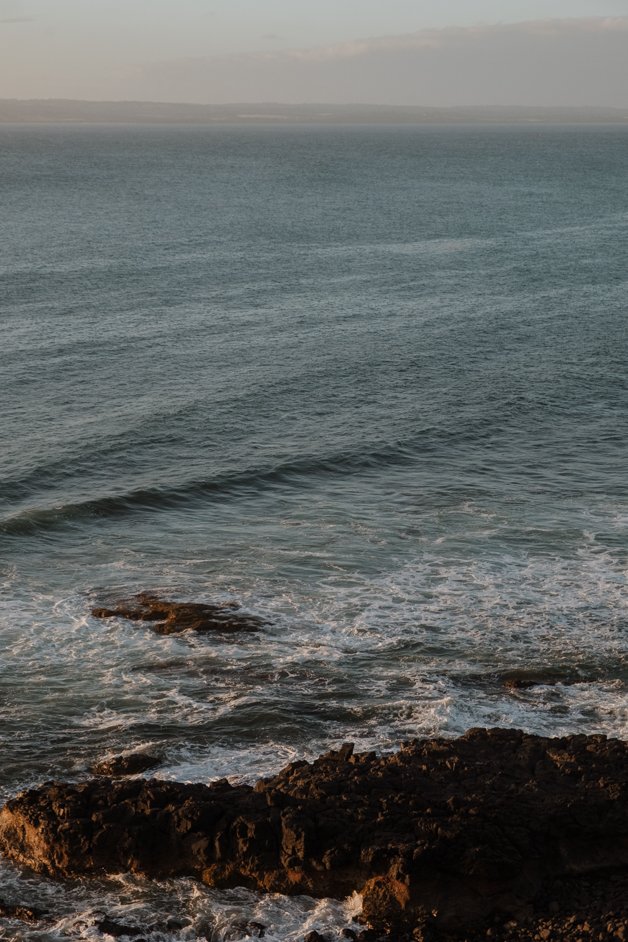
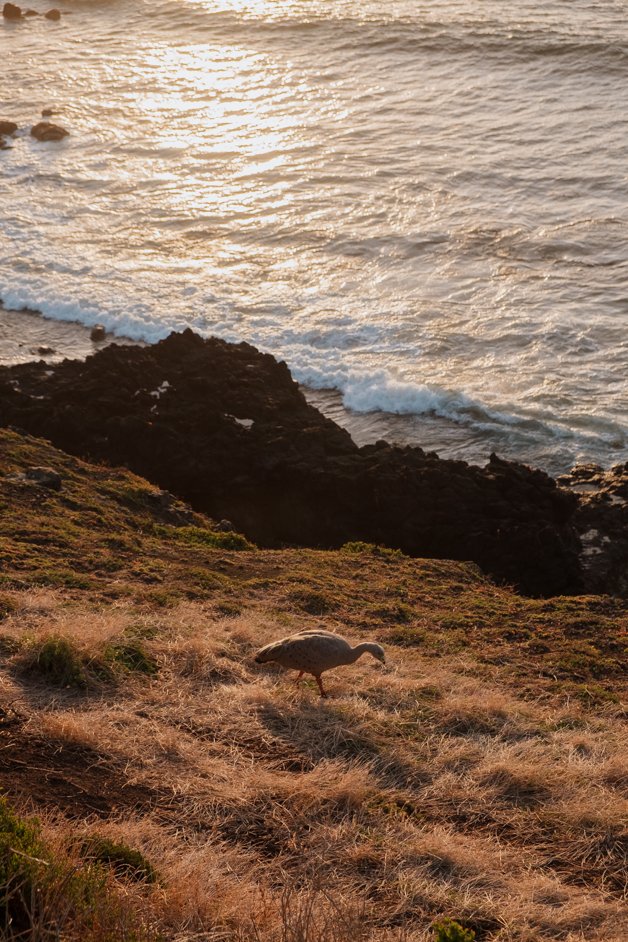
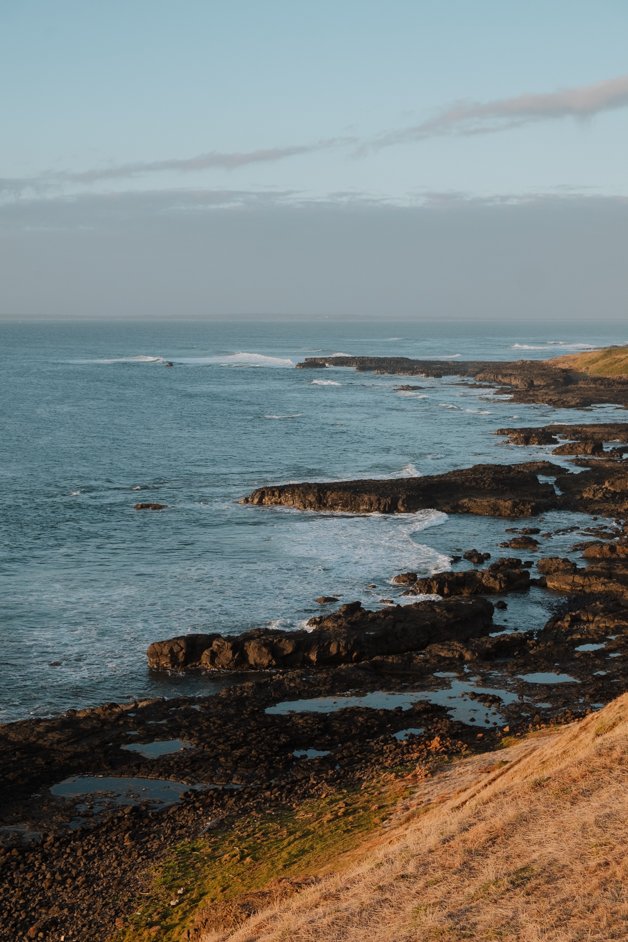
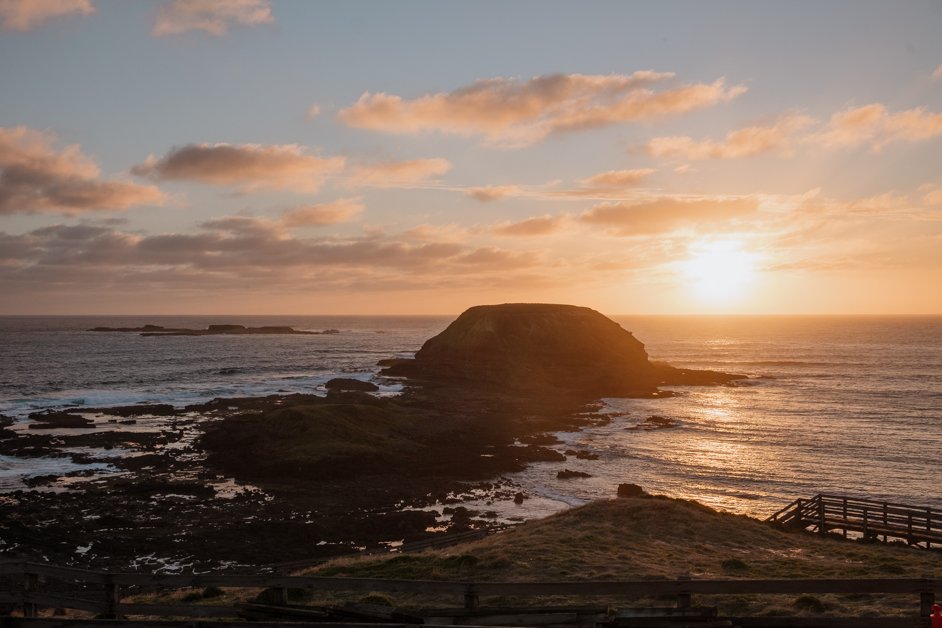
Walk the boardwalk at Nobbies
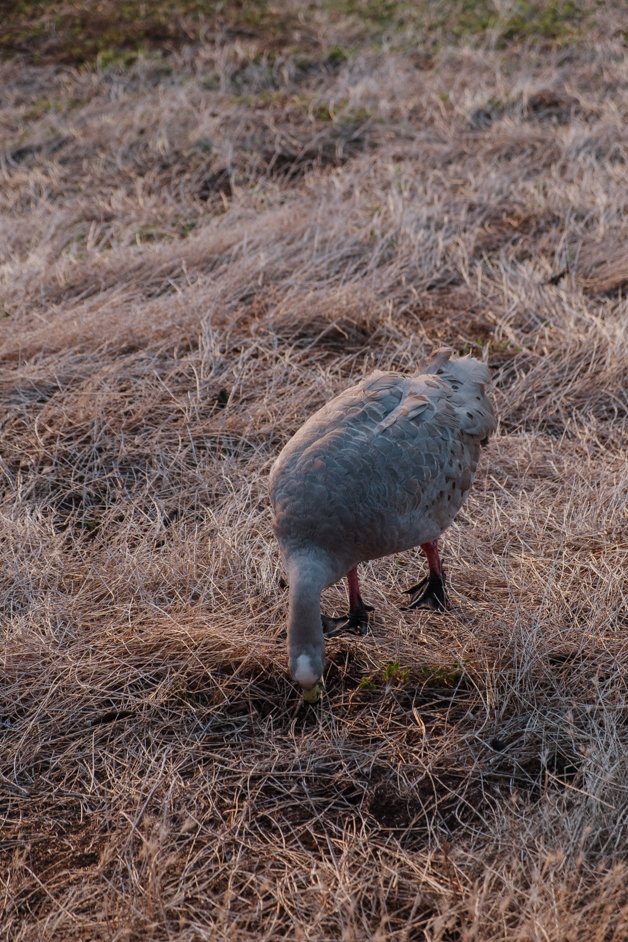
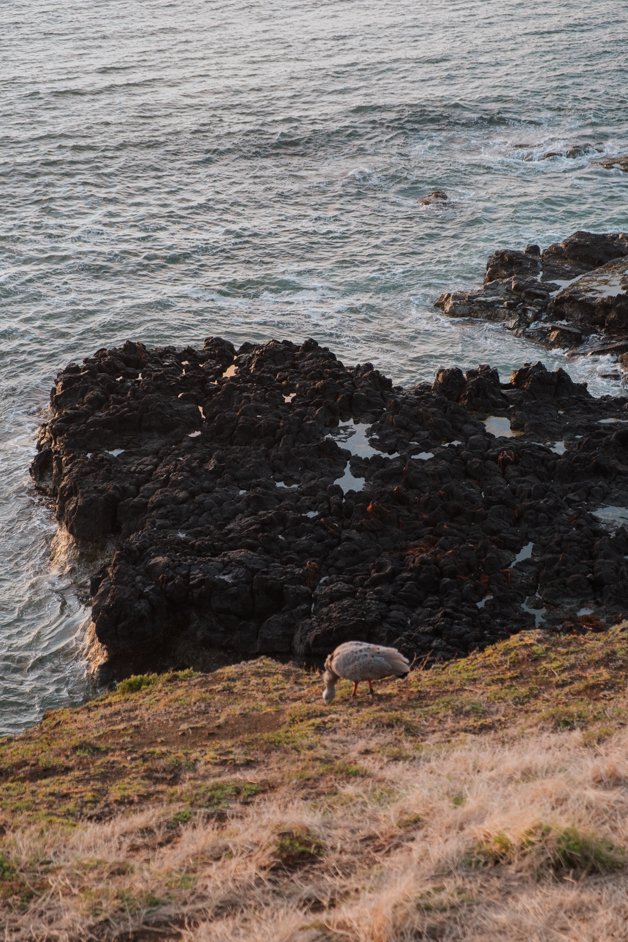
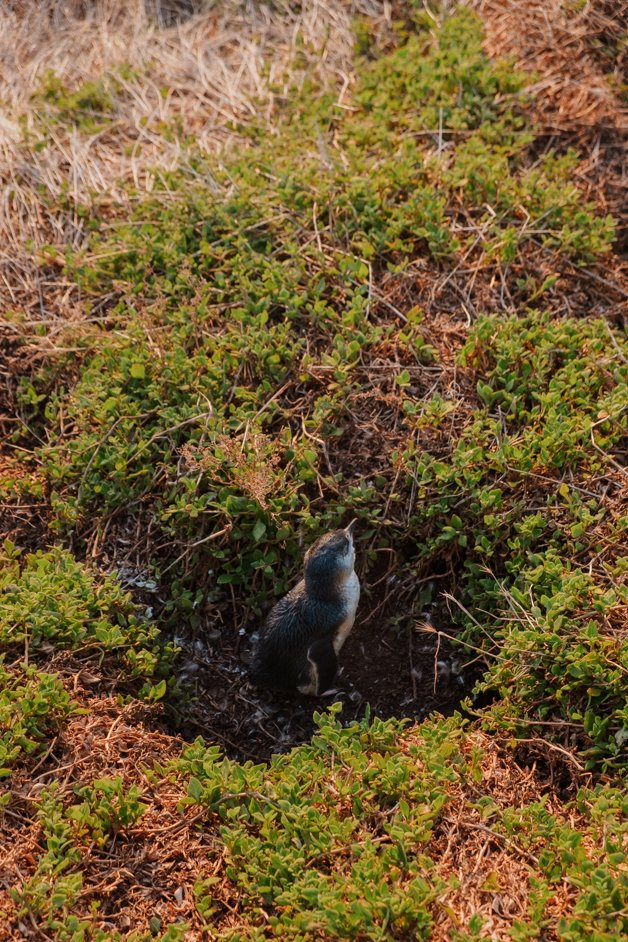
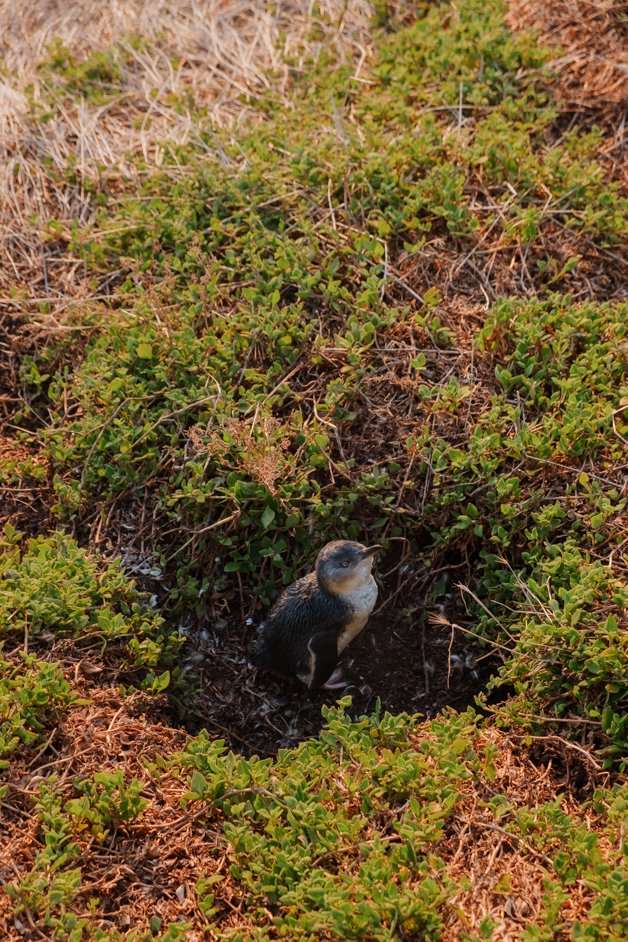
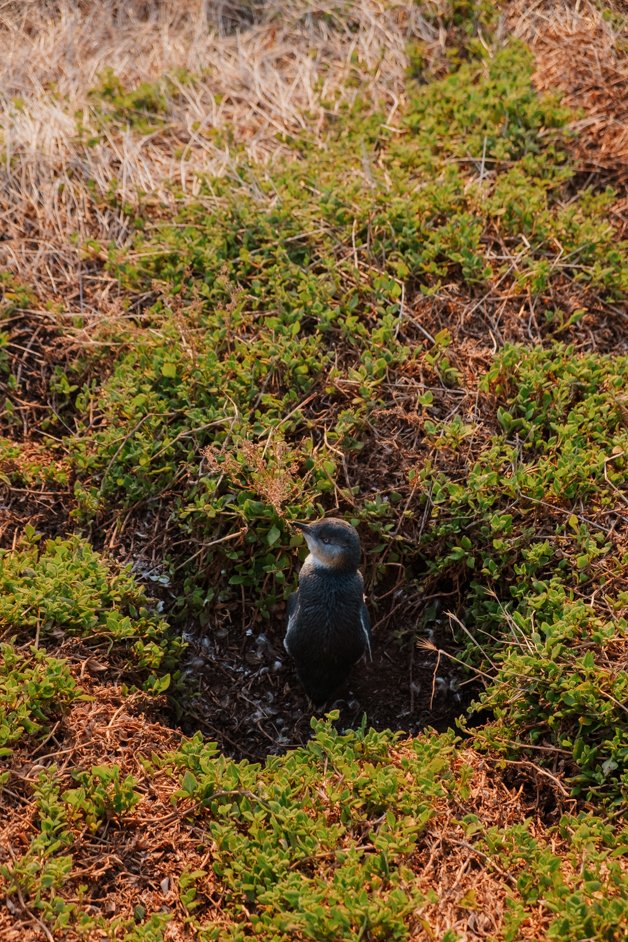
This gorgeous walk is a 1.2km return boardwalk at the far western end of Phillip Island. It's best just before sunset when the sun glows across the headland. You might also get lucky and spot some little blue penguins around the boardwalk!
→ Check out the reel I made about spotting little blue penguins at Nobbies!
This was our favourite thing we did on Phillip Island and I wish we had arrived a bit earlier to walk the full thing and enjoy it properly, however, the road is closed promptly at sunset to protect the little blue penguins and we ran out of time.
See the Penguin Parade
Or don't...
This is one of the most famous wildlife experiences in Australia where you can witness the little blue penguins coming out of the ocean at sunset and heading up the beach to their burrows. It's the world's largest little blue penguin colony.
We did not like the experience; it's extremely commercialized, far too busy, quite expensive, photos weren't permitted after sunset and overall we didn't think it was a good thing to do as it only seemed to stress out the penguins. But I have to include it as we did do it and it's famous and I want people to be able to make their own informed decision here.
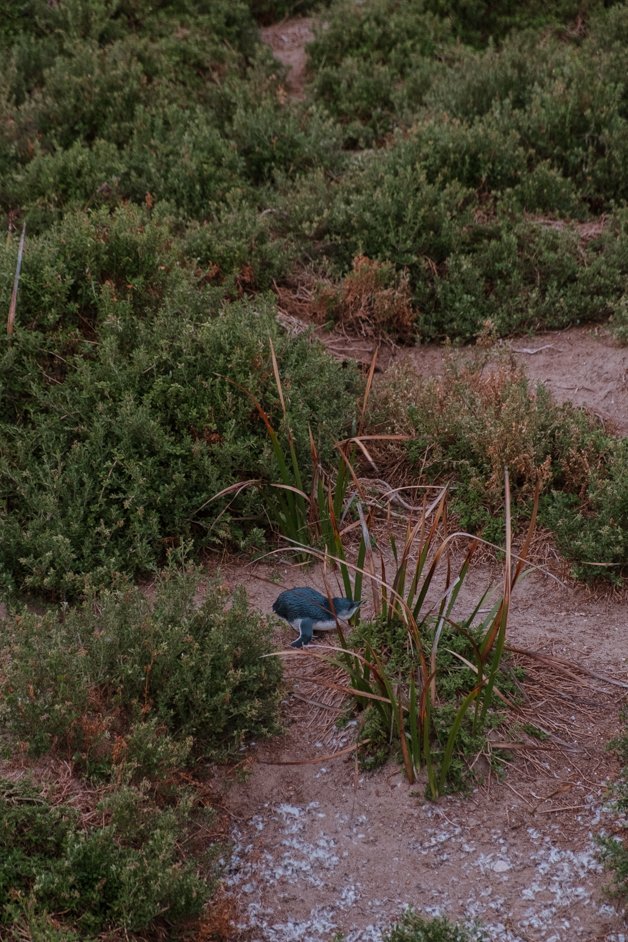
A little blue penguin spotted from the boardwalk down to the beach
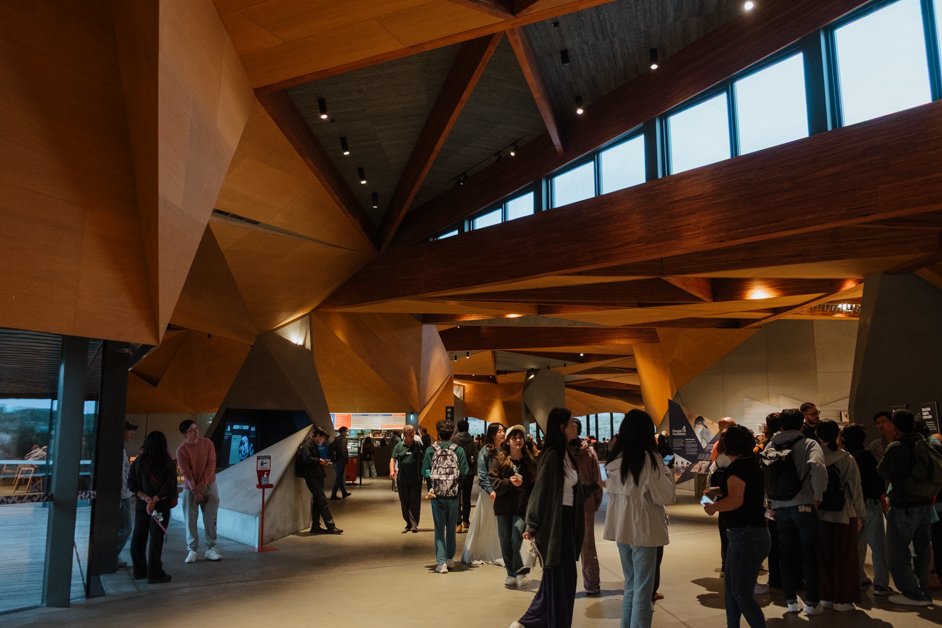
The Visitor Centre with restaurant and gift shop
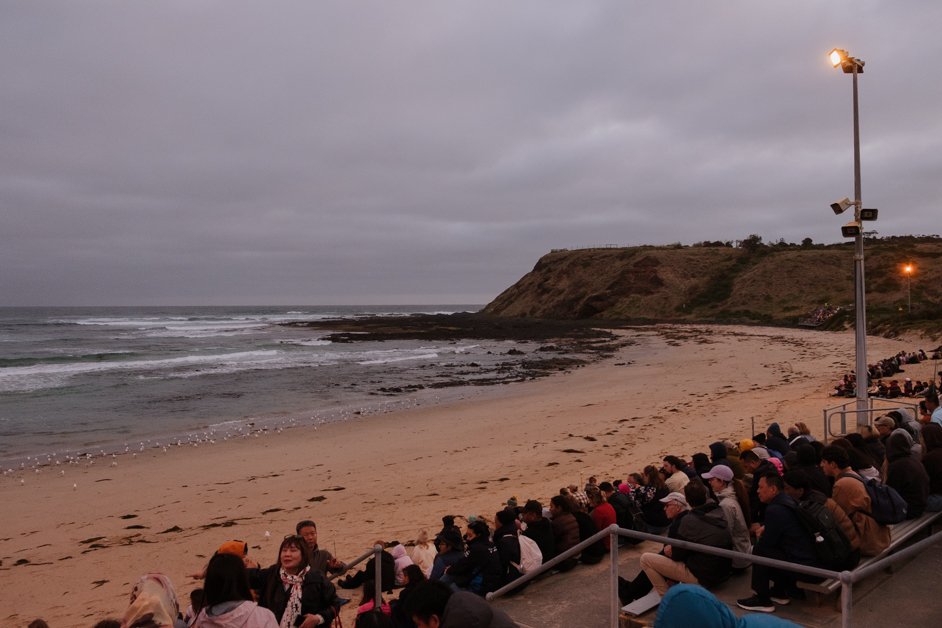
The beach packed with people; no photos permitted after sunset
BOOK AN EXPERIENCE ON PHILLIP ISLAND!
PIN THIS POST TO REFER BACK TO LATER!
GET READY TO TRAVEL!
— Book tours and experiences - with GetYourGuide
— Get all the gear you need for your trip - with Amazon (North America)
— Get all the gear you need for your trip - with Amazon (Europe)
— Find a place to stay - with Booking.com
— Choose a hostel to stay at - with Hostelworld
— Purchase global travel insurance - with World Nomads
— Load an international eSim on your phone - with AirAlo
— Start your own travel blog - with Hostinger
— Join the GetYourGuide Travel Creator Community - with GetYourGuide
Discover more from Jana Meerman
Subscribe to get the latest posts sent to your email.

Hi! I’m Jana, a Dutch-German-British-Canadian with a dream of seeing every country in the world. I am a storyteller, photographer and adventurer passionate about documenting and sharing my travels.