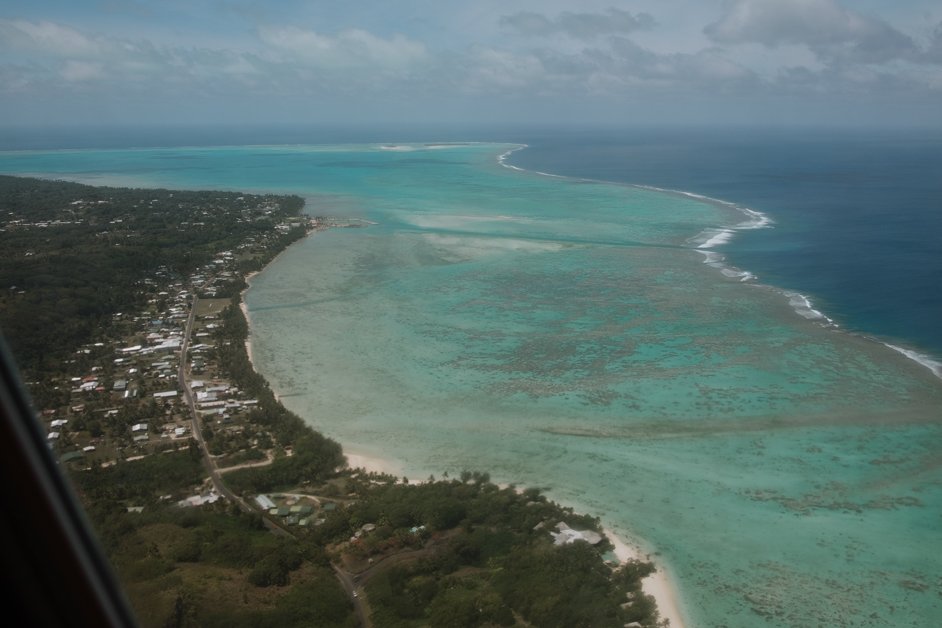
The Cook Islands are a self-governing overseas territory of New Zealand located in the south Pacific Ocean. Made up of 15 islands stretching across 236 square kilometres, the Cook Islands are home to 18,000 people.
On my mission to visit and share every country and territory in the world (a total standing at 269), I sometimes end up booking trips to visit some of the world's most remote places and undertaking serious bucket-list worthy adventures.
We are basing ourselves in Australia for a year, traveling around the country in a campervan. Given it's the biggest country in Oceania, it's also the perfect opportunity to visit some of the many islands surrounding it across the Indian and South Pacific Oceans.
I spent six weeks backpacking around Australia back in 2019, one of my first solo adventures and my first on a one-way ticket. During my two years I would end up living down under, mostly based out of New Zealand, I also visited Fiji, Vanuatu, New Caledonia and Samoa, scratching the surface of these fascinating island nations dotting great expanses of open ocean.
Māori inhabited the Cook Islands from around 800 AD, first landing here in vakas (giant double-hulled canoes) from Tupua'i (present-day French Polynesia). From Rarotonga, the Māori made their way onward to New Zealand. Captain Cook sighted some of the islands in 1773 which would eventually become named after him in 1823.
The Cook Islands were annexed by New Zealand in 1901, even though most of the traditional Māori chiefs opposed this. The first Prime Minister of the Cook Islands was elected in 1965, Sir Albert Henry, at which time the Cook Islands became a self-governing territory in free association with New Zealand. It now looks after itself except for in international relations and defence, which is still under New Zealand responsibility.
Of the 15 islands in the territory, we visited two: Aitutaki and Rarotonga. These are the most-visited; Aitutaki being famous for its lagoon and Rarotonga being the main island where the international airport is and the majority of Cook Islanders live. I also wrote a complete guide to visiting Rarotonga to complement this blog post.
COMING SOON → Check out my complete guide to visiting Rarotonga!
Tradition teaches that the first man to land on Aitutaki island was Ru, who came from another island, Avaiki, on his vaka looking for a new home for his large family. Aitutaki comes from utauta (to load) and taki (to lead), from Ru leading his family (load) in search of a new home. The island has a strong Polynesian history, long before Europeans arrived, but was also the first of the 15 to accept Christianity, which drastically changed the way of life for Cook Islanders.
We spent four days on Aitutaki; here is my complete guide:
Below is some useful information for preparing for your trip to Aitutaki. In all cases, please be sure to check with the relevant local authorities for the latest and accurate information.
Language: Aitutaki has two official languages, English and Cook Islands Māori in the Aitutaki dialect. English is the administrative language while Cook Islands Māori is used as the every day local language.
Currency: The currency used in the Cook Islands is the New Zealand dollar, denoted as NZD $, alongside Cook Island coins shaped like triangles. These coins cannot be used outside the Cook Islands, such as for money exchanges.
→ Check out the reel I made about the pretty currency in the Cook Islands!
I use a Wise account when I travel which allows me to have a single, free account with multiple currencies. I only have to pay once to convert my money in the app and then I can pay in NZD $!
→ Check the latest currency conversion between NZD $ and your local currency.
The Cook Islands rely heavily on cash so while card is accepted at most hotels and large restaurants, you'll need cash for entry fees, shopping and markets.
Data/WiFi: I usually travel with an eSim, but these are currently not available in the Cook Islands. You can pick up a Vodafone Sim with a travel data plan at the Rarotonga International Airport, the only cell phone provider in the territory.
There is WiFi available at some restaurants and hotels on Aitutaki but can be slow and inconsistent. For example, at our hotel, it was only available in the main lobby and not in the rooms.
Visa: There are no visa requirements to visit the Cook Islands. All arrivals receive a 31-day permit on arrival (New Zealand passport holders get 90 days) so long as they meet entry requirements. Cook Islanders are citizens of New Zealand and carry a New Zealand passport with the possibility of receiving a special stamp in their passport that signifies they are of Cook Islander decent.
Time of year to visit: The Cook Islands have a wet and dry season. It can get really rainy and muggy, so I'd really recommend visiting during the dry season from May to October. We visited in December, as it worked best with our schedule, and had about 50/50 rain and sun.
Length of stay: We spent a week in the Cook Islands, half on Aitutaki and half on Rarotonga. In hindsight, we would have booked five days on Rarotonga with a day trip to Aitutaki to see the lagoon; four days there was too much for us as it's a small island with not much to do.
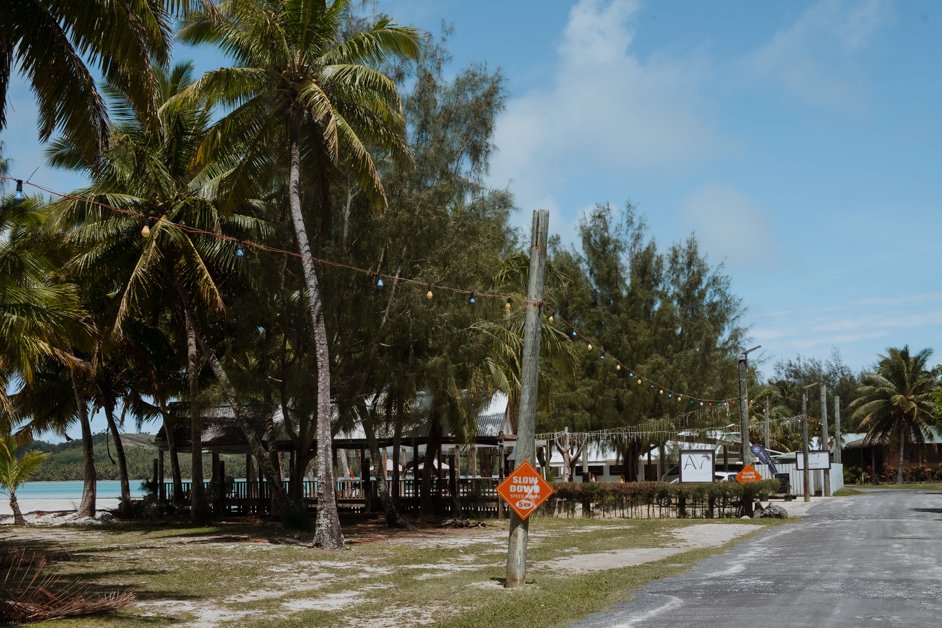
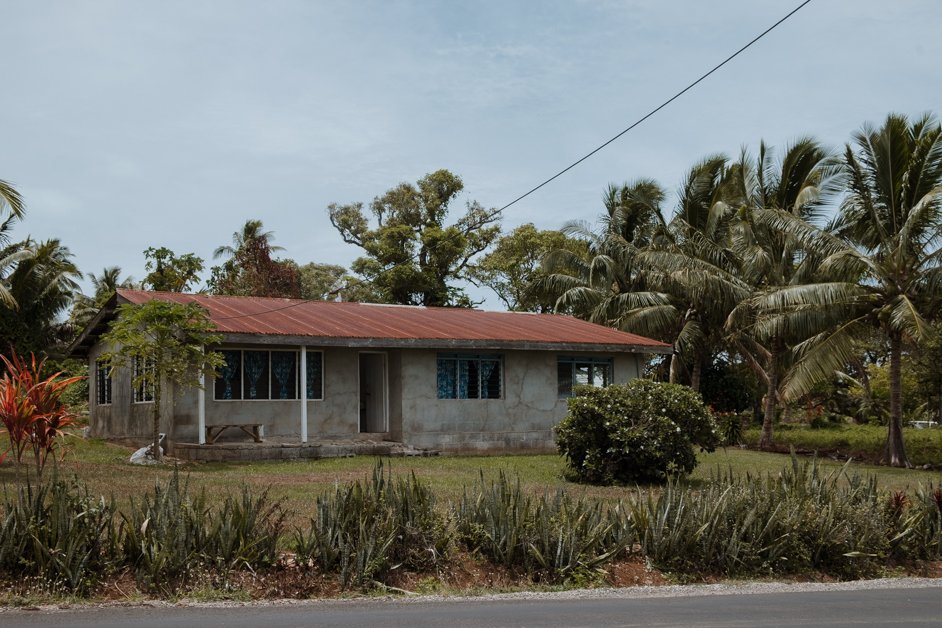
By flight: The main way to reach Aitutaki is by flight from Rarotonga. Rarotonga is the main island in the Cook Islands and therefore has the international airport from which smaller planes connect to the other 14 islands.
You can reach Rarotonga by direct flight from Auckland, New Zealand; Sydney and Brisbane, Australia; Honolulu, Hawaii, USA; and Tahiti, French Polynesia. You then transfer onto an Air Rarotonga flight (booked separately) to connect to the other islands.
For the best views of the lagoon, the best side of the airplane to sit on when flying into Aitutaki is the single seats on the left side.
→ Check out the reel I made about flying into Aitutaki!
→ Check out the reel I made about flying out of Aitutaki!
Upon landing in Aitutaki at the very small airport, most accommodations will provide an airport pick-up service.
By boat: There is no ferry between the islands of the Cook Islands as they are all so far apart however it is possible to visit Aitutaki by cruise line including Aranui, Norwegian and Oceania Cruises. There are many more that visit just Rarotonga, from where you could do a day trip to Aitutaki, time permitting.
By day tour: A popular way to visit Aitutaki is to do a day trip from Rarotonga. In hindsight, we feel this would have been sufficient for us. You are picked up at your hotel on Rarotonga in time for an 8:00am flight to Aitutaki, a full day spent exploring the famous lagoon and then fly back to Rarotonga, landing at 5:30pm.
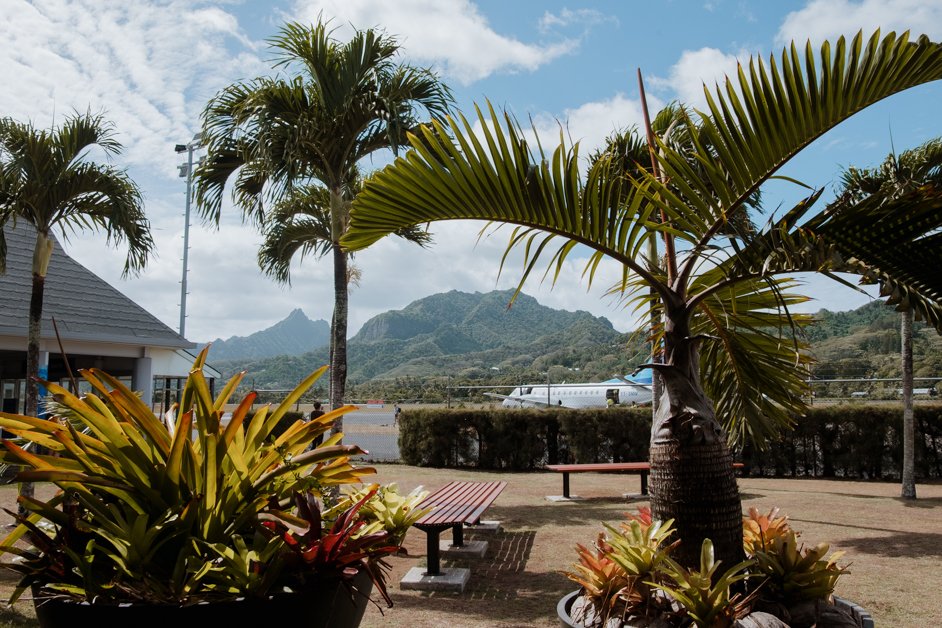
Rarotonga Airport
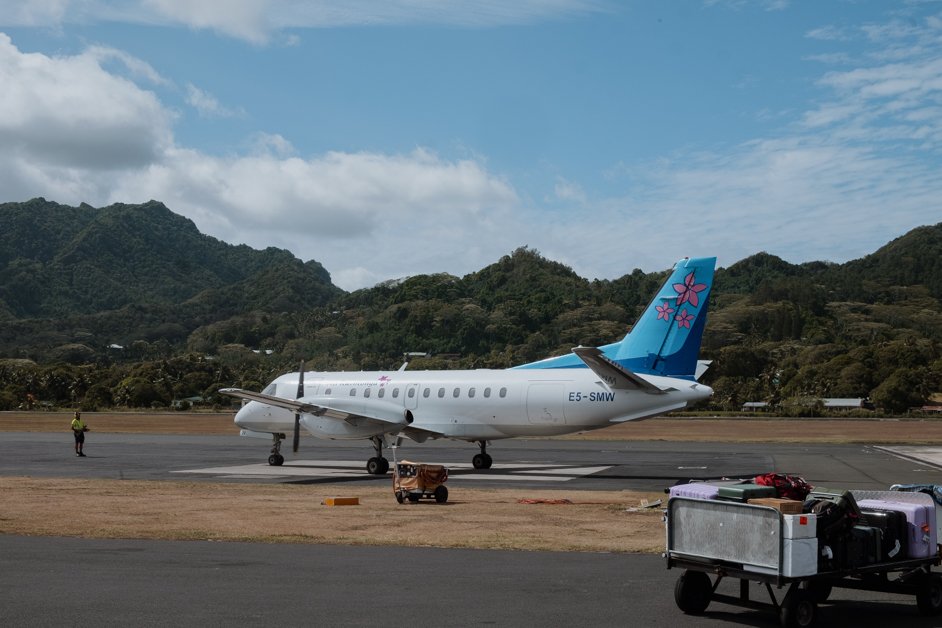
Air Rarotonga plane to Aitutaki
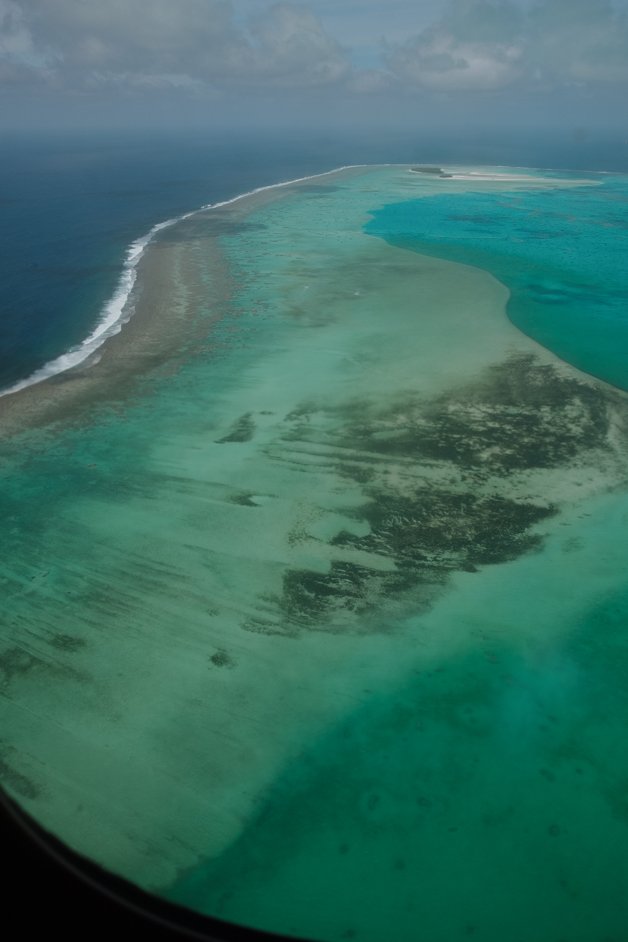
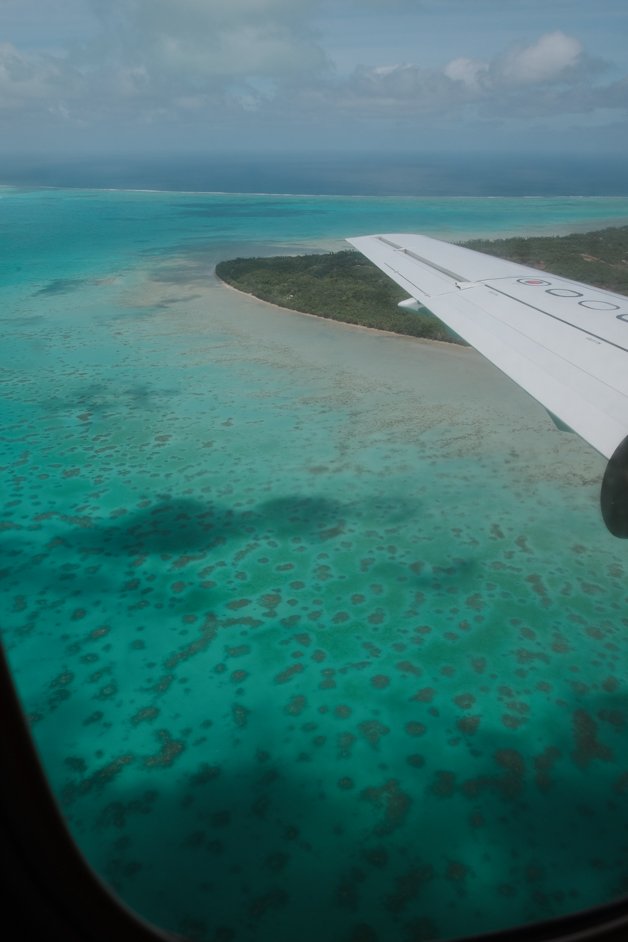
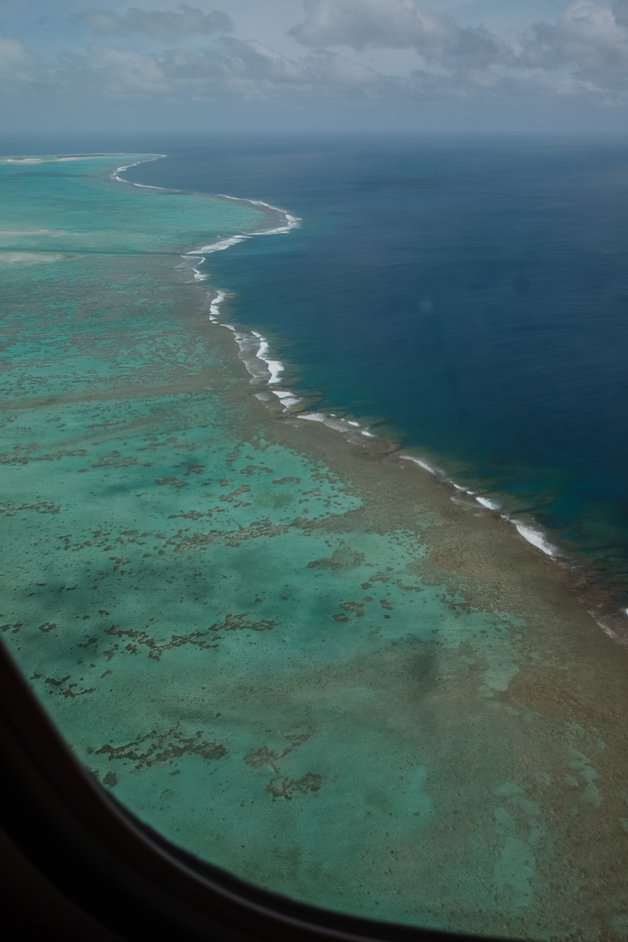
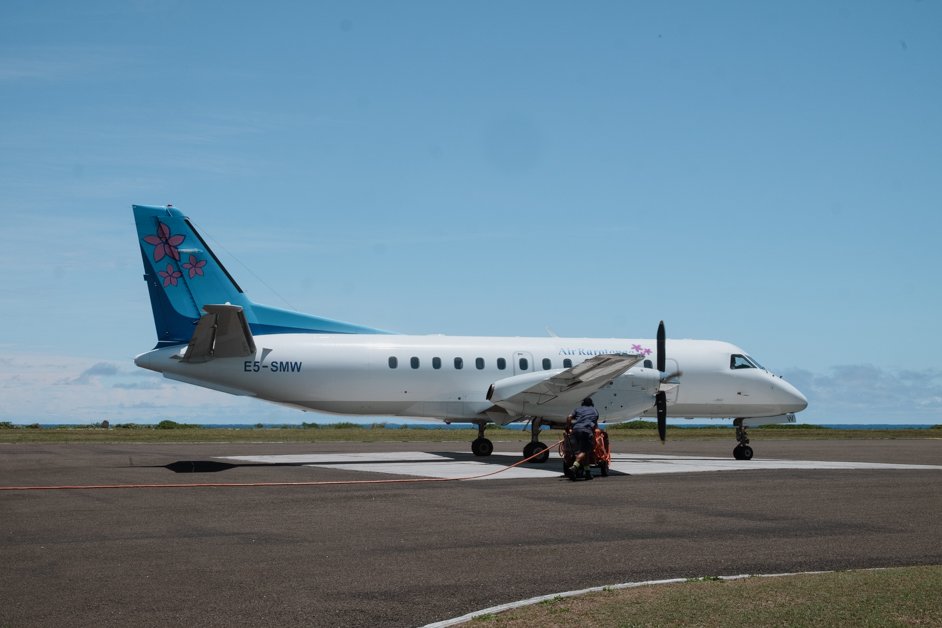
Waiting for take off from Aitutaki Airport
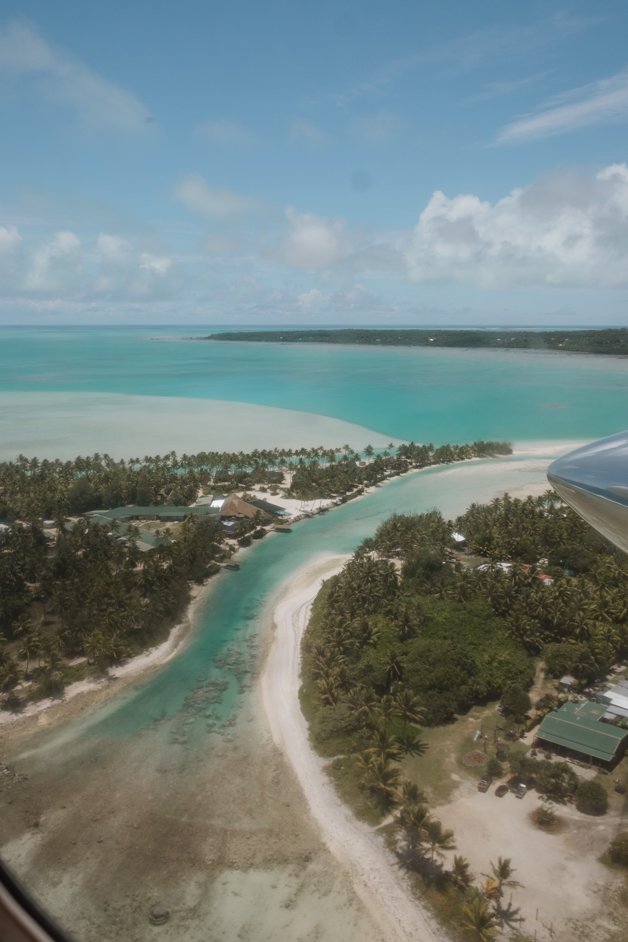
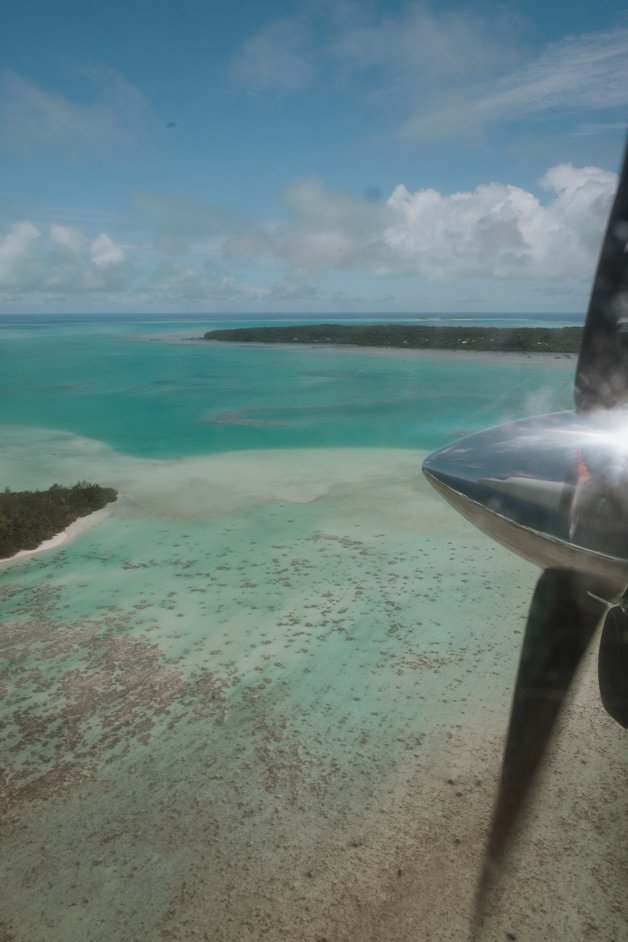
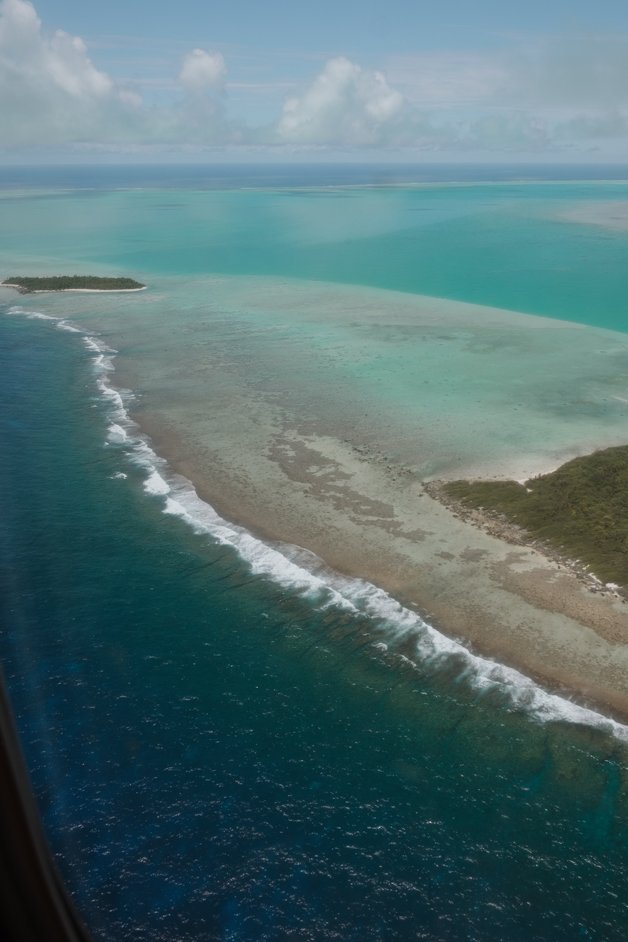
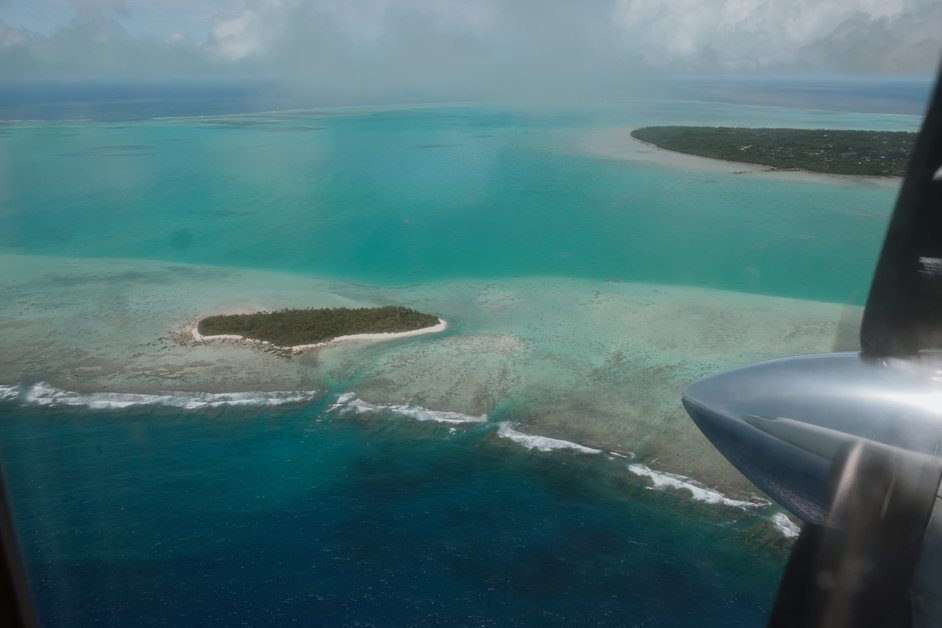
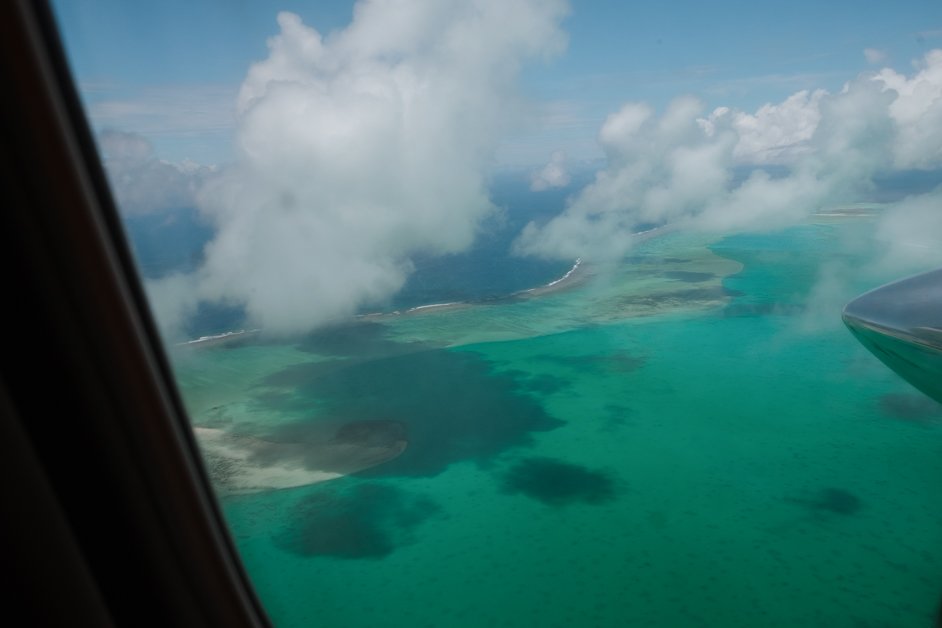
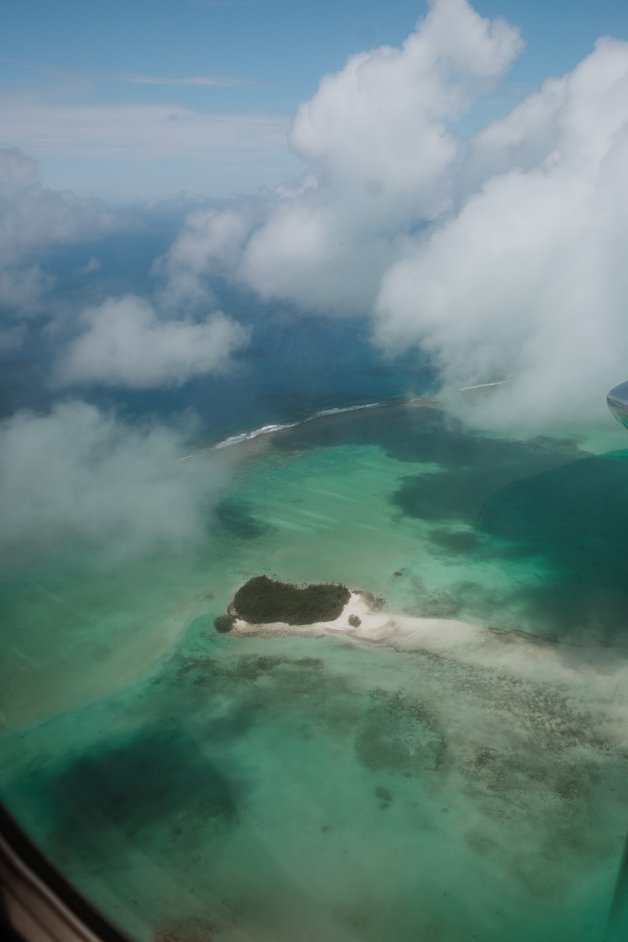
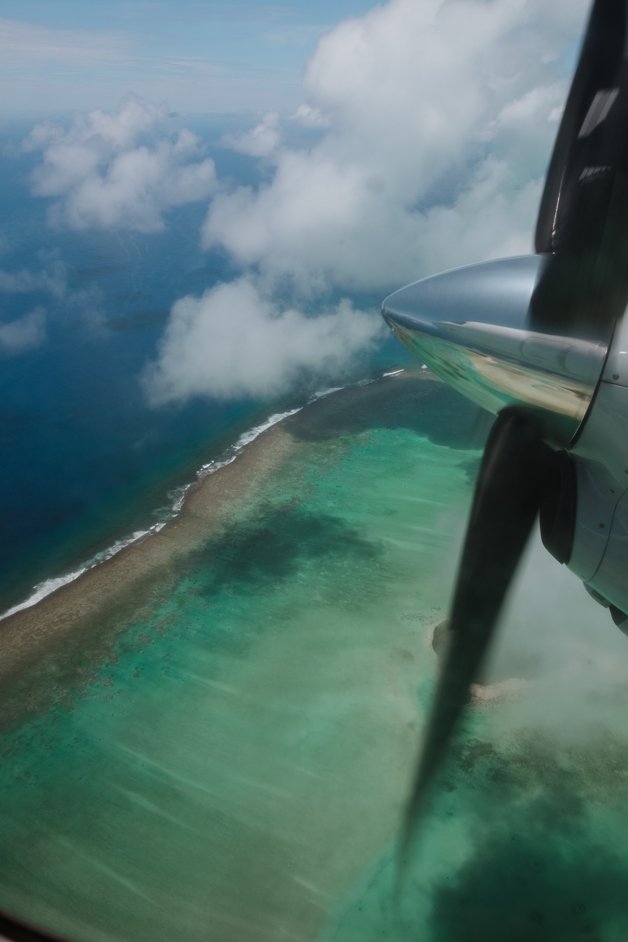
Aitutaki is pretty small, measuring just over 18km²! However, I would still not say that it is a walkable island. There is also no public transport on Aitutaki. Here are the ways you can get around Aitutaki:
By scooter: The best way to explore Aitutaki is with scooter, as the locals do. However, in order to be able to rent and drive a scooter, you need to get a Cook Islands visitor's license first, available at the police station in Arutanga.
It is much easier to pick up a scooter license on Aitutaki as it is just a fee; comparatively on Rarotonga, you need to sit both a theory and a practical test before being allowed to drive a scooter. Naturally, Aitutaki scooter licenses are not valid on Rarotonga.
By car: The next best way to explore the island is with a car, making it easy to get around at your own pace, stopping whenever and wherever you like. There is a flat speed limit of 40km/h across the island, so it's super chill driving here. You don't need a local license for renting a car, just an international one.
Be aware that rental cars are very limited on Aitutaki, so it is strongly advised to book this in advance. Your accommodation can assist with this. The company we rented through was arranged by our receptionist and they were happy to drop the car off (and pick it up again) at our hotel, as we had airport pick-up and drop-off included in our stay.
By bike: We also spotted a few tourists getting around by bike, which is totally doable. You might get a bit sweaty though, as Aitutaki can be really muggy!
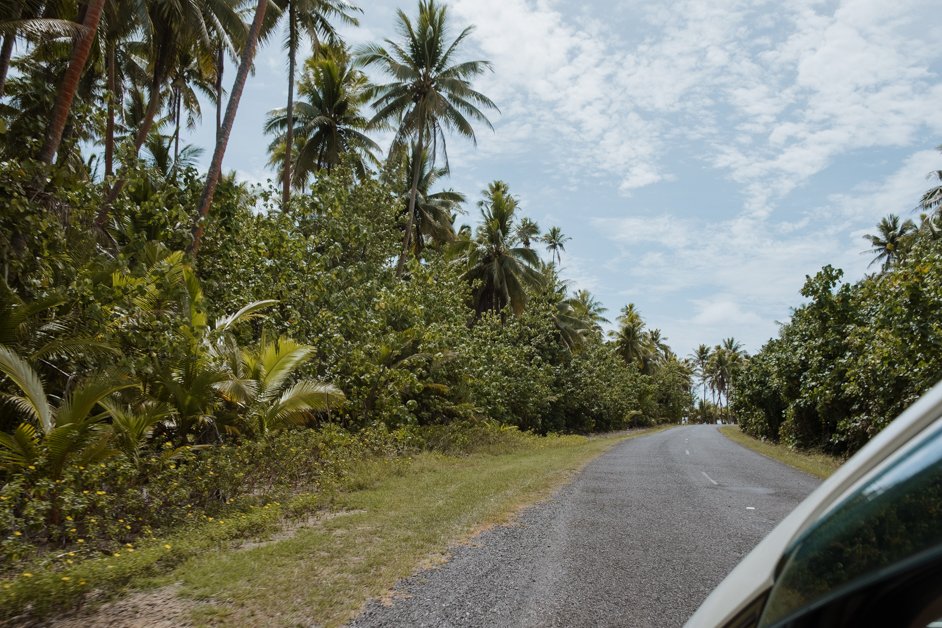
Driving on Aitutaki
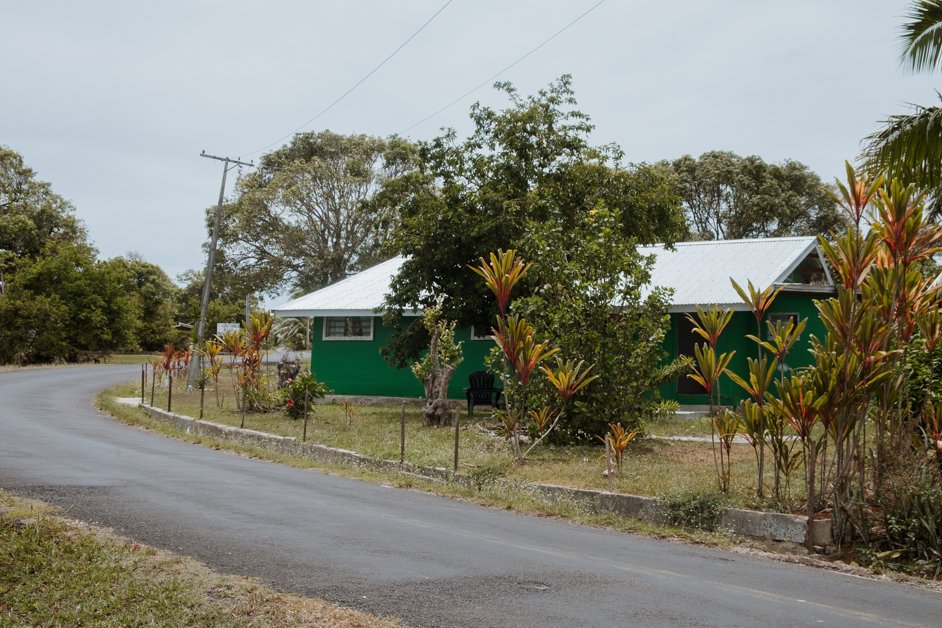
Aitutaki is often nicknamed 'Honeymoon Island' as it is considered a popular choice as a honeymoon destination. Therefore, you'll find a couple of high-end resorts catering to these honeymooners which usually come with a hefty price tag.
Personally, I don't think it's worth the price based on what we saw (often upwards of NZD $2000 per night)!
We checked into Aitutaki Village for four nights, located on the next beach along from the ultra-luxurious Aitutaki Lagoon Private Island Resort. Stand-alone beach huts served as our basic yet comfortable rooms. There is a small restaurant on site. The best part is that the hotel is right on the water at Ootu Beach, arguably Aitutaki's prettiest, with a beautiful sand bank.
WiFi was only available in the main lobby/restaurant area, not in our rooms. There is free parking on site and airport pick-up/drop-off is included.
→ Book your stay at Aitutaki Village.
→ Check out other places to stay to suit your budget and accommodation type.
As mentioned before, in hindsight we would have been perfectly happy with a day trip to Aitutaki, or perhaps one night at most. The island is really small and we felt that four nights were far too many.
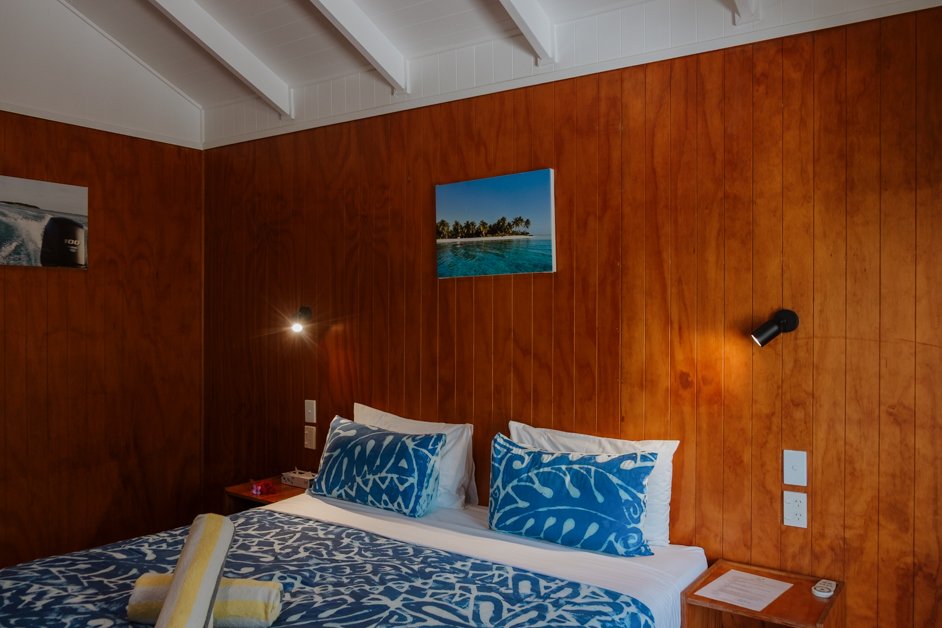
Our beach hut
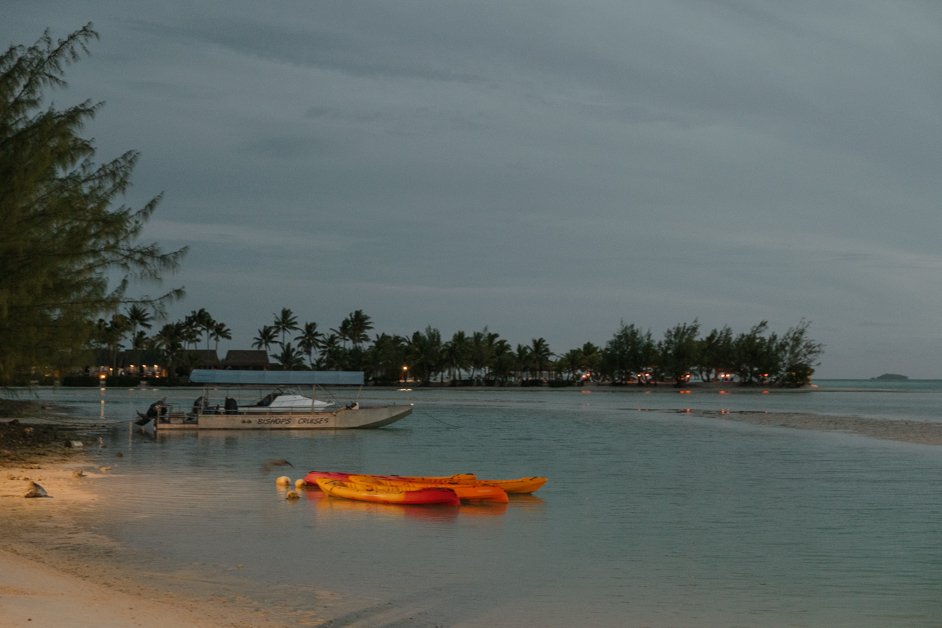
Twilight at Ootu Beach; spot Aitutaki Lagoon Resort in the back
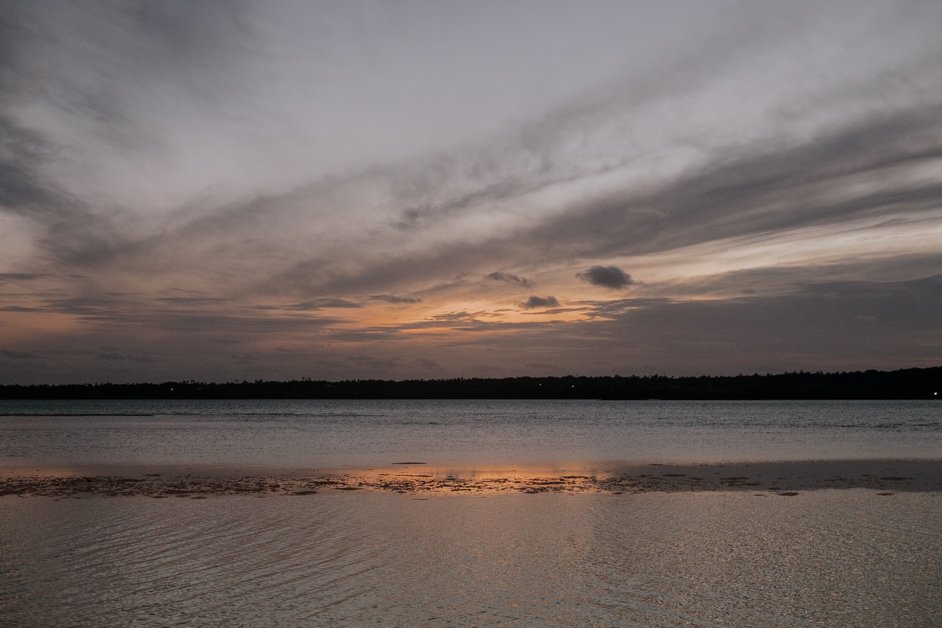
Sunset from the hotel restaurant
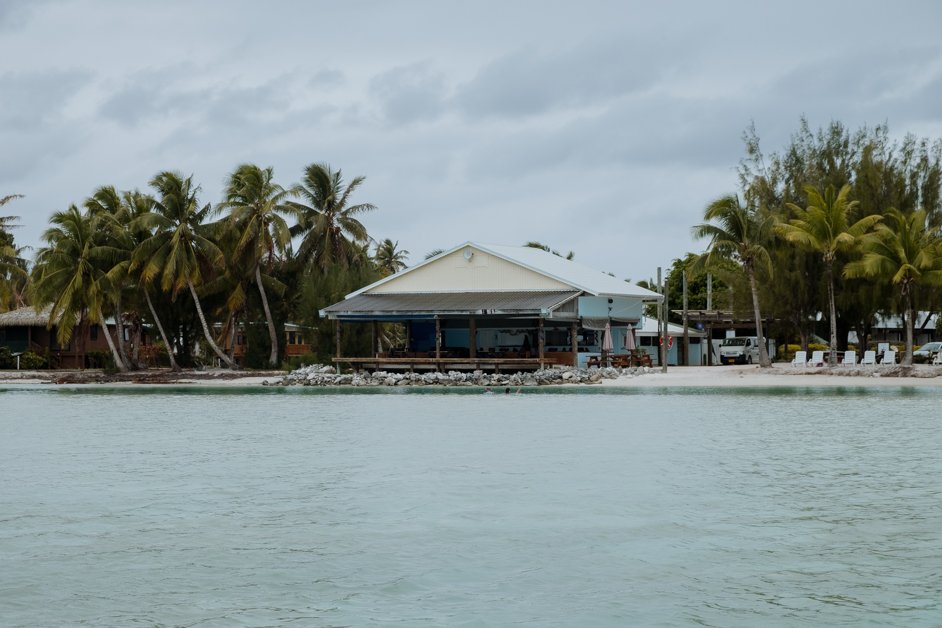
Aitutaki Village from Ootu Beach's sandbank
Aitutaki is a small, remote island and doesn't have a ton of food options. However, for the few places we found, we were pleasantly surprised with their menu options, especially for me as a vegetarian:
Avatea Cafe
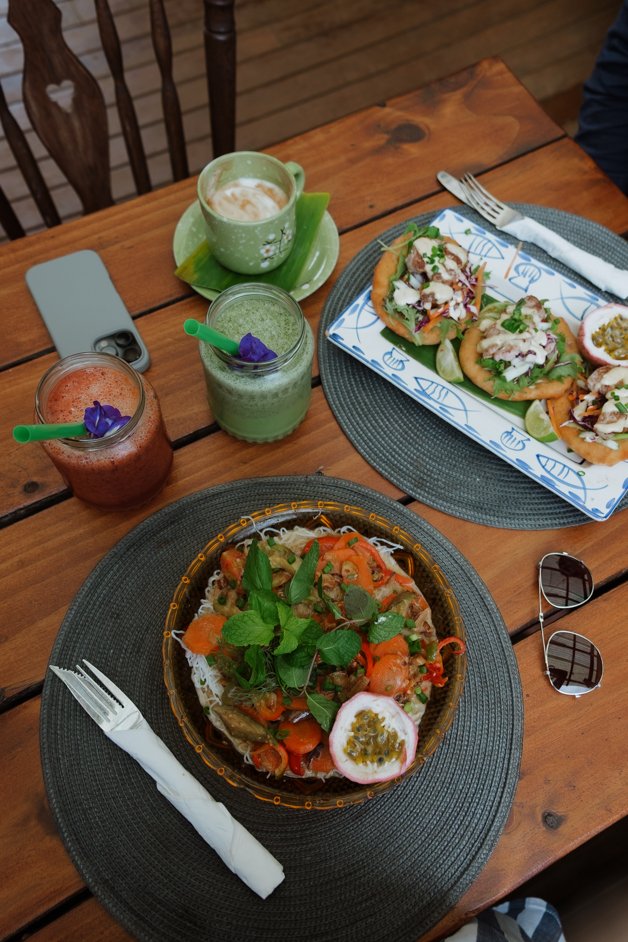
Hands down our favourite restaurant on Aitutaki was Avatea Cafe which we visited for all meals of the day. They had such a fantastic menu with loads of fresh, creative options and were happy to make almost anything on the menu vegetarian.
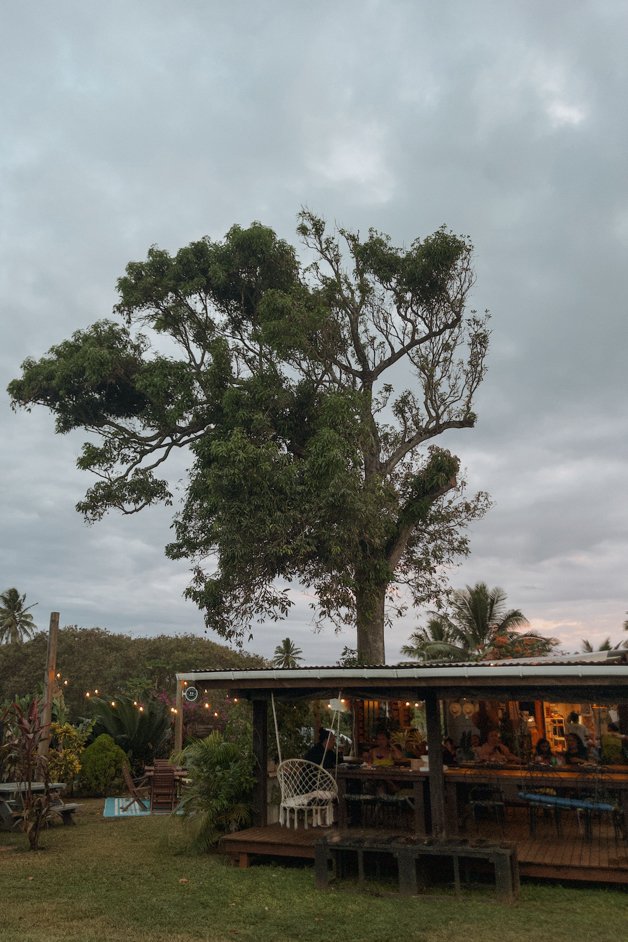
Avatea Cafe
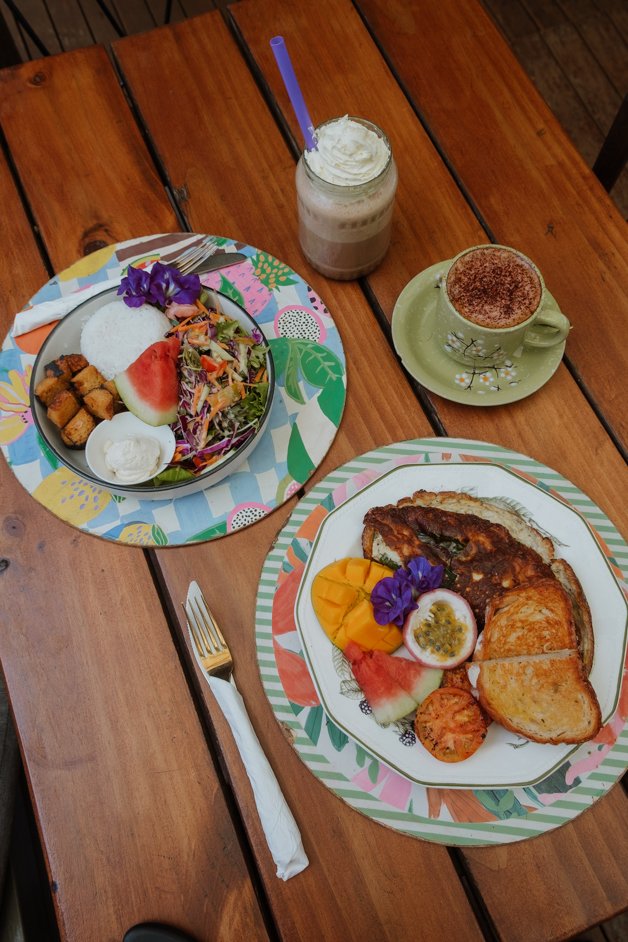
Brunch
Lunch
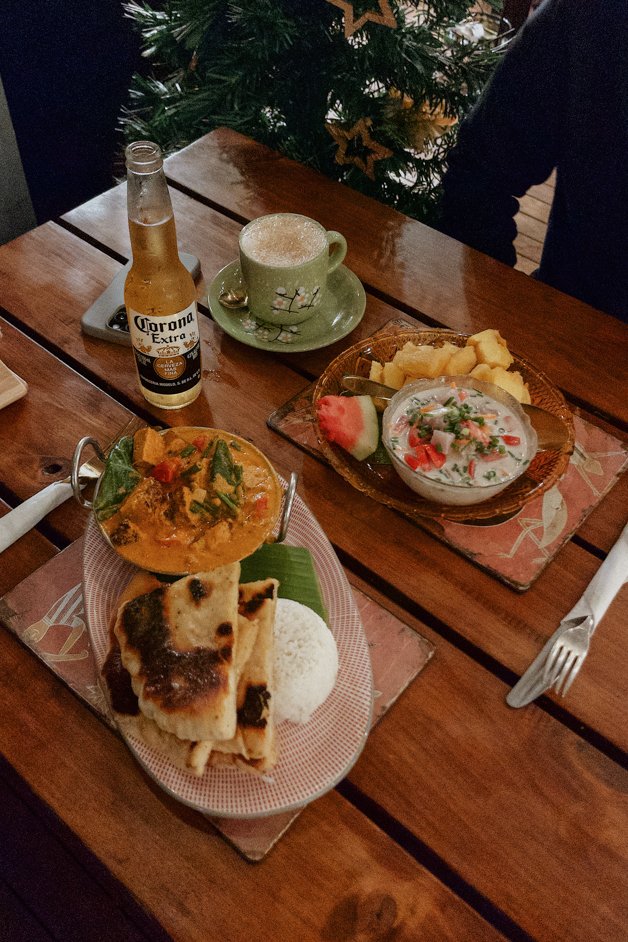
Dinner
Koru Cafe
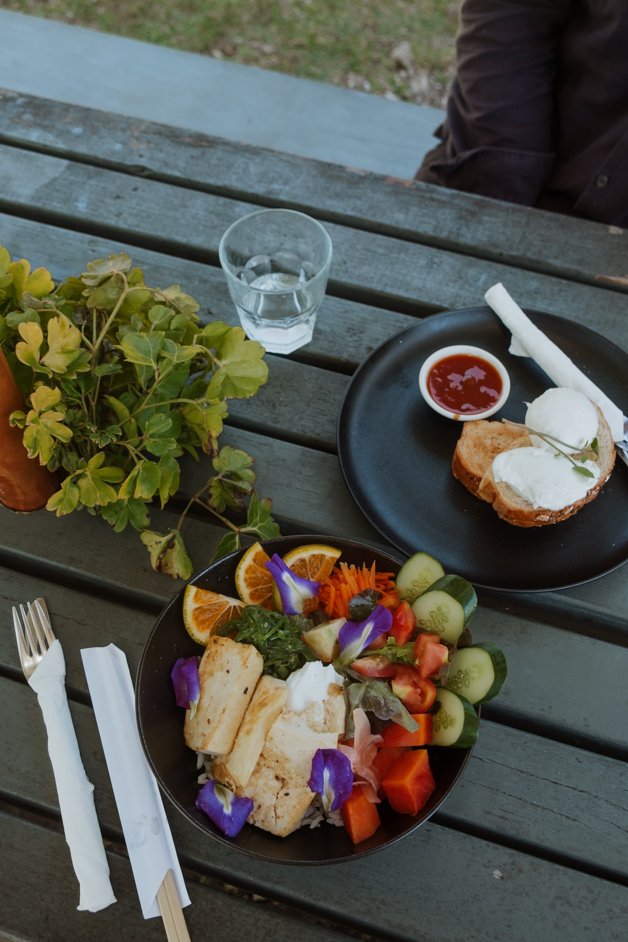
Koru Cafe is a nice breakfast spot near Ootu Beach, in walking distance from our hotel.
This beach is also where most tours of Aitutaki Lagoon depart from and it's also fairly close to the airport, so this is a good option for a pre-tour or pre-flight breakfast.
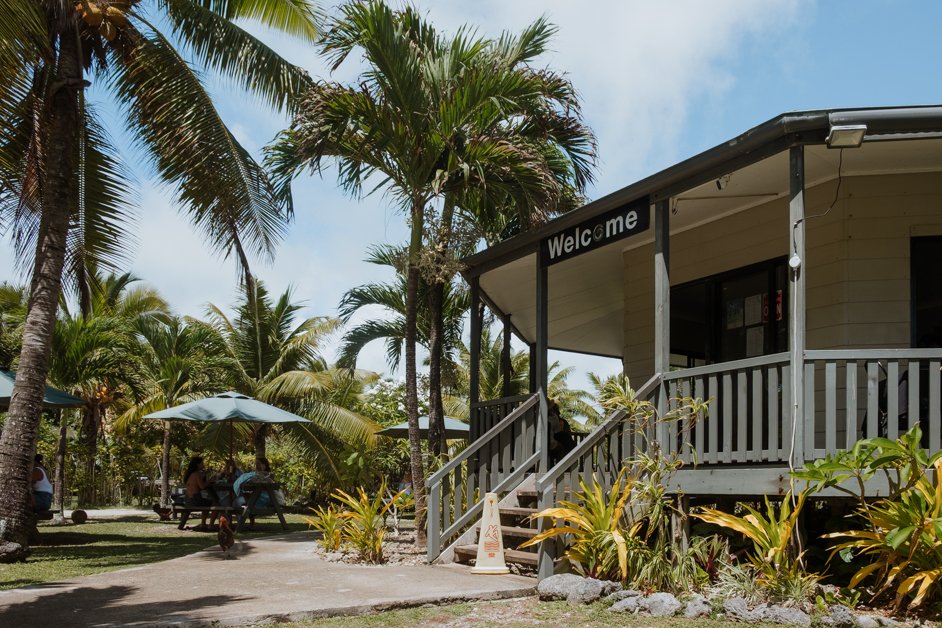
WokKai
Usually open Monday to Thursdays, WokKai serves up Asian stir-fry dishes including a pretty decent pad thai. They were sold out of tofu when we were there but that's island life for you!
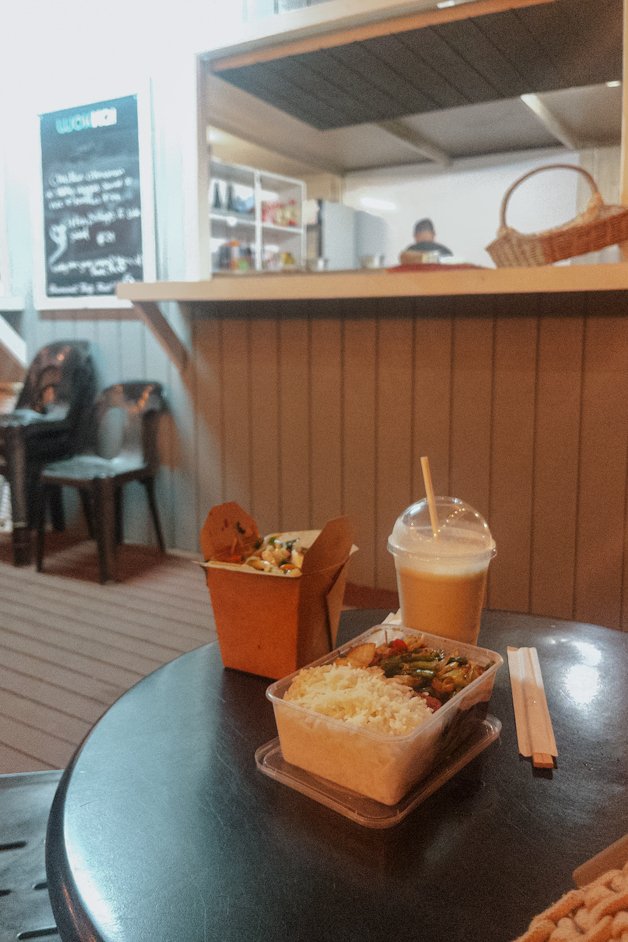
Blue Lagoon
This was the restaurant attached to our hotel, Aitutaki Village. They have a focus on seafood and curries, but were able to whip me up a nice vegetarian curry, too. The best part of this restaurant is definitely the view overlooking Ootu Beach.
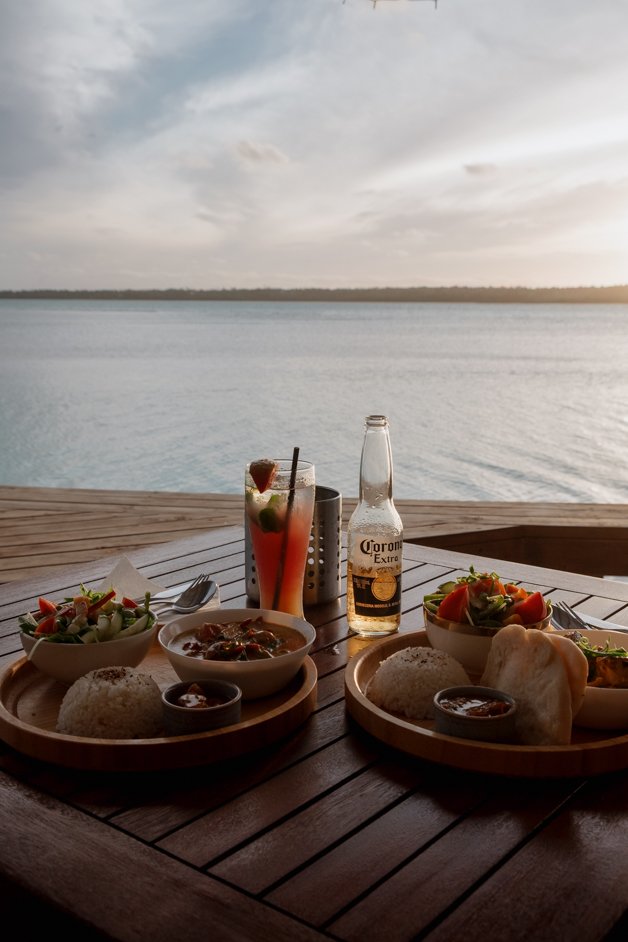
Aitutaki is a small island and is most famous for its lagoon, which is what most people travel here to see. This is often done as a day trip from Rarotonga.
If you're staying longer and have more time to explore, here is everything else we got up to on Aitutaki:
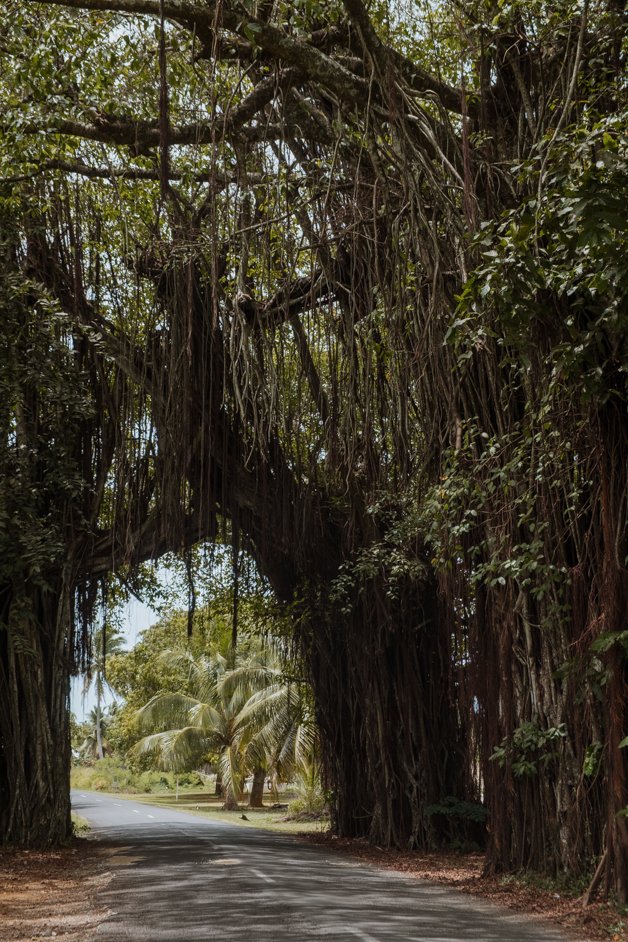
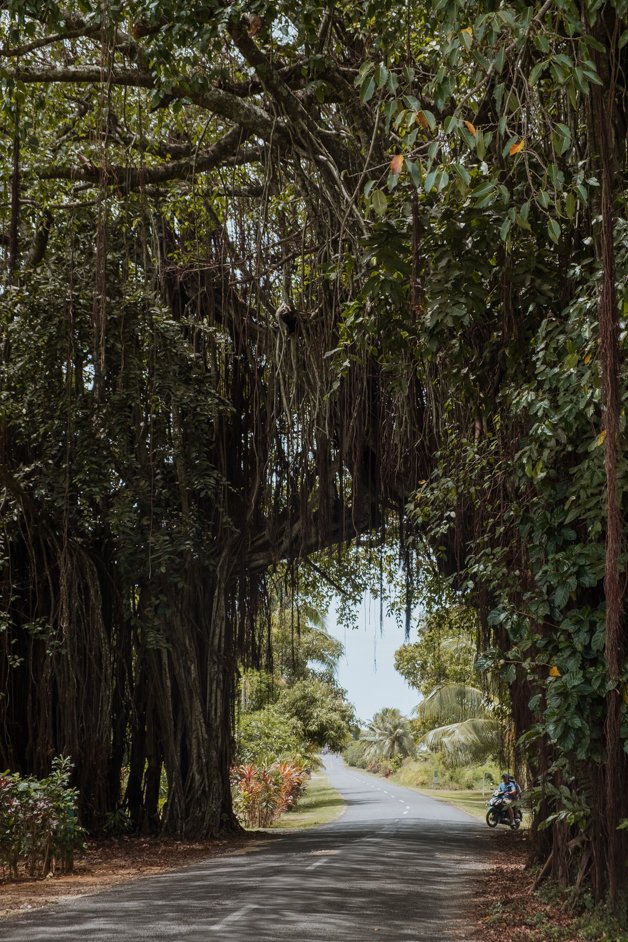
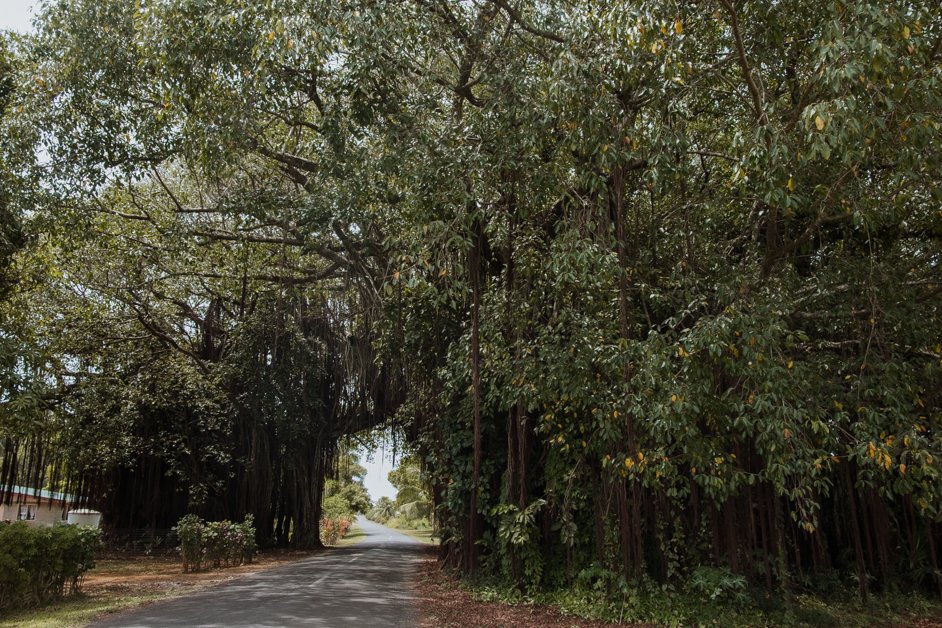
Drive through the Giant Banyan Tree
The Giant Banyan Tree is probably Aitutaki's most famous tree, creating a natural tunnel over the road. It's a great little photo stop as you drive around the island.
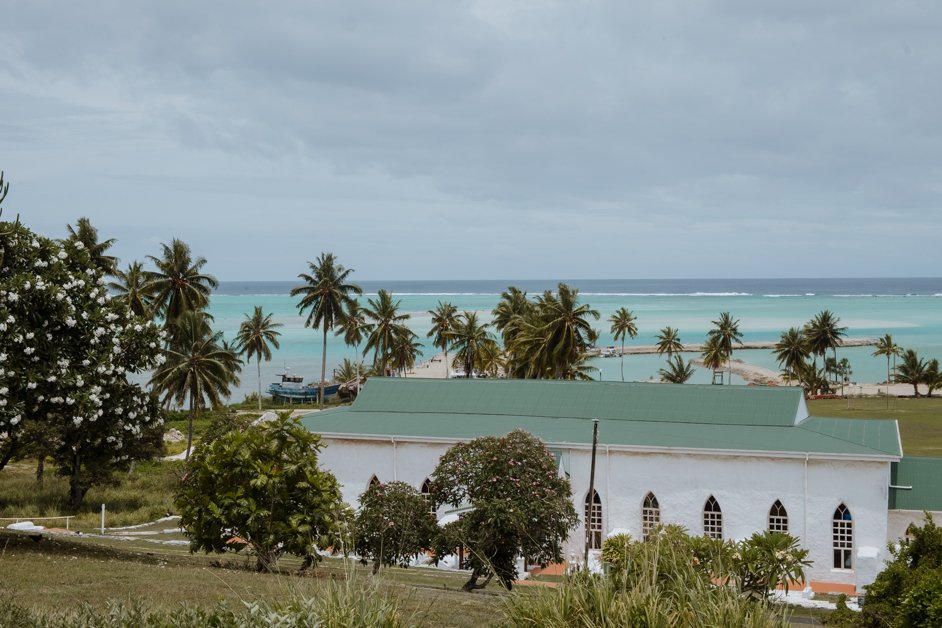
Take in the view from Aretuki Lookout
This small lookout gives a nice overview of some of the main buildings in Arutanga, the main town on Aitutaki, such as the church, port, market and Kautea Marae, where Aitutaki chiefs receive their titles.
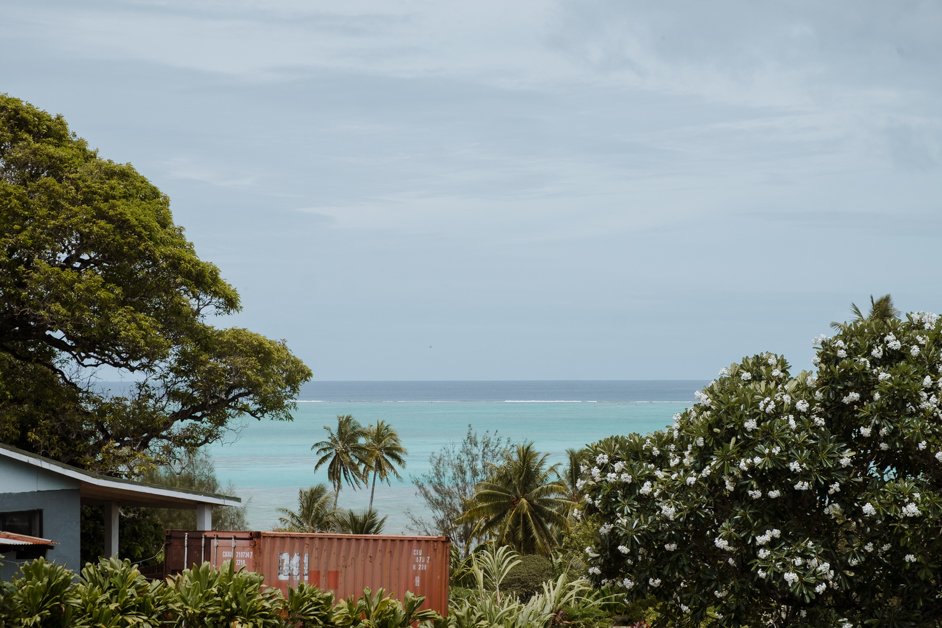
See the lagoon from Piraki Lookout
This simple lookout is on one of the tallest points of Aitutaki giving a good view overlooking the bright blue lagoon below. The highest point is nearby Maunga Pu, which you can hike to.
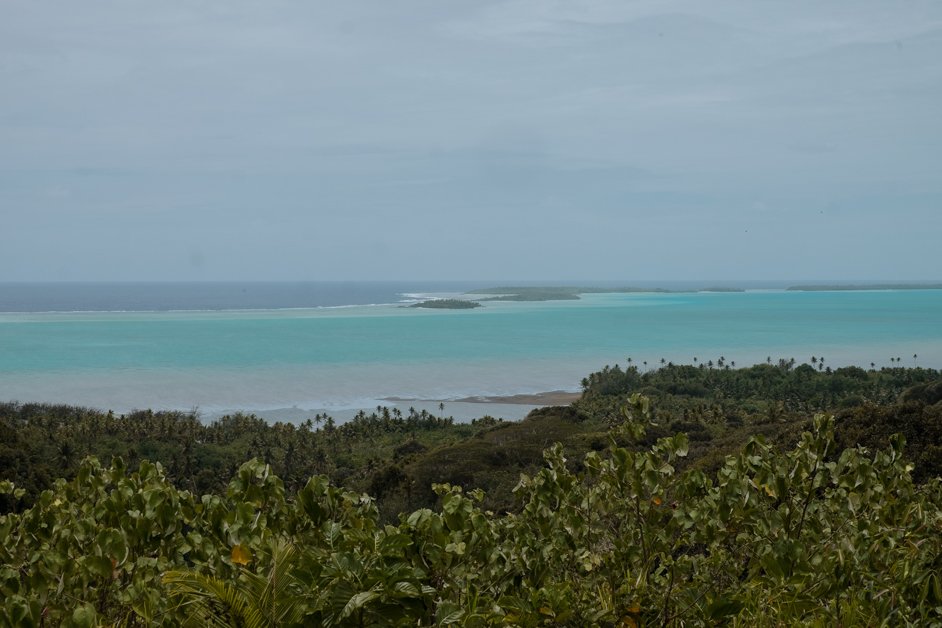
Hang out on the sand bank of Ootu Beach
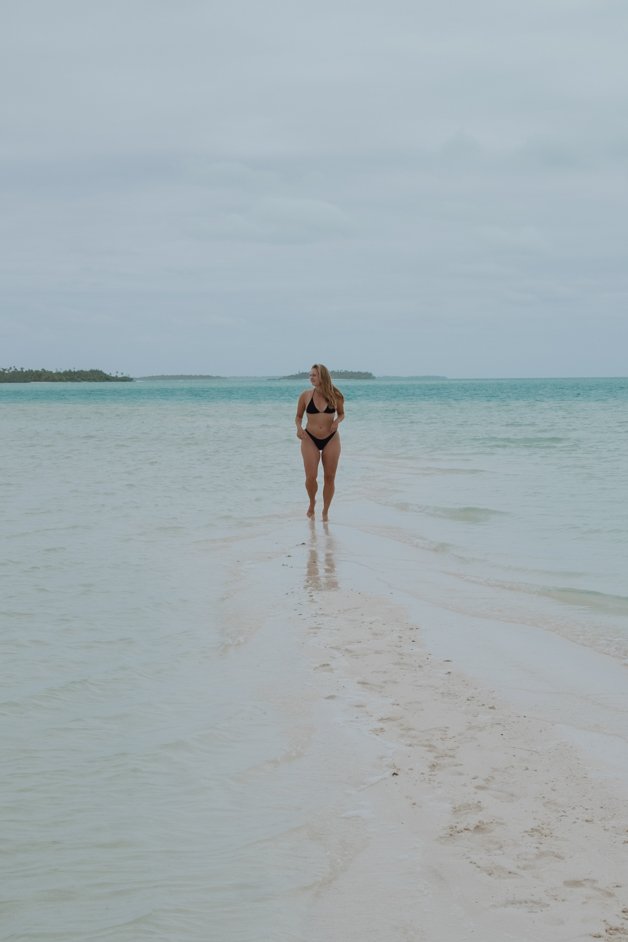
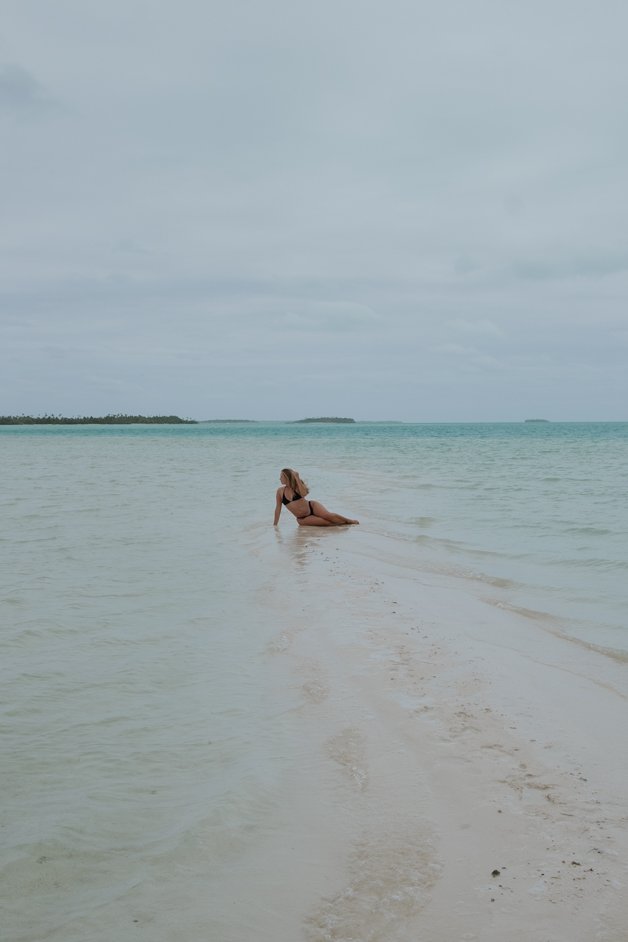
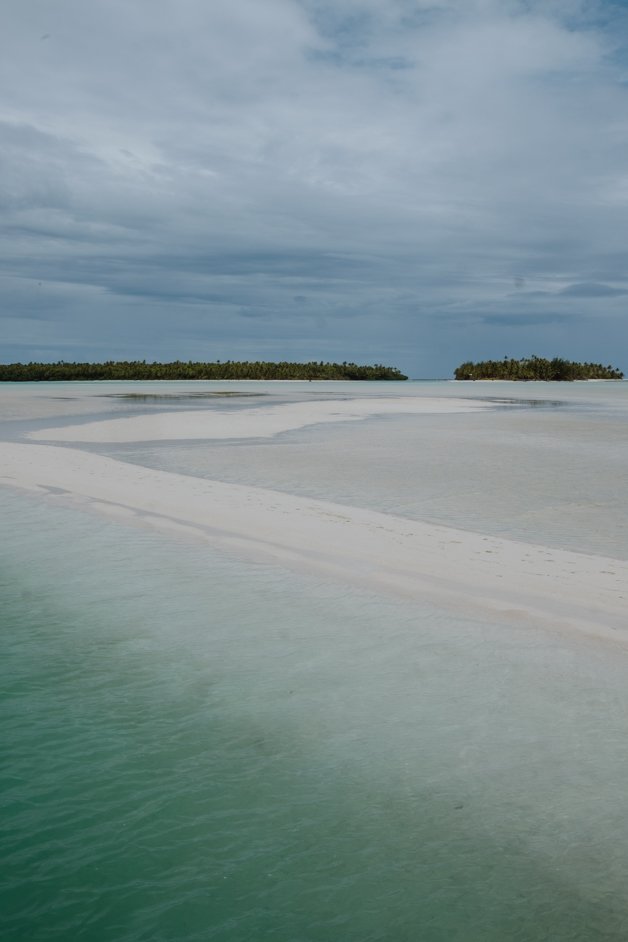
Ootu Beach is arguably the prettiest beach on Aitutaki, located on the right tip, near the airport. It has the best view looking into the famous Aitutaki Lagoon and is also home to a sand bank, so you can walk pretty far out on super shallow, clear water.
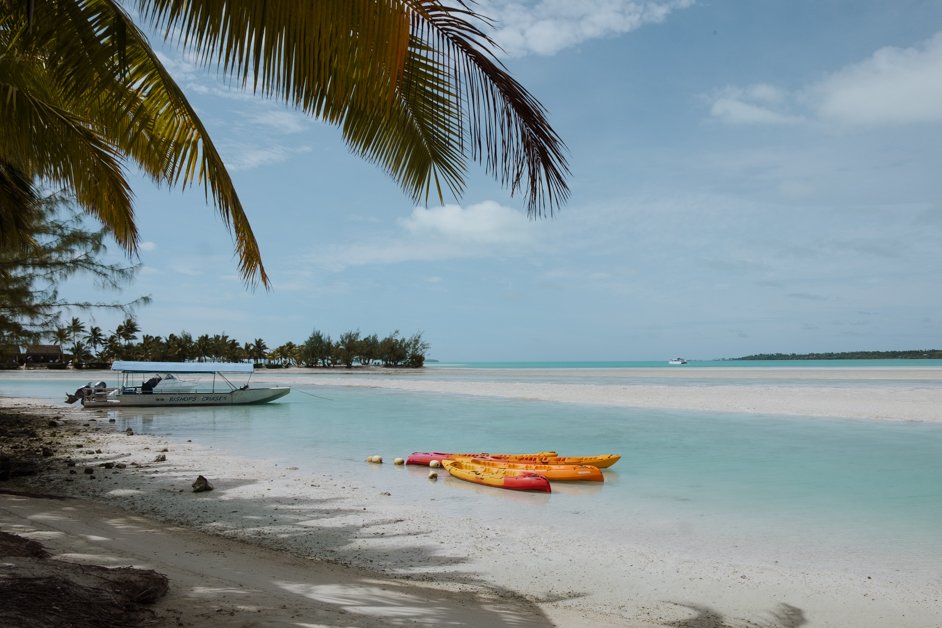
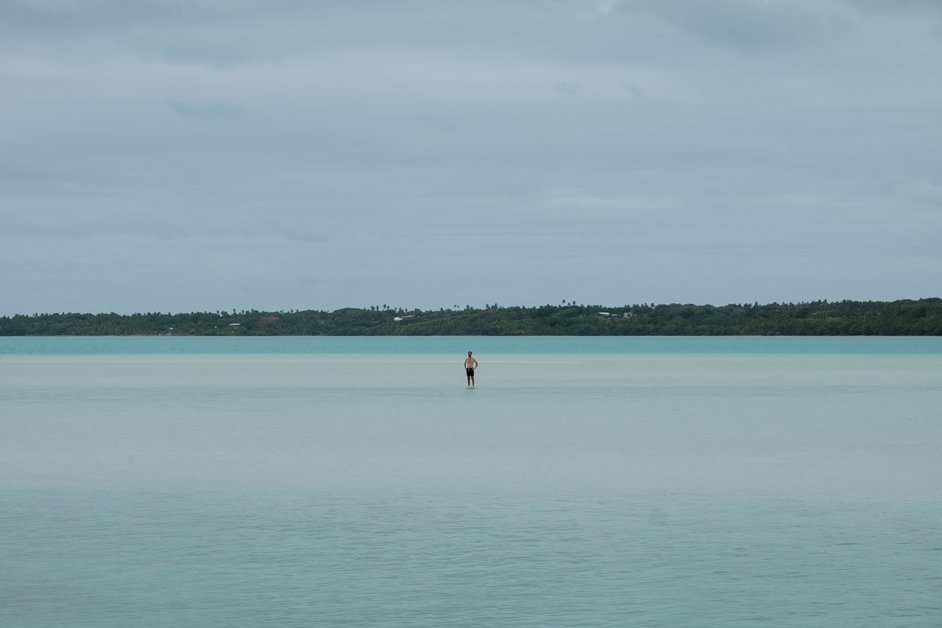
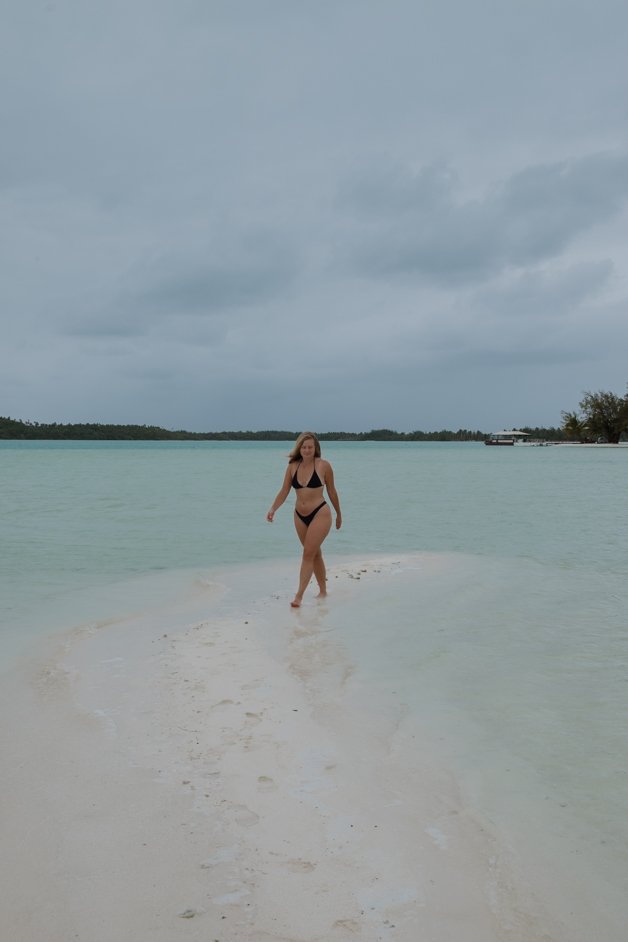
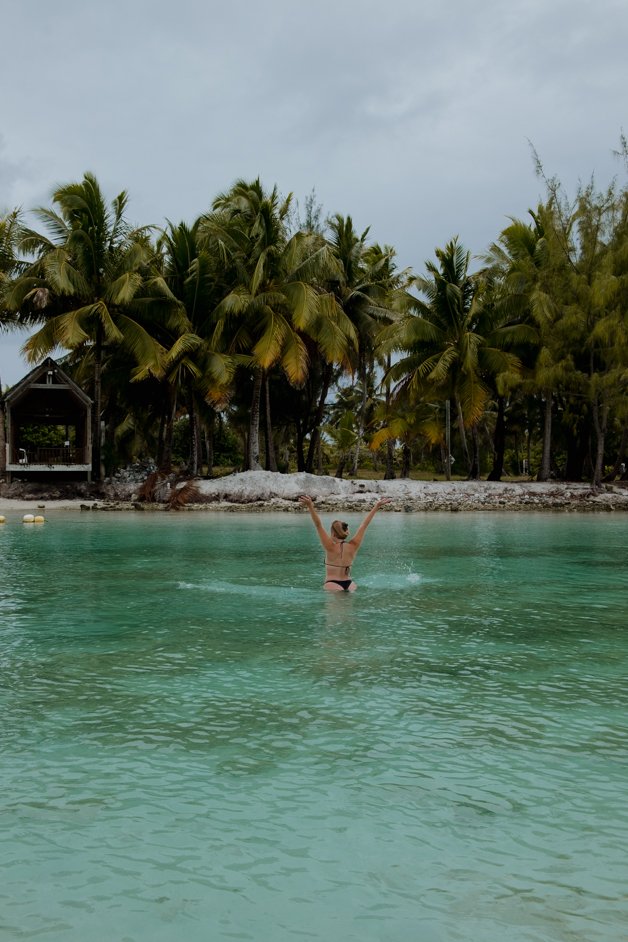
Do a day tour of Aitutaki Lagoon
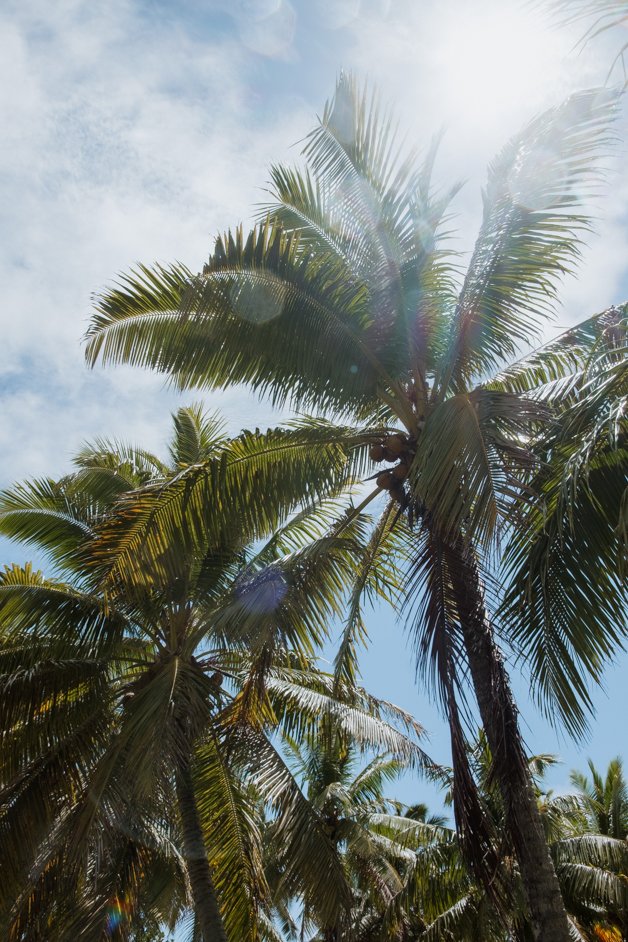
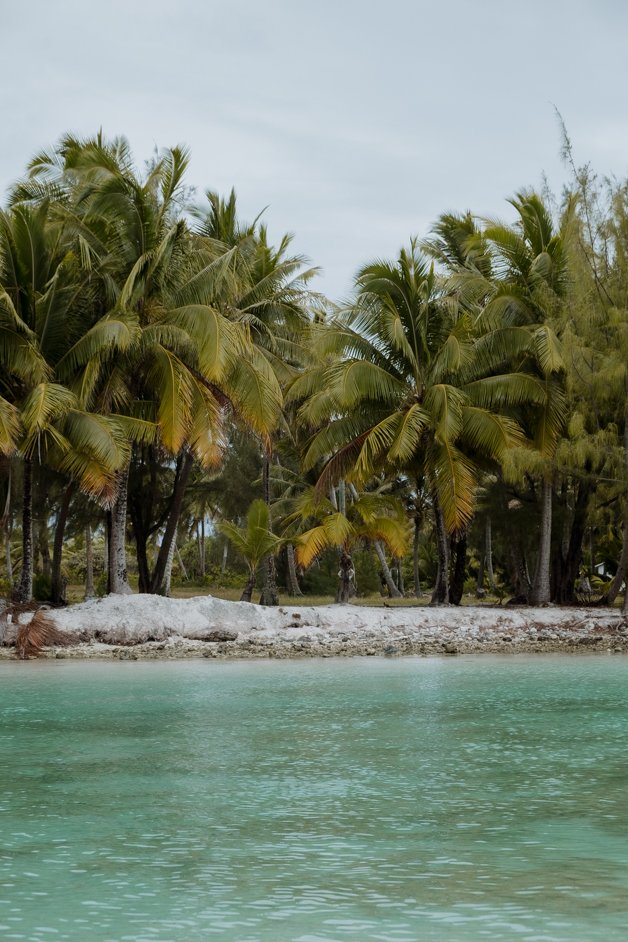
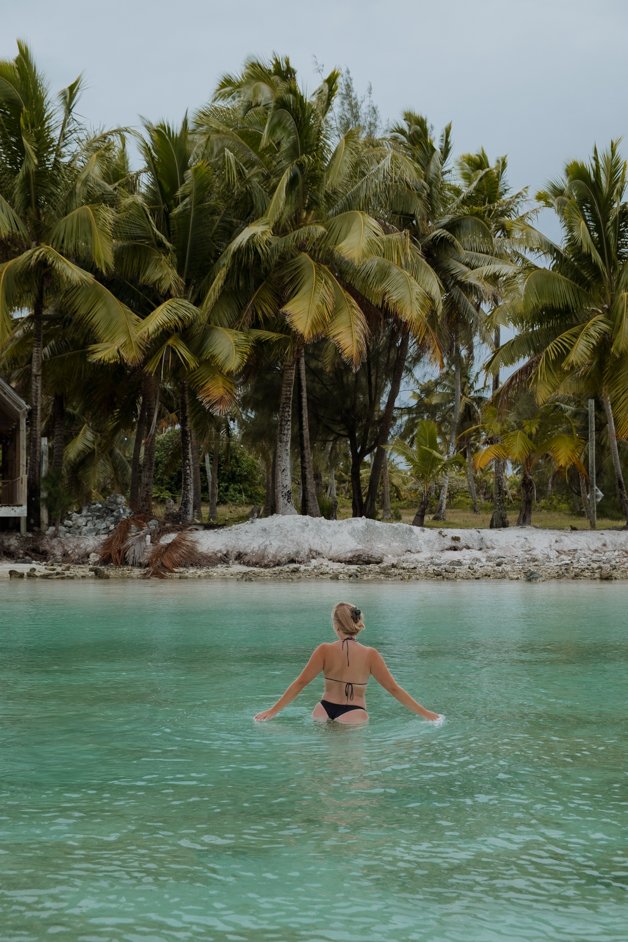
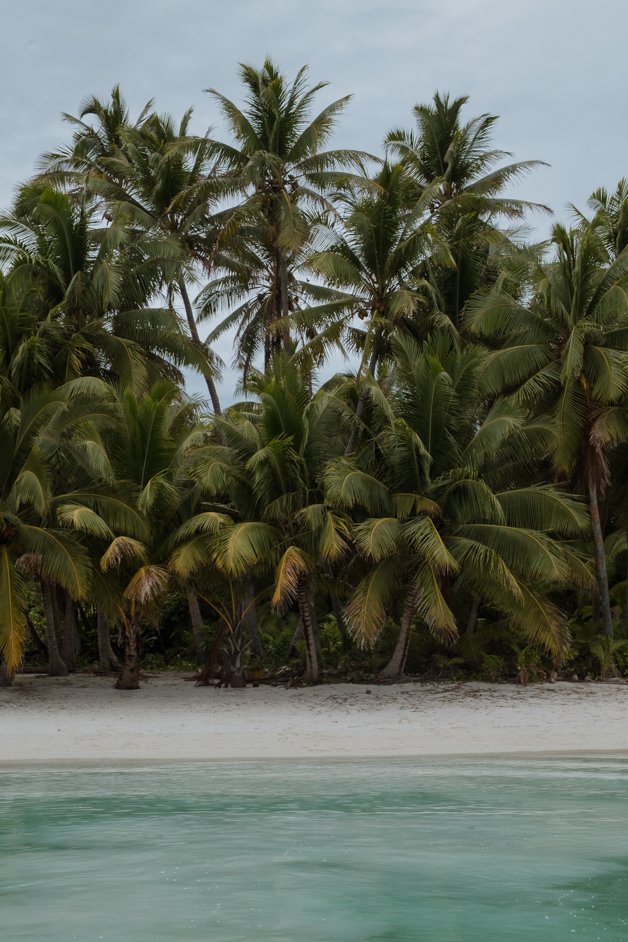
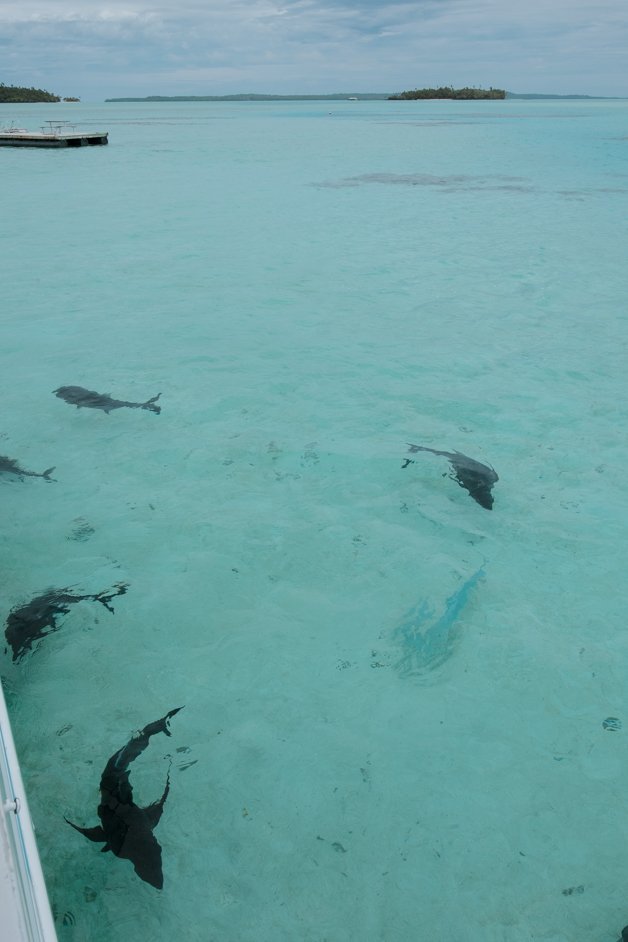
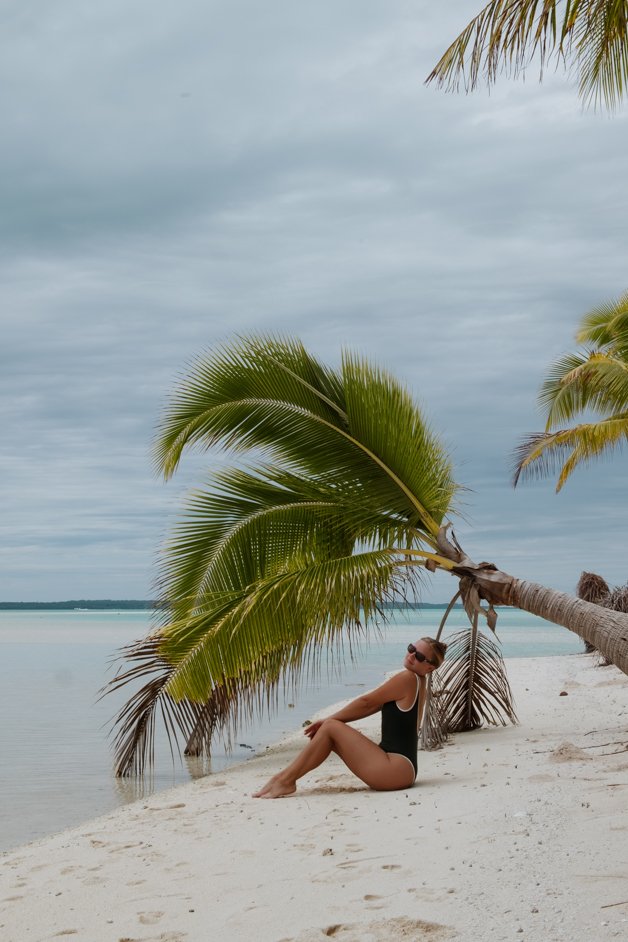
The Aitutaki Lagoon is probably one of the most famous destinations in all of the Cook Islands. Known for its stunning blue water and pretty palm tree-lined islands, getting out on the water and spending a day exploring some of the 15 islets that make up Aitutaki is definitely the highlight of any trip here.
→ Check out my complete guide for a day tour of Aitutaki Lagoon!
BOOK AN EXPERIENCE IN THE COOK ISLANDS!
PIN THIS POST TO REFER BACK TO LATER!
GET READY TO TRAVEL!
— Book tours and experiences - with GetYourGuide
— Get all the gear you need for your trip - with Amazon (North America)
— Get all the gear you need for your trip - with Amazon (Europe)
— Find a place to stay - with Booking.com
— Choose a hostel to stay at - with Hostelworld
— Purchase global travel insurance - with World Nomads
— Load an international eSim on your phone - with AirAlo
— Start your own travel blog - with Hostinger
— Join the GetYourGuide Travel Creator Community - with GetYourGuide

Hi! I’m Jana, a Dutch-German-British-Canadian with a dream of seeing every country in the world. I am a storyteller, photographer and adventurer passionate about documenting and sharing my travels.