Australia Zoo is one of the country's best-loved attractions, the world-famous zoo owned and operated by the Irwin family. It's located in Beerwah, between Brisbane and the Sunshine Coast in Queensland.
I first visited Australia in 2019 on a solo backpacking trip. Now, seven years later, I'm back in Australia, living full-time in a campervan, a 2018 Mercedes Sprinter, with my partner and exploring the country, with a plan of "driving the lap" (completing the entire perimeter of the country).
The Beerwah Reptile Park first opened in 1970 with two acres of native wildlife managed by Steve Irwin's parents. Steve Irwin is the legendary "Crocodile Hunter", beloved the world over for his outgoing personality and his fantastic videos showcasing the best of Australian wildlife. Steve Irwin died in 2006 from a stingray accident on the Great Barrier Reef, a moment the entire world remembers.
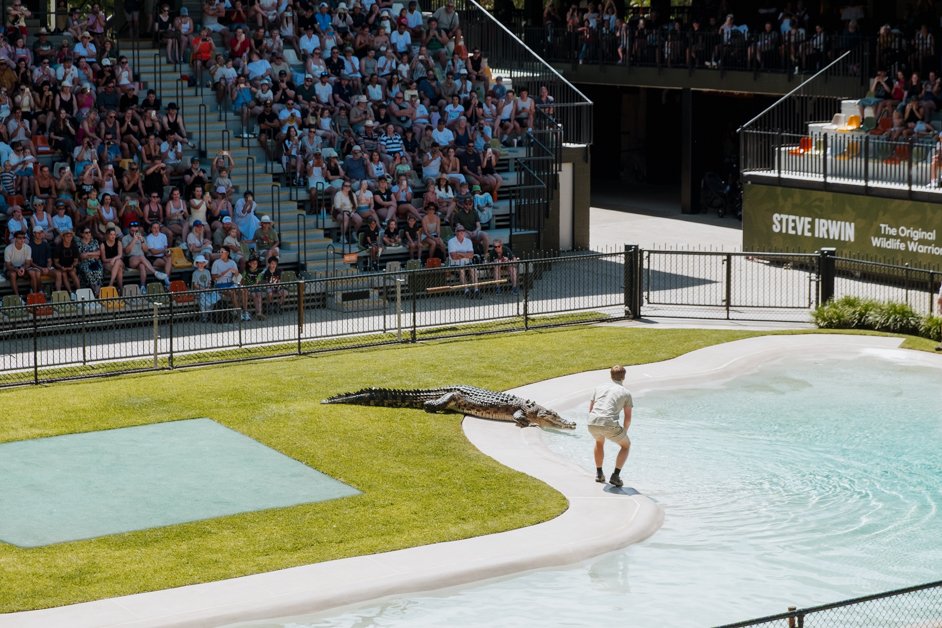
In 1980, the park doubled in size and became the Queensland Reptile and Fauna Park. In 1991, Steve became the park manager and, soon after, met Terri when she visited the park, whom he would go on to marry in 1992. Together they filmed a documentary series called The Crocodile Hunter which allowed them to grow the wildlife park into the Australia Zoo we know today, reaching now more than 700 acres with more than 500 staff. They had two children, Bindi and Robert, who now help run the zoo today. We even got to see Robert (and Bindi's husband, Chandler), feeding the crocodiles at the Crocoseum on the day we went - an absolute highlight of our visit!
Some zoos have poor reputations as places where animals suffer in small enclosures rather than thriving in the wild. However, we absolutely loved our day at Australia Zoo, a place that clearly loves its animals, conservation and wildlife education. We especially appreciated the Wildlife Hospital, added in 2004 to help rescue, rehabilitate and release Australian wildlife; they now help more than 7000 animals every year!
Here is my guide on how to visit the Australia Zoo:
Every single spot (and more) that I mention in all my blog posts about Australia can be found in my Australia | Ultimate Map!
This is a digital map featuring hundreds of my favourite restaurants, campgrounds, accommodations, shops, photo spots, museums, beaches, lakes, animal spots, bridges, viewpoints, hikes and SO much more in Australia, including its three external territories.
Each pin includes exact locations, images, detailed information, the ability to open and save the spot in your Google Maps and a link to my relevant blog post to read more.
COMING SOON → Buy the Australia | Ultimate Map!
By flight: The closest major airport is in Brisbane, the biggest city in and capital of Queensland. The airport is just an hour's drive from Australia Zoo.
By car: If you're driving around the country, as we are in our campervan, then the easiest way to get to Australia Zoo is with your own wheels. Australia Zoo is just over an hour from Brisbane, just under two hours from the Gold Coast and about half an hour from the Sunshine Coast.
There is free parking on site, including long parking spots for campervans.
→ If you don't have your own car, you can rent one in Brisbane, the Gold Coast or the Sunshine Coast.
By public transport: From Brisbane's Roma Street Station, you can take a train to Caboolture Station and transfer to bus 649 or to Landsborough Station and transfer to bus 615, both of which go straight to Australia Zoo, journeys of just under two hours.
Bus 615 also runs from Mooloolaba on the Sunshine Coast straight to Australia Zoo in about 45 minutes.
→ Plan your trip to Australia Zoo with public transport.
By guided tour: There are coach transfers plus zoo entry tickets available on GetYourGuide from Brisbane, the Sunshine Coast and the Gold Coast.
Most people visit Australia Zoo as a day trip from nearby Brisbane, the Sunshine Coast or the Gold Coast.
Hotel: You might wish to stay nearby and get the most out of your day at Australia Zoo, or do a two-day visit to spend even more time exploring. You can stay in nearby Beerwah, the closest town to Australia Zoo.
→ Check out all the accommodation options in Beerwah.
Alternatively, you can also stay right inside the Australia Zoo at the luxury Crocodile Hunter Lodge. The cabins are surrounded by the wilderness and you will be able to spot wildlife from your deck! Breakfast is included as is unlimited entry to the zoo. There is also a pool on site from which you can see kangaroos, emus and koalas.
Camping: We are driving "the lap" around Australia, exploring the country in our campervan. As with the rest of Australia, Queensland permits freedom camping on designated sites. These sites can vary greatly; some offer a variety of facilities such as toilets, trash bins, picnic tables, outdoor cooking stations and others have none of this and might simply be a pull-out on the side of the road.
The best way to find legal freedom camping spots is to use an app. We use Wikicamps Australia, a cheap app that has every single amenity listed (both free and paid) that you might need on the road. This includes things like where to fill up fresh water, where to dump grey water, where to empty toilets, where to stay, gas stations, information points and also has suggestions for things to do as you go.
→ Download the Wikicamps Australia app.
We stayed at Cruice Park, just a 30-minute drive from Australia Zoo. This free campground is just outside Woodford and the closest one to both Australia Zoo and the Glass House Mountains. It's not much, just a grassy park with plenty of space to park up, but it does the trick for a night of free camping! There are also toilets and a playground.
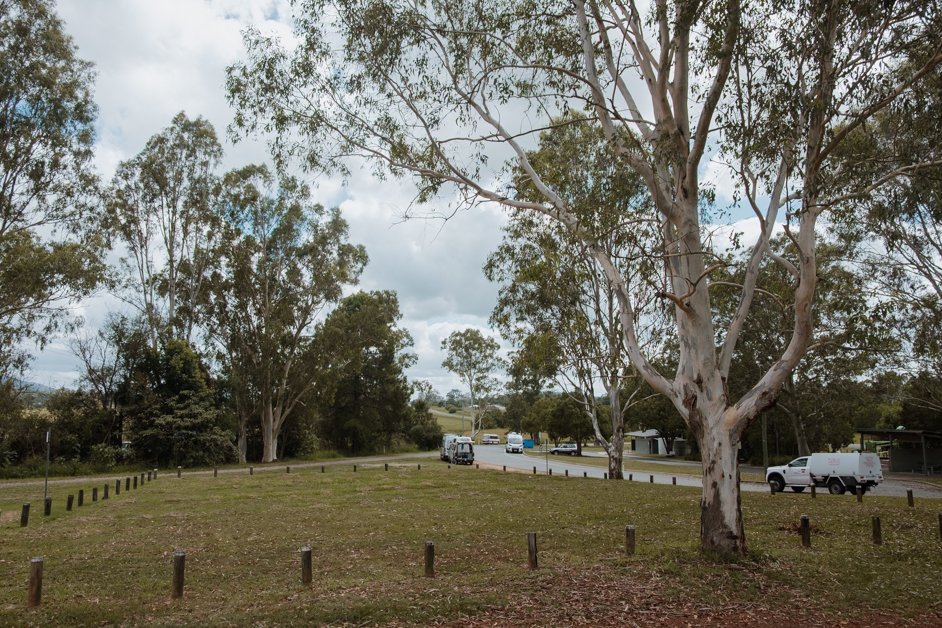
Cruice Park
While visiting Australia Zoo, you have plenty of food options to keep you going. There are lots of food stands located throughout the 700-acre zoo including snacks and refreshments.
We had a light lunch of dumplings at Red Panda while visiting the elephants.
After your visit, you can have dinner at the Warrior Restaurant and Bar, the luxury dining experience located inside the Crocodile Hunter Lodge, their on-site accommodation.
→ Check out all the food options at Australia Zoo.
We chose to head into nearby Beerwah for dinner where we had amazing Thai food at Little Sukhothai, a really cute place with lovely service on the main road. We liked it so much, we went back twice, after our hike in the Glass House Mountains, too!
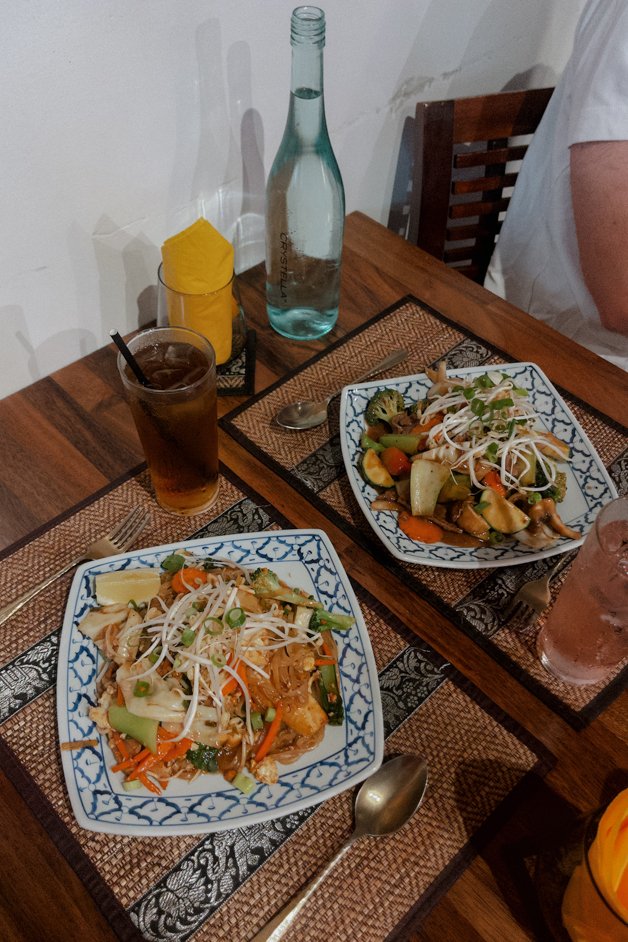
Little Sukhothai
Australia Zoo is massive, far from its humble two-acre beginnings in the 1970s. Now reaching over 700 acres and with more than 500 staff, there is so much to see and do here. I recommend spending an entire day here.
→ Check out the map of Australia Zoo.
The zoo is open every single day of the year except Christmas Day (25 December) from 9:00am until 5:00pm, although many animals start to go to bed at 4:30pm. We arrived around 10:00am and left at 4:30pm.
There is no limit on the number of daily ticket sales, so while you can pre-book your tickets in advance, especially if you know exactly what day you want to visit, it is not necessary. You can simply purchase tickets on site when you arrive. At the time of writing, we paid AUD $76.95 per person for the day.
There are also additional tours and experiences available such as close-up visits and encounters with different animals at the zoo. These must be pre-booked.
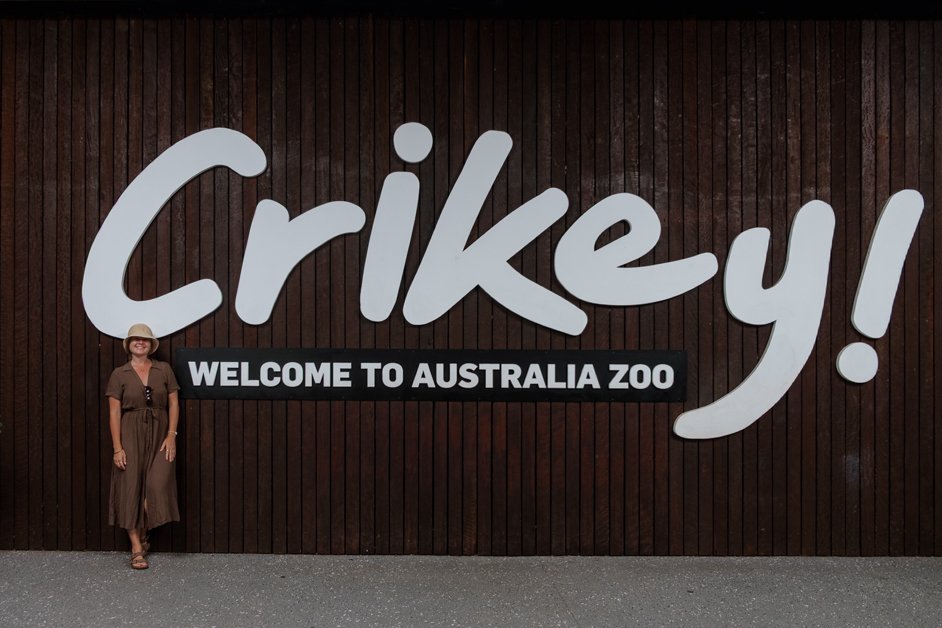
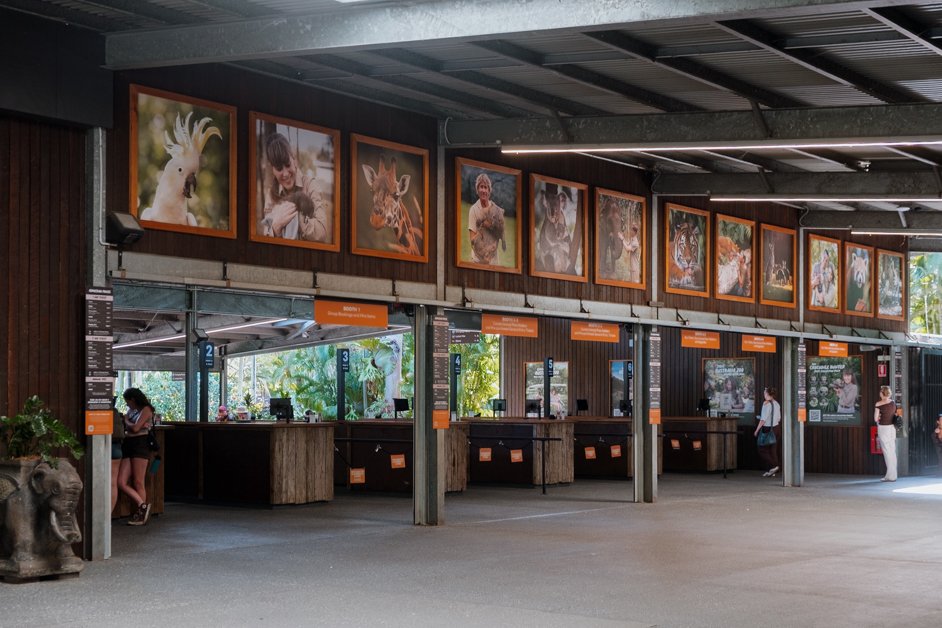
There are two ways to get around Australia Zoo, either by walking or by taking the free shuttle bus. The shuttle bus only runs every 15 minutes or so and goes to specific spots throughout the zoo. We did not take the shuttle.
If you're able, I can highly recommend walking so that you don't miss any of the exhibits in between stops. While the zoo is big (I tracked our entire walk around the zoo on Strava; we ended up walking about 10km during our visit!), all the paths are flat, paved and well-marked. Stretches between exhibits are short and there are always places to sit and rest.
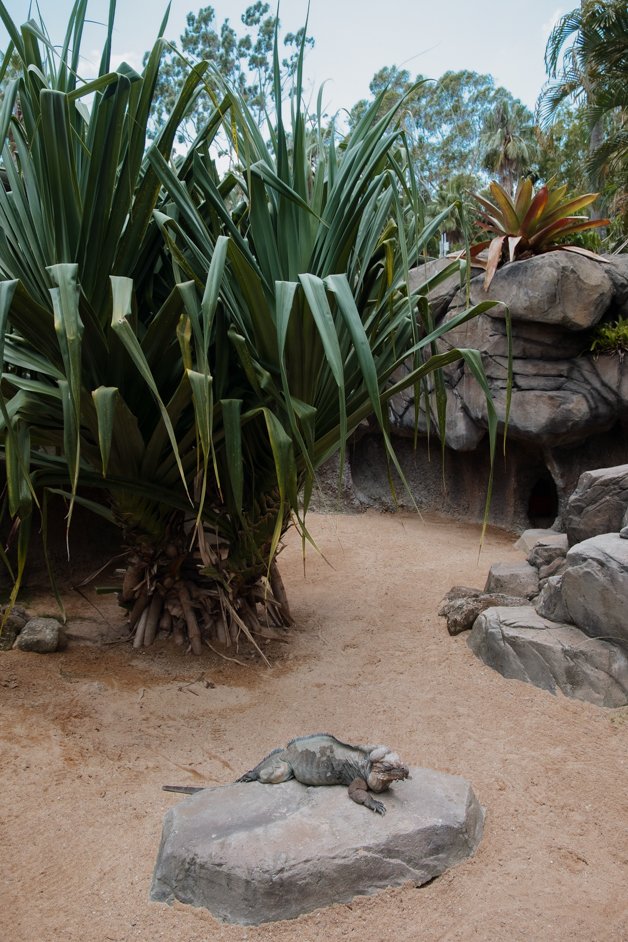
Rhinoceros Iguana
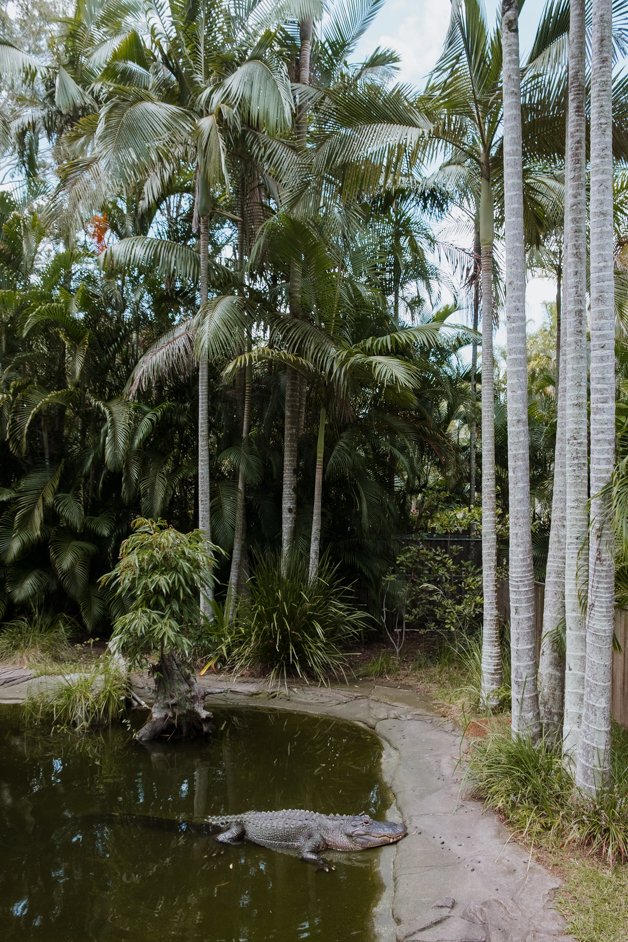
American Alligator
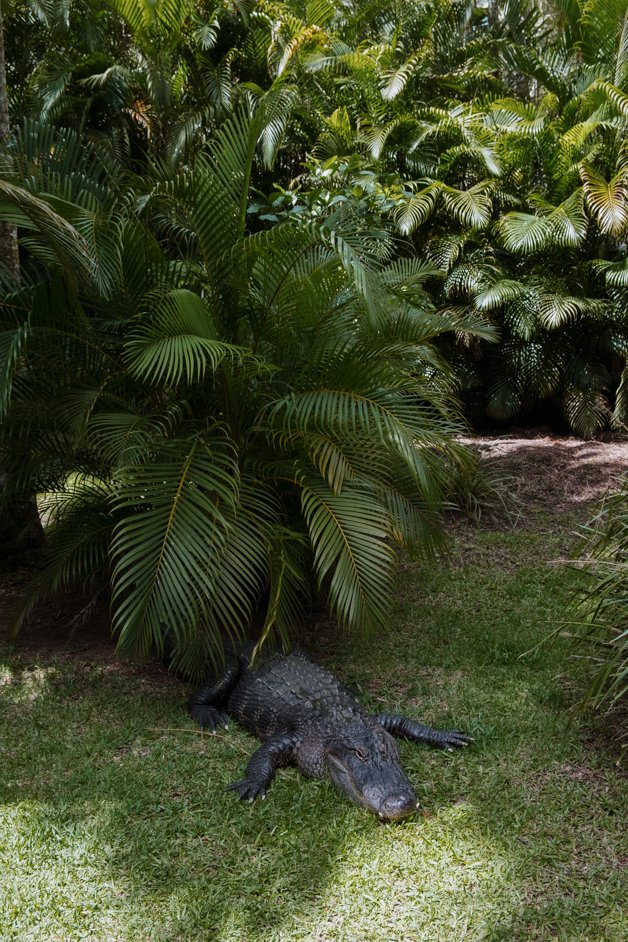
American Alligator
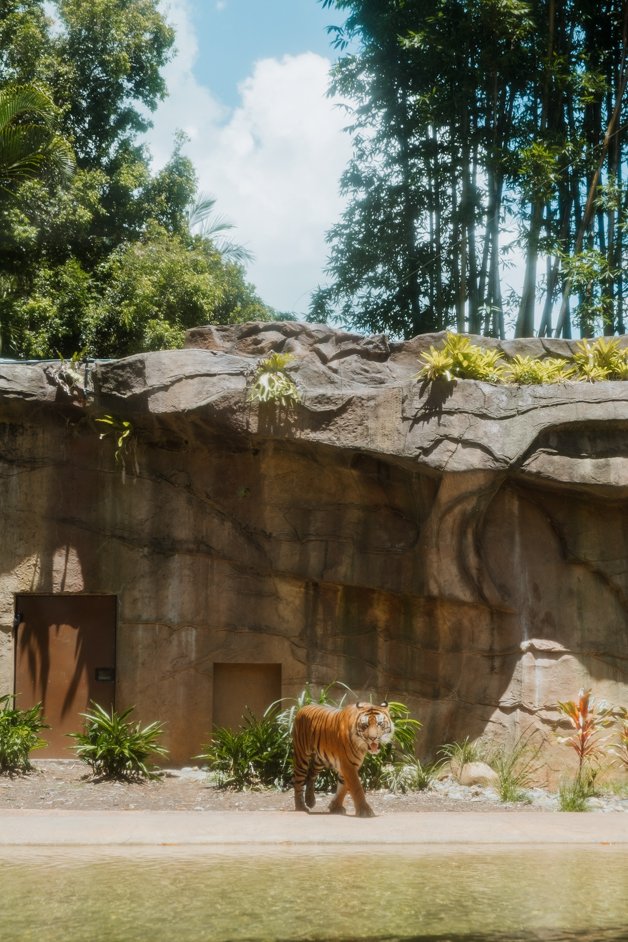
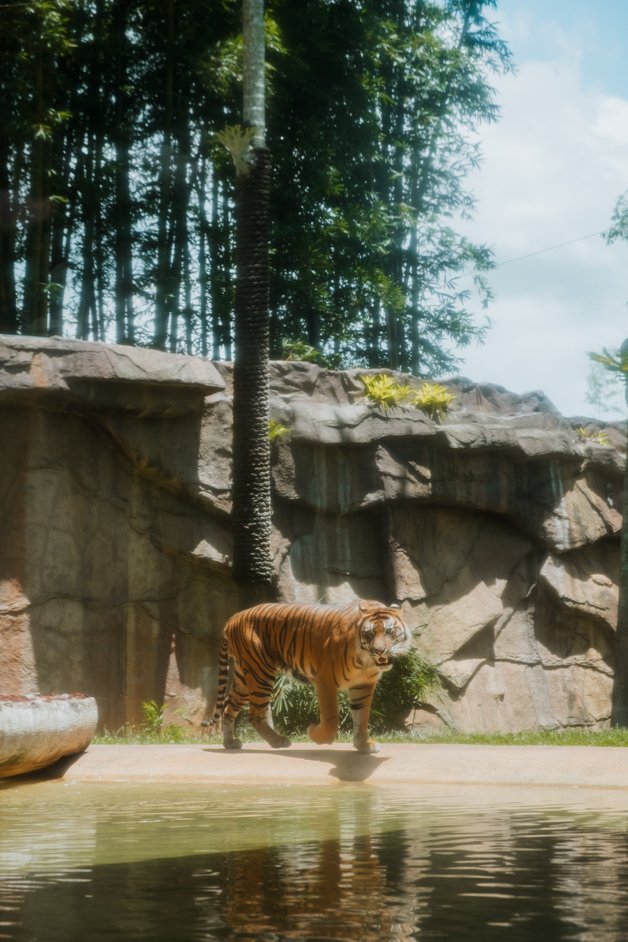
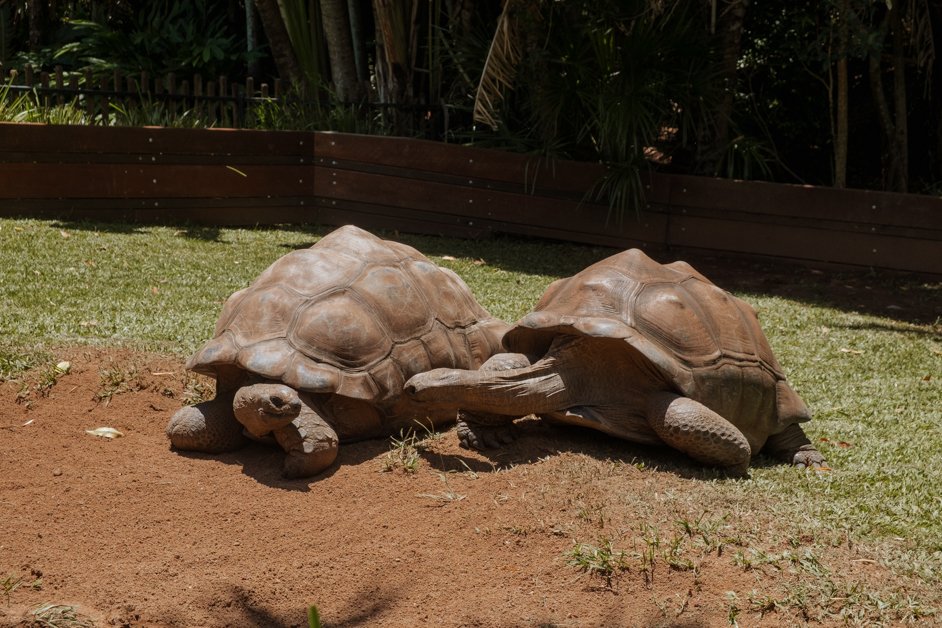
Aldabra Tortoise
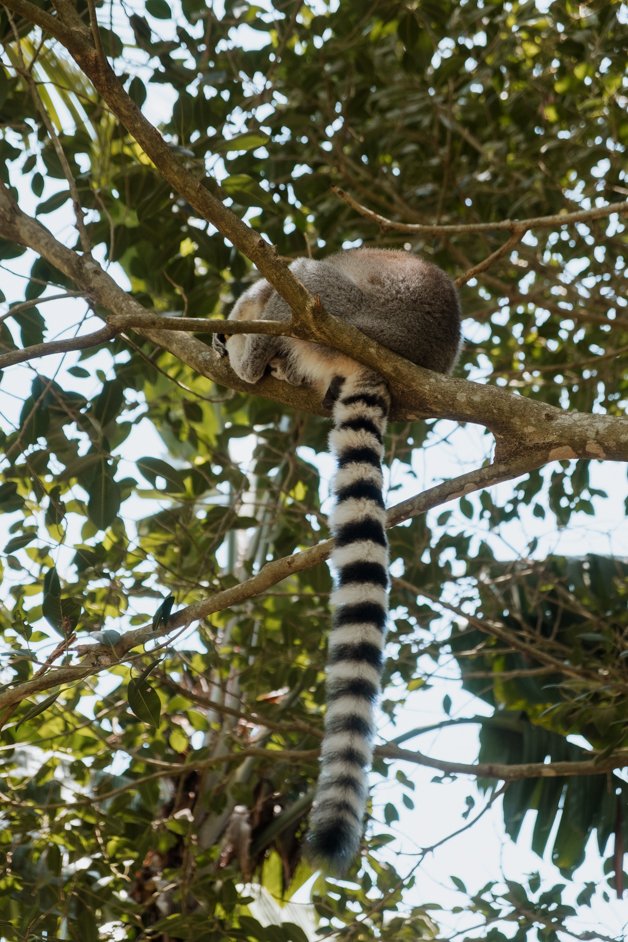
Lemur
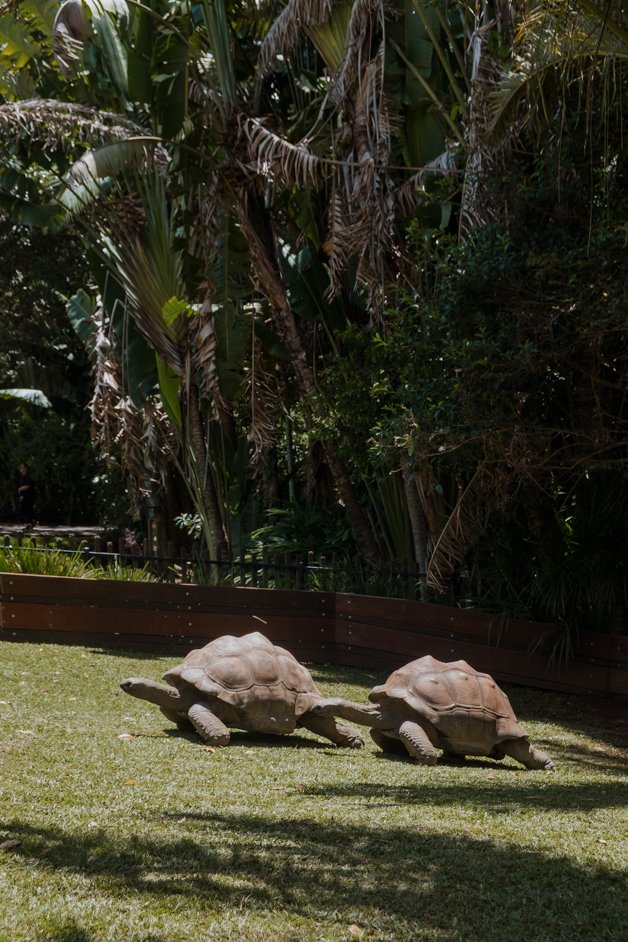
Aldabra Tortoise
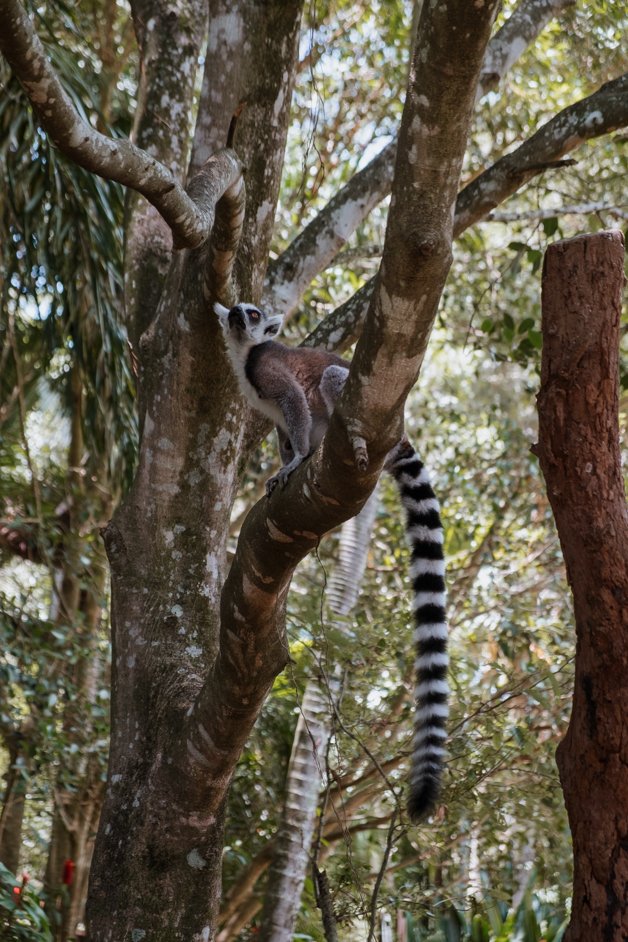
Lemur
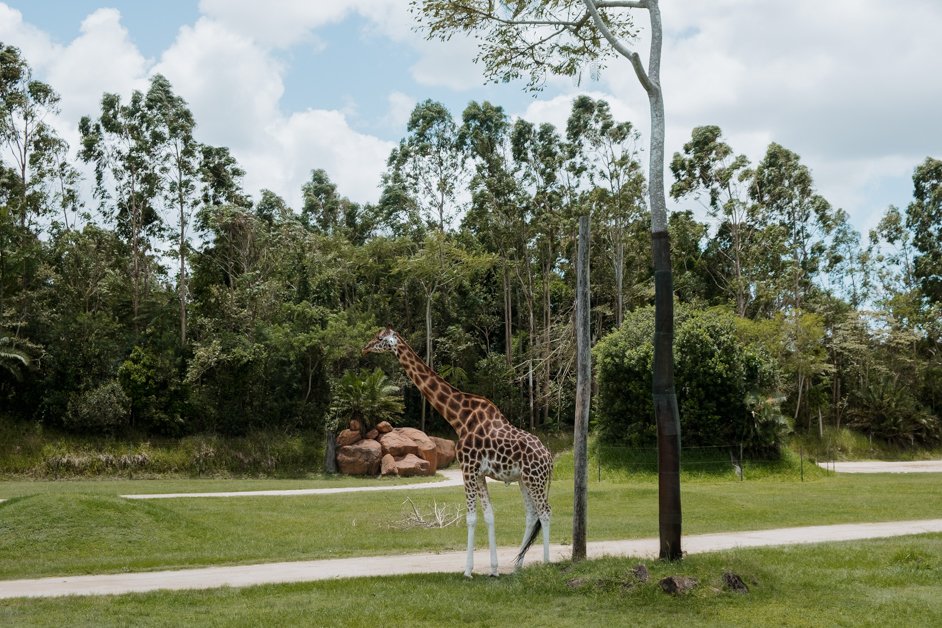
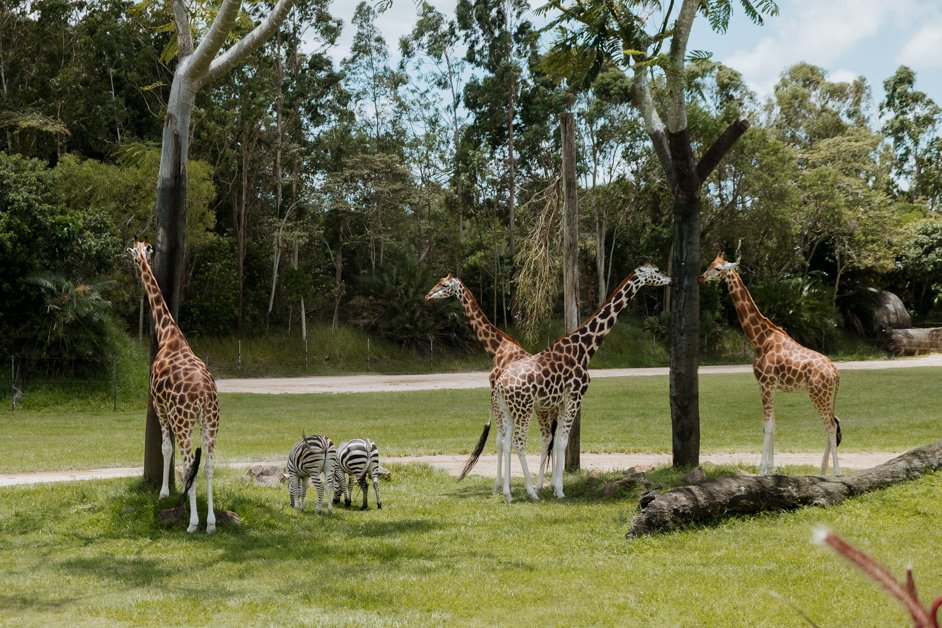
Giraffes and Zebras
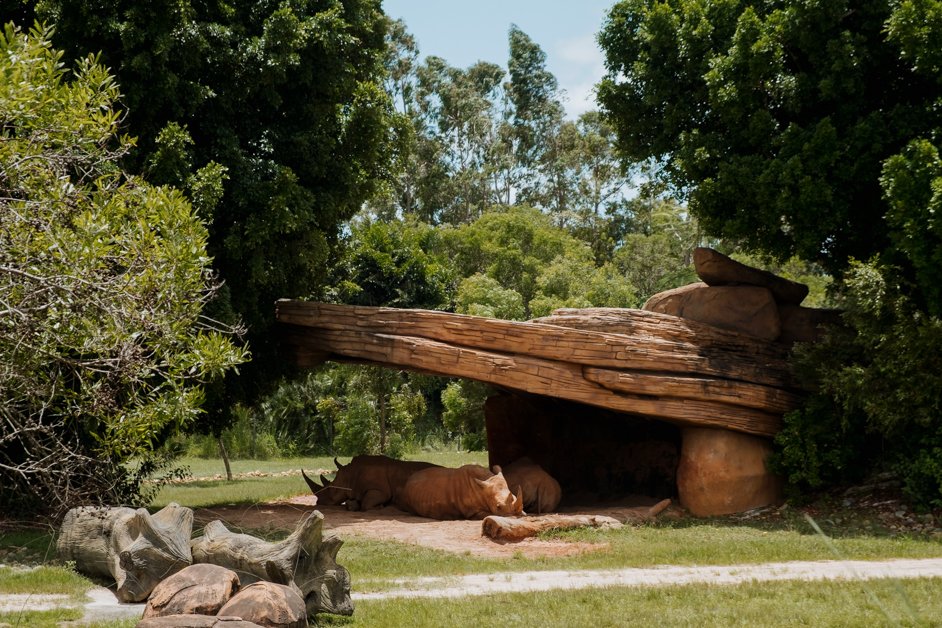
Southern White Rhinoceros
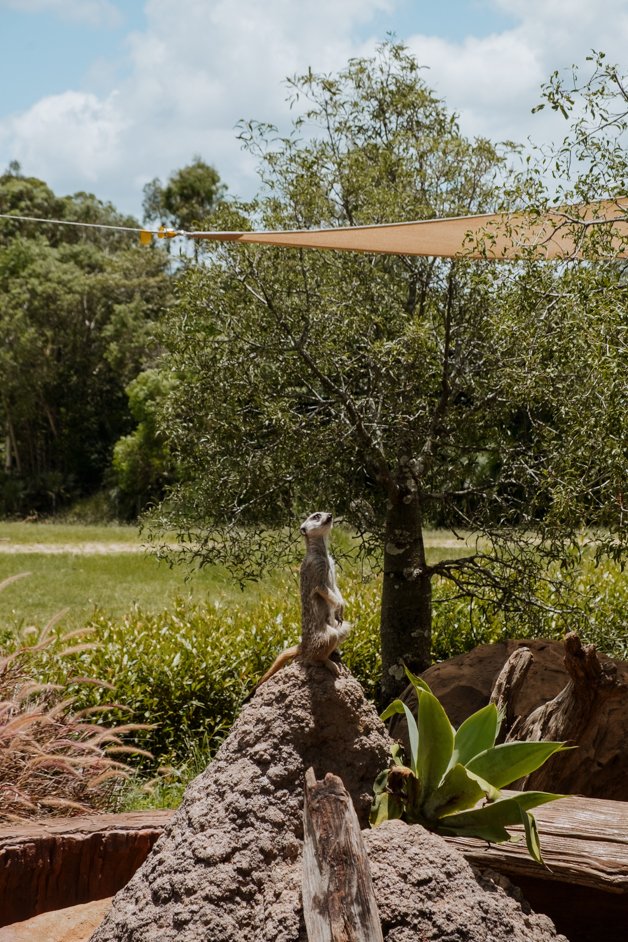
Meerkat
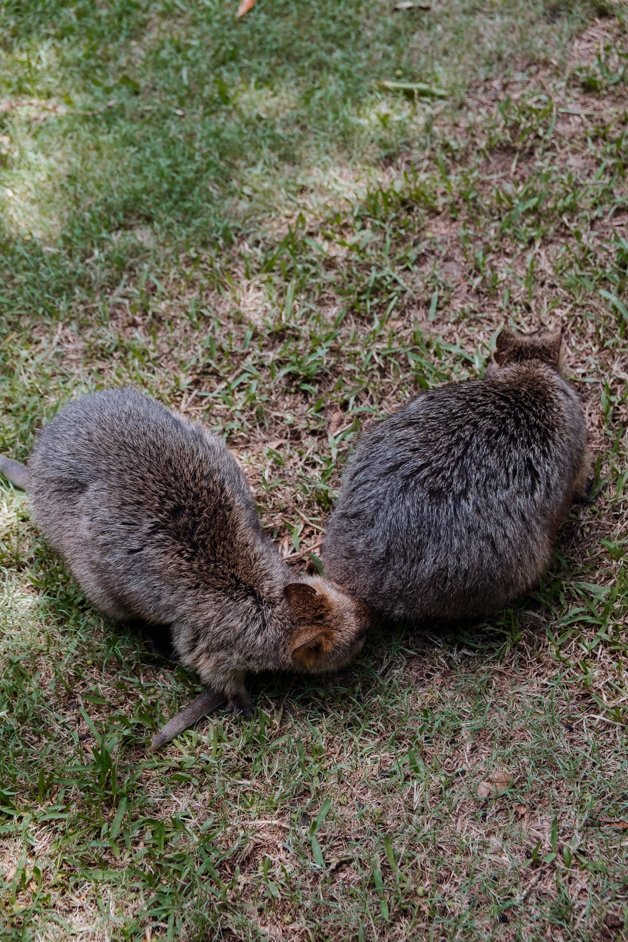
Quokkas
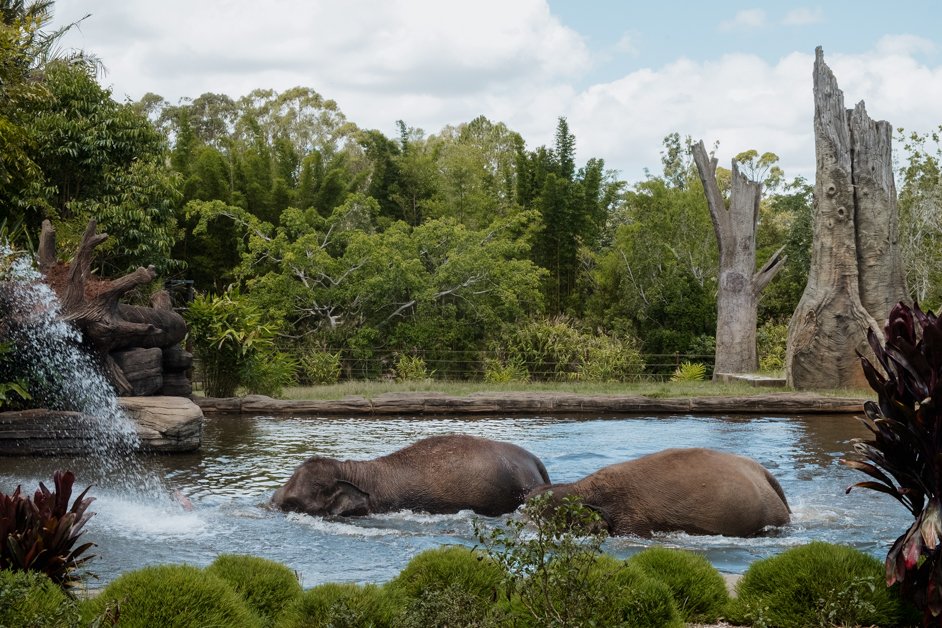
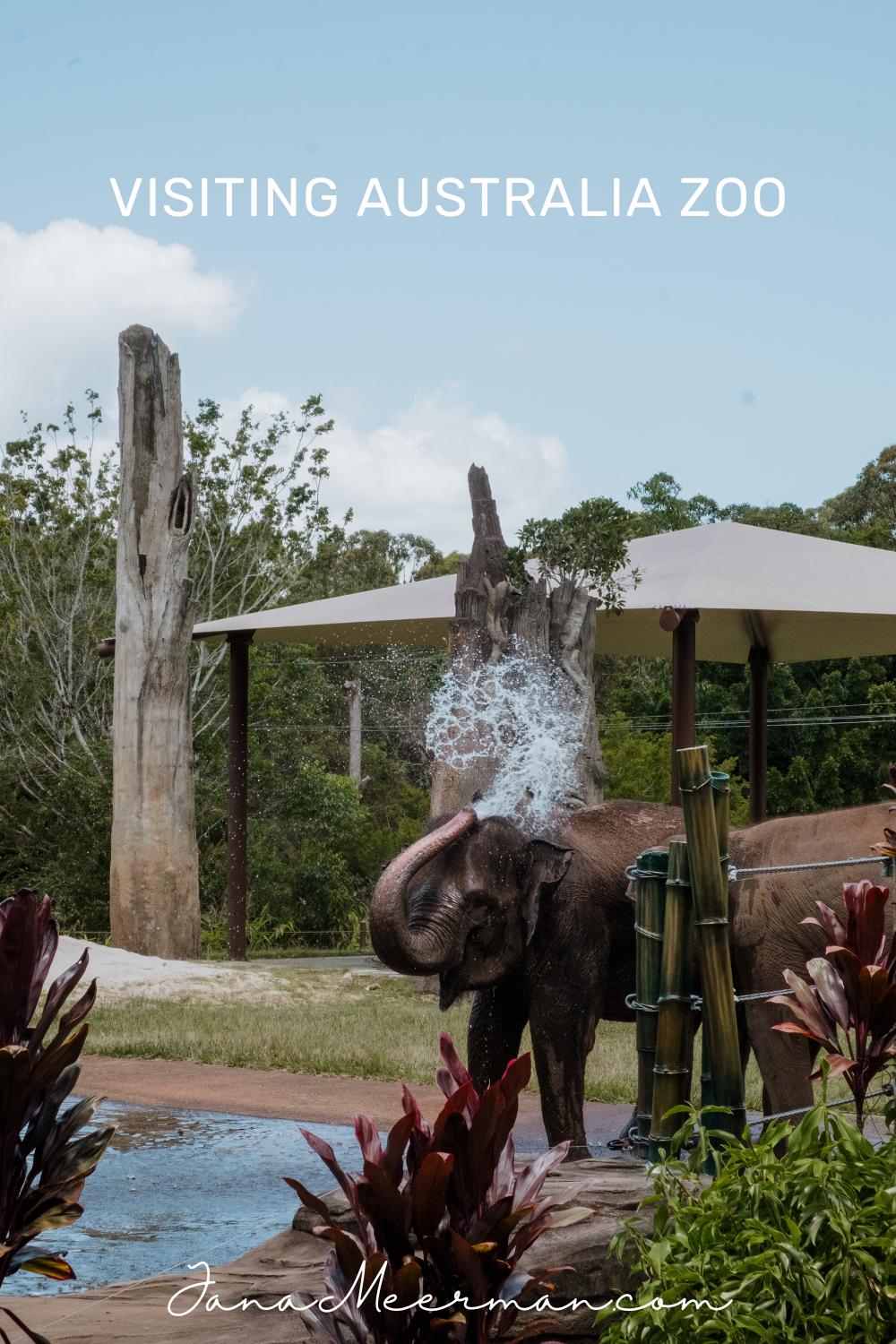
Sumatran Elephants
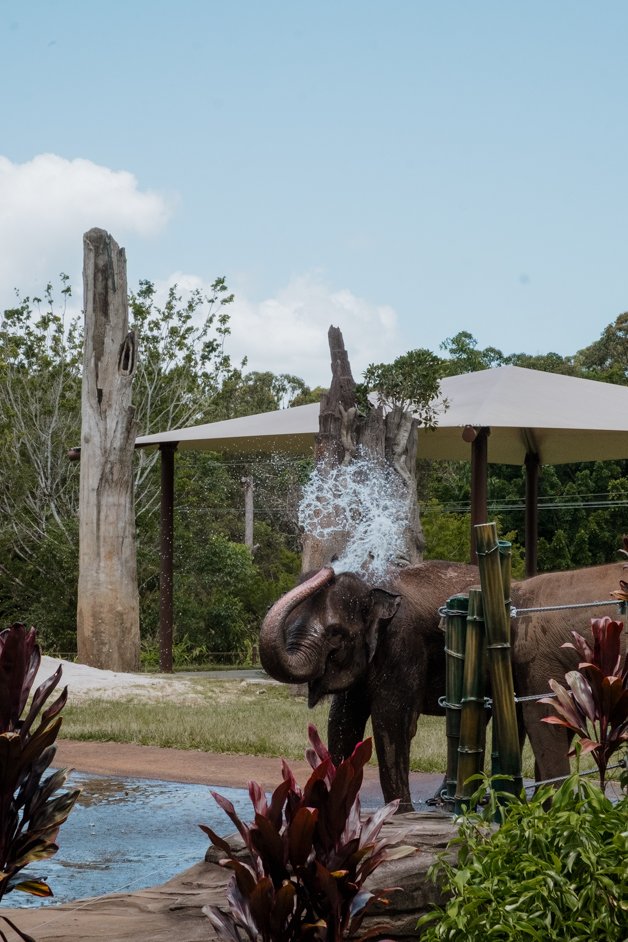
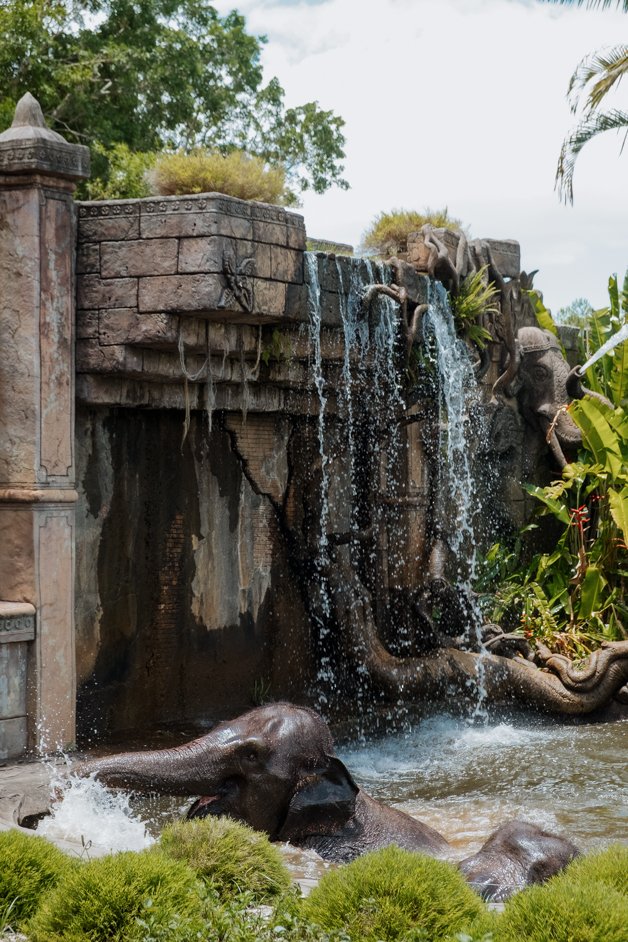
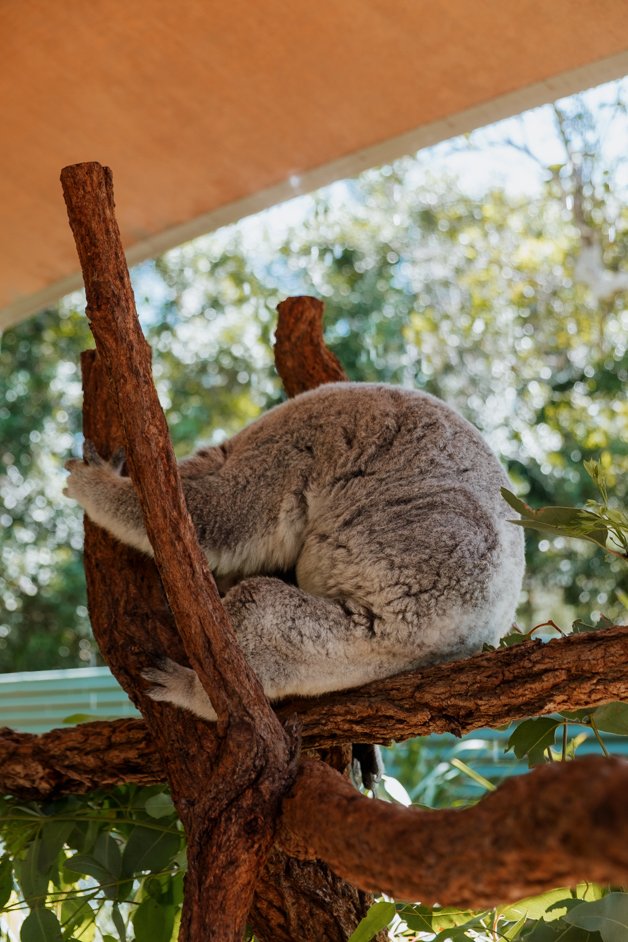
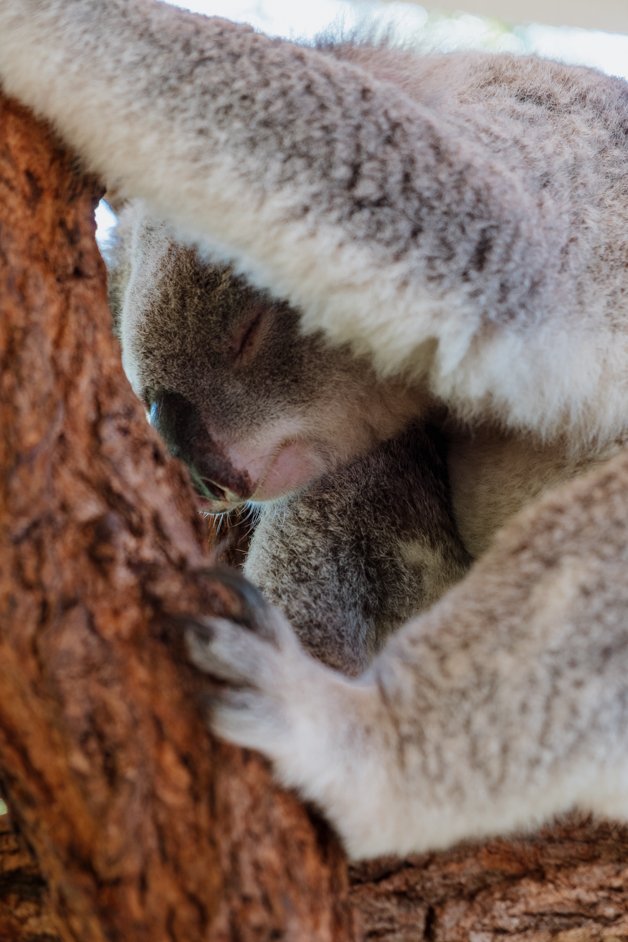
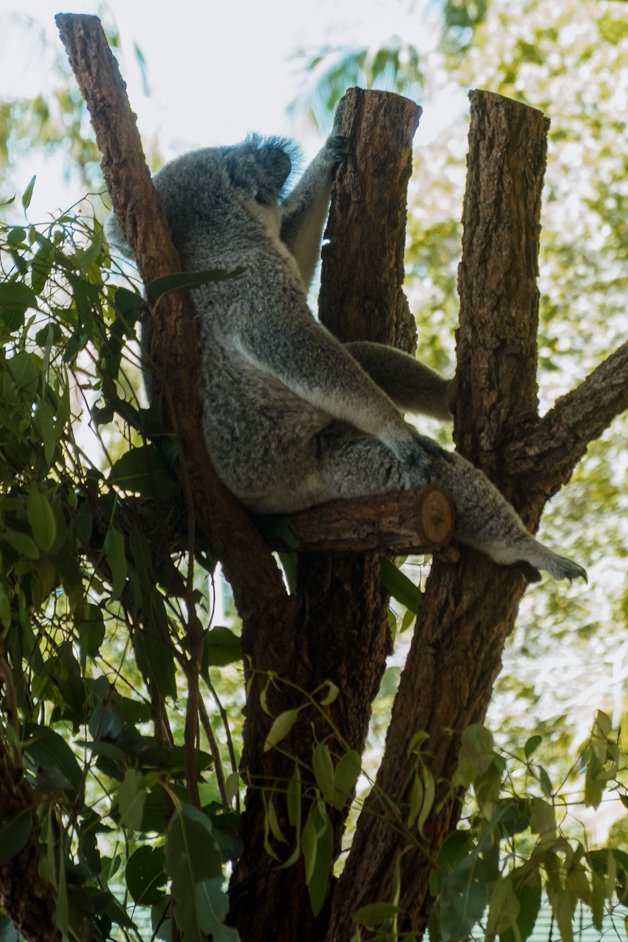
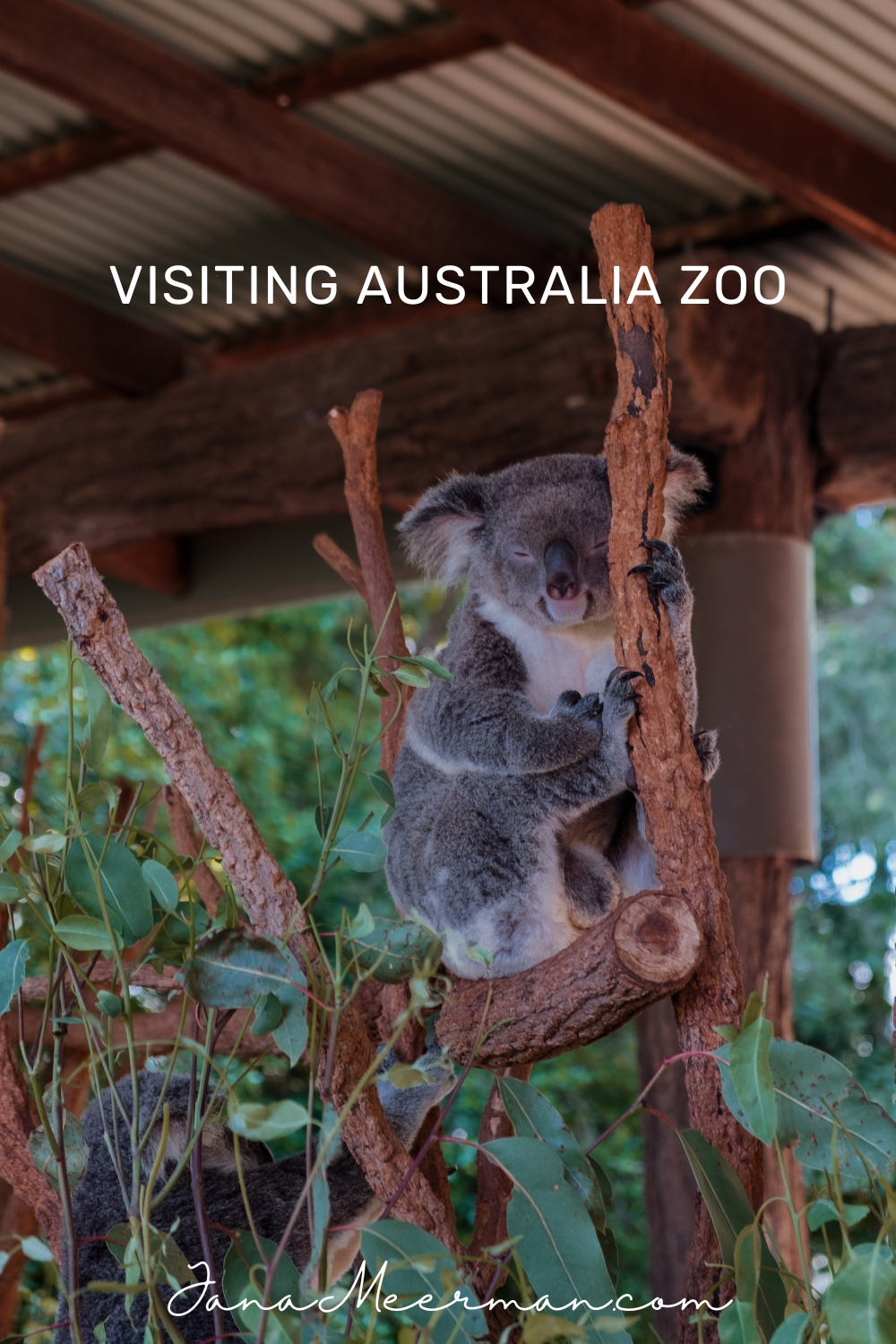
Koala
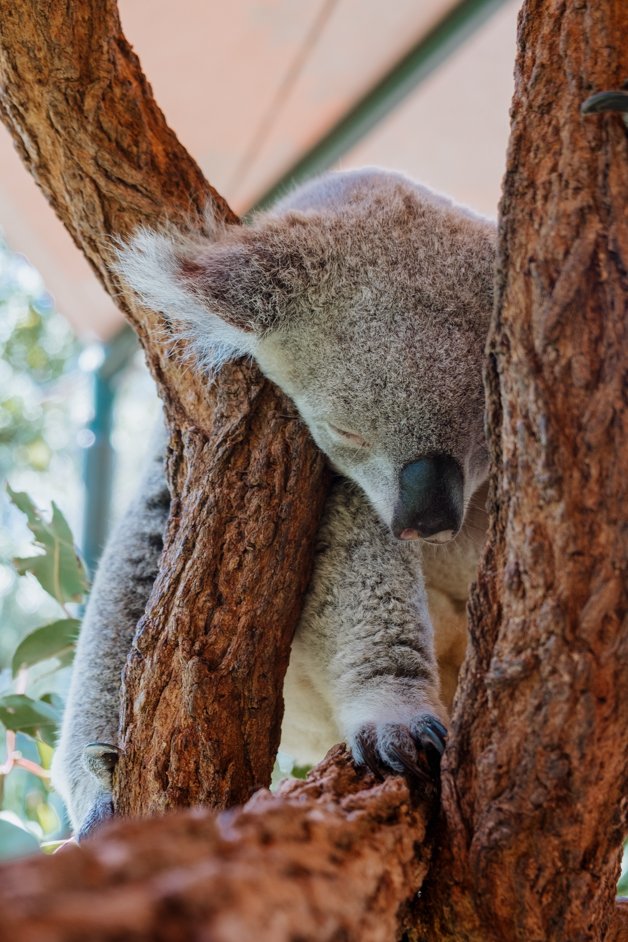
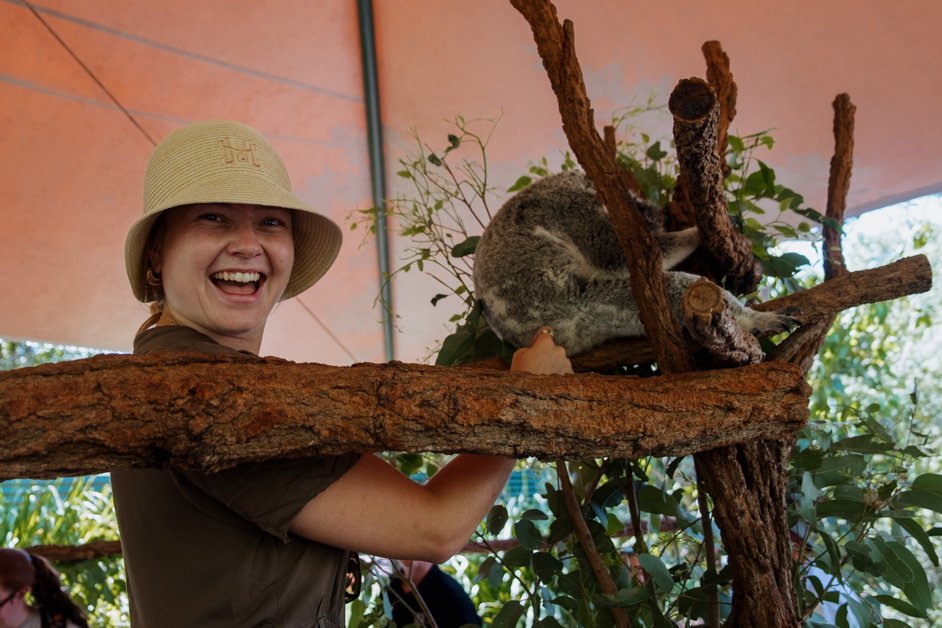
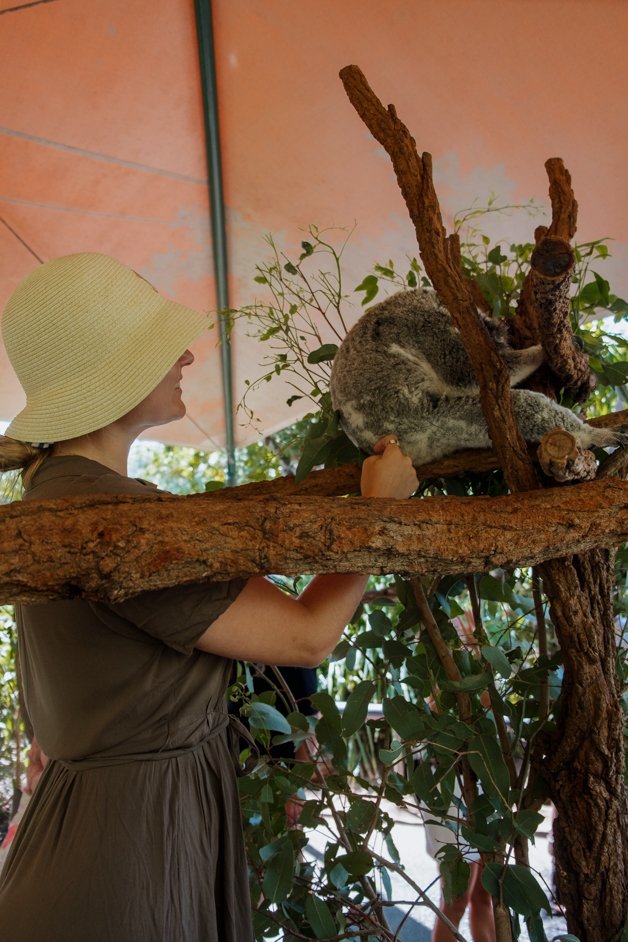
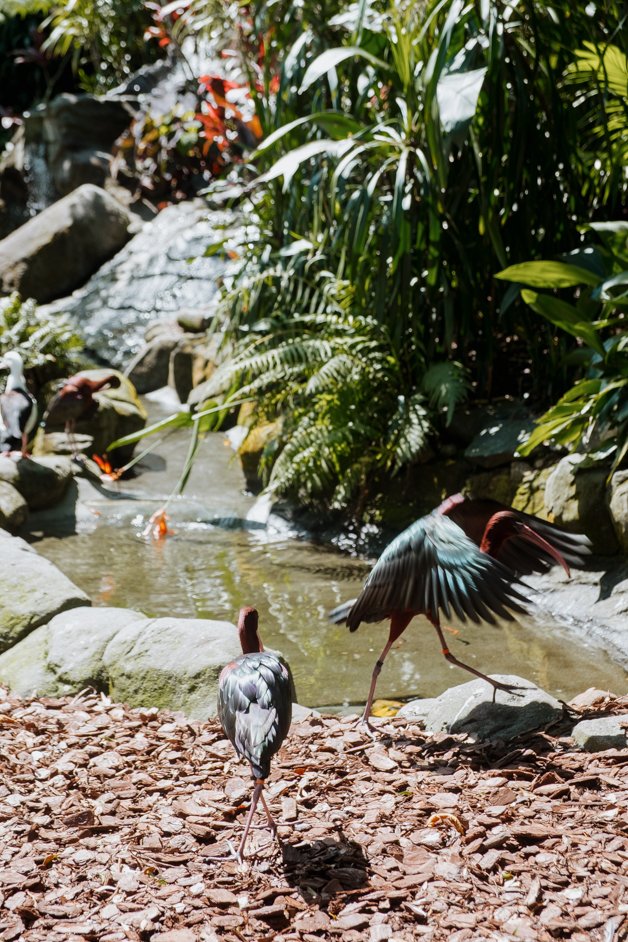
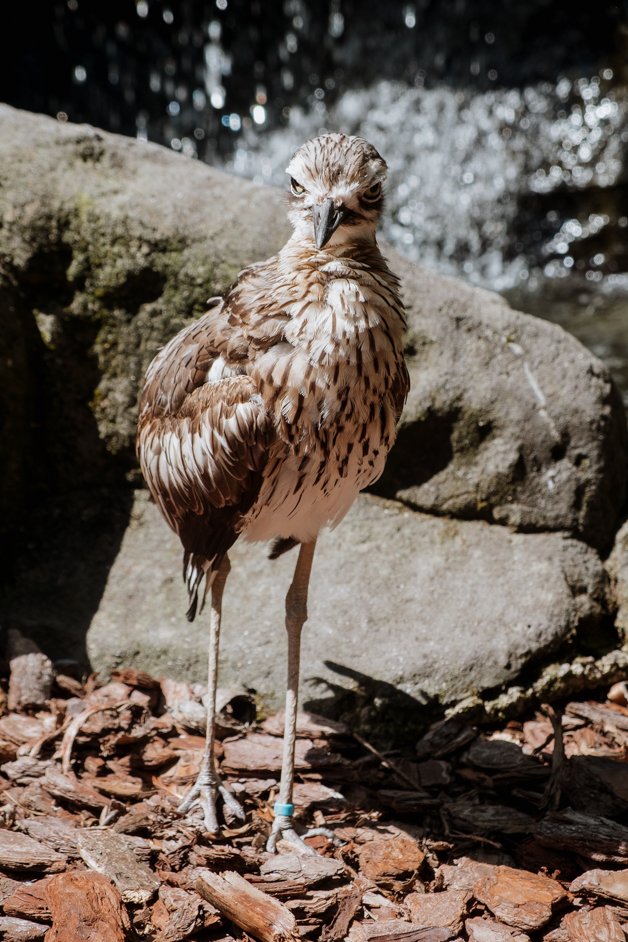
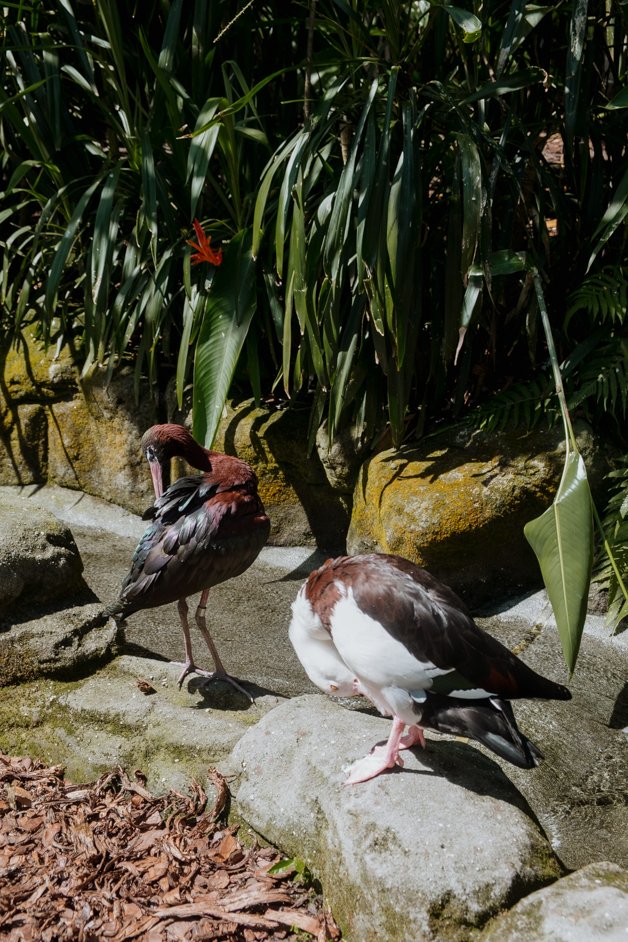
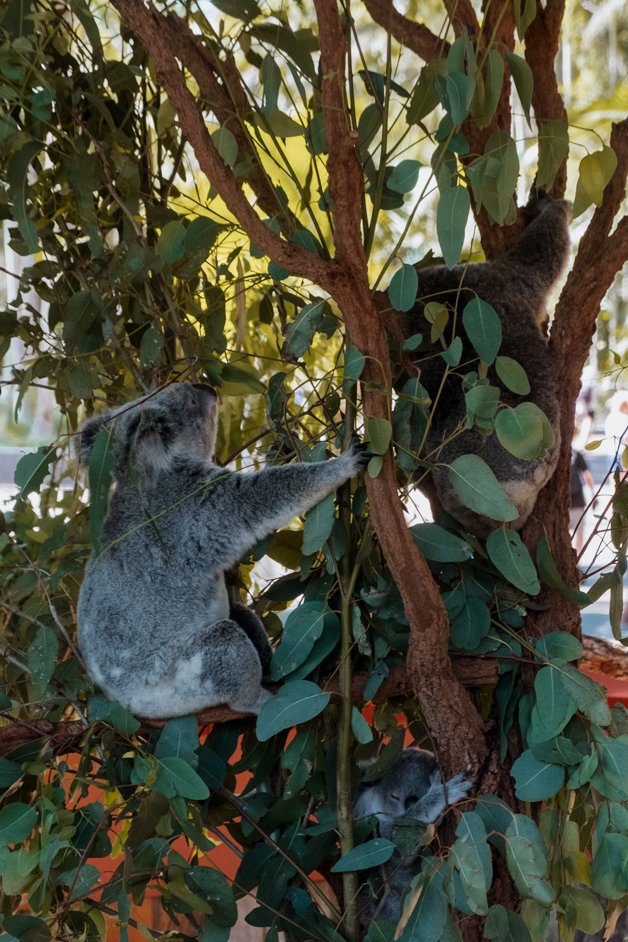
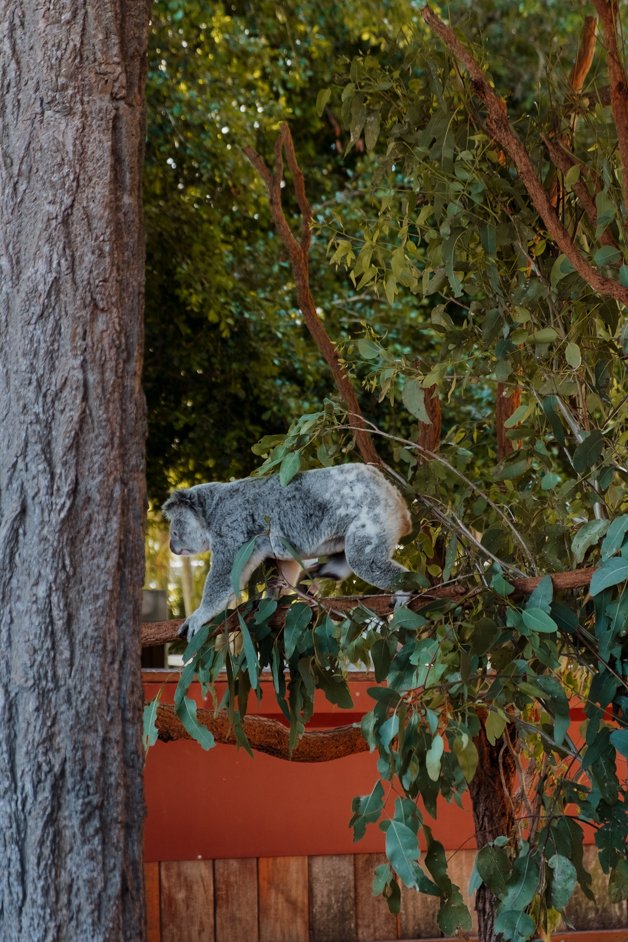
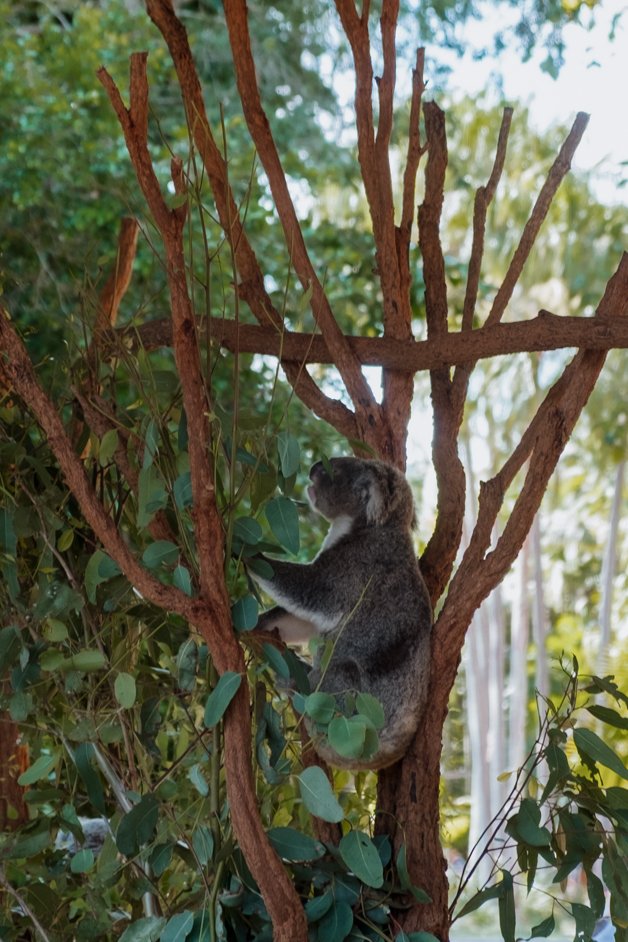
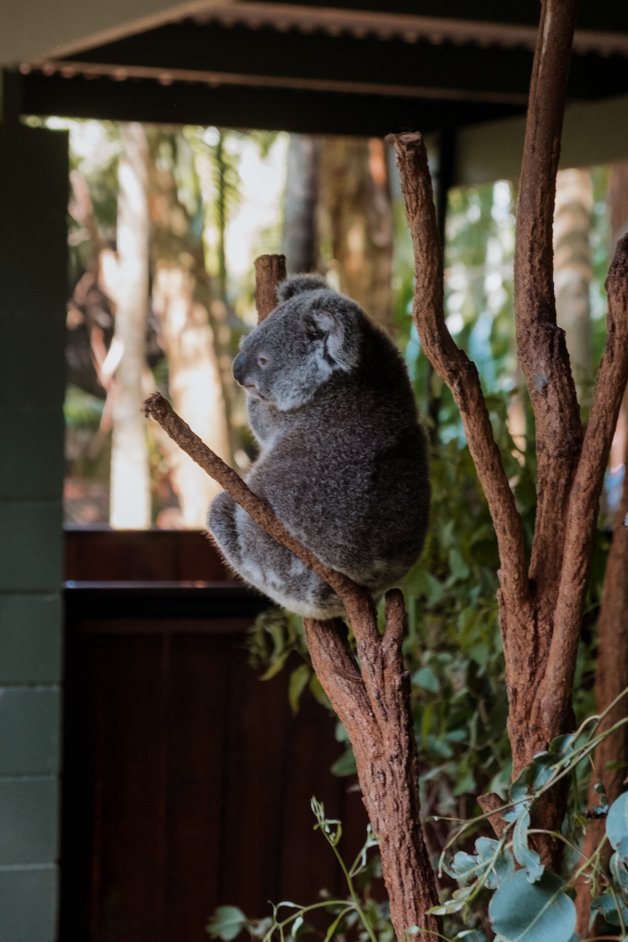
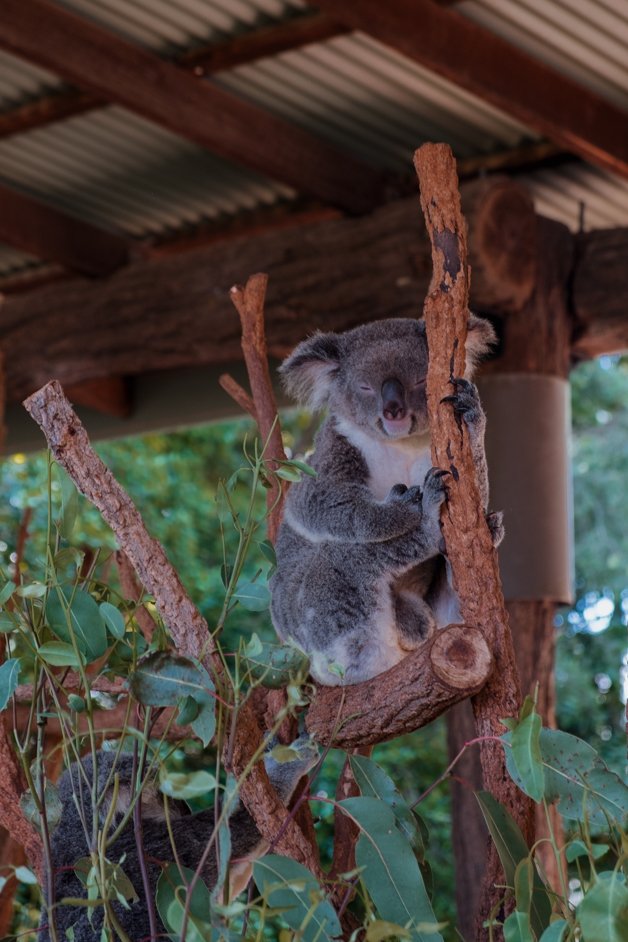
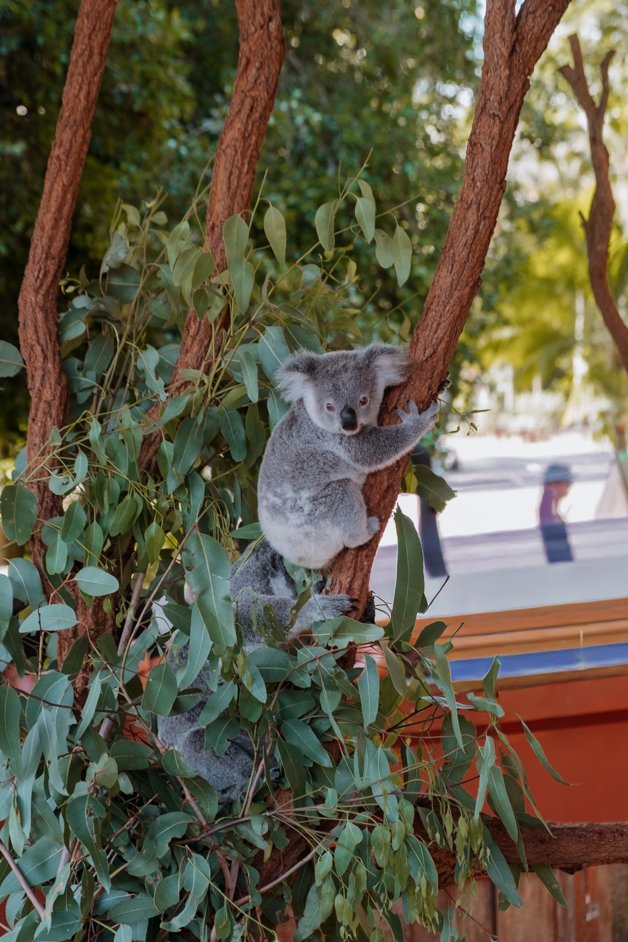
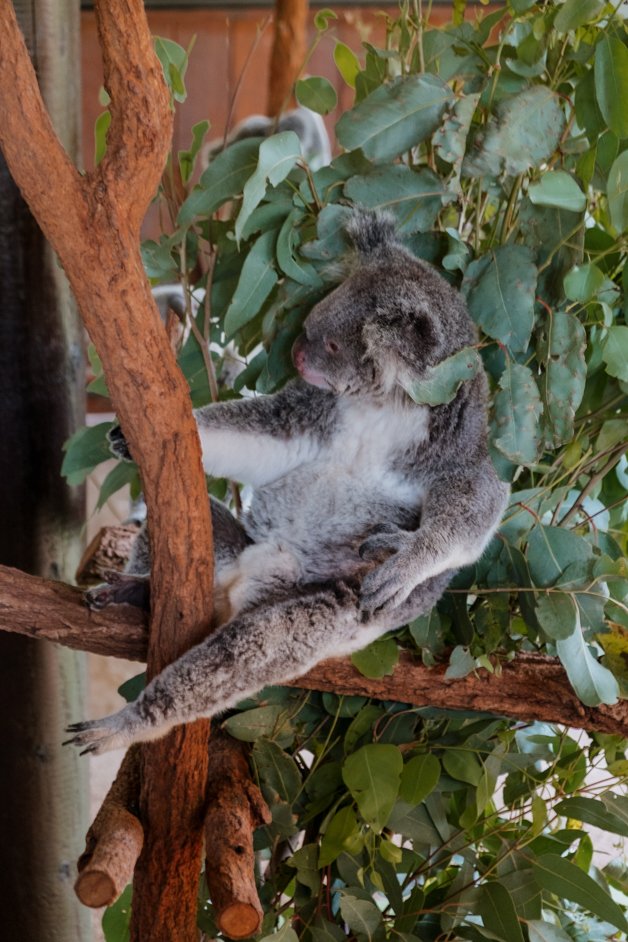
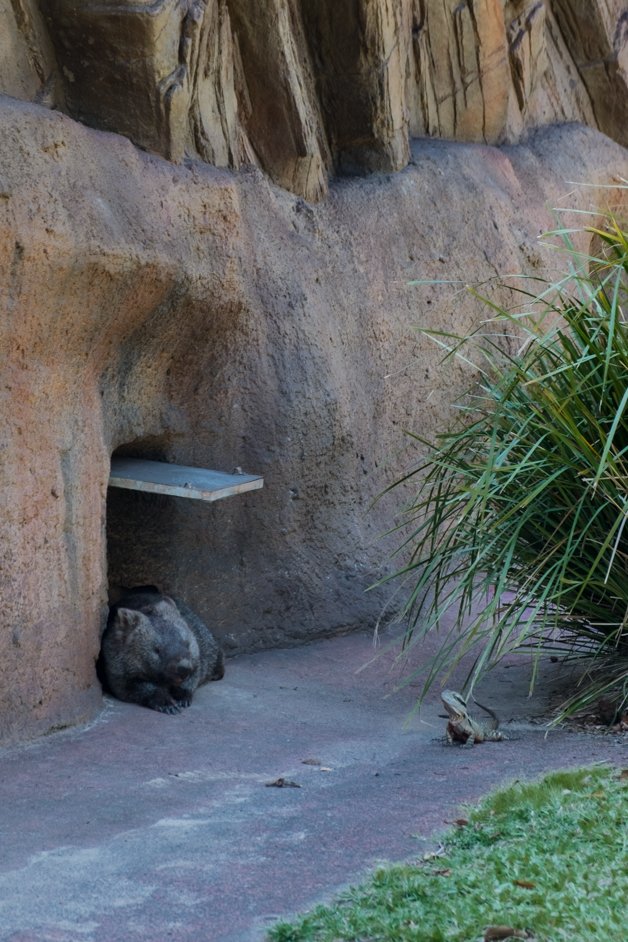
A wombat and a visiting lizard
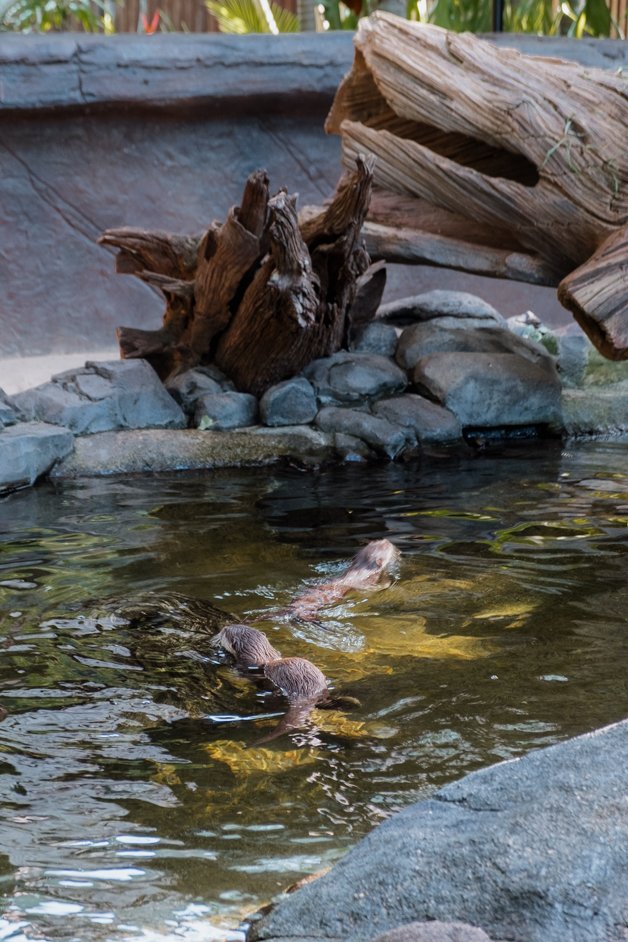
Otters
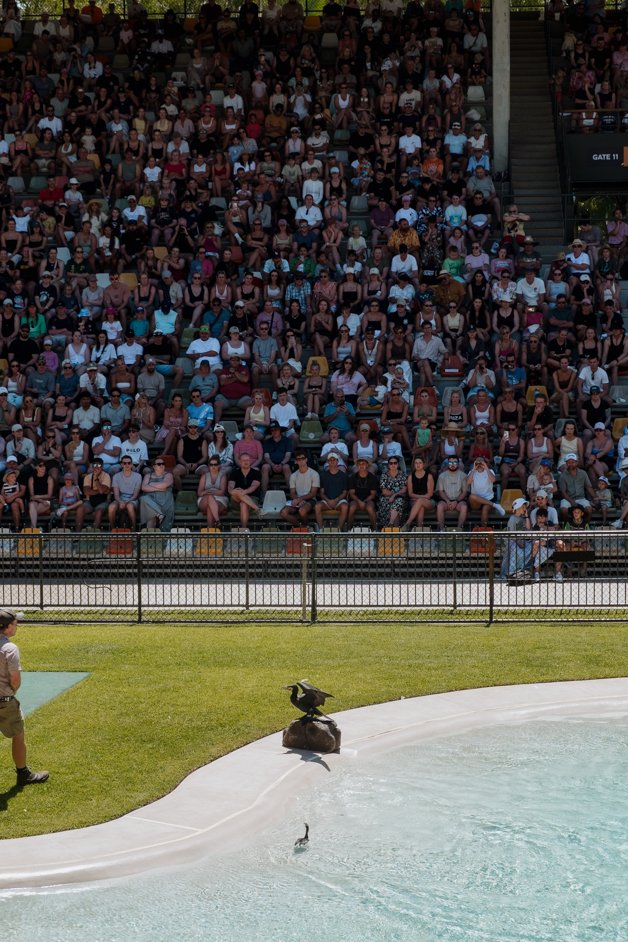
You'll receive a map of the zoo with your ticket and a list of when the different animal demonstrations are happening. We caught a few as we went along, the most important of which of course is the show at the Crocoseum, happening daily at 1:15pm. Come a bit early to get a good seat and, if you're lucky, you might get to have a member of the Irwin family running the show. They love to do it as often as they can when their busy schedules permit; we were so lucky to see both Robert Irwin and Chandler Powell (Bindi Irwin's husband) feeding the crocs and teaching us about croc safety. Definitely the best part of the day.
→ Check out the reel I made about seeing Robert and Chandler feed the crocs!
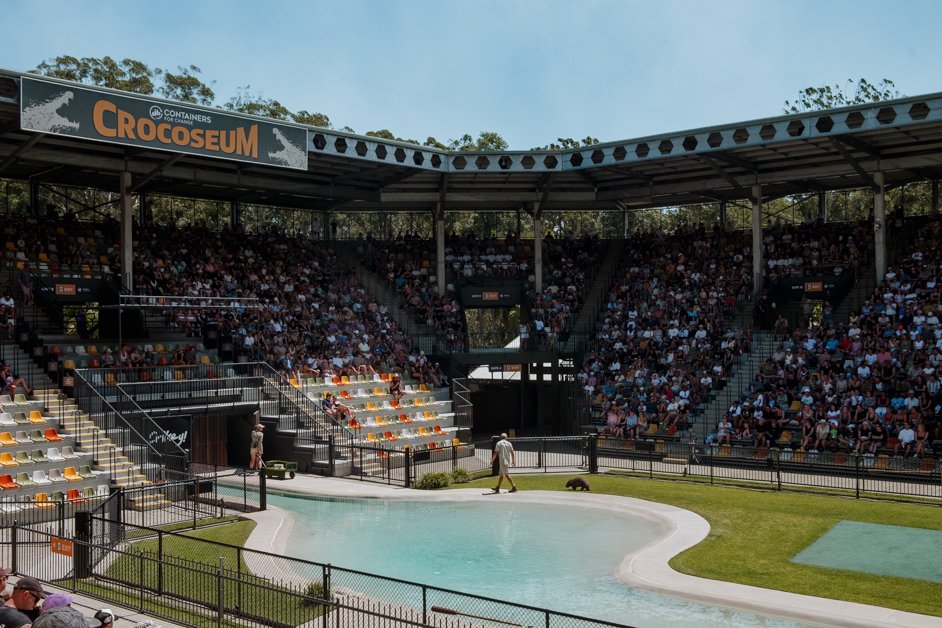
Spot the wombat leaving the pre-show at the Crocoseum
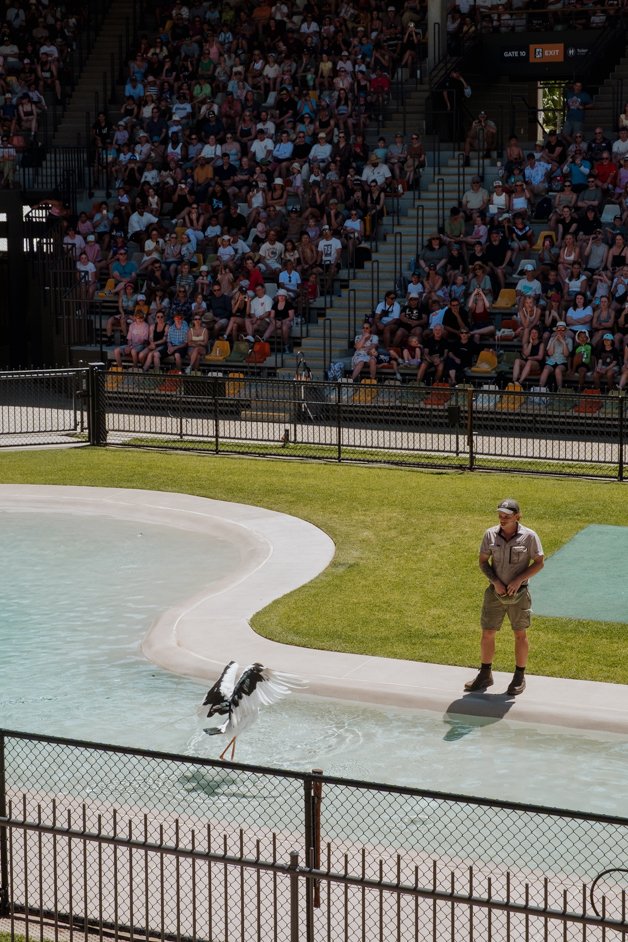
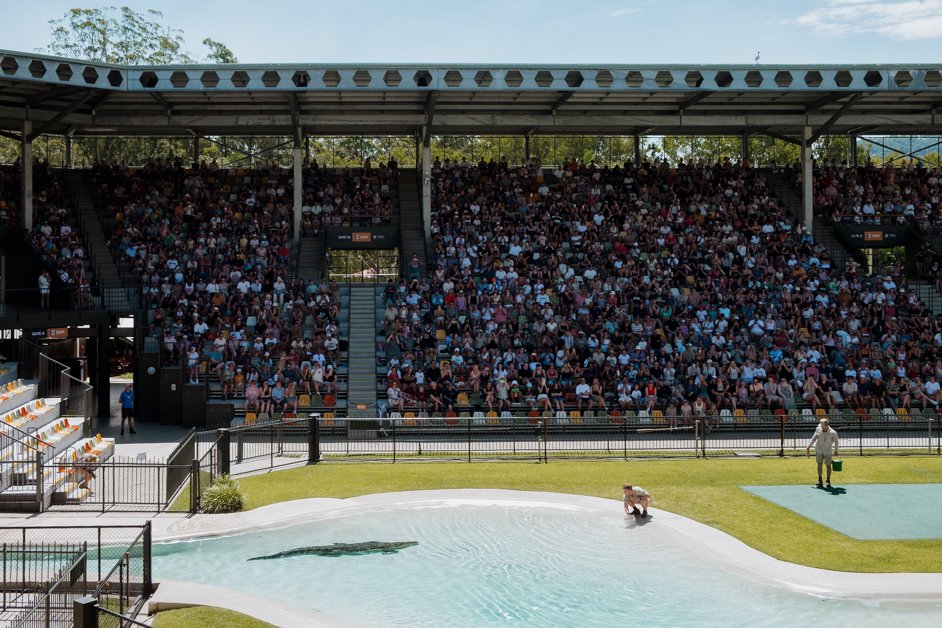
Robert Irwin and the croc!
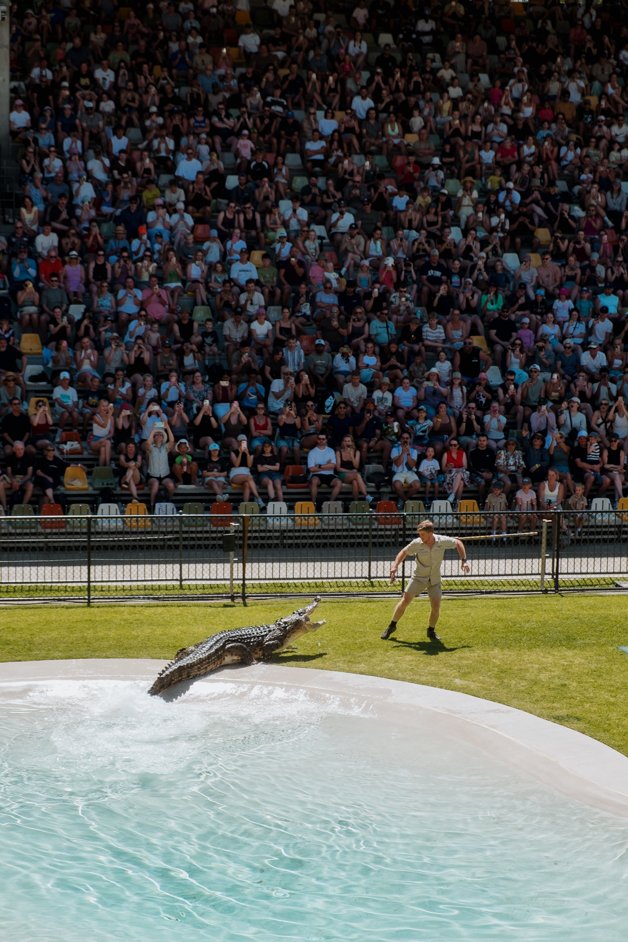
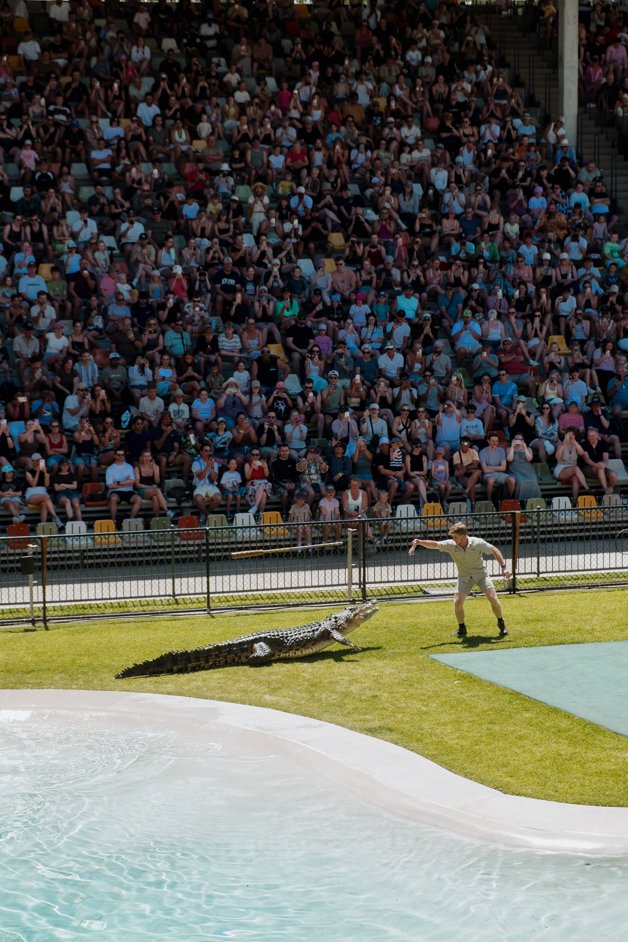
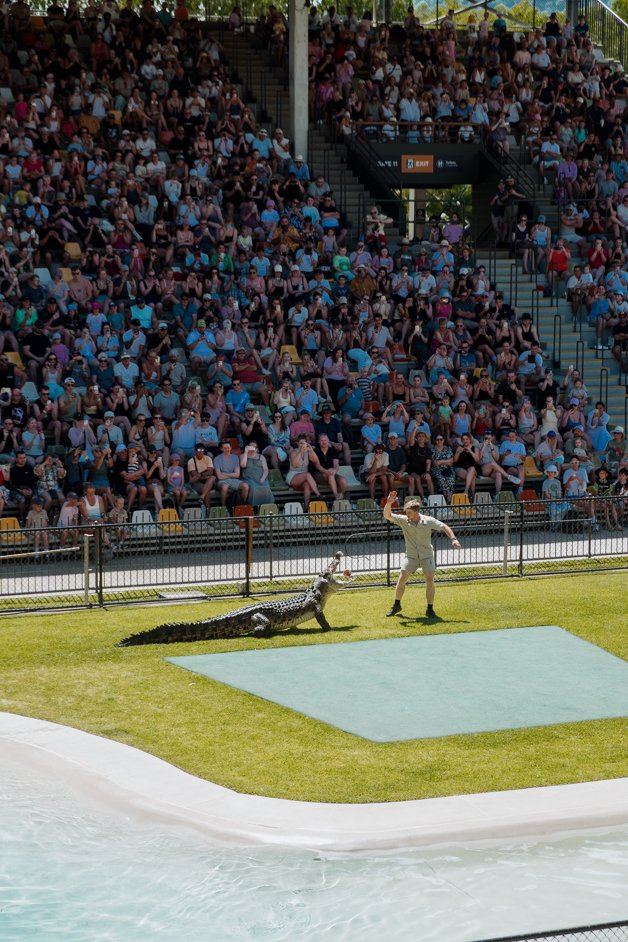
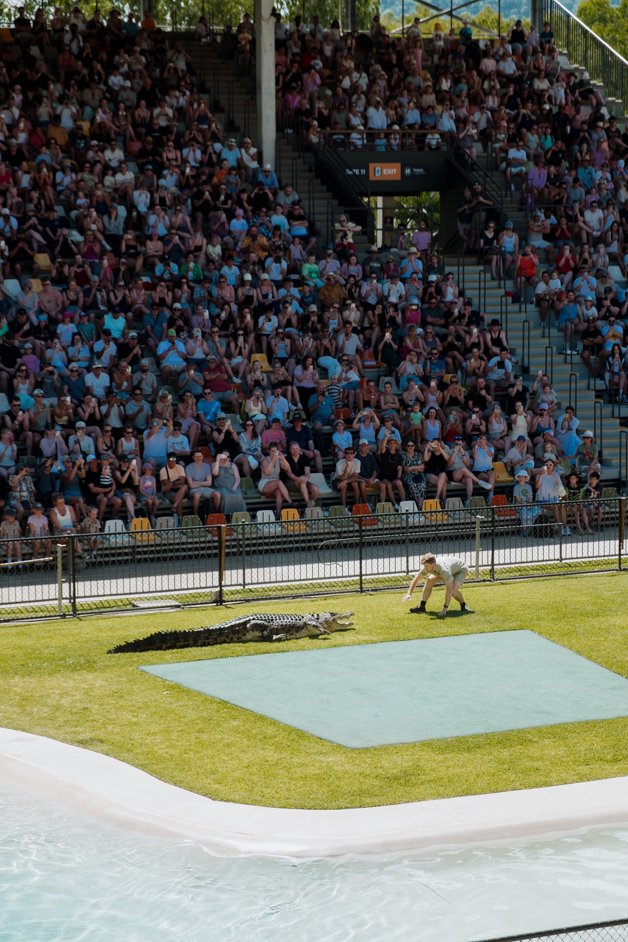
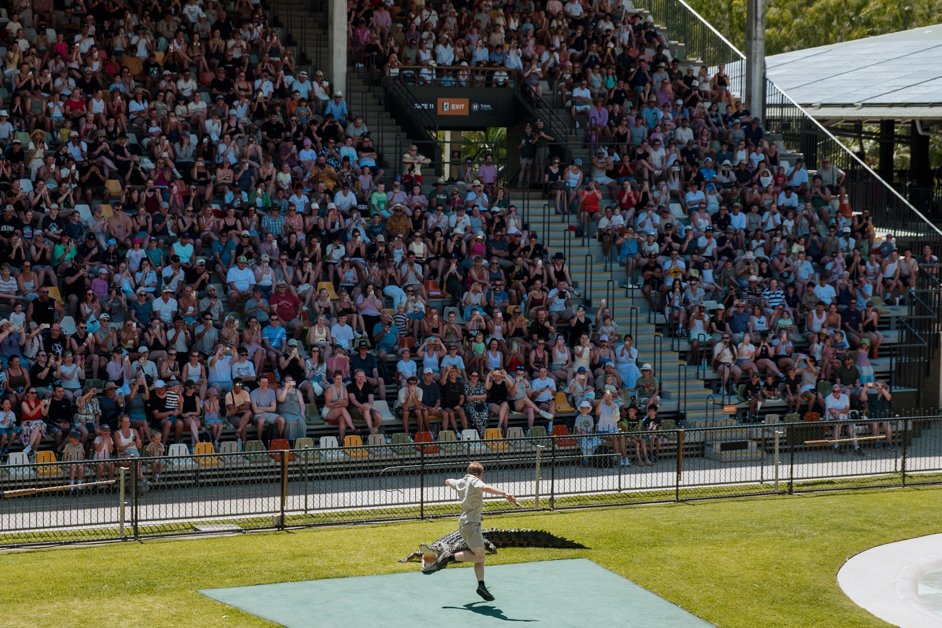
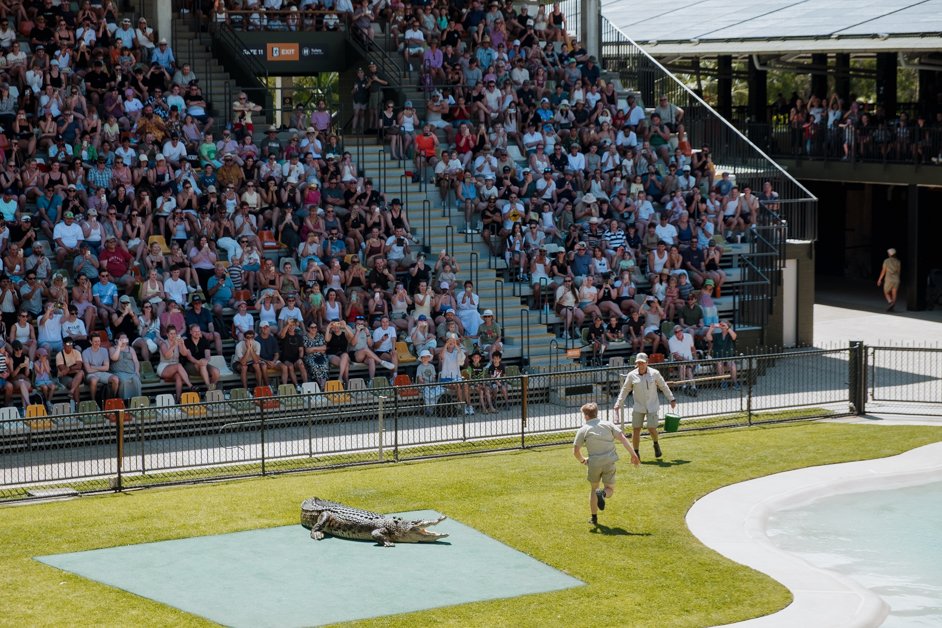
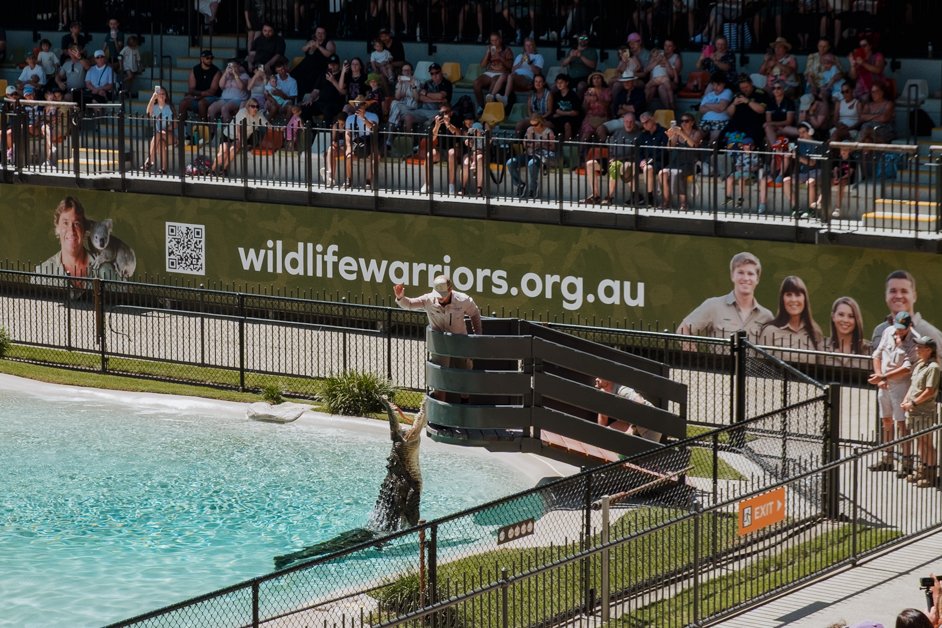
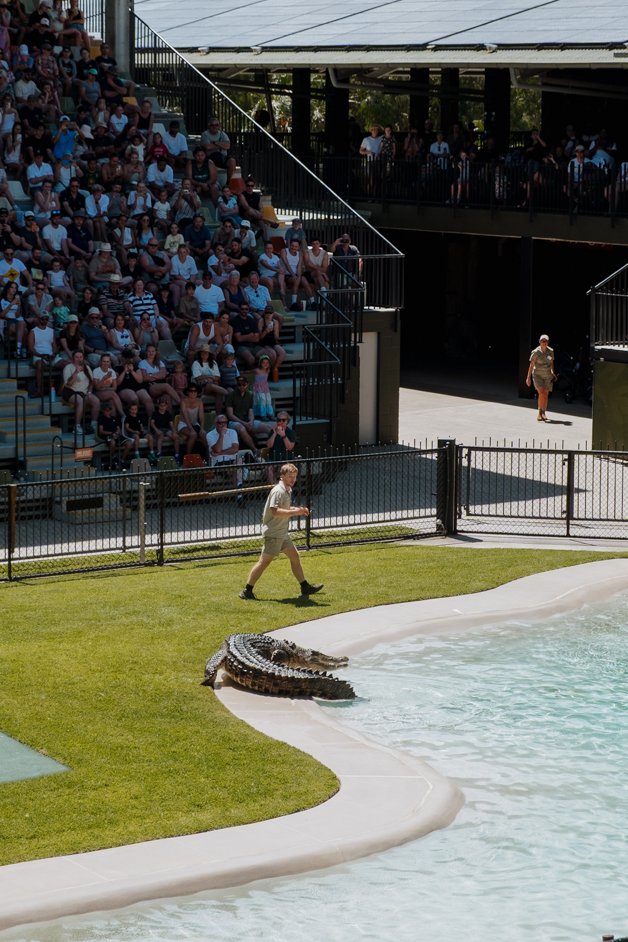
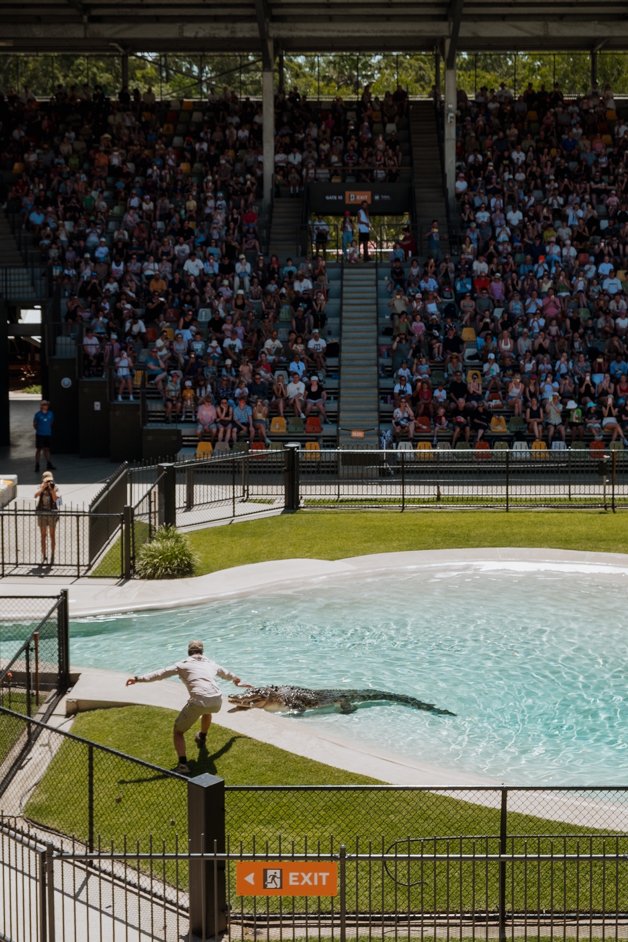
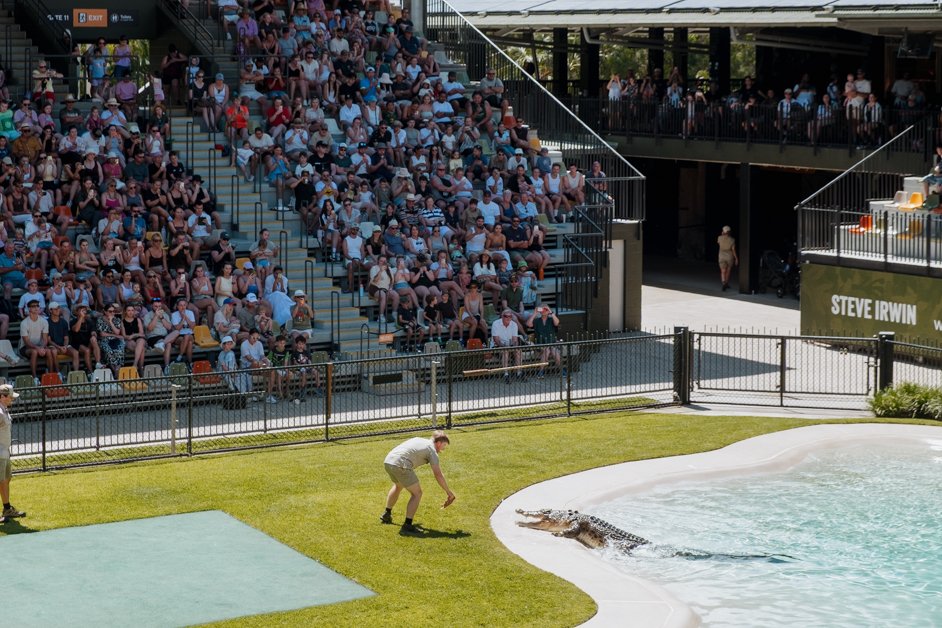
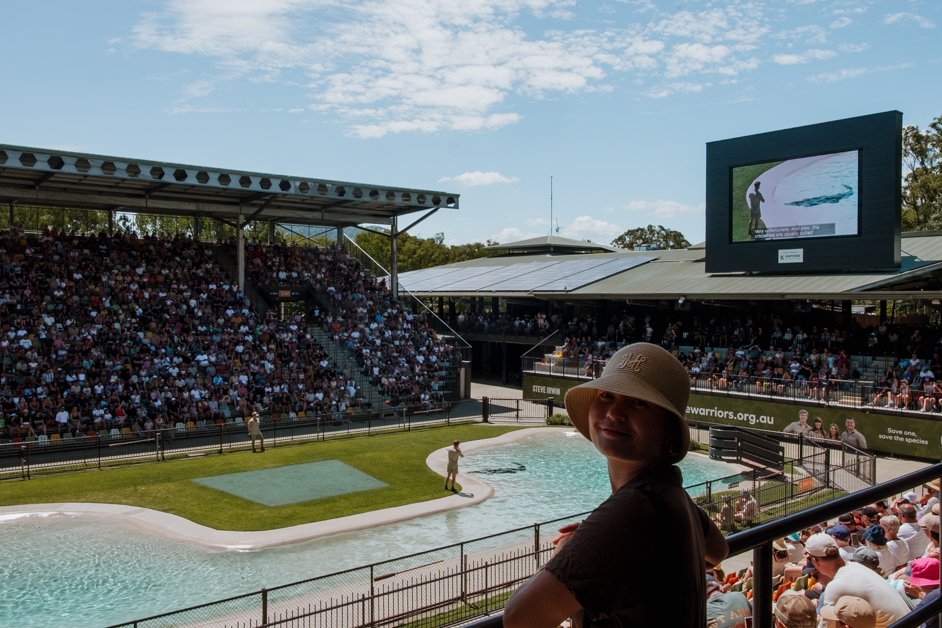
Big Robert Irwin fan!
One of the things we appreciated the most was how interconnected and involved Australia Zoo is with conservation programs around the world. Ticket sales directly support these efforts and education and research is at the heart of everything the zoo does. We also loved stepping foot in the Wildlife Hospital, added on in 2004, where over 7000 animals are rescued, rehabilitated and, where possible, released back into the wild every year.
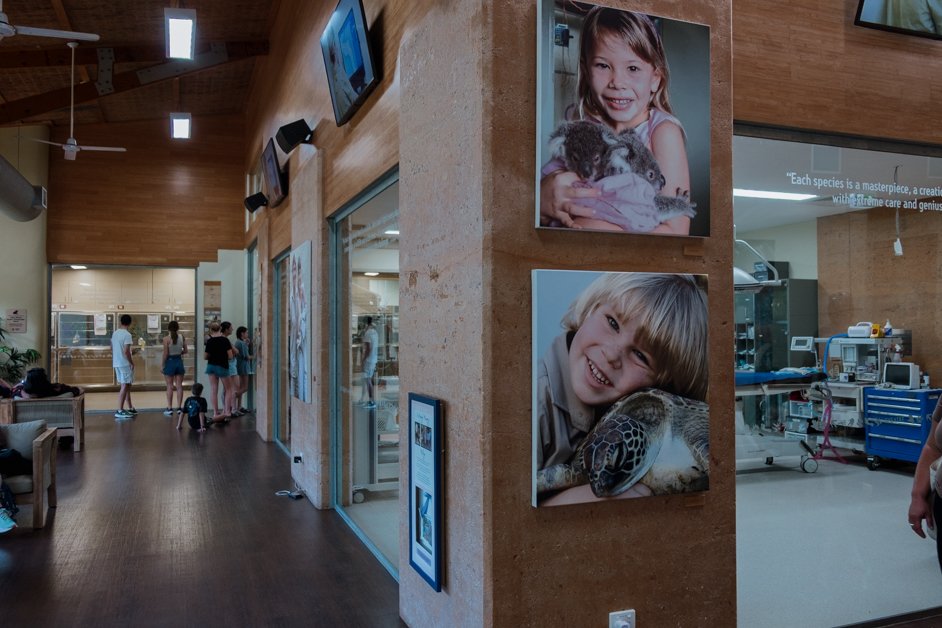
Australia Zoo Wildlife Hospital
BOOK AN EXPERIENCE AT AUSTRALIA ZOO!
PIN THIS POST TO REFER BACK TO LATER!
GET READY TO TRAVEL!
— Book tours and experiences - with GetYourGuide
— Get all the gear you need for your trip - with Amazon (North America)
— Get all the gear you need for your trip - with Amazon (Europe)
— Find a place to stay - with Booking.com
— Choose a hostel to stay at - with Hostelworld
— Purchase global travel insurance - with World Nomads
— Load an international eSim on your phone - with AirAlo
— Start your own travel blog - with Hostinger
— Join the GetYourGuide Travel Creator Community - with GetYourGuide
Discover more from Jana Meerman
Subscribe to get the latest posts sent to your email.

Hi! I’m Jana, a Dutch-German-British-Canadian with a dream of seeing every country in the world. I am a storyteller, photographer and adventurer passionate about documenting and sharing my travels.