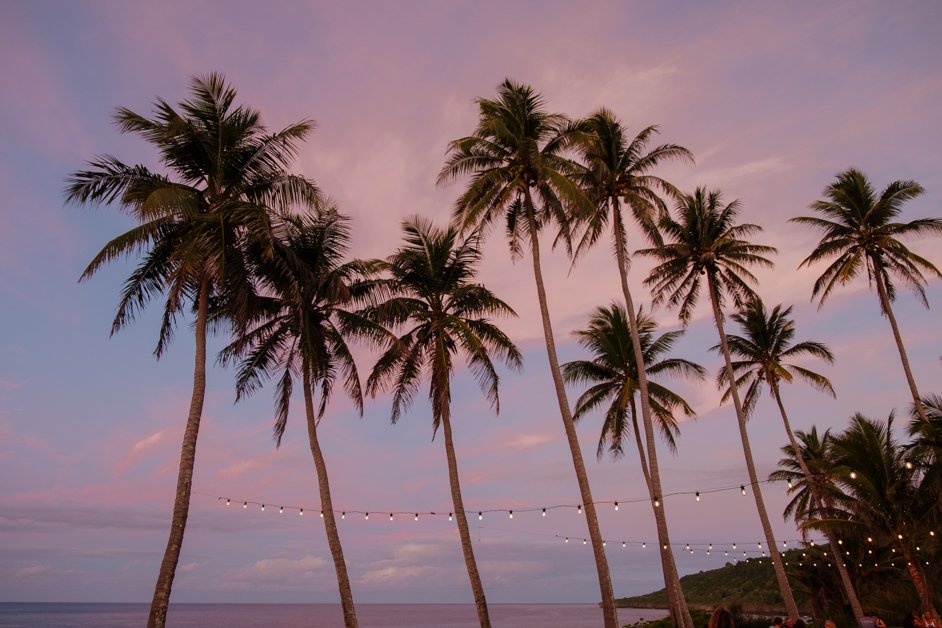
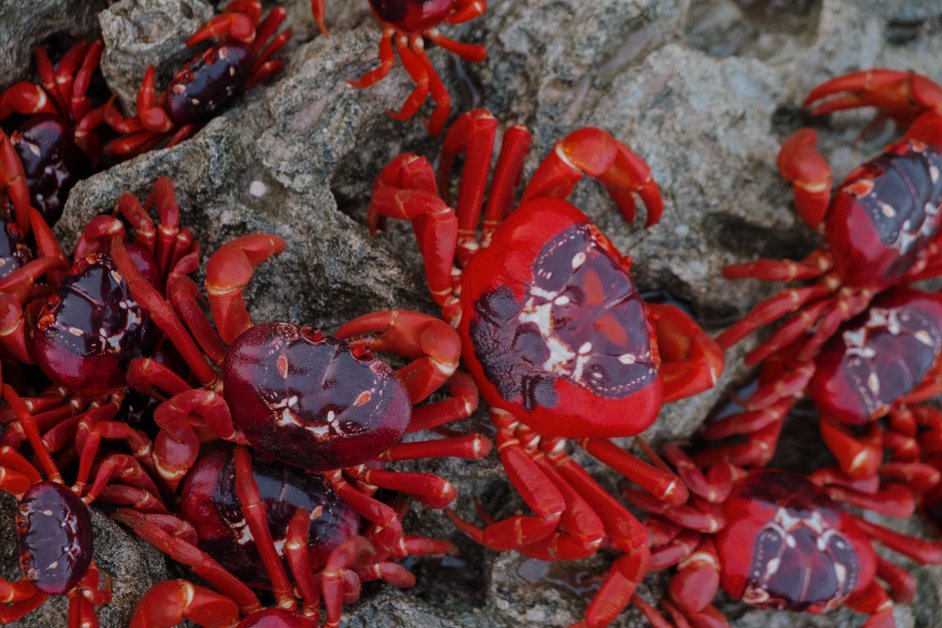
Christmas Island is a tiny island, a territory of Australia, situated in the Indian Ocean. It is so remote that the next closest land is Indonesia, more than 350km away. It’s also the only place on earth where red crabs are found.
On my mission to visit and share every country and territory in the world (a total standing at 269), I sometimes end up booking trips to visit some of the world's most remote places and undertaking serious bucket-list worthy adventures.
We are basing ourselves in Australia for a year, traveling around the country in a campervan. Given it's the biggest country in Oceania, it's also the perfect opportunity to visit some of the many islands surrounding it across the Indian and South Pacific Oceans.
I spent six weeks backpacking around Australia back in 2019, one of my first solo adventures and my first on a one-way ticket. During my two years I would end up living down under, mostly based out of New Zealand, I also visited Fiji, Vanuatu, New Caledonia and Samoa, scratching the surface of these fascinating island nations dotting great expanses of open ocean.
When mapping out the rough corners of our year-ish down under, planning to land in Sydney at the beginning of October, we realized we'd have enough time to cross the country to Perth to fly to Christmas Island for a very special event in the animal world, the red crab migration.
→ Check out my complete guide to witnessing the red crab migration on Christmas Island!
Every single spot (and more) that I mention in all my blog posts about Christmas Island can be found in my Australia | Ultimate Map!
As Christmas Island is an overseas territory of Australia, I have included it there, along with the other two overseas territories, the Cocos (Keeling) Islands and Norfolk Island.
This is a digital map featuring hundreds of my favourite restaurants, campgrounds, accommodations, shops, photo spots, museums, beaches, lakes, animal spots, bridges, viewpoints, hikes and SO much more in Australia, including its three external territories.
Each pin includes exact locations, images, detailed information, the ability to open and save the spot in your Google Maps and a link to my relevant blog post to read more.
COMING SOON → Buy the Australia | Ultimate Map!
Below is some useful information for preparing for your trip to Christmas Island. In all cases, please be sure to check with the relevant local authorities for the latest and accurate information.
Language: As Christmas Island is an overseas territory of Australia, the official language is English. However, the local population is predominantly Chinese-Malaysian and they speak Malay, Mandarin and Cantonese.
Currency: The currency used in Christmas Island is the Australian dollar, denoted as AUD $. I use a Wise account when I travel which allows me to have a single, free account with multiple currencies. I only have to pay once to convert my money in the app and then I can pay in AUD $!
→ Check the latest currency conversion between AUD $ and your local currency.
Data/WiFi: Christmas Island has cellphone coverage provided by Telstra, the same network as on mainland Australia. Vodafone and Optus do not have coverage here. If you have an Australian phone plan with Telstra, it will work on Christmas Island. Otherwise, you can pick up a local Sim card at the Post Office.
There is WiFi available at the Visitor Information Centre or in most accommodations on the island.
Visa: As Christmas Island is an overseas territory of Australia, they follow Australian immigration laws. Whatever visa you would use to get into Australia is applicable for entry to Christmas Island. All passport holders except New Zealand require a visa.
→ Check which visa you need for Australia.
Although Christmas Island are a territory of Australia, it is considered an international destination and therefore requires all arrivals (including residents) to fill out an Australian arrival card before landing. Flights will depart and arrive in Perth through the international terminal.
Time of year to visit: Christmas Island can be visited all year-round. Temperatures usually stay around 23-29°C, however there is a wet and a dry season to be aware of.
The wet season is from December to February, coinciding with the end of the red crab migration and the return of the baby crabs from the ocean. Roads are often closed for the crabs and rain is common and can often disrupt flights. From March to May, the rain lessens and it's the best time to see the island at its most lush.
The dry season is from June to August, making it an ideal time for a tropical island vacation. You can still see crabs and it's also the best time of year for snorkeling. From September to November, early rains begin and the red crab migration commences.
In my opinion, the best time of year to visit is timed with the annual red crab migration, usually in November each year (but can be between October and January).
Length of stay: We spent a week on Christmas Island which was more than enough to visit everything on the small island. We mainly came to see the red crab migration and would have definitely been satisfied with a four-night stay as we felt there is limited tourism infrastructure for such a lengthy visit.
The only thing to consider is that flights come from Perth (and on to the Cocos (Keeling) Islands) just twice per week on Mondays and Fridays. Therefore, you'll need to plan a stay of a minimum of three nights (Fri-Mon) or longer (e.g. four nights from Mon-Fri or seven nights from Mon-Mon or Fri-Fri).
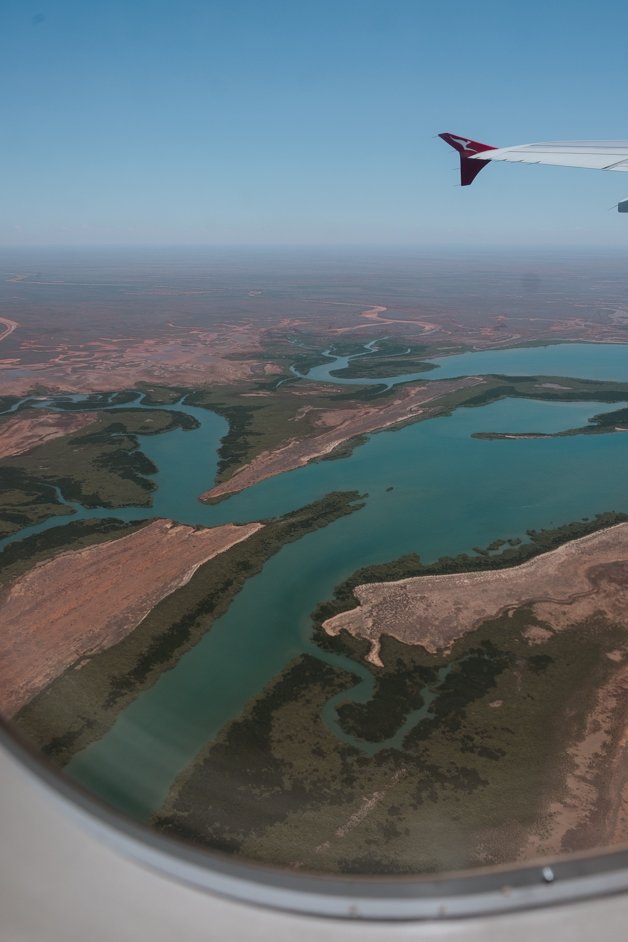
By flight: The only way to reach Christmas Island is by flying from Perth on mainland Australia. Originally serviced by Virgin, Qantas took over the route from 1 November 2025. The route we flew was via Port Hedland in northern Western Australia for a refuel before flying out over the Indian Ocean.
Due to the weather and remoteness of the island, flight delays are common on this route. We had a 25-hour delay on our departure from Christmas Island (onwards to Cocos (Keeling) Islands) due to heavy rains. This caused chaos on the island as there was not enough accommodation for all the stranded passengers and we ended up sleeping in the guest room of some very nice locals. Hopefully Qantas comes up with a better emergency plan (Virgin used to have one) that solves this issue as apparently it happens frequently. Be sure you have good travel insurance to cover any delays and lost costs!
→ Purchase global travel insurance with World Nomads.
Flights go between Perth and Christmas Island only twice per week, on Mondays and on Fridays. Therefore, you'll need to plan a stay of a minimum of three nights (Fri-Mon).
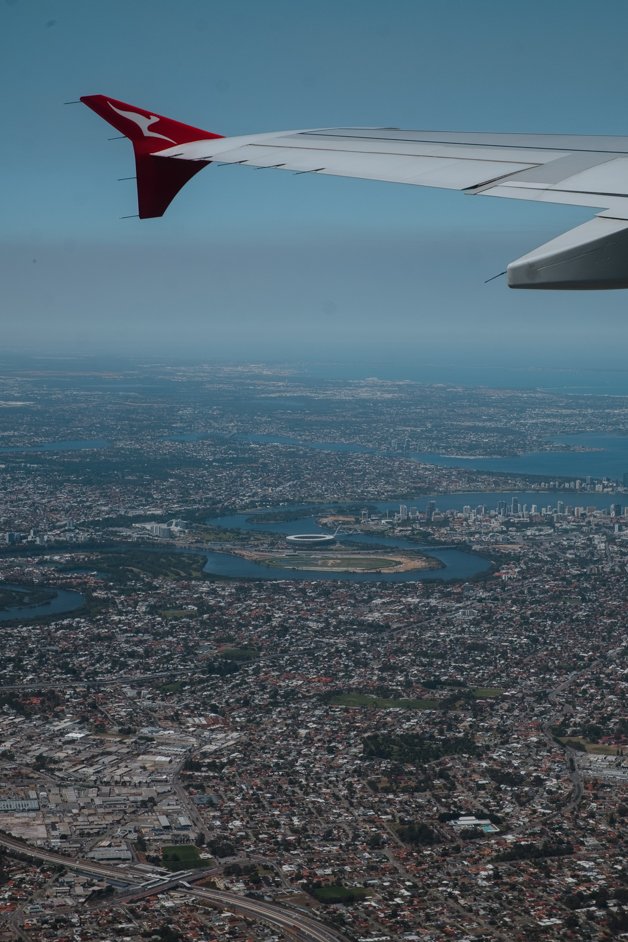
Flying out of Perth
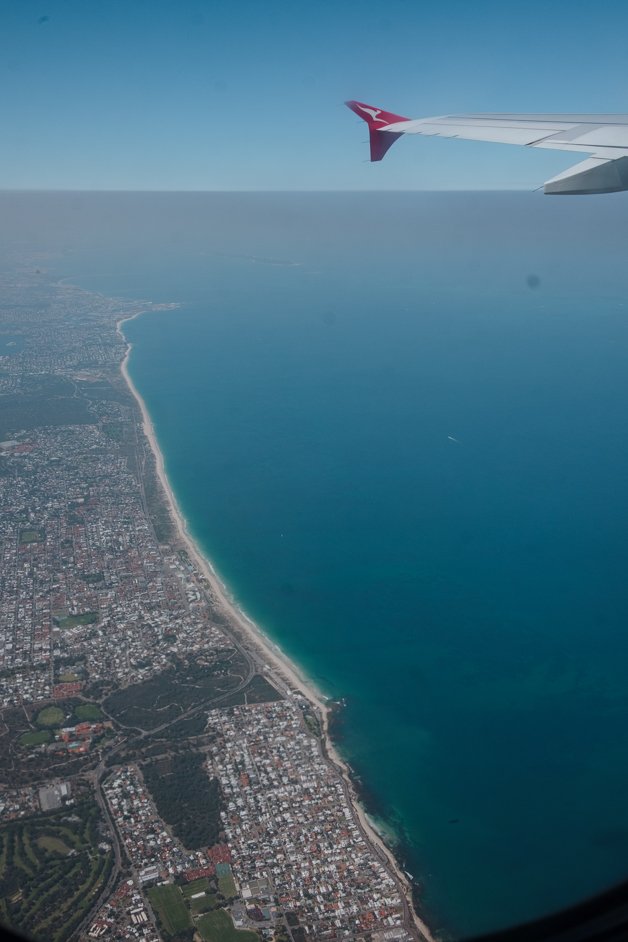
Flying over the beaches of Perth
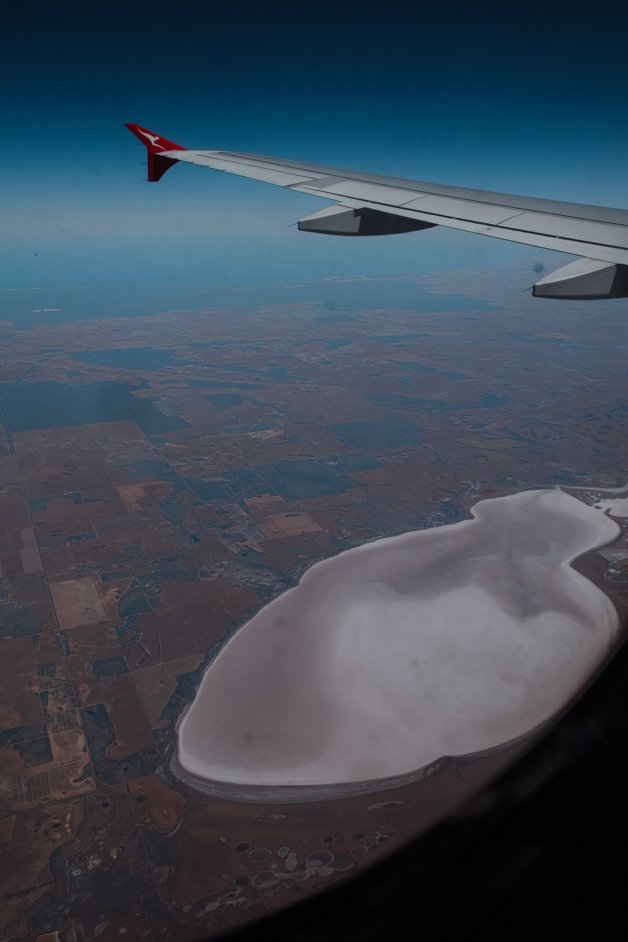
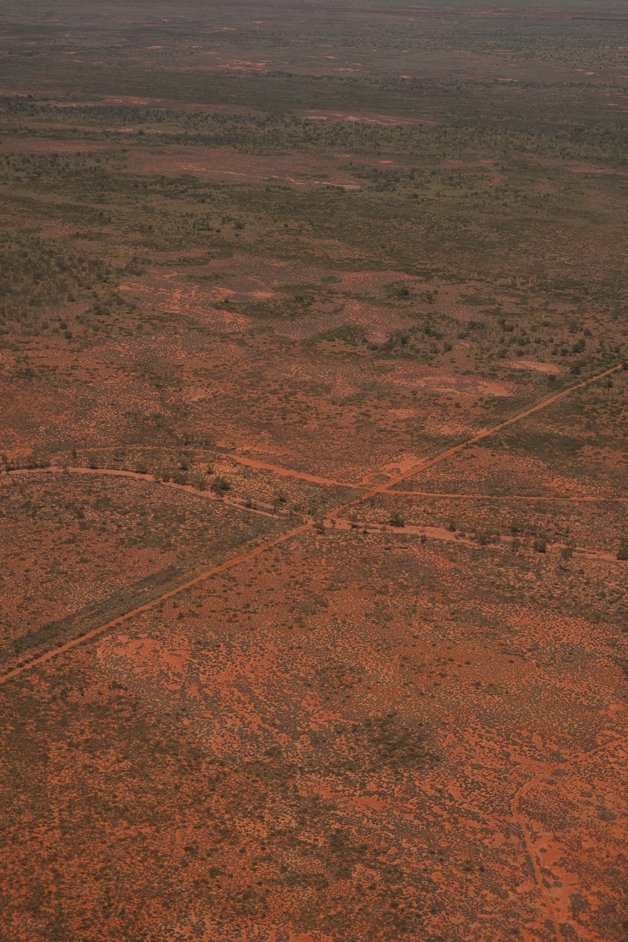
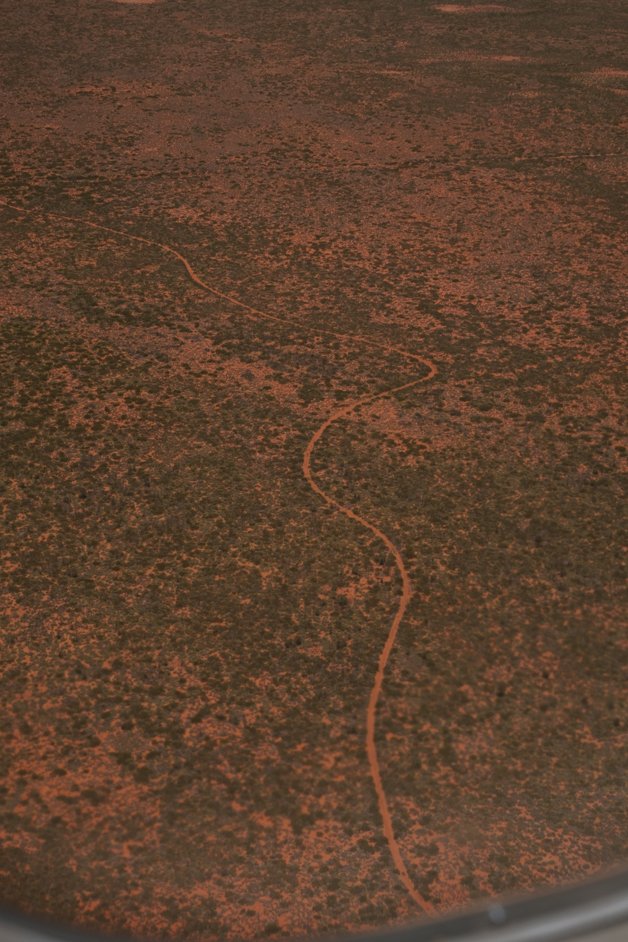
Flying over a pink salt lake in Western Australia
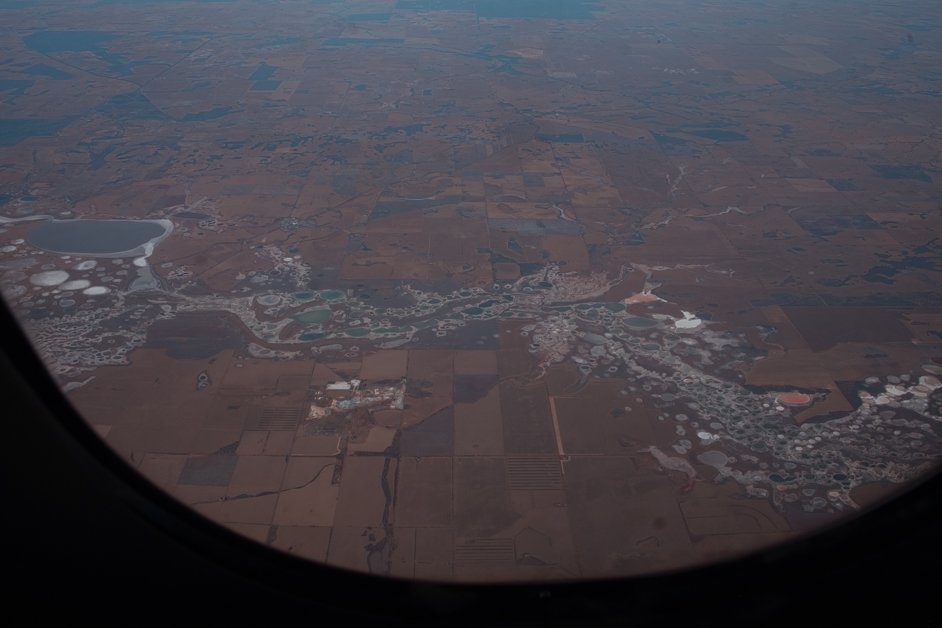
The various colours of salt lakes from the sky
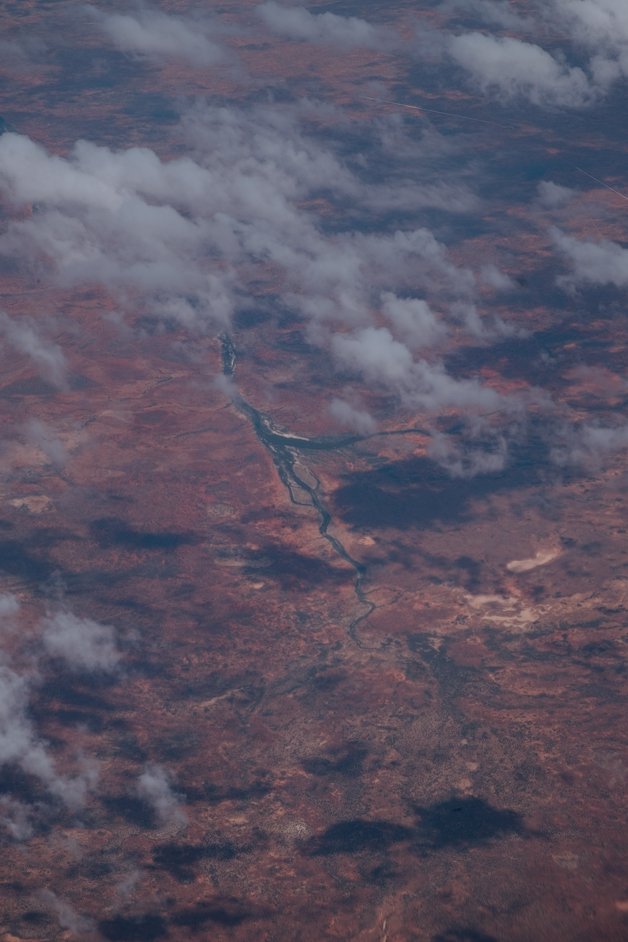
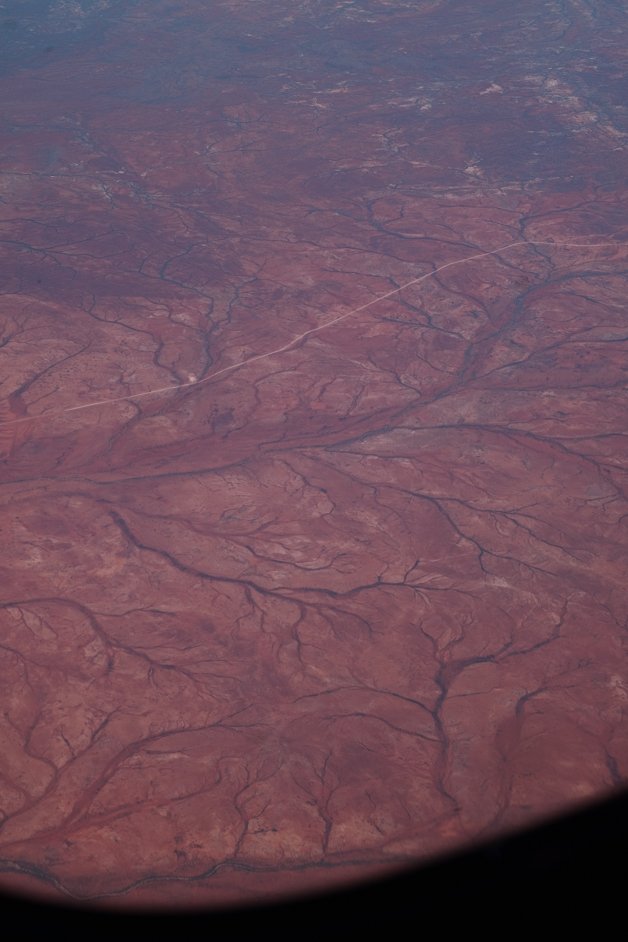
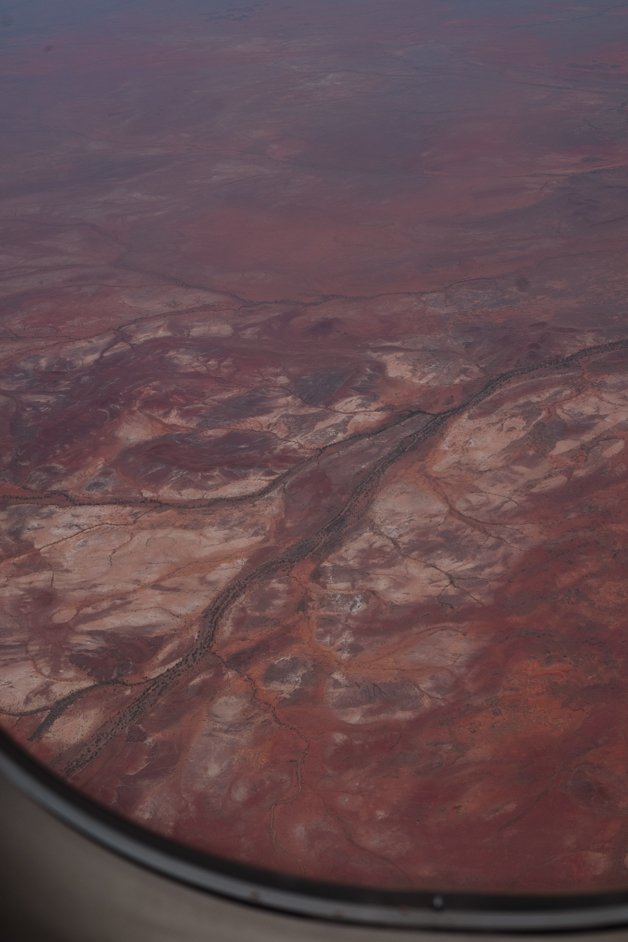

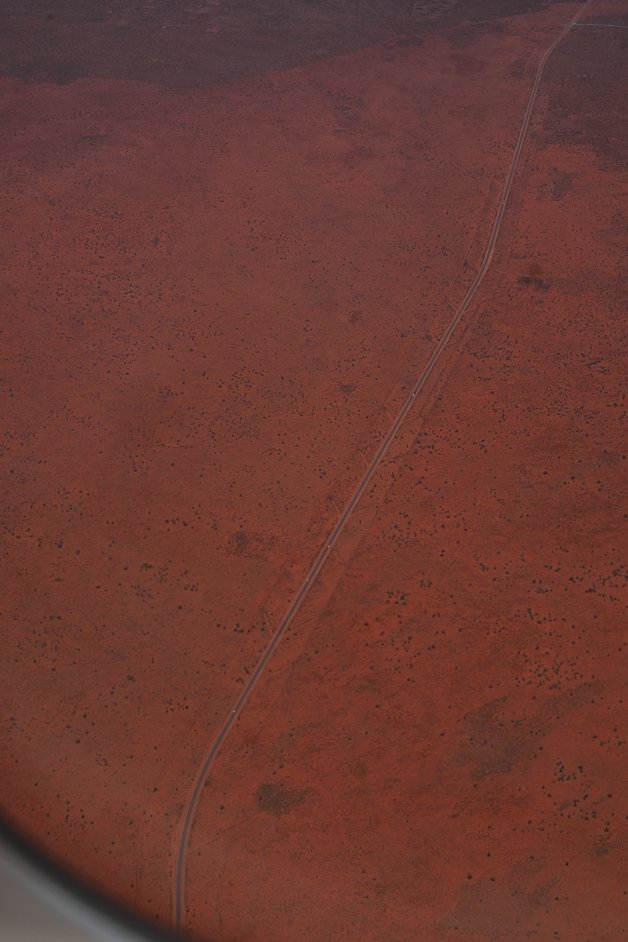
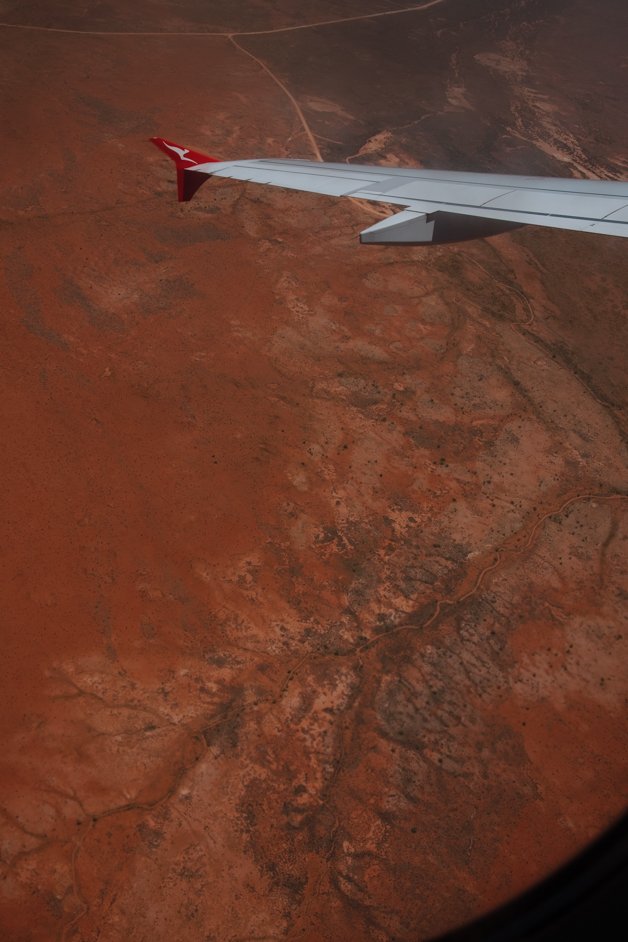
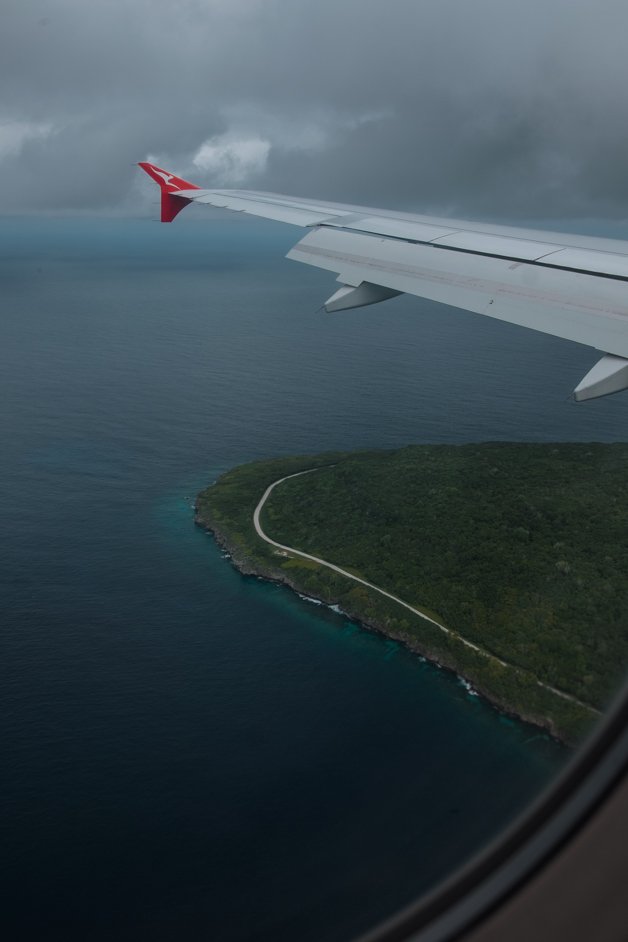
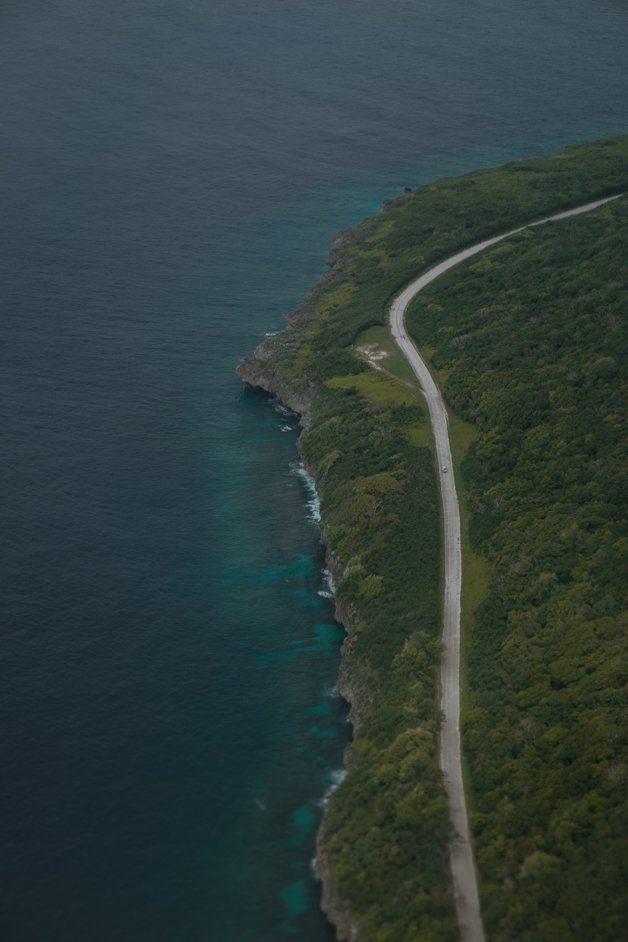
First view of Christmas Island
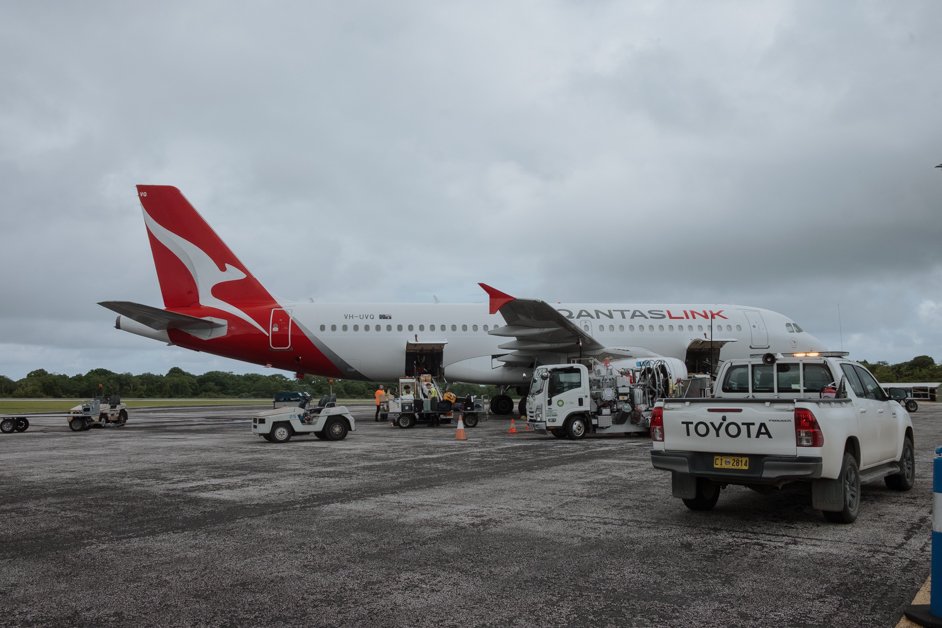
Our Qantas flight after landing
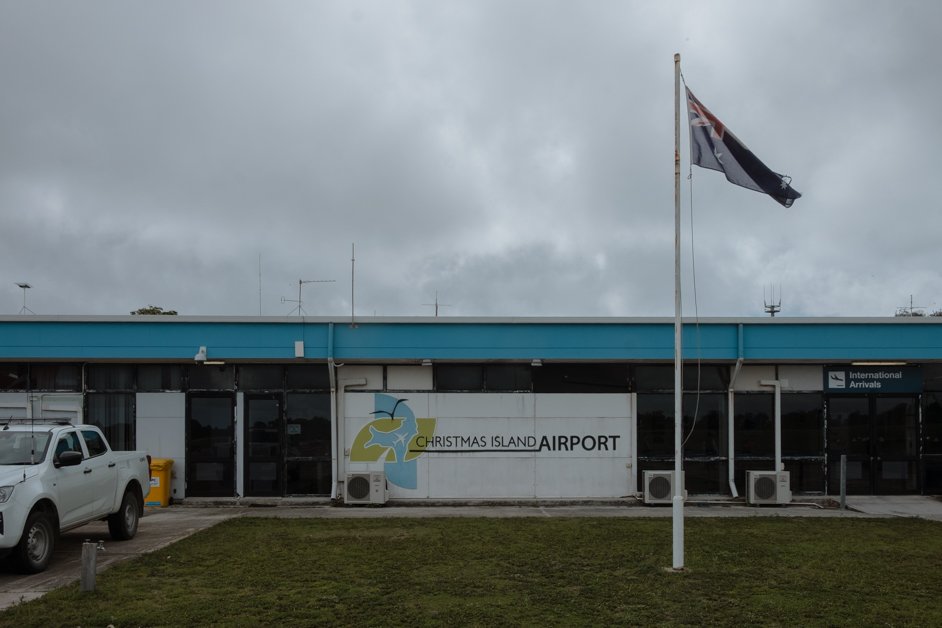
The tiny Christmas Island Airport!
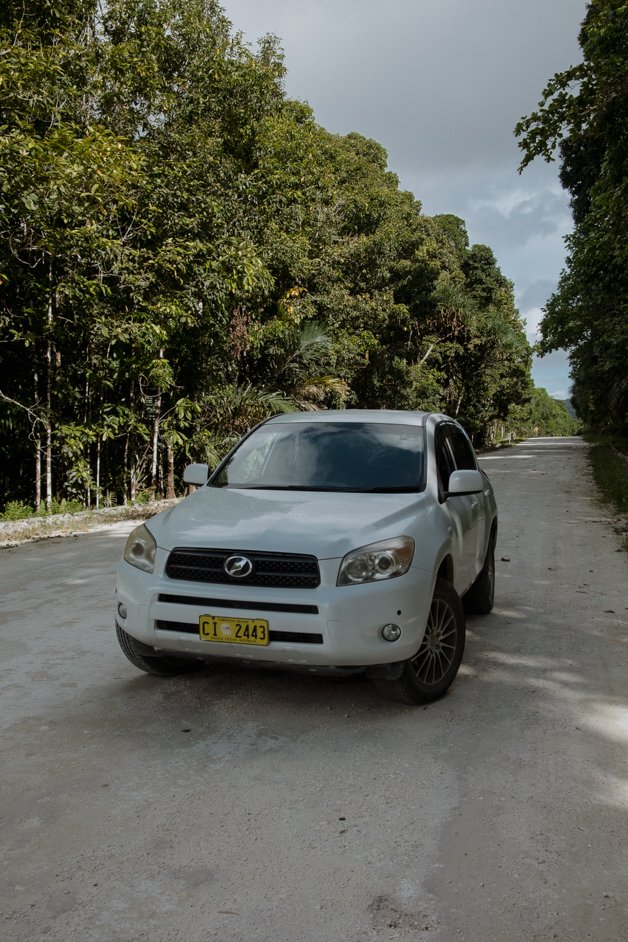
By car: Really, the only way to get around Christmas Island is with a 4WD, the only type of car available to rent. Most of the roads on Christmas Island are unsealed and in pretty rough shape. We have to be honest here and say that the island is rugged and the cars are too. They didn't seem super well looked after / serviced and smelled pretty moldy and damp. I think you have to go into this trip expecting that, though.
Be sure to book your car in advance as there are a limited number available on the island. There is only one gas station on the island in Flying Fish Cove and it's closed on Sundays.
→ Rent a car through Christmas Island Tourism.
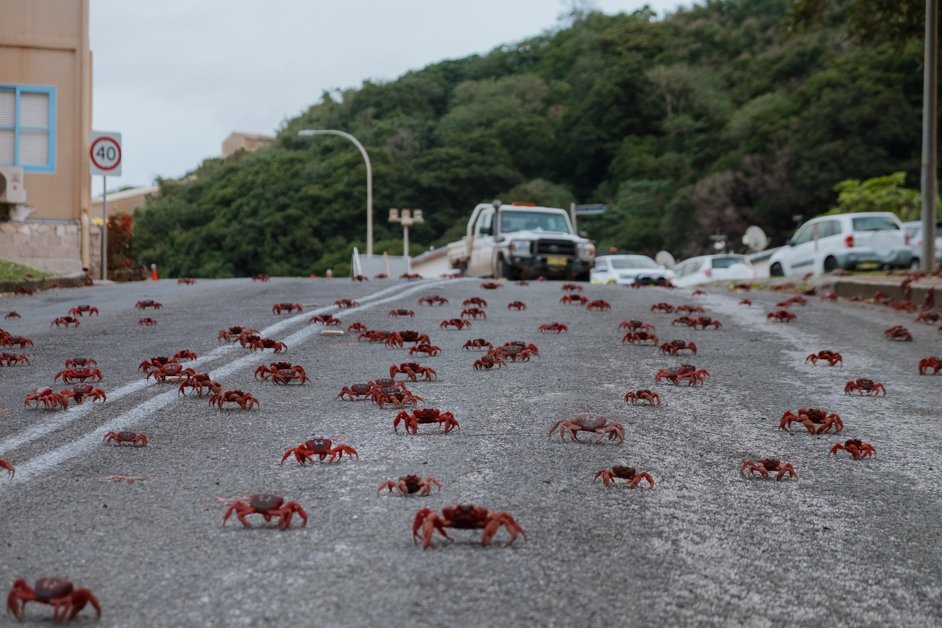
Depending on when you visit, many roads will be closed for the red crabs' trek from the jungle down to the beach. You might not be able to get to various beaches, viewpoints and hikes. You also have to be really careful when driving to try and avoid crushing red crabs as they cross the roads.
→ Check out my complete guide to witnessing the red crab migration!
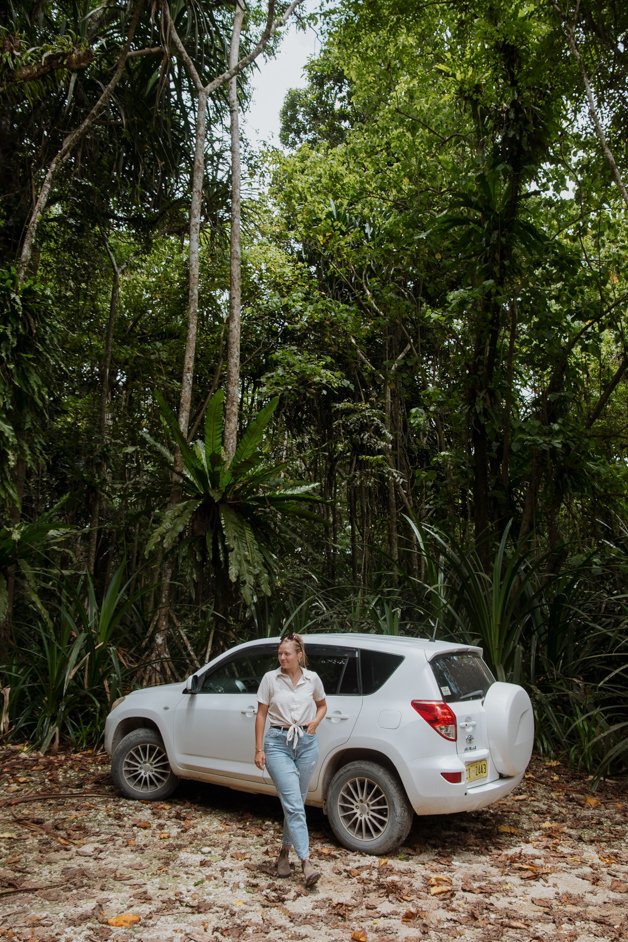
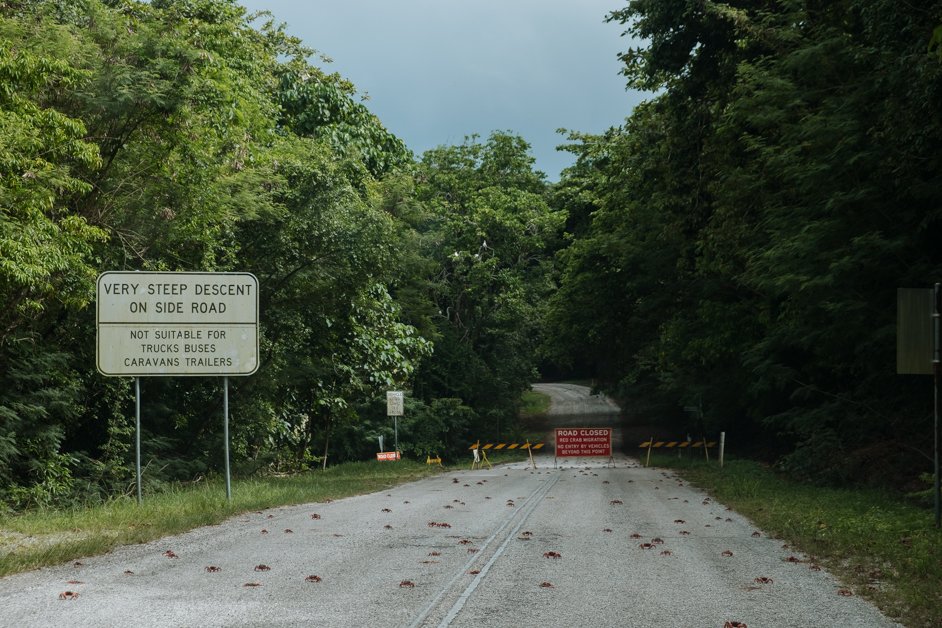
Road closures due to the red crab migration
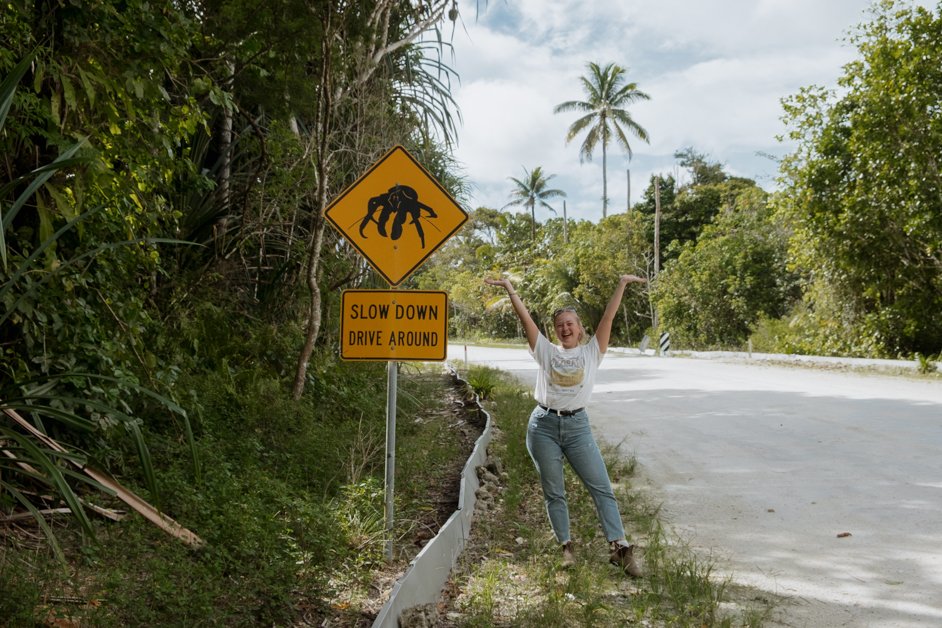
Road signs reminding you to slow down
By bike: Christmas Island Tourism does suggest that you can explore the island by bike if you don't drive or don't want to. I would probably not suggest this unless you have a great mountain bike for off-road terrain only.
On foot: You could hike to different spots but, even though it is an island, it's still quite large, stretching 19km lengthwise and 14km wide.
There are no taxis and no public transport on Christmas Island.
As with our feelings towards rental cars on Christmas Island, the standard of accommodation on the island is also quite poor. You don't really have any other options, considering you're on a remote island in the Indian Ocean.
You can browse the range of accommodation available on the Christmas Island Tourism website but be prepared that this is not a luxury, tropical island holiday. It's rugged, a bit grimy and usually in need of an upgrade. We did not like where we stayed (issues with cleaning and with management) and can't recommend it.
There is one luxury accommodation, Swell Lodge, offering self-service villas on the far west side of the island, quite a drive out of the main town of Flying Fish Cove and so a bit isolated.
As I mentioned above, flights only arrive on Christmas Island twice per week with Qantas on Mondays and Fridays, so you'll need to plan a minimum of a three-night stay (Fri-Mon).
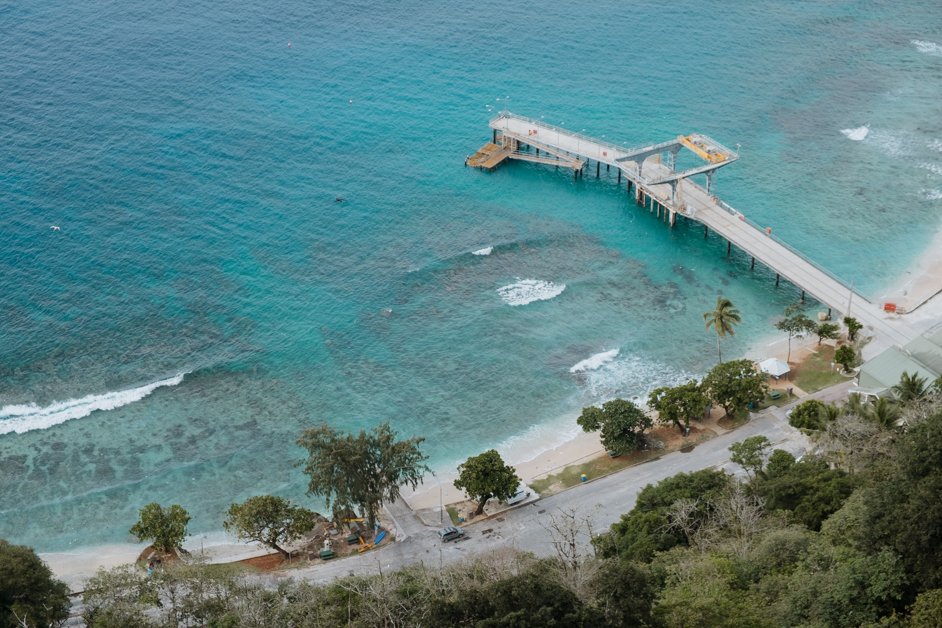
Flying Fish Cove, the beach in the island's only town
Finding a decent meal can be a challenge on Christmas Island. There are very few restaurants on the island and those that do exist have very limited hours which are usually not correct online. Most of the restaurants serve basic meat dishes (a struggle as I am a vegetarian) and not a whole lot of vegetables due to high import prices from mainland Australia.
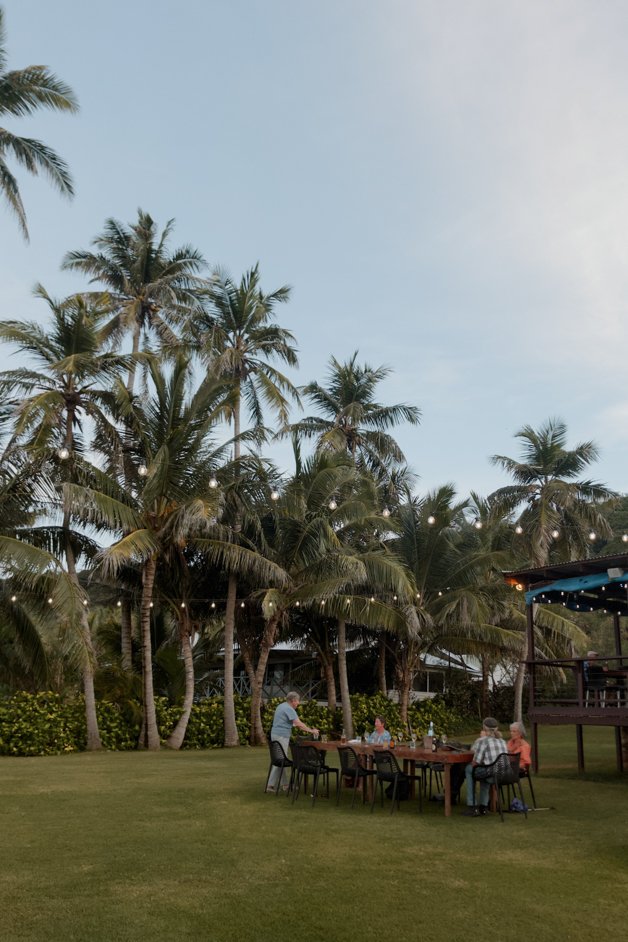
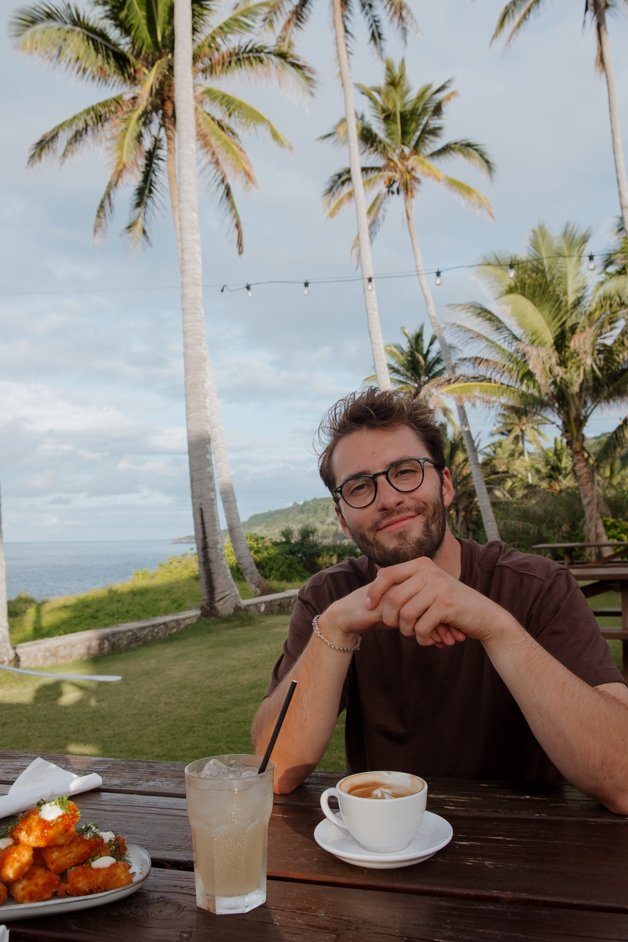
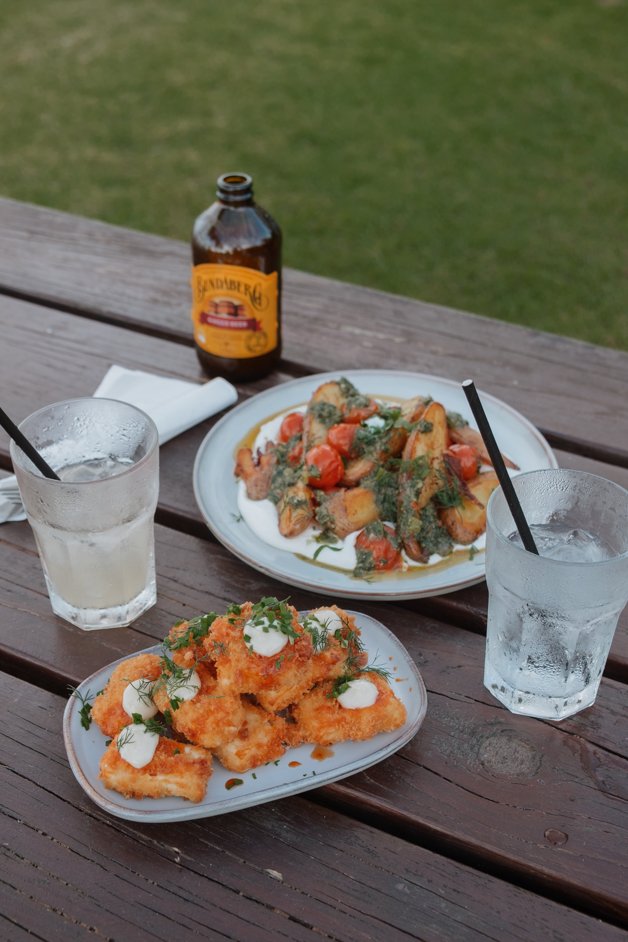
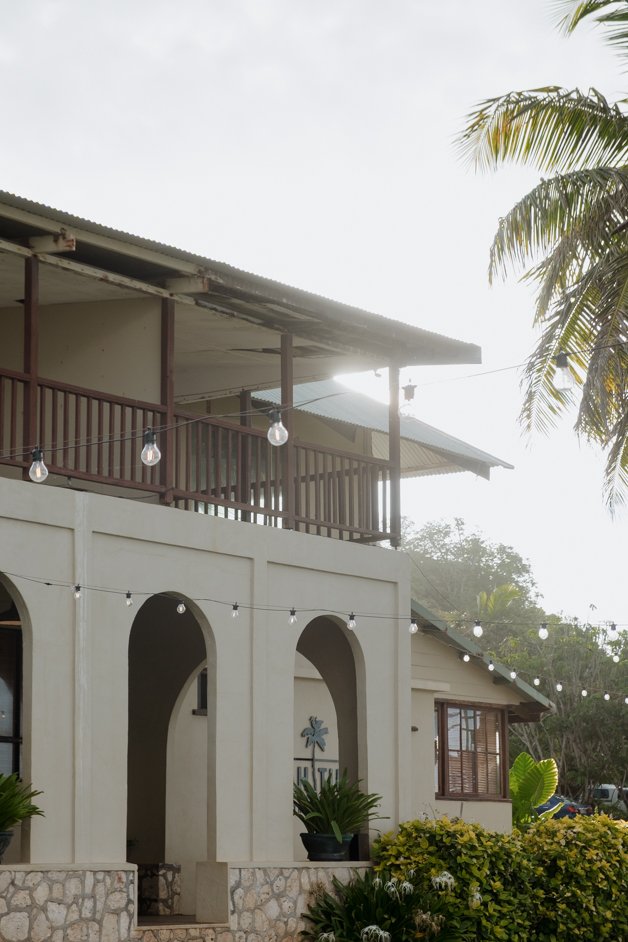
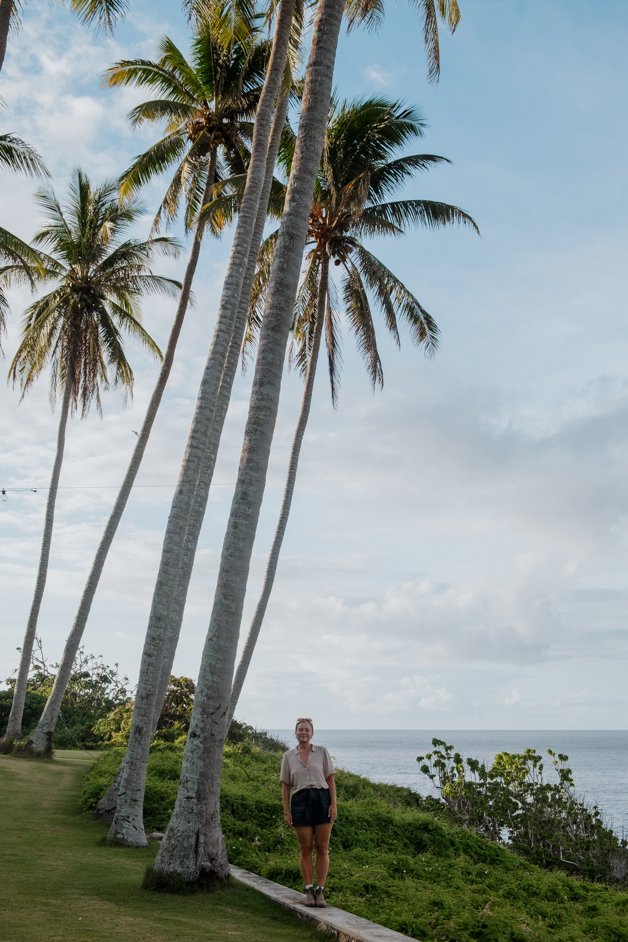
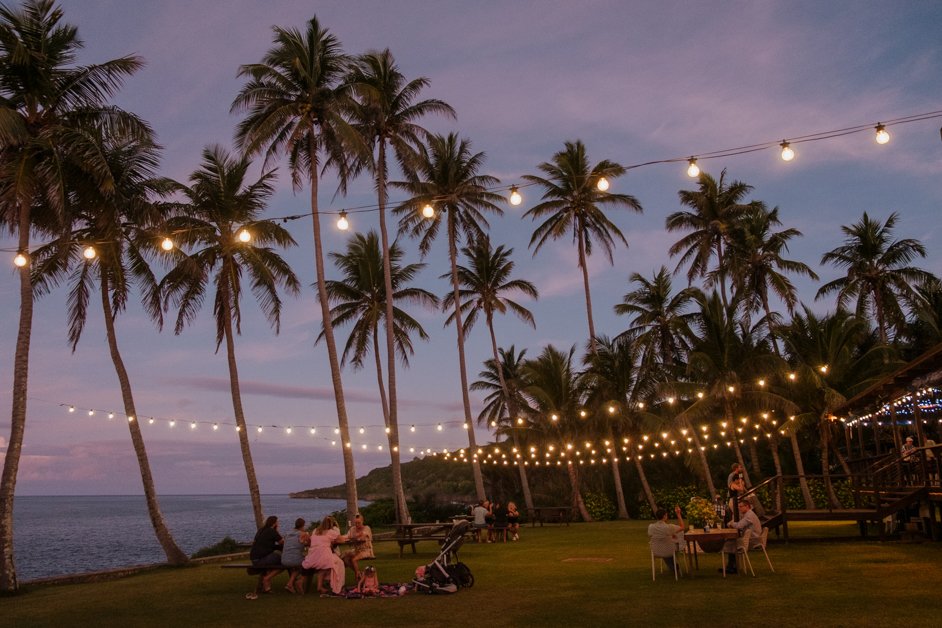
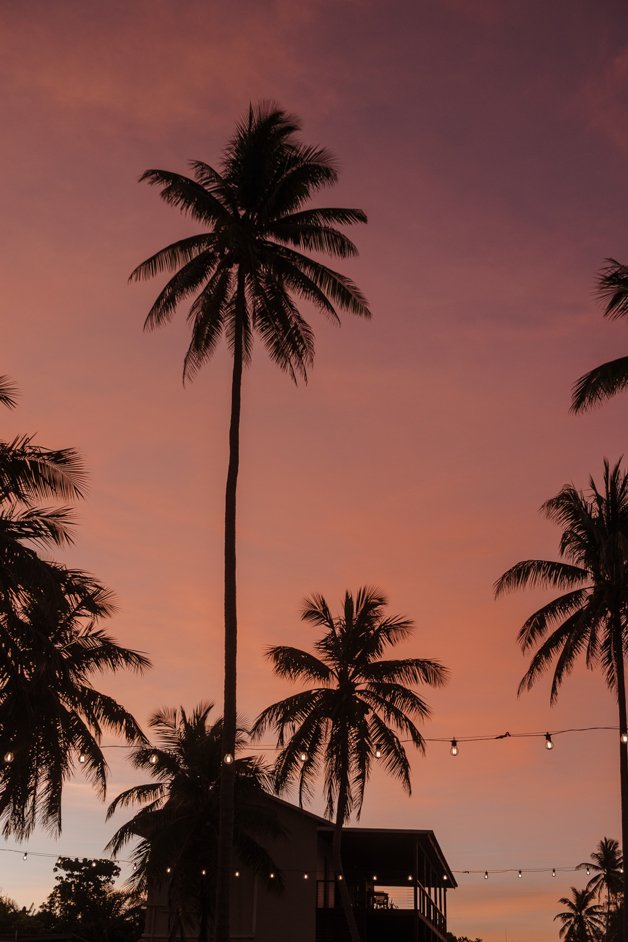
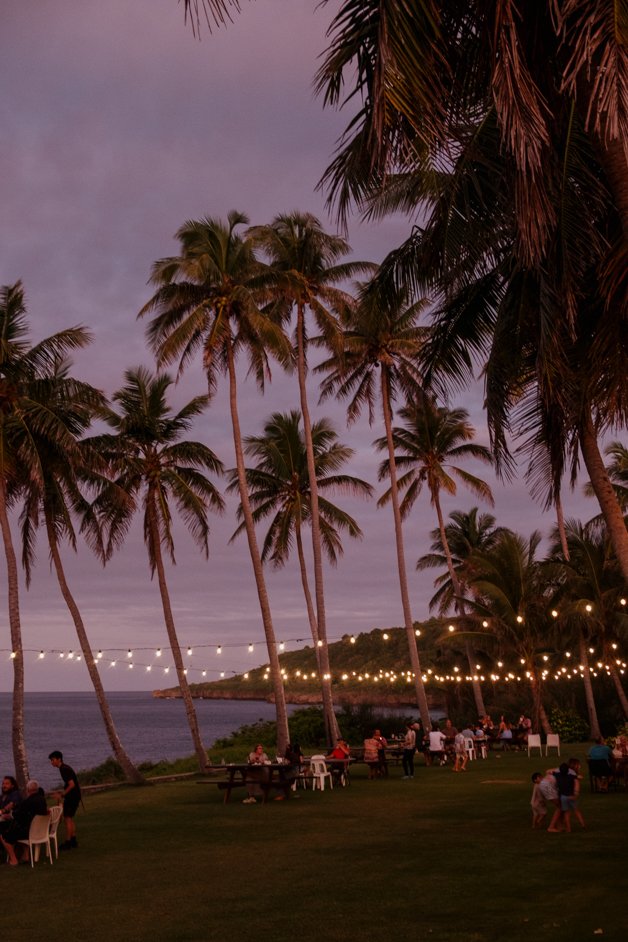
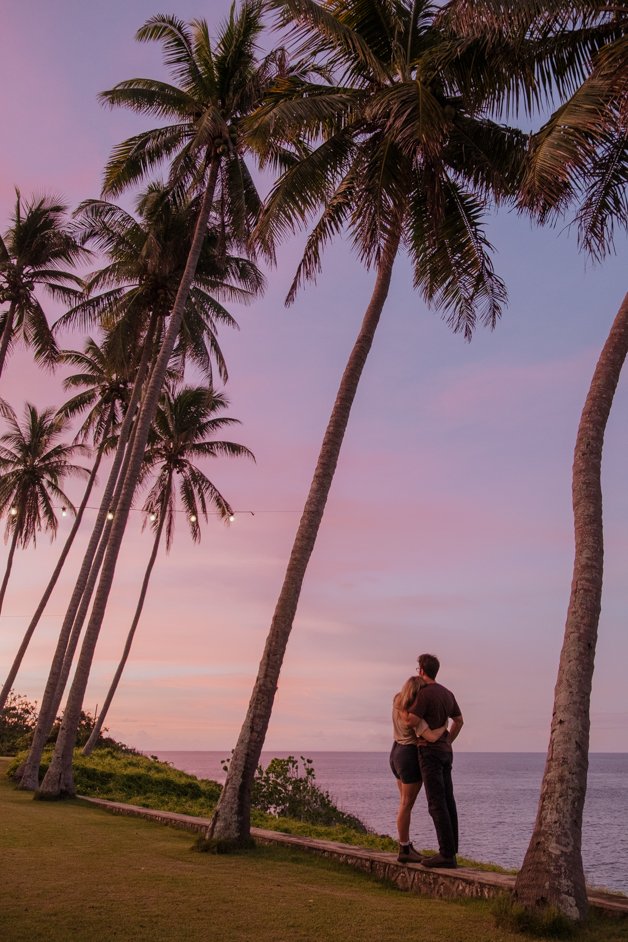
One place we did love going for food was Rumah Tingi, open a few days a week with vegetarian options and the best sunset spot on the island (pictured)!
The best thing to do is actually to shop at one of the two grocery stores on the island (we recommend Meng Chong Trading, much better variety and cleaner than Christmas Island Supermarket) and cook in your accommodation; most offer a kitchen for this purpose. Just keep an eye out for expired food on the shelves.
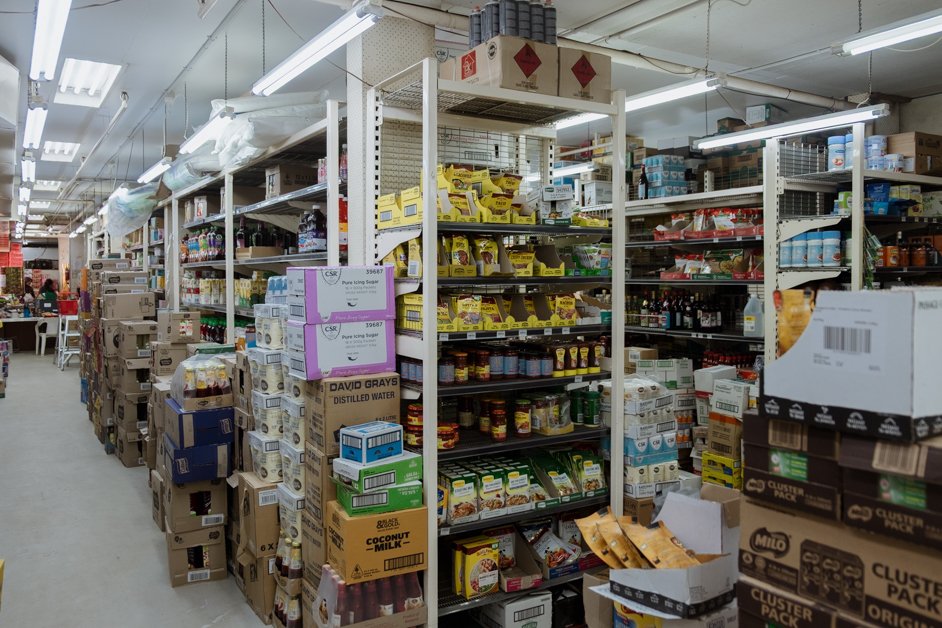
Christmas Island Supermarket, we don't recommend going here
We spent one week on Christmas Island which was a bit too long for us. I think a four-night stay from Monday to Friday to coincide with the flight arrivals twice-weekly is enough.
Here is everything we saw and did during our visit to this remote Australian territory:
Witness the red crab migration
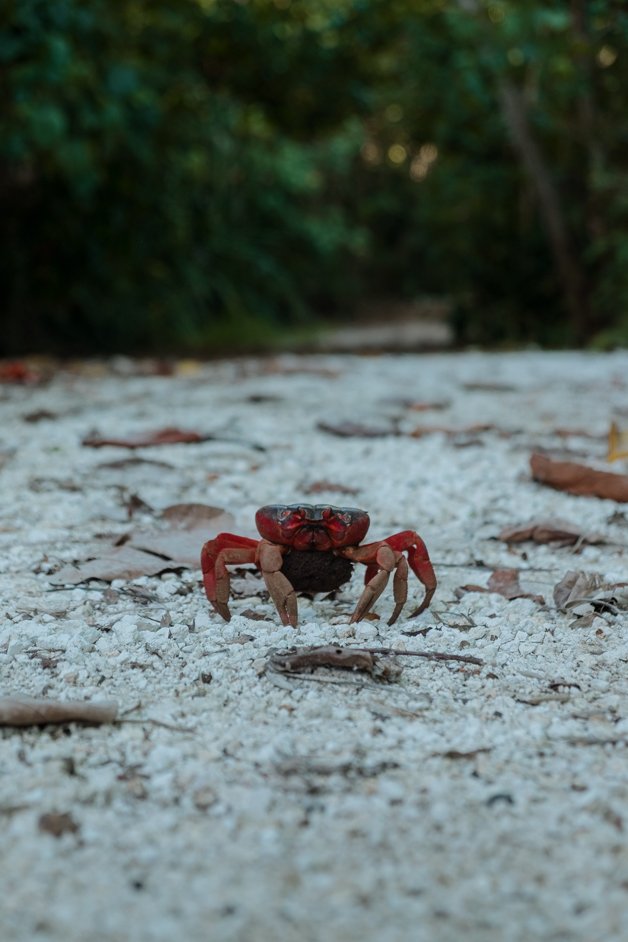
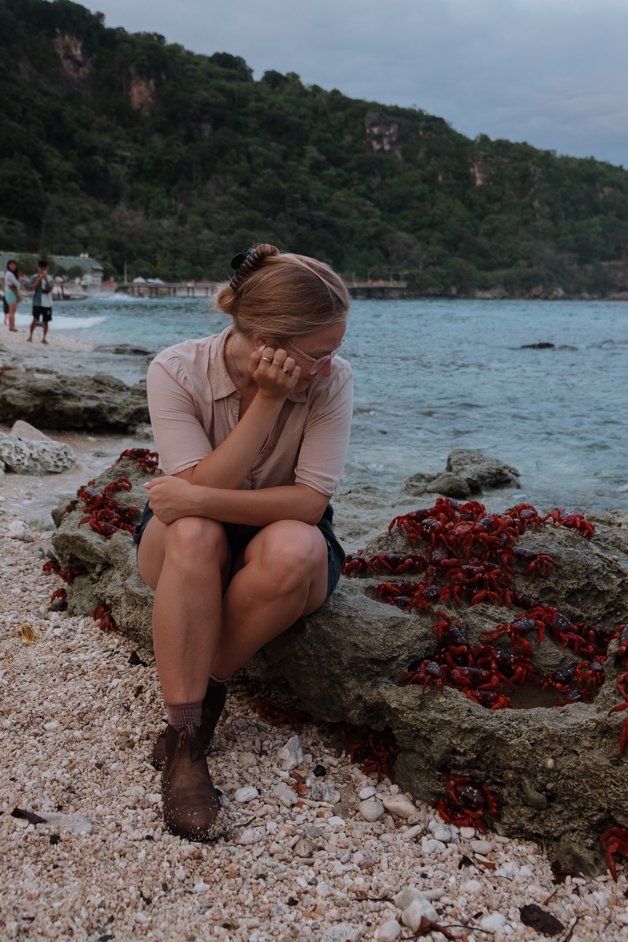
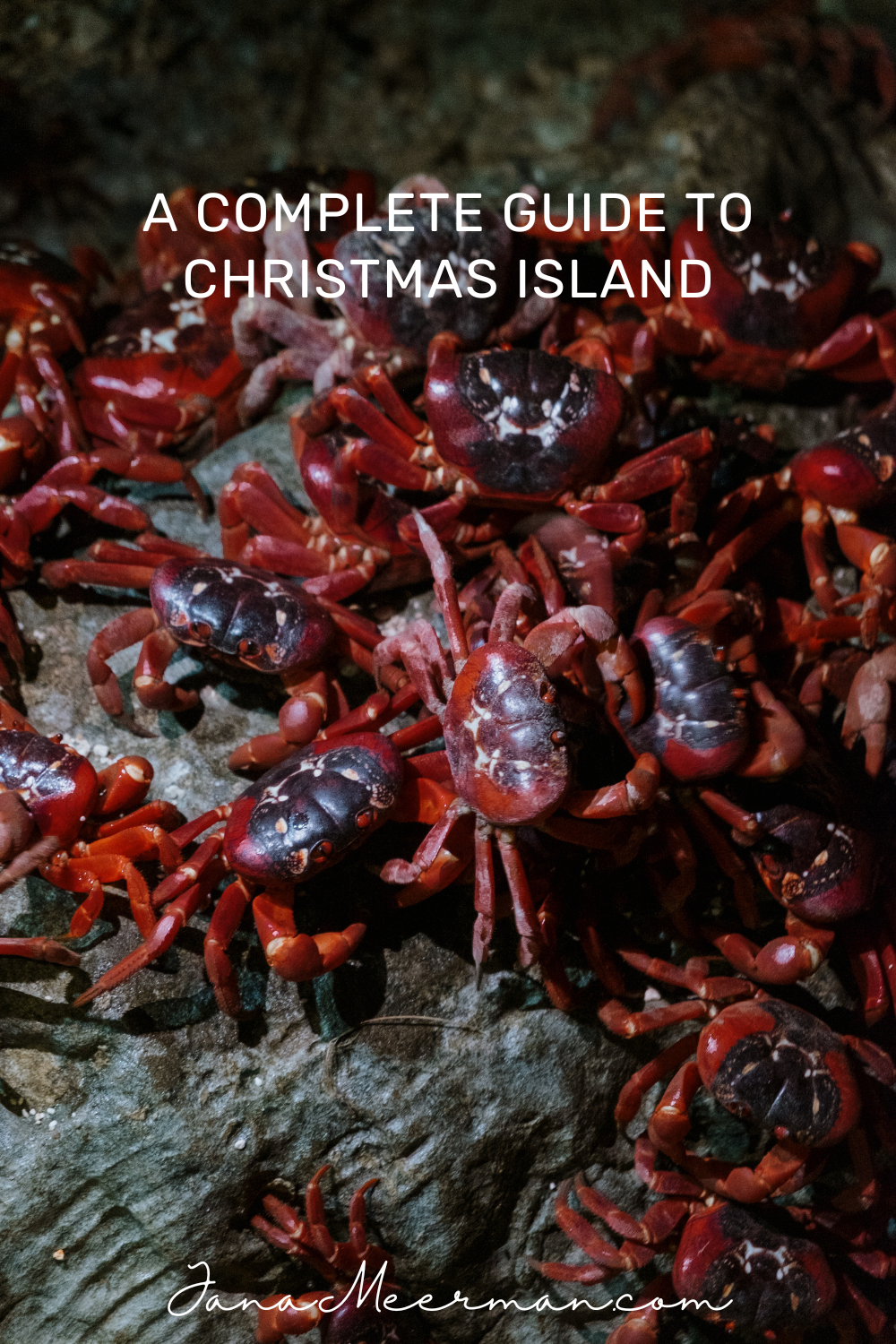
The number one reason people visit Christmas Island is to witness the annual red crab migration.
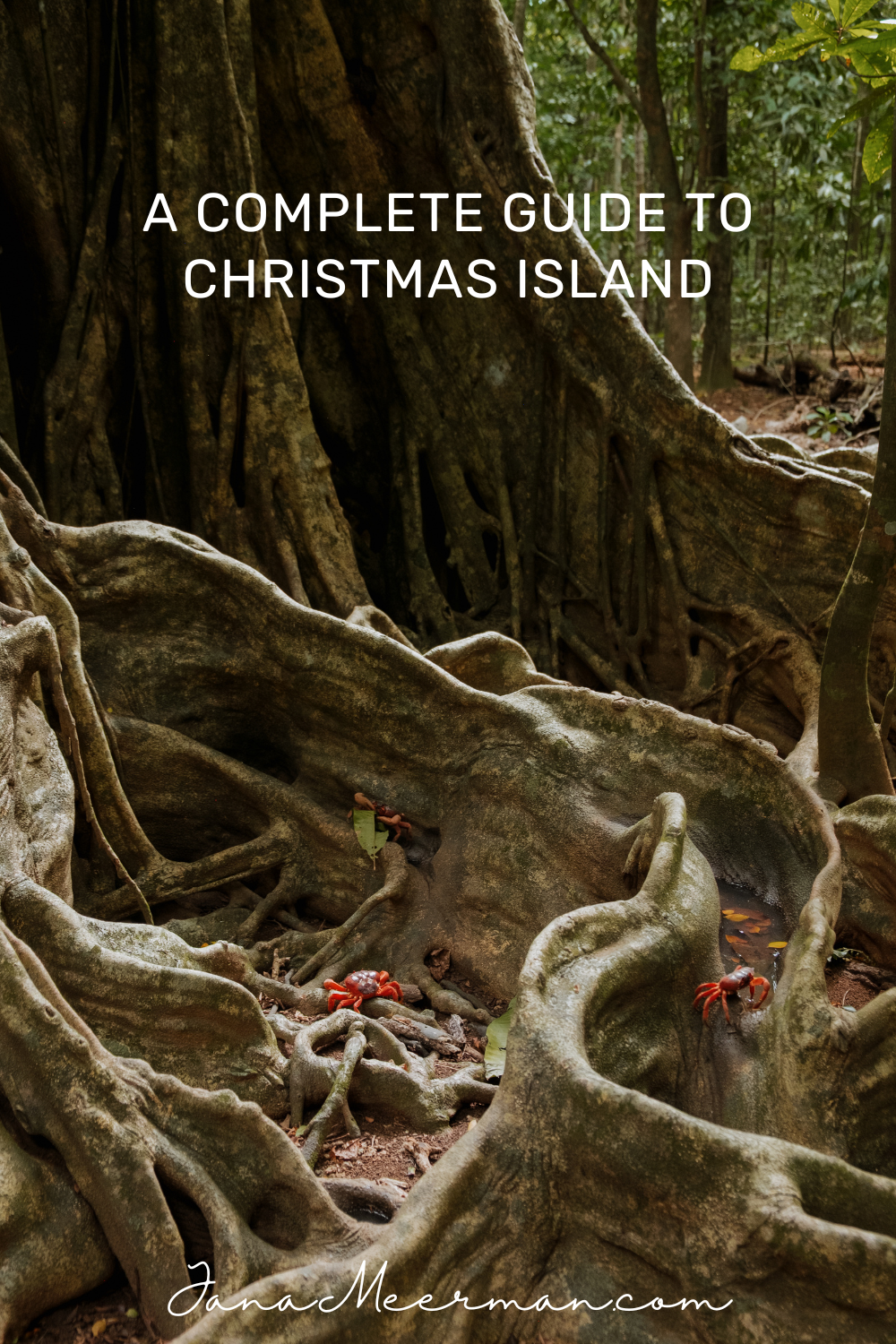
Christmas Island is the only place on Earth you'll find the famous bright red crabs. Official counts place the number at around 120 million, but locals estimate it to be at least double that. Once a year, the red crabs embark on their migration, making their way from their jungle homes down to the coastline to mate and spawn. They cannot swim, being land crabs, but it is in the ocean where their eggs are hatched and their baby crabs spend their first weeks developing.
I've written a complete guide to witnessing the red crab migration including some information on the red crabs, what the entire migration process looks like and how long it takes, when the best time is to see it all happening, where to go on the island specifically, what to pack and what to expect.
→ Check out my complete guide to witnessing the red crab migration!
See birds from the Margaret Knoll Lookout
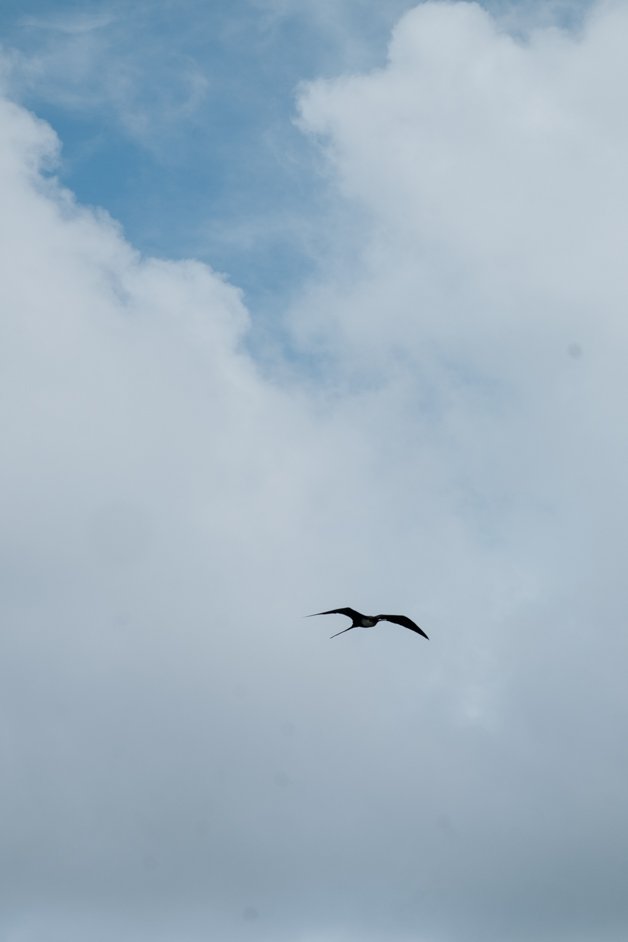
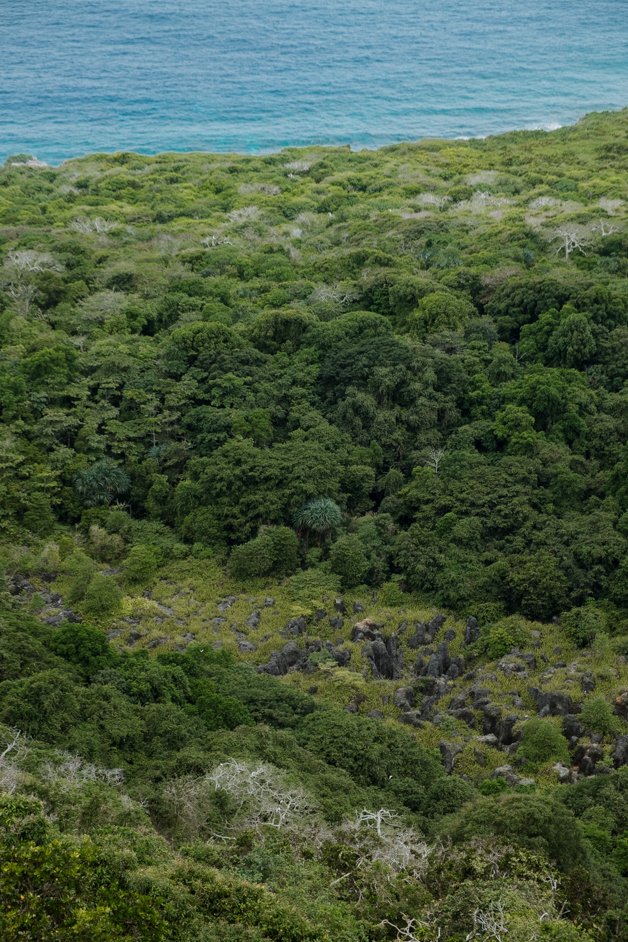
The Margaret Knoll Lookout is considered one of the best places to go bird-watching on Christmas Island high above the national park and the exquisite trees below and out to the Indian Ocean in the background. Frigates, bosuns and boobies fly through and above the trees and it's a privilege to capture them on camera.
→ Check out my guide to visiting the Margaret Knoll Lookout!
Hike to the Blowholes
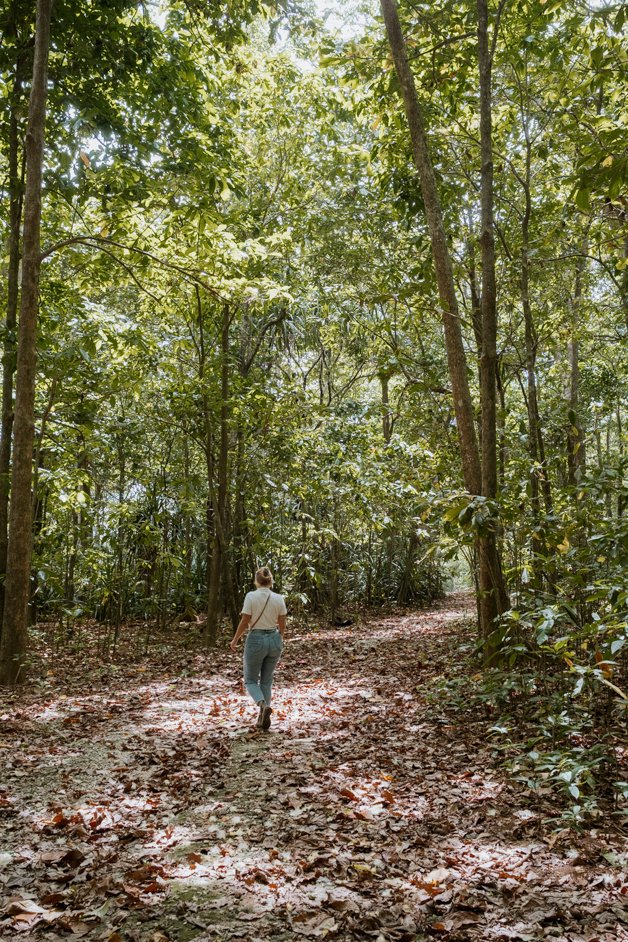
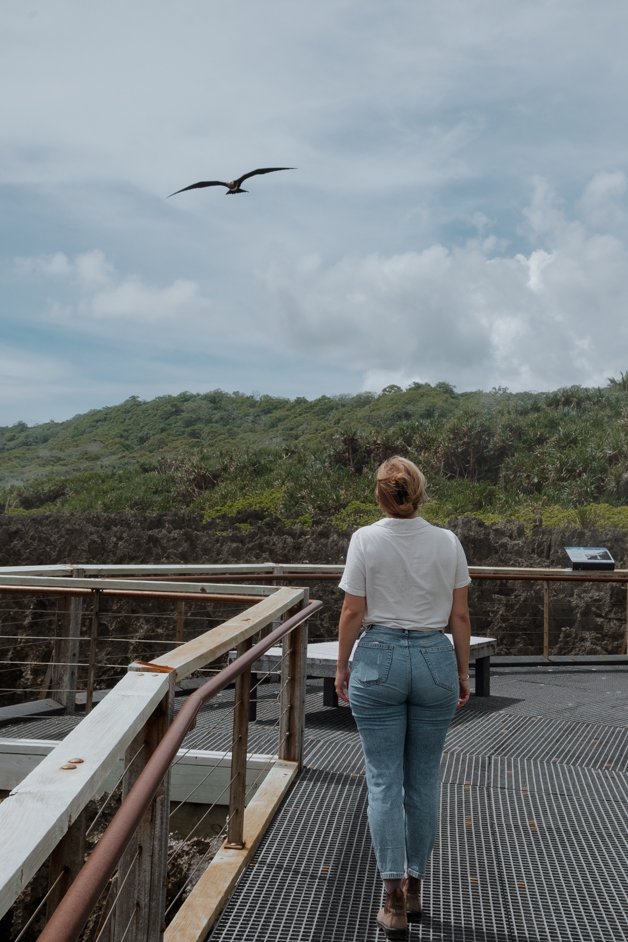
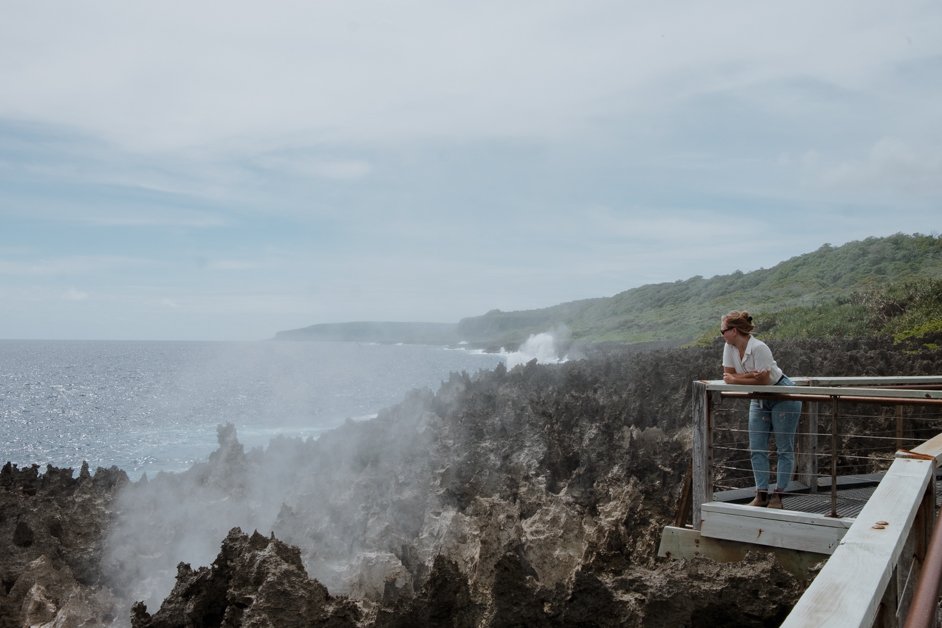
The Blowholes is one of the most iconic hiking spots on Christmas Island, one of the spots featured in David Attenborough's 1988 documentary of the island. It's also one of the best places to see the male red crabs after they have mated with the females and returned to their jungle nests.
When you reach the end of the Blowholes hike, you can see and feel the ocean powerfully bursting spray through the million-year-old rock formations.
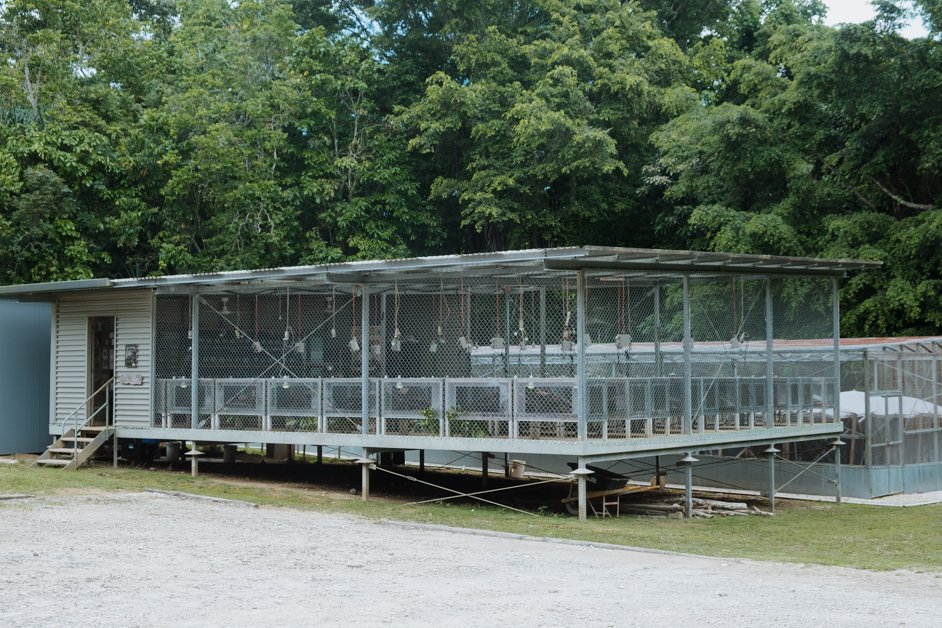
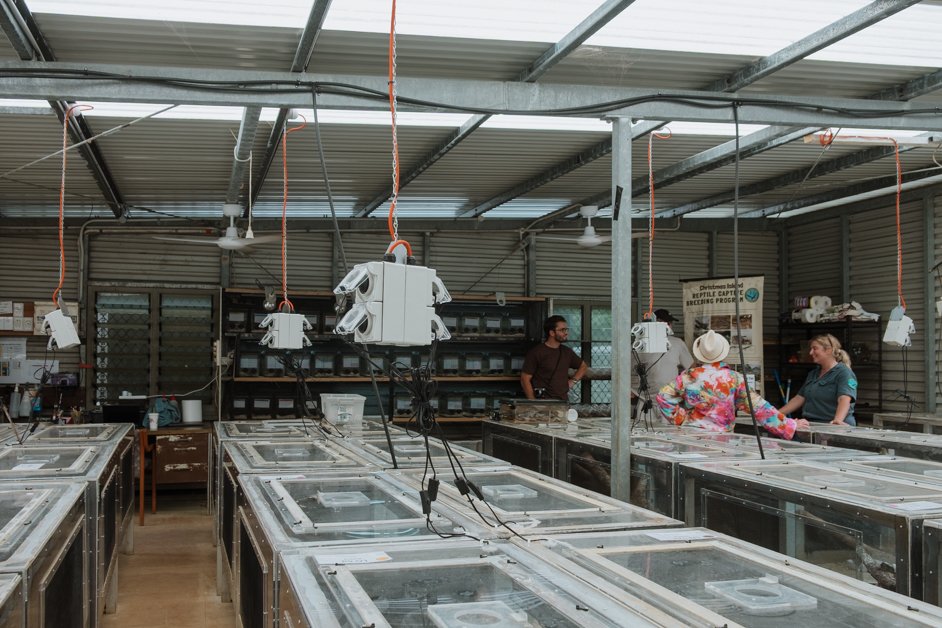
Take a tour of the Pink House Research Station
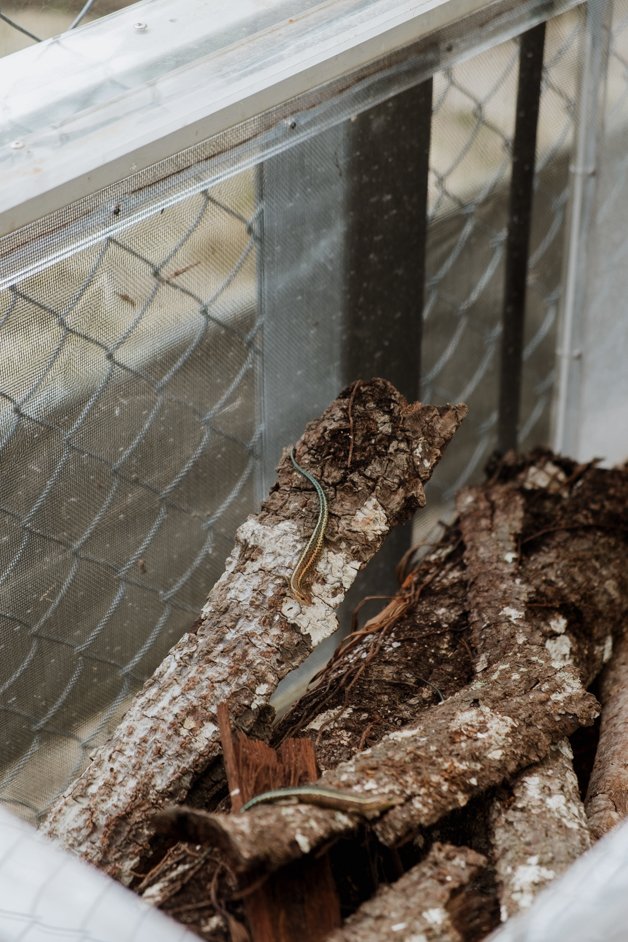
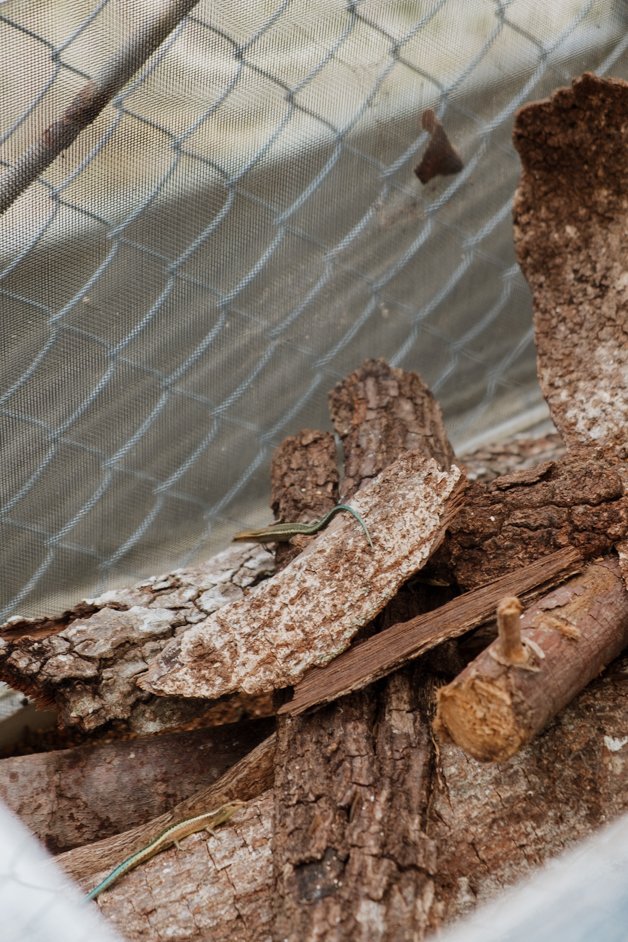
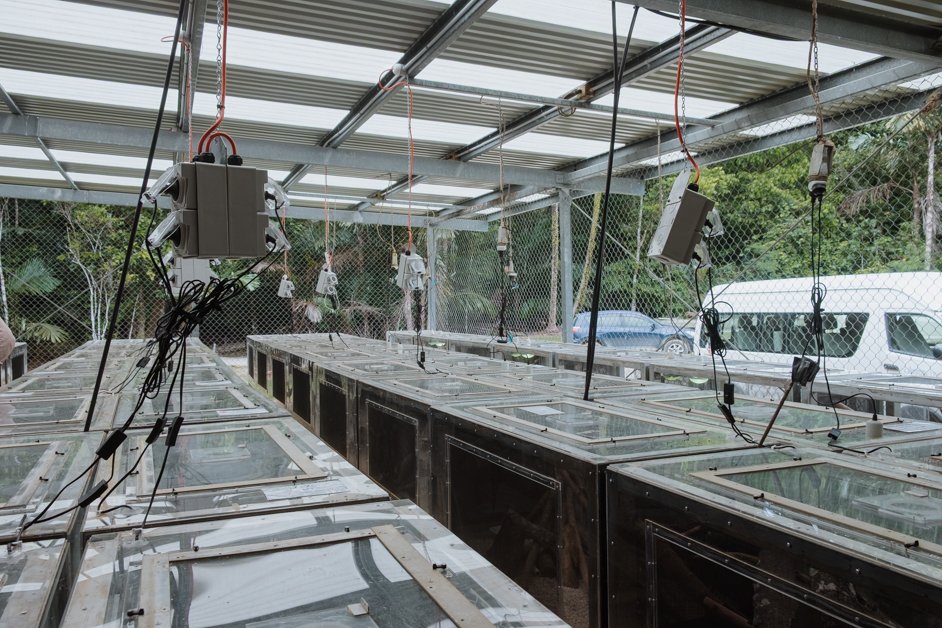
Once a week, the Pink House Research Station opens its doors to the public for a free (by donation) one-hour guided tour of the conservation work they're doing on the island. Not so much about the famous red crabs but rather they're currently focused on blue-tailed skinks (extinct in the wild) and Lister's gecko.
Sign up for the tour in advance at the Christmas Island Visitor Centre.
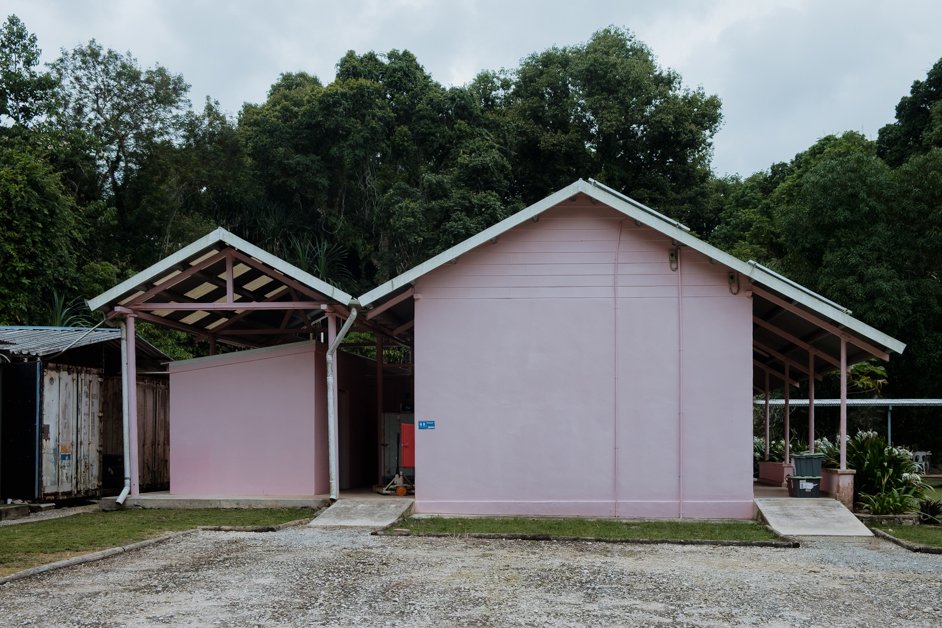
The Pink House Research Station
Spot Australia's most remote post office
On the beach at Flying Fish Cove you'll find one of the country's most remote post offices!

Understand the mining industry
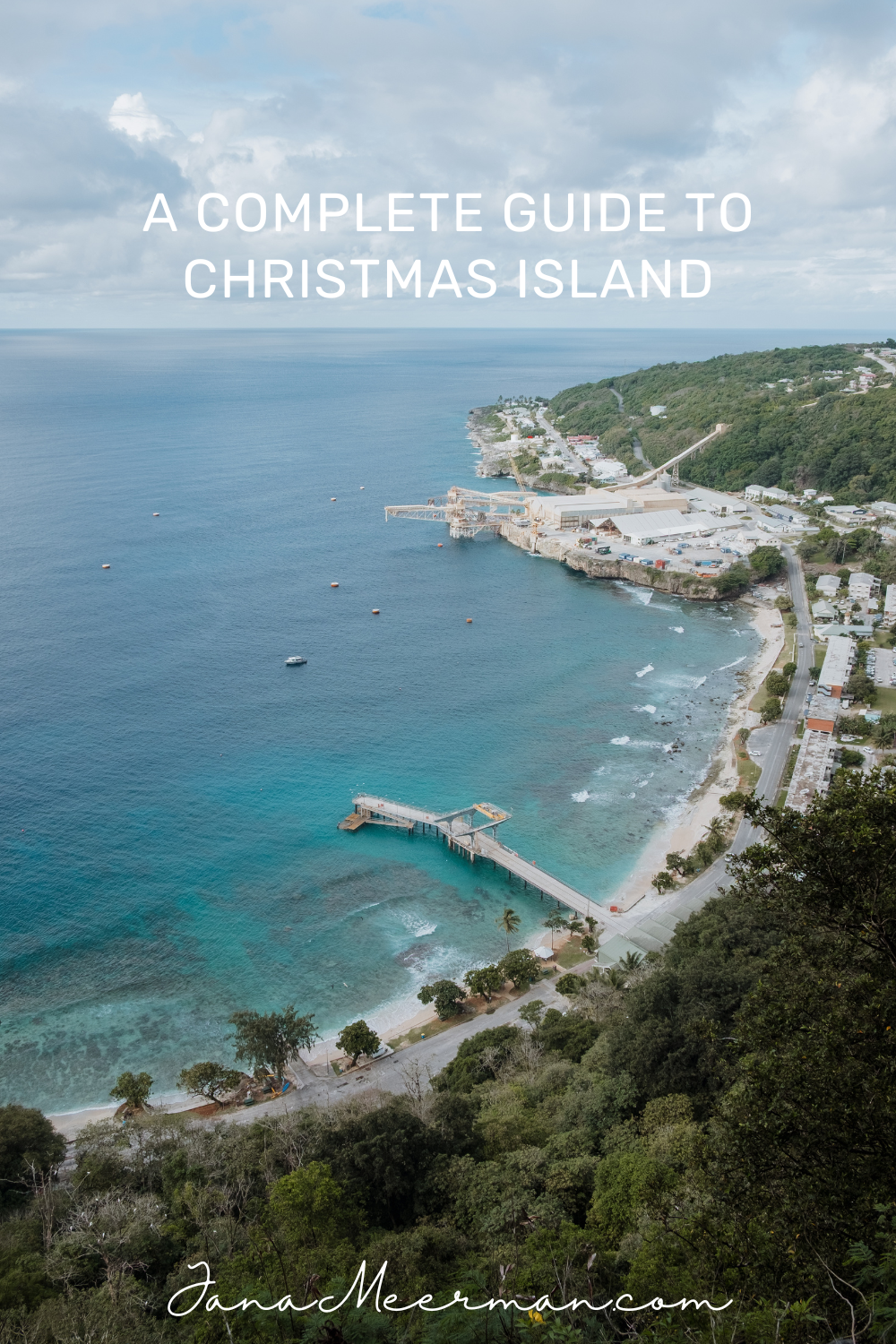
The main industry on Christmas Island is not actually red crab tourism but rather phosphate mining which provides the majority of the jobs on the island. Mining began in 1897 after the first European settlers analyzed the rock and soil of the island and found it to be nearly pure phosphate. It's a bit of jarring thing to see on this tropical island.
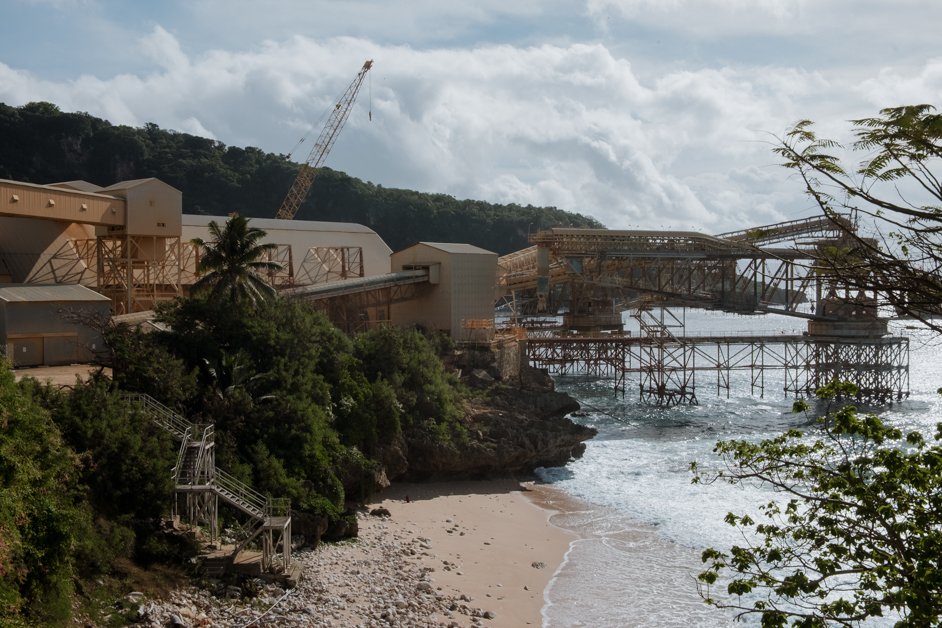
The shipping port of the mine at Flying Fish Cove
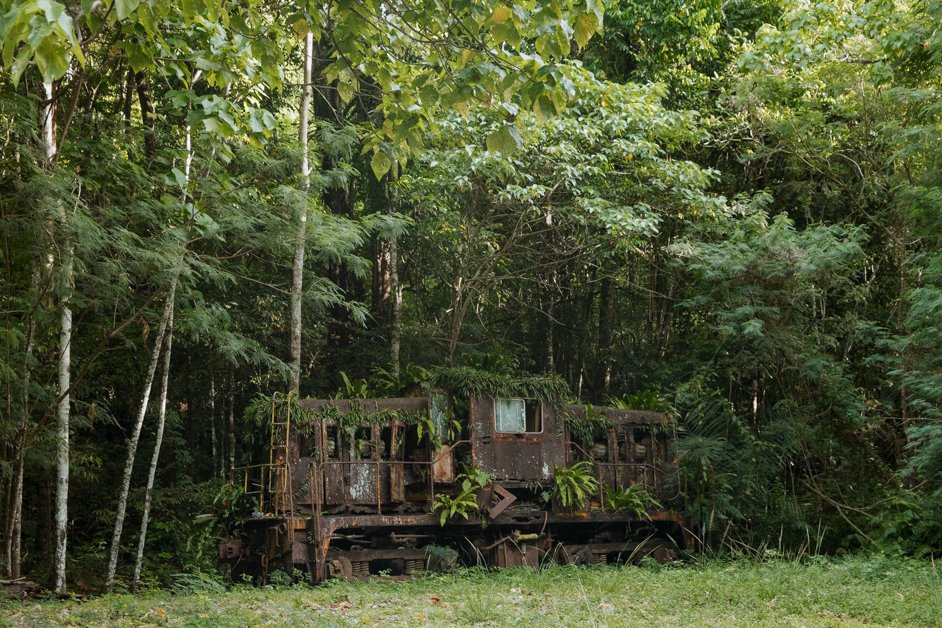
A rusted old mining trolley
Go hiking through Territory Day Park
At the Territory Day Park, start by checking out the viewpoint overlooking Flying Fish Cove; it's a gorgeous birds-eye view of the beach and the mine below.
Then veer left into the park, following the signs into the jungle, an excellent place to spot red crabs in their burrows.

Overlooking Flying Fish Cove
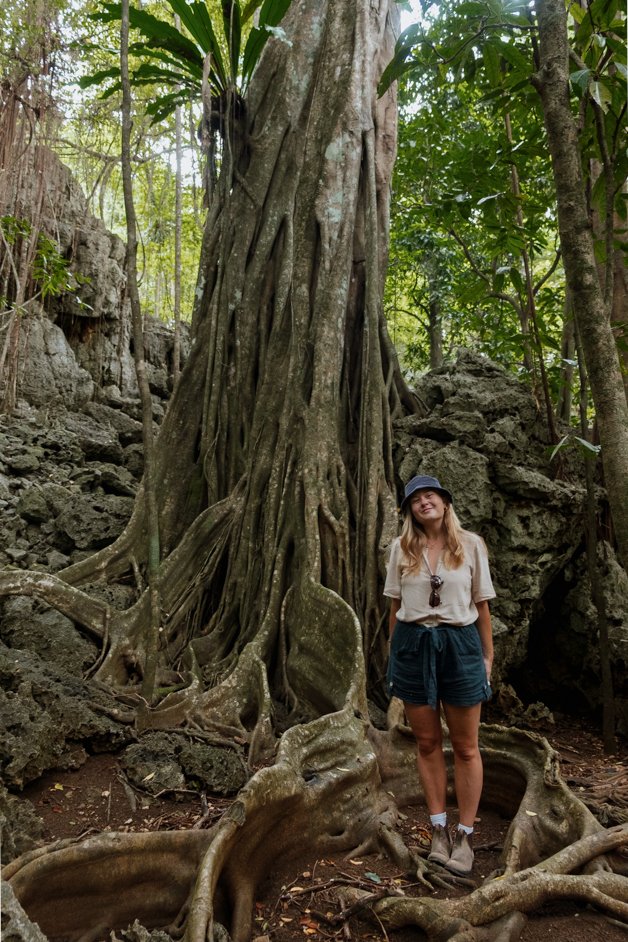
Hiking with the Strangler fig trees
Watch the sunset from Rumah Tingi
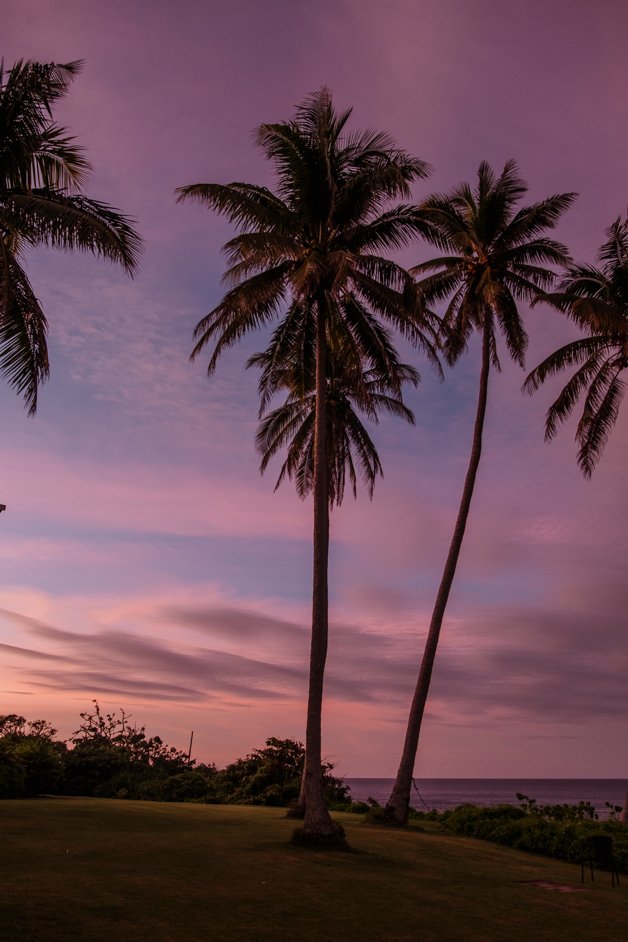
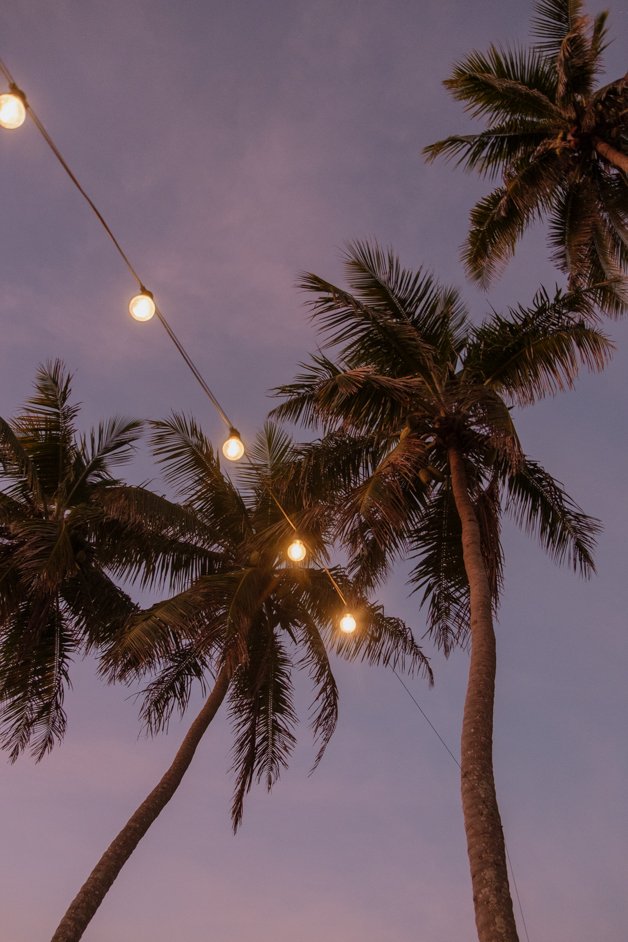
This was our favourite restaurant on Christmas Island and we watched a few simply gorgeous sunsets from here surrounded by idyllic palm trees and lit up with cute twinkle lights.
Go snorkeling at Ethel Beach
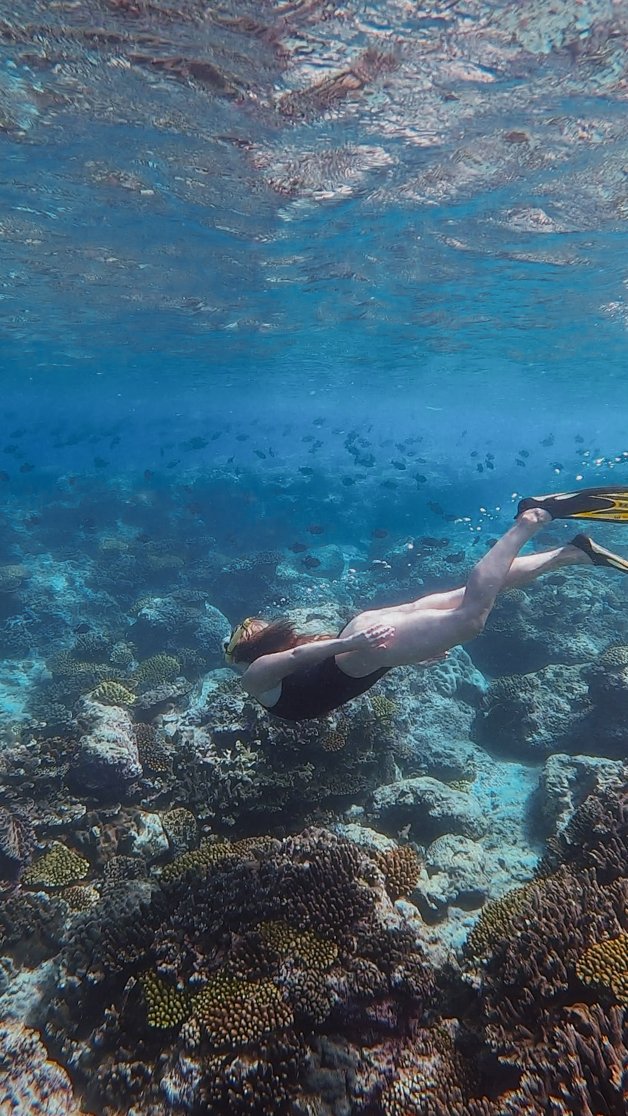
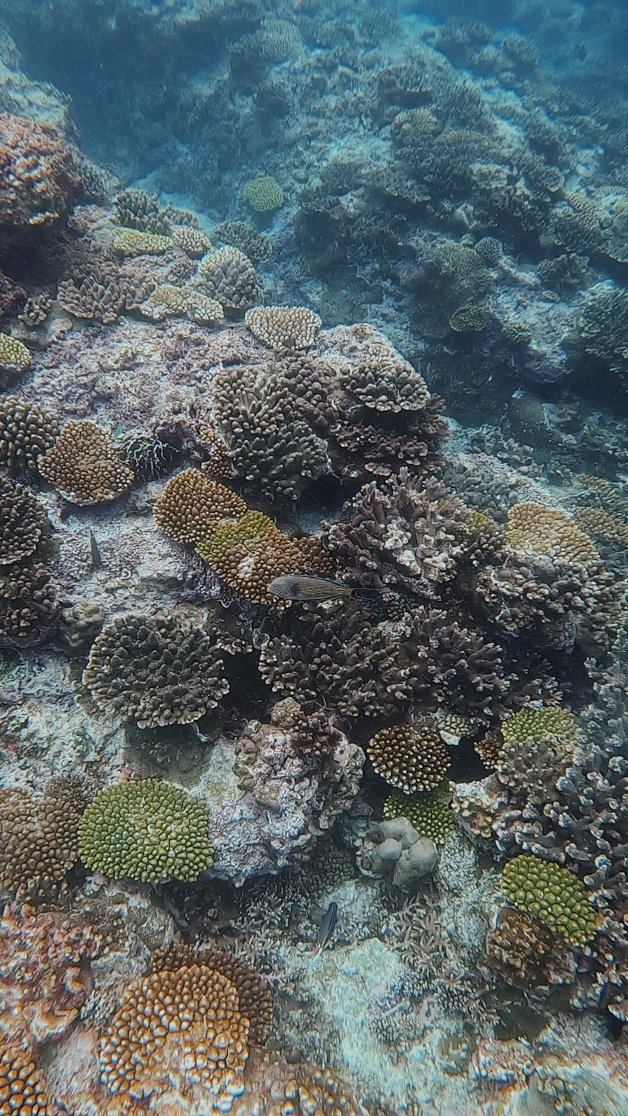
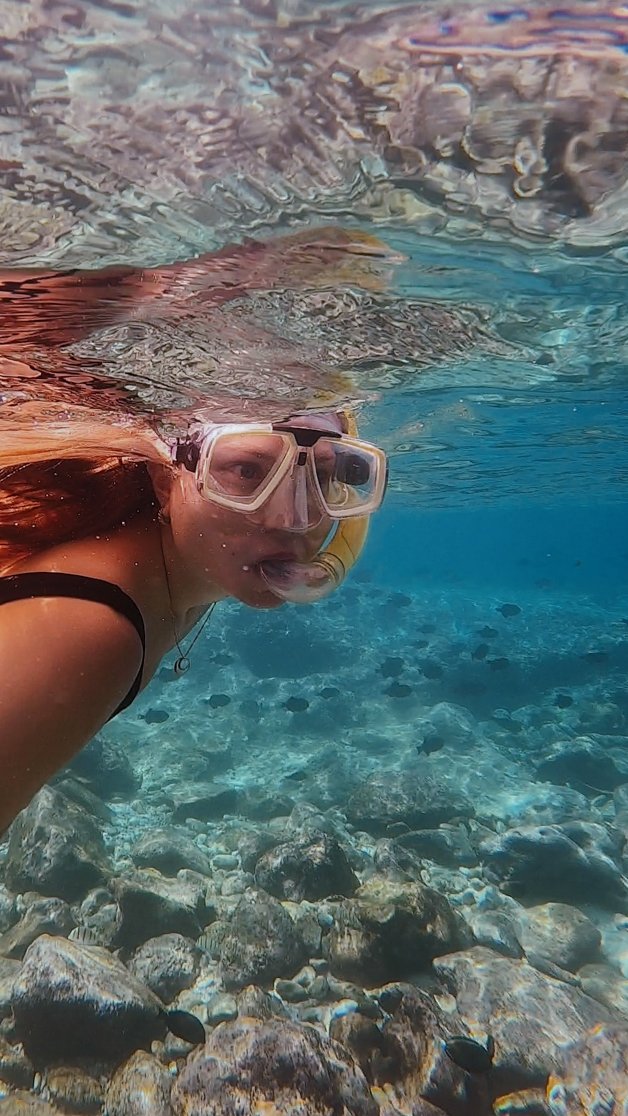
This is the only beach we ended up snorkeling from as the others were too rough to safely get in the water. Just off the boat ramp here you can see incredible fish and beautiful corals. There is also a sweet little hidden cave just beside the ramp.
Visit the island's beaches
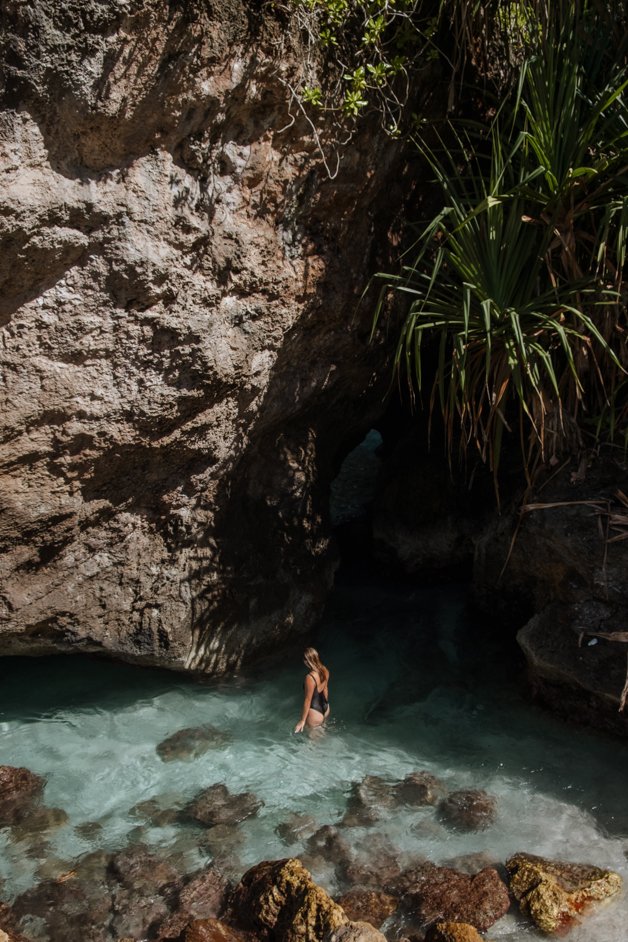
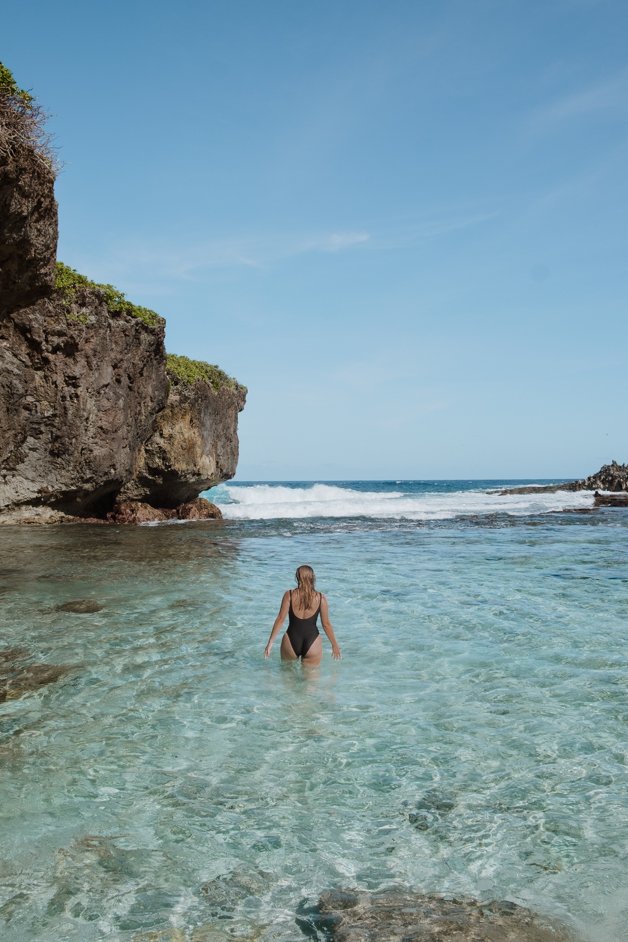
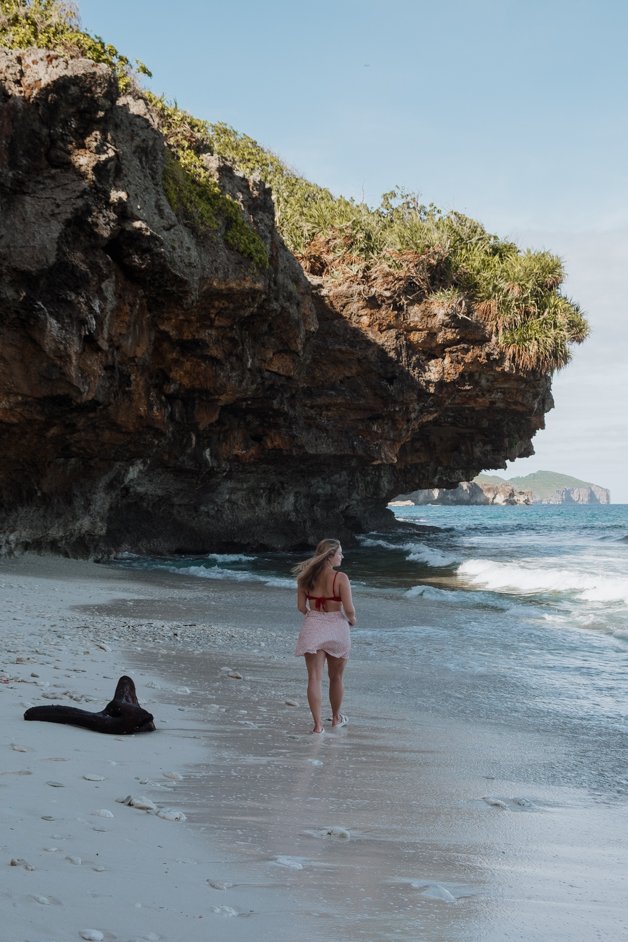
We visited five beaches on Christmas Island for swimming, snorkeling, hiking and exploring. I wrote a complete guide to which five we went to and what activities you can do at each.
→ Check out my guide to 5 beaches to visit on Christmas Island!
PIN THIS POST TO REFER BACK TO LATER!
GET READY TO TRAVEL!
— Book tours and experiences - with GetYourGuide
— Get all the gear you need for your trip - with Amazon (North America)
— Get all the gear you need for your trip - with Amazon (Europe)
— Find a place to stay - with Booking.com
— Choose a hostel to stay at - with Hostelworld
— Purchase global travel insurance - with World Nomads
— Load an international eSim on your phone - with AirAlo
— Start your own travel blog - with Hostinger
— Join the GetYourGuide Travel Creator Community - with GetYourGuide

Hi! I’m Jana, a Dutch-German-British-Canadian with a dream of seeing every country in the world. I am a storyteller, photographer and adventurer passionate about documenting and sharing my travels.