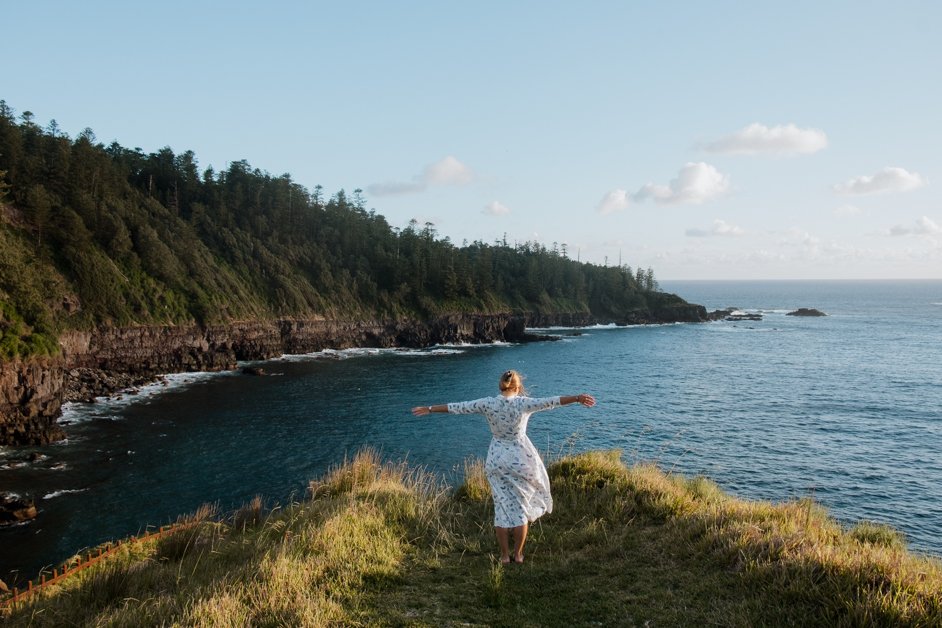
Norfolk Island is an overseas territory of Australia, situated in the Pacific Ocean, about 1,600km northeast of Sydney. It's one of three overseas territories; the others are Christmas Island and the Cocos (Keeling) Islands, both of which we visited last November.
On my mission to visit and share every country and territory in the world (a total standing at 269), I sometimes end up booking trips to visit some of the world's most remote places and undertaking serious bucket-list worthy adventures.
We are basing ourselves in Australia for a year, traveling around the country in a campervan. Given it's the biggest country in Oceania, it's also the perfect opportunity to visit some of the many islands surrounding it across the Indian and South Pacific Oceans.
I spent six weeks backpacking around Australia back in 2019, one of my first solo adventures and my first on a one-way ticket. During my two years I would end up living down under, mostly based out of New Zealand, I also visited Fiji, Vanuatu, New Caledonia and Samoa, scratching the surface of these fascinating island nations dotting great expanses of open ocean.
Here is my complete guide to visiting Norfolk Island, surprisingly and truly one of my favourite places I've ever been to. We only went for three days (thinking "it's a small island, three days will be enough to see it all...") but could have happily spent a whole month here, it's just that wonderful.
Every single spot (and more) that I mention in all my blog posts about Norfolk Island can be found in my Australia | Ultimate Map!
As Norfolk Island is an overseas territory of Australia, I have included it there, along with the other two overseas territories, Christmas Island and the Cocos (Keeling) Islands.
This is a digital map featuring hundreds of my favourite restaurants, campgrounds, accommodations, shops, photo spots, museums, beaches, lakes, animal spots, bridges, viewpoints, hikes and SO much more in Australia, including its three external territories.
Each pin includes exact locations, images, detailed information, the ability to open and save the spot in your Google Maps and a link to my relevant blog post to read more.
COMING SOON → Buy the Australia | Ultimate Map!
Below is some useful information for preparing for your trip to Norfolk Island. In all cases, please be sure to check with the relevant local authorities for the latest and accurate information.
Language: As Norfolk Island is an overseas territory of Australia, the official language is English. However, some of the local population of about 2,200 people speak Norf'k, a mix of Tahitian and Old English. This language has filtered down from Norfolk Island's history as a former British penal colony combined with Pitcairn Islander immigration.
Currency: The currency used on Norfolk Island is the Australian dollar, denoted as AUD $. I use a Wise account when I travel which allows me to have a single, free account with multiple currencies. I only have to pay once to convert my money in the app and then I can pay in AUD $!
→ Check the latest currency conversion between AUD $ and your local currency.
Data/WiFi: Although Norfolk Island is part of Australia, it does not use Australian mobile phone networks, nor are international phone plans or eSIMs available here. There is one local phone company, Norfolk Telecom, providing reception and data on the island for which you can buy a 21-day visitor SIM to pop into your phone.
We received a mobile phone with a local SIM in it from our accommodation at The Ridge.
→ Find out about buying a visitor SIM for Norfolk Island.
Some cafes, restaurants and accommodations offer WiFi on Norfolk Island. I recommend downloading a map of Norfolk Island on Google Maps before you arrive so you can use it to get around. Otherwise, take the opportunity to switch off and enjoy being disconnected!
Visa: As Norfolk Island is an overseas territory of Australia, they follow Australian immigration laws. Whatever visa you would use to get into Australia is applicable for entry to Norfolk Island. All passport holders except New Zealand require a visa.
→ Check which visa you need for Australia.
Although Norfolk Island is a territory of Australia, it is considered an international destination and flights will depart and arrive from Brisbane or Sydney's international terminals. It also requires all arrivals (including residents) to fill out an Australian arrival card before landing.
Time of year to visit: Norfolk Island can be visited all year-round, with its mild temperatures rarely dropping below 14°C (July and August, the coldest months) nor rising above 25°C (January and February, the warmest months).
The main annual event of the year (although locals told us there's a new event nearly every week!) is every 8 June celebrating Bounty Day when the Pitcairn Islanders arrived on Norfolk Island after outgrowing their former home. You might wish to plan your visit around this fun, full-island experience, although it can be a busy time for tourism!
Length of stay: We spent three days on Norfolk Island which was fine to visit the main highlights but we both agree could have happily spent a whole month here just relaxing and enjoying island time.
The only thing to consider is that flights arrive on Norfolk Island from either Brisbane or Sydney three times a week each so you'll need to plan your stay around these flight schedules.
By flight: The only way to reach Norfolk Island is by flying either from Brisbane or Sydney on mainland Australia, with flights from both cities three times per week, operated by Qantas.
From Brisbane, flights are usually on Tuesdays, Thursdays and Saturdays; from Sydney on Wednesdays, Fridays and Sundays (all subject to change). This means flights alternate from each city daily, with no flights arriving on Norfolk Island on Mondays.
Norfolk Island Airport is located on the southwestern side of the island. For the best views of Norfolk Island from the air, the best side of the airplane to sit on when flying in is usually the left side and the right side when flying back out.
→ Check out the reel I made about flying out of Norfolk Island Airport!
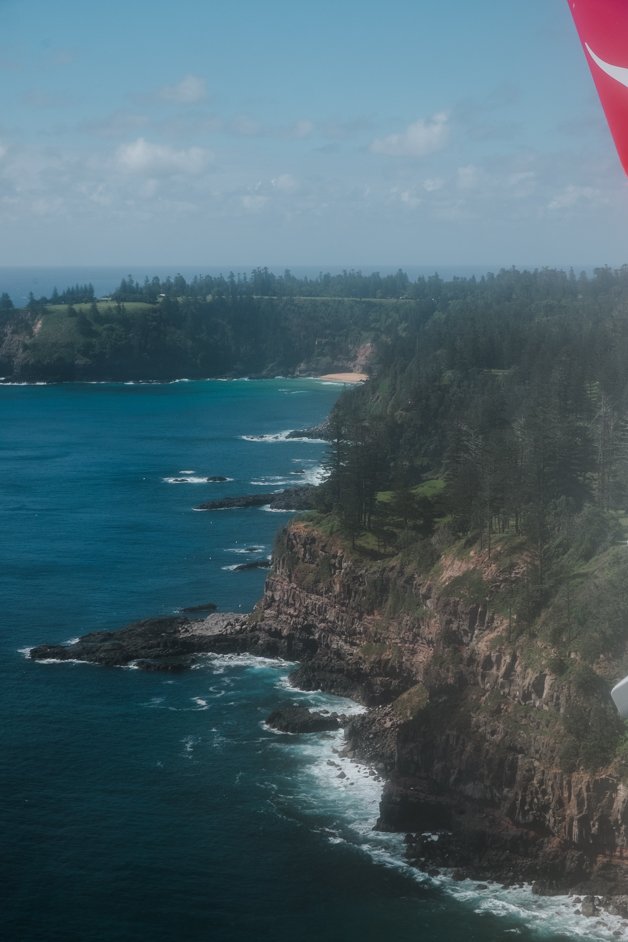
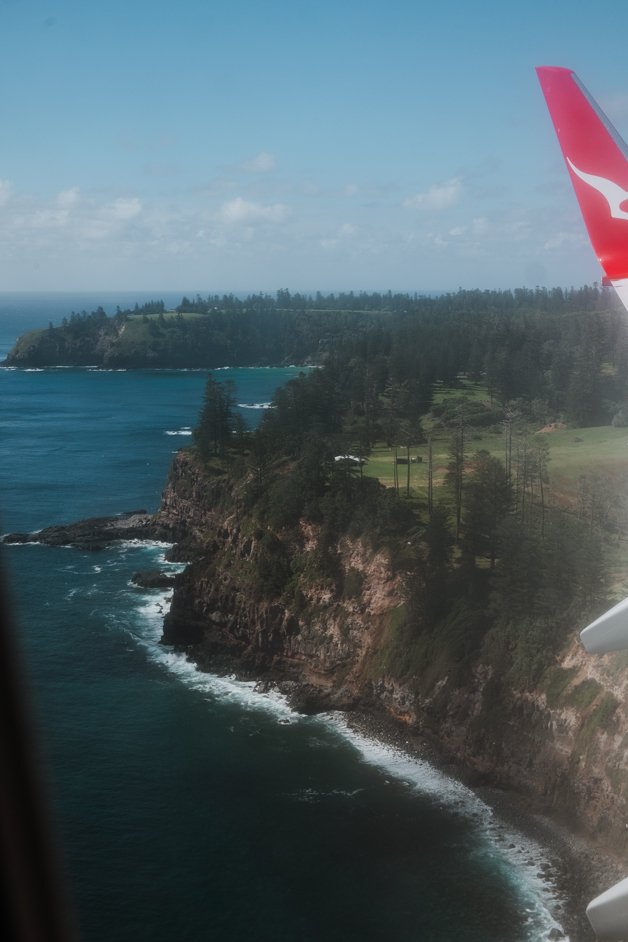
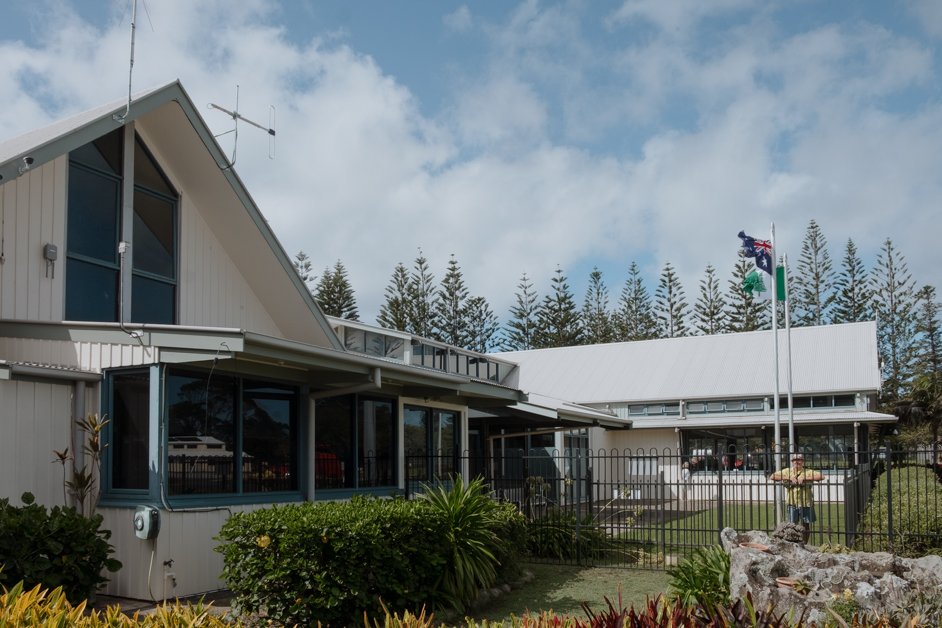
Arriving on Norfolk Island
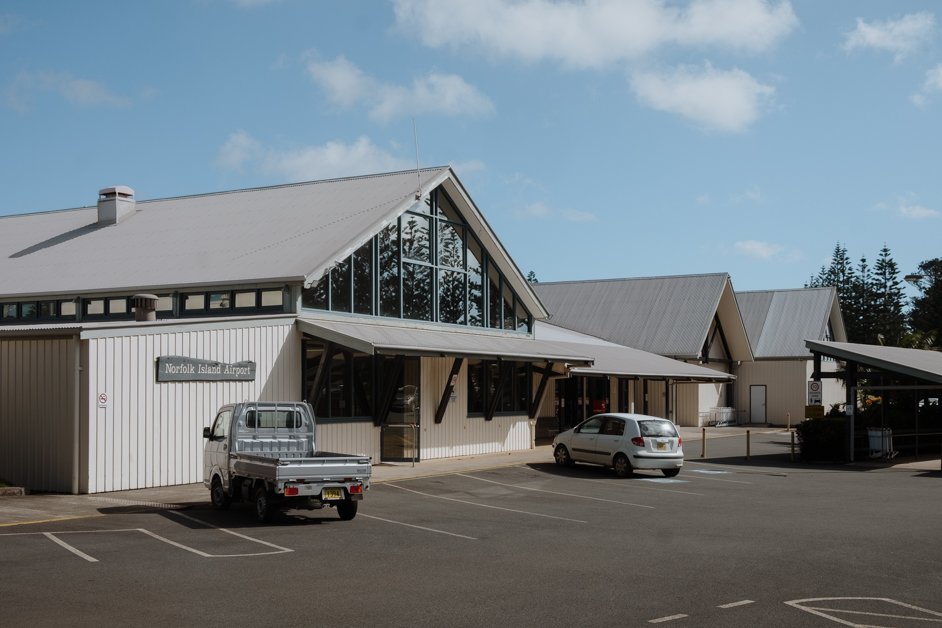
Norfolk Island Airport
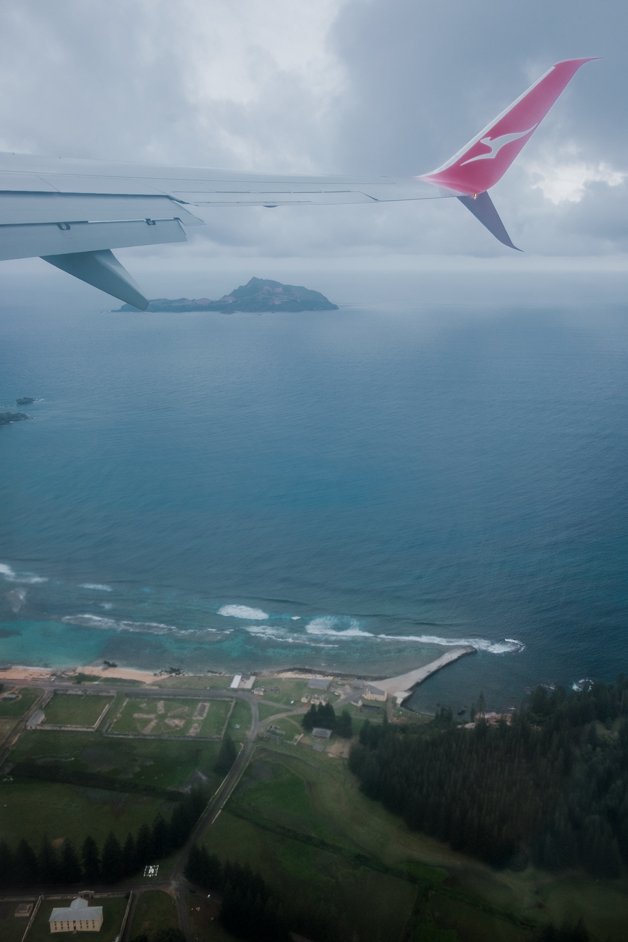
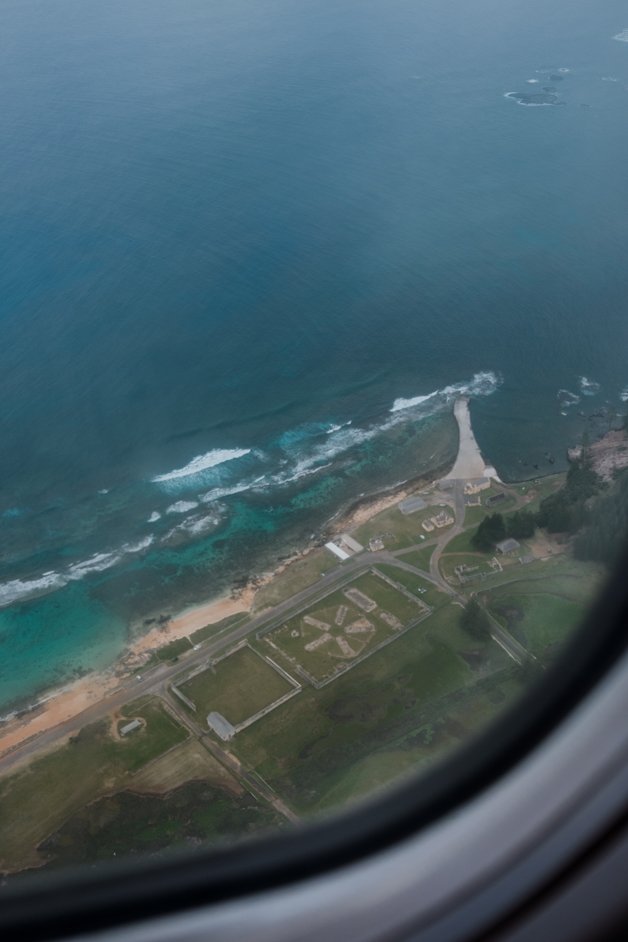
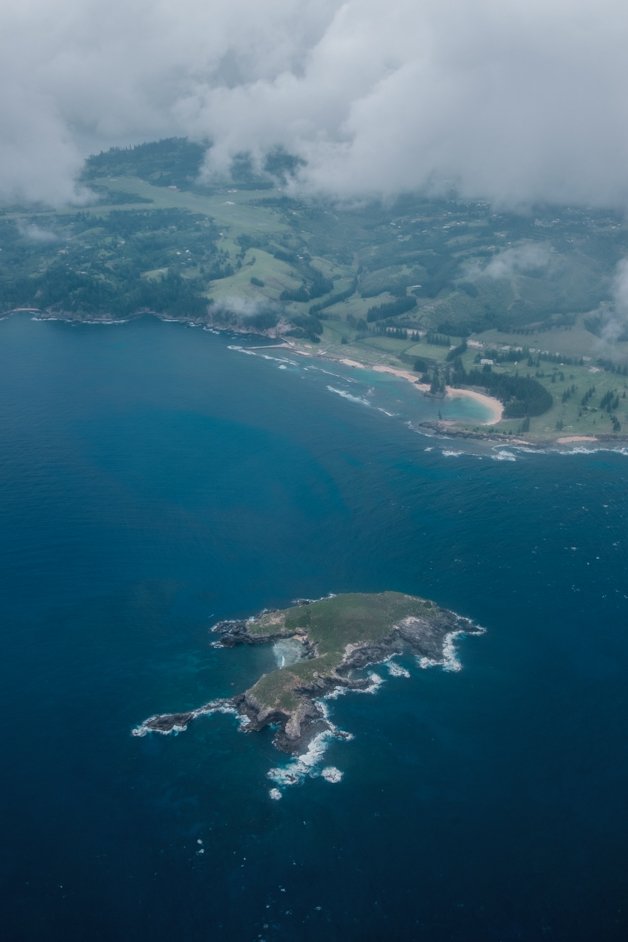
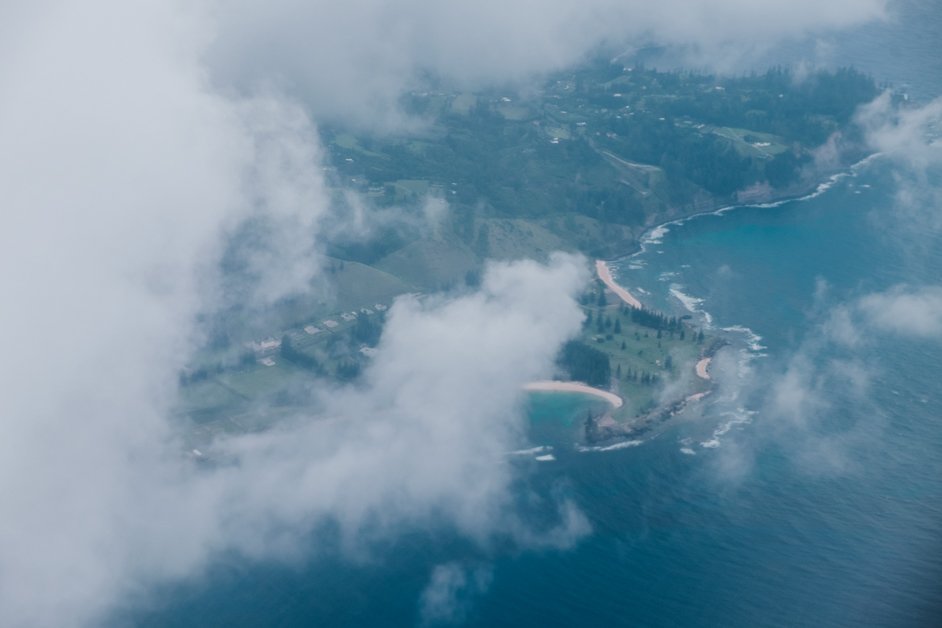
Bye, Norfolk!
By car: The best and main way to get around Norfolk Island is by car. Even though the island is small, only about 35km², it's still large enough to warrant a car to get where you need to go.
We had a rental car as part of our accommodation booking at The Ridge; many accommodations offer this, so be sure to check before you book a car independently.
There is a general 50km/h speed limit across the island's 120 kilometres of road; it goes down to 40km/h in Burnt Pine (the main town) and 30km/h around the Kingston UNESCO area and school zones. The roads are generally not in great shape and full of potholes.
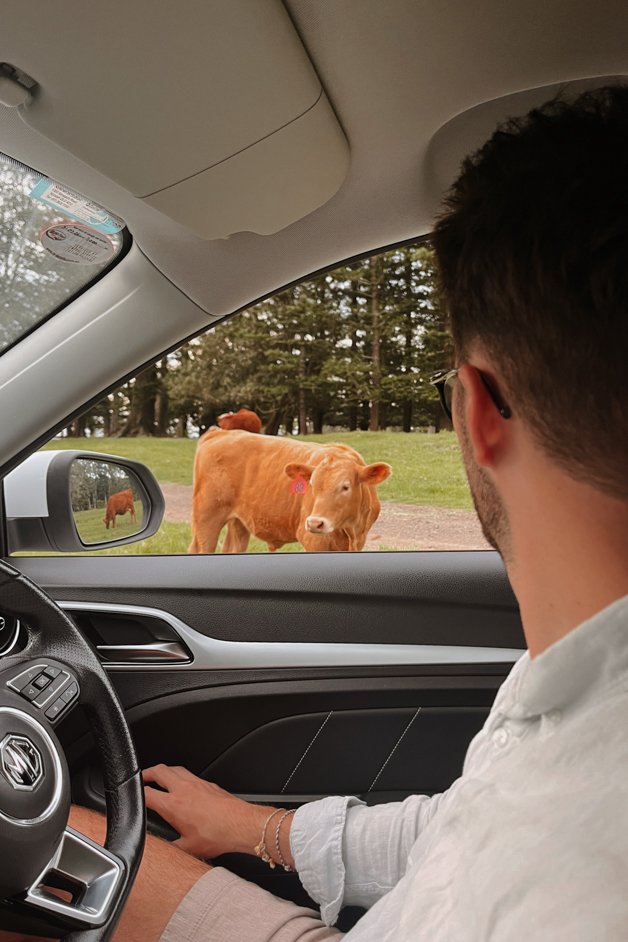
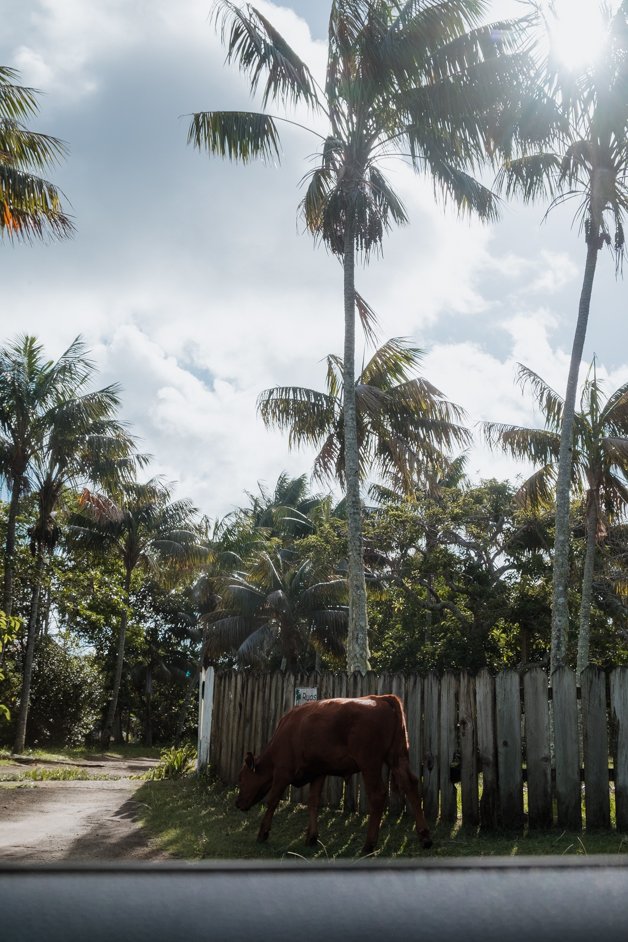
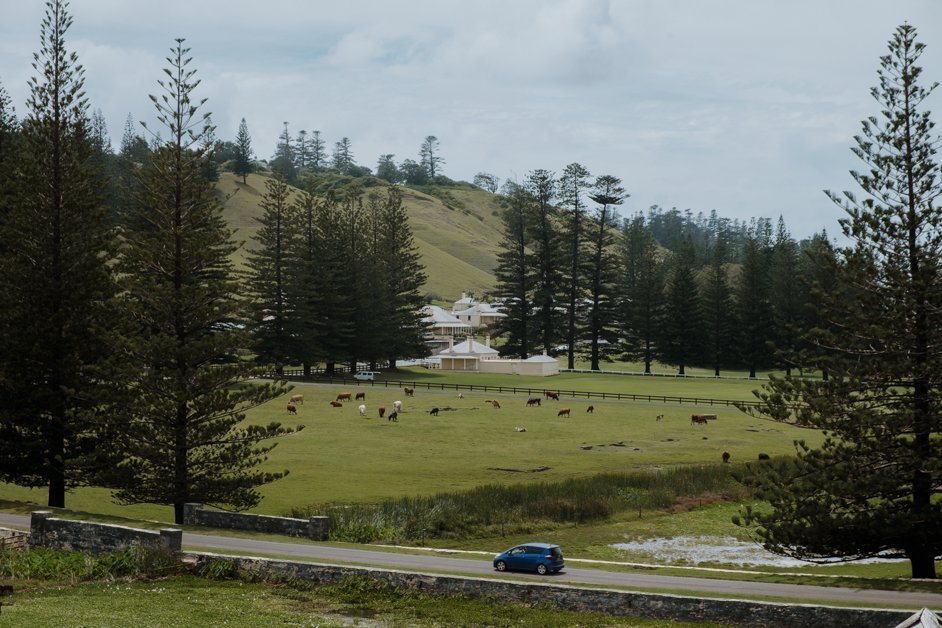
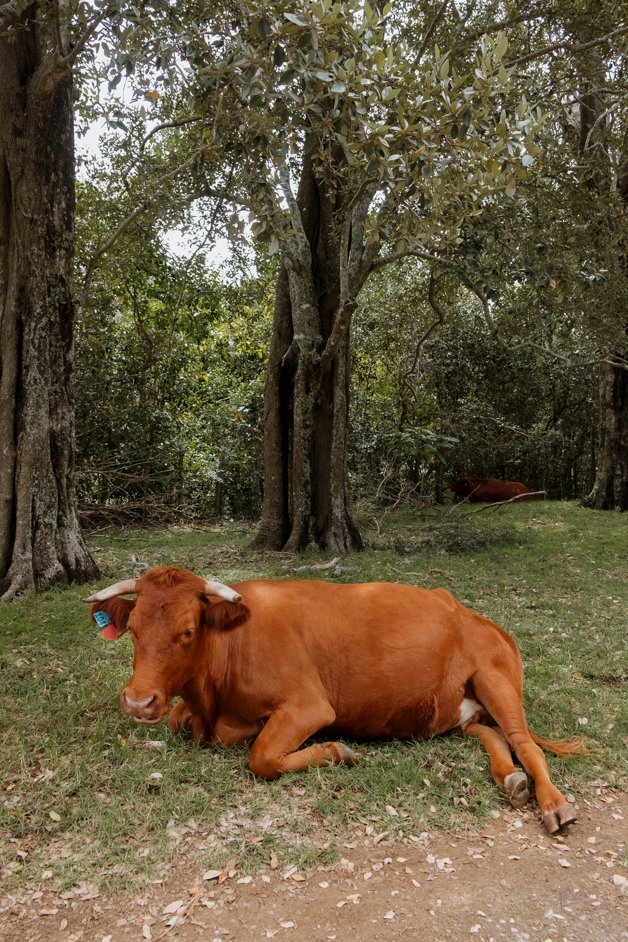
Be aware that cows roam freely (alongside a variety of birds) on the island and are often found walking or sitting on the road so drive safely; they have right of way! The best part about driving on Norfolk Island is partaking in the Norfolk Wave whereby you wave at every single person you drive past; it's so charming!
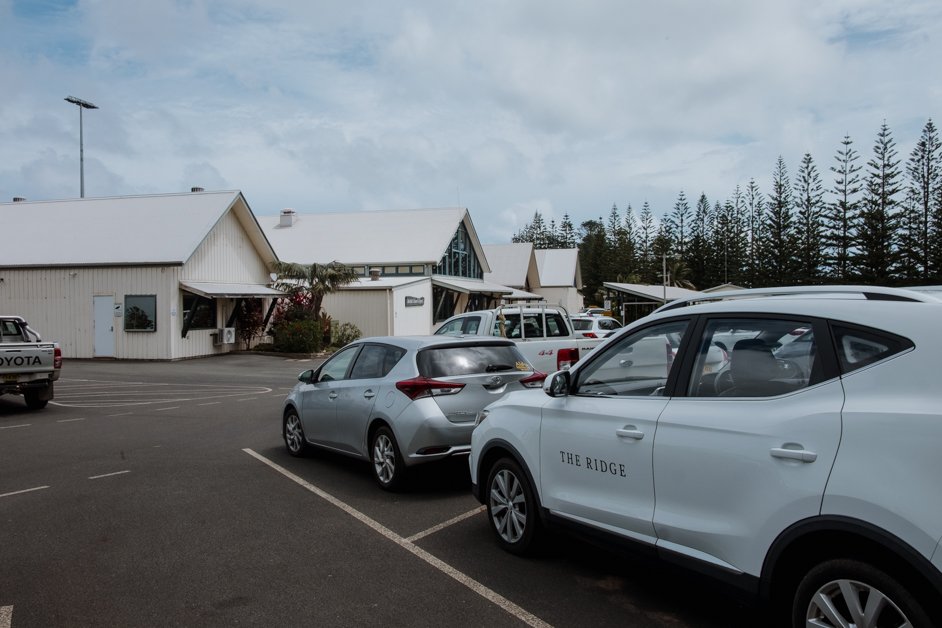
Our rental car waiting for us at the airport
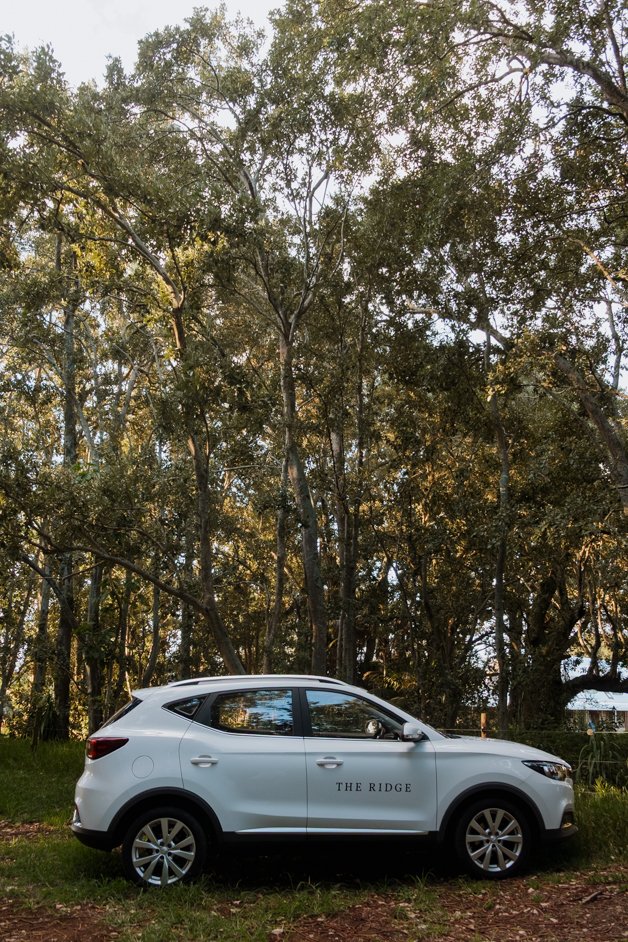
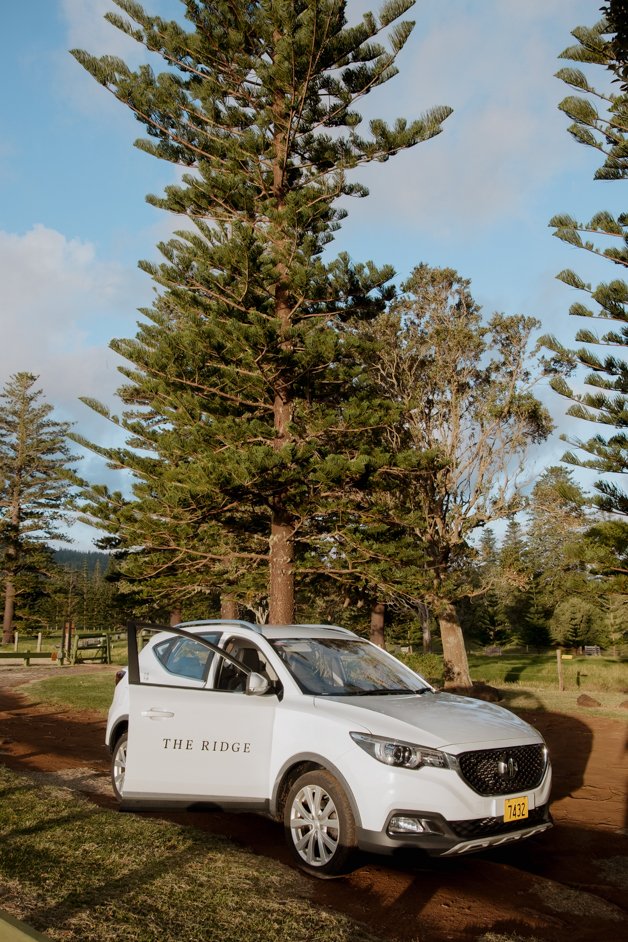
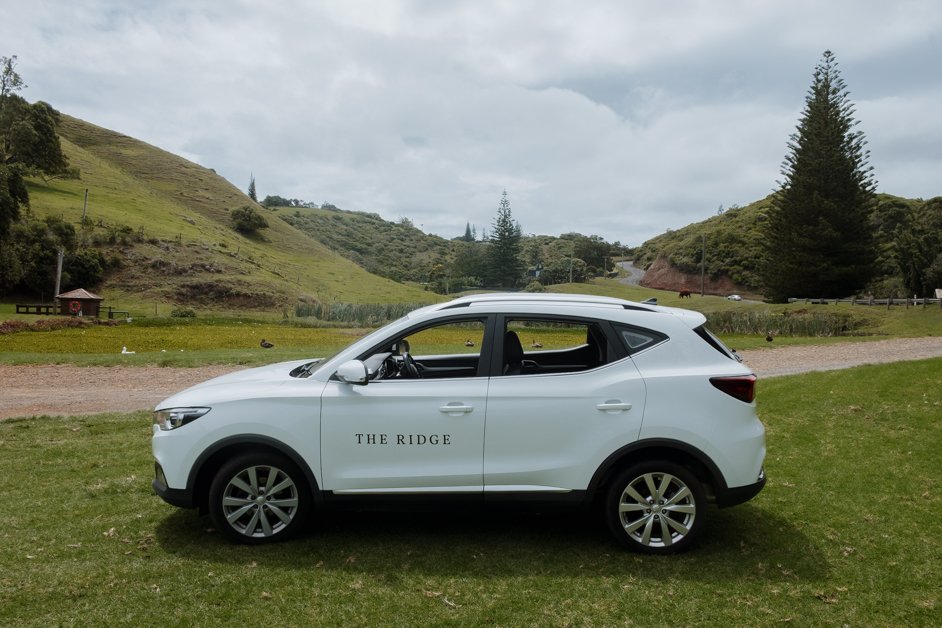
By e-bike: Bikes and e-bikes are available to rent from the Visitor's Centre if you don't want to drive. The island is fairly hilly so an e-bike is definitely going to help you out on the roads! Bikes are fine within Burnt Pine.
By moped: If you have a motorbike license, you can hire an electric moped to explore the island. Batteries can be swapped out at the Visitor's Centre (they recharge them for you).
By taxi: There is one taxi on Norfolk Island operated by Kased Kabs available seven days a week with booking required by phone, text or Facebook message.
There are no buses or other forms of public transport on Norfolk Island.
By guided tour: If you don't drive or simply prefer to go the guided route, there are a number of guided tours available of Norfolk Island.
You can arrange your own accommodation and then participate in one of the many day tours available; all can be booked through the Visitor's Centre.
If you want to go all in and do a multi-day tour with everything arranged from the moment you land, Norfolk Island Tours offers a comprehensive eight-day Discovery Tour, including flights from Brisbane or Sydney and accommodation.
The Ridge was our home on Norfolk Island for just three nights and from the moment we arrived we wished we had booked a whole month.
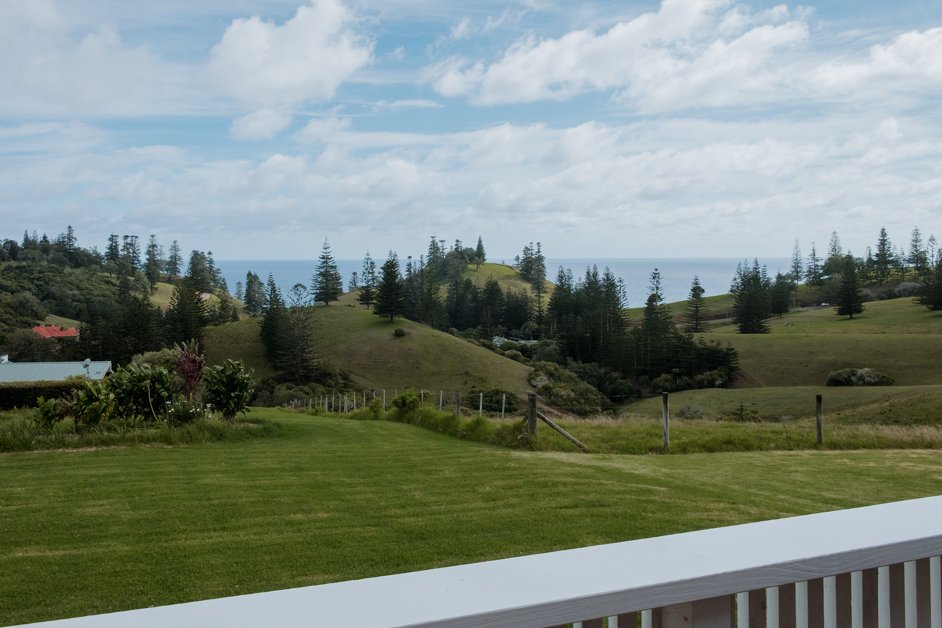
Six gorgeous self-contained cottages are located atop the ridge of Cascade Road with stunning views overlooking the rolling hills of the island and out to the Pacific Ocean. The cottages are designed with coastal, minimalist decor and invite you to unwind and relax. We adored our stay here.
A mobile phone with a local SIM card, a rental car and airport pick-up are all included in your stay.
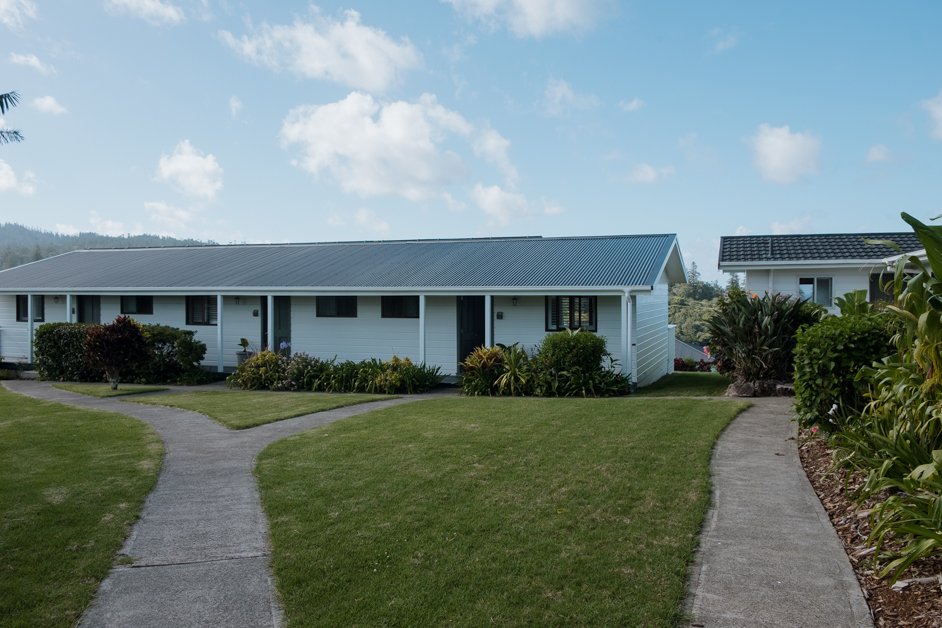
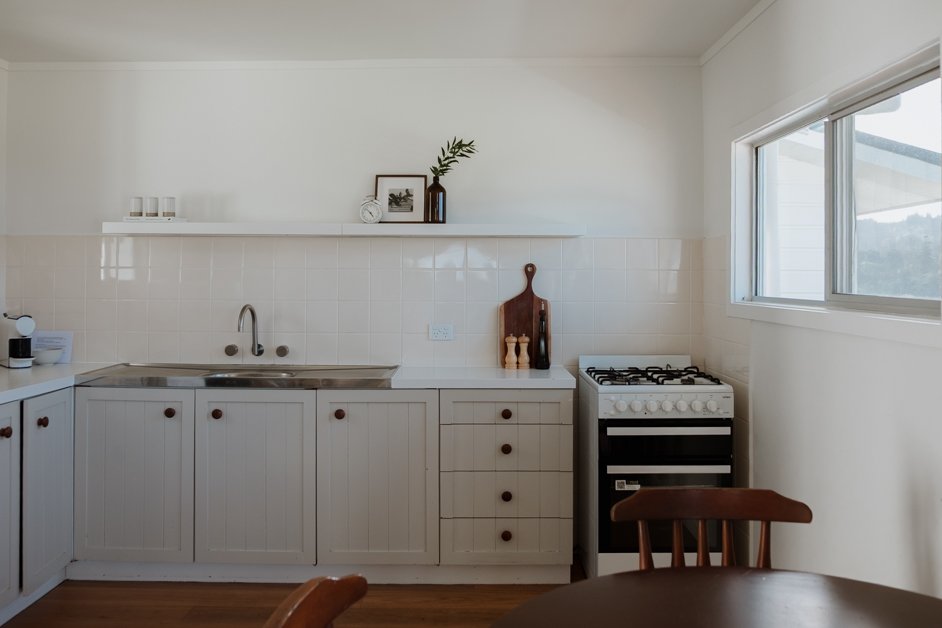
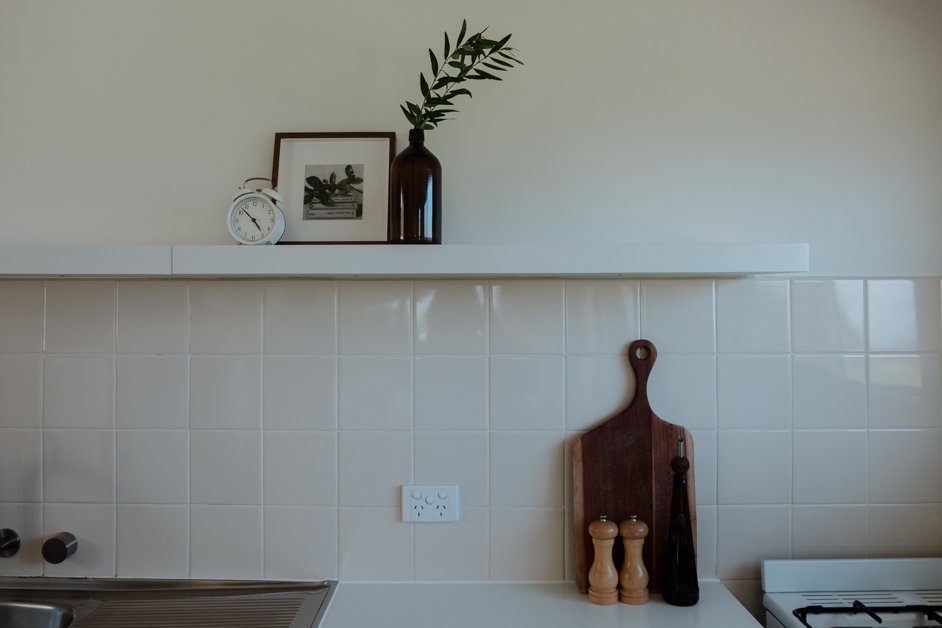
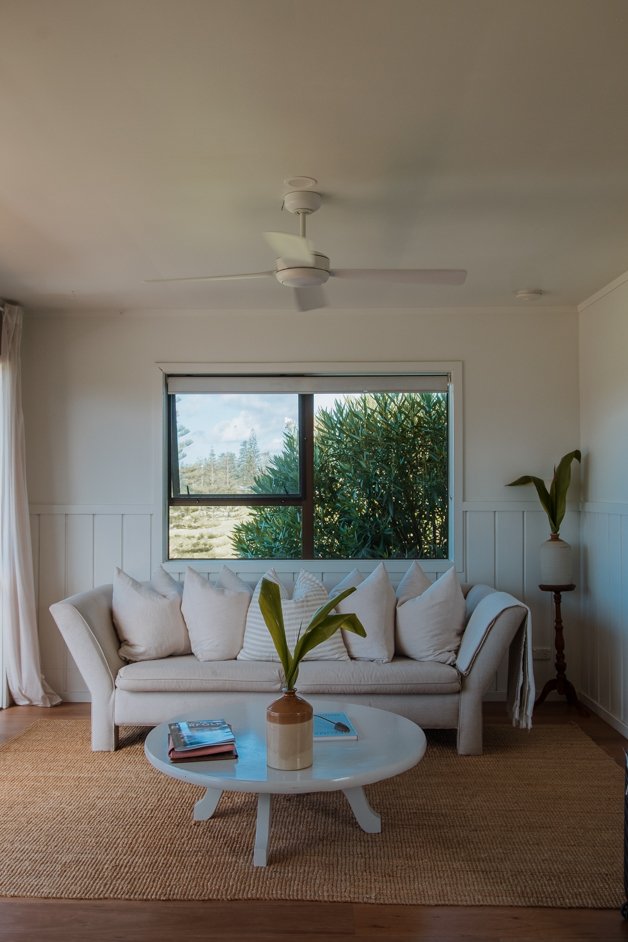
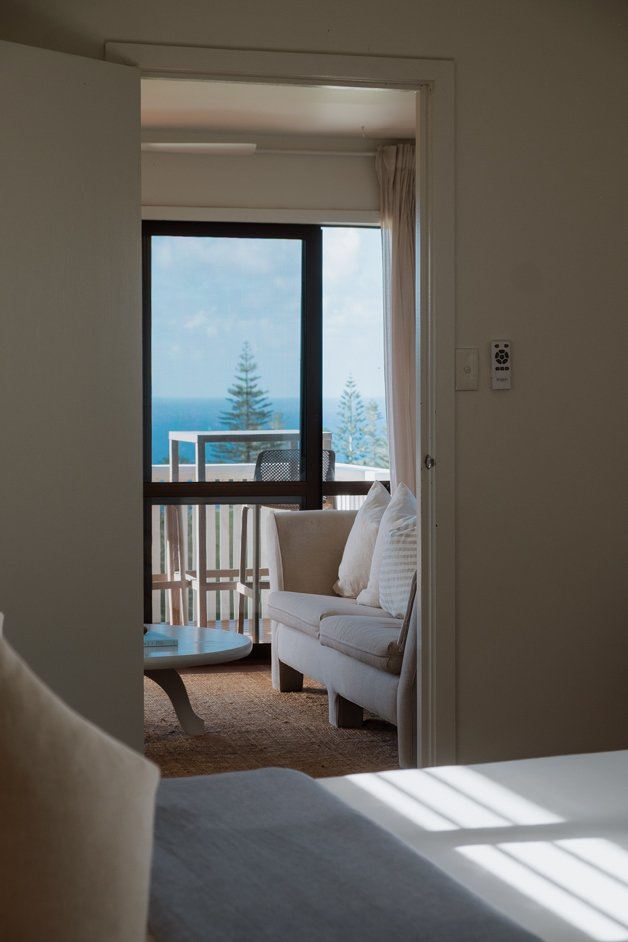
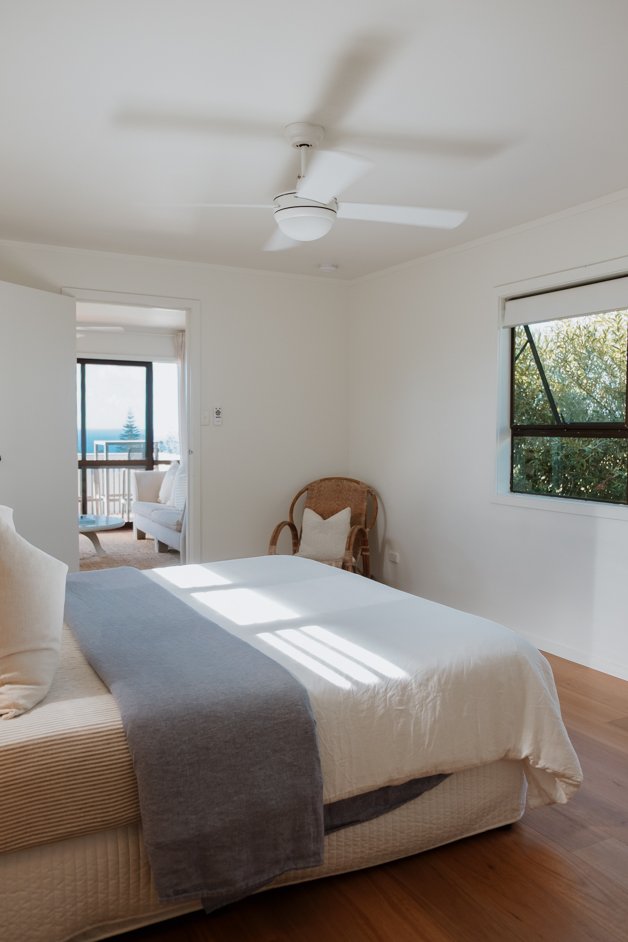
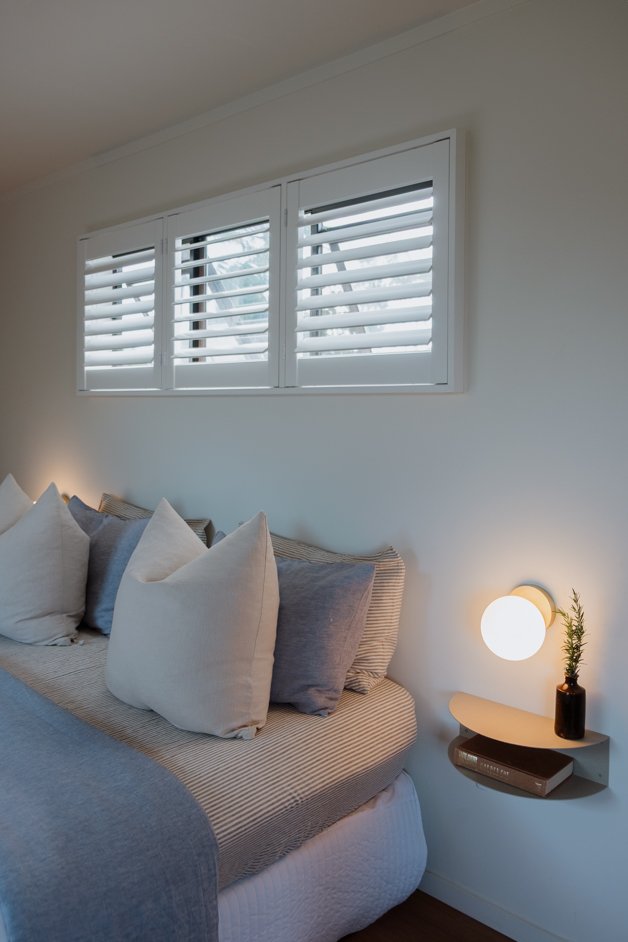
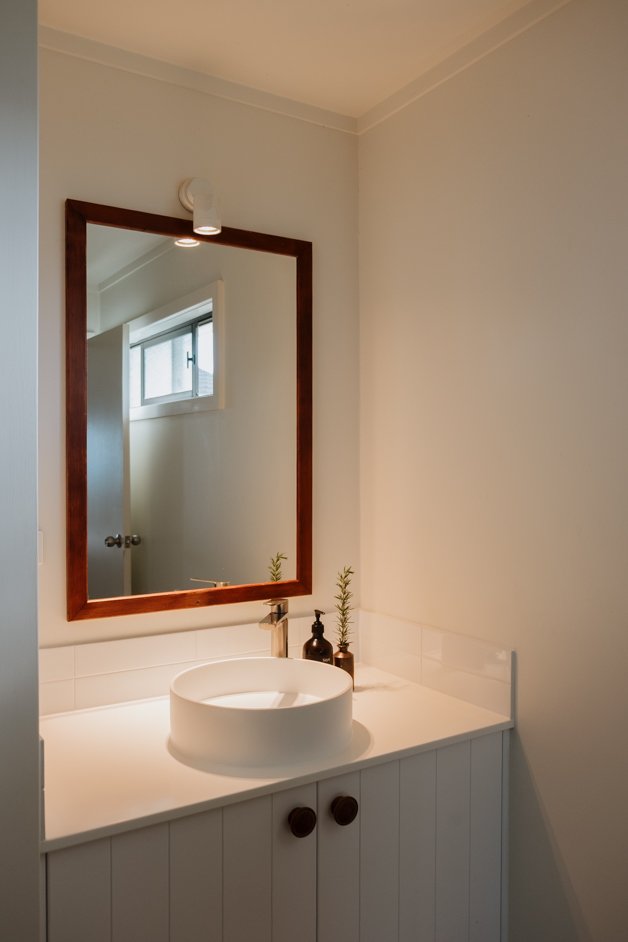
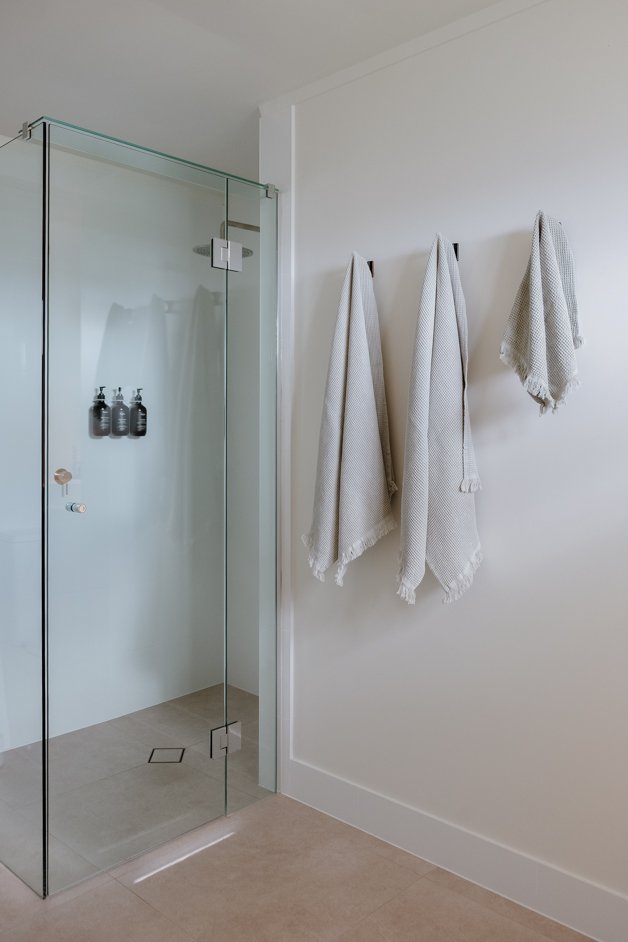
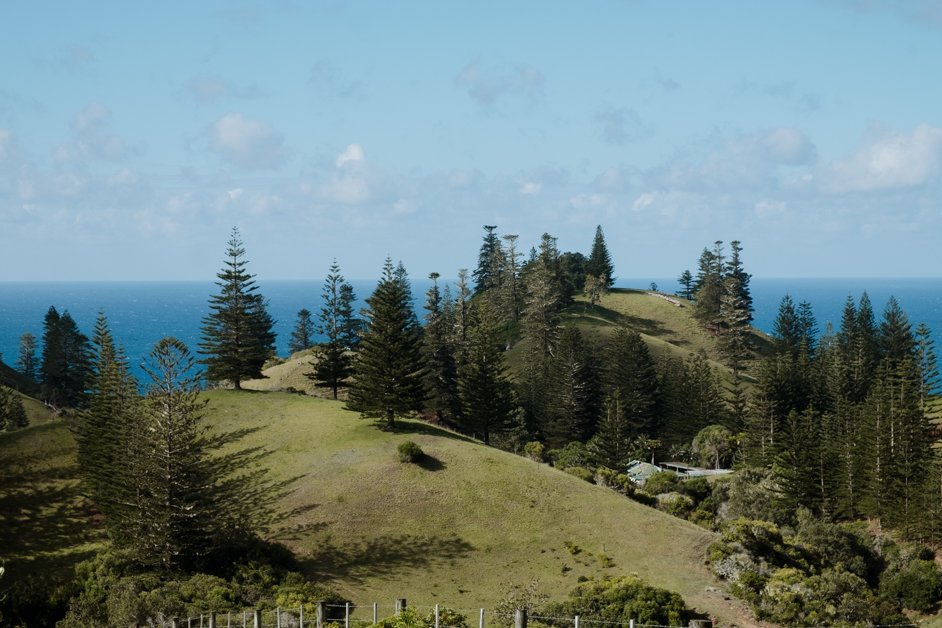
Our view!
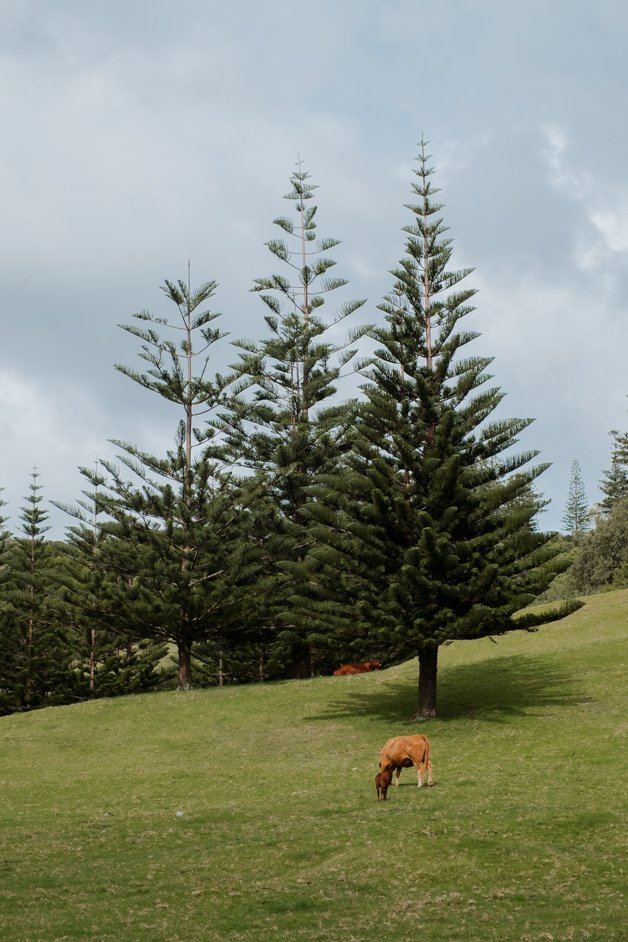
Cows outside our window

The local mobile they provided!
Based on our previous experiences on the other two Australian overseas territories (Christmas Island and the Cocos (Keeling) Islands), we weren't expecting much from island cuisine to choose from.
But boy were we wrong! Norfolk Island has loads of delightful food options from cafes, brunch and lunch spots, cozy dinner restaurants and some unique places to find gelato and other sweet treats. We wanted to try many more, but with just three days we had to be choosey. Here's where we dined and loved to get you started:
Brunch
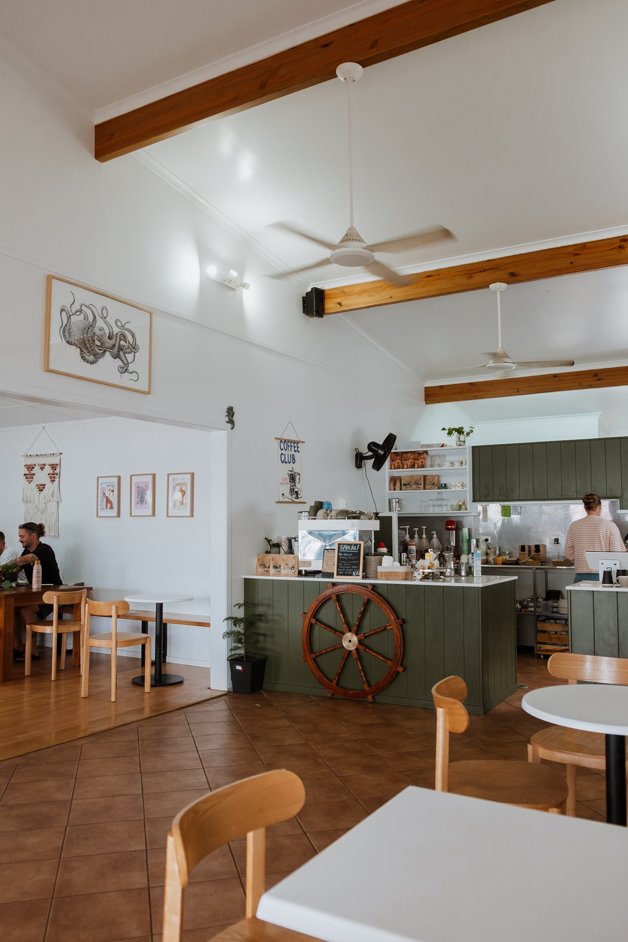
We enjoyed brunch at the nautical-themed Helm Café offering tons of classic brunch options in a bright, airy space on Taylors Road right in the heart of Burnt Pine.
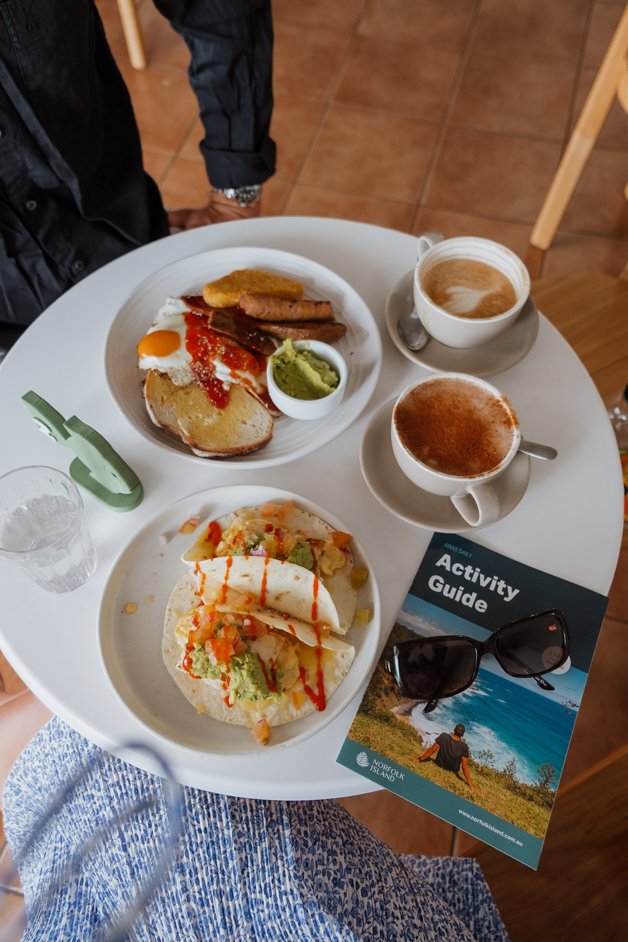
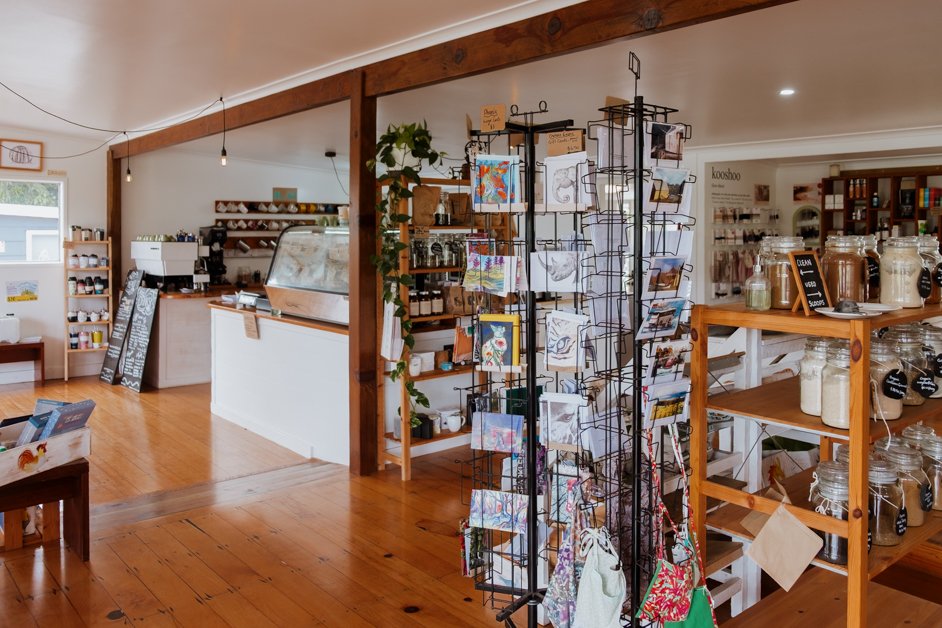
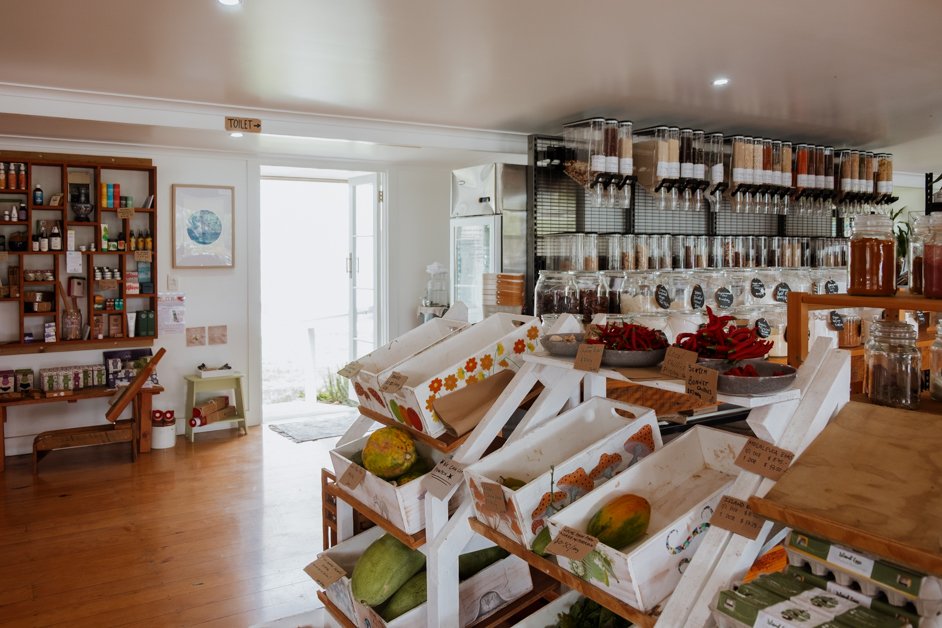
Sadly, we only discovered this spot on the last day but my goodness did we love it. Prinke Eco Store serves an incredible array of goodies, including vegetarian, vegan and gluten-free options, plus fantastic coffee. They also have a huge eco-friendly shop featuring sustainable goods, local art and bulk, zero-waste groceries. Such a gem.
Dinner
Salty Beer Garden was our favourite dinner spot on Norfolk Island. Serving up classic Australian food in a bright space with loads of outdoor seating, we really enjoyed dining here. They also do insanely good açaí bowls for desert (or a pre-flight sweet treat!).
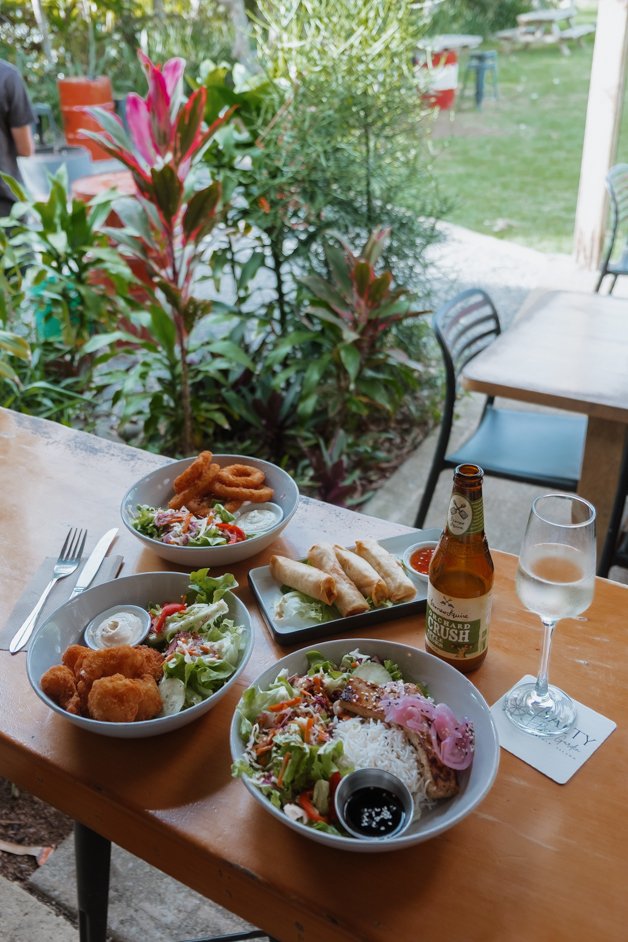
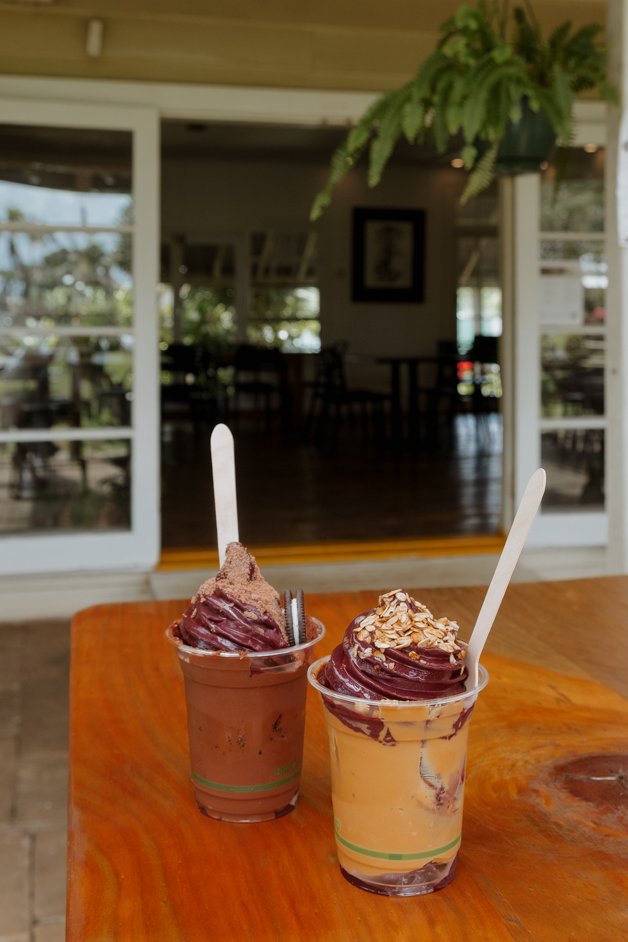
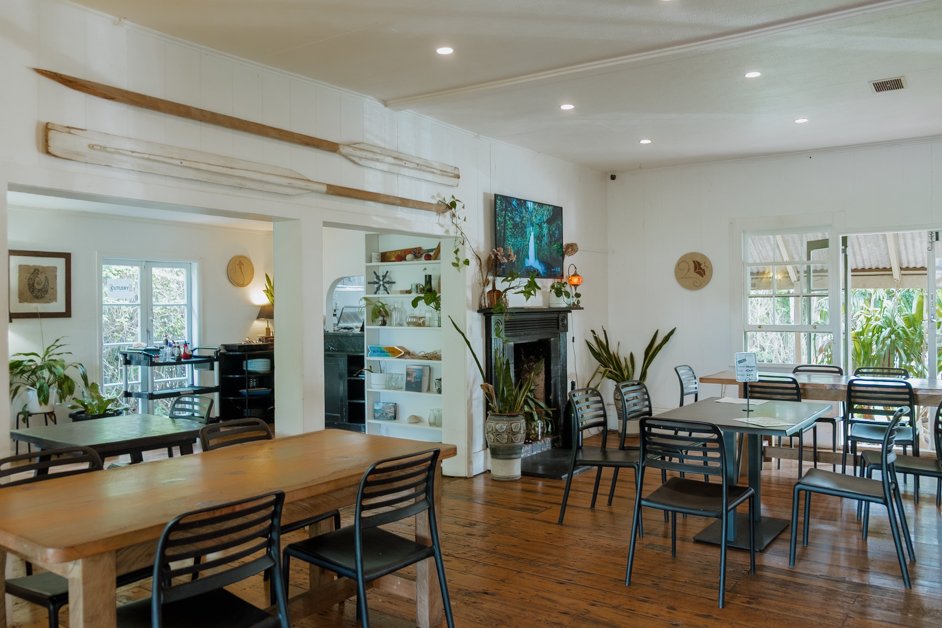
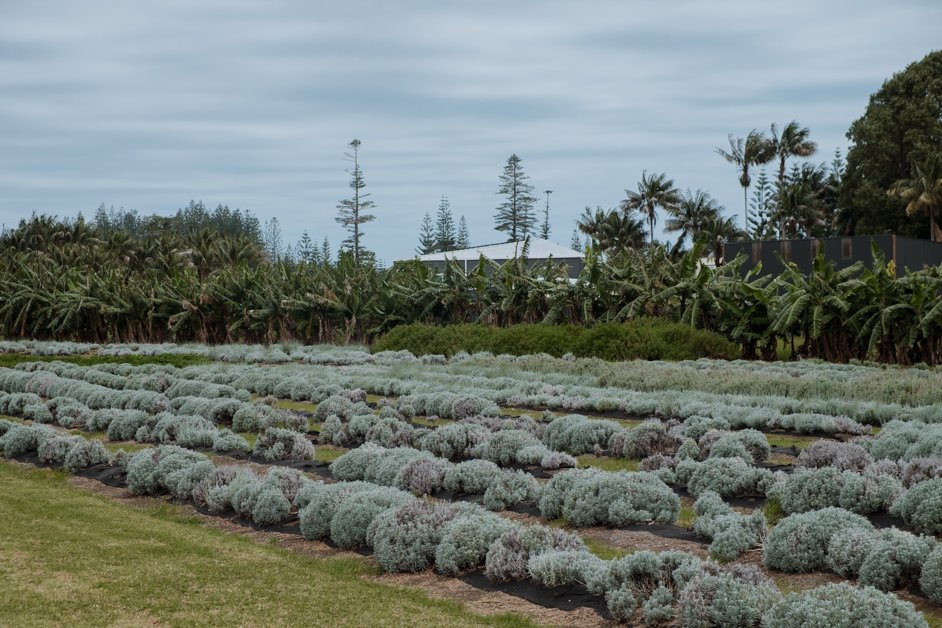
If you're here on a Sunday, you absolutely must visit the Norfolk Island Lavender Farm. They're only open on Sundays from 10am until 7pm and are so worth a visit. They serve lots of lavender-flavoured things such as gelato, pastries and outstanding lavender cocktails and mocktails, plus a big menu of jacket potatoes! Best of all, you get to enjoy it all sitting outside surrounded by their lavender field. Perfect!
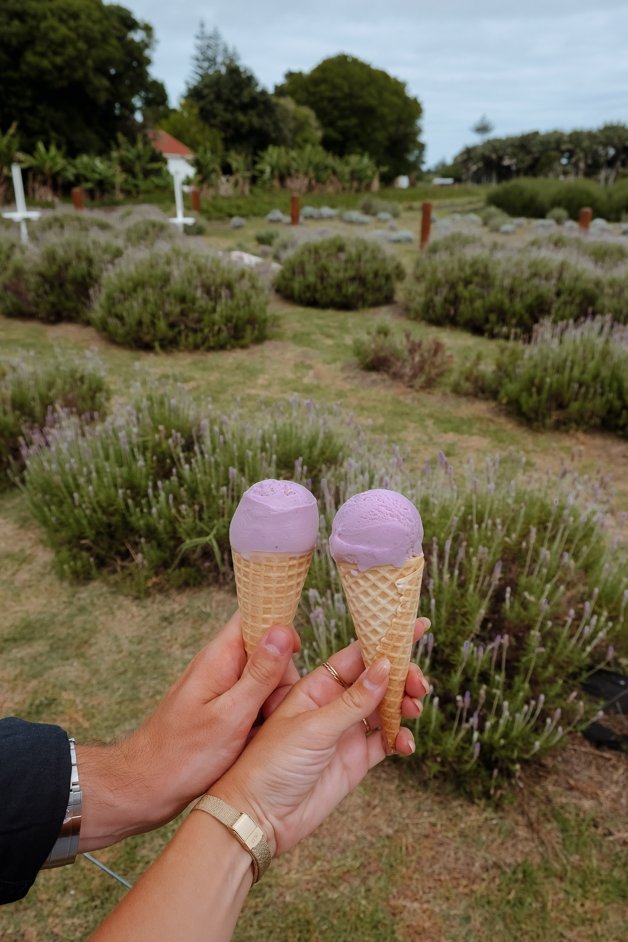
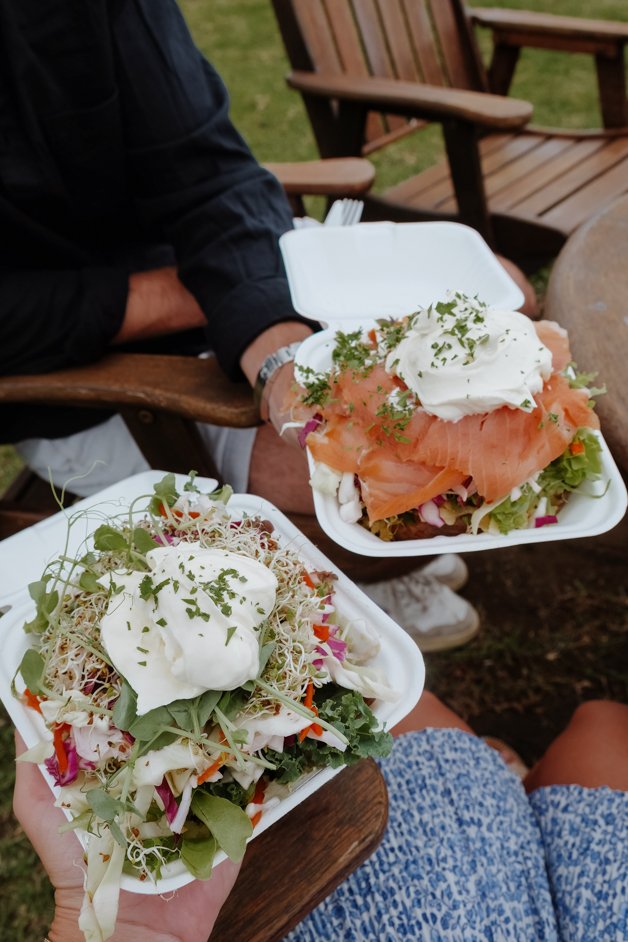
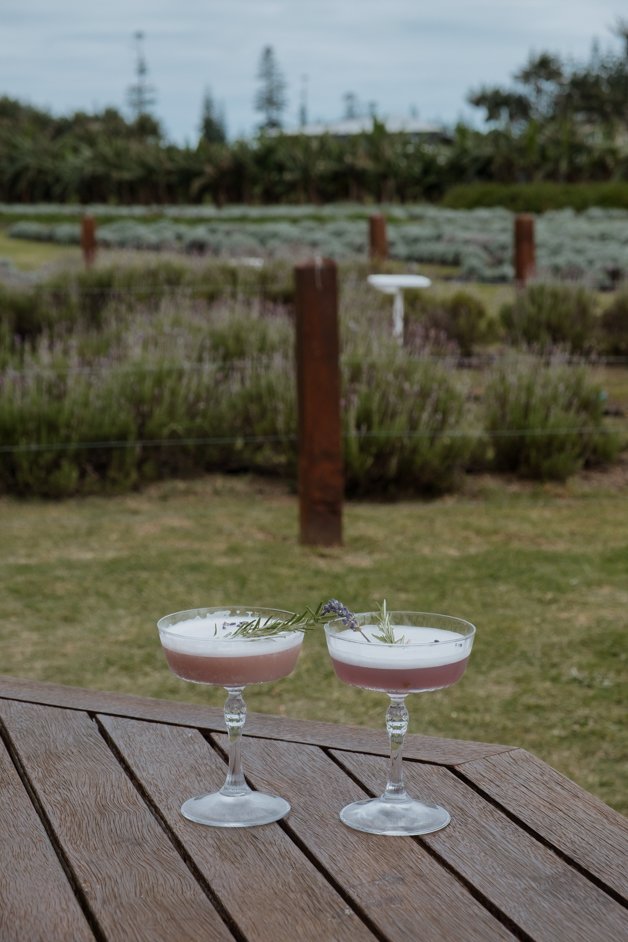
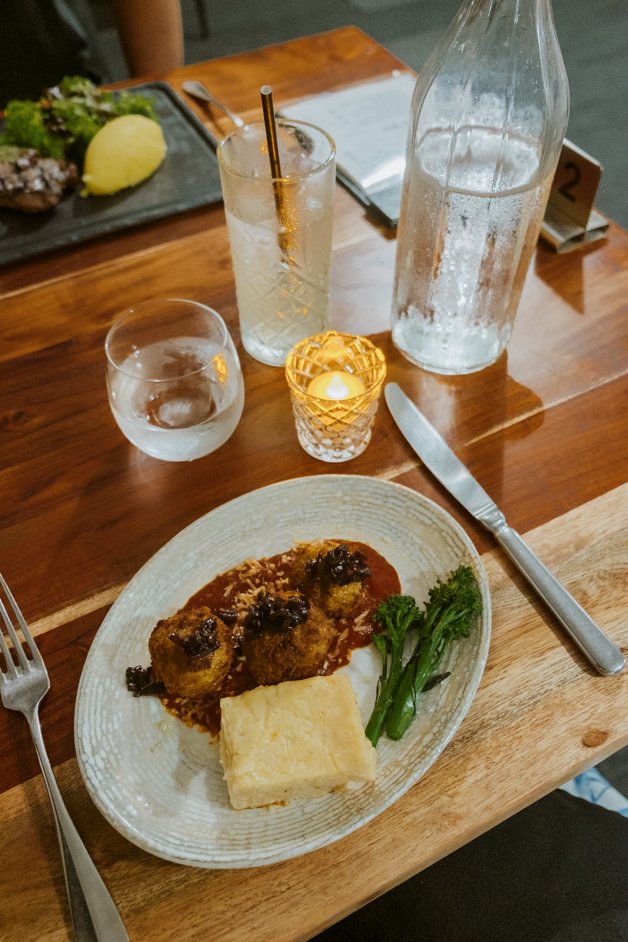
On our first night, we had dinner at Bailey's, a mouthwateringly good Australian semi-fine dining spot in a restored historic homestead. Even though their focus was Australian steak, they made a really good effort to offer creative vegetarian dishes, too.
We only had three days on Norfolk Island but loved it so much we could have stayed a month. With our limited time, we didn't do absolutely everything there is to do and I would have loved to spend more time in the different museums and going on hikes in the national park, but considering what time we did have, we did A LOT.
It's a small island but it seriously has so much to offer. I've written down what we did in the order that we did it. Almost everywhere we went, there were always fantastic amenities kept in great condition such as toilets, benches and BBQs.
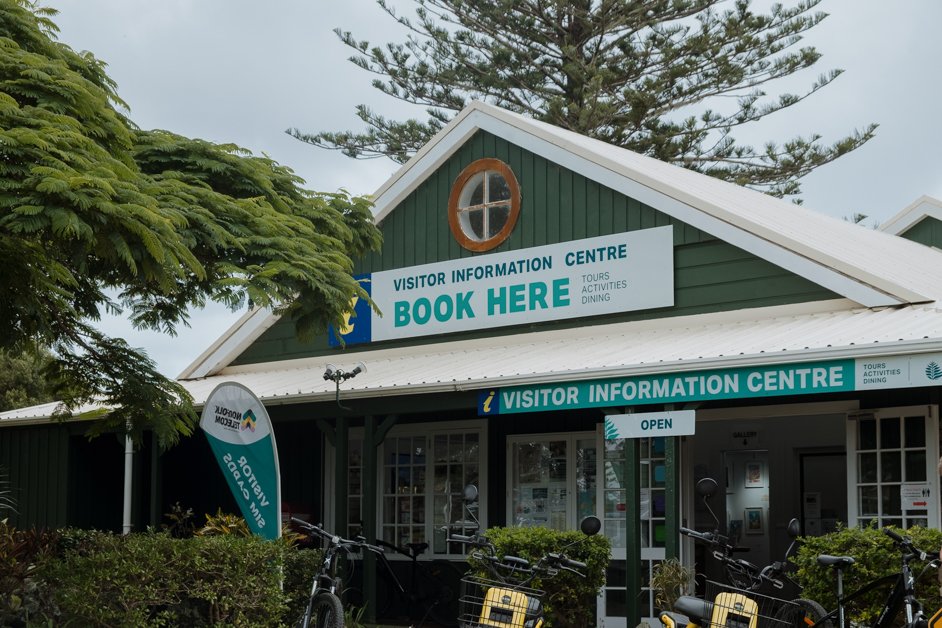
Pop into the Visitor's Centre
This is a great first place to go on Norfolk Island as this is where all tours, museums and experiences can be booked. The staff have so much knowledge of things to do around the island. You can also rent bikes and e-bikes here.
Norfolk Island merchandise is for sale, too, and they also offer a Norfolk Island passport stamp.
Drive across the Bloody Bridge
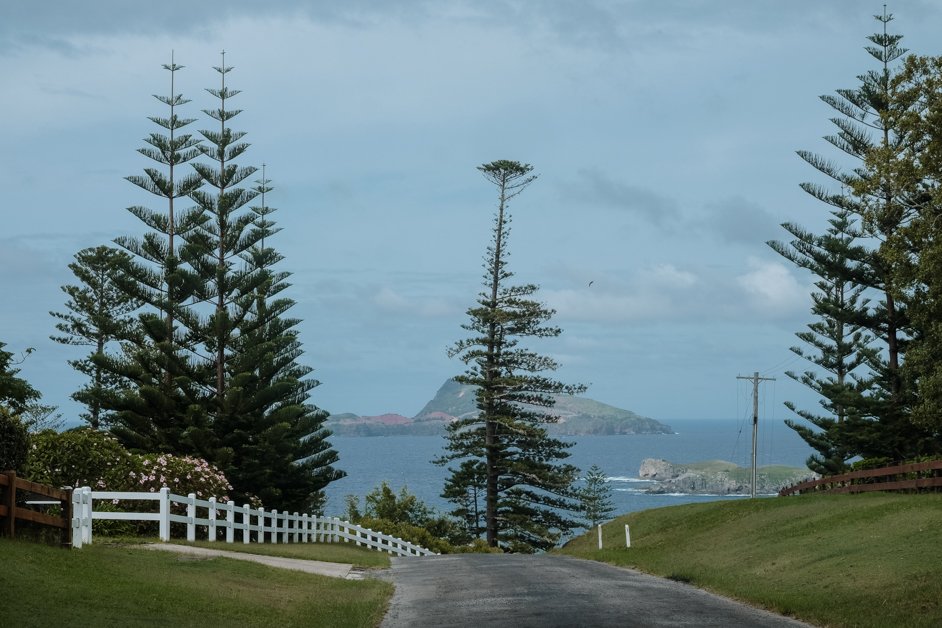
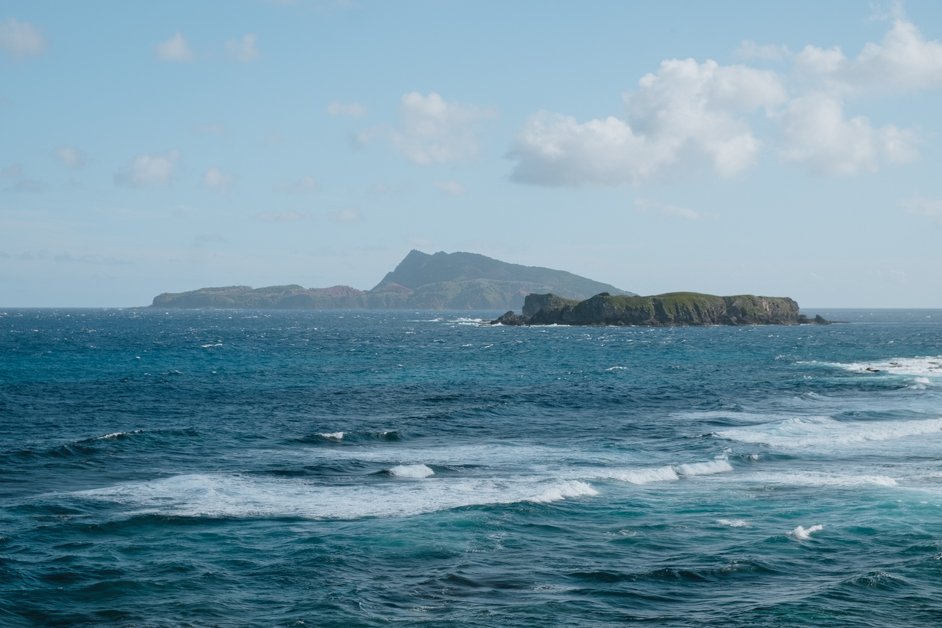
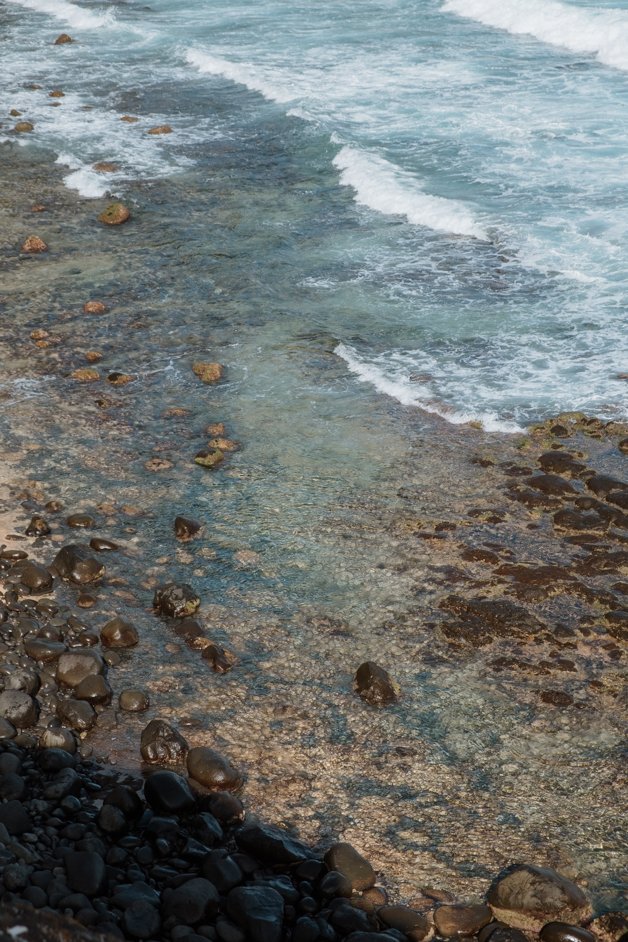
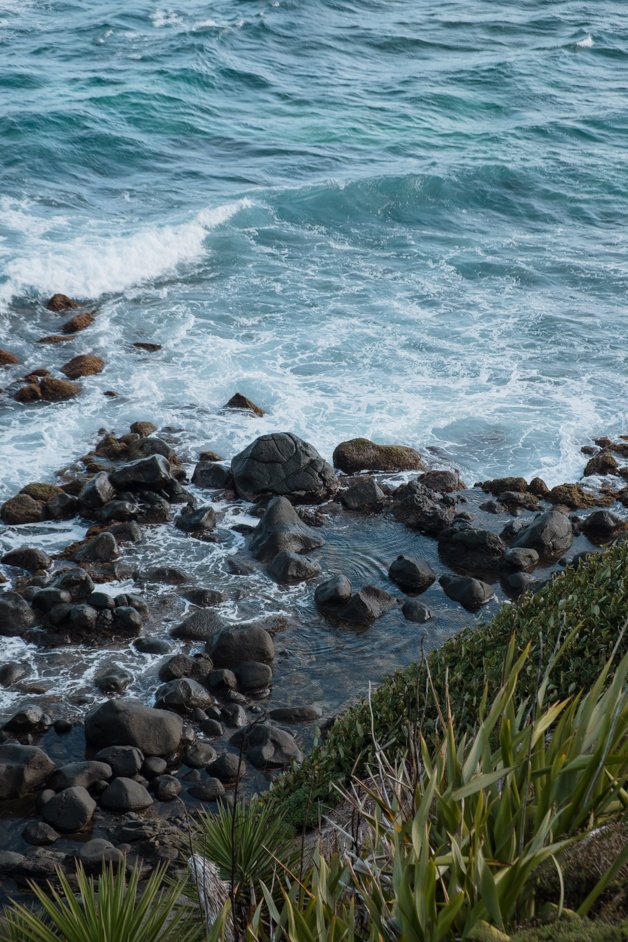
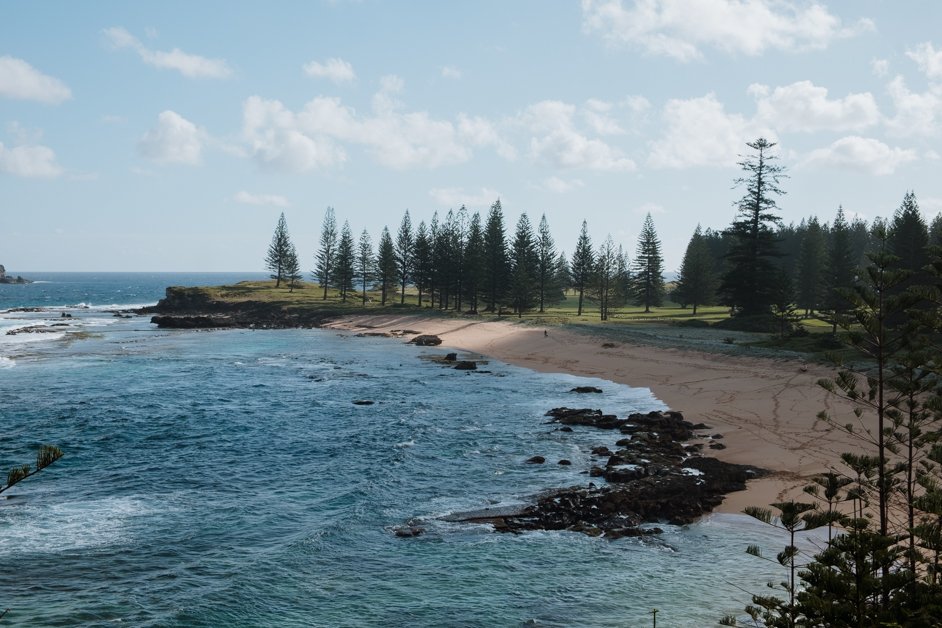
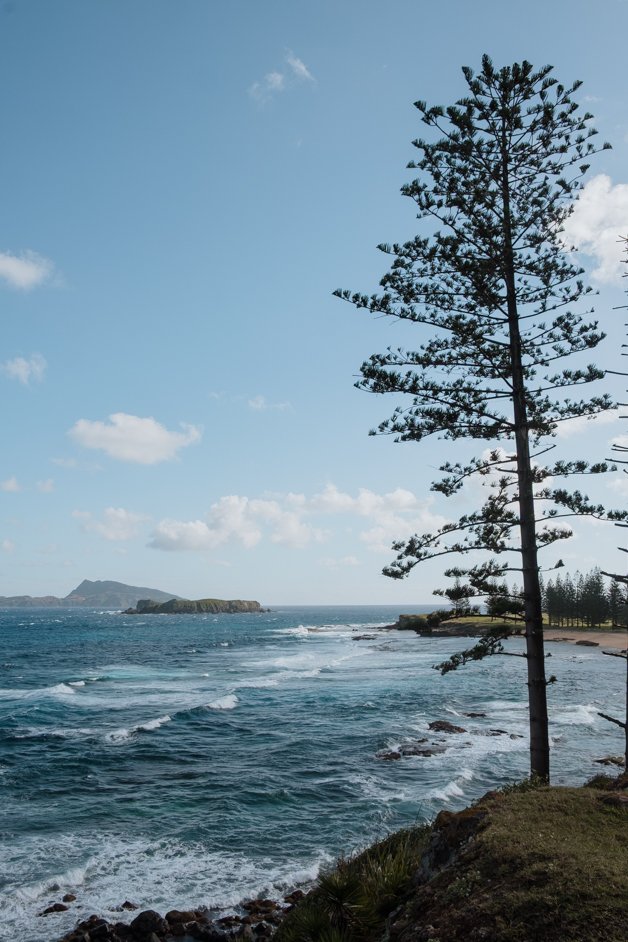
Immediately after we landed and had checked in, we hopped in our rental car and drove to the southern side of the island to find the best views around. We drove down Collins Head Road, the ocean popping out to greet us. Our first stop was on Bloody Bridge, so named after an overseer from the days of the British penal colony who was killed by his convicts who were building the bridge. His body is apparently buried within the bridge's structure.
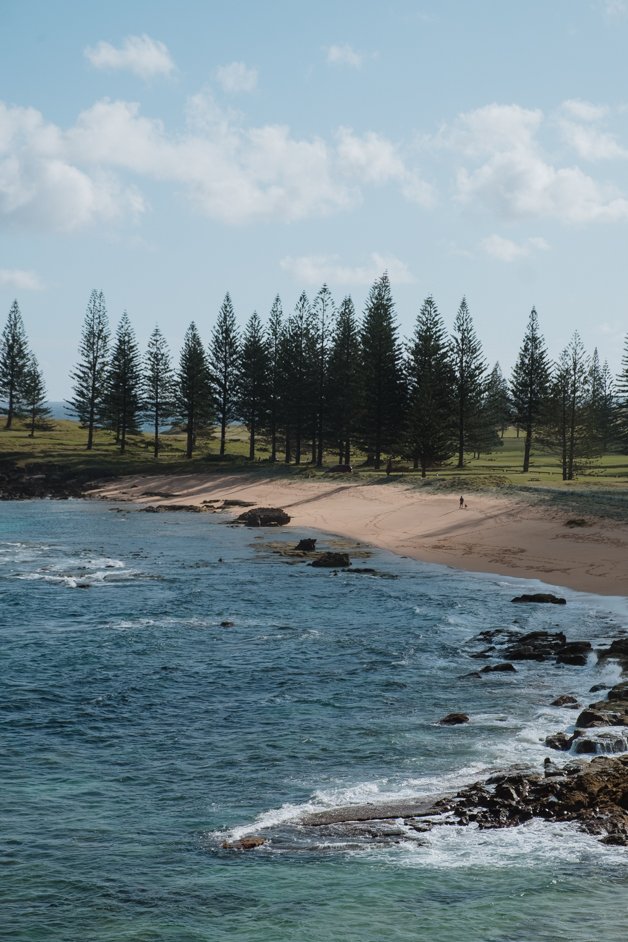
Regardless of the dark history, what we really pulled over here for were the astounding views looking down over the ocean towards Nepean Island and Phillip Island and towards Cemetery Bay along the road.
Collins Head Road
Check out Norfolk Island Cemetery
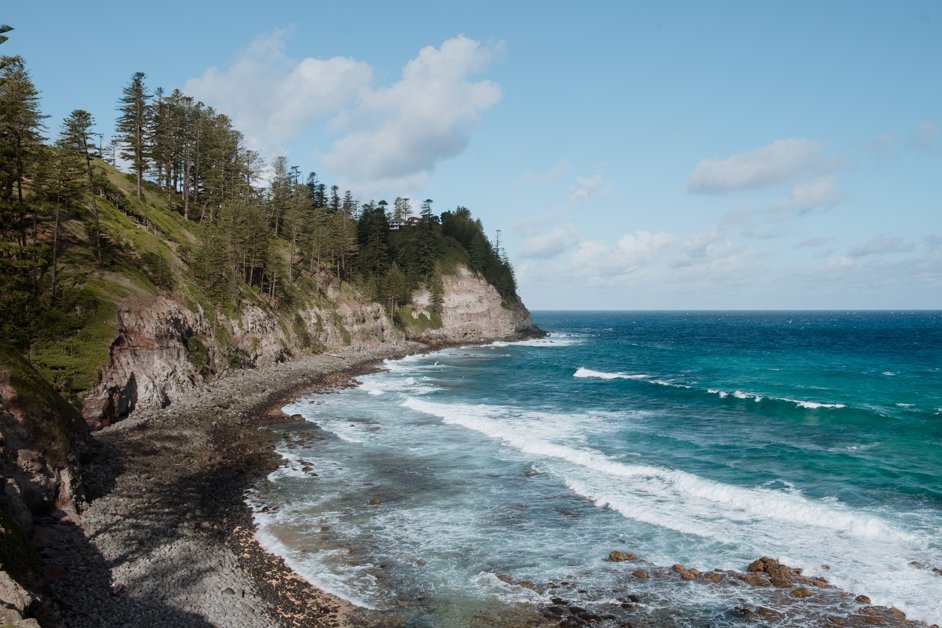
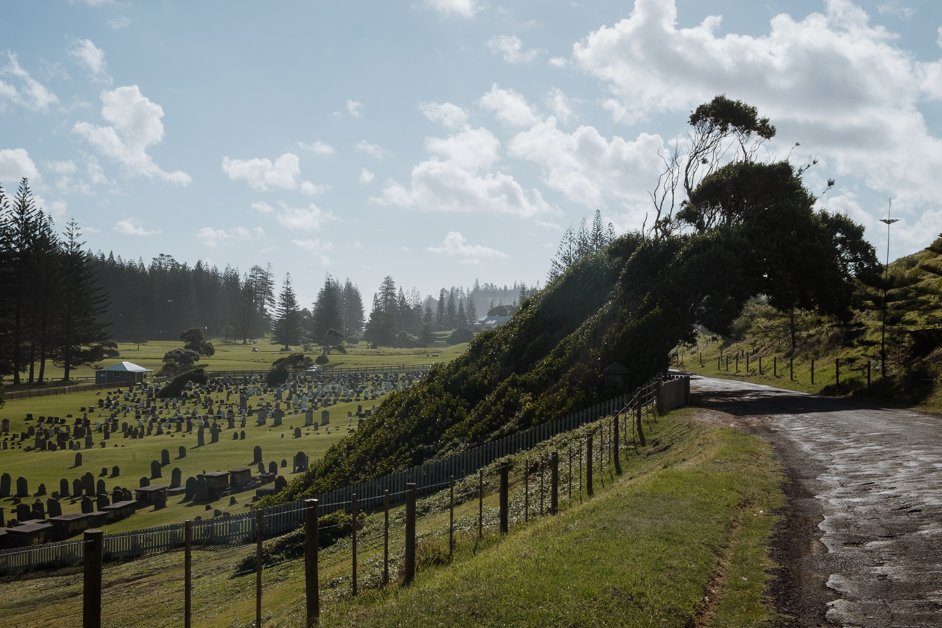
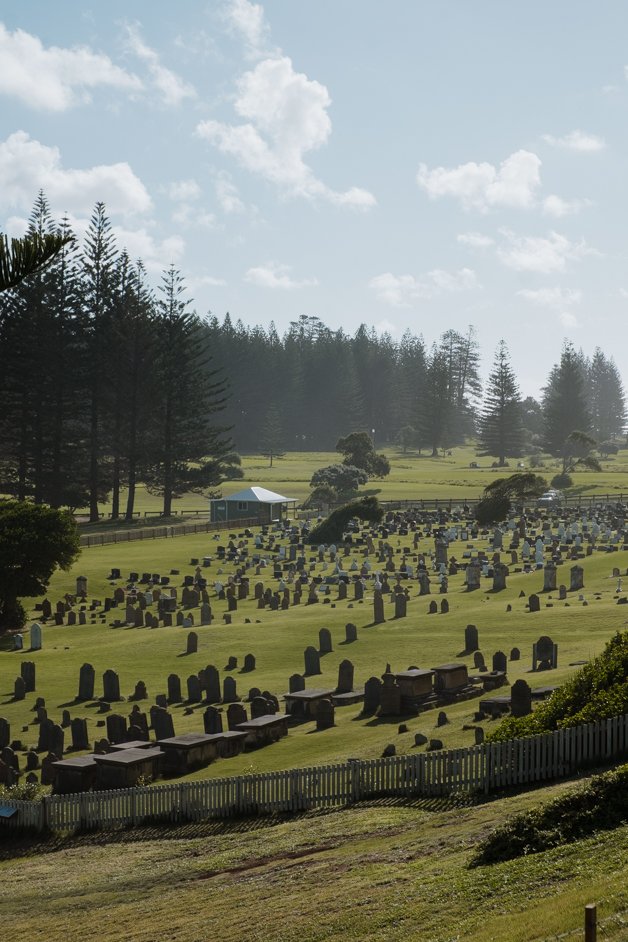
You might wonder why I'm recommending a cemetery but this one is both fascinating and beautiful. Norfolk Island has a long and often dark history and many of the people who contributed to that history lie in their graves in this cemetery from convicts and overseers of the British penal colony to the Pitcairn Islander immigrants.
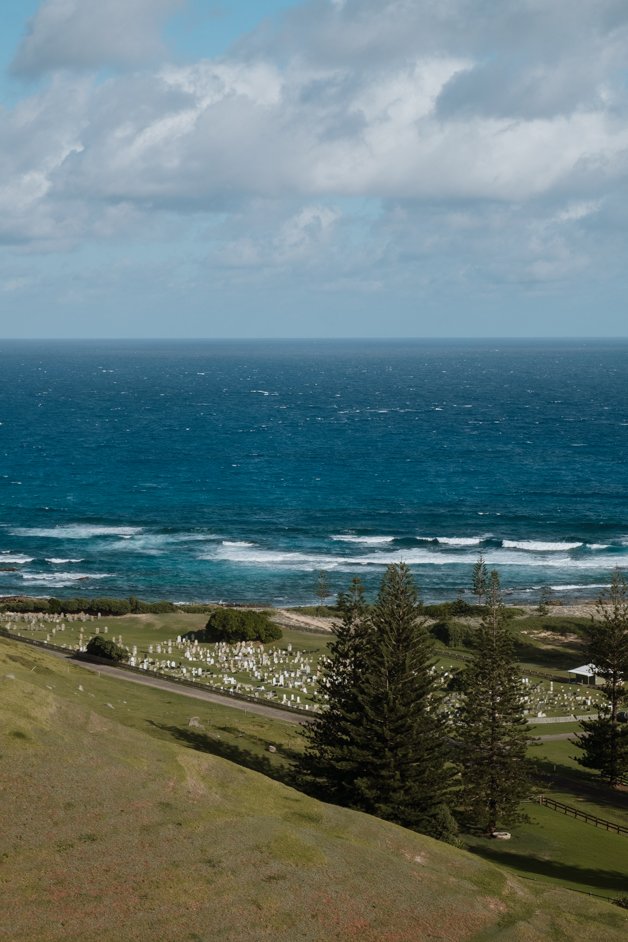
Once you've had your fill of discovering the history within the headstones, be sure to look out over to Cemetery Bay; the view from this cemetery is probably one of the prettiest in the world.
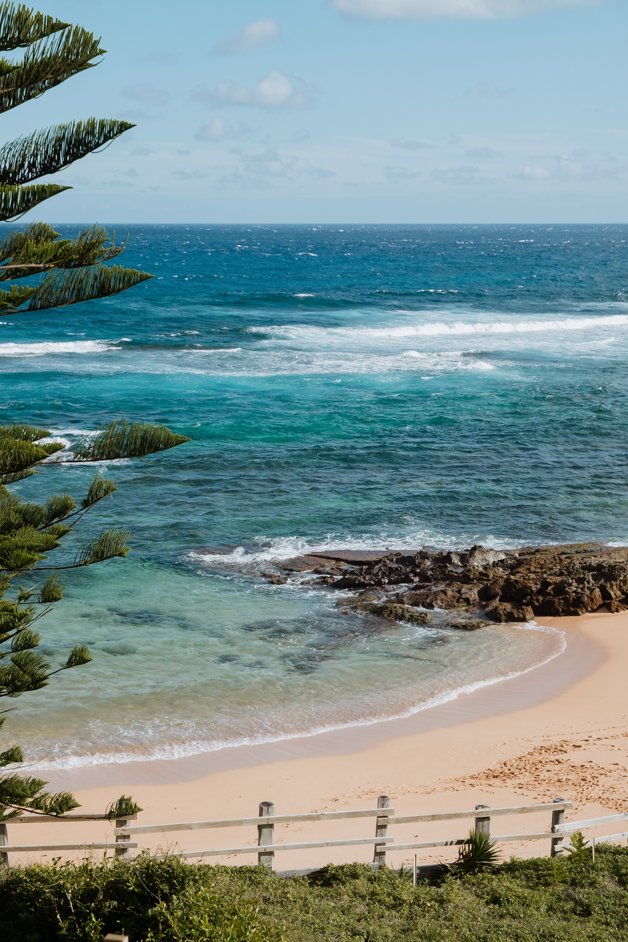
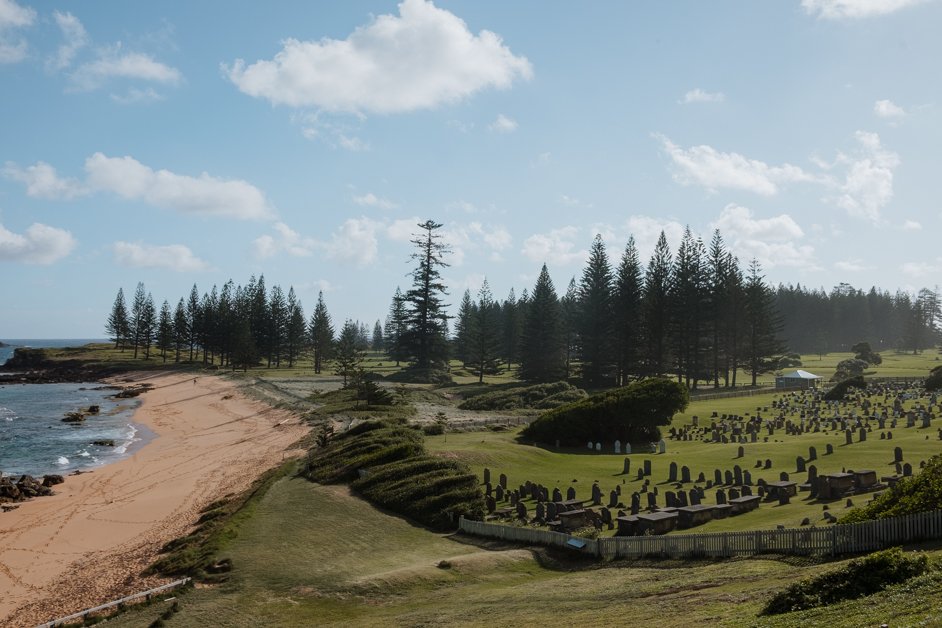
Go for a walk on the beach at Cemetery Bay
Located in front of Norfolk Island Cemetery, this idyllic beach is surrounded by iconic Norfolk pine trees with pure, golden sand looking out to Nepean Island and Phillip Island. We watched a dog and his owner happily playing on the beach for ages; it's a dog-friendly spot!
Snorkeling is also possible here right off the beach on calm days.
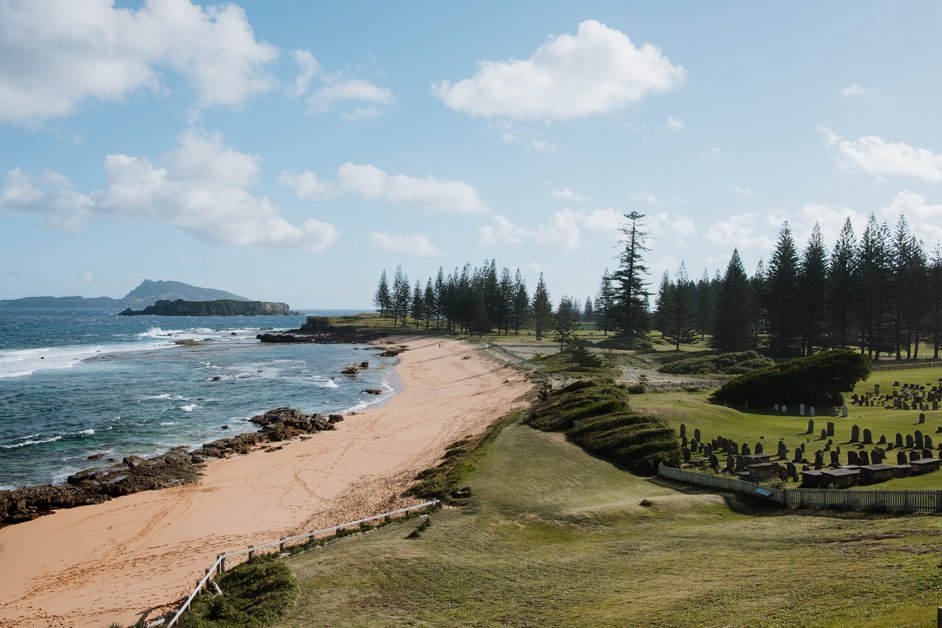
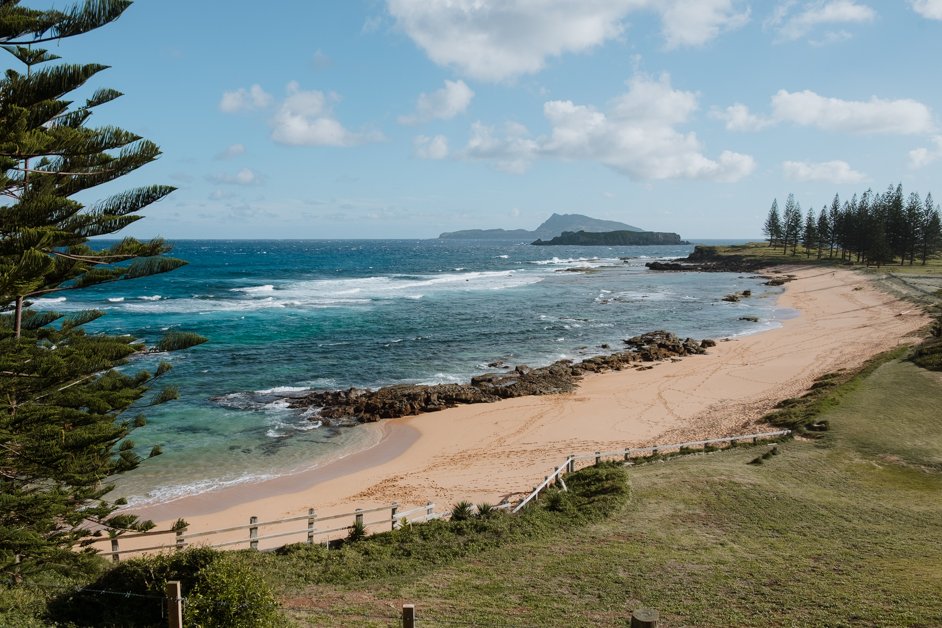
Take in the view from Queen Elizabeth Lookout
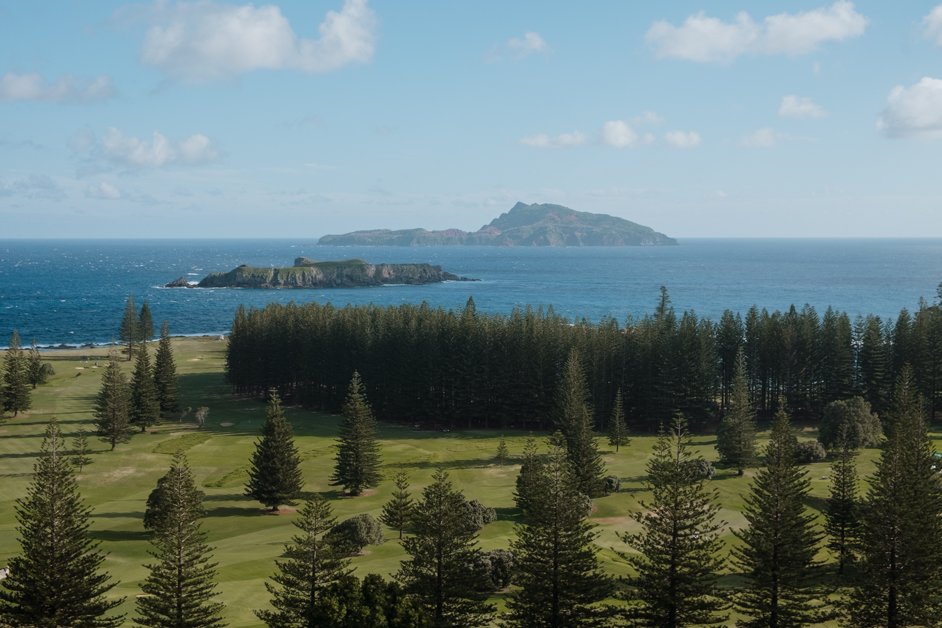
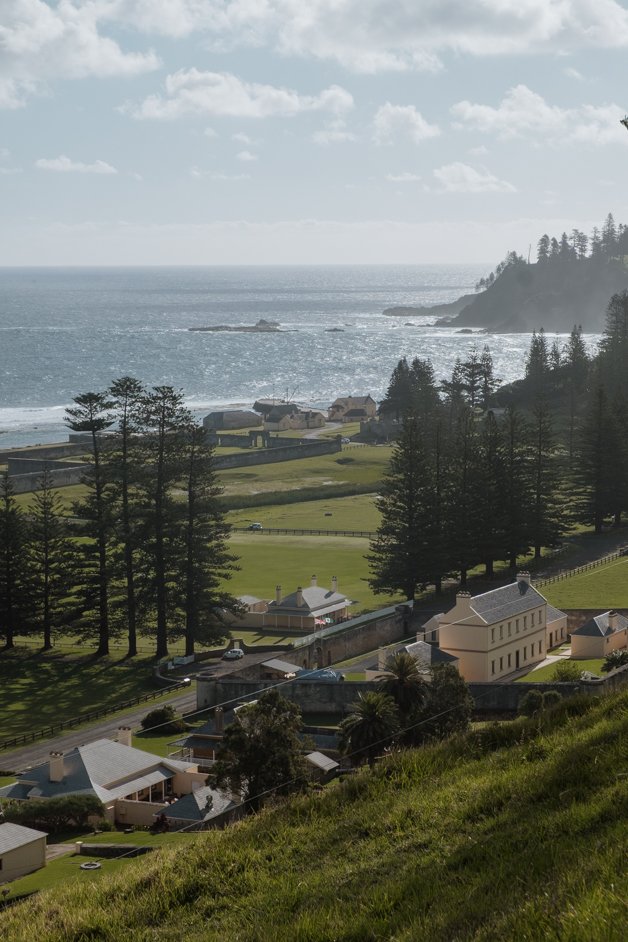
After enjoying the stunning scenery from the road, we drove up the hill to see it from above. It's somehow even more beautiful from up here with the beach, cemetery, ocean, historic Kingston sites and golf course stretching out in front of you with countless Norfolk pines dotted about. Nepean Island and Phillip Island can be seen out in the ocean.
Walk down the boardwalk to Bumbora Beach
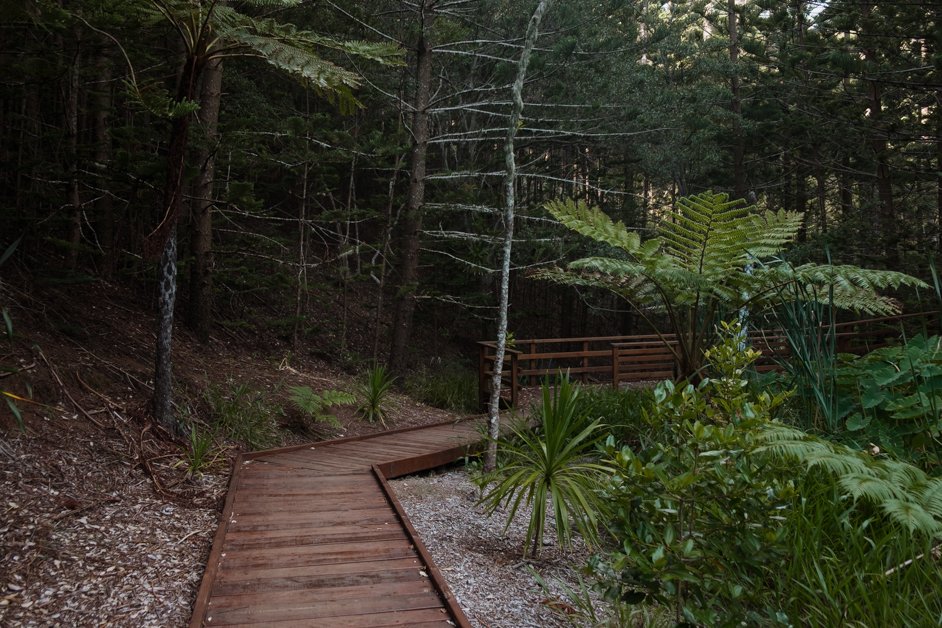
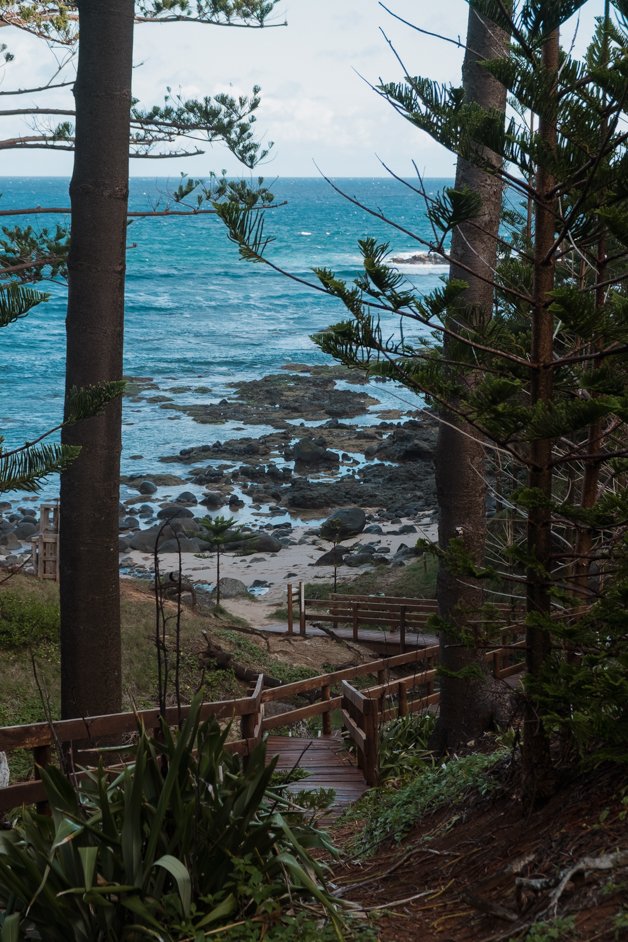
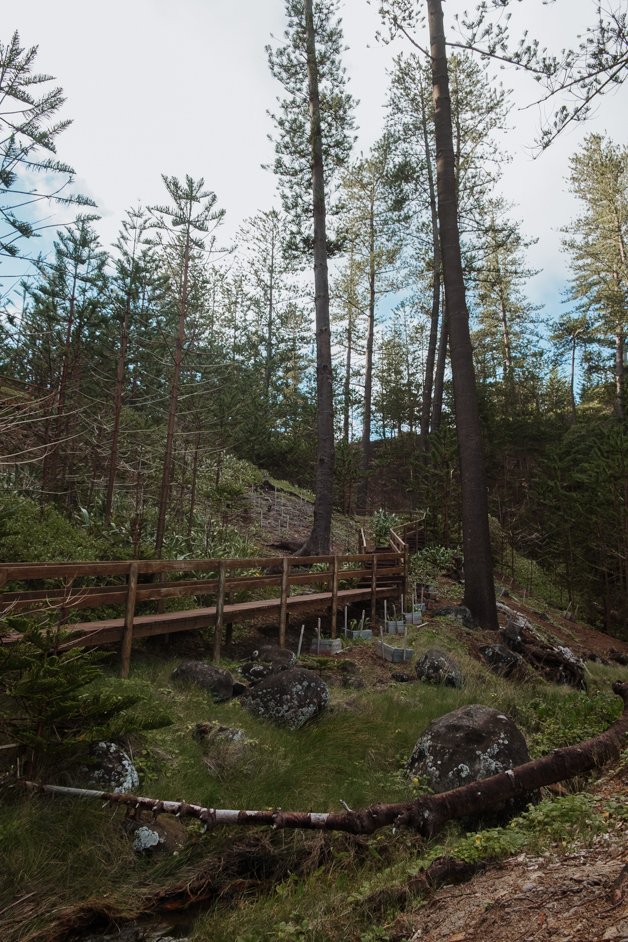
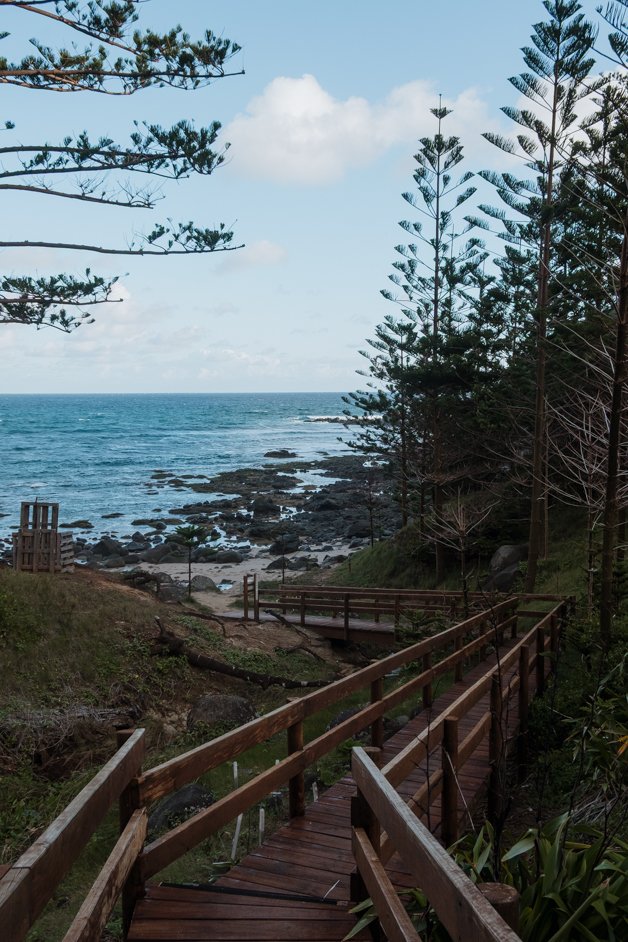
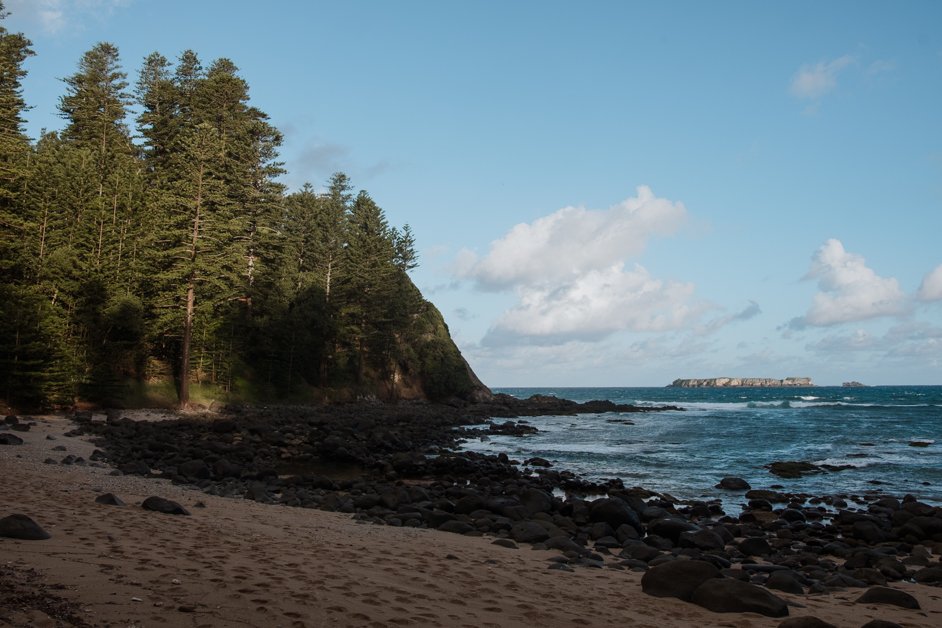
Park at the end of Bumbora Road and walk down the gorgeous boardwalk through the forest to reach the secluded Bumbora Beach - affectionately known to the locals as "Bumbies". You can go for a walk along the sand, have a picnic on the beach, look for rock pools at low tide or go surfing when the waves are bigger.
Find the Moreton Bay fig trees
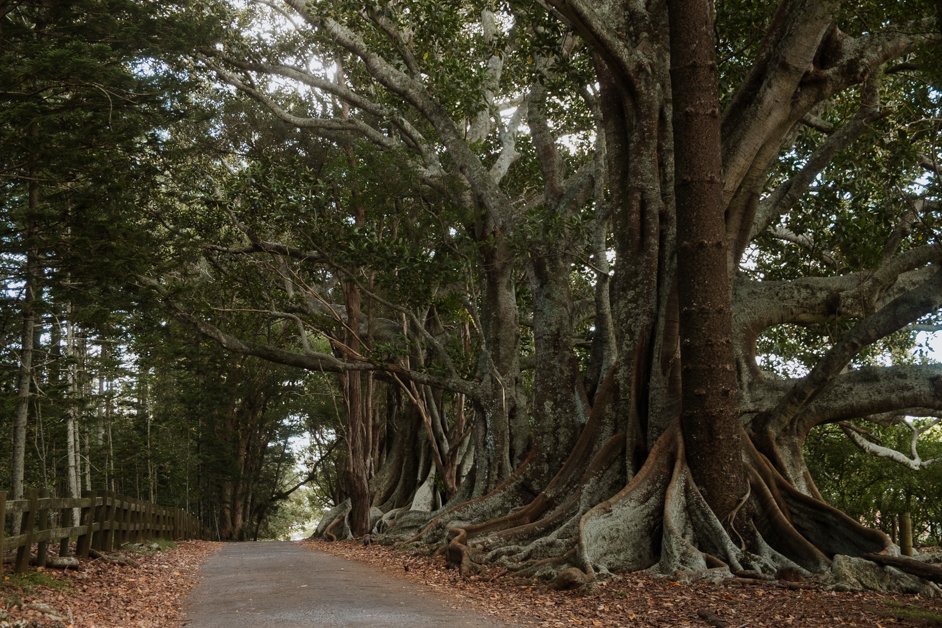
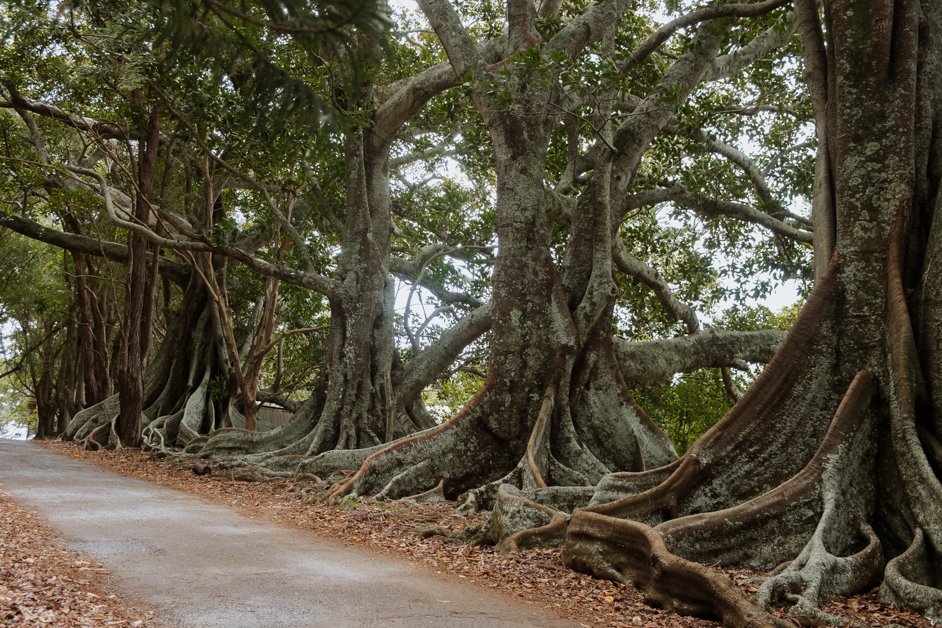
We drove along Headstone Road in search of dinner and came across this incredible collection of Moreton Bay fig trees, some more than 200 years old. They were apparently planted by convicts working on the reserve. It's such a beautiful place to stop and take a photo especially in the evening light.
Watch the sunset from Headstone Reserve
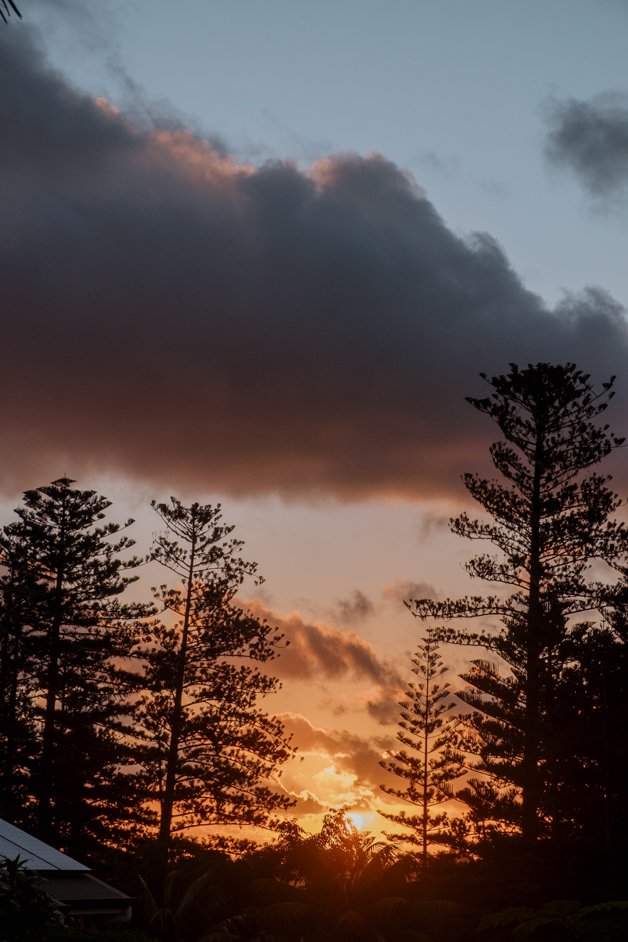
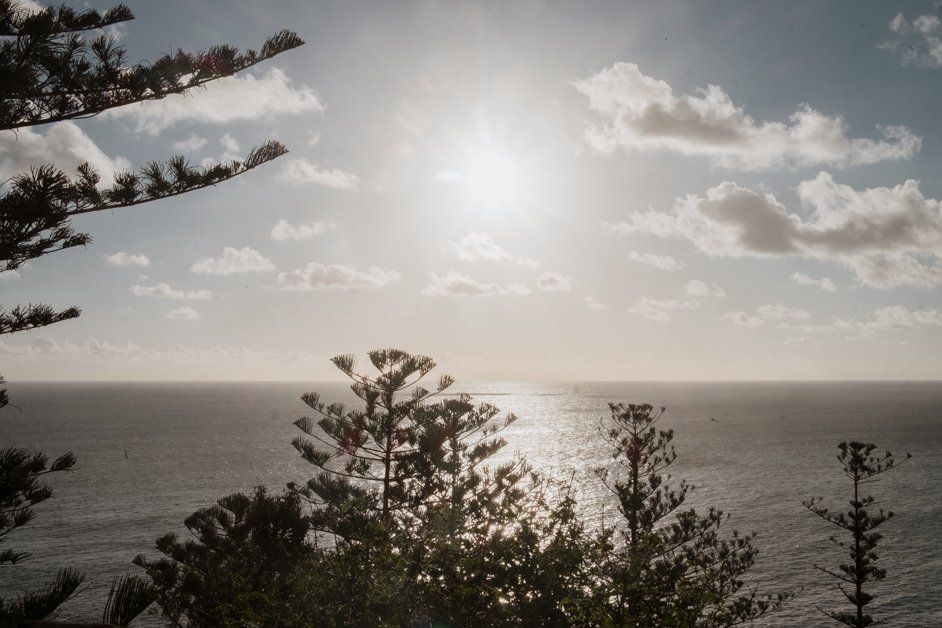
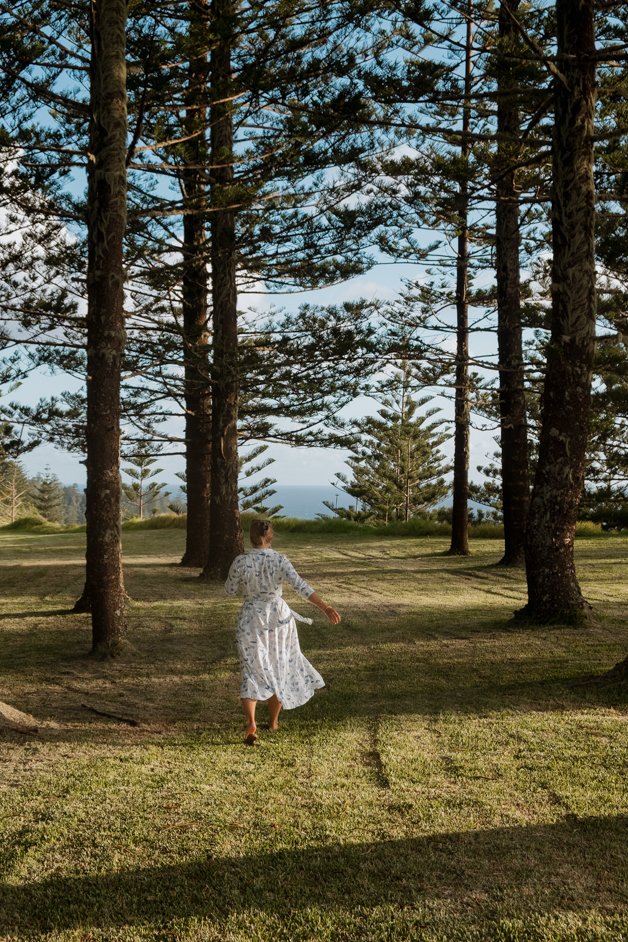
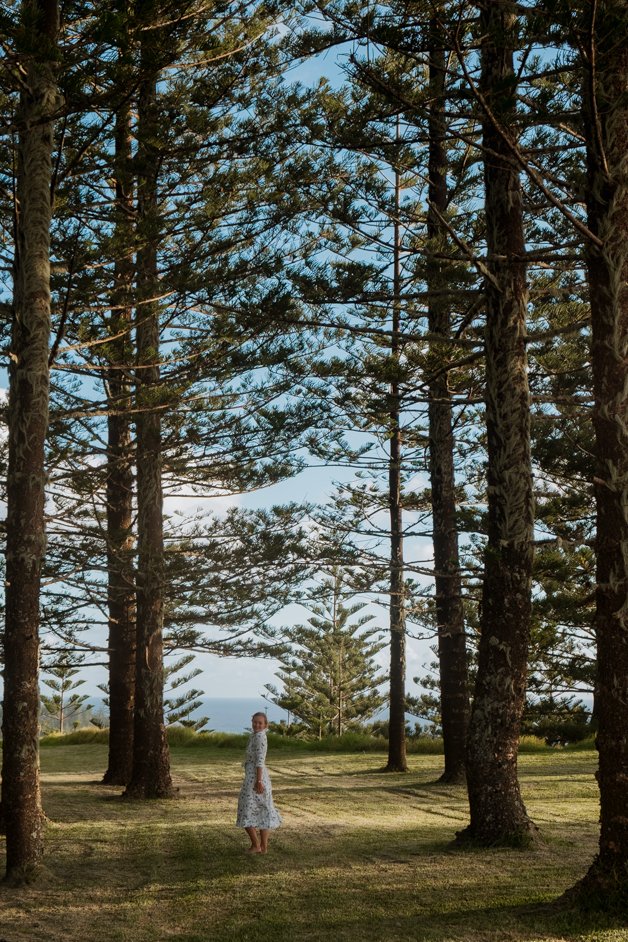
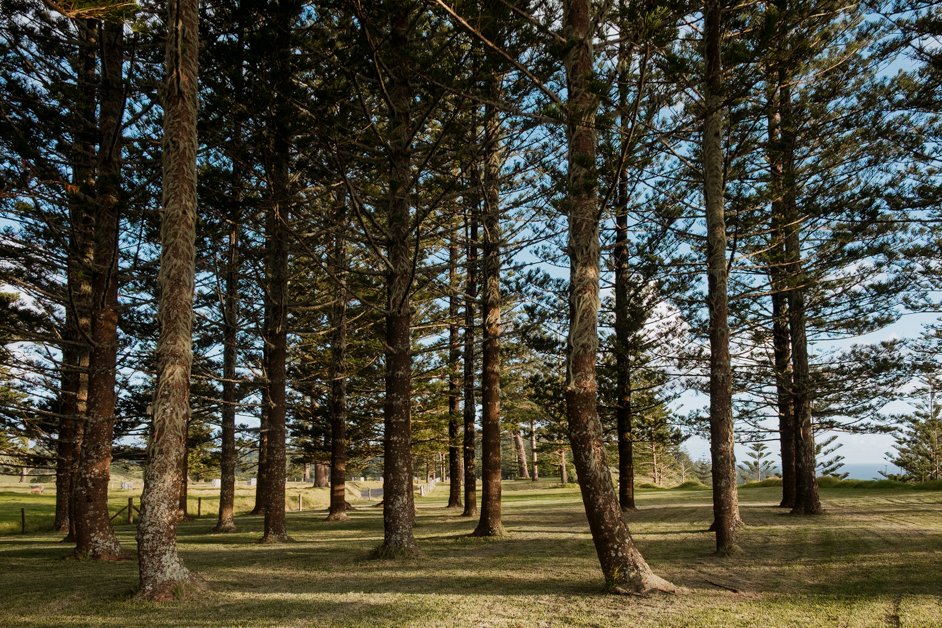
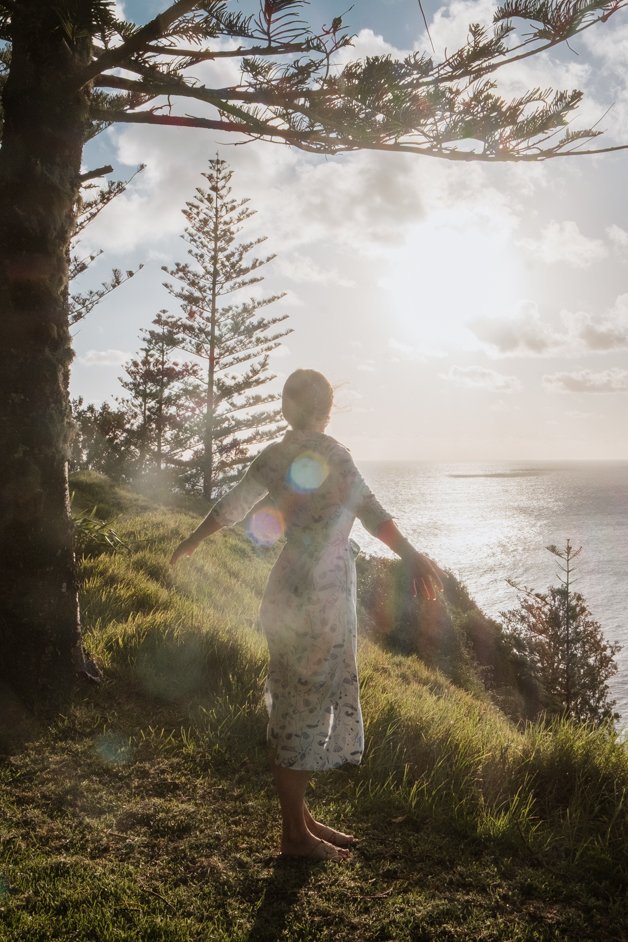
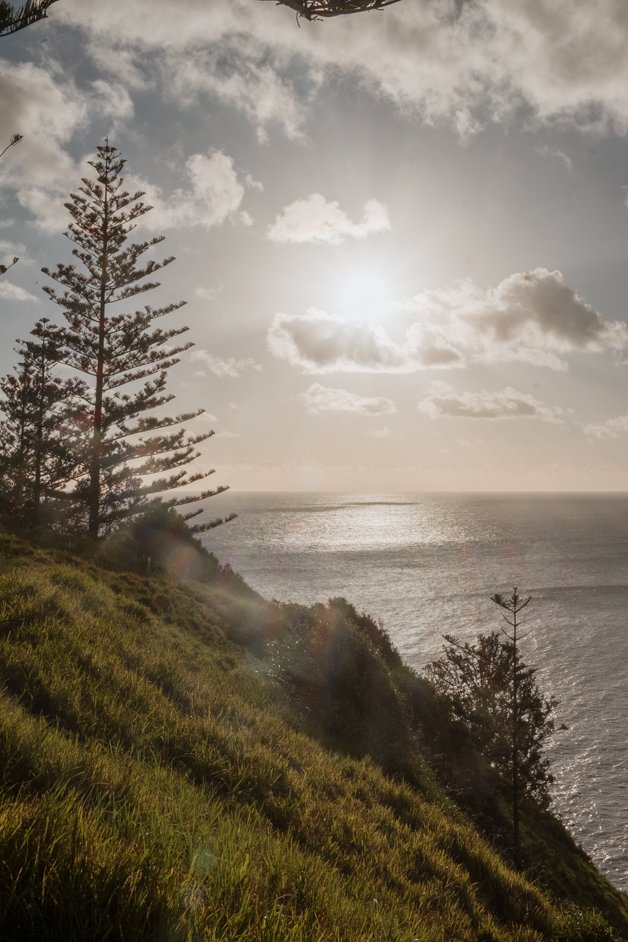
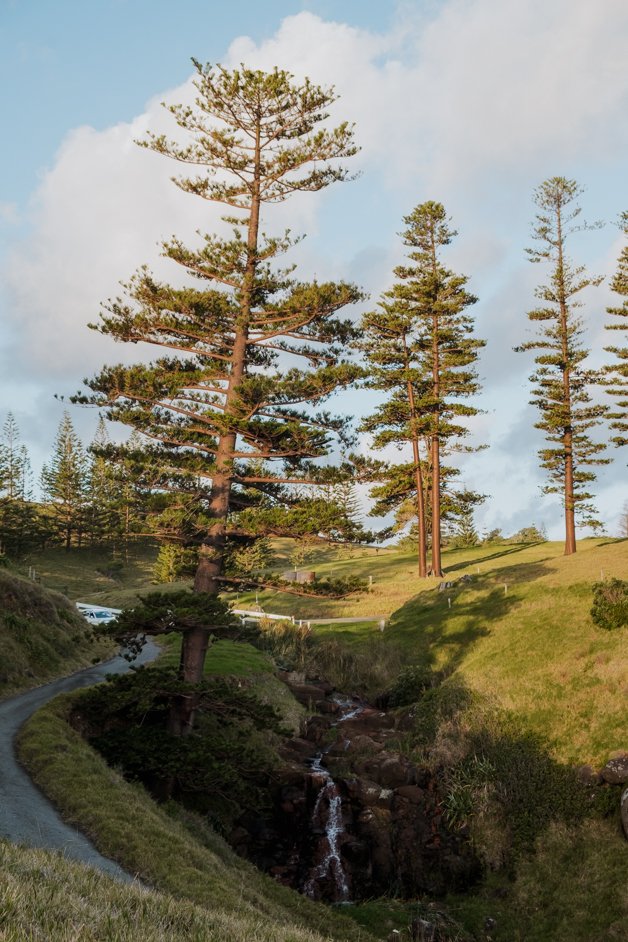
Anywhere on the west side of the island will have great sunset views but we really loved watching it from Headstone Reserve, a beautiful grassy patch filled with majestic Norfolk pine trees where the golden sunlight filters through the branches as it makes its way to the horizon.
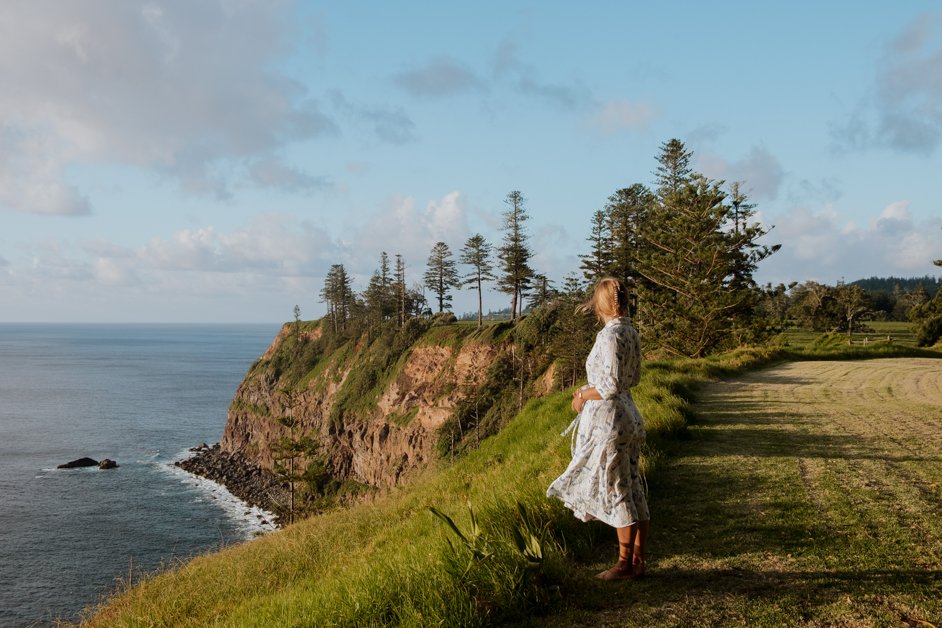
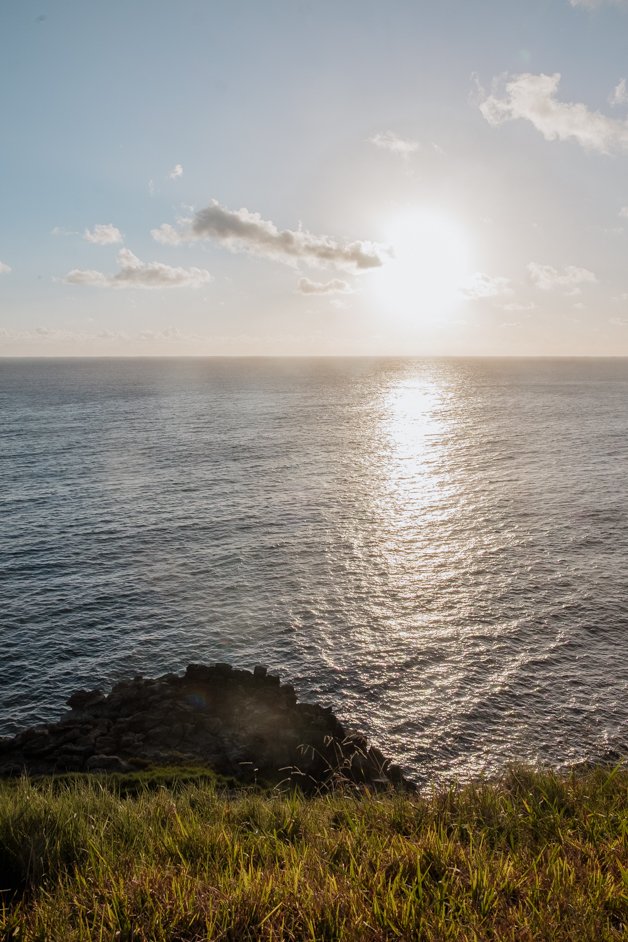
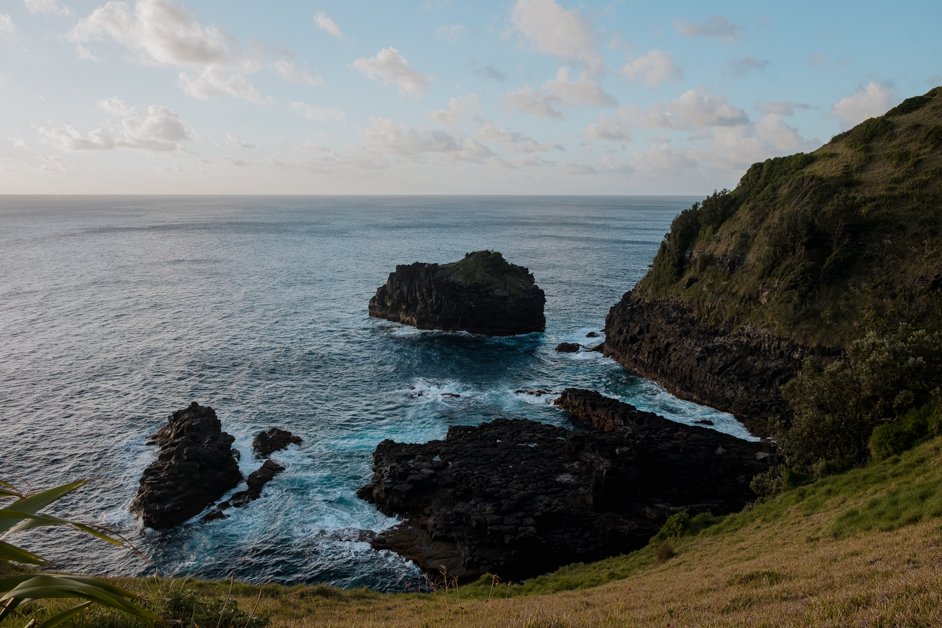
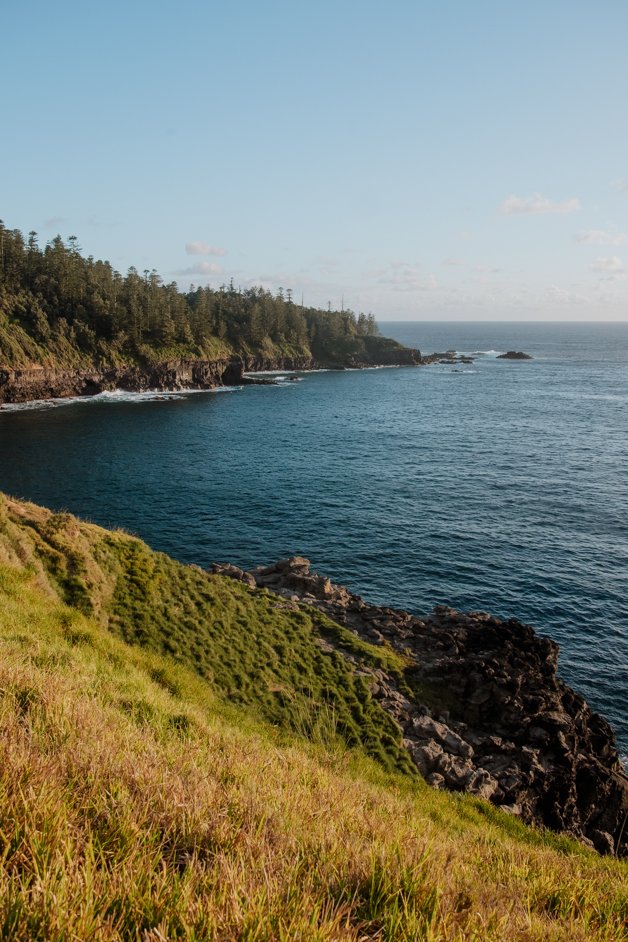
Watch the sunset from Headstone Point
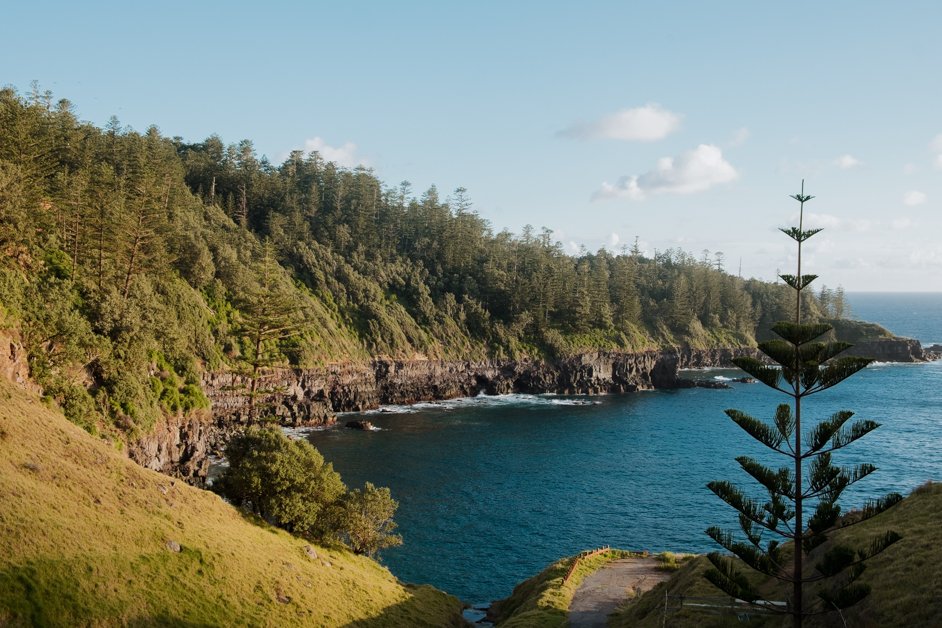
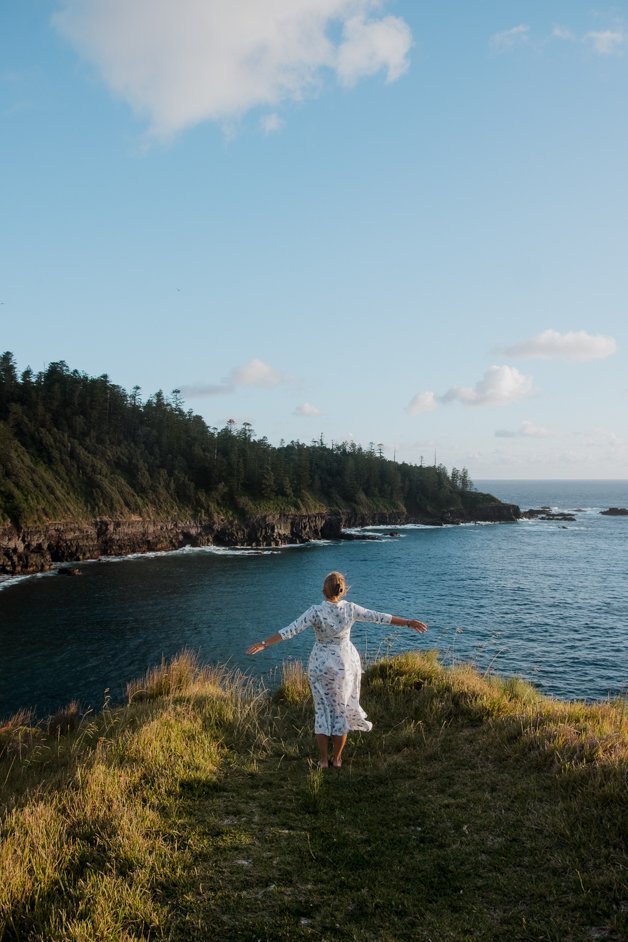
A little south of Headstone Reserve is Headstone Point, another fantastic sunset viewing spot. Park at just off Headstone Road and walk down the beautiful paved pathway to the grassy viewpoint.
There is also a bench and a headstone here, the latter dedicated to two Privates of the 99th Regiment who drowned while fishing here in October 1850 and whose bodies were never recovered.
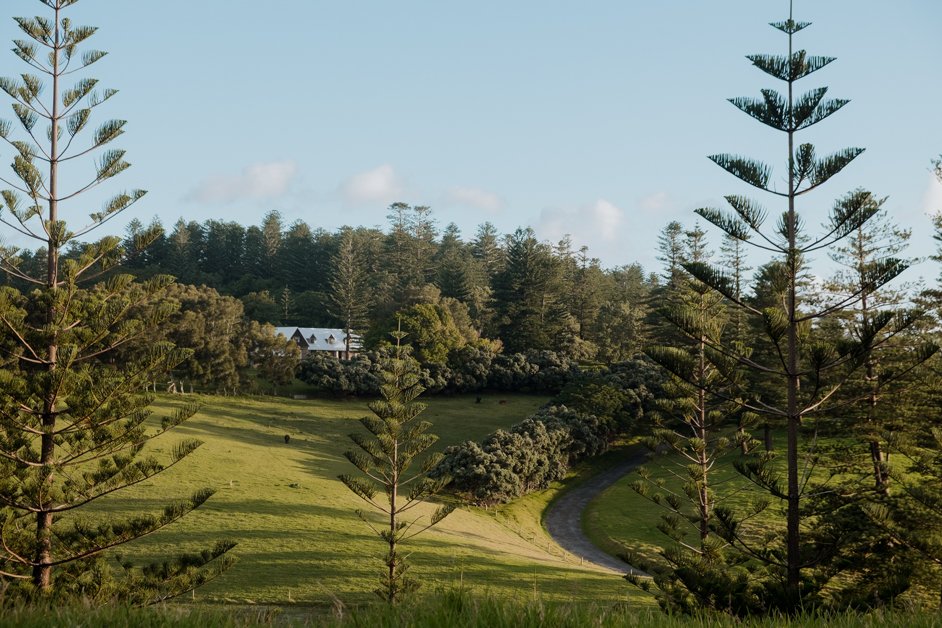
Driving along Headstone Road to Headstone Point
Check out the Sunday Markets
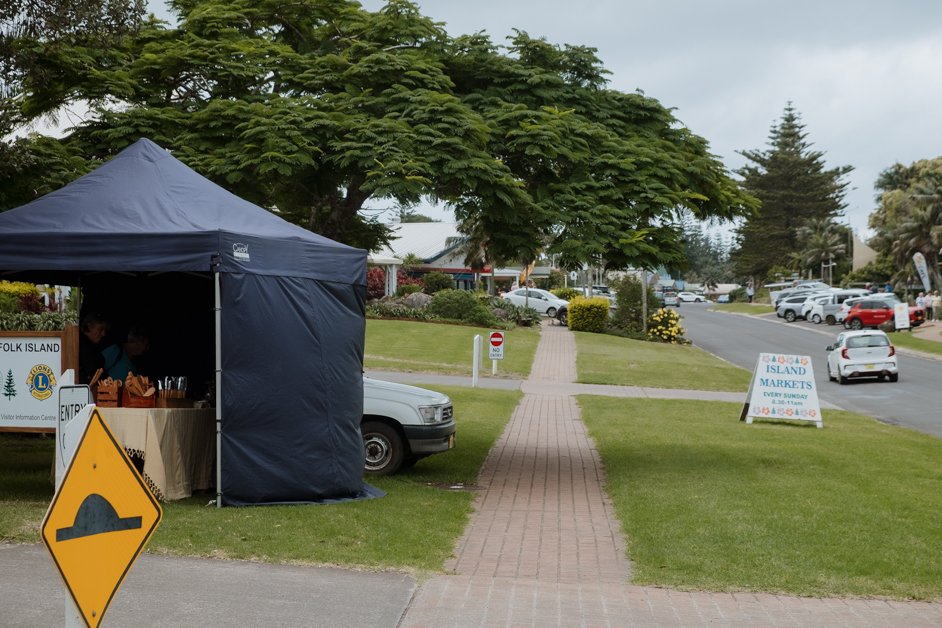
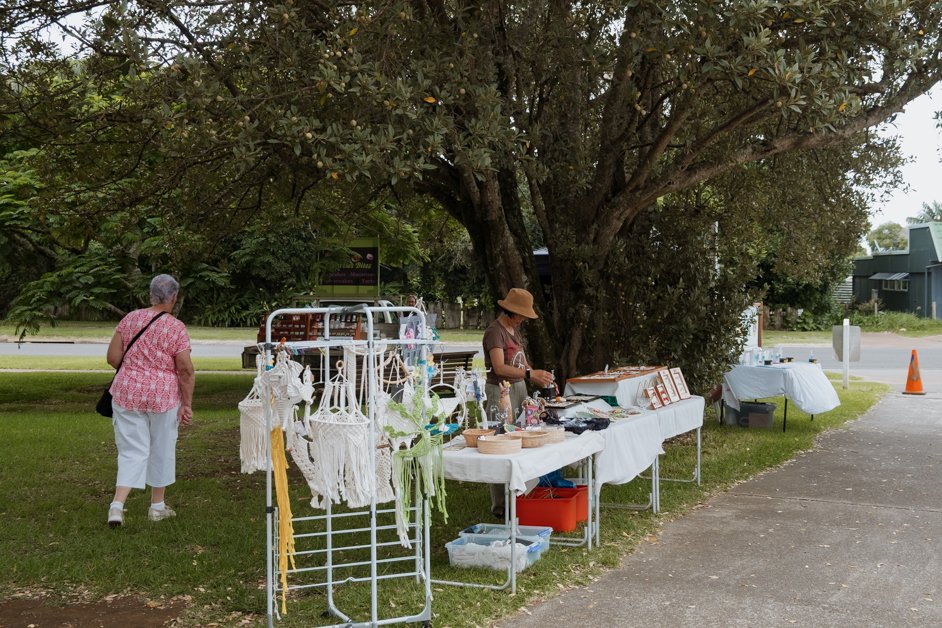
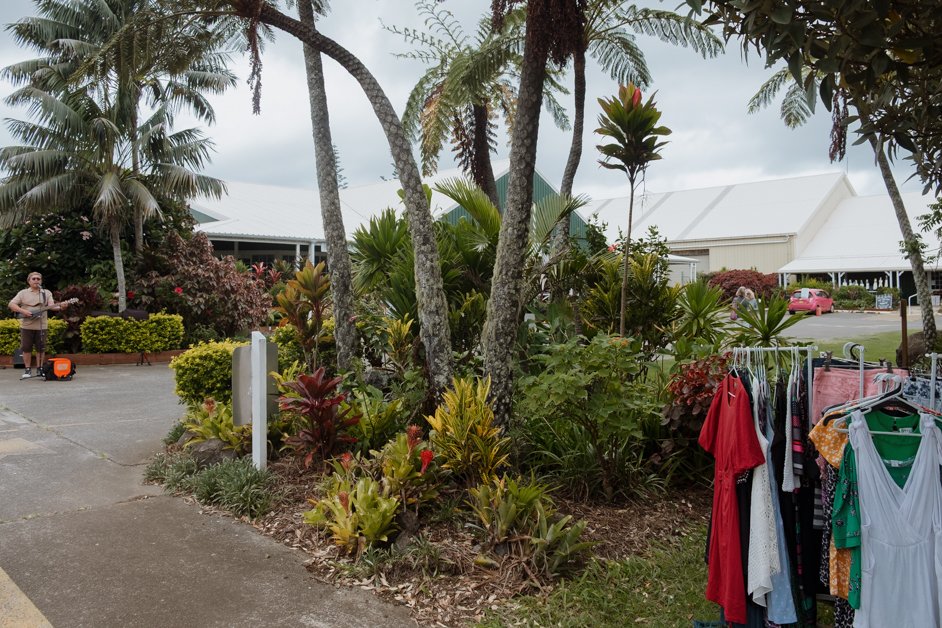
Every Sunday morning next to the Visitor's Centre, Norfolk Island hosts the Sunday Markets, a delightful little collection of stalls selling local coffee, arts and crafts (Norfolk seems to be home to so many talented local artists!), produce, gifts, decor, accessories and clothing accompanied by live music. It's just so sweet to stroll through. I picked up a pair of earrings with the Norfolk pine on them and I just adore them.
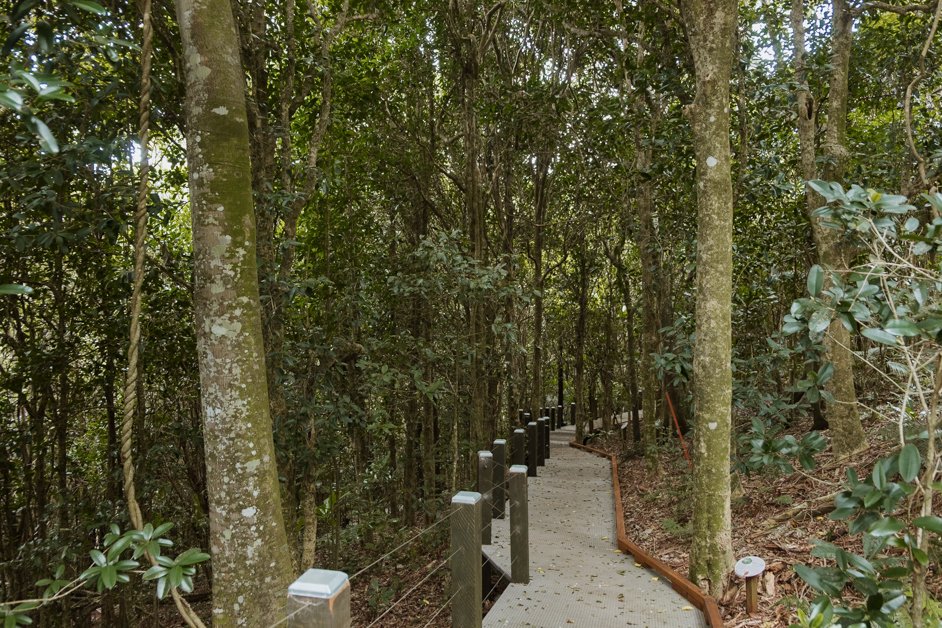
Go for a walk in the Norfolk Island Botanic Gardens
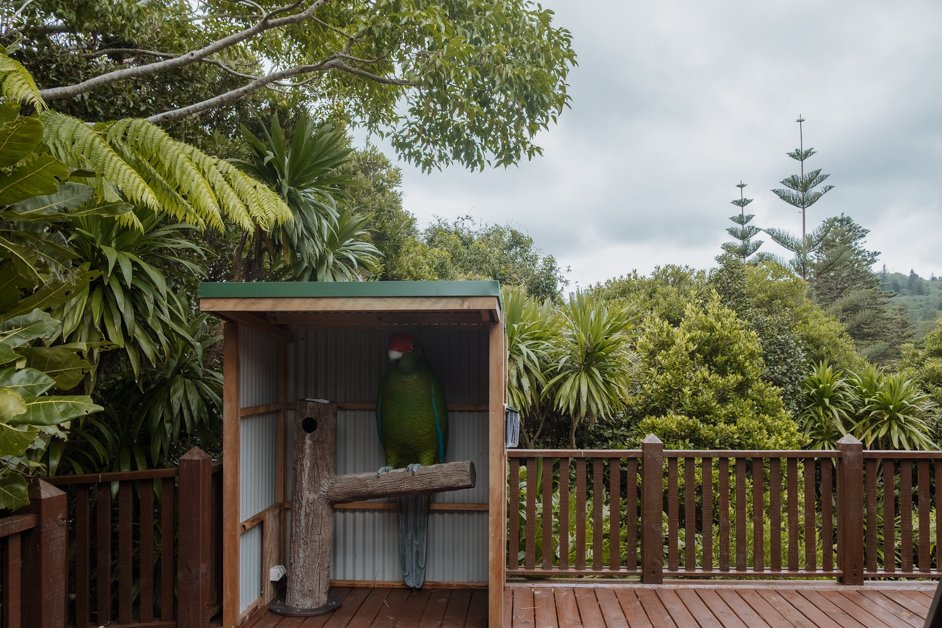
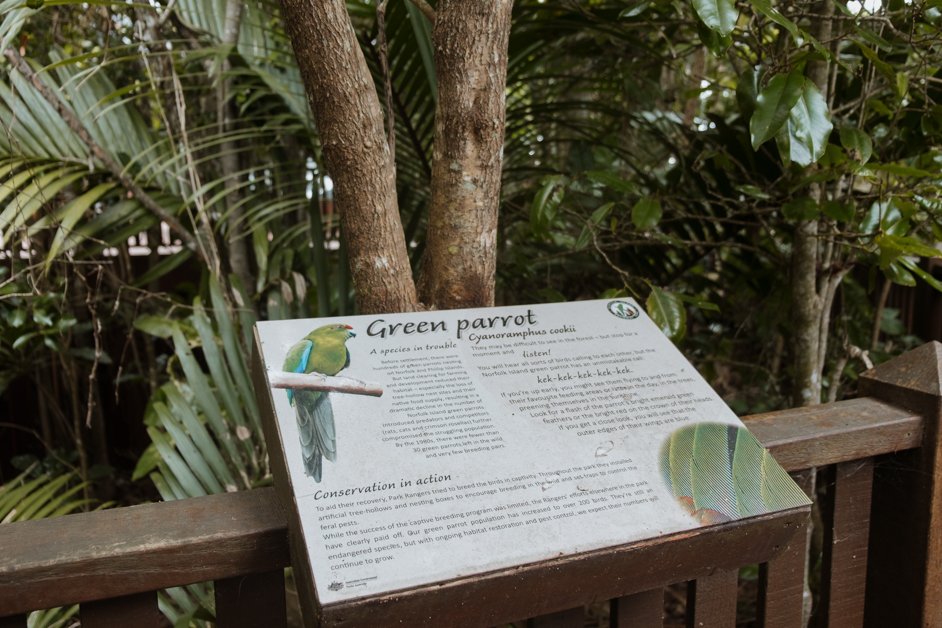
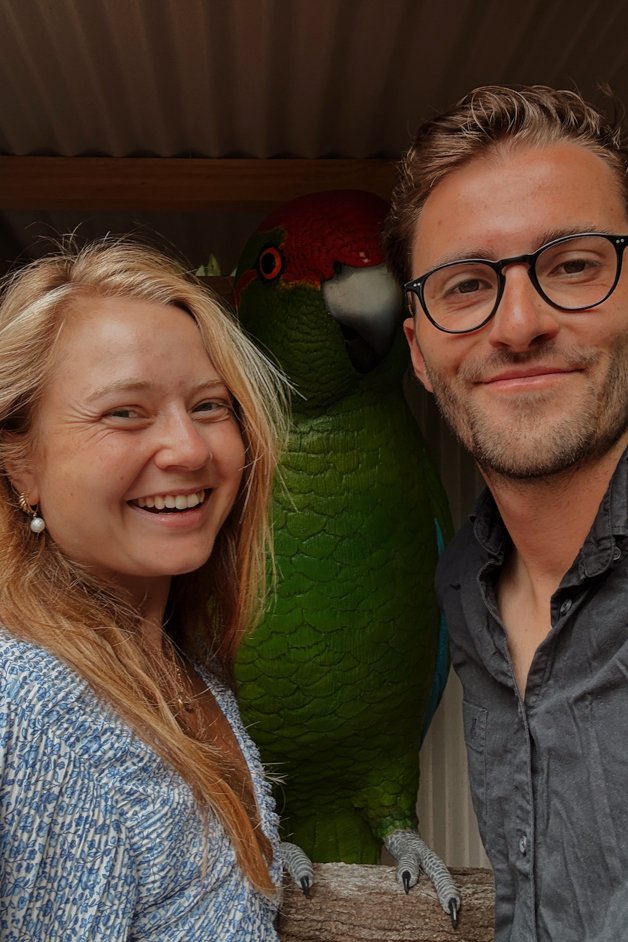
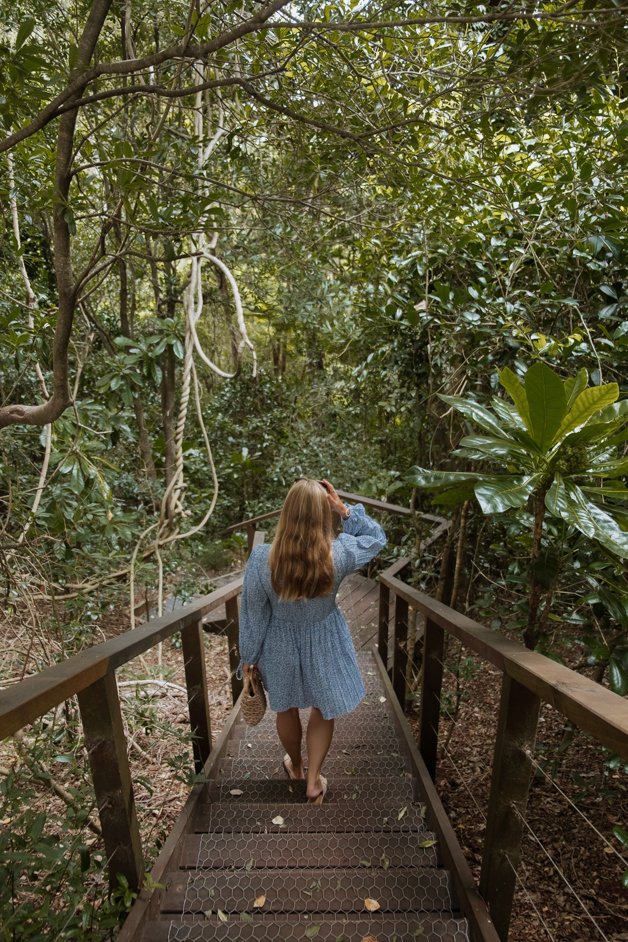
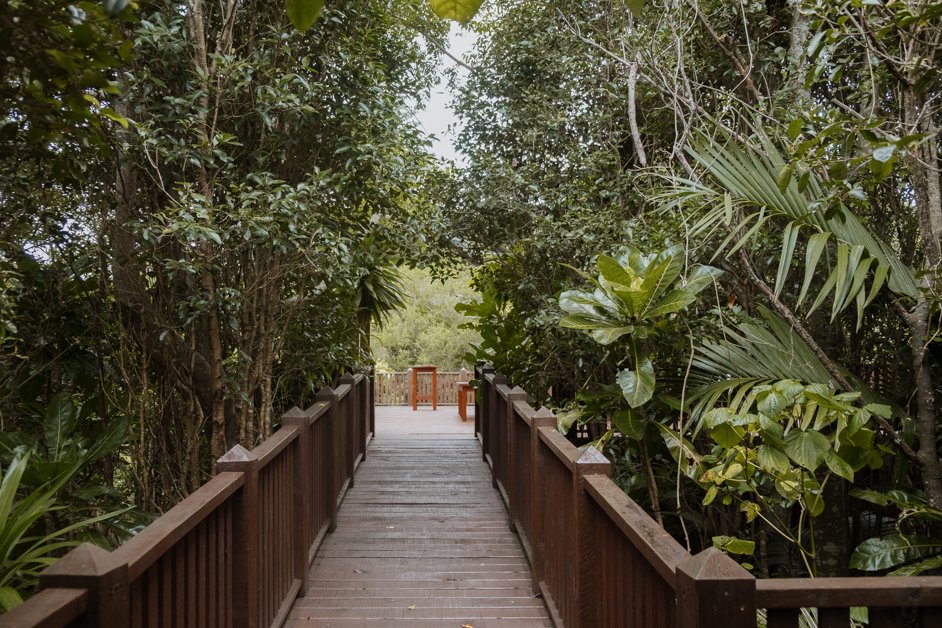
This completely free botanic garden showcases all the best of endemic Norfolk Island plants across nearly 14 acres. Start out with a selfie with the statue of the green parrot, endemic to Norfolk Island, before strolling along one of the many boardwalk routes through the gardens.
The gardens are also home to the world's tallest species of tree fern, the Norfolk fern, which can grow up to 20 metres high!
It was originally started by New Zealander Pat Moore who moved here in 1949 and decided to fill her property with endemic island plants. She handed over management to Norfolk Island when she returned to New Zealand in 1975 and it joined the national park in 1986.
Some of the walks are flat and wheelchair accessible, others have stairs. All are pretty easy. A self-guided map is available at the entrance. Every Monday at 1:30pm, you can join a free half-hour walk led by a ranger through the gardens.
There is also a Discovery Centre where you can learn more about the plants and animals of the island.
→ Check out my route on Strava through the Norfolk Island Botanic Gardens.
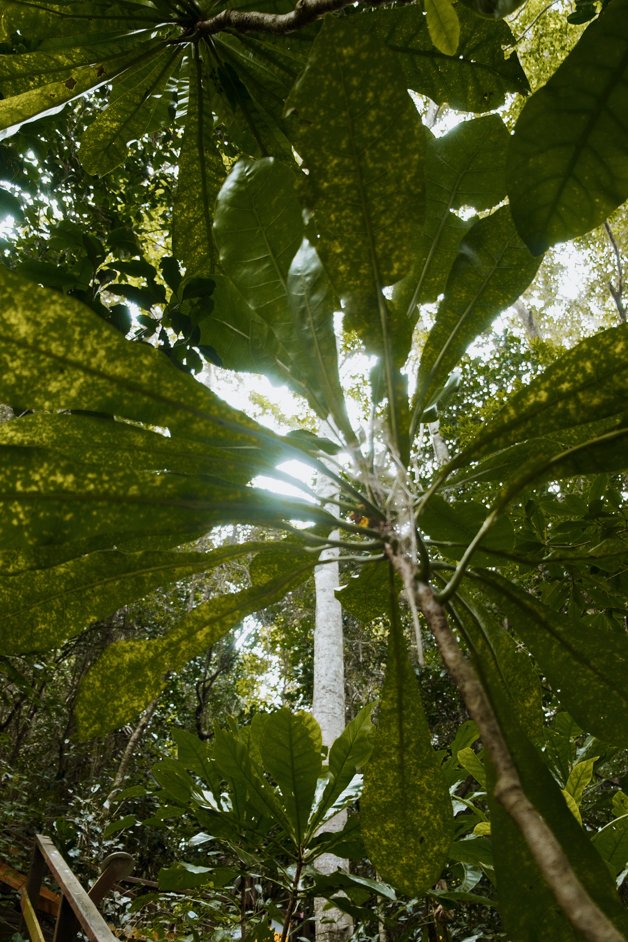
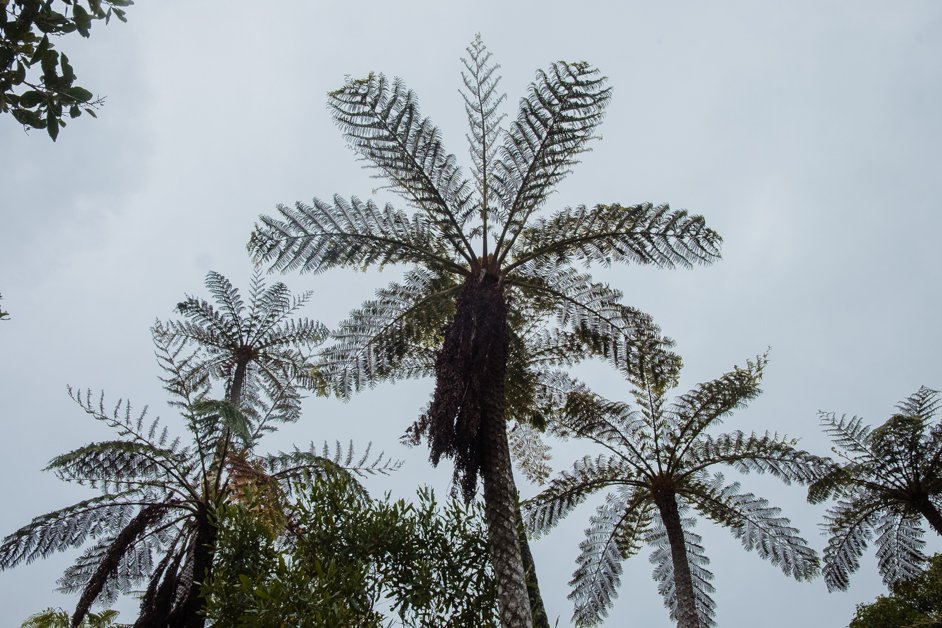
The world's tallest tree ferns, the Norfolk fern
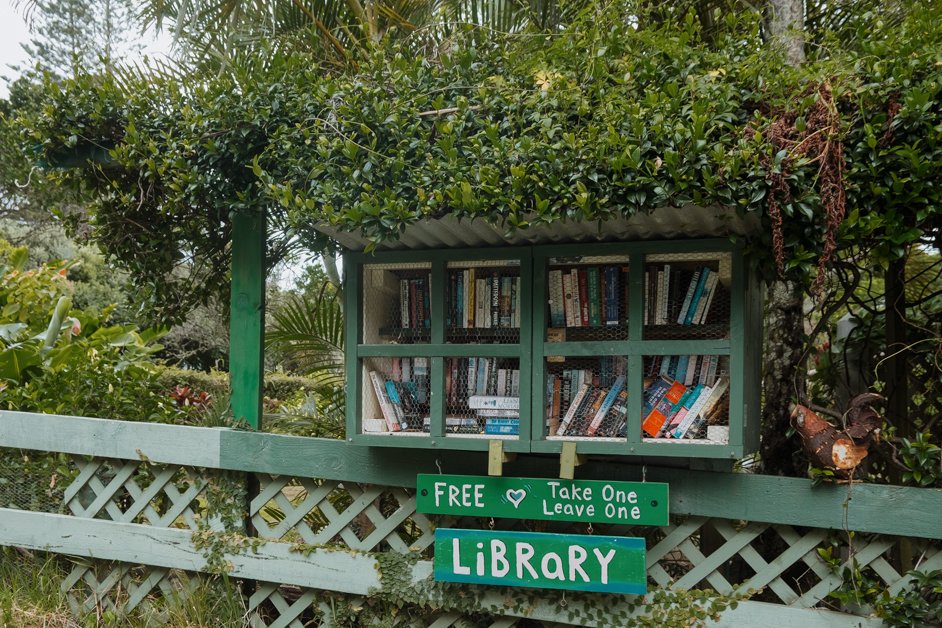
Visit the Little Free Library
For book lovers, this is such a sweet gem on the side of Mission Road. Take a book you find in the library and leave a book you've finished reading for someone else to enjoy.
→ Check out the reel I made about Norfolk Island's Little Free Library!
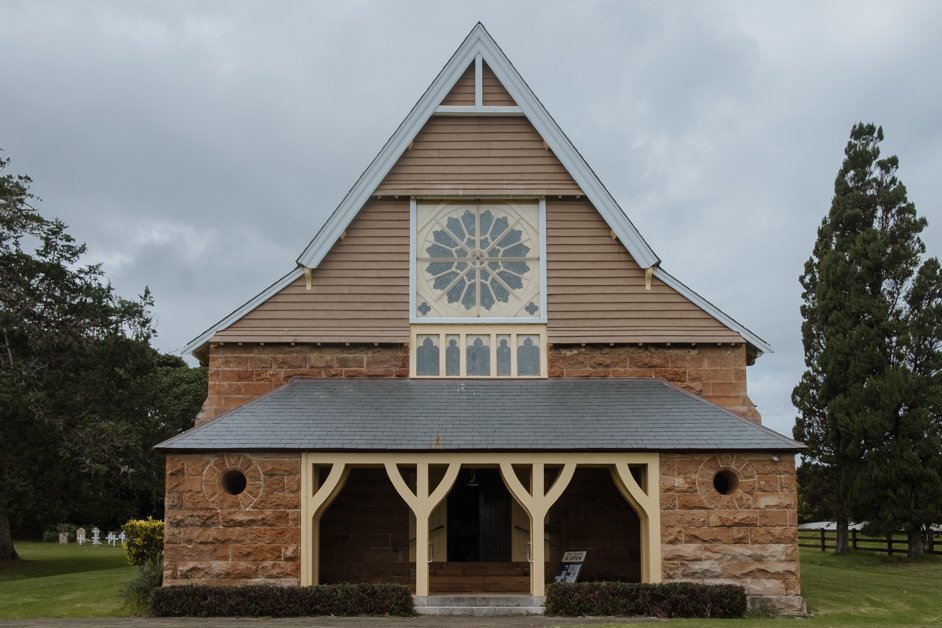
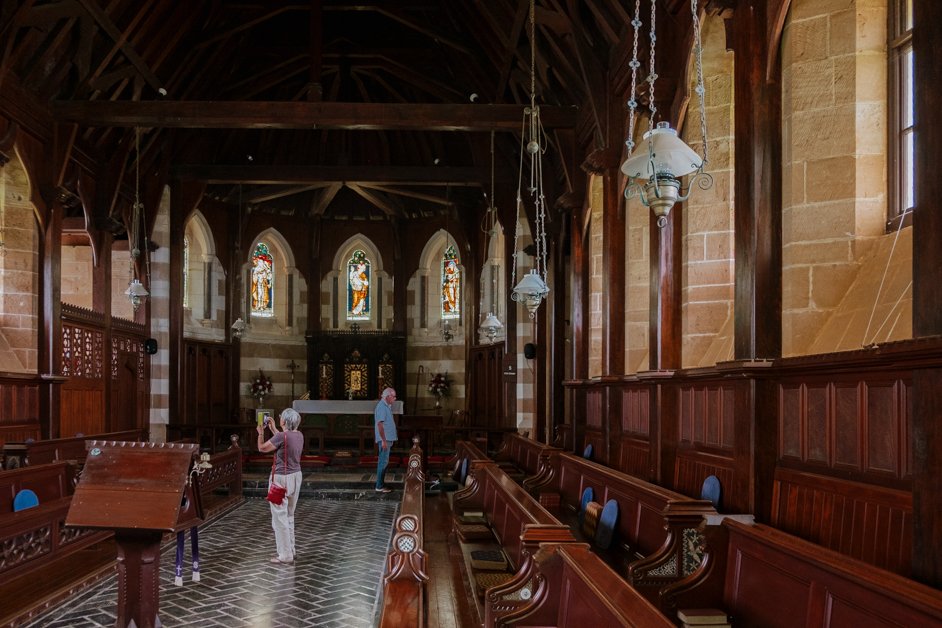
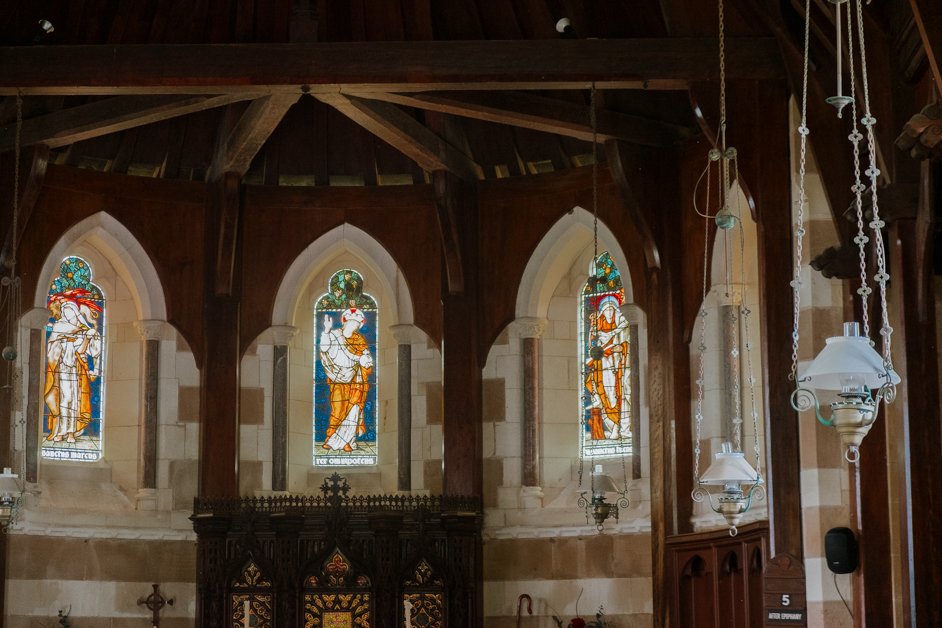
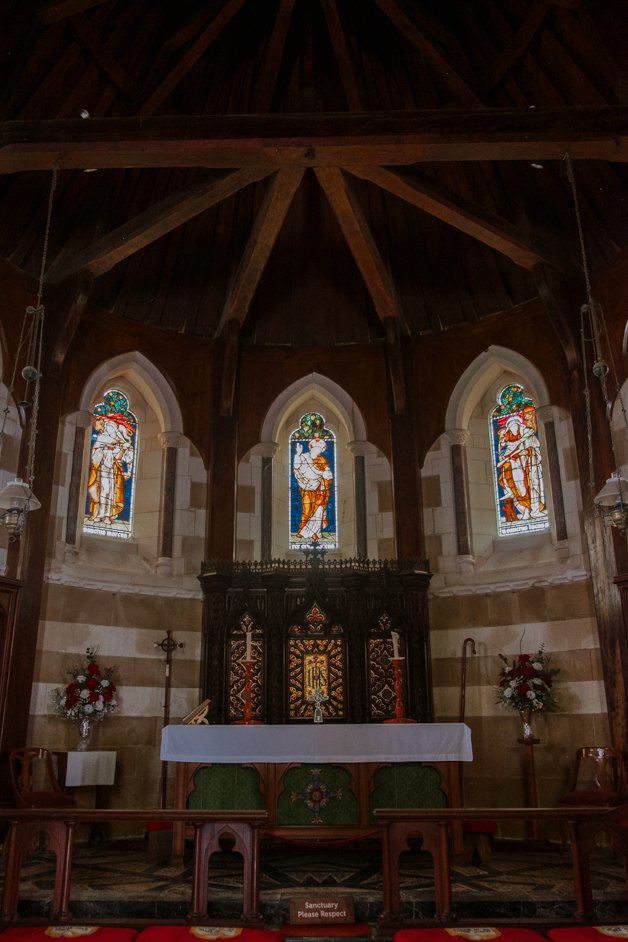
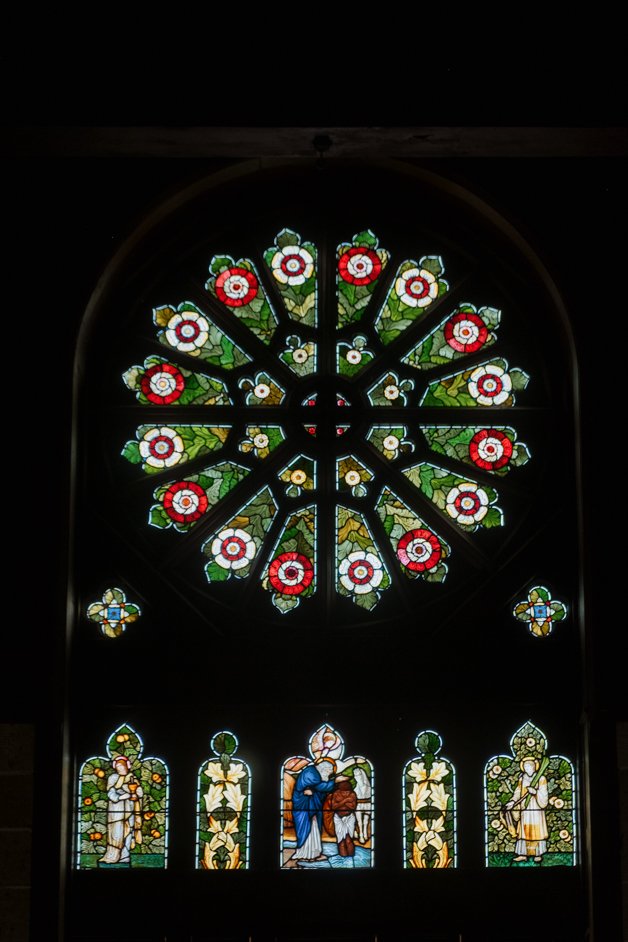
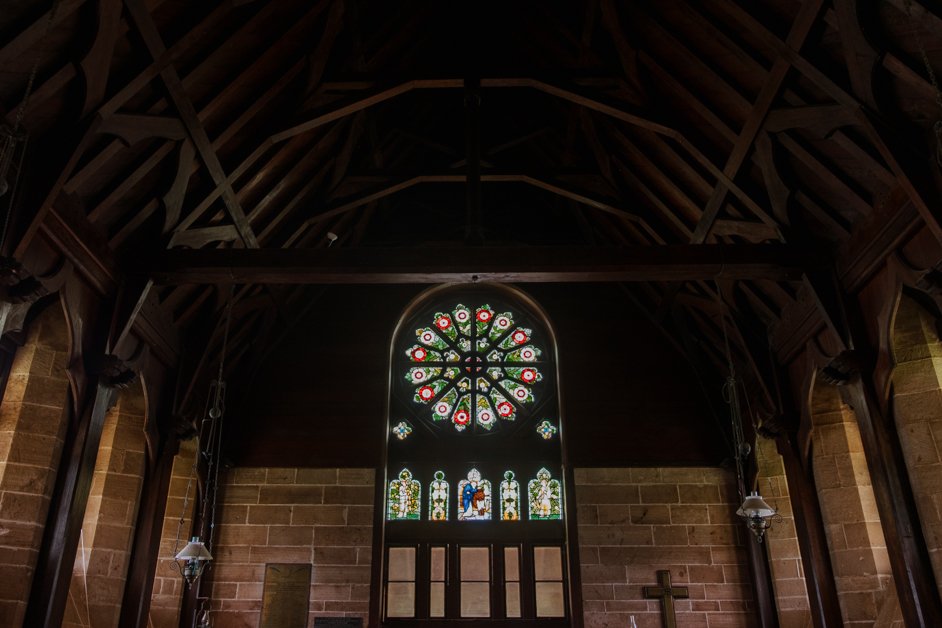
Step inside St Barnabas Chapel
This gorgeous church was built in the 19th century by island missionaries who added amazing details such as mother-of-pearl inlays and stunning stained glass windows. The ceiling is designed to look like a vaulted timber ship.
Visiting the church is completely free and open all the time. Services are held at 9am on Sundays, except the first Sunday of the month, when it's at 5pm plus a singalong!
Something we didn't have time for but would have loved to do is attend the 1.5-hour live organ performance alongside recordings from as far back as 1948. Concerts are held every Monday and Wednesday at 4pm and tickets can be booked at the Visitor's Centre ($55 each, with proceeds going to chapel upkeep).
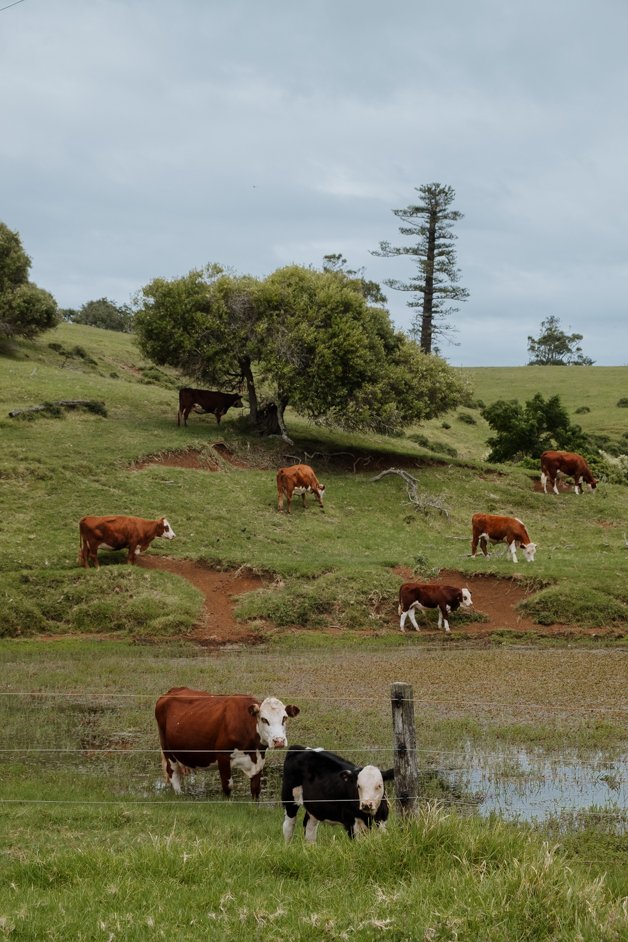
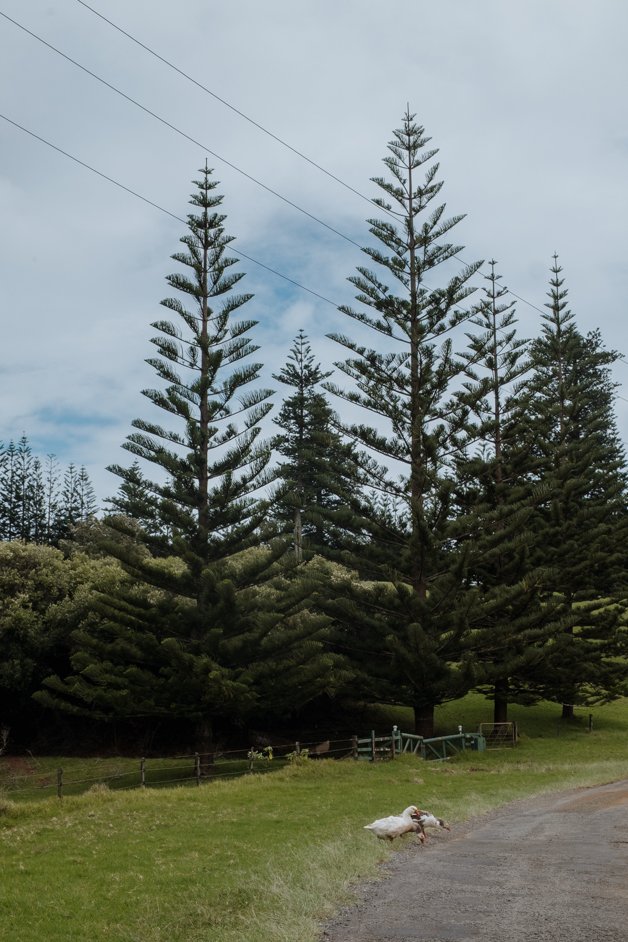
Say hi to the cows and birds
The best and main way to get around Norfolk Island is by car. Just be aware that cows roam freely alongside a variety of birds on the island and are often found walking or sitting on the road so drive safely; they have right of way! We said hi to every cow we saw, obviously.
→ Check out the reel I made about the free-roaming cows of Norfolk Island!
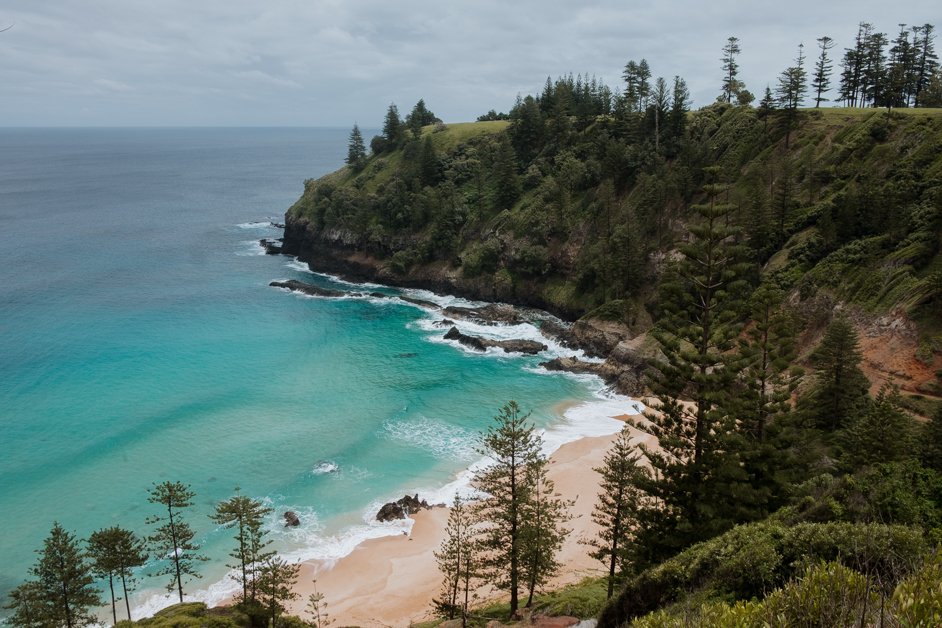
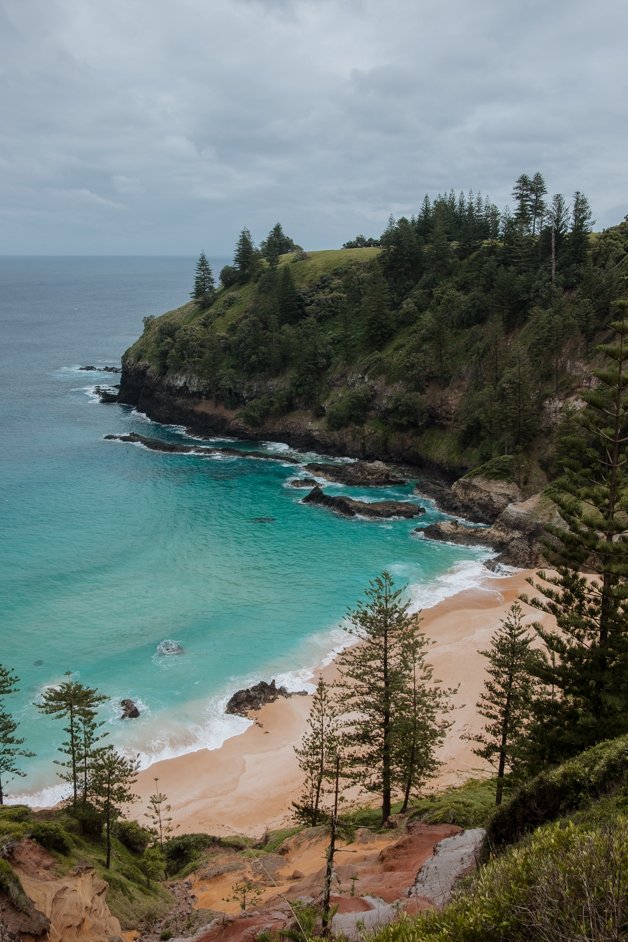
Look down over Anson Bay
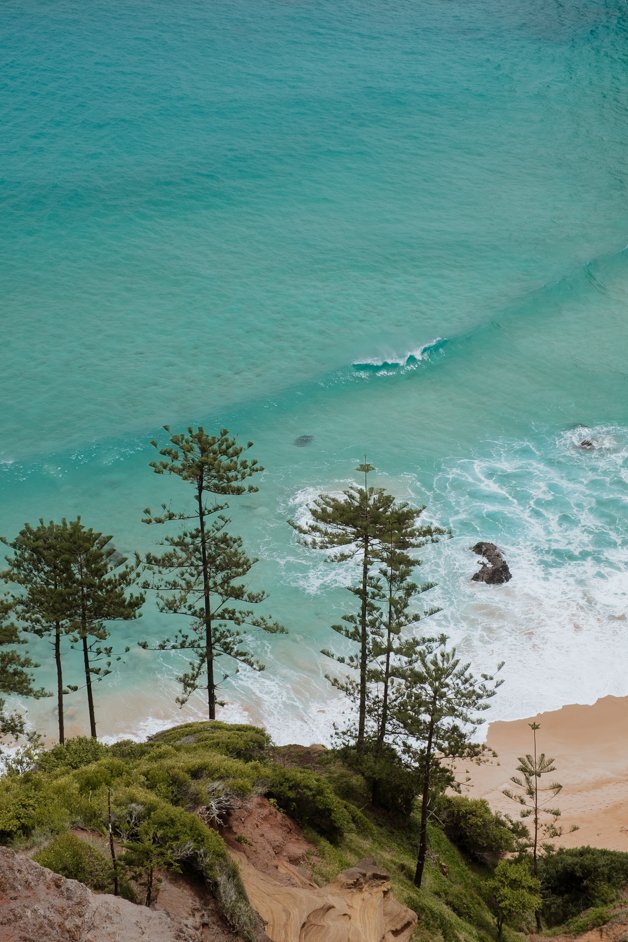
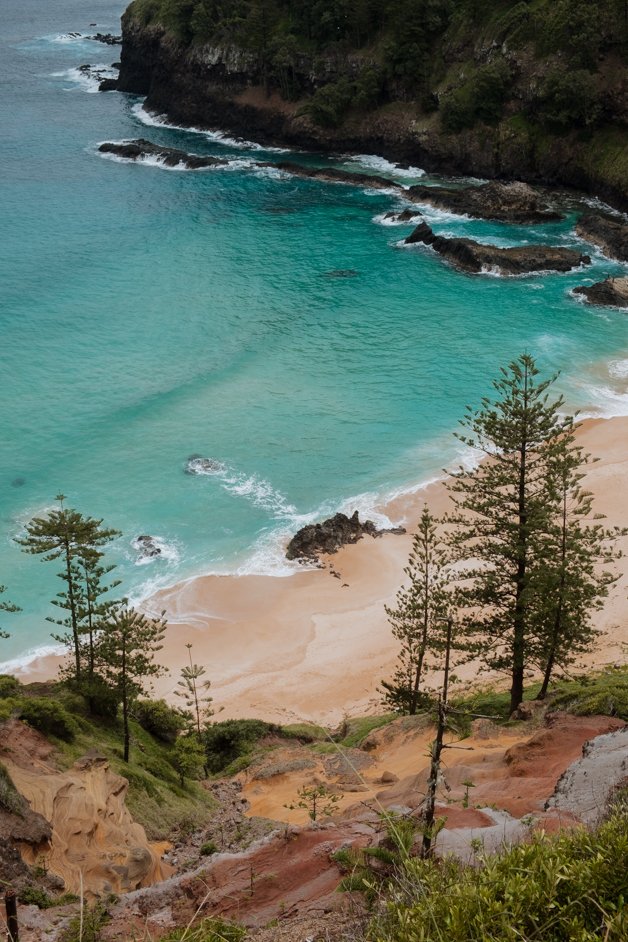
My goodness, if this isn't one of the prettiest beaches I've ever seen. Just off Anson Bay Road, you can park in a cute picnic area and look down over the stunning beach and bay below. Turquoise water, golden sand and plenty of surrounding Norfolk pine make this just a dream scene.
You can also hike down to the beach and bring a picnic to enjoy on the sand! Swimming isn't recommended as the waves can be quite strong here.
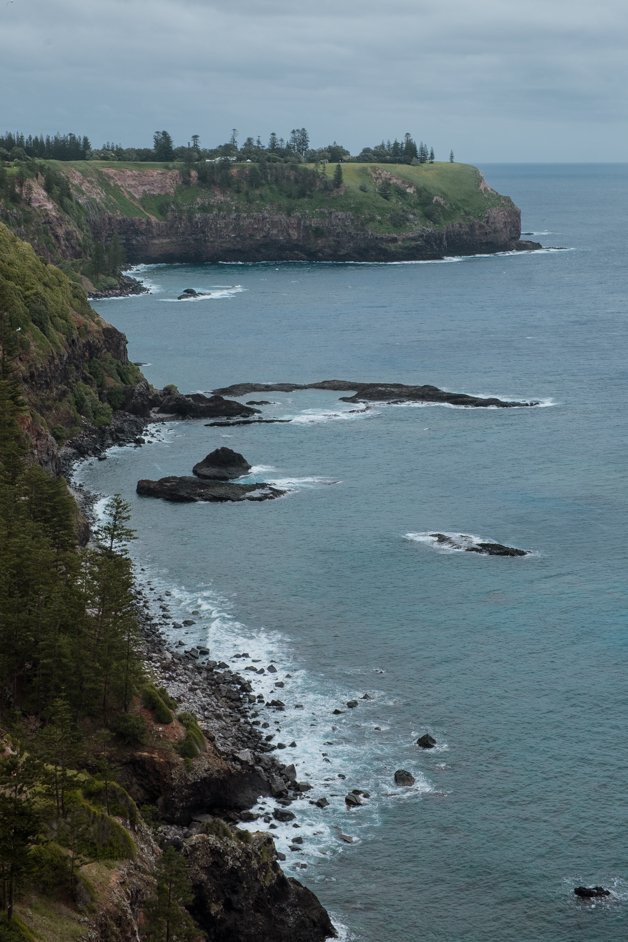
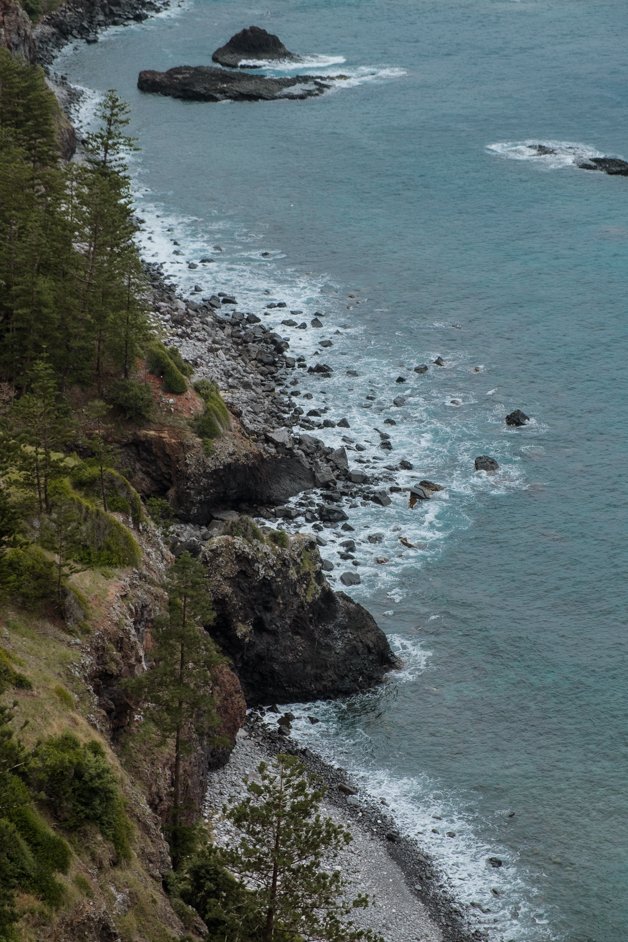
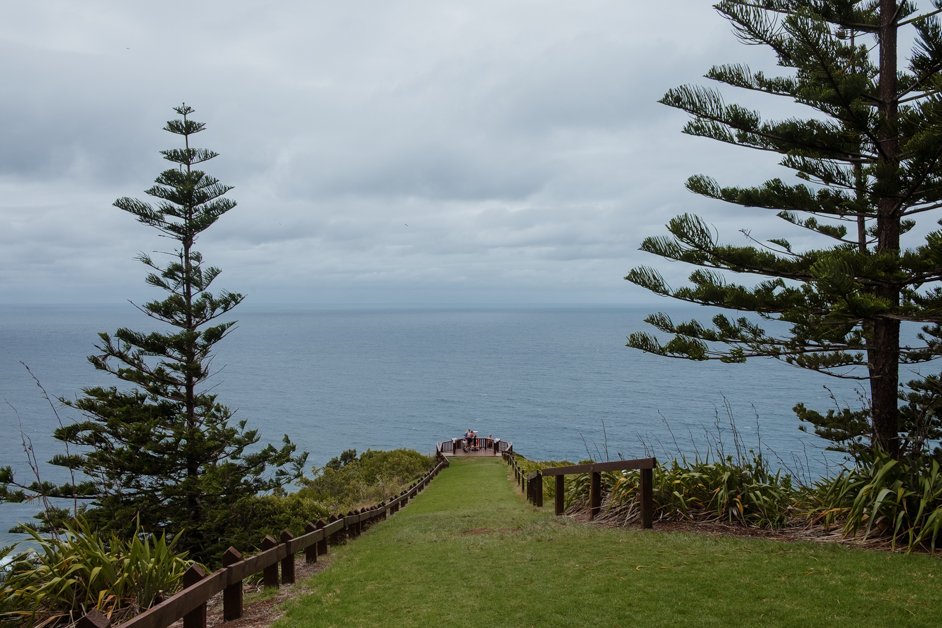
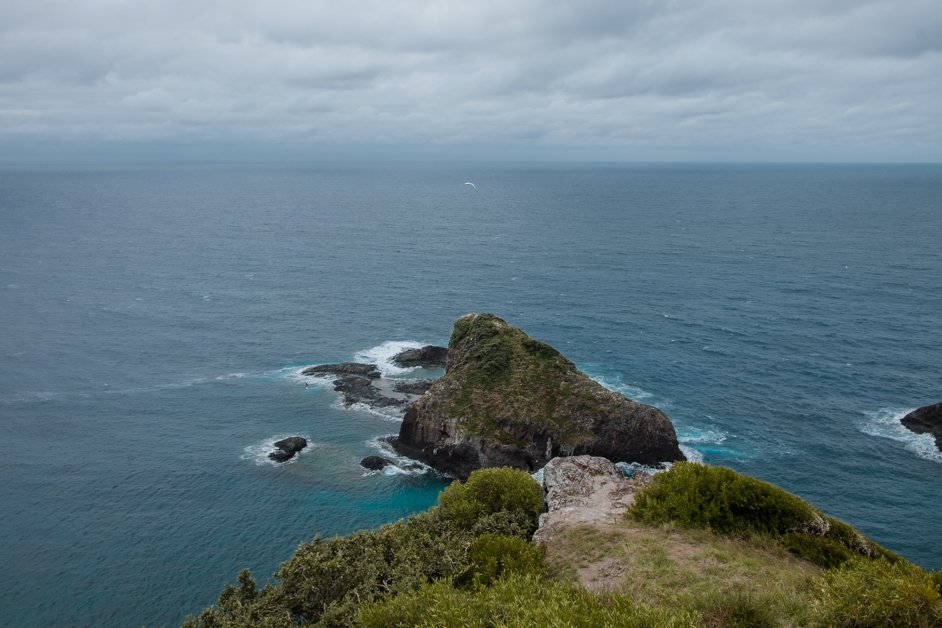
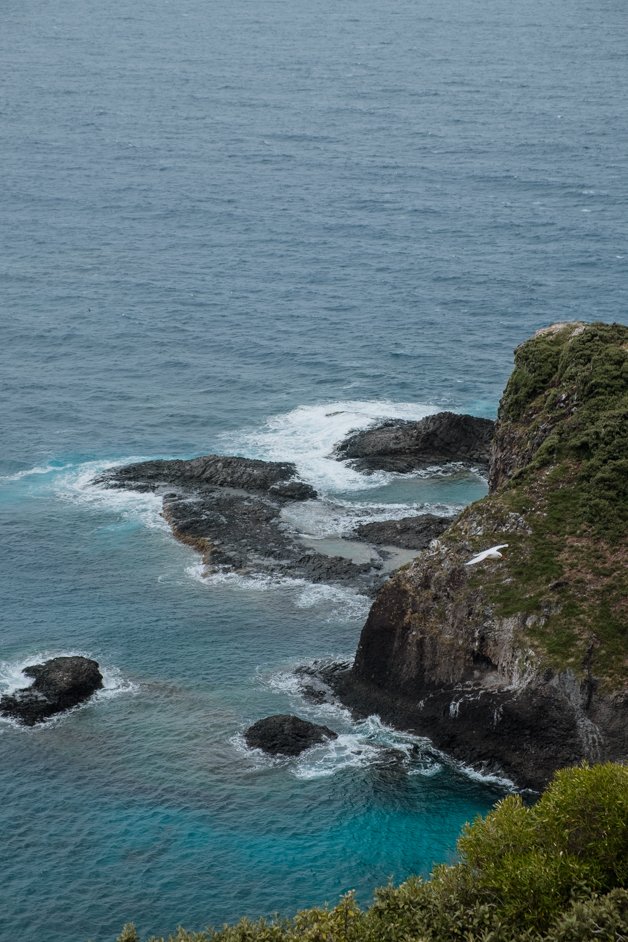
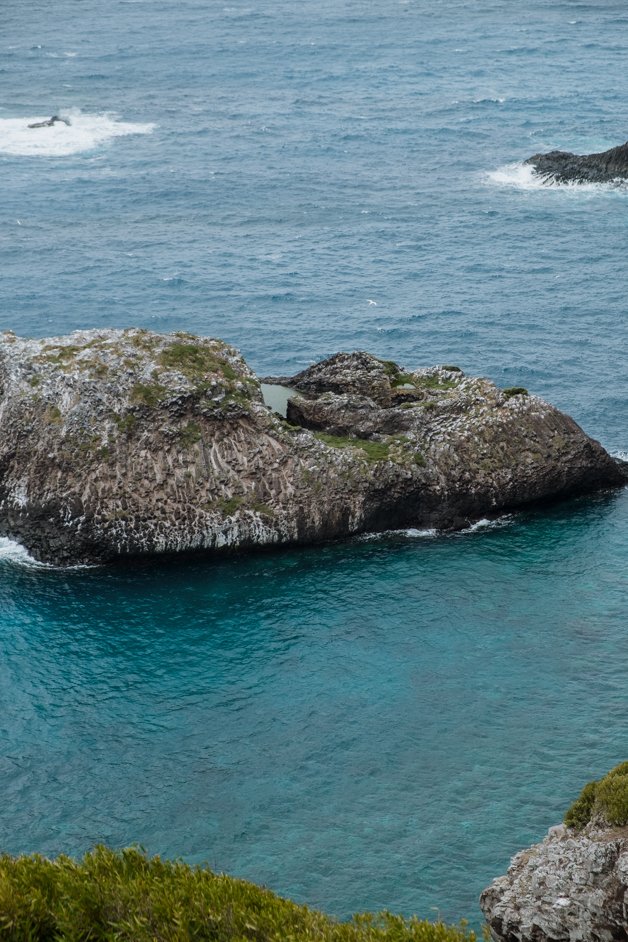
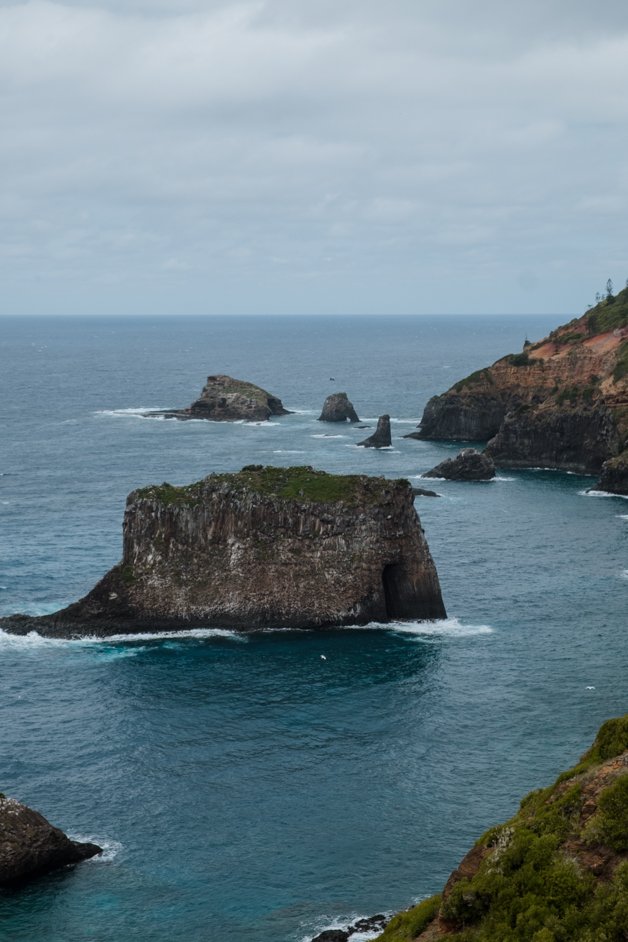
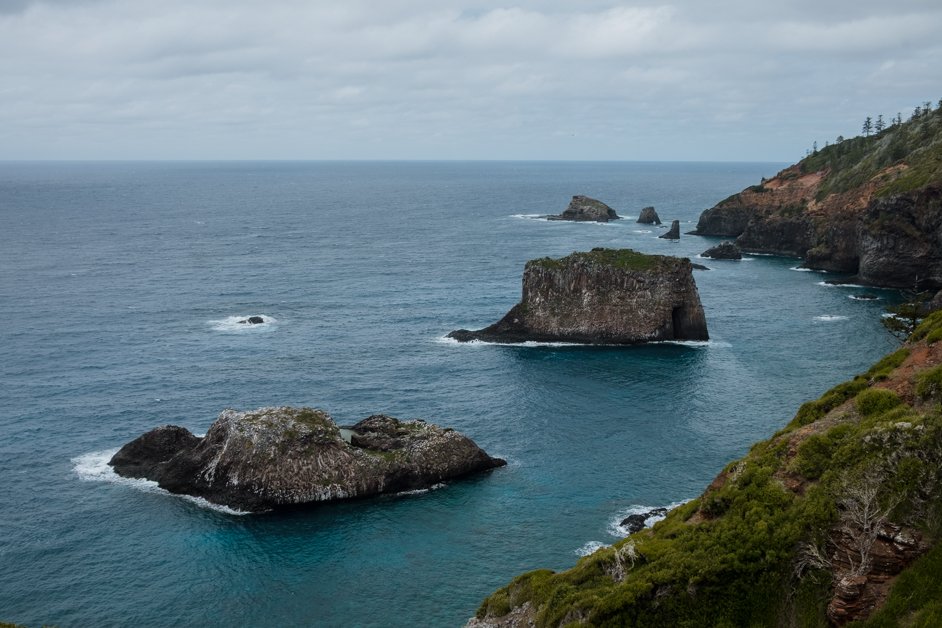
Take in the view from Captain Cook Lookout
We didn't have time to go hiking in Norfolk Island National Park but did manage to visit some viewpoints in the park.
The Captain Cook Lookout is on the northern tip of the park overlooking the ocean. It was here that he first landed in 1774 and where he proclaimed Norfolk Island as "paradise" - he was right!
The lookout is at the start of the Bridle Track and you can spot lots of little rocky crags off the coast here such as Bird Rock, Elephant Rock and Green Pool Stone, all of which are helpfully identified by a map at the lookout.
Go hiking in Hundred Acres Reserve
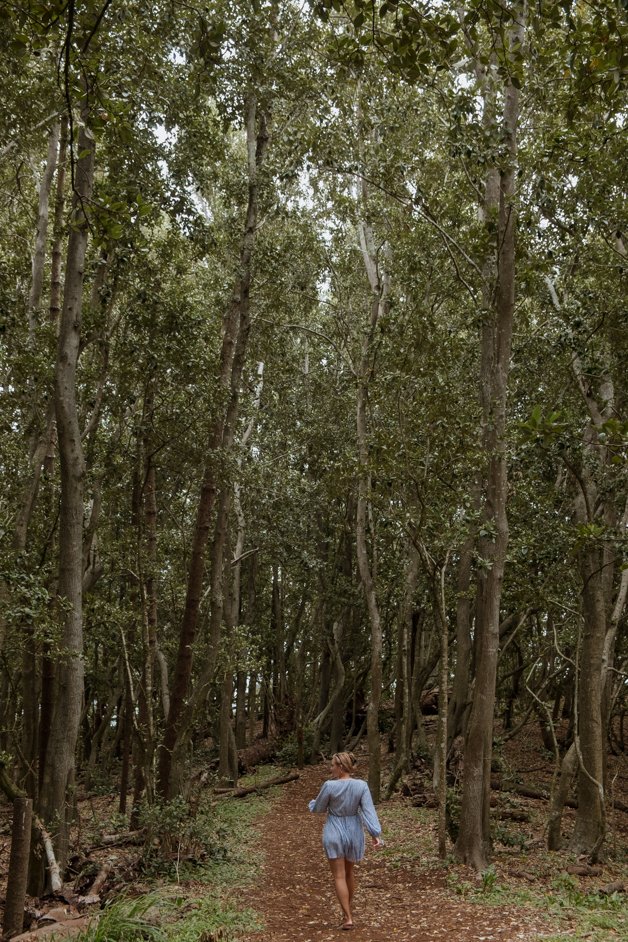
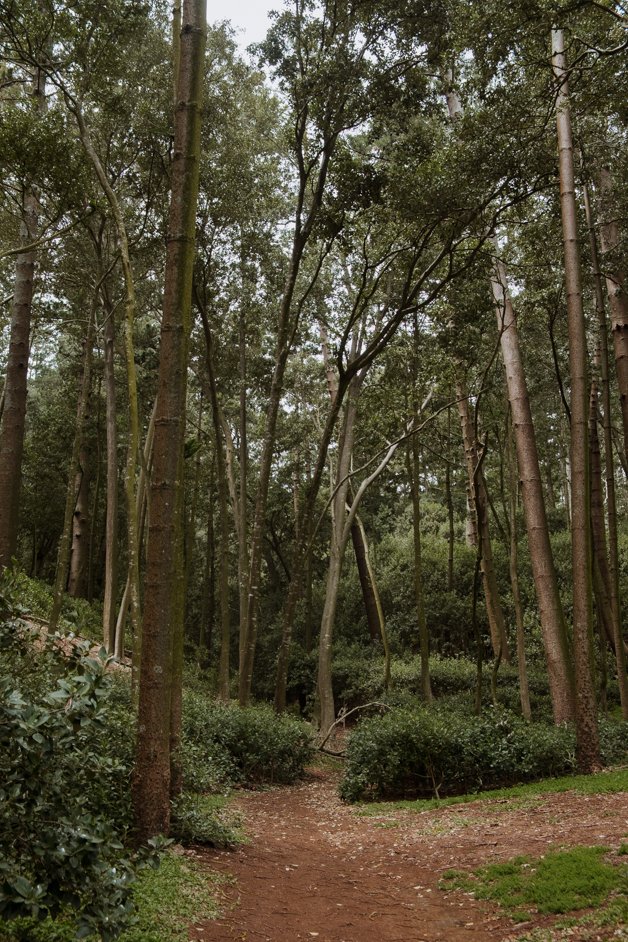
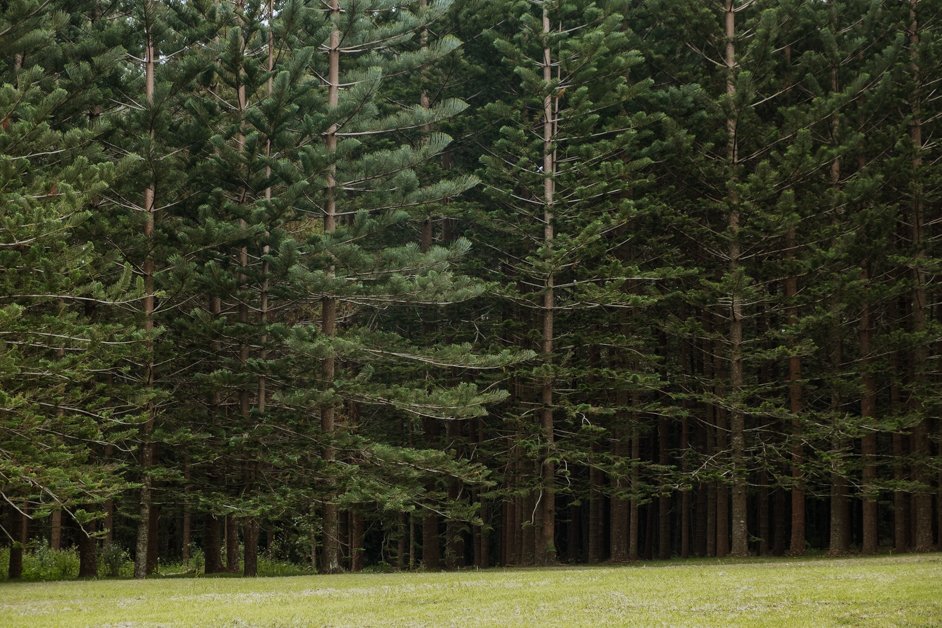
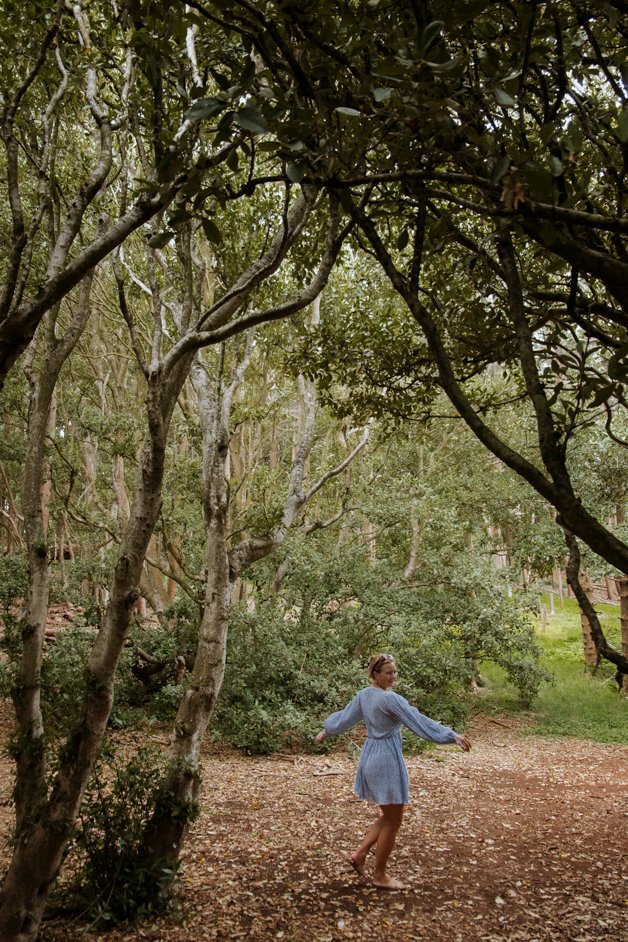
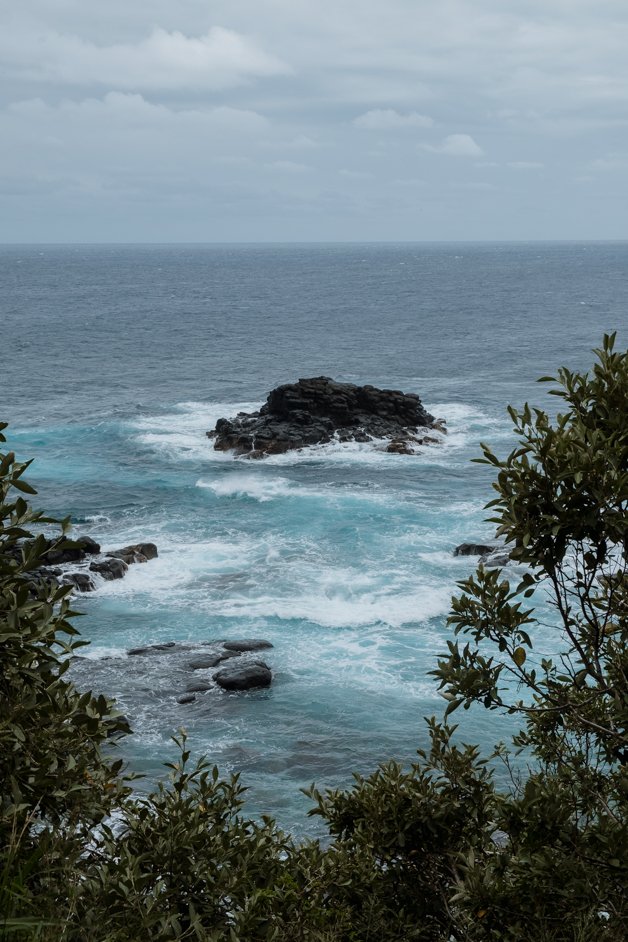
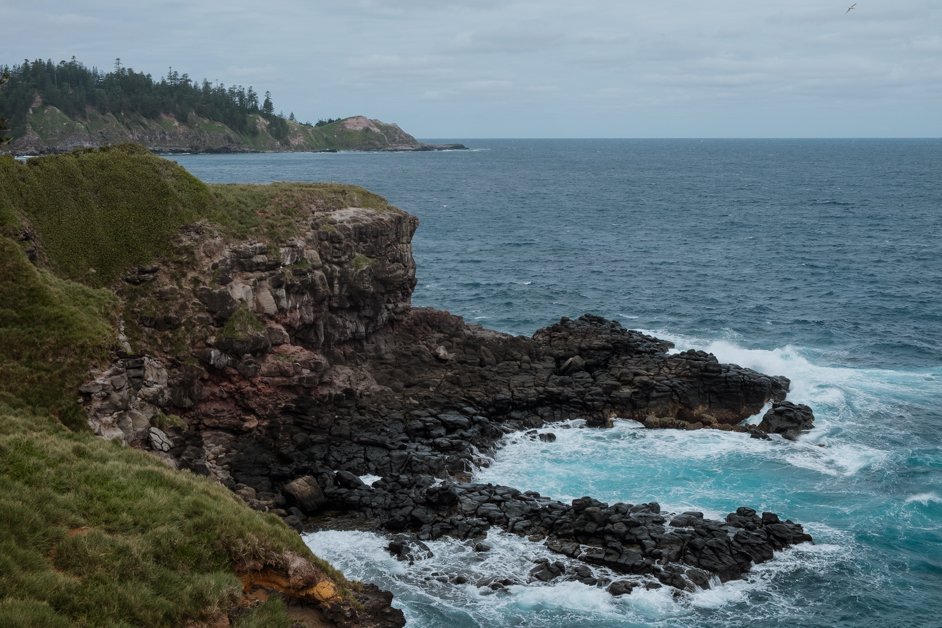
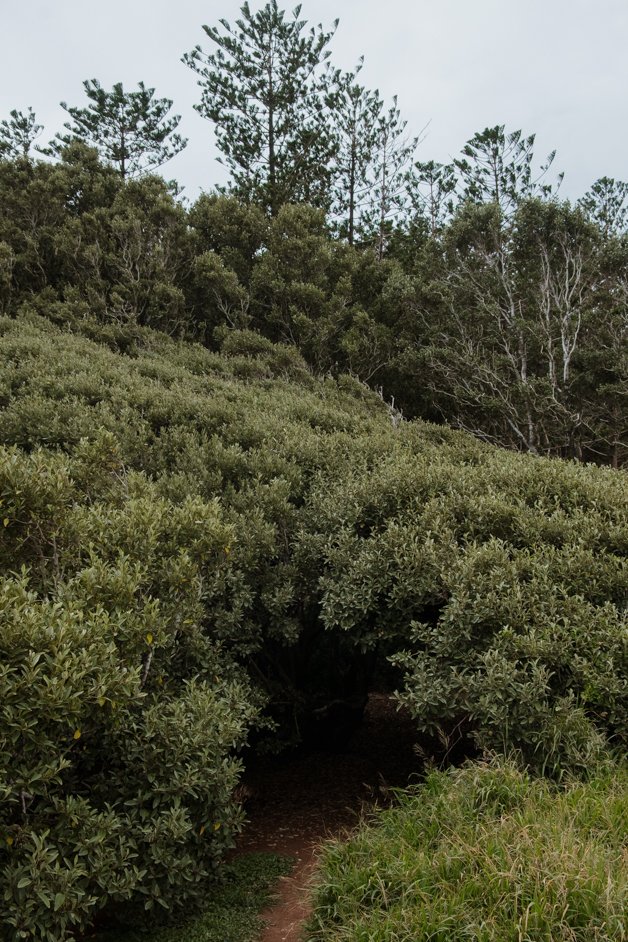
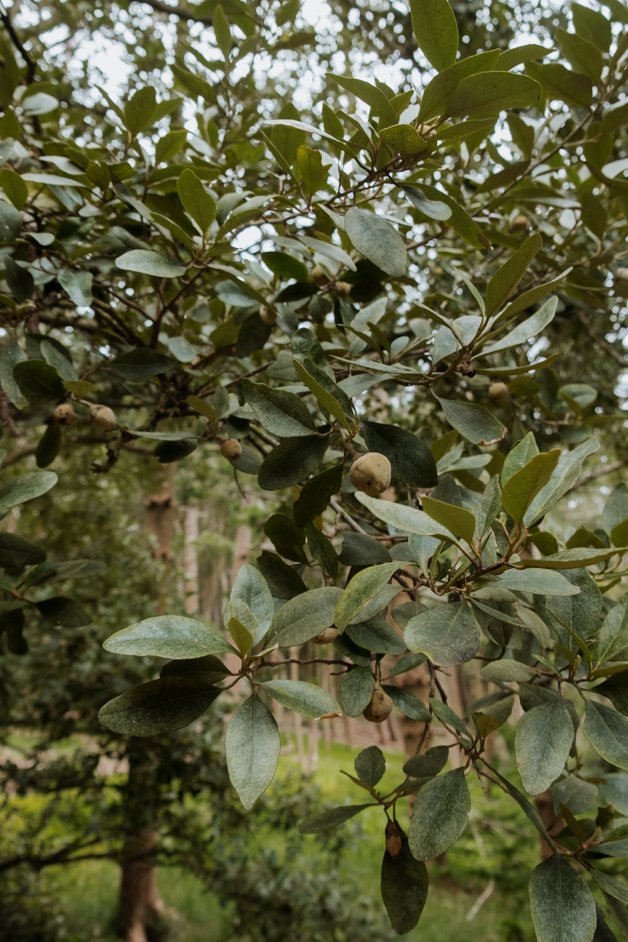
Near the Moreton Bay fig trees on Headstone Road, you'll find Hundred Acres Reserve, a former farm on which convicts worked on. Ironically, it's only about 55 acres big.
You can walk the gorgeous 2.3km loop trail through majestic Norfolk pine as well as white oak and other trees before reaching cliffs with epic ocean views.
Spot the Old Watermill
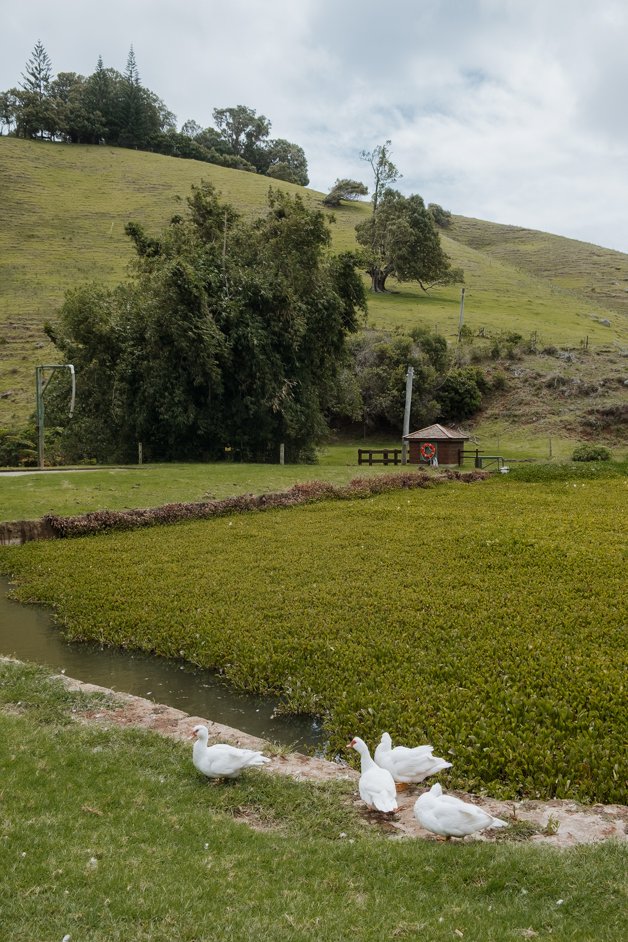
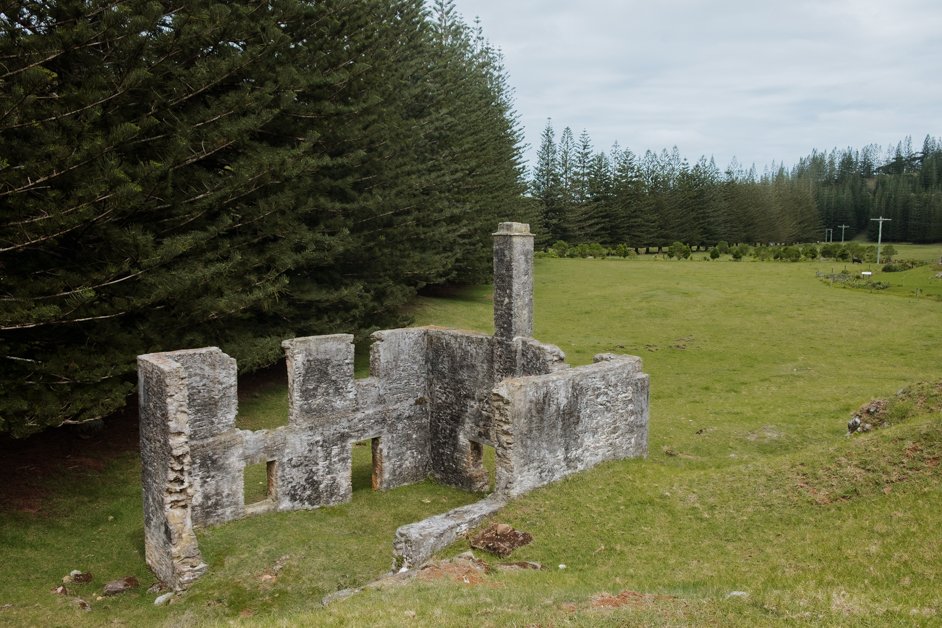
Built likely in the 1820s, the Old Watermill lies in ruins but contributes to the story of the British penal colony. The watermill was used to grind corn, a staple food for convicts.
Make sure to say hi to the many ducks who live in the pond here!
Visit Queen Victoria's Garden
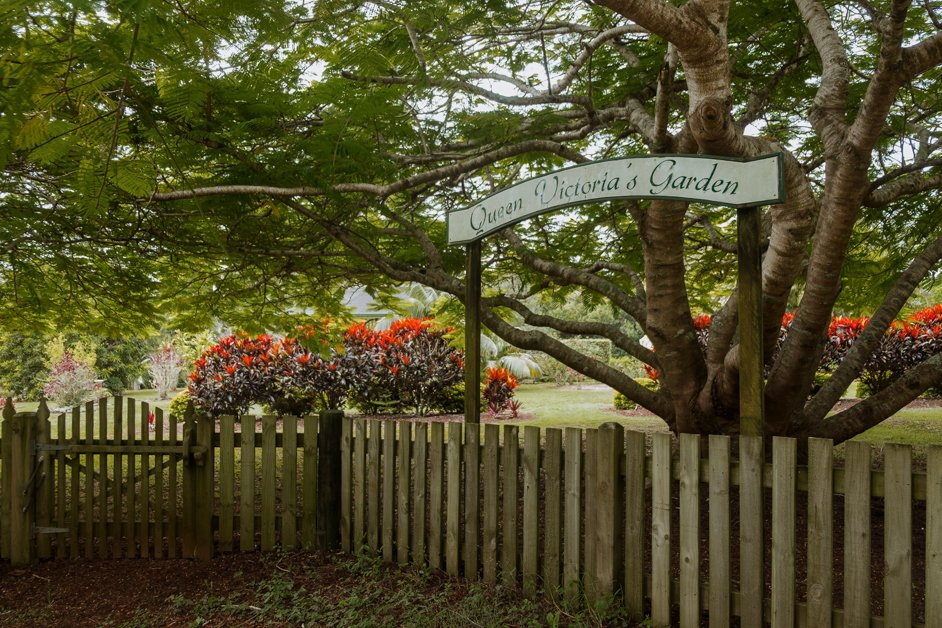
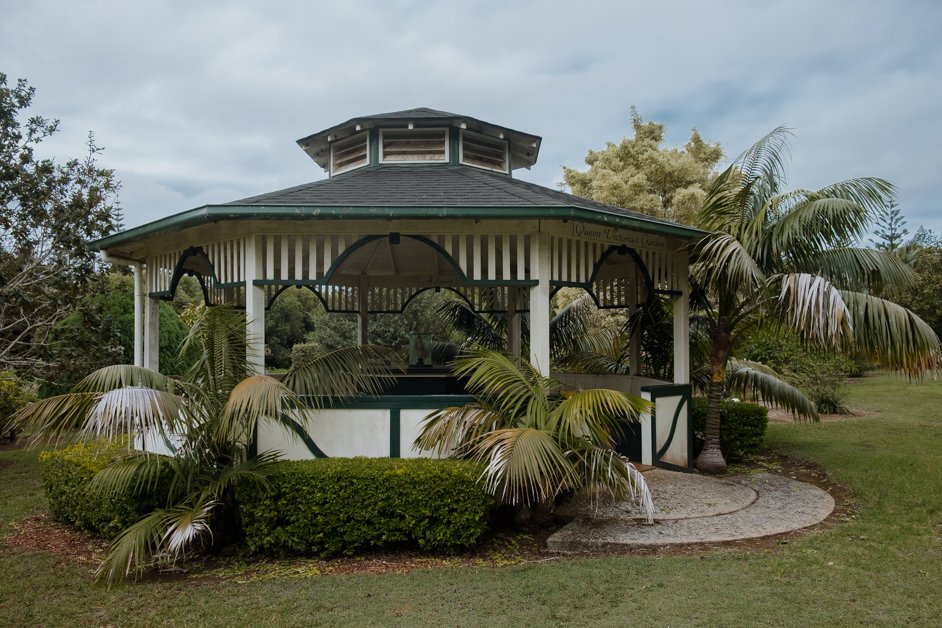
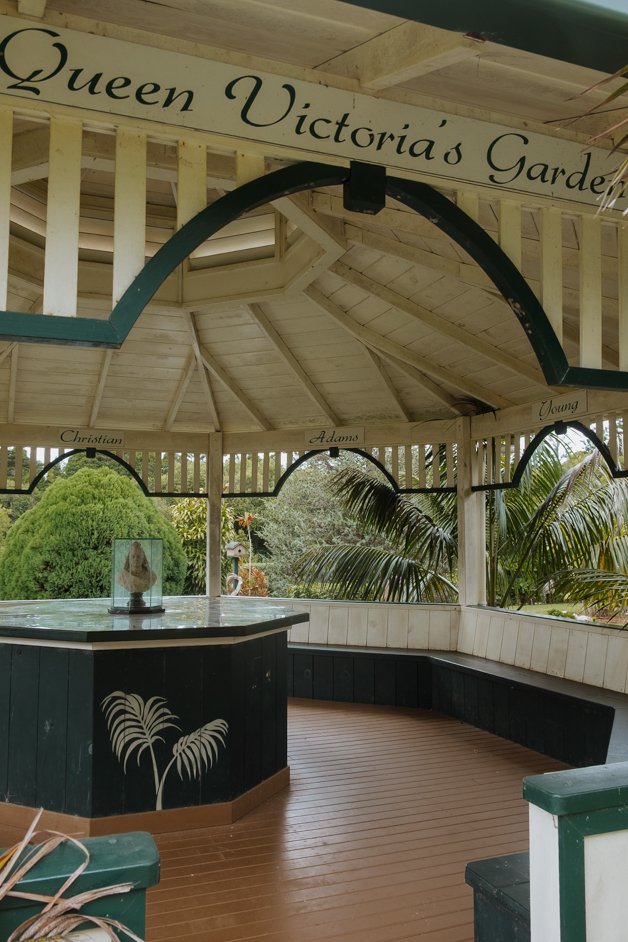
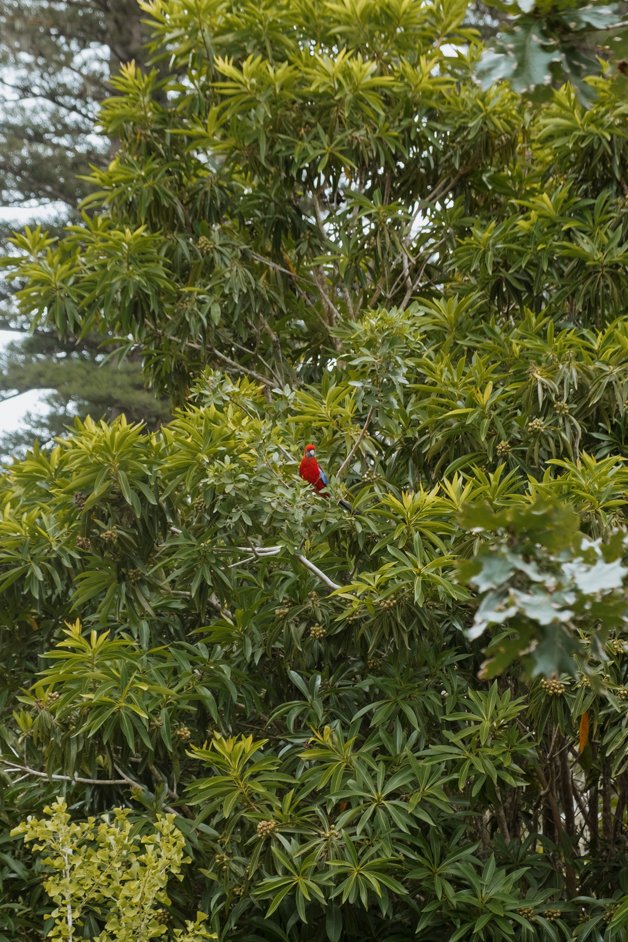
Named after Queen Victoria, these gardens highlight her connection with the island. She granted the Pitcairn Islanders the right to live here in 1855 after they outgrew their former home; they arrived in 1856 and most Norfolk Islanders today have Pitcairn Islander ancestry. There is a rotunda in the heart of the garden telling the complete history while the gardens themselves are full of jacaranda and scarlet flame trees.
Check out Cascade Pier
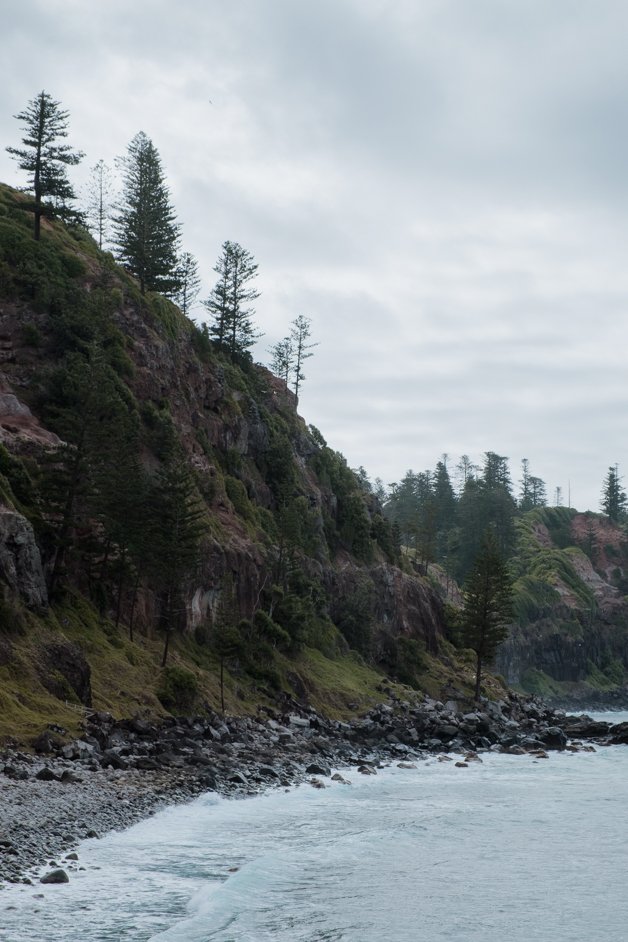
I found Cascade Pier while searching for cool spots to visit on Google Maps. Nothing was going on while we were there but as one of the main landing spots on the islands there can often be comings and goings with the regular supply ship arriving from the mainland or fishing ships returning.
We enjoyed the dramatic cliff scenery while standing on the pier looking out over the ocean.
Learn the history of No 10 Quality Row House
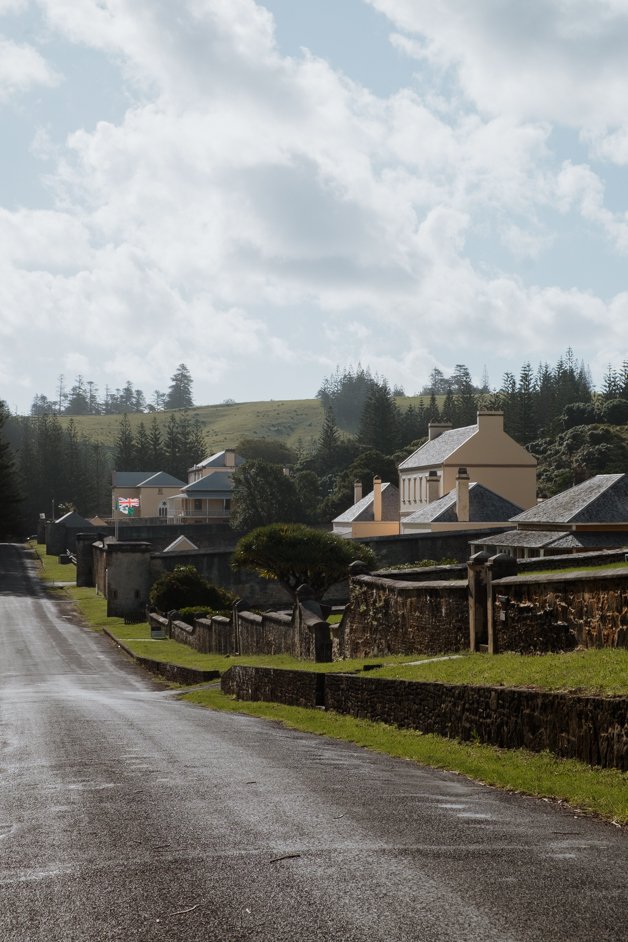
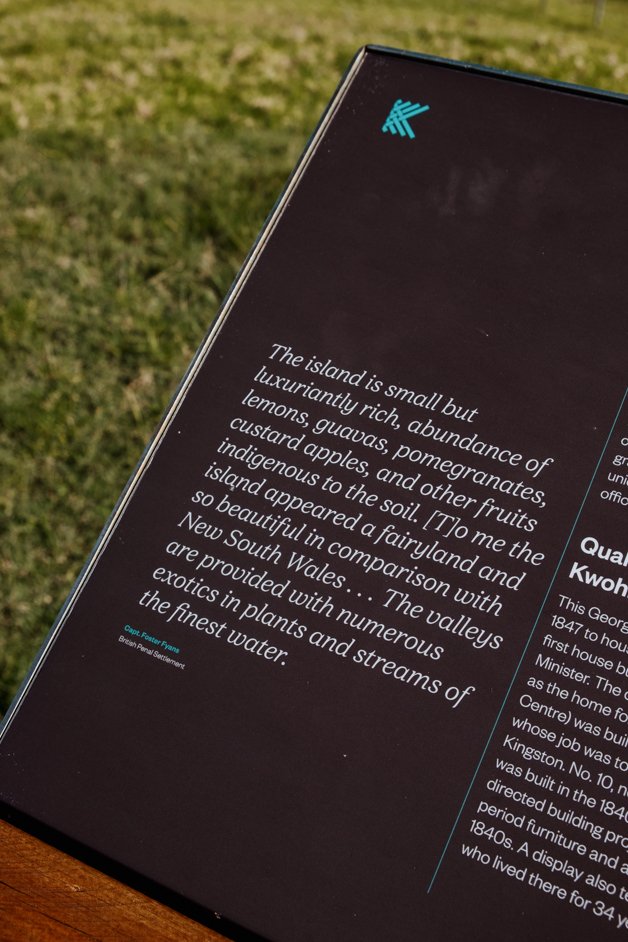
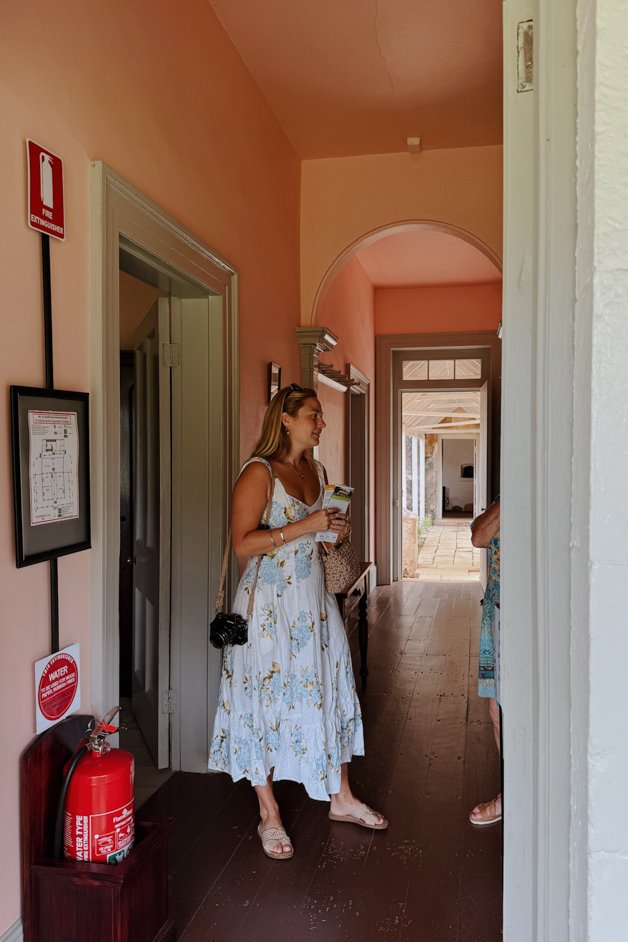
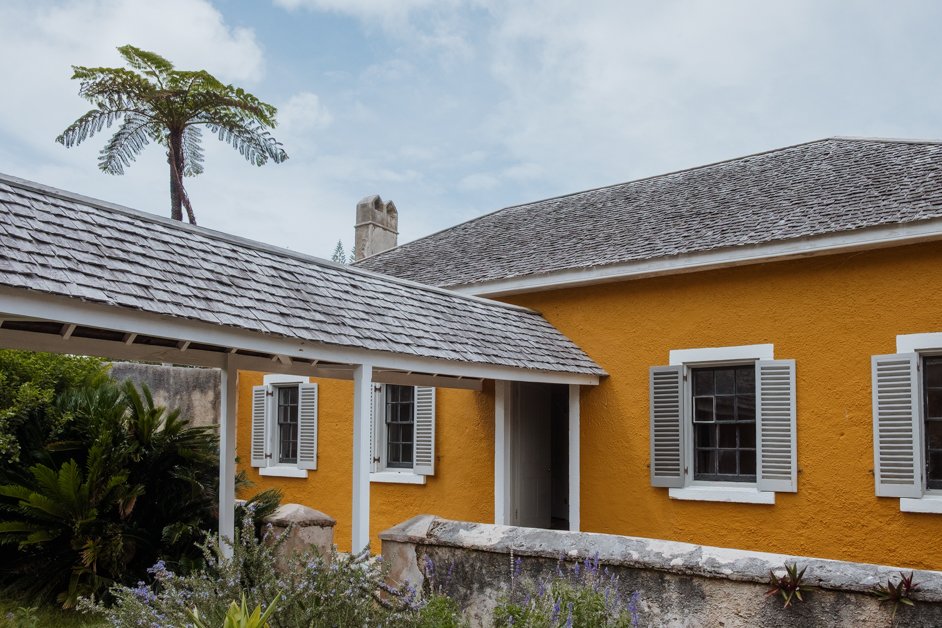
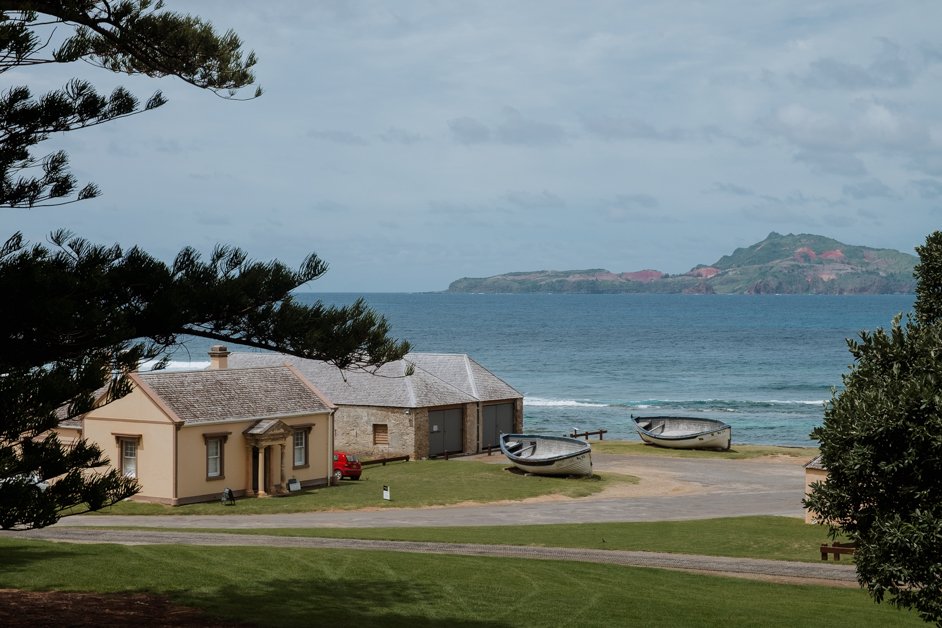
Within the Kingston UNESCO area, No 10 Quality Row is a restored Georgian home of a former senior officer from when Norfolk Island was a British penal colony - one of the harshest in the empire. The prisoners lived in horrible conditions but the officers got these nice houses; Thomas Seller, the local building works foreman, and his family (with 15 children!) lived in this one.
You can wander through each of the rooms, lovingly restored back to the way it would have been in the 1840s. There are multiple fascinating objects and lots of key details. Make sure to chat with the volunteers on site, they had so much to share.
It's $20 per person to visit, payable with cash or card on site, and they're open daily 11am-3pm except Sundays.
Walk along Quality Row
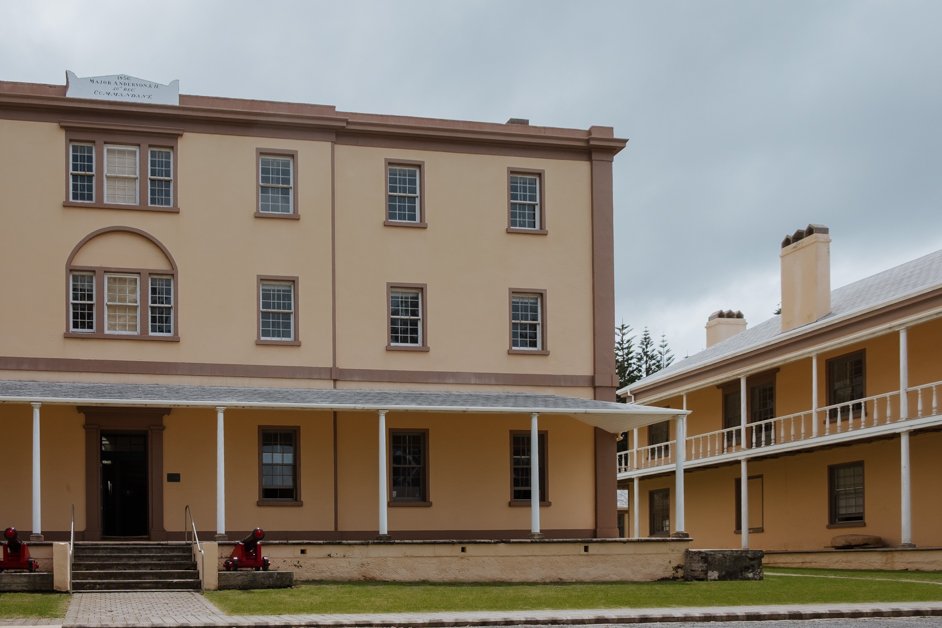
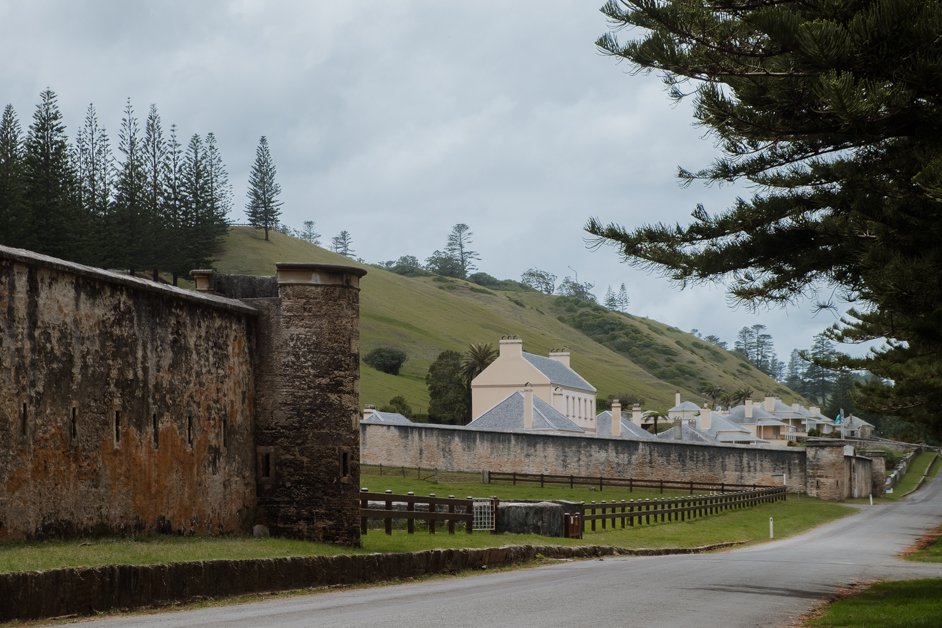
After visiting No 10, make sure to walk the rest of the way along Quality Row, checking out the other historic buildings of the area. From the penal era, the buildings were built in Georgian style by the convicts between 1829 and 1847, mostly as residences for the officers.
After the penal colony closed, Pitcairn Islander settlers moved into the houses after their arrival in 1856.
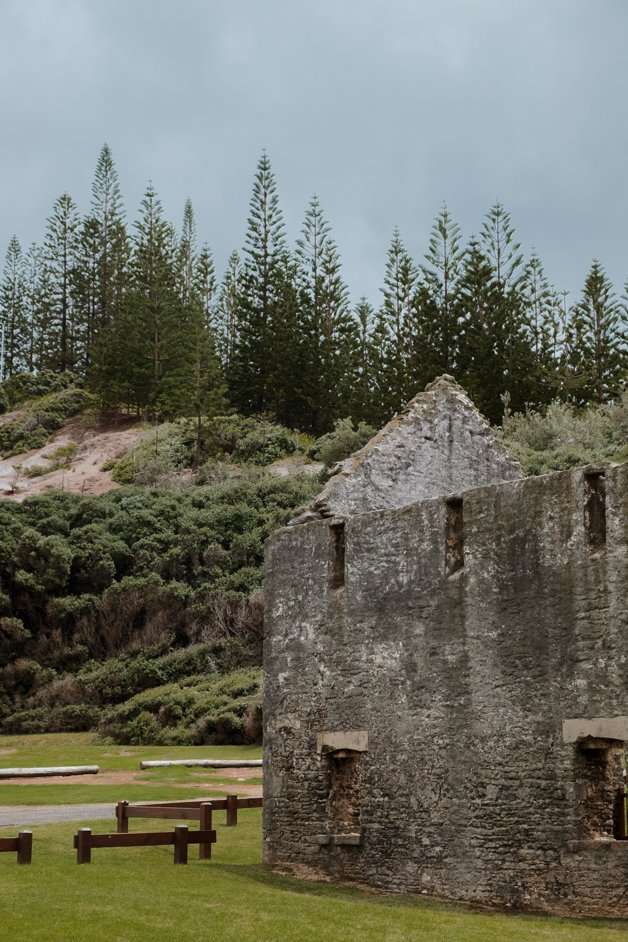
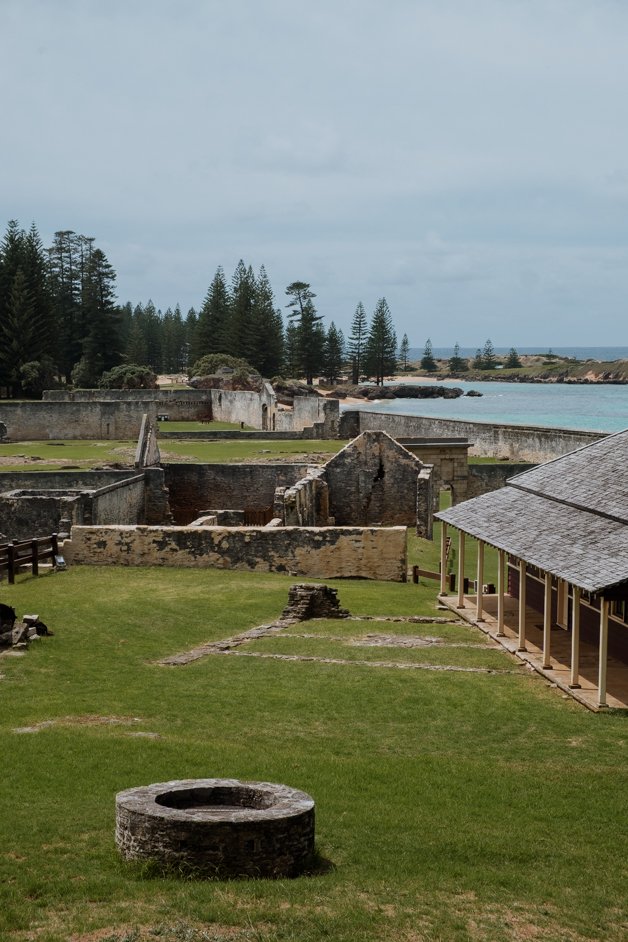
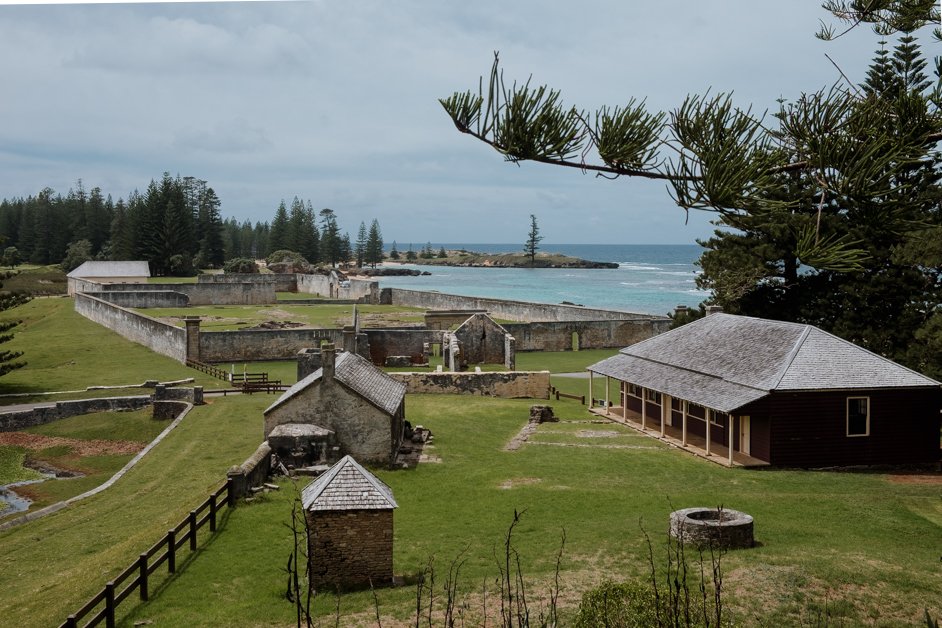
Learn the dark history of Kingston's Convict Prison
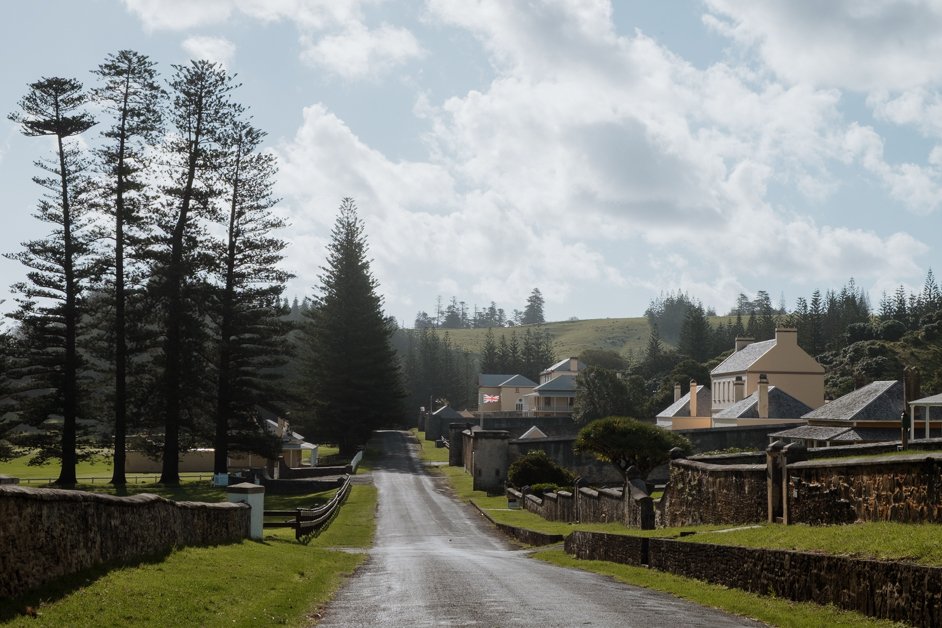
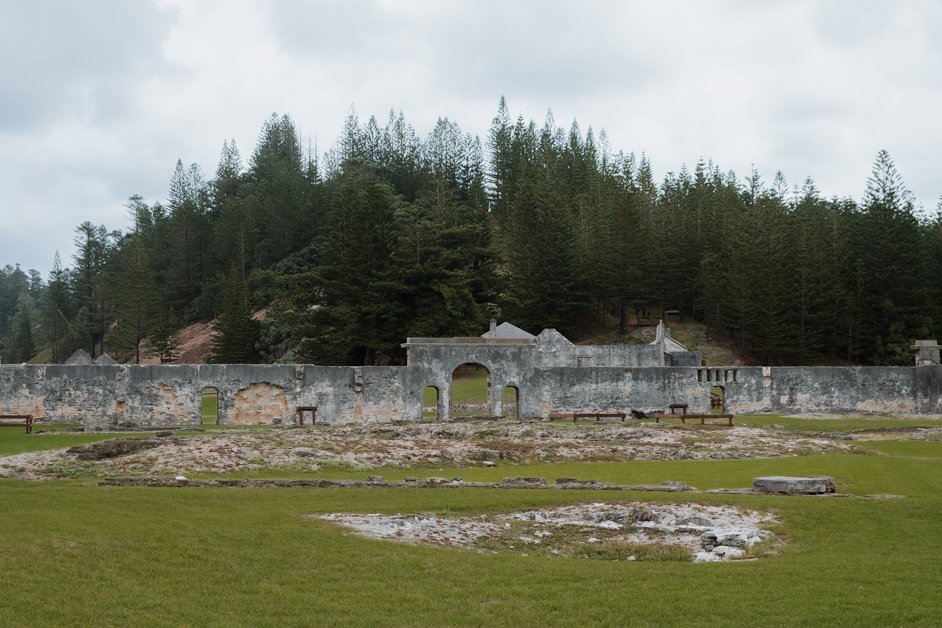
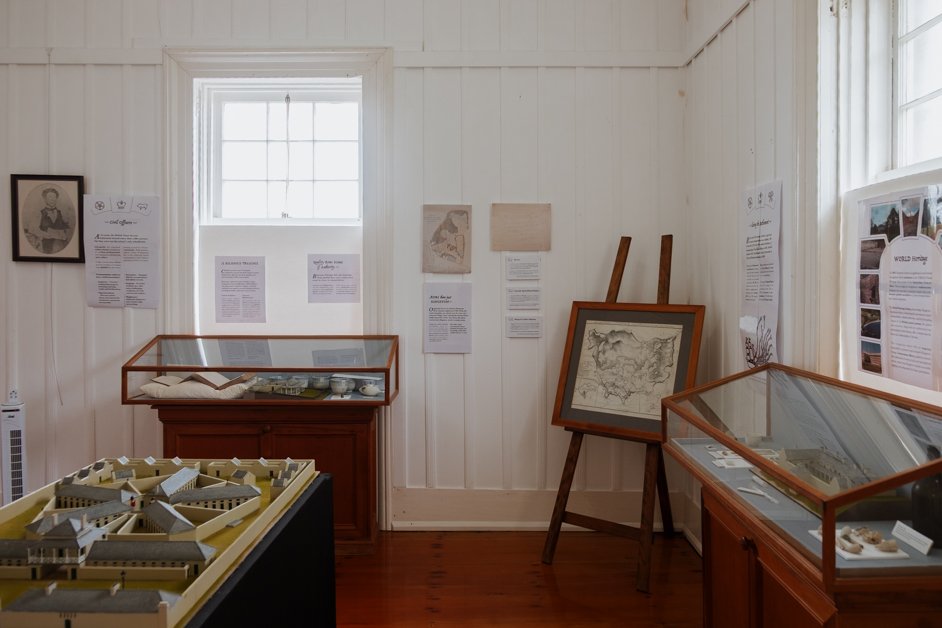
One of the most important parts of Norfolk Island's history is the former British penal colony in Kingston, today a UNESCO World Heritage Site. In the 1800s, Norfolk Island was home to one of the harshest penal colonies of the British Empire where the torture and imprisonment was horribly cruel.
You can wander the many buildings of the former site including military buildings, government buildings, gaols and the former hospital.
Guided tours are available, booked through the Visitor Centre. There is also a great video documentary all about the site's history playing at the former Royal Engineers Office, now housing the museum shop.
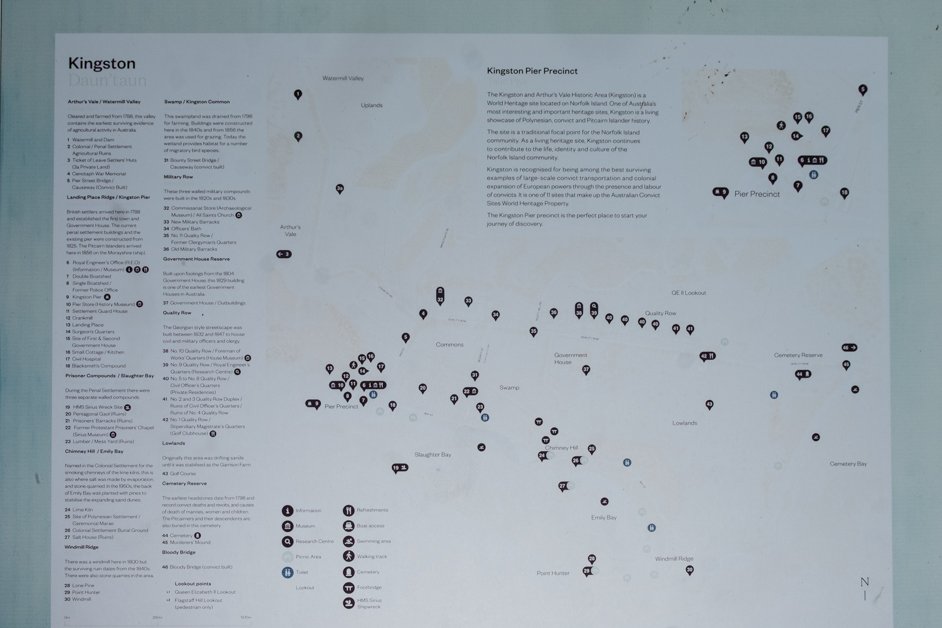
Map of Kingston Convict Prison Site
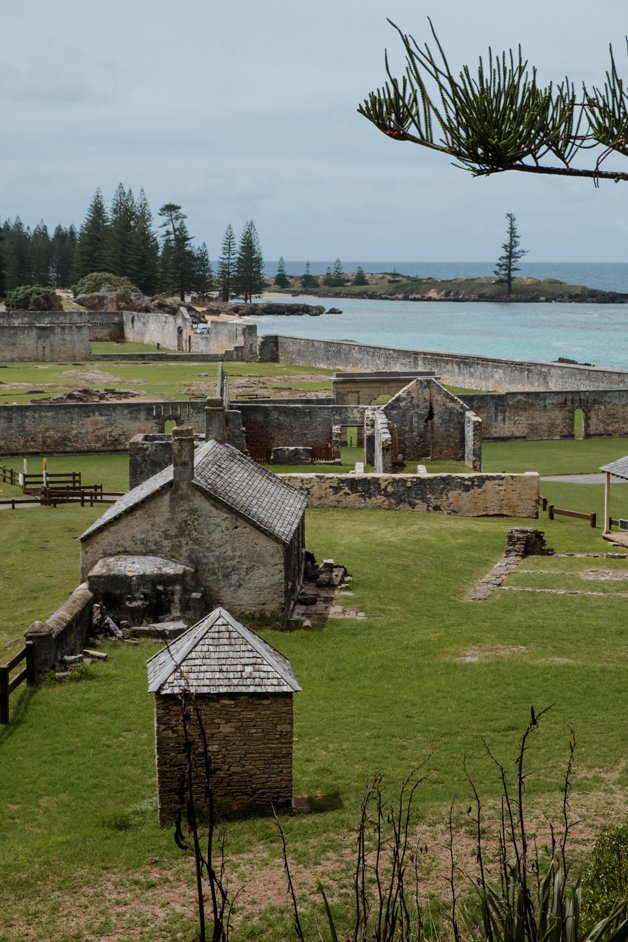
Take in the view from Mount Pitt
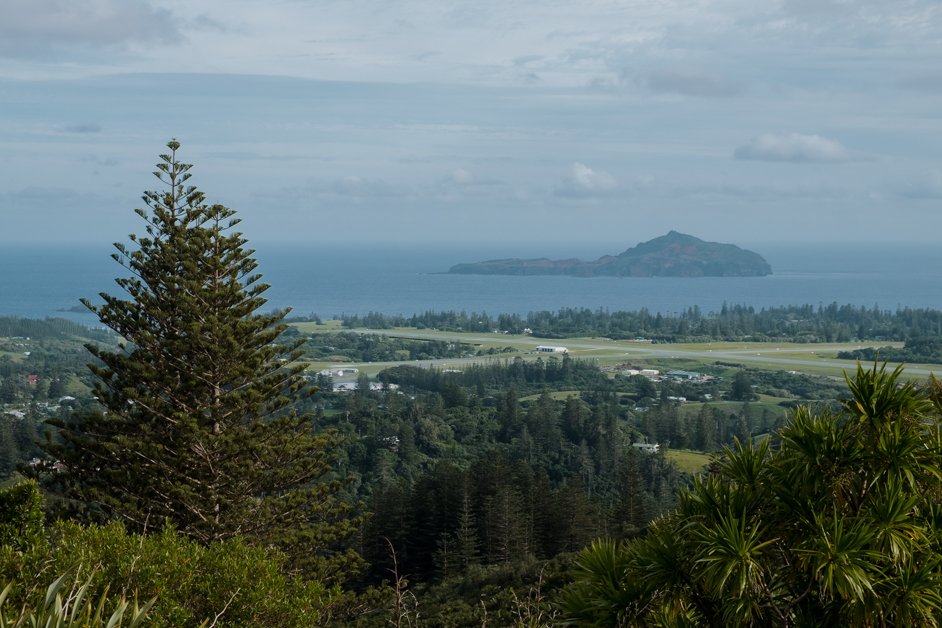
In the heart of the national park, you can drive all the way to the top of Mount Pitt for panoramic views over the entire island below. It's one of the highest points on the entire island and you can see pretty much everything, including out to Nepean and Phillip Islands.
Some beautiful hikes through the national park also start from here.
Go snorkeling in Emily Bay
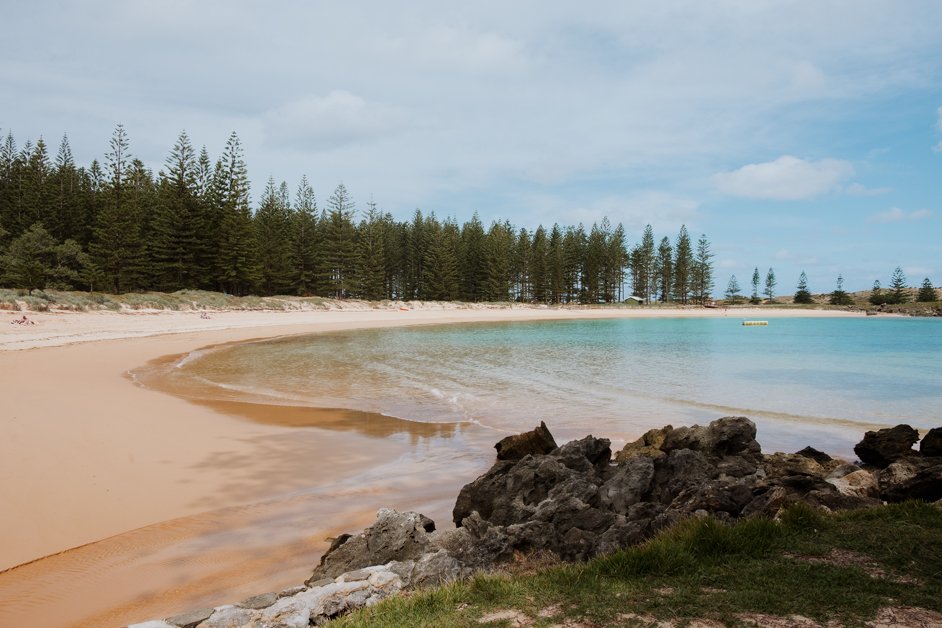
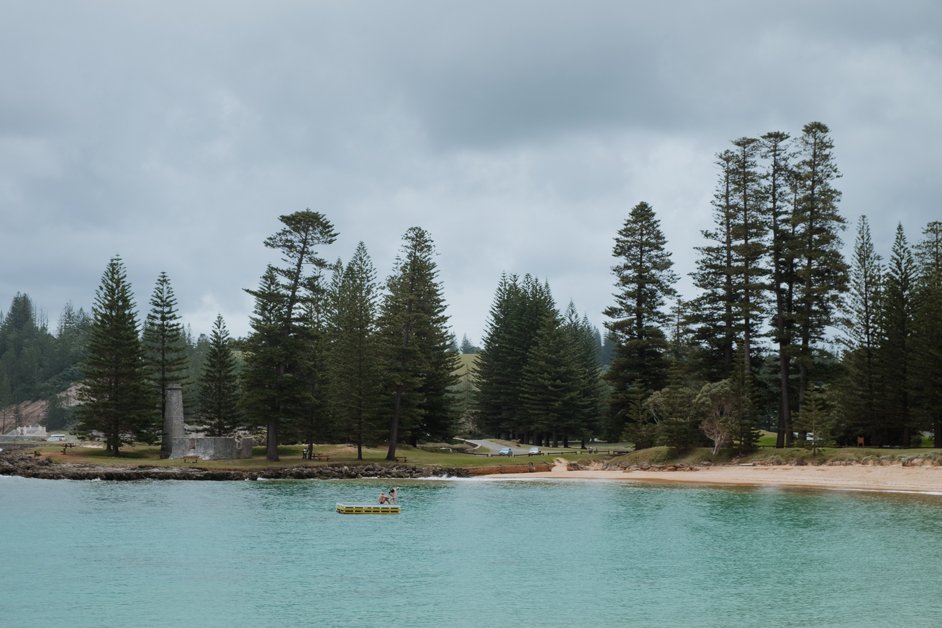
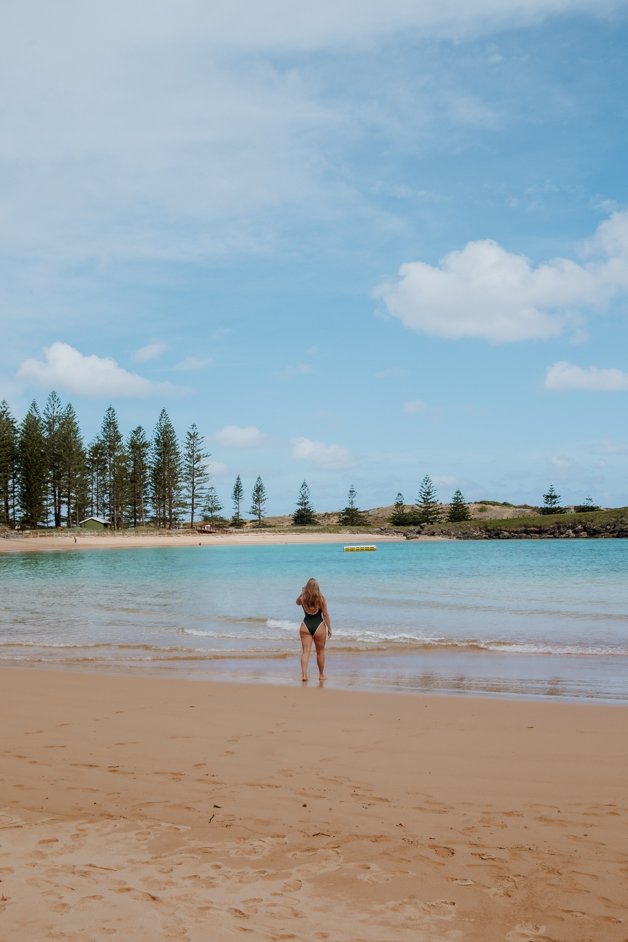
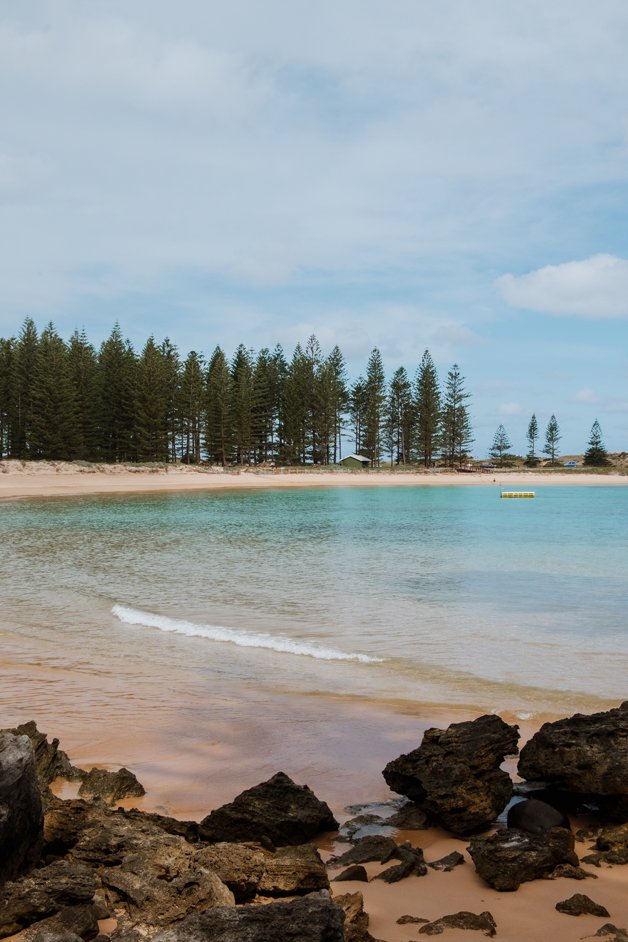
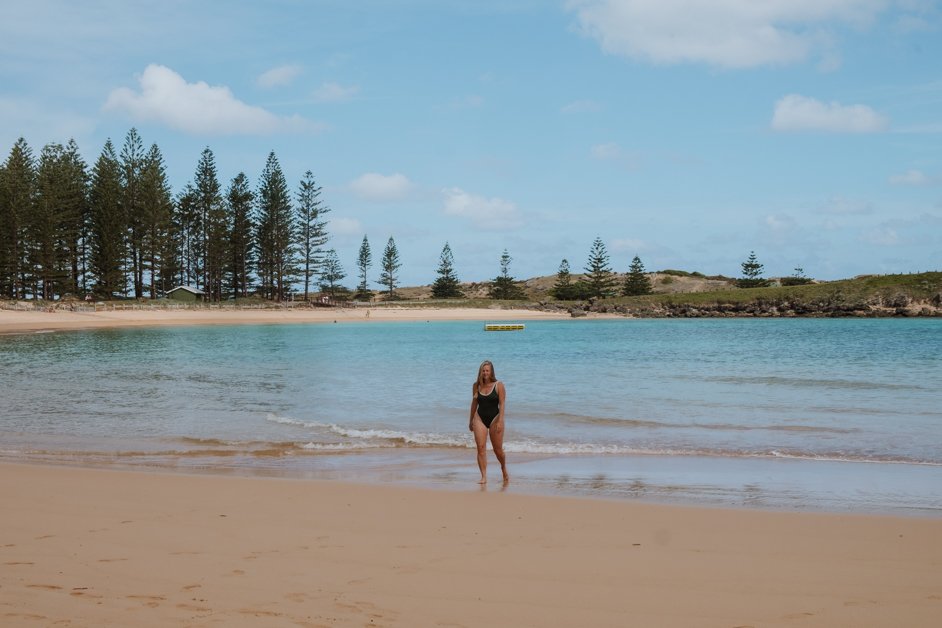
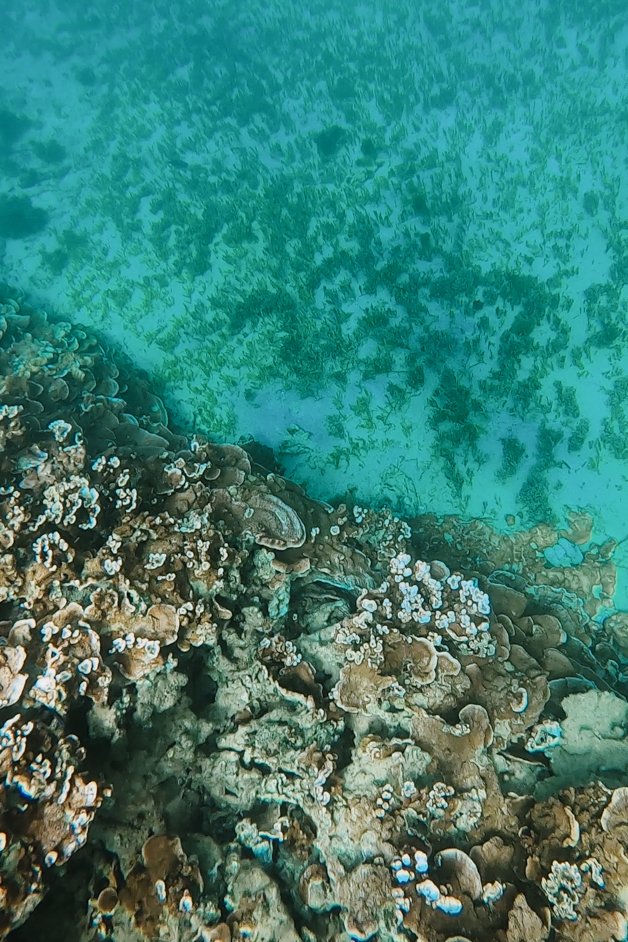
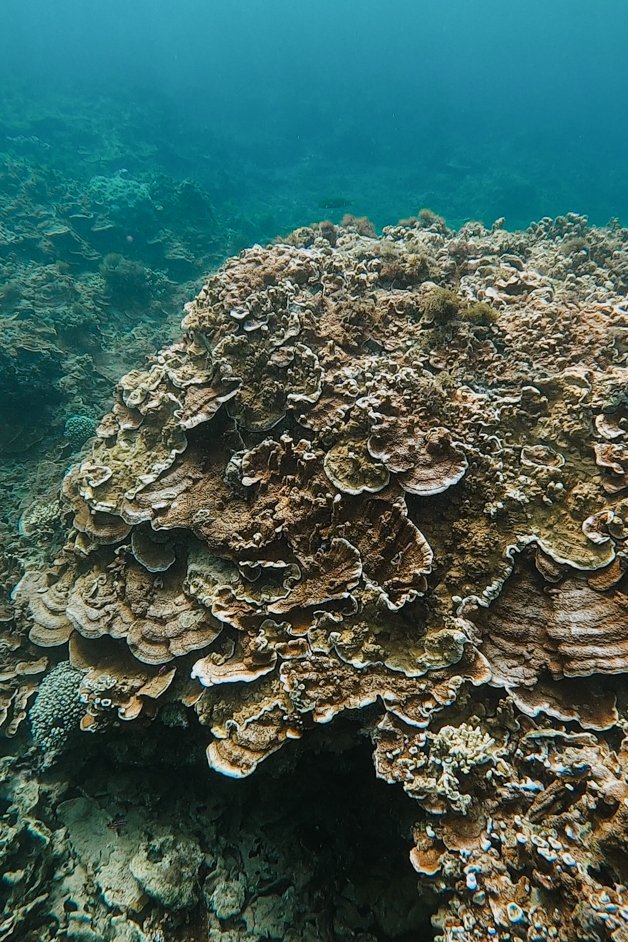
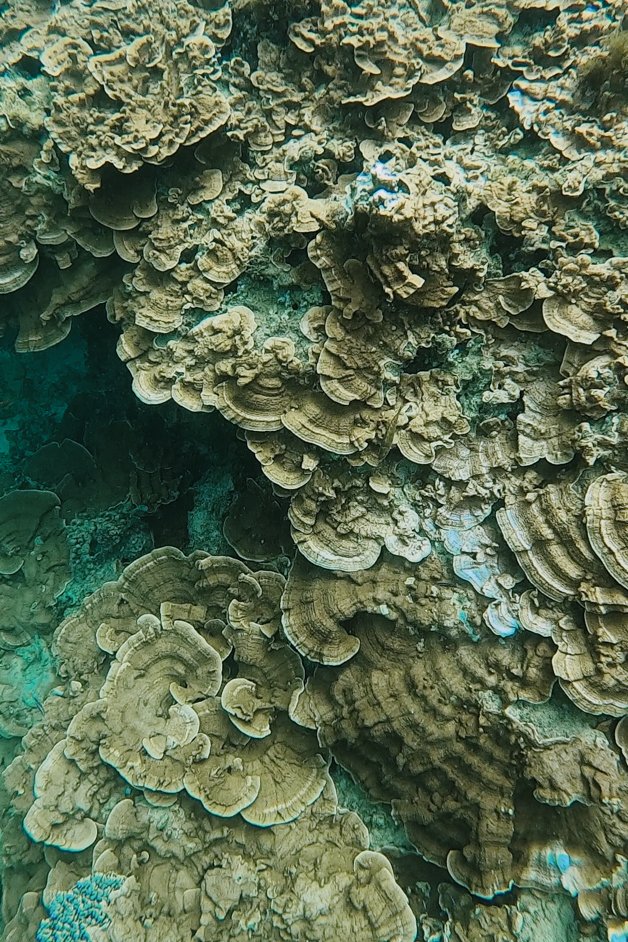
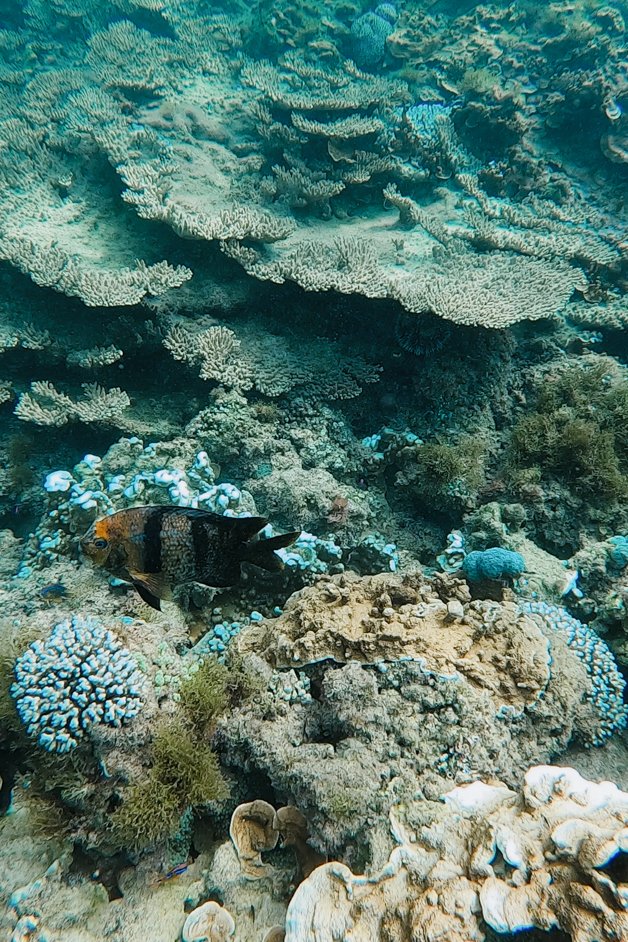
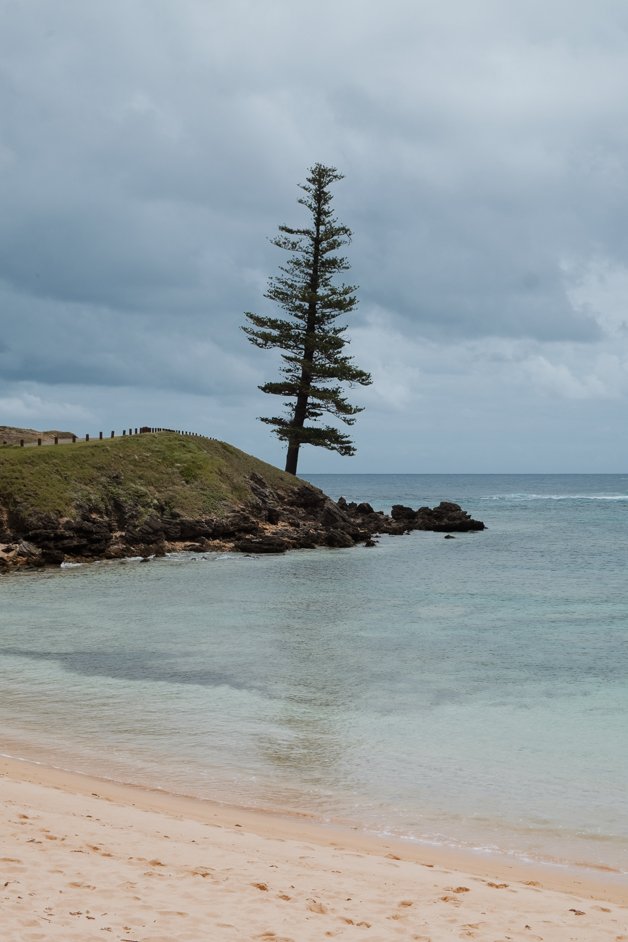
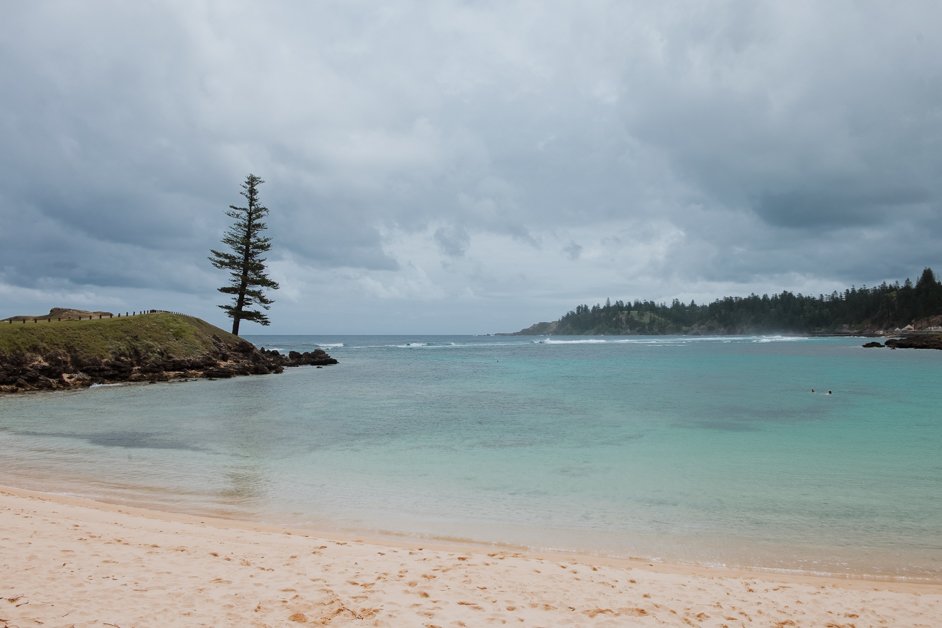
This picture-perfect beach has golden sand, clear turquoise water and majestic Norfolk pine all around. It's one of the best spots for snorkeling on the island in peaceful, protected bay and best of all, you can just get right in off the beach.
Spot the Lone Pine
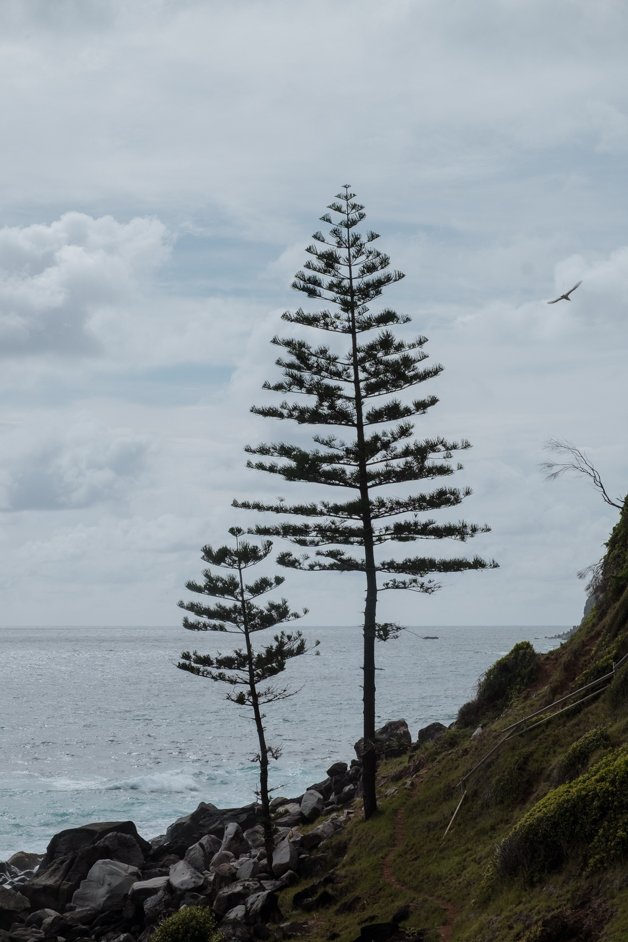
Situated on one end of Emily Bay, Lone Pine is a standalone Norfolk pine said to be over 600 years old looking out over the ocean, making for a great photo spot.
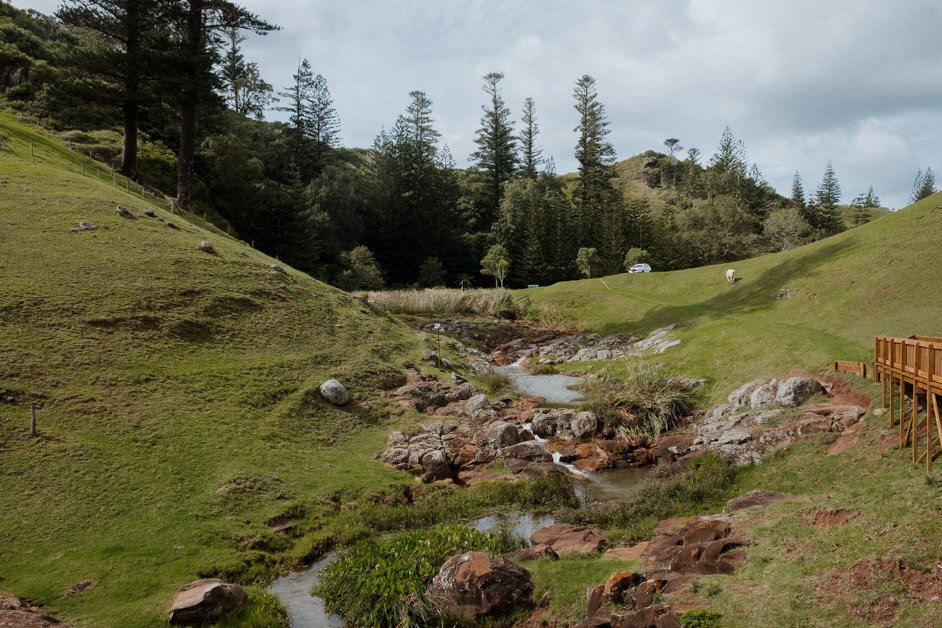
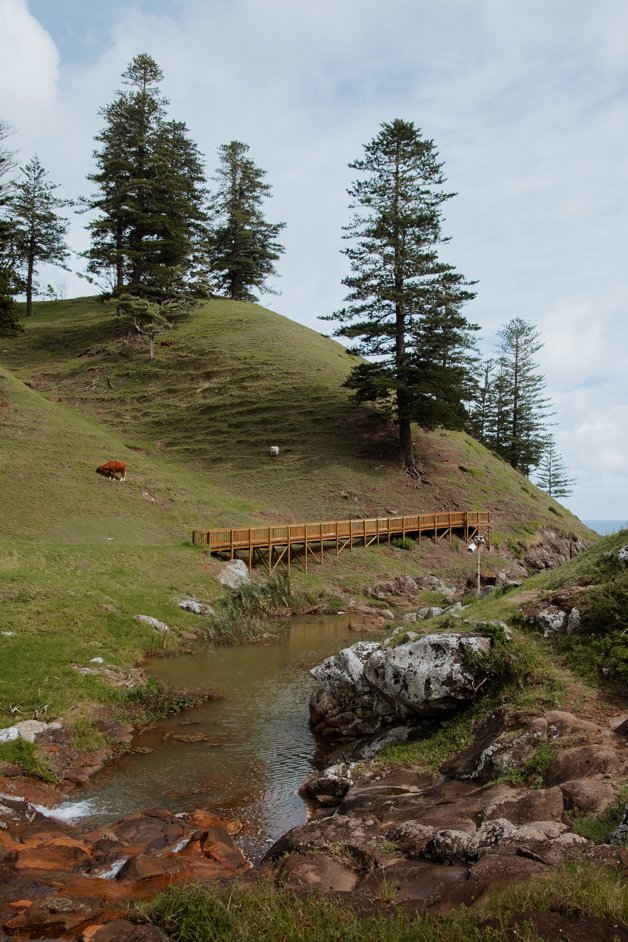
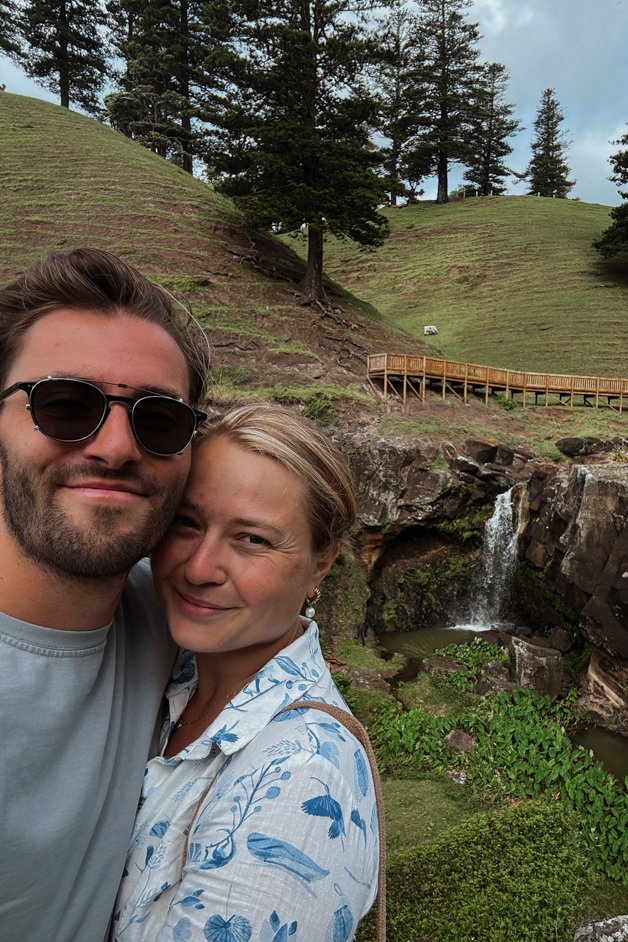
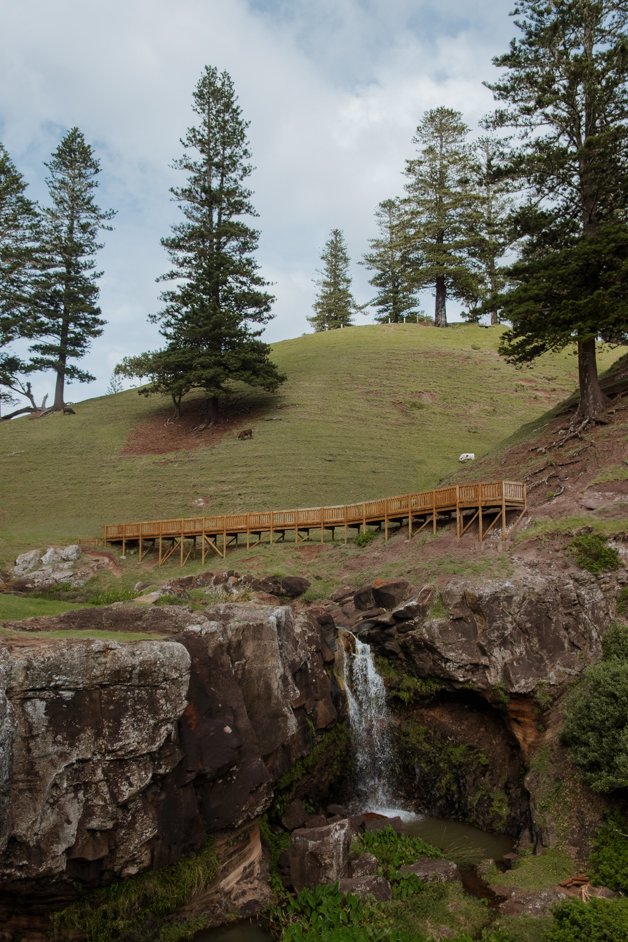
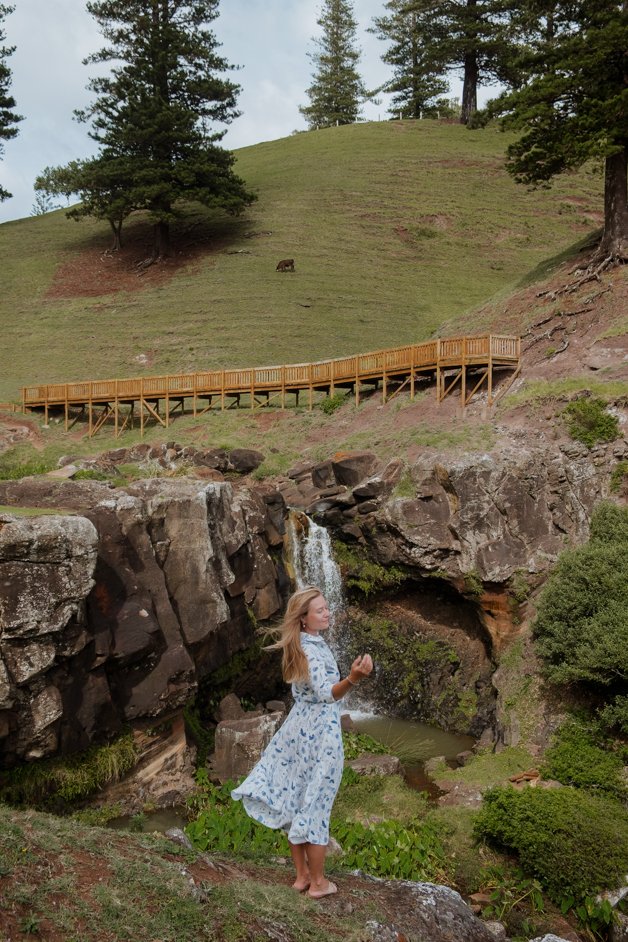
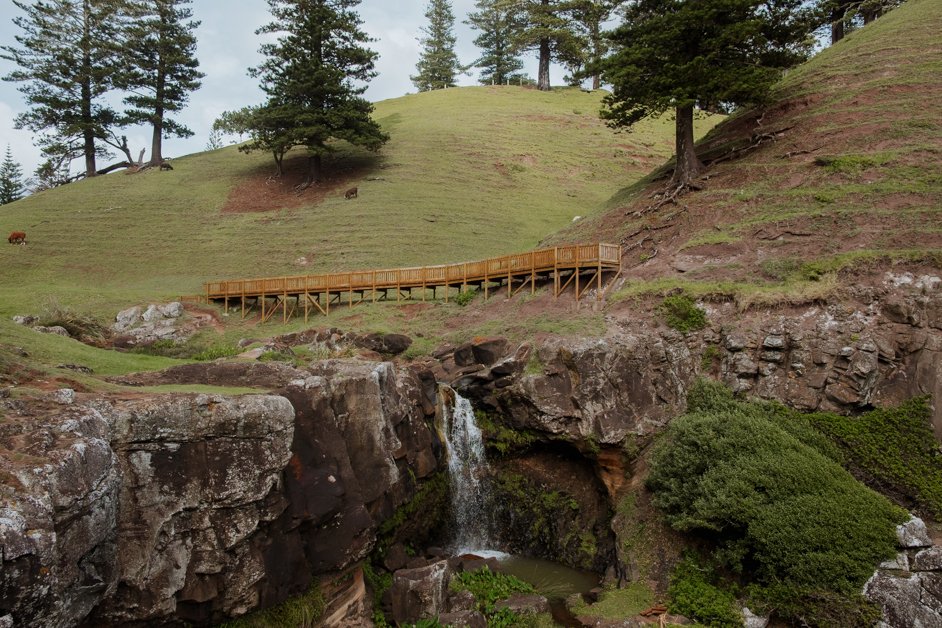
Find Cockpit Waterfall
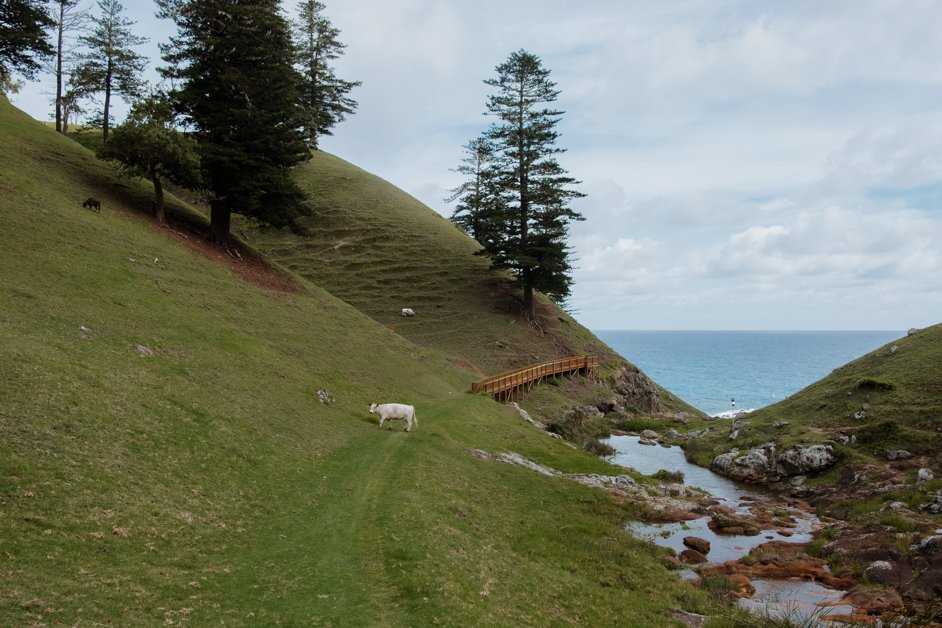
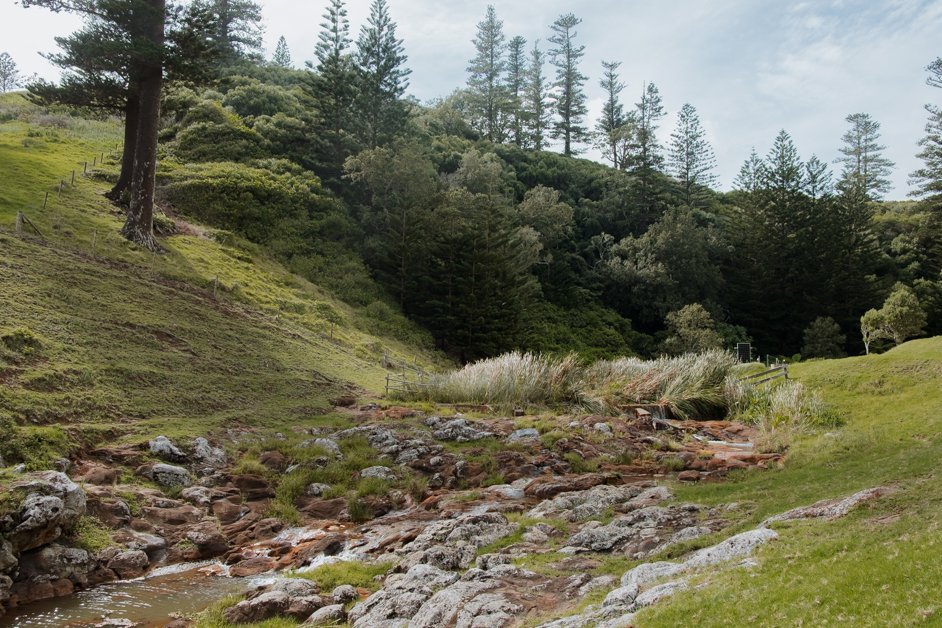
Cockpit Waterfall is a gorgeous waterfall trickling through mossy green grass before tumbling into Cockpit Bay.
There is a boardwalk here but it doesn't give a great view of the falls. Instead, cross the creek to the other side and walk down the dirt trail there for amazing views looking back to the falls as well as out to Cockpit Bay.
Getting here is not marked on Google Maps; turn right down the dirt road off Prince Phillip Drive.
Find secondhand treasures at the Opp Shop
Norfolk Island's Opp Shop is such a cute little store full of donations and treasures to dig through. I picked up gorgeous hand-stitched artwork of an adorable cottage here.
It's cash only, so bring some change!
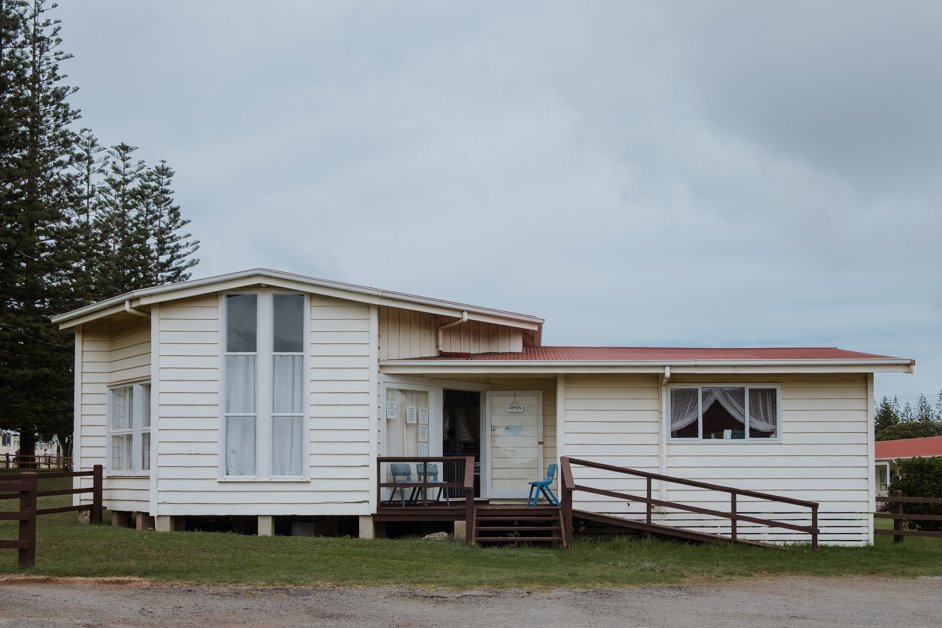
Take in the view from Flagstaff Hill
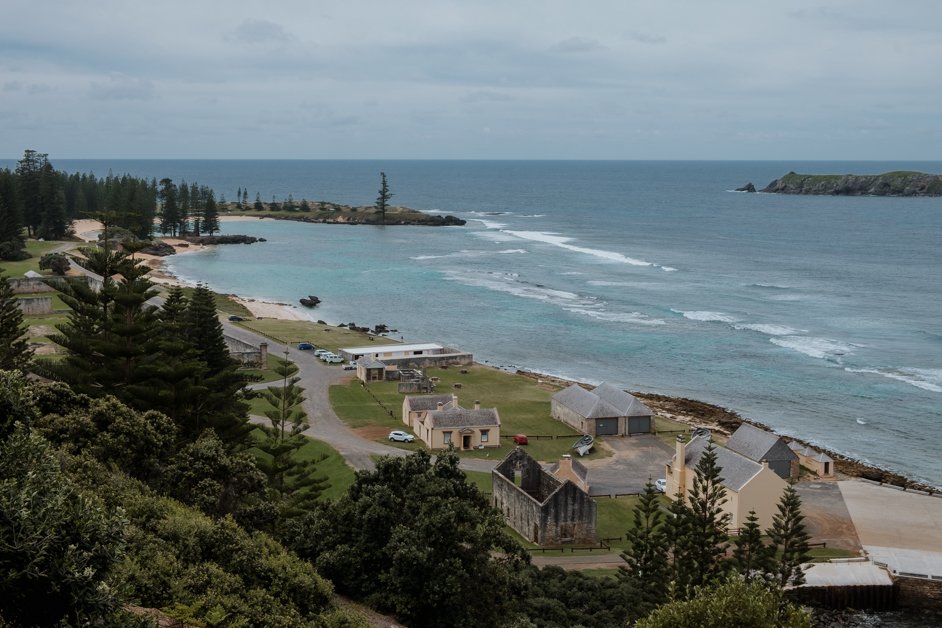
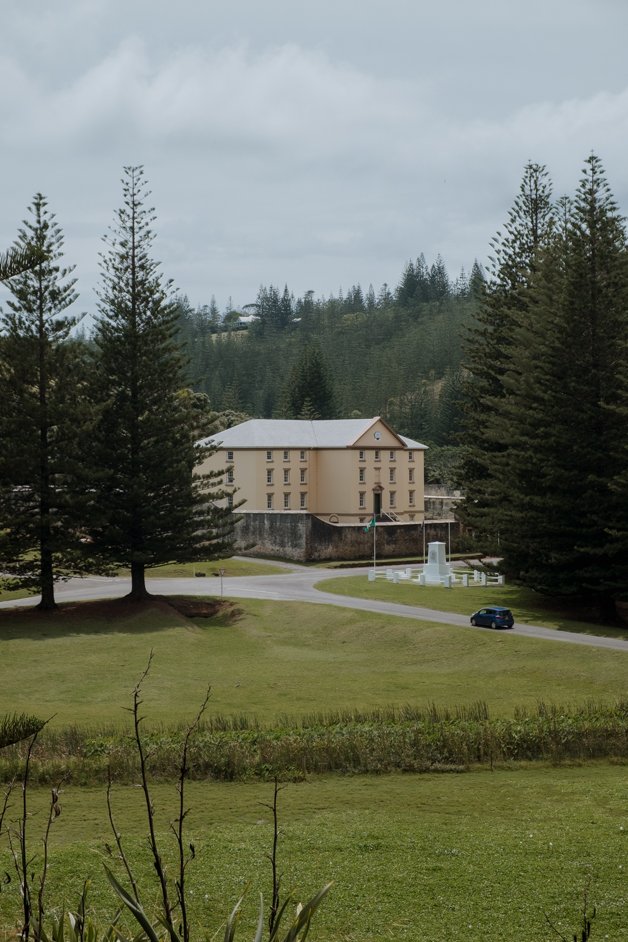
Located in the Kingston UNESCO Convict Prison Site, Flagstaff Hill has incredible views overlooking the site. It's named for the flagstaff that still stands here which used to signal to islanders which type of ship had pulled into harbour. There are about 200 steps to the top.
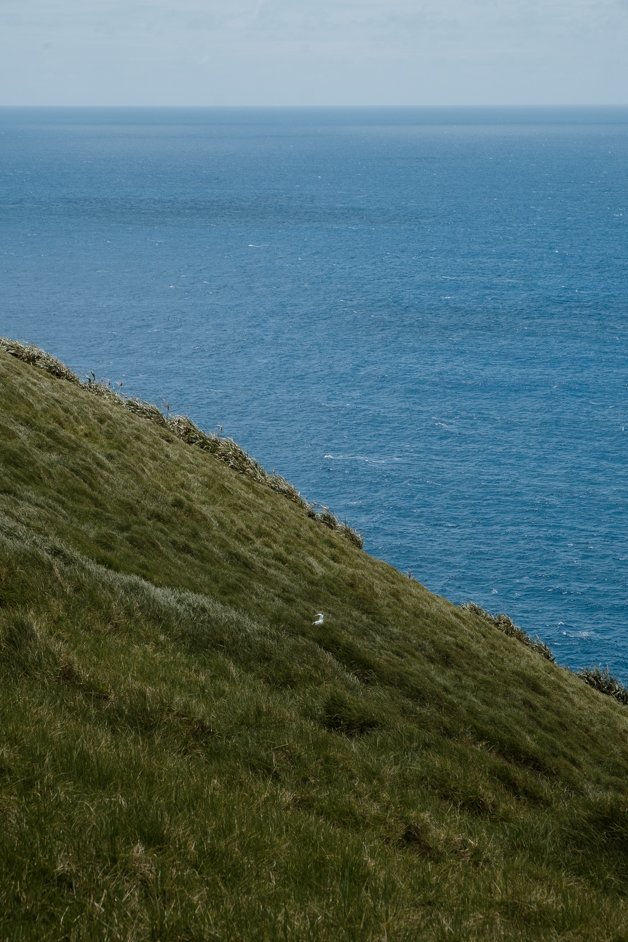
Spot birds at the Bird Breeding Grounds Lookout
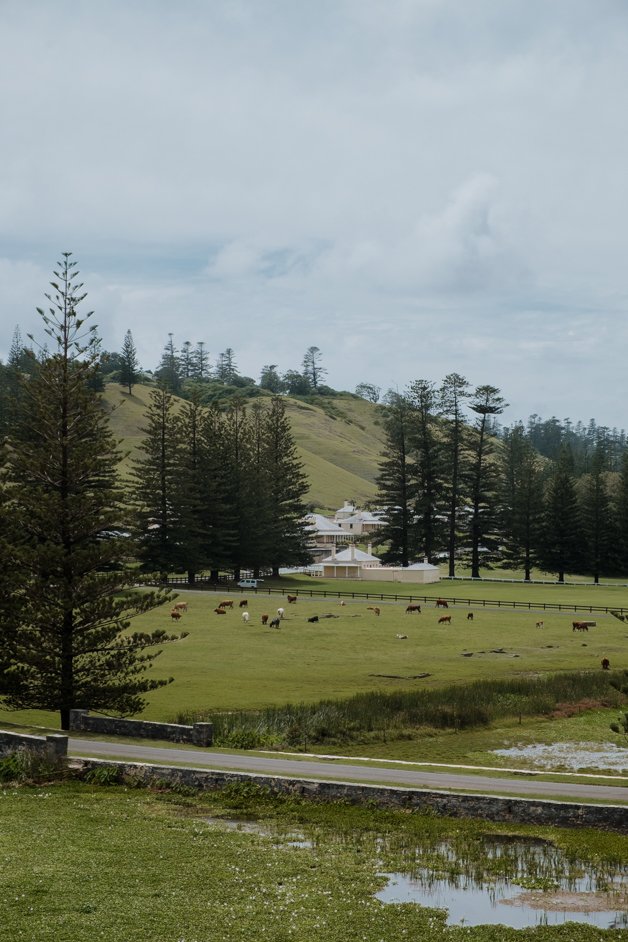
As the name says, this is a popular spot for seabirds to breed along the grassy cliffs overlooking the ocean, located at the end of Fishermans Lane. The views are incredible, too.
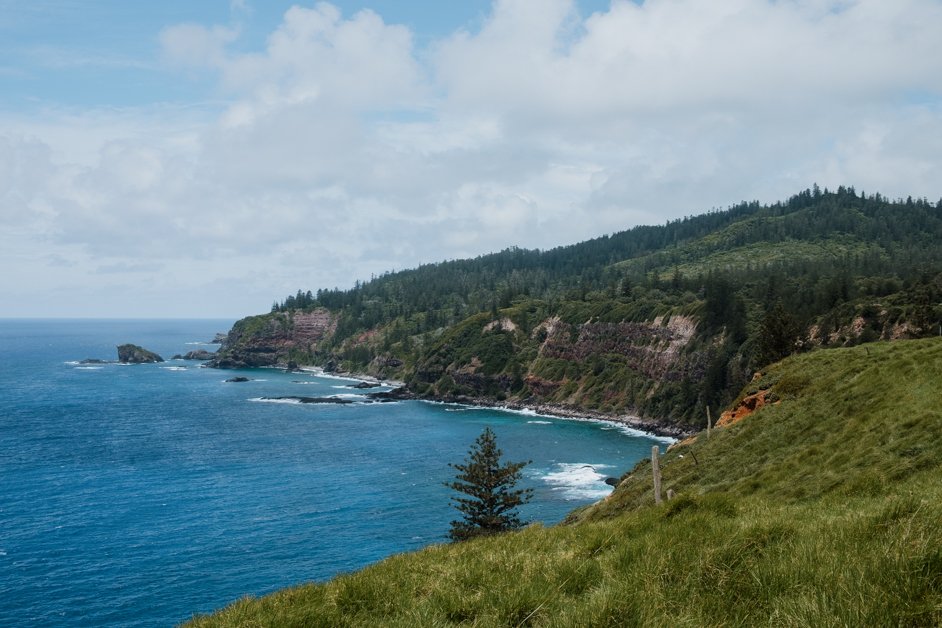
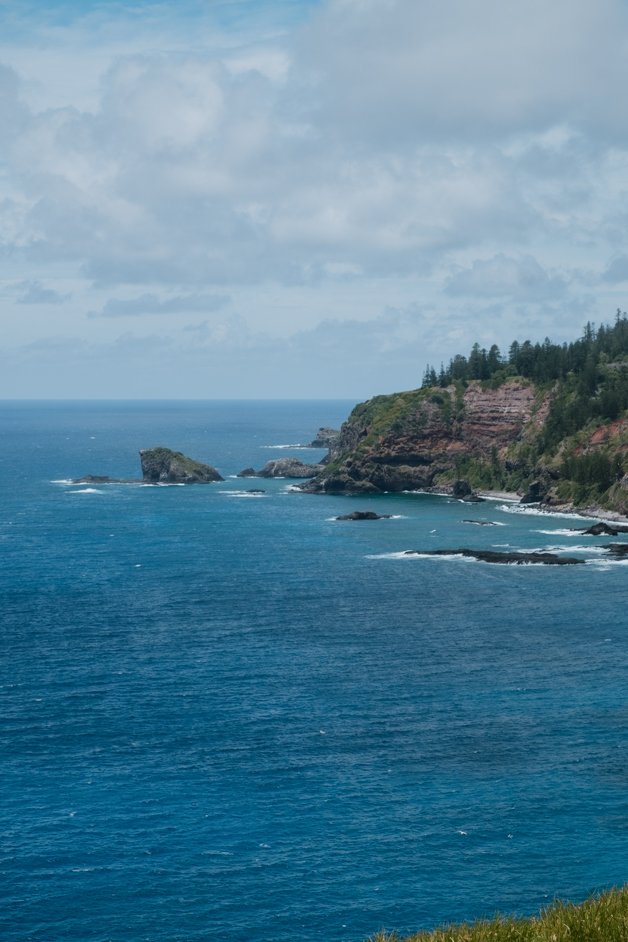
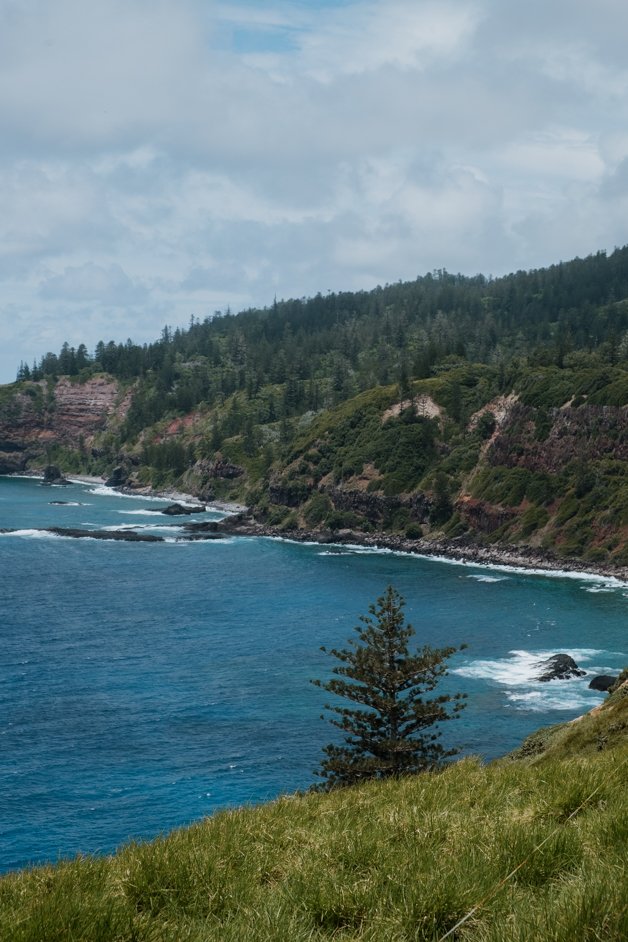
Take in the view from Two Chimneys Reserve
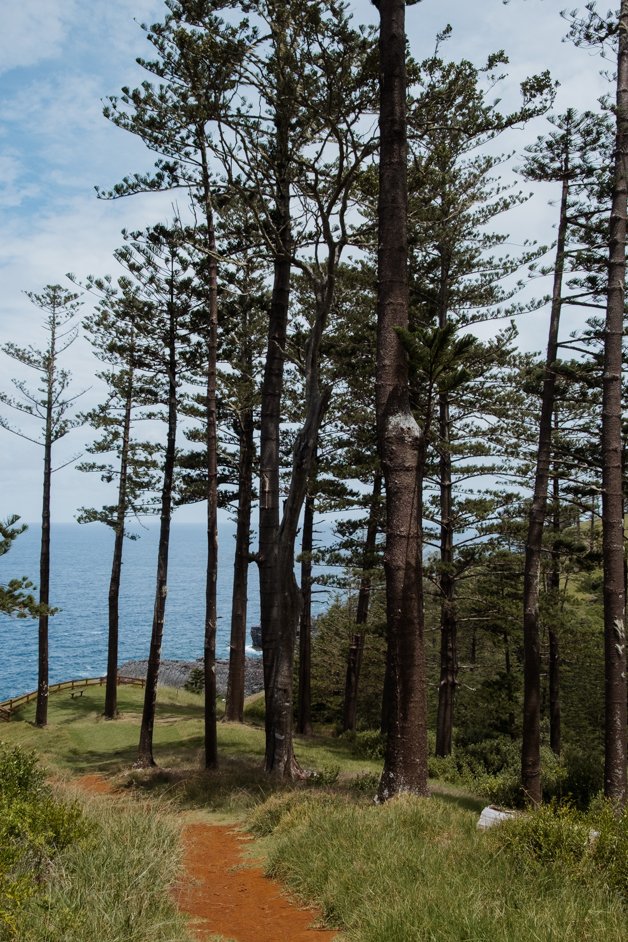
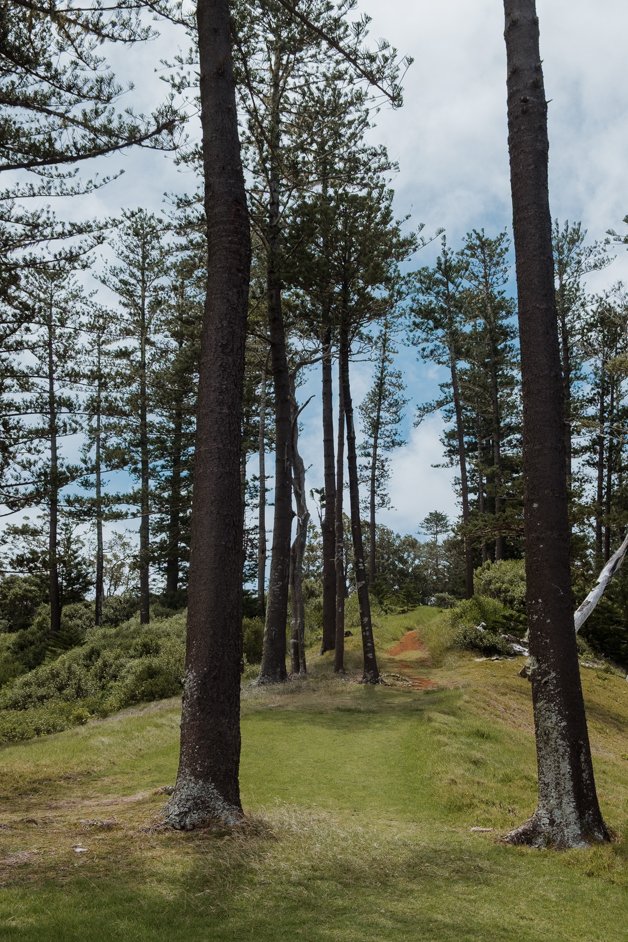
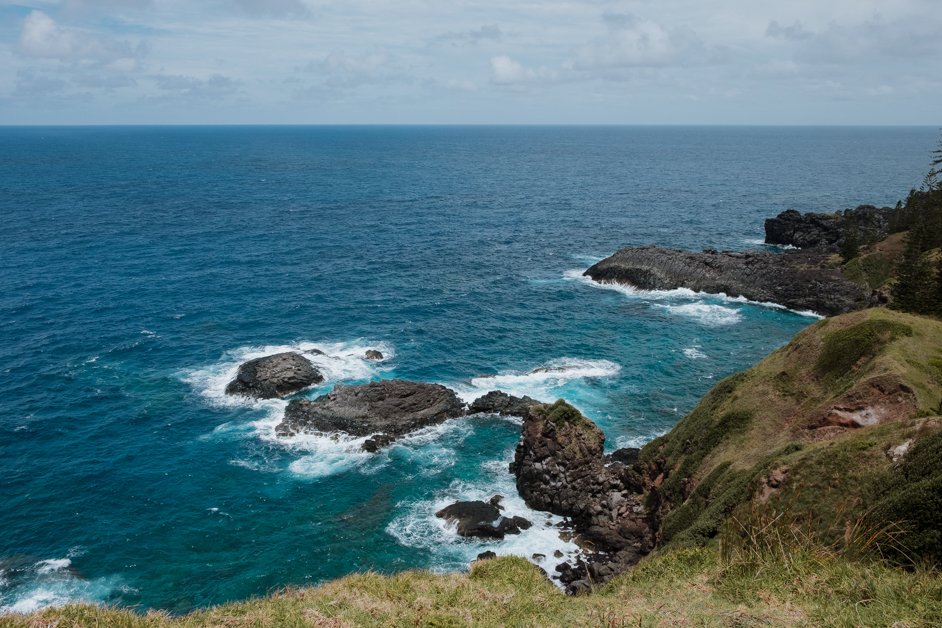
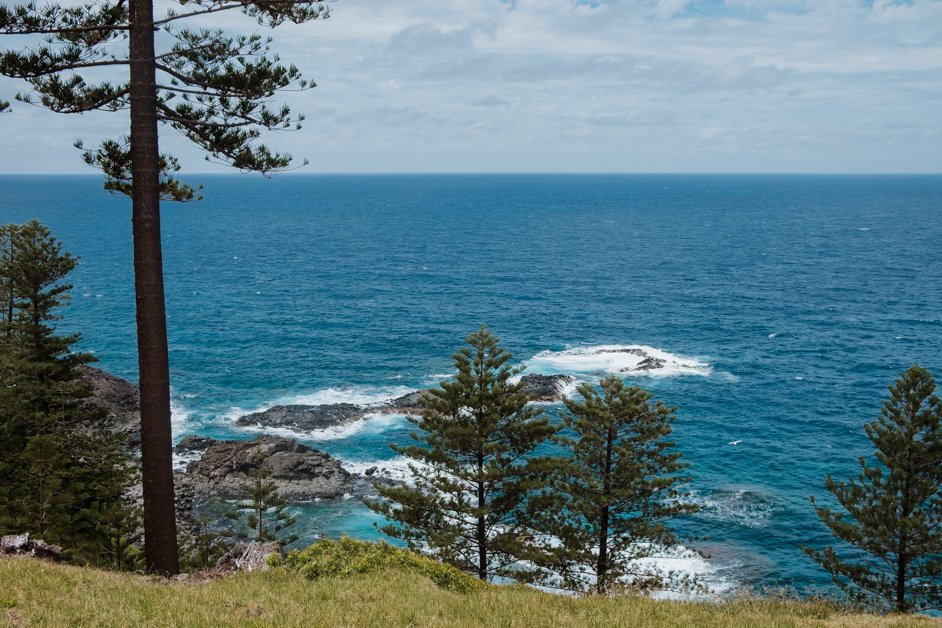
Located on the eastern side of the island, this gorgeous reserve is perfect for strolling in, having a picnic and enjoying the astounding views over the ocean with rocky outcrops dotting the coast.
PIN THIS POST TO REFER BACK TO LATER!
GET READY TO TRAVEL!
— Book tours and experiences - with GetYourGuide
— Get all the gear you need for your trip - with Amazon (North America)
— Get all the gear you need for your trip - with Amazon (Europe)
— Find a place to stay - with Booking.com
— Choose a hostel to stay at - with Hostelworld
— Purchase global travel insurance - with World Nomads
— Load an international eSim on your phone - with AirAlo
— Start your own travel blog - with Hostinger
— Join the GetYourGuide Travel Creator Community - with GetYourGuide
Discover more from Jana Meerman
Subscribe to get the latest posts sent to your email.

Hi! I’m Jana, a Dutch-German-British-Canadian with a dream of seeing every country in the world. I am a storyteller, photographer and adventurer passionate about documenting and sharing my travels.